studio zhu pei renovates art museum in beijing using dramatic concrete expressions
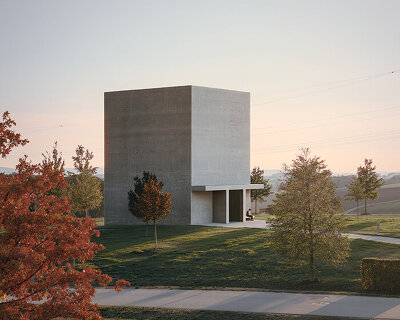
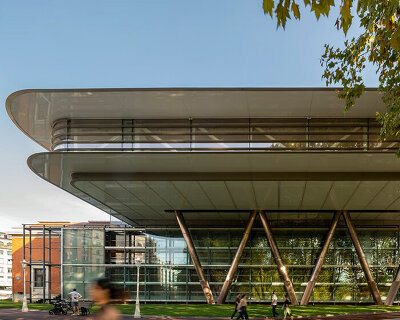
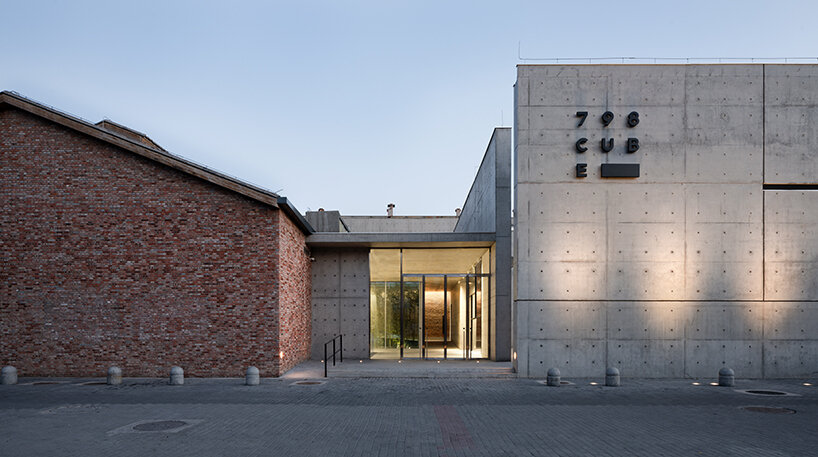
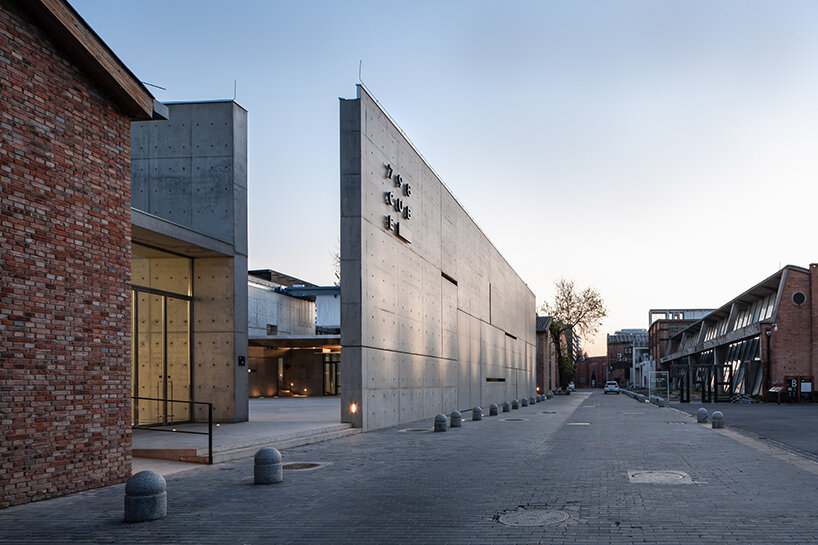
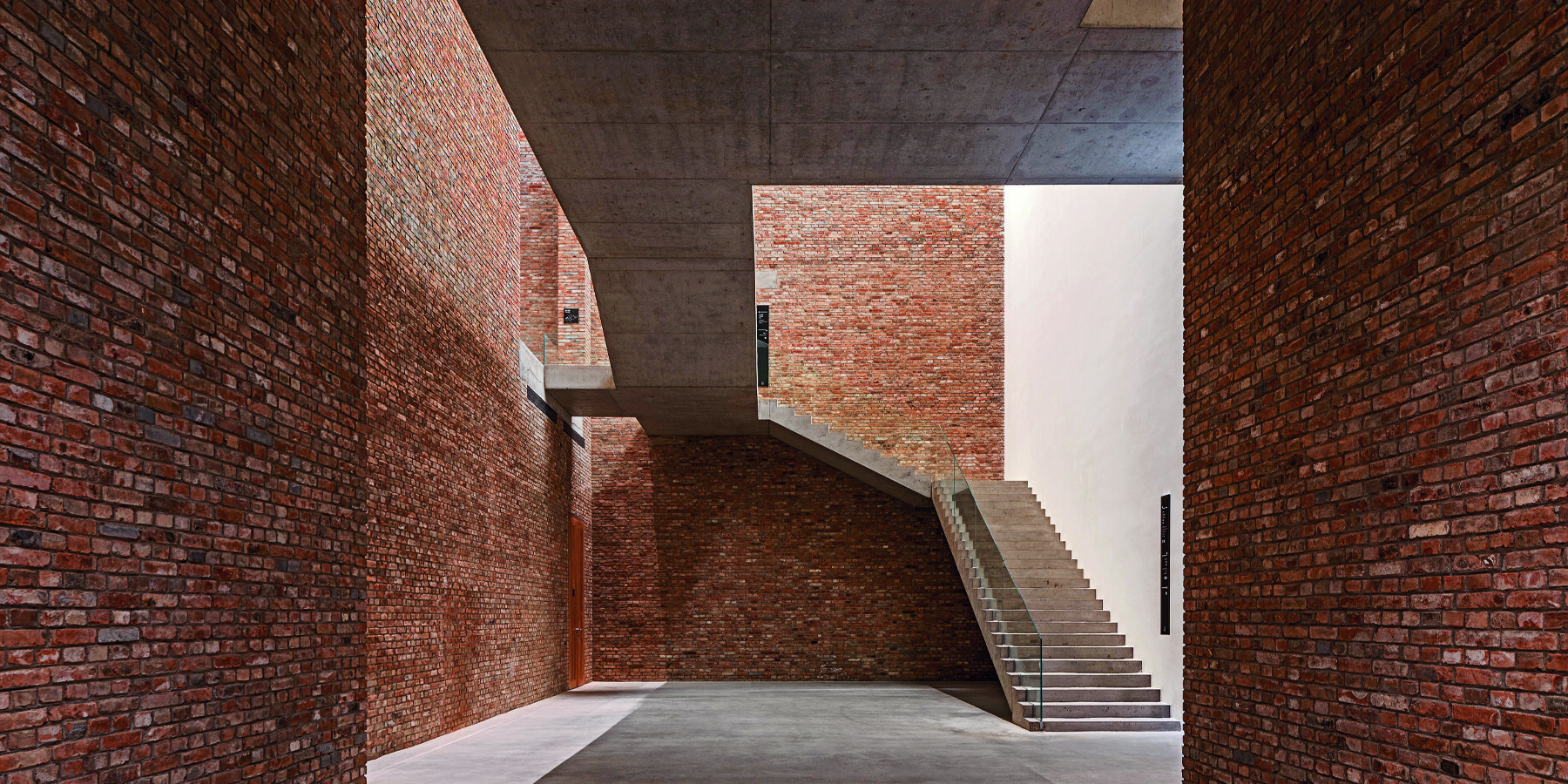
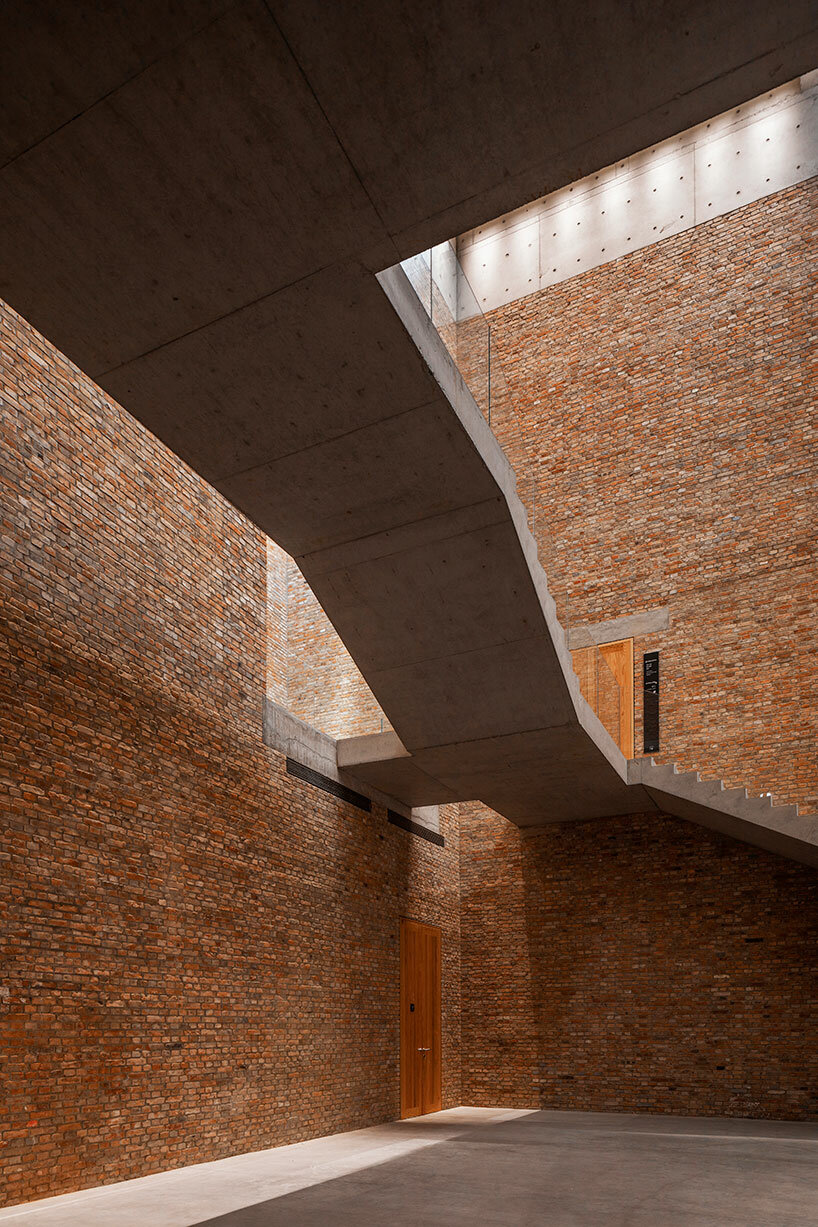
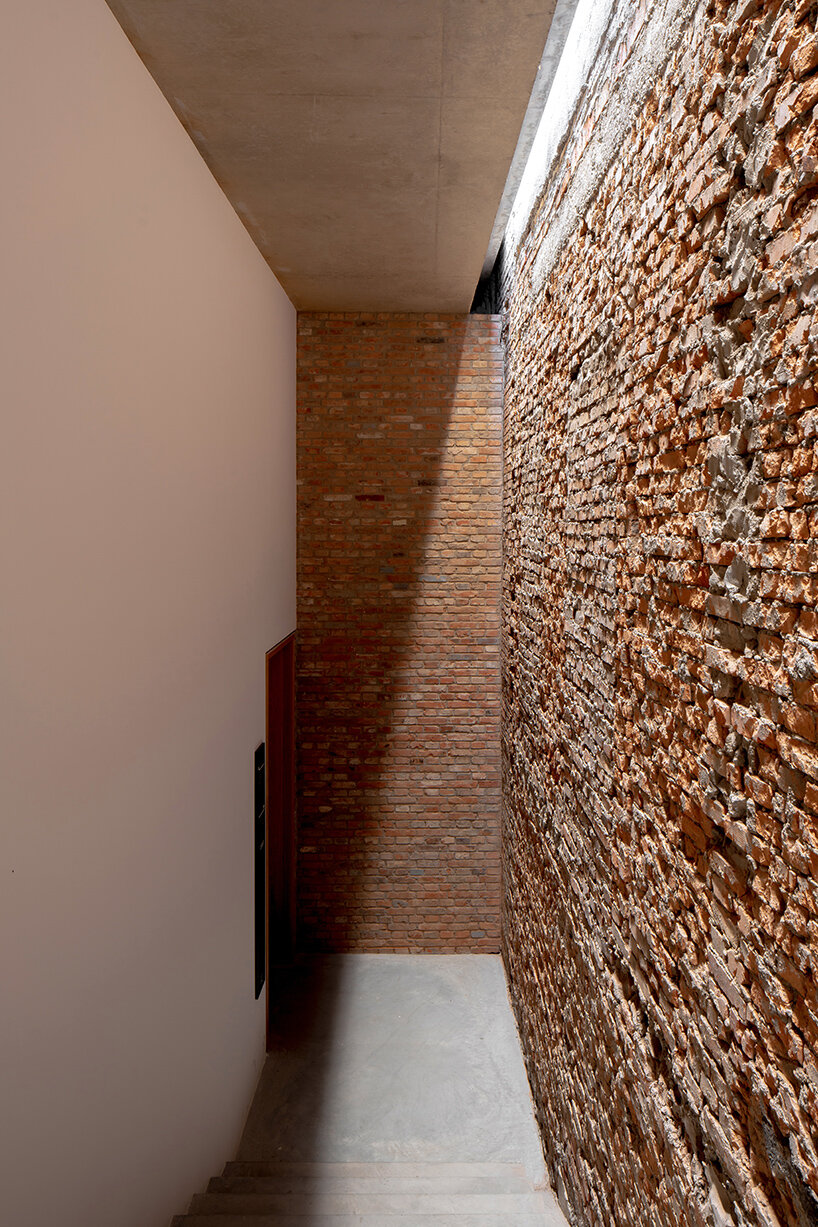
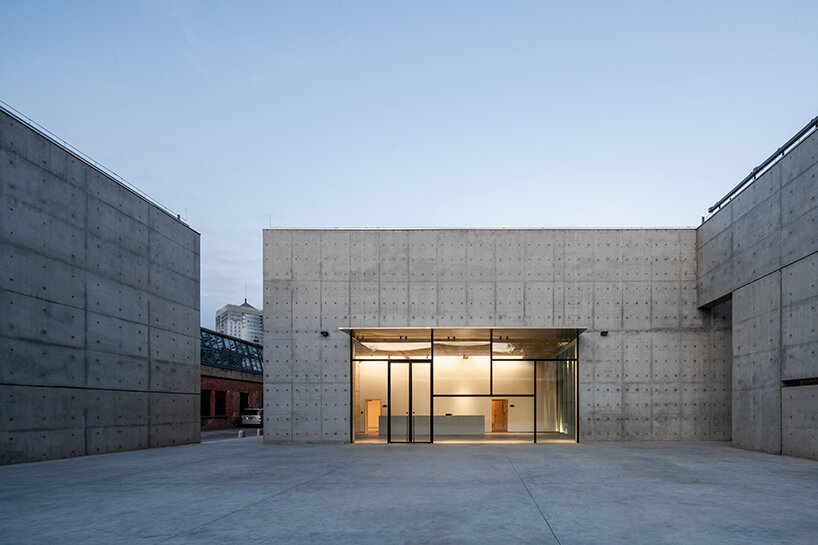
the old red brick texture of 798CUBE art museum's existing building are extended via a series of concrete cubes.
prefer designboom on google[FEATURED]
studio zhu pei completes 798CUBE Art Museum in beijing
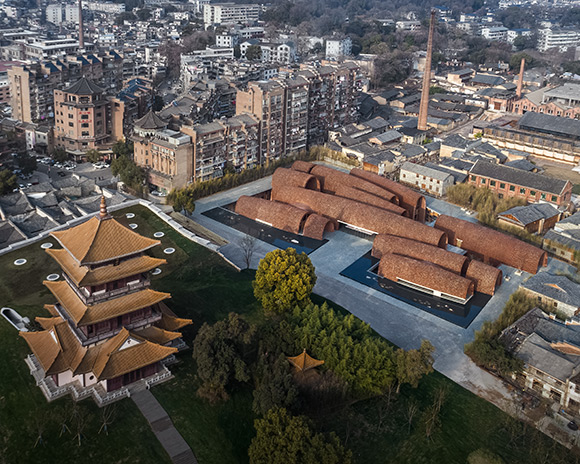
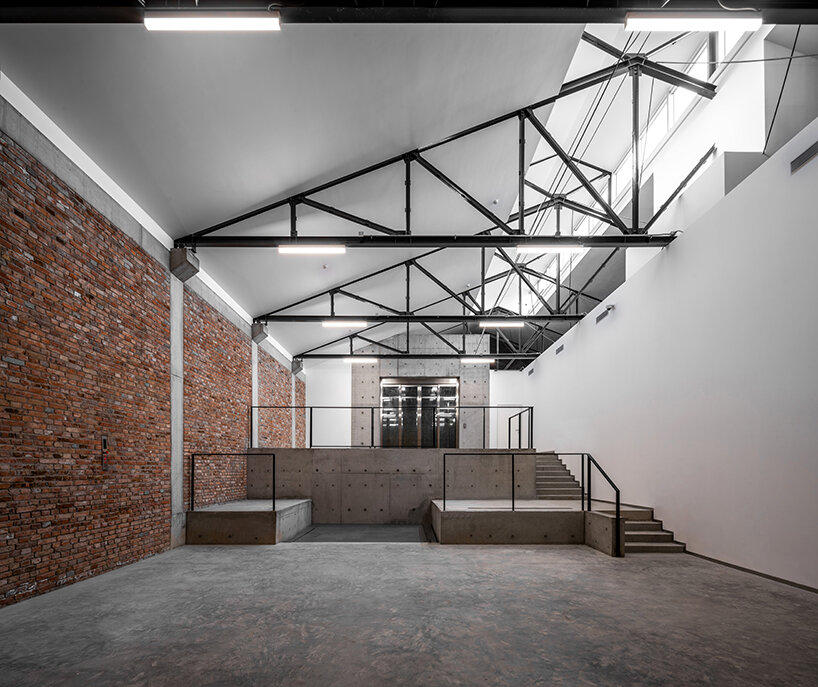
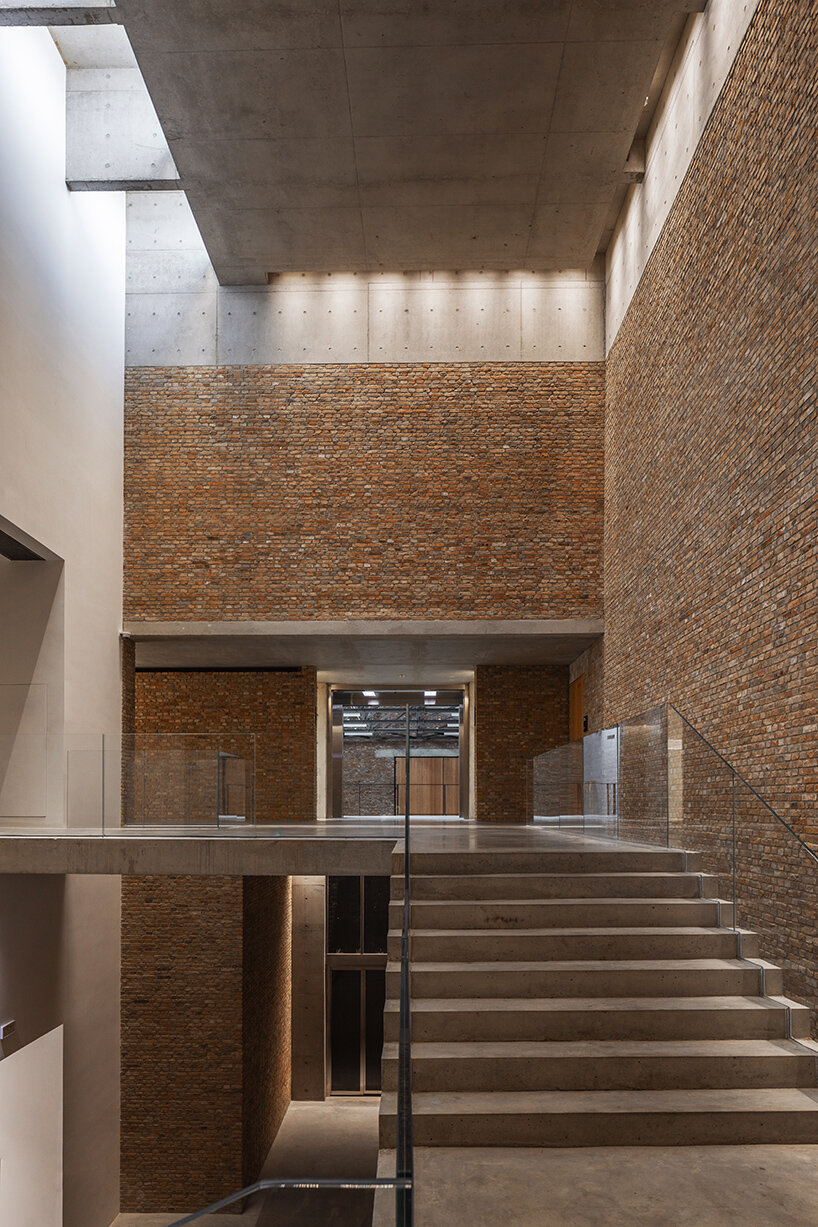
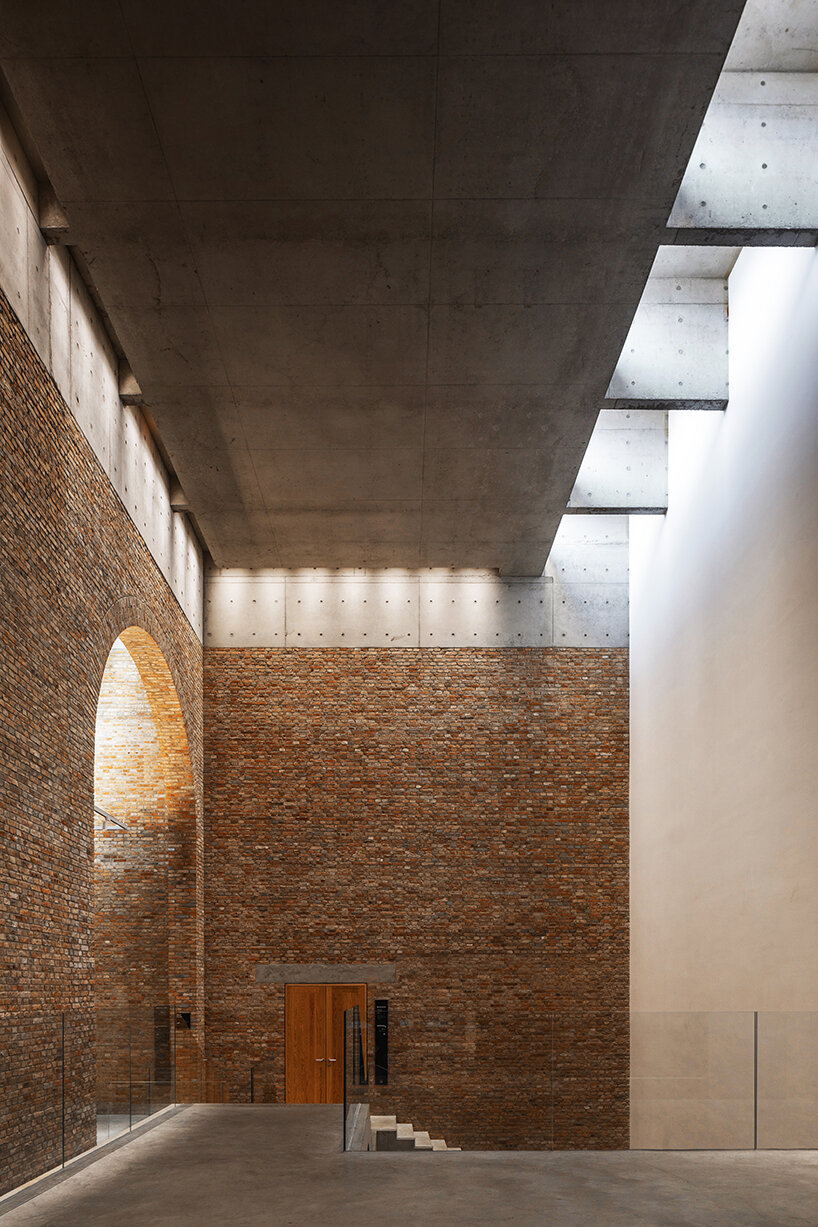
798CUBE Art Museum is a renovation project led by Studio Zhu Pei inside the 798 art district, adjacent to the Pace Art Museum and Minsheng Museum of Modern Art in Beijing, both designed by the practice in 2009 and 2016 respectively. Pairing new concrete forms with old brick structures, the idea of the art museum begins with a sensitive and in-depth observation of the surroundings in a specific area, where a big chunk of old industrial plants were retained. ‘On this basis, new buildings are injected, so as to create the tension between the new and old buildings, and complement each other with surrounding industrial buildings, such as Pace Art Museum,’ comments the practice.
uplifting & retracing the character of the museum context
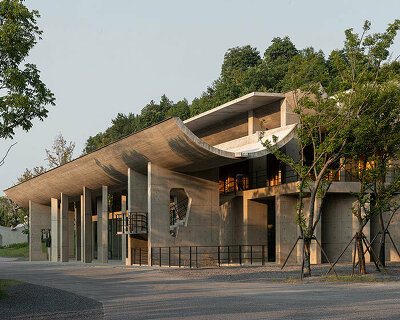
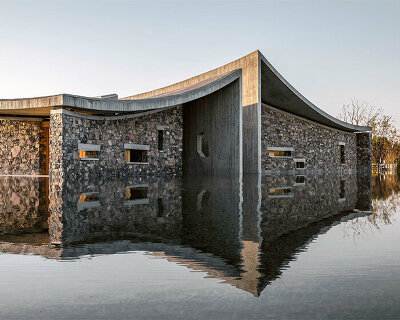
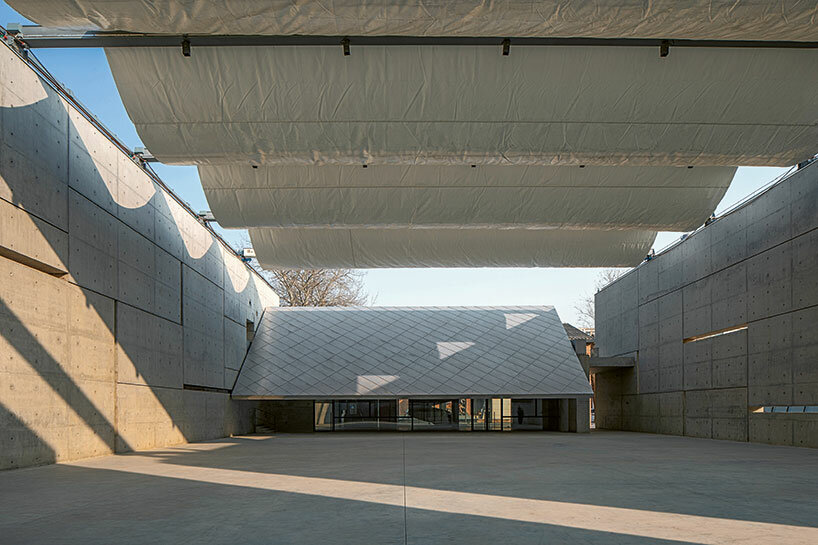
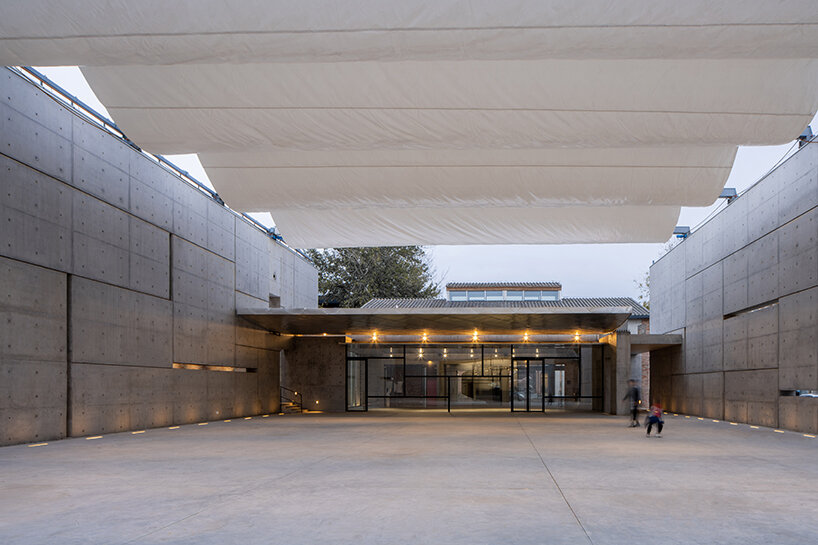
The design 798CUBE Art Museum by Studio Zhu Pei (see more here) traces the red brick texture of the original industrial heritage building, adopting a series of concrete cubes to shape the order of orthogonal geometric shapes, and reflects the construction and planning logic of the 798 art district. Moreover, the original square surrounded on three sides by industrial plants is transformed into a relatively closed central courtyard with the help of an independent cast-in-situ concrete wall.
Meanwhile, a huge steel beam sliding crane spans the concrete walls from north to south. Primarily designed to hang art installations, these inverted arch canvases also serve as protective covers from the weather. ‘According to the weather and sun angle, these inverted arch canvases can be opened and closed at will for shading and rain protection. It is a place where people gather, a venue for the opening ceremony and an outdoor exhibition,’ explains the studio.
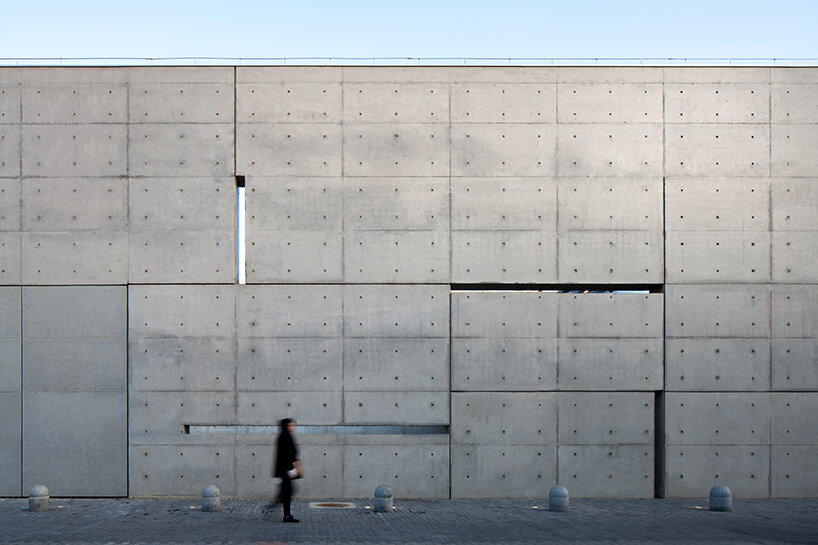
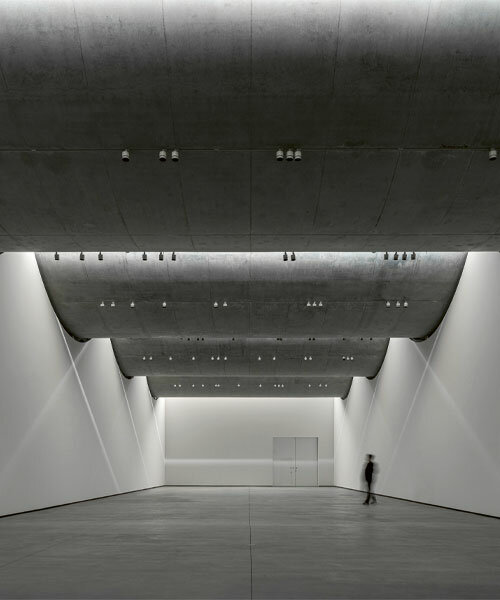
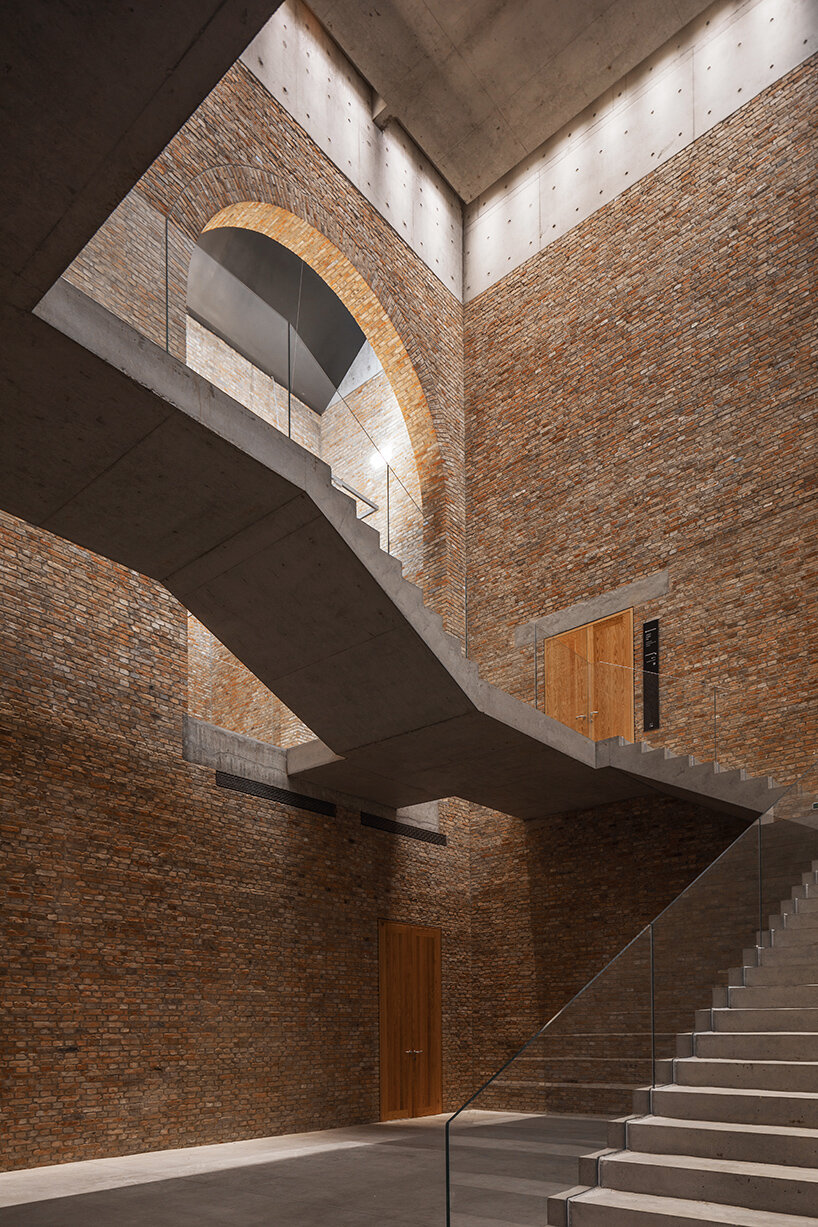
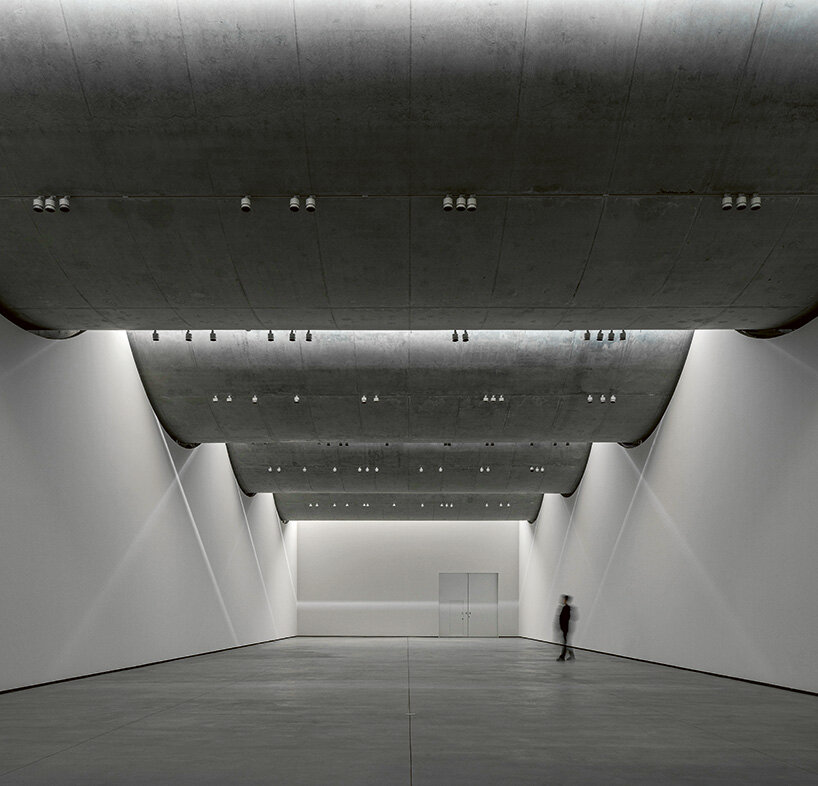
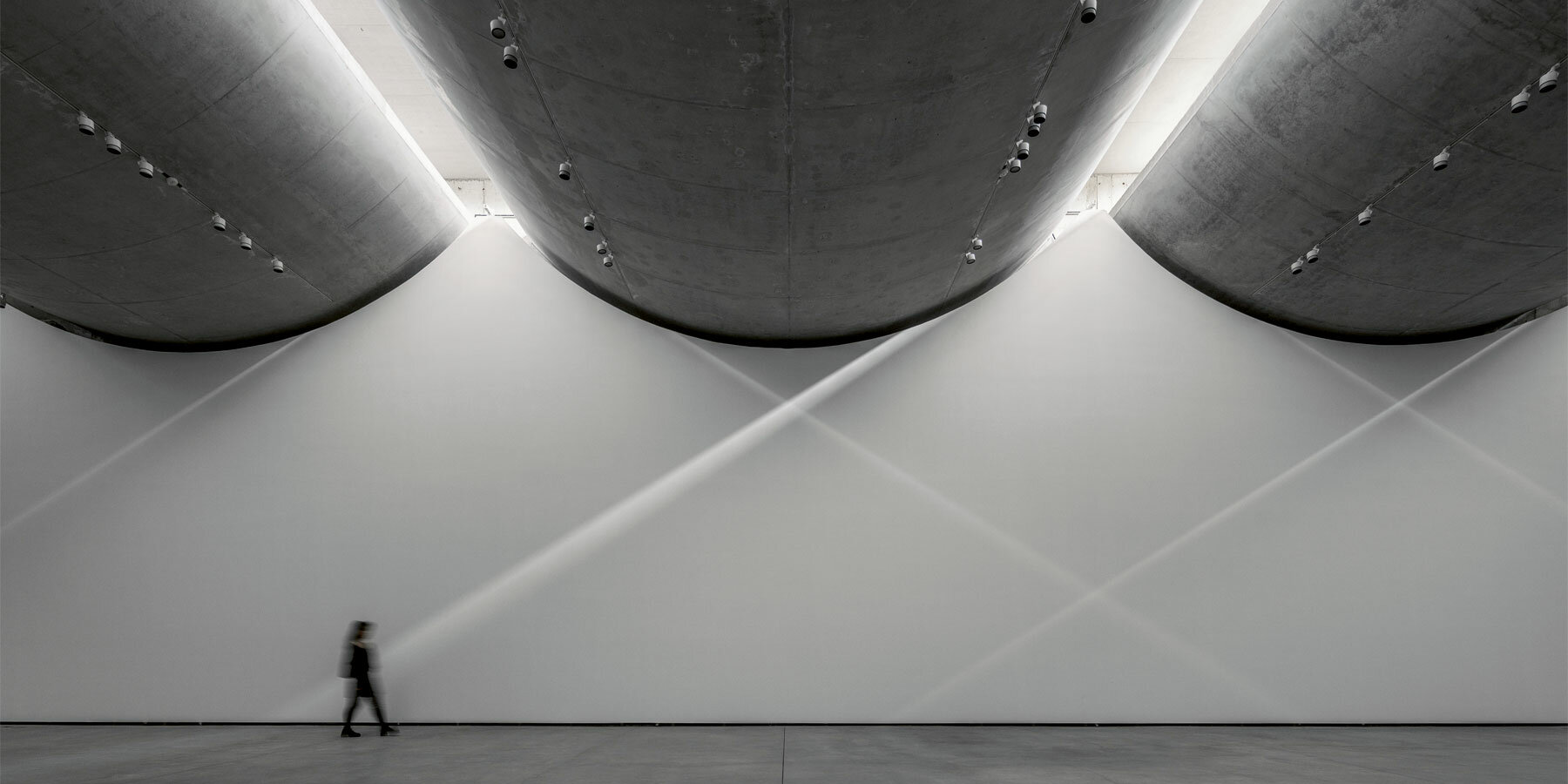
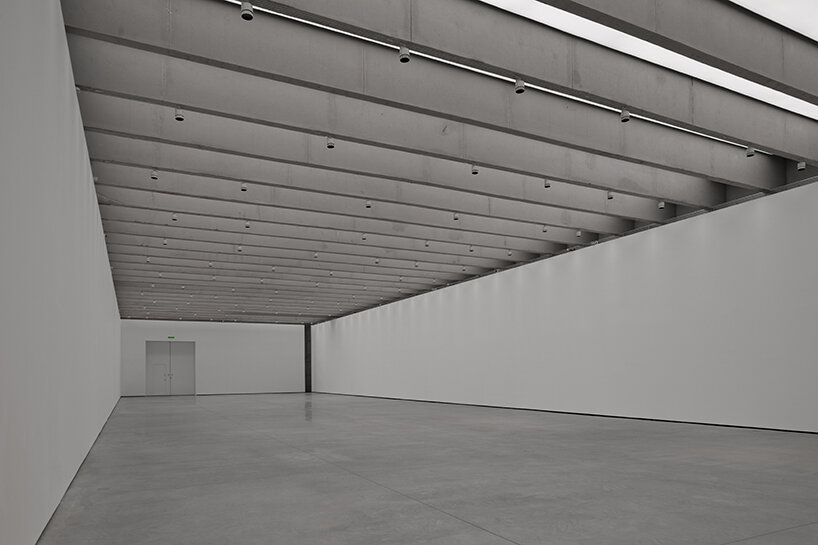
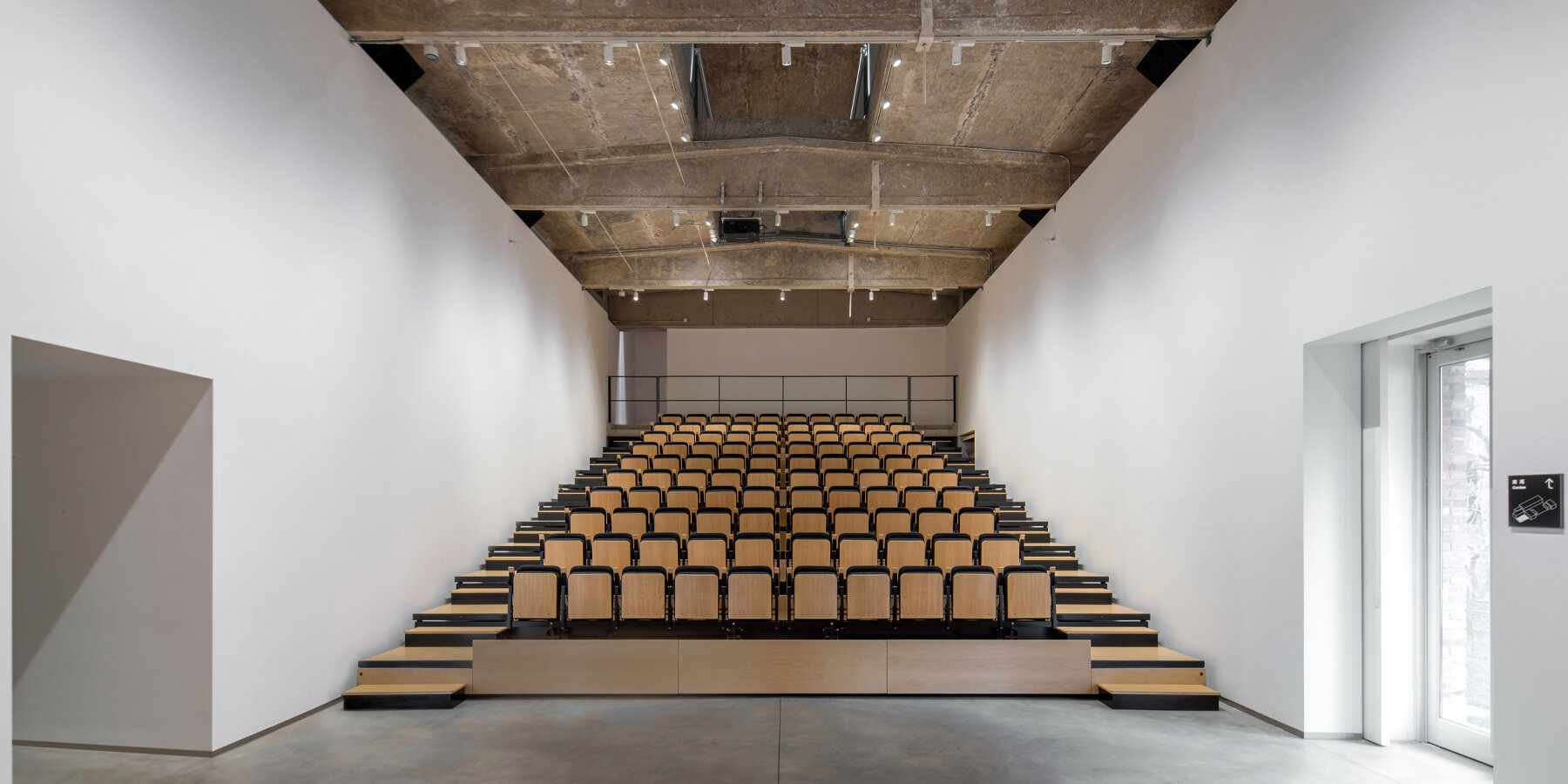
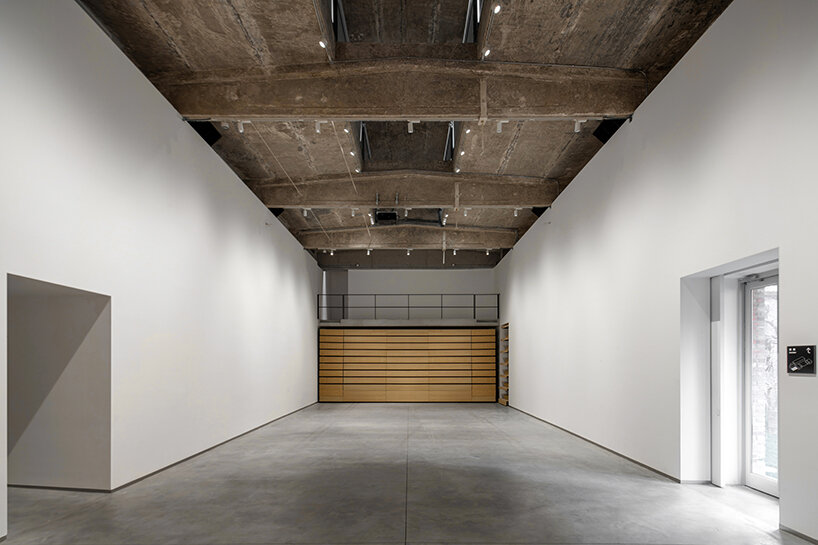
Inside, the design concept explores columnlessness, horizontally extended structural forms, and tectonic expressiveness. More specifically, Studio Zhu Pei built two new exhibition halls, each displaying that columnless, long-span, cast-in-situ concrete aesthetic with a few variations. The first one unfolds as an arched curved beam, diffused from the adjacent two arches with the natural sky light. The second hall, meanwhile, reveals a concrete multi ribbed beam to convey the characteristics of the material itself.
1/7
project info:
name: 798CUBE Art Museum
location: Beijing, China
client: Beijing Qixing Huadian Science and Technology Co., LTD.
architecture, interior, & landscape design: Studio Zhu Pei
design principal: Zhu Pei
design team: Shuhei Nakamura, You Changchen, Zhang Shun,
Liu Ling, Wang Liyan, Jia Bin, Ding Xinyue, Chang Jiang
structural & MEP: The Design Institute of Landscape & Architecture China Academy of Art
main contractor: Handan Second Building Institute Co., LTD.
lighting: Ning Field Lighting Design Co., LTD.
photography: Jin Weiqi, Zhu Runzi | @zhu_runzi
design period: 2015-2016
completion year: 2020
area: 3,541 sqm
shop
your own online design shop — no sales commission collected