superuse studios re-appropriates unwanted materials into architectural structures
from unwanted wind blades to airplane seatbelt fittings, the dutch firm is known for their innovative projects focusing on sustainable design within the fields of architecture, urban design and research.
prefer designboom on google[FEATURED]
superuse studios re-appropriates unwanted materials into architectural structures
all images courtesy of superuse studios
dutch firm superuse studios is known for their innovative projects focusing on sustainable design within the fields of architecture, urban design and research. three projects that highlight their strategies and design approach are ‘design shoe store’, ‘the miele space station’ and their ‘wikado’ urban furniture.
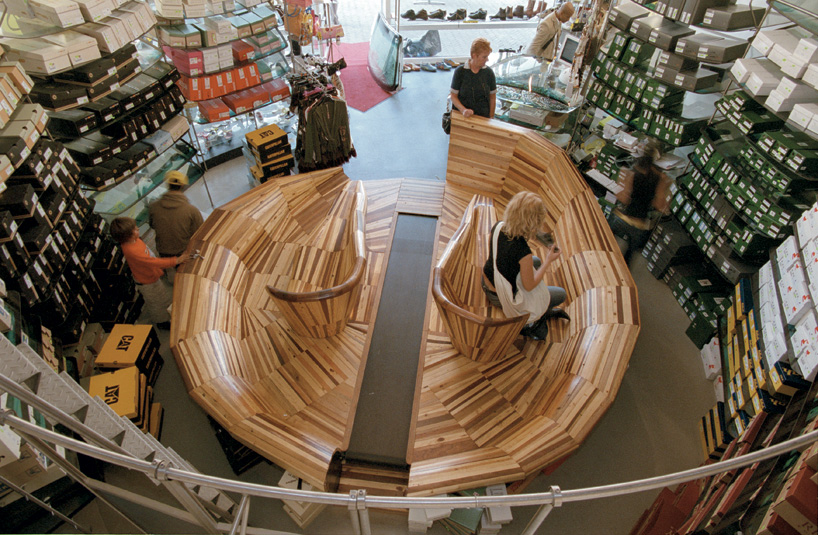
to try out the shoes the customers walk on a supermarket conveyor belt mounted in between the two seats
constructed completely using 350 dead stock windscreens and 2,500 slats of reclaimed wood, the ‘design shoe store’ is made entirely from these unwanted materials. the small retail shop in the hague is fitted with a shoe storage system that has been integrated with the fitting area. along with the transparent shelves made from reclaimed car windscreens, all the shoes are on show unlike having a separated storage room. the circular shoe-fitting island is crafted from slats of timber where customers sit on the bench-seats with integrated footrests built in.
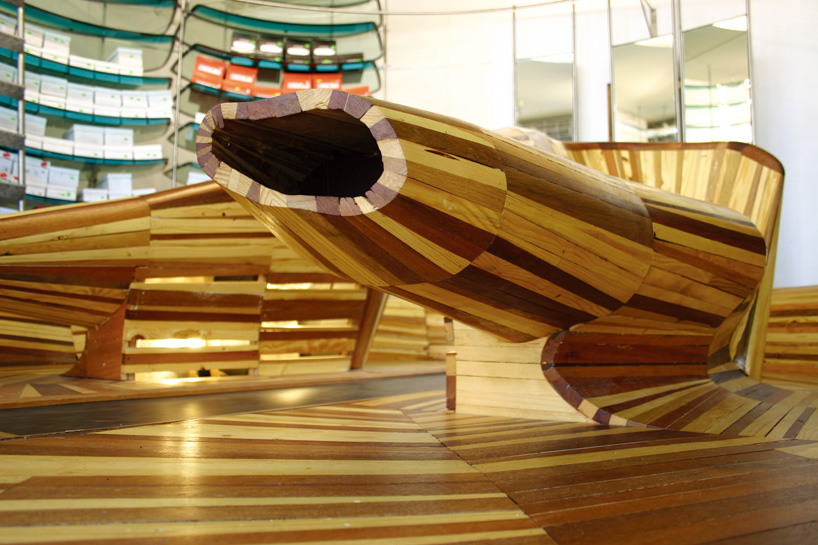
the central island is made from reclaimed timber slats
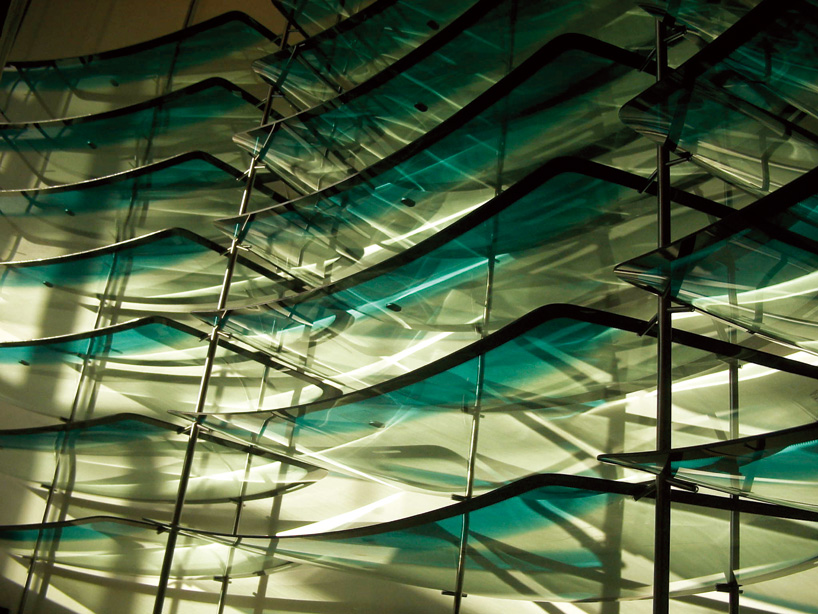
transparent shelving use unwanted car screens
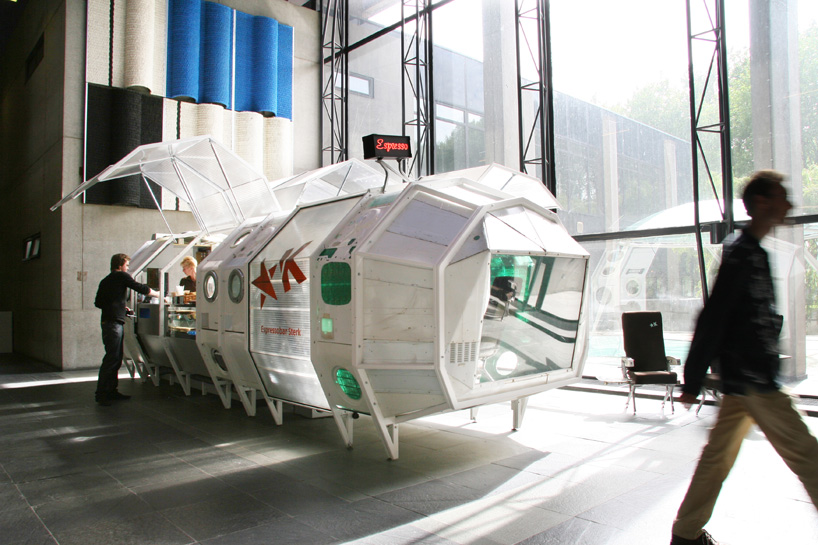
espressobar *k, 2007
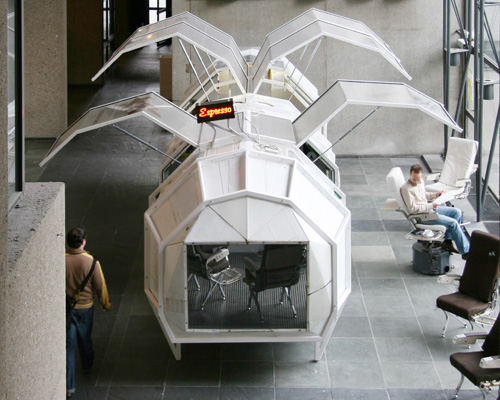
the miele space station was one of superuse studios early trials in reuse architecture in 2003, its final destination is based at the faculty of architecture in delft where it served as an espresso bar*k. its futuristic appearance of the space station is composed of modules where it can be configured to different programs- even suited for living accommodation.
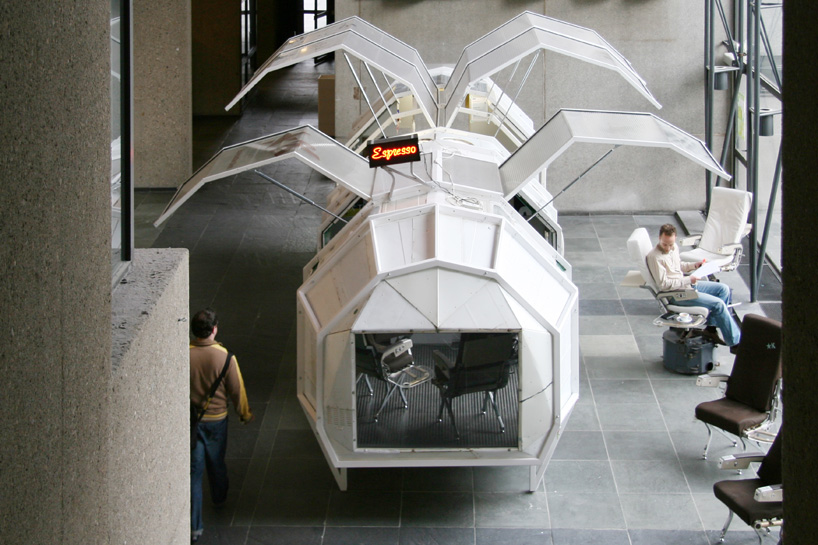
the miele space station transformed into an espresso bar commissioned by the faculty of architecture in delft.
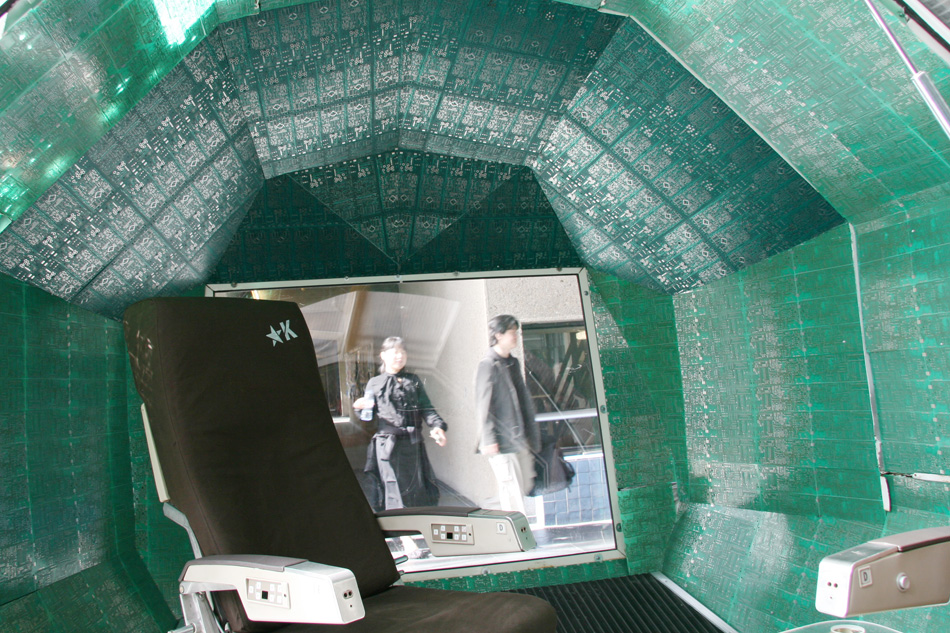
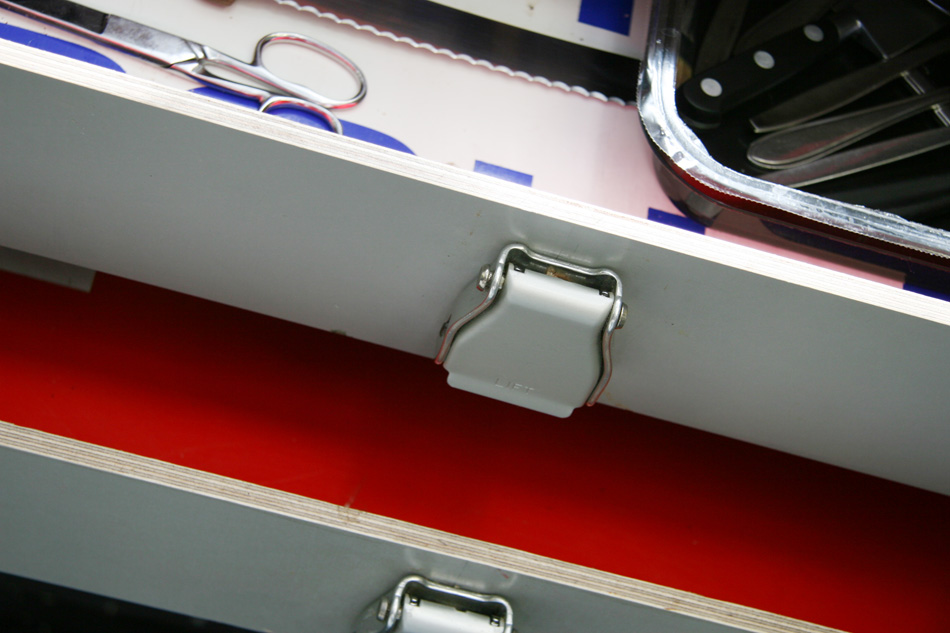
as an espresso bar, the unit featured a bar and kitchen built from unwanted billboards, meanwhile the grips of the drawers came from airplane seatbelt buckles. the doors were composed of wall material deconstructed somewhere else in the faculty building and in the interior of the cockpit, the so called micro-lounge, is clad with overproduction of green circuit boards creating a controller room atmosphere.
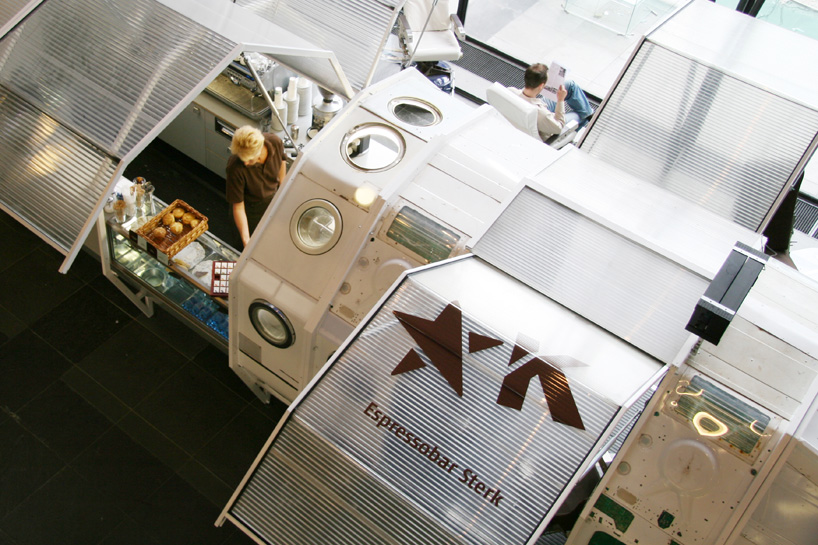
micro-lounge, is clad with overproduction of green circuit boards creating a controller room atmosphere
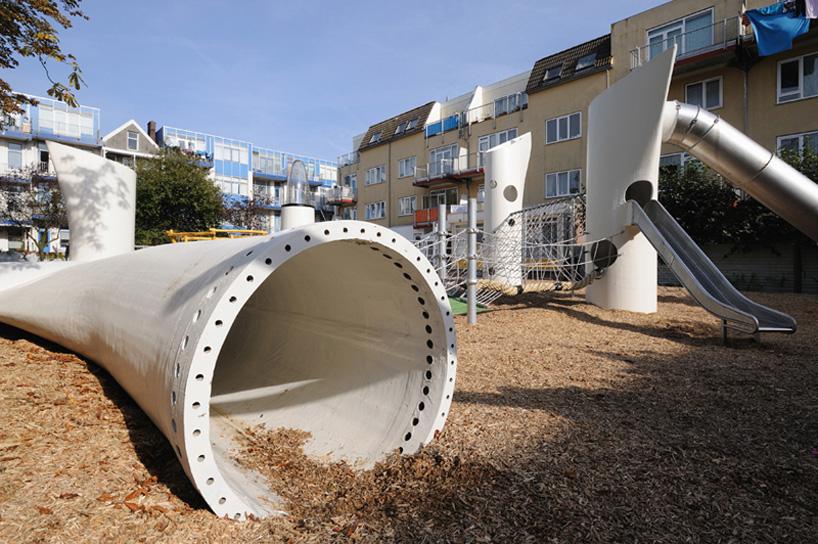
‘wikado’ in rotterdam
photo by allard van der hoek
re-imagining playgrounds and urban furniture created from unwanted materials and waste from cities around the world, superuse studios used windmill blades to create ‘wikado’. utilizing the waterproof blades as the building component resulted in robust outdoor furniture based around an existing concrete park in rotterdam. due to their aerodynamic design, it resulted in ergonomic shapes, large enough to climb, run and sit on, instilling created a playful scene. this low-budget and small footprint design has enabled an alternative play space to be formed where the blades can be arranged to as a labyrinth, attached with nets or simply used as hollow tunnels.
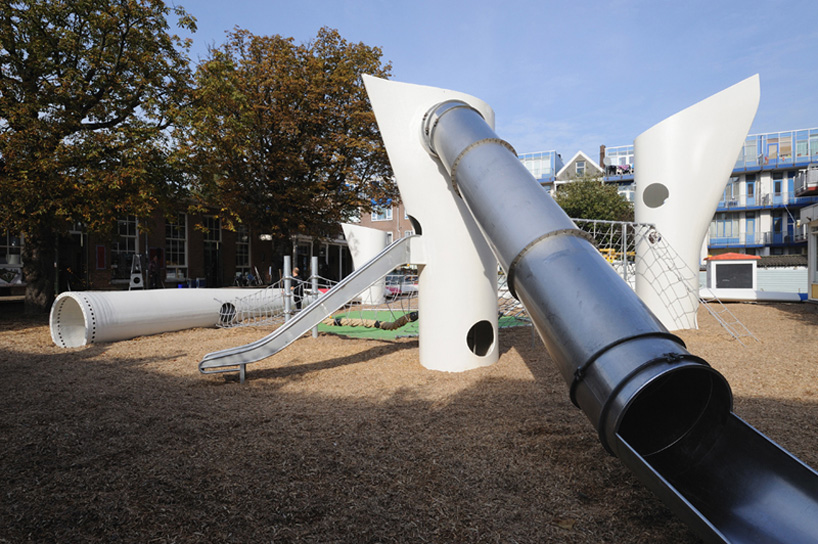
this prototype play ground was built for the same the budget as a standard play area
photo by allard van der hoek
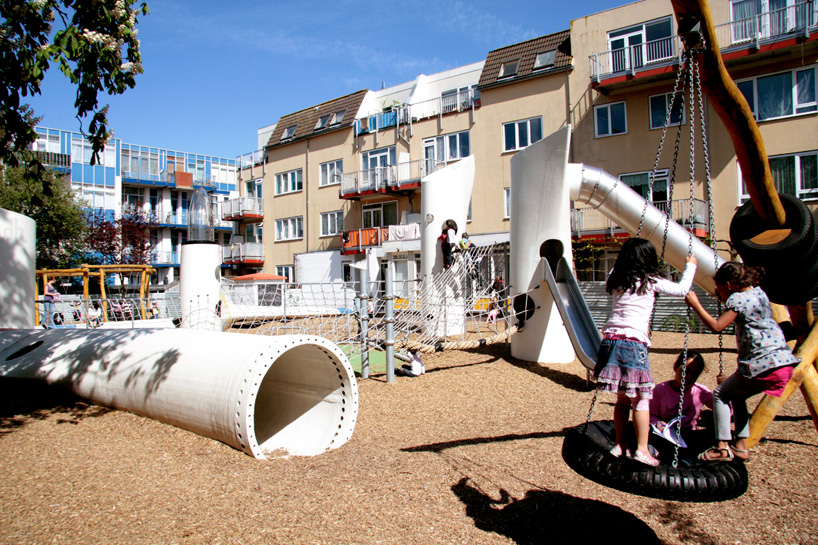
wind turbines lose about eight thousand blades worldwide each year
photo by superuse studios
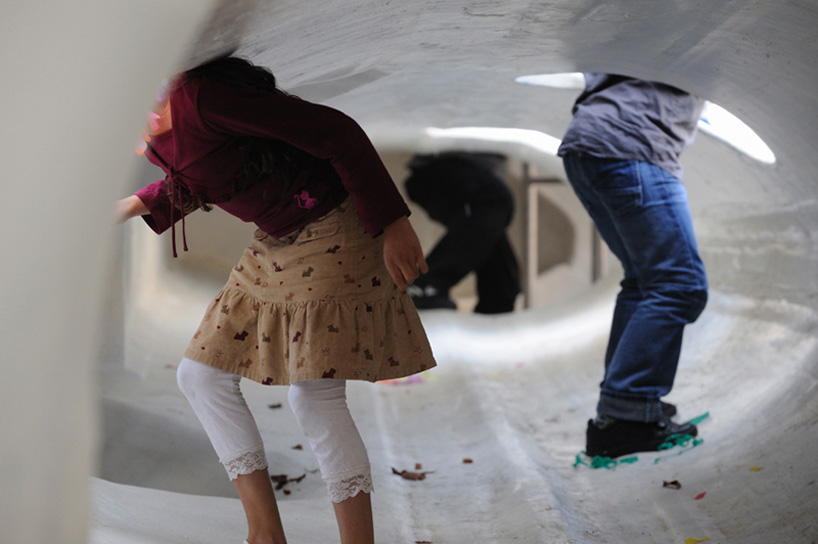
children can crawl through the hollow tunnels made from the blades
image © allard van der hoek




1/11
césare peeren from superuse studios was a speaker at the 2015 WHAT DESIGN CAN DO! conference — an international platform about the power of design, promoting design as a catalyst of change and renewal and a way of addressing the societal questions of our time. formed in 2011 by a group of designers from various fields, it aims at showcasing best practices and visions, raising discussions and facilitating collaboration between disciplines, raising awareness among the public for the potential of creativity. at the same time, WHAT DESIGN CAN DO! calls on designers to take responsibility and consider how their work can impact the wider society.
shop
your own online design shop — no sales commission collected