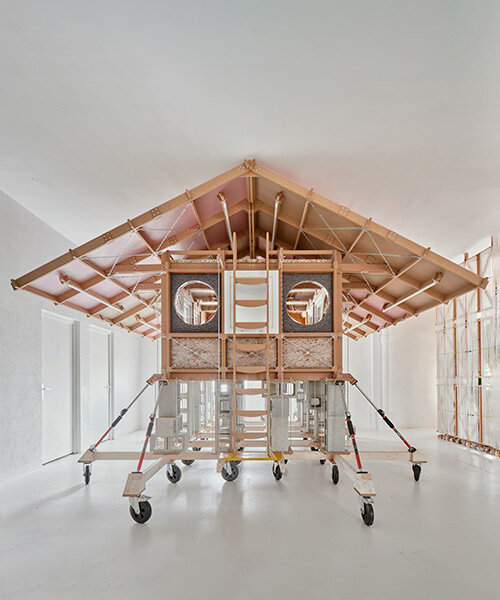
TAKK crafts climate-responsive children’s bedroom in barcelona from reclaimed materials
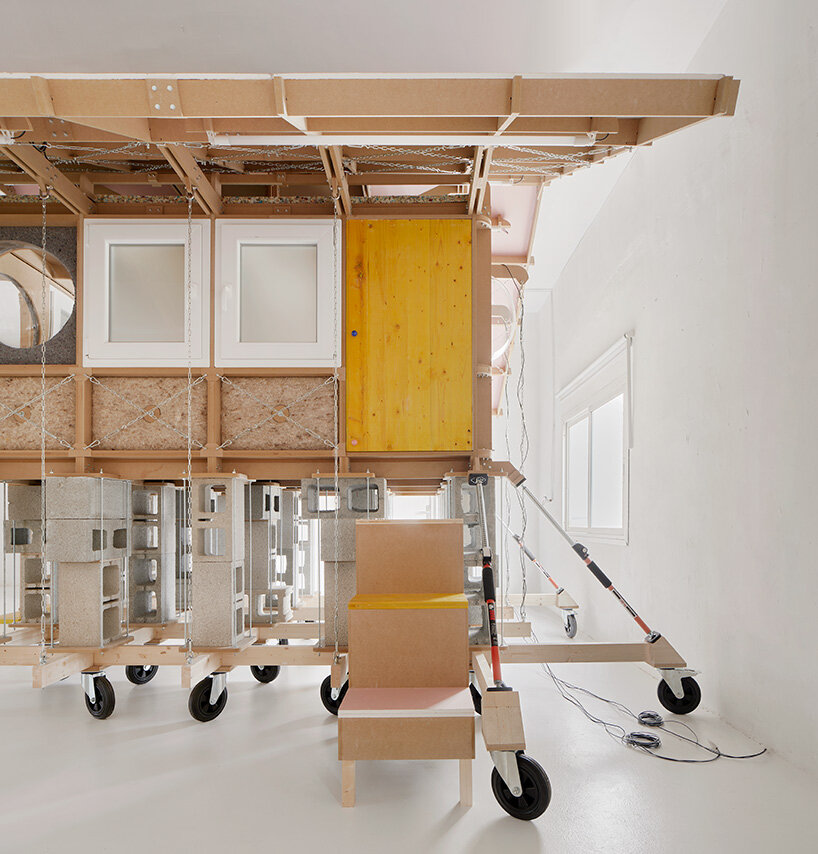
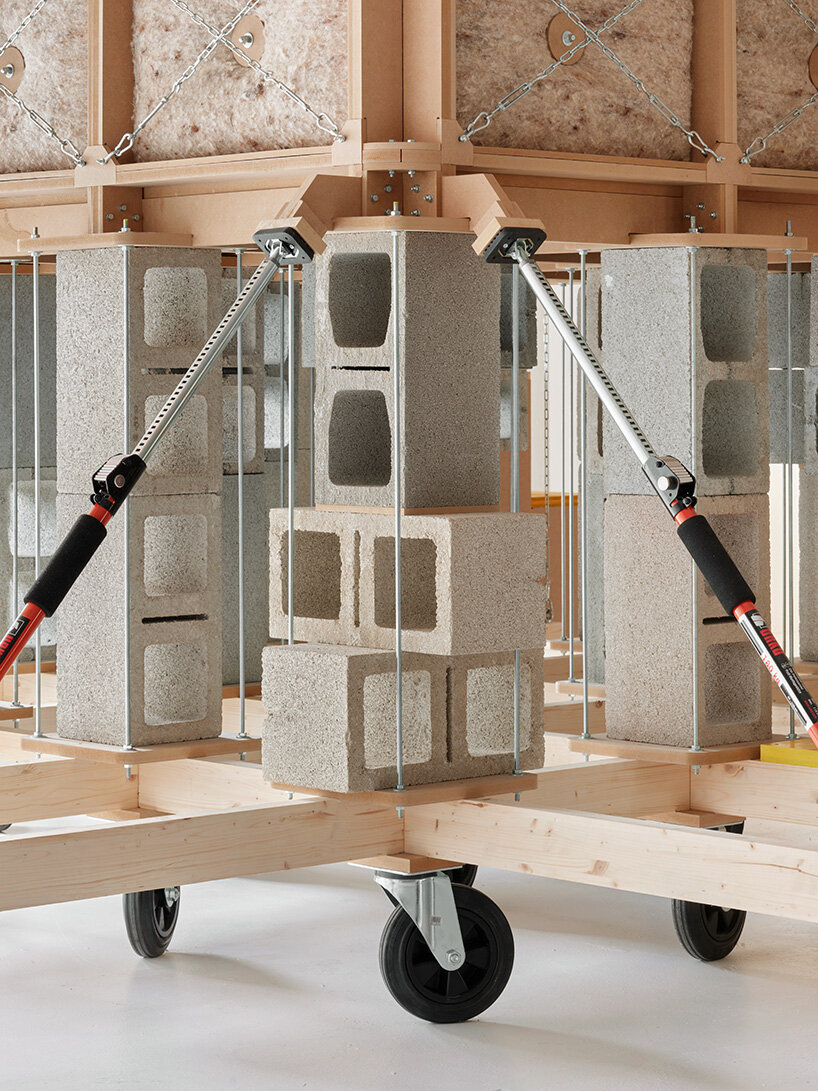
the architects reused concrete blocks, recycled cotton insulation, and drywall sheets salvaged from previous office projects.
prefer designboom on google[FEATURED]
TAKK turns discarded materials into climate-responsive bedroom
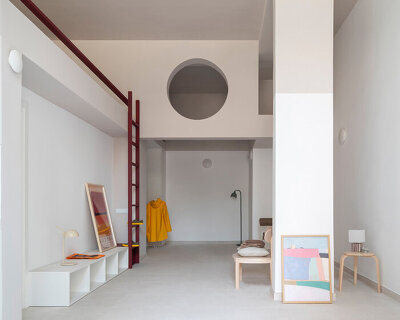
Architecture and design studio TAKK, led by Mireia Luzárraga and Alejandro Muiño, presents Roma’s bedroom, a project that transforms leftover materials into a climate-responsive living space for a six-year-old girl in Barcelona. Located within a 400-square-meter former industrial facility, the project is part of a broader adaptive reuse effort to create a sustainable home. The design tackles the challenge of climate control by introducing rooms tailored to seasonal changes, reducing economic and ecological costs while maximizing energy efficiency.
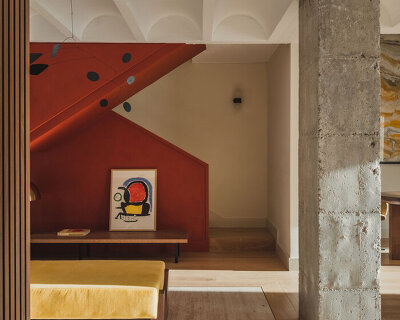
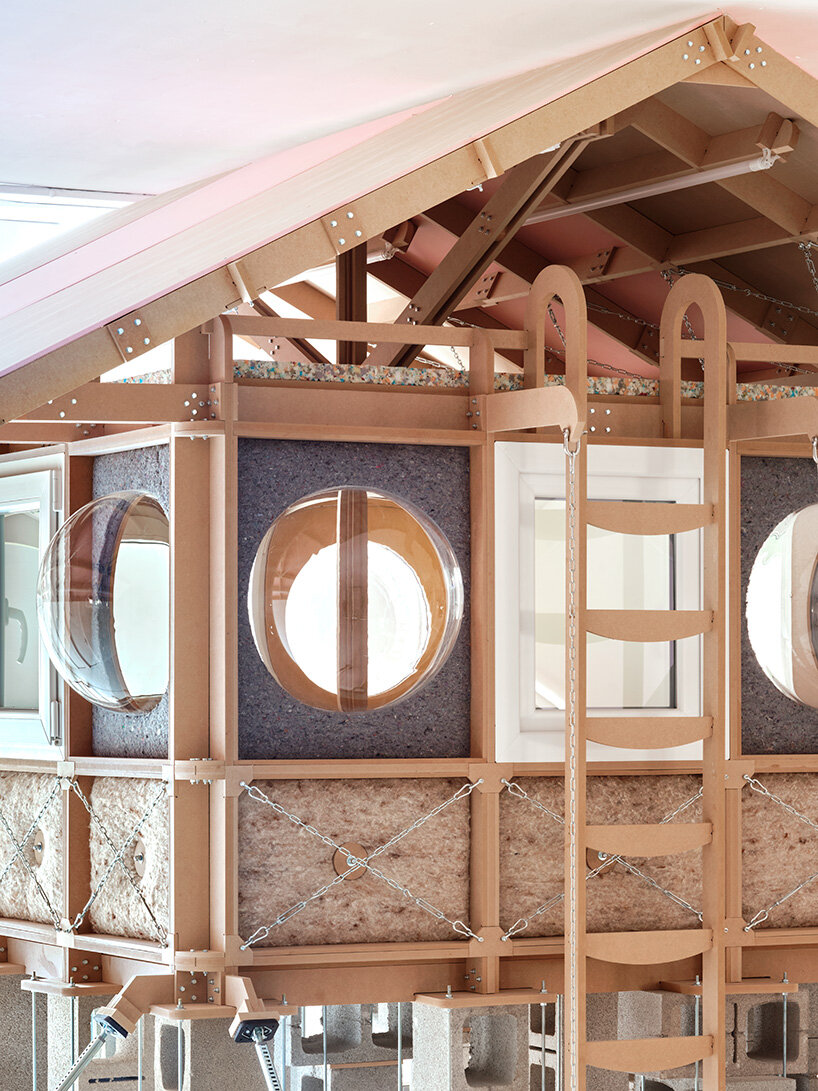
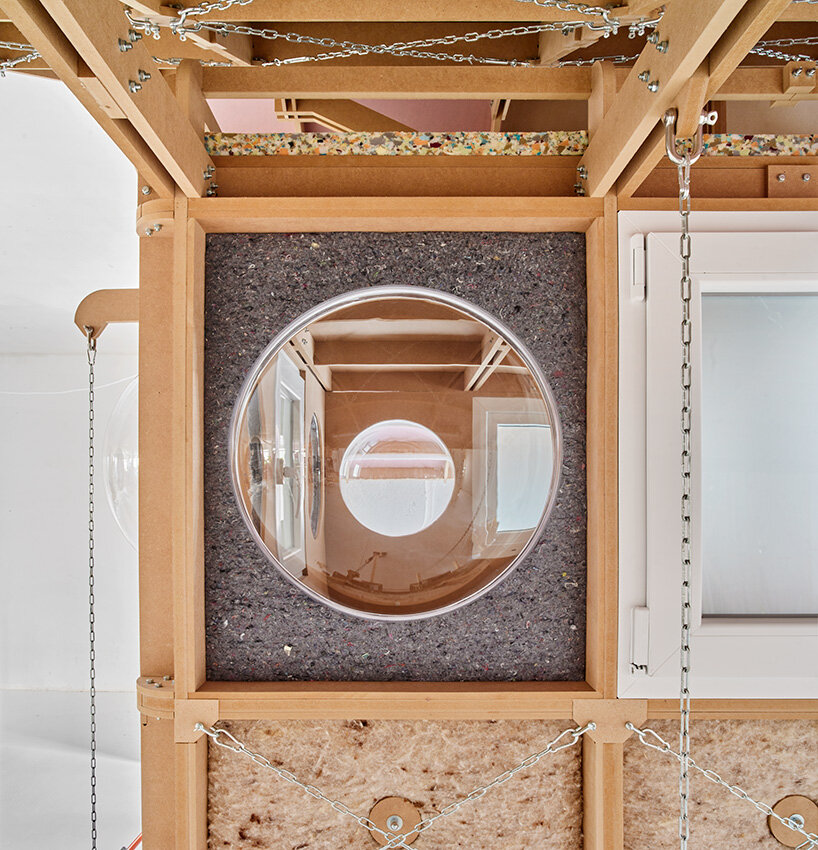
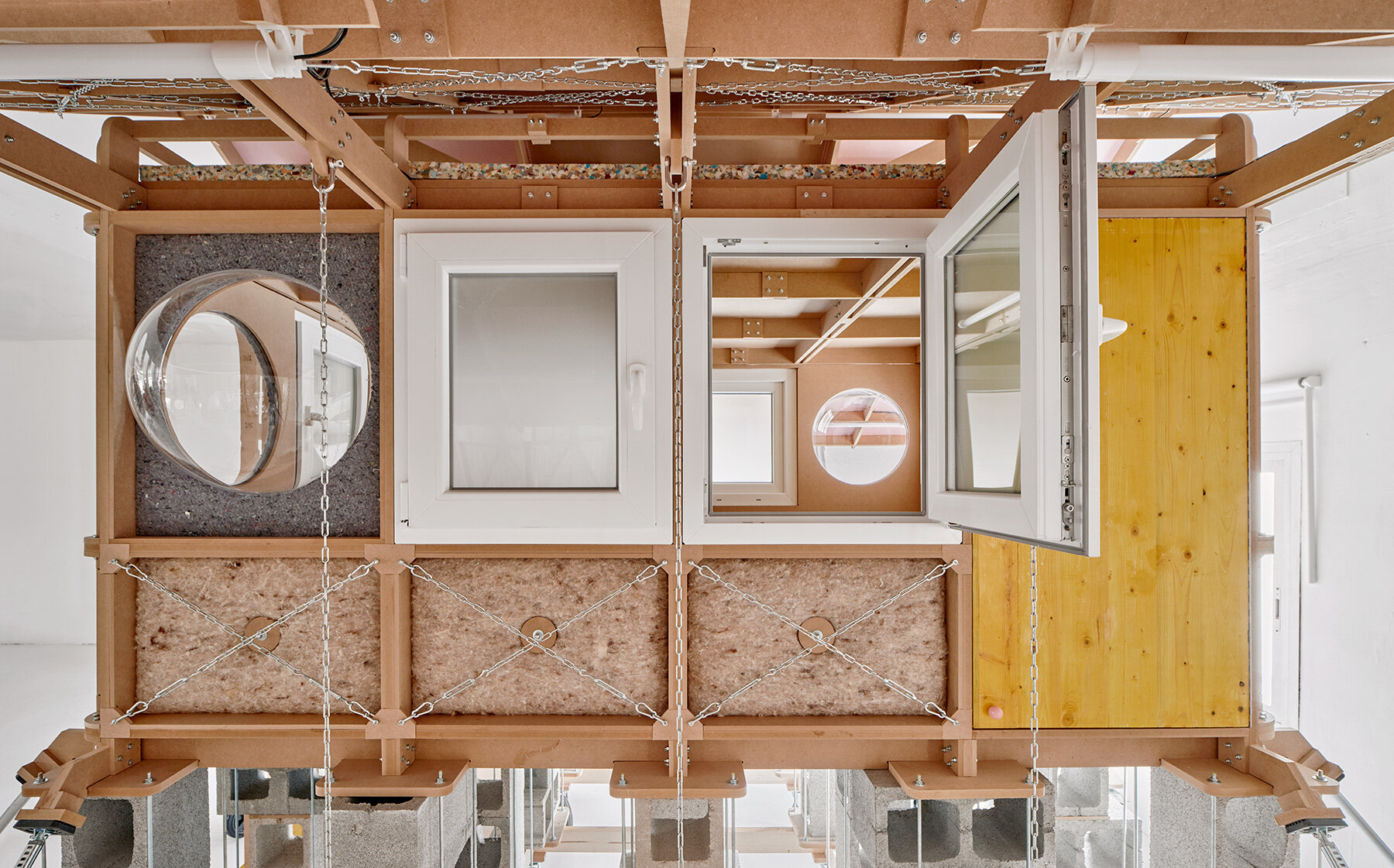
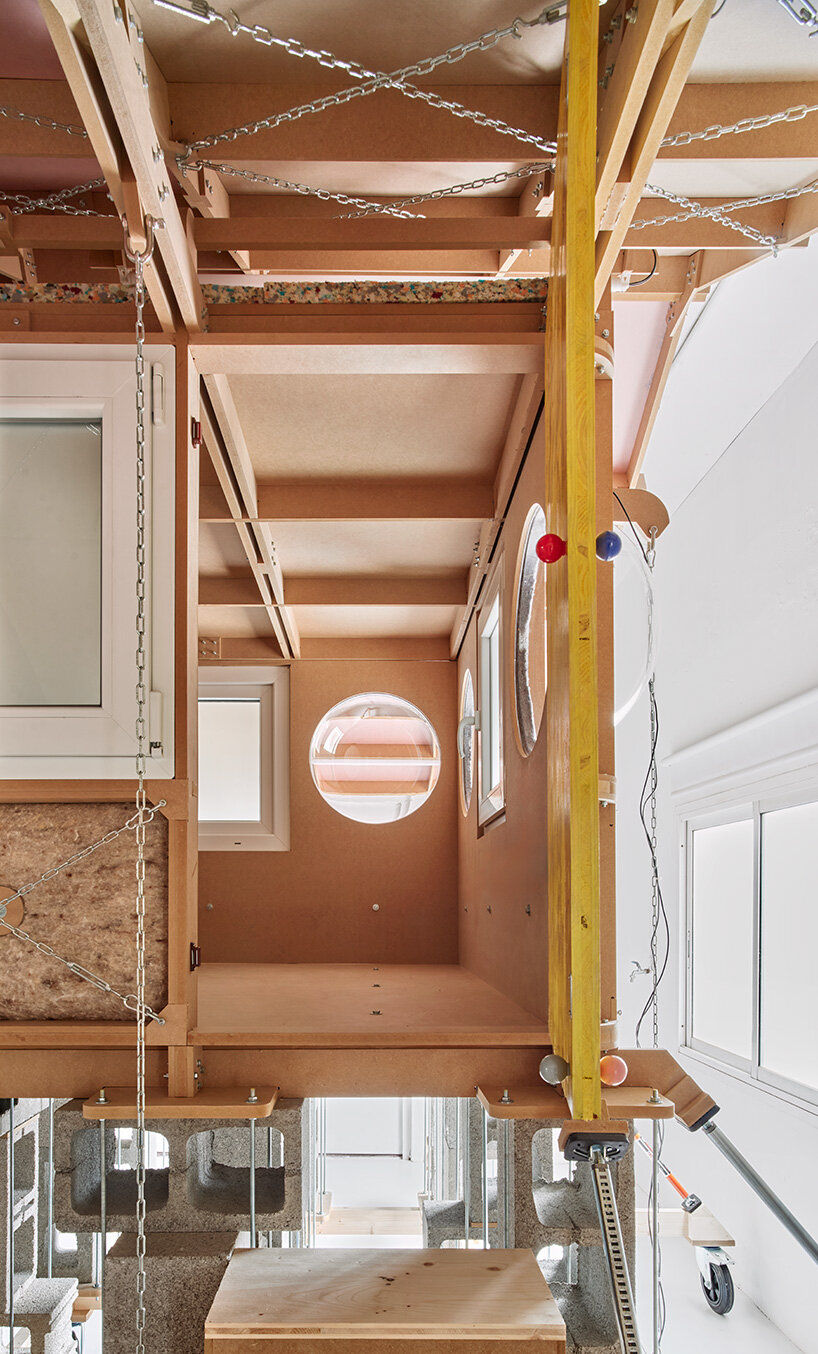
The architects reused materials salvaged from previous office projects. Structural elements such as concrete blocks, recycled cotton insulation, drywall sheets, and natural wool converge to form a playful and vibrant environment, tailored to Roma’s age and imagination. These materials emphasize functionality over aesthetics while maintaining an inviting ambiance.
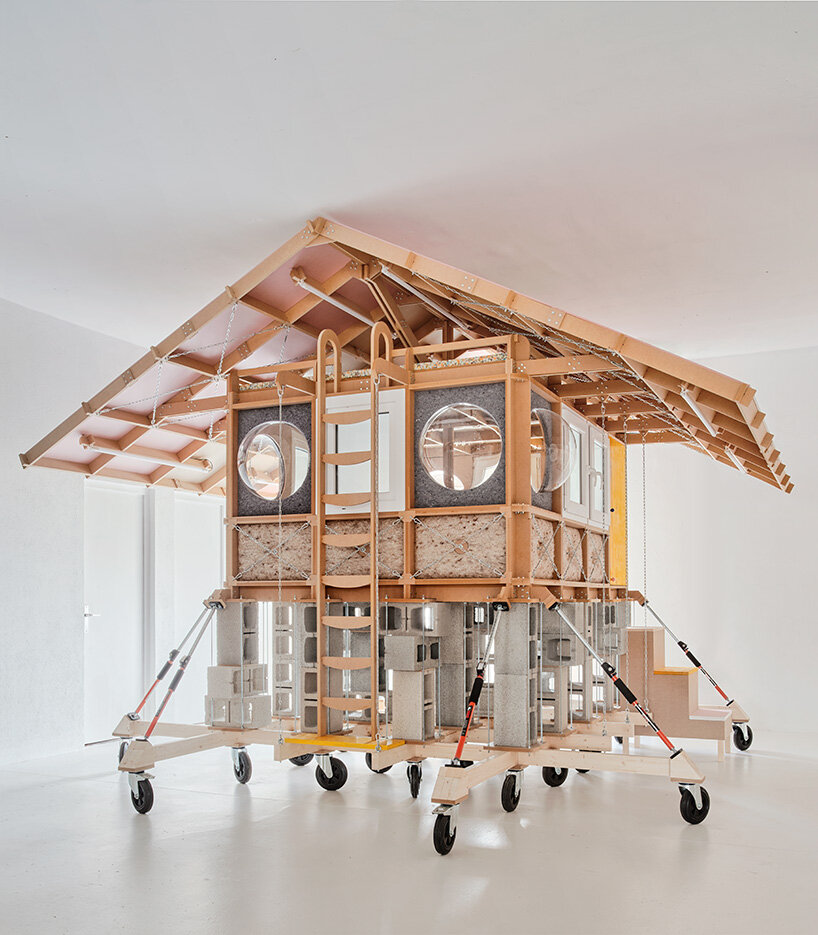
Roma’s bedroom adapts to the change of seasons
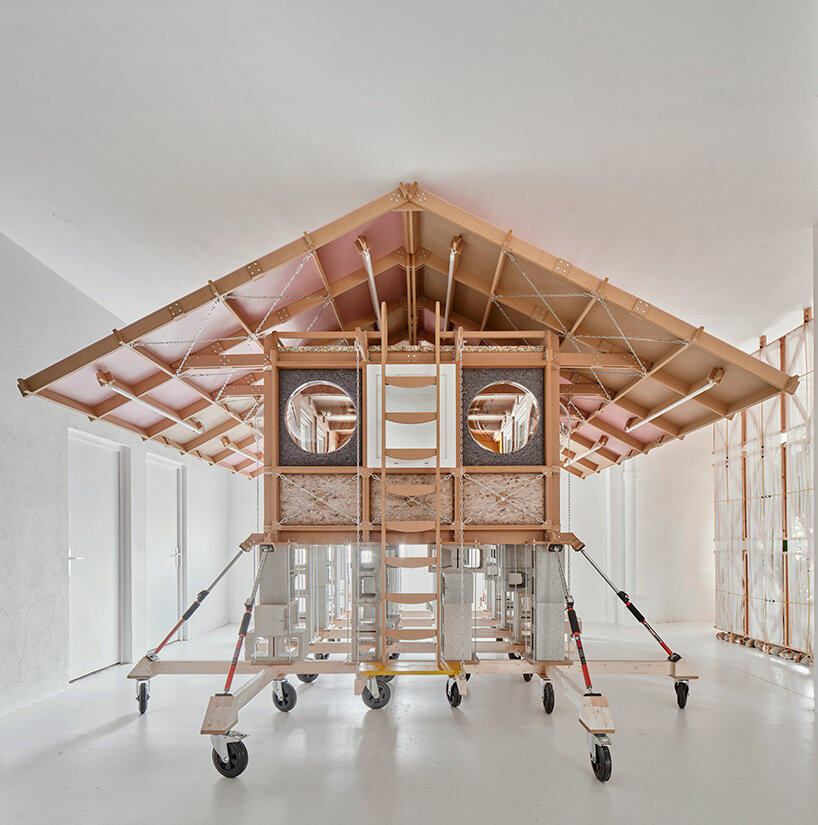
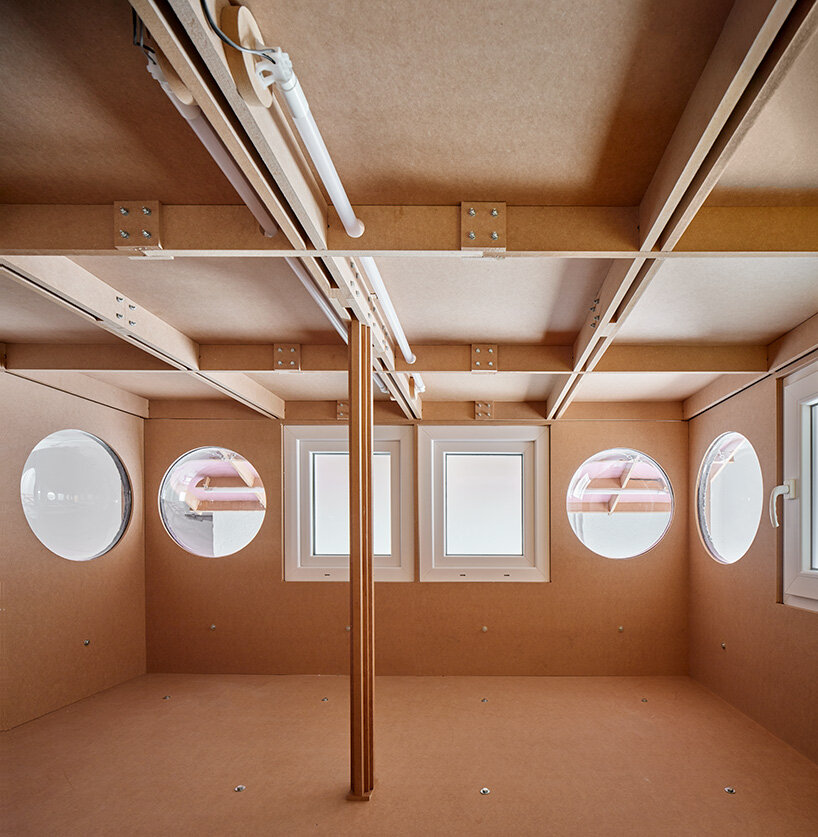
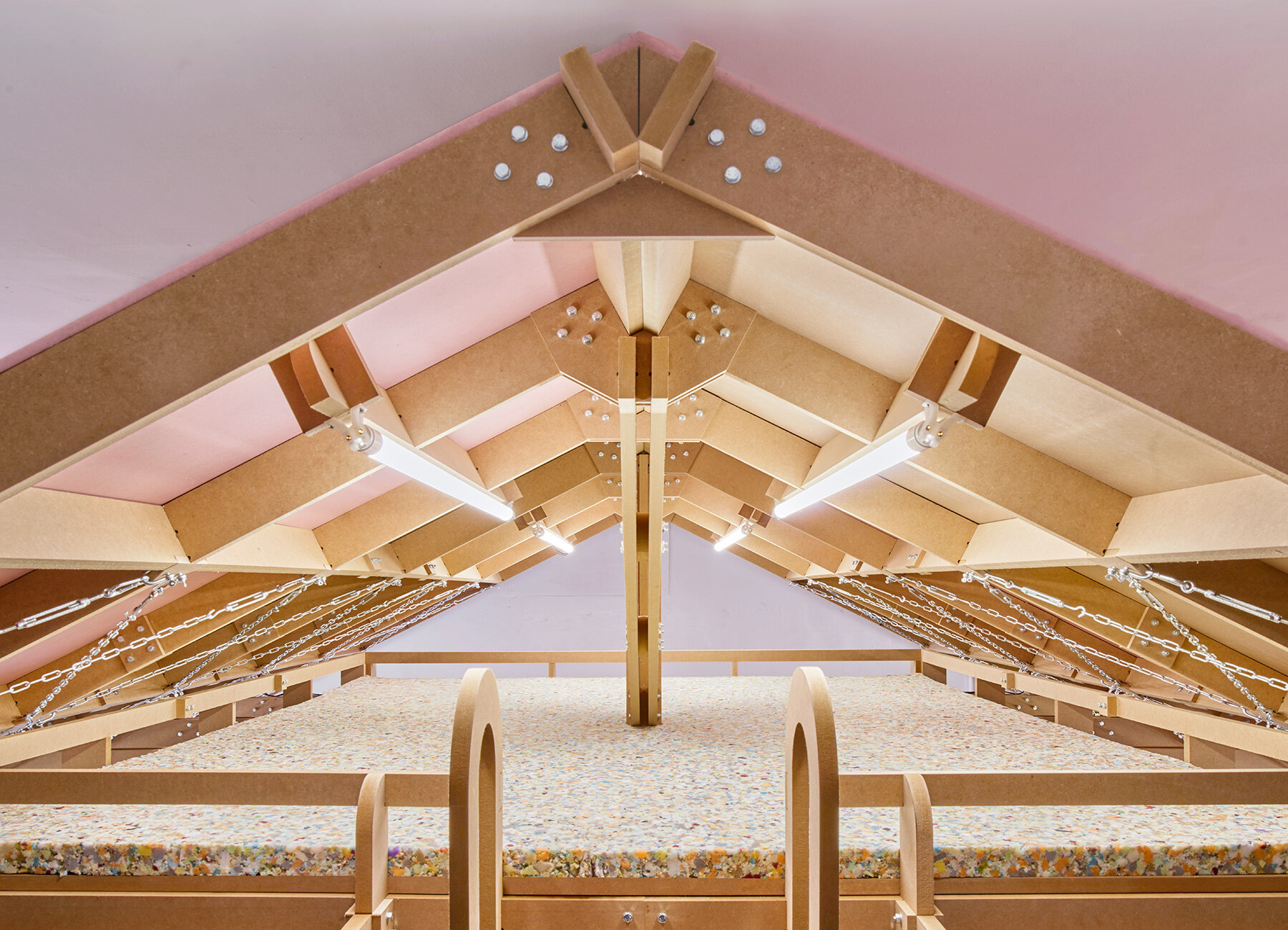
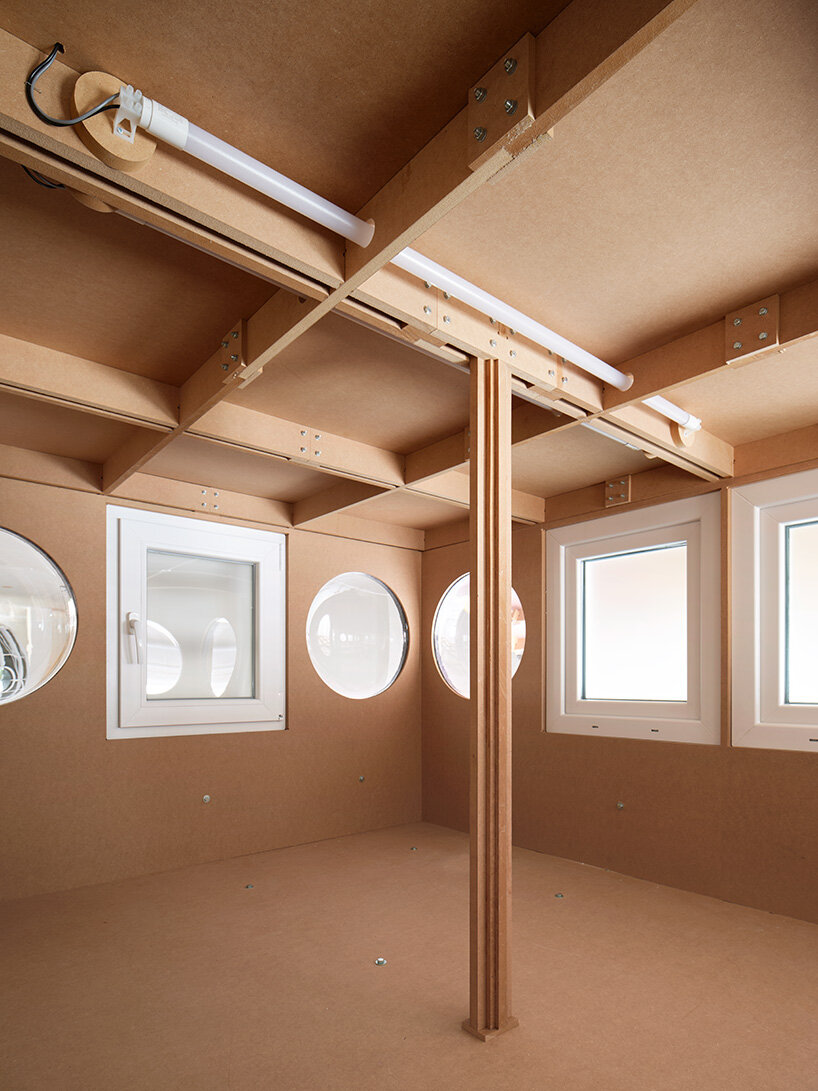
Barcelona-based TAKK conceives Roma’s bedroom as a dual-purpose space, offering two modes of use. For winter, an enclosed, insulated interior provides warmth and comfort, while the summer configuration shifts to an airy, gabled-roof exterior. The room sits atop a wheeled substructure, enabling its repositioning within the expansive industrial setting, further enhancing its versatility.
This project challenges conventional housing norms by aligning spatial arrangements with environmental considerations. Roma’s bedroom takes a close look into adaptive reuse and proposes a bold rethinking of modernist housing design in the face of the climate crisis, paving the way for more liberated, pleasurable, and sustainable living environments.
project info:
name: Roma’s Bedroom
architects: TAKK | @we_are_takk
location: Barcelona, Spain
lead designers: Mireia Luzárraga + Alejandro Muiño
collaborators: Roger Monfort, Berta Ribaudí
photographer: José Hevia
shop
your own online design shop — no sales commission collected