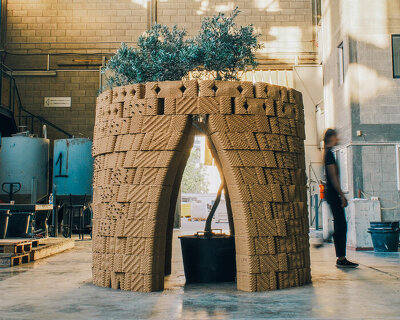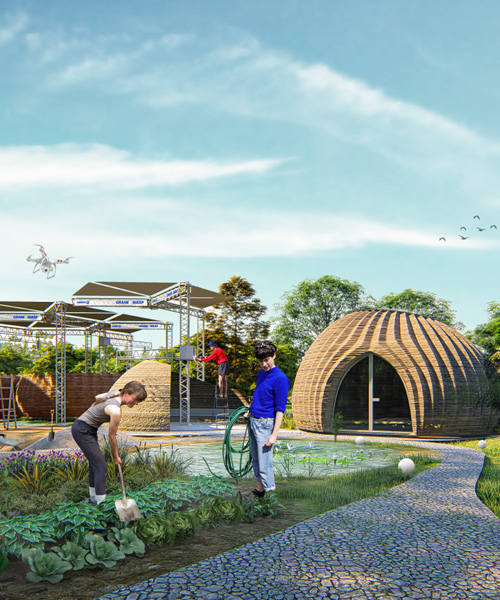
TECLA, a 3D-printed habitat for sustainable living, is under construction in italy
designed by mario cucinella architects and engineered and built by WASP, TECLA will be the first house to be entirely 3D-printed using locally sourced clay.
prefer designboom on google[FEATURED]
mario cucinella architects and WASP, italian specialists in 3D-printing, have begun the construction of TECLA — a prototype for a 3D-printed habitat. currently under construction near bologna, italy, the project responds to pressing societal issues such as exponential population increase and a lack of affordable accommodation. created using entirely reusable, recyclable materials taken from the local terrain, TECLA is a new circular housing model described as ‘a step-change in the move towards eco-housing’.
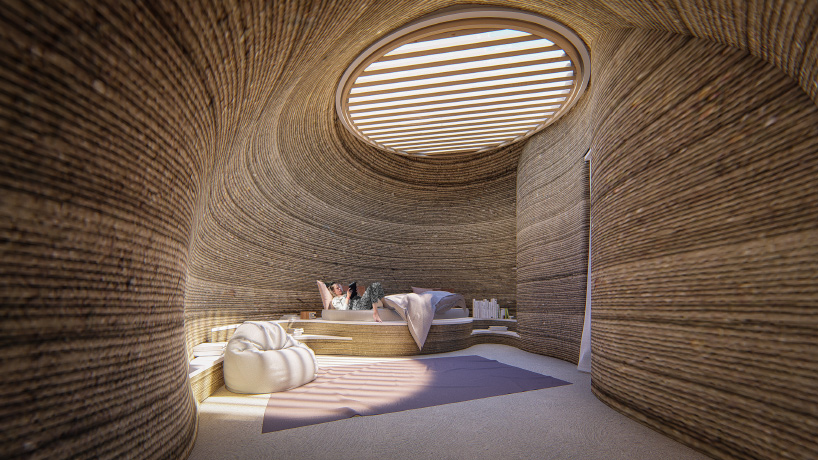
image © mario cucinella architects (also main image)
designed by mario cucinella architects and engineered and built by WASP, TECLA will be the first house to be entirely 3D-printed using locally sourced clay — a biodegradable and recyclable material that will effectively make the building zero-waste. built using crane WASP, TECLA — named after an imaginary city described by writer italo calvino — will be the first habitat to be built using multiple collaborative 3D-printers, offering a greater scope of scale than ever before.
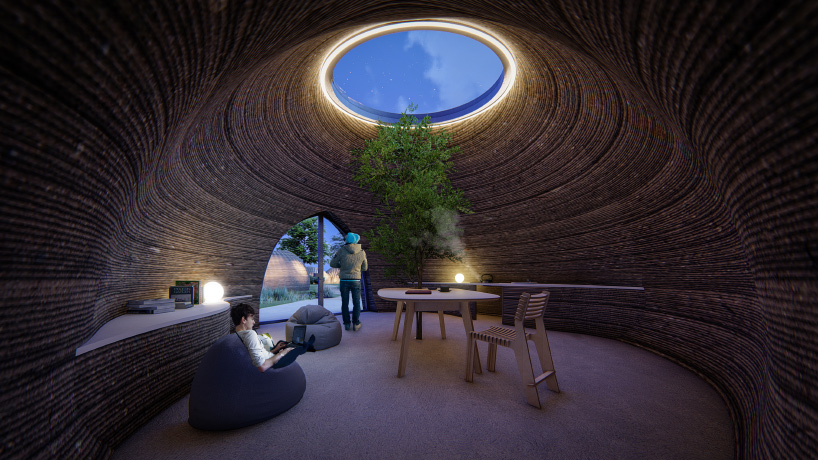
image © mario cucinella architects
built to adapt to multiple environments, the habitat will also be suitable for self-production through the use of WASP’s ‘maker economy starter kit’. this approach will limit industrial waste and offer a sustainable model that seeks to boost national and local economies — thus improving the well-being of communities. furthermore, used in the context of a wider masterplan, TECLA has the potential to become the basis for brand new autonomous eco-cities that are off the current grid.
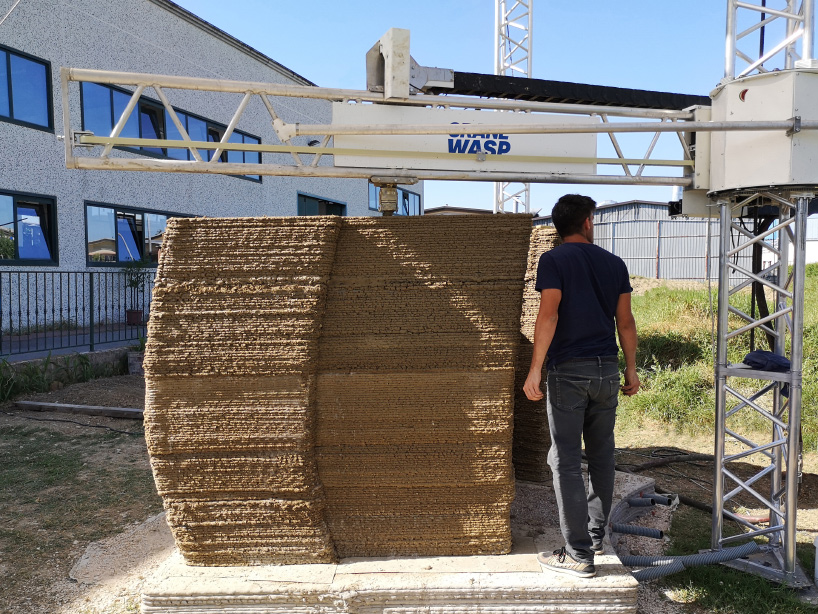
image © WASP
the design was developed using research research undertaken by the SOS — school of sustainability — an institution founded by mario cucinella. the research, conducted with the support of students from the architectural association in london, explored the cause and effects of homelessness, based on case studies in locations with different climates. the result is a highly flexible envelope, designed to be resilient to any climate and energy-efficient in ways that traditional housing models are not. TECLA commenced printing in september 2019, and is expected to complete at the beginning of 2020.
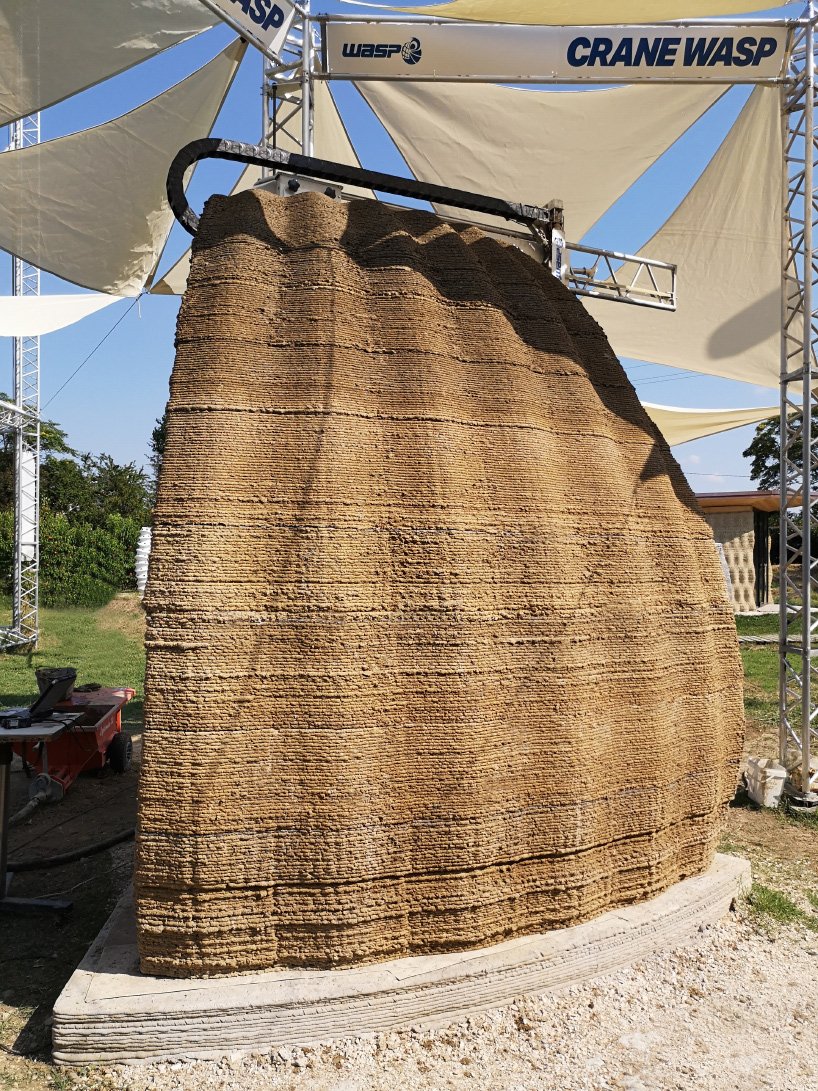
image © WASP
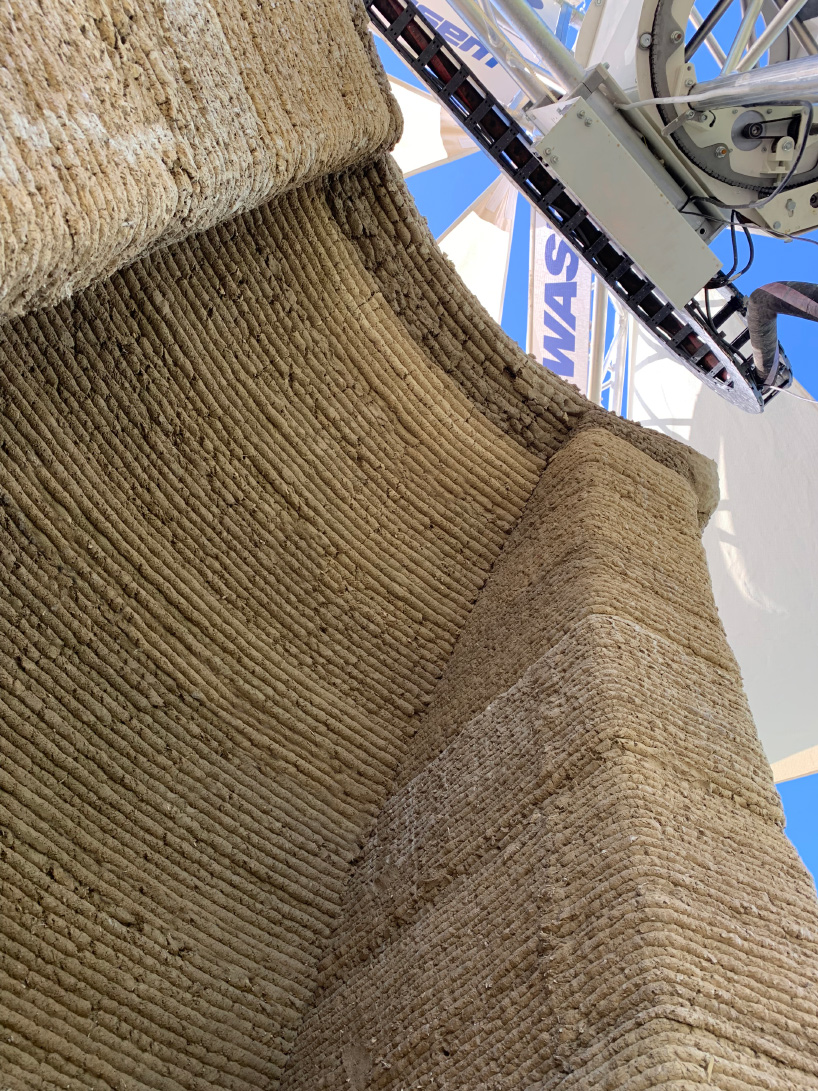
image © WASP
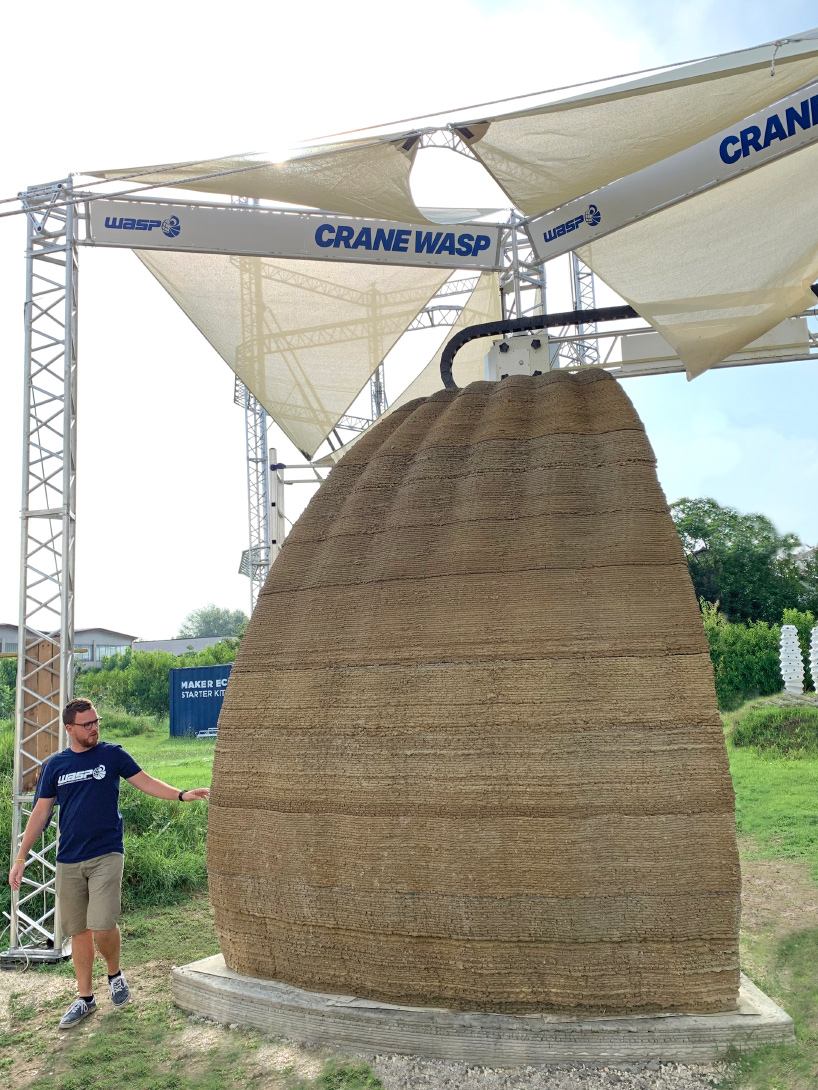
image © WASP
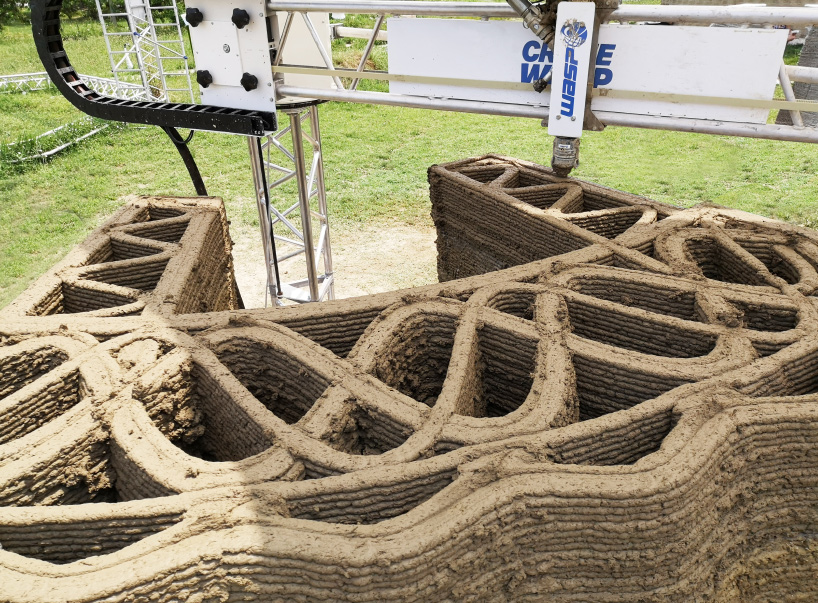
image © WASP
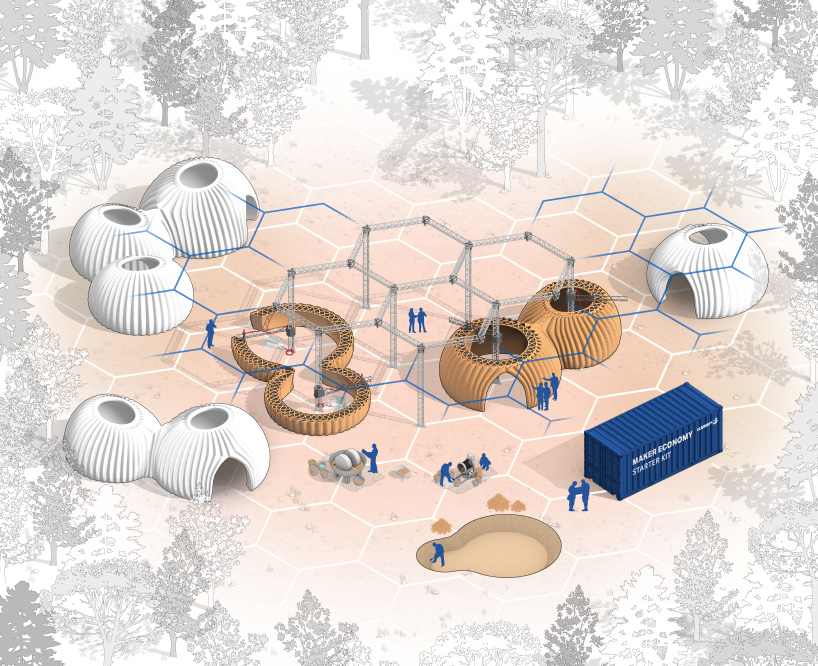
image © WASP
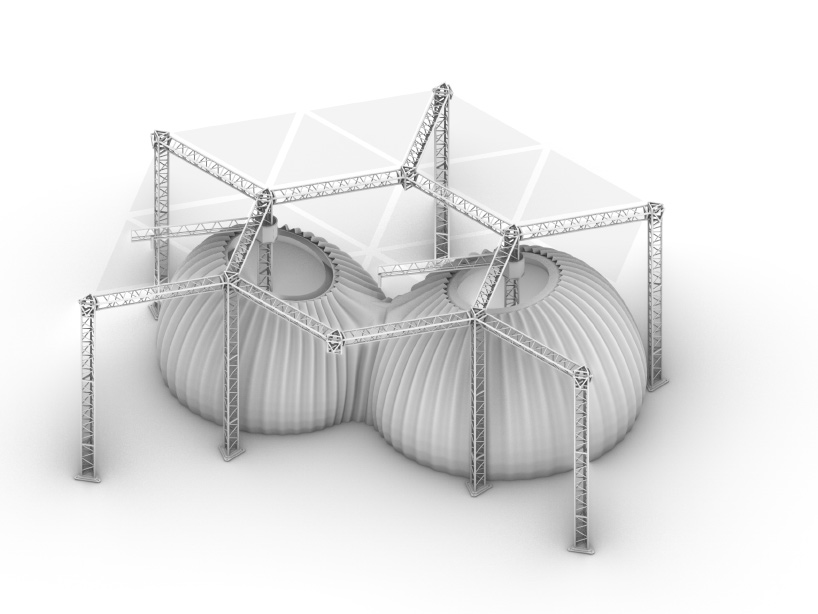
image © mario cucinella architects
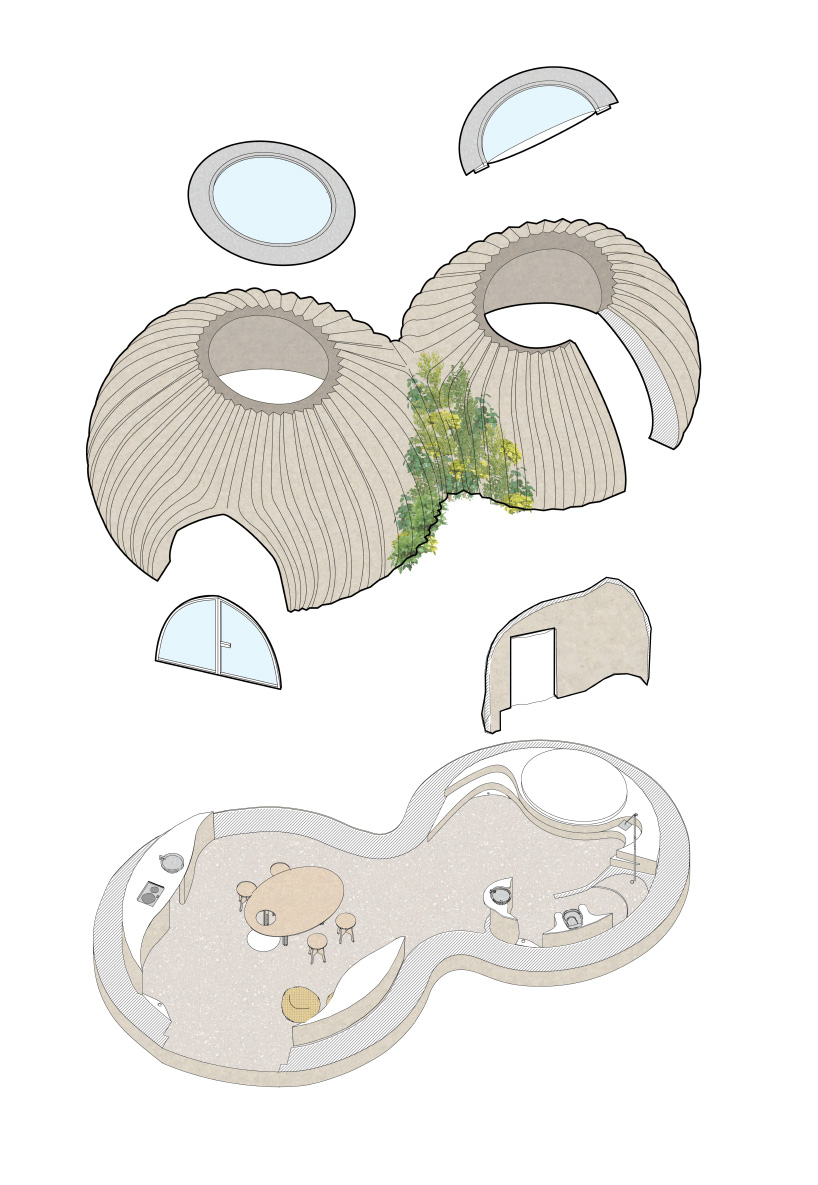
image © mario cucinella architects
project info:
architectural design and management: mario cucinella architects
engineering and 3D-printing construction: WASP
in collaboration with:
research partner: SOS – school of sustainability
materials consultancy and supply: mapei
structural consultancy: milan ingegneria
frames engineering and production: capoferri
bio-materials consultancy and supply: ricehouse
landscaping: frassinago
lighting design: lucifero’s
energy and internal comfort consultant: ariatta:
under the patronage of: municipality of massa lombarda
sponsored by: ter costruzioni
shop
your own online design shop — no sales commission collected