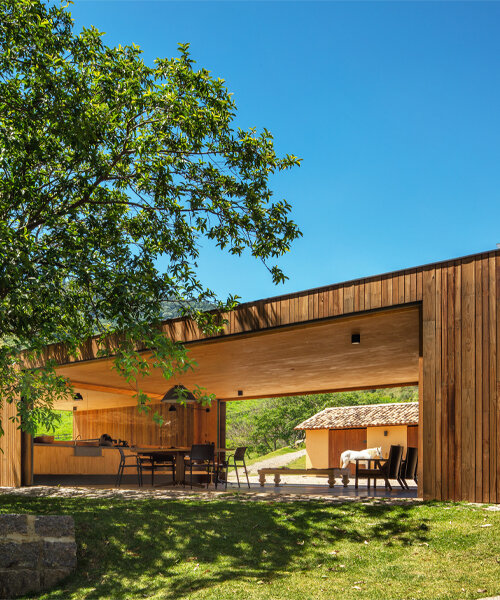
terra capobianco’s wooden pavilion frames contemplative views of the brazilian farmscape
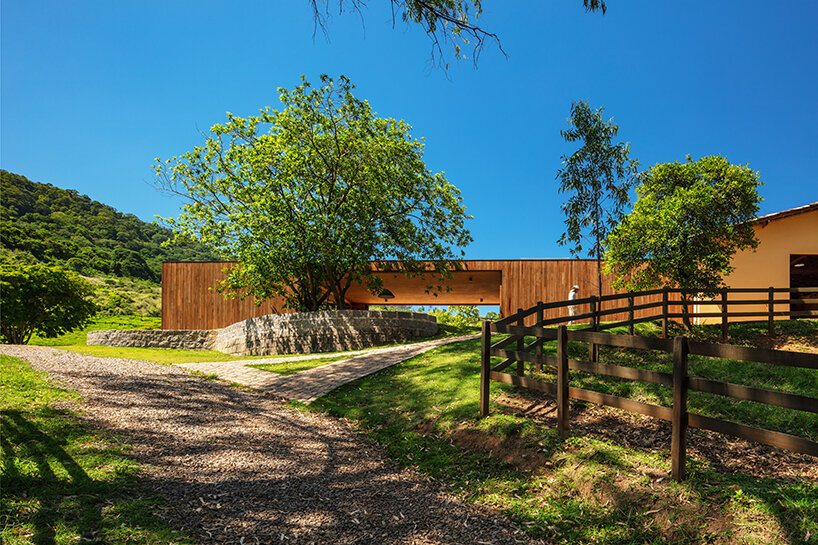
the expansive and rational structure seeks to preserve the local history, becoming a meeting point between old and new.
prefer designboom on google[FEATURED]
step inside the ‘Pavilhão Vista Alegre’ in São Paulo
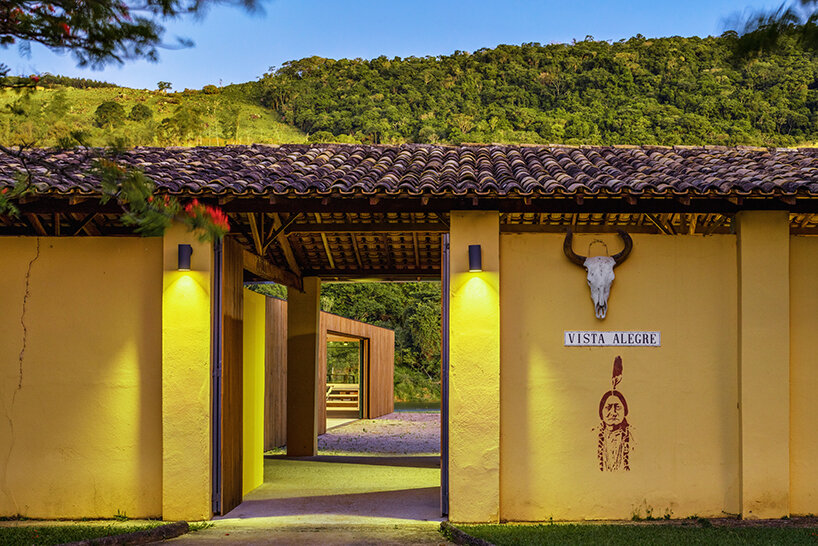
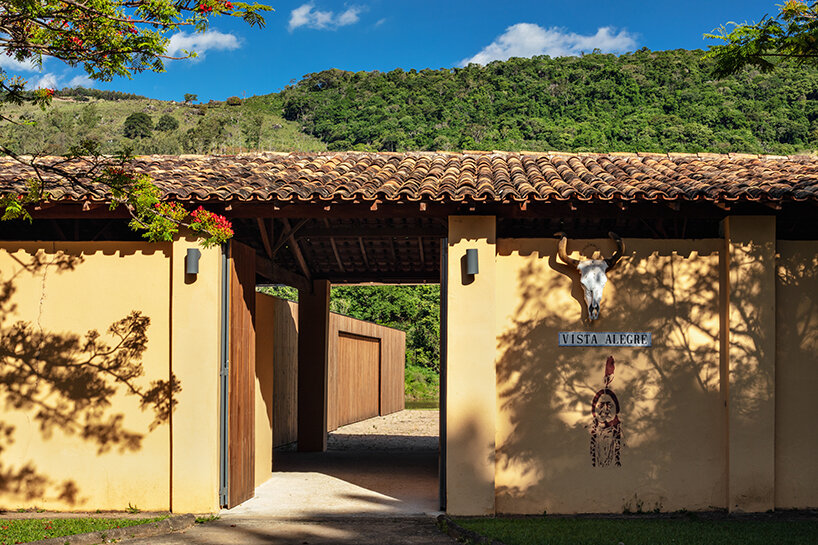
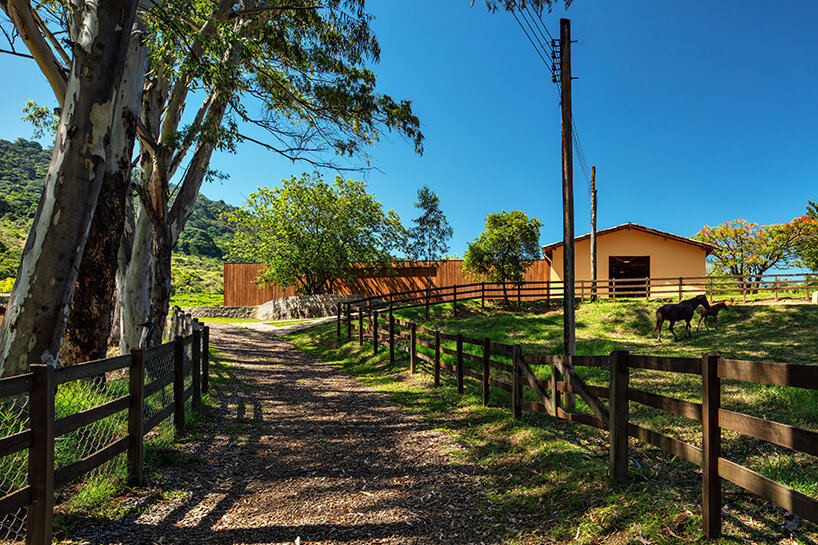
Located on the slopes of the Serrote mountains, the southernmost section of the Serra da Mantiqueira in Socorro, São Paulo, Barreiro Farm is a former horse breeding property now revamped into a coffee-producing locale. The ‘Pavilhão Vista Alegre’ (Vista Alegre Pavilion), completed by Terra Capobianco, was one of the many spaces within the farm to have undergone renovation. Today, the expansive and rational wooden pavilion seeks to preserve the local history, becoming a meeting point between old and new and an area for coffee enthusiasts to gather and visit.
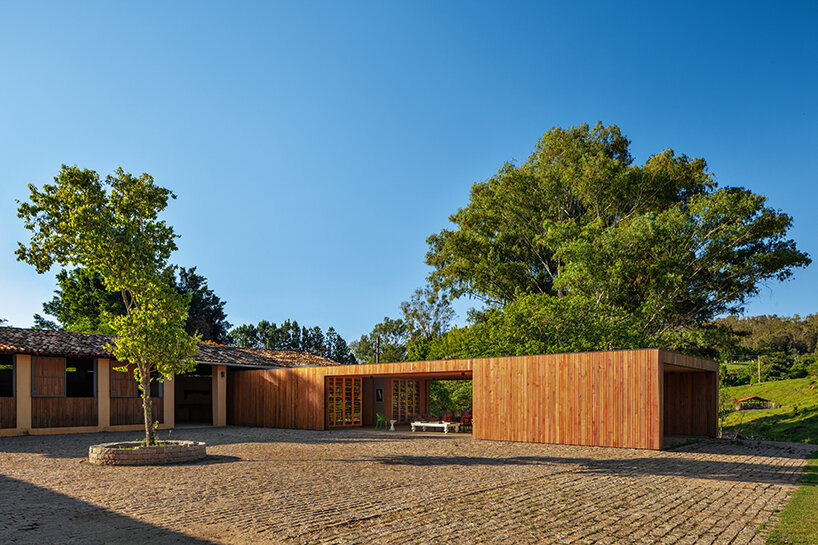
from horse breeding to coffee production: a renovation story
In recent years, Barreiro Farm has undergone degradation from leasing pastures for cattle breeding. Wanting to rectify its condition, the property had its activity renewed, inserting itself in the context of the region’s vocation: coffee production. ‘The process of regenerating the territory involved investments in production techniques that follow the criteria of organic and sustainable agriculture, and the preservation of its water resources with native forest cover, expanded year after year, in partnership with NGOs specialized in forest regeneration. In the last two years, 40 thousand seedlings of native Atlantic Forest species were planted on the property, transforming the farm into a reference of organic and low carbon agriculture in the region,’ writes the architecture studio.
Beside the wooden pavilion renovated by Terra Capobianco (see more here), ‘Barreiro Farm’ is also remodeling a set of buildings to house new functions, which mix recreational family use with coffee production.
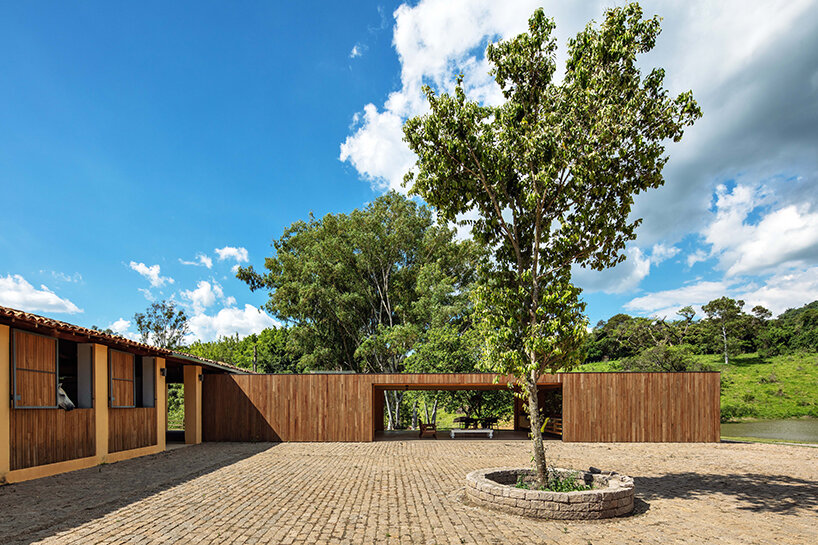
terra capobianco looks to rational forms and CLT building
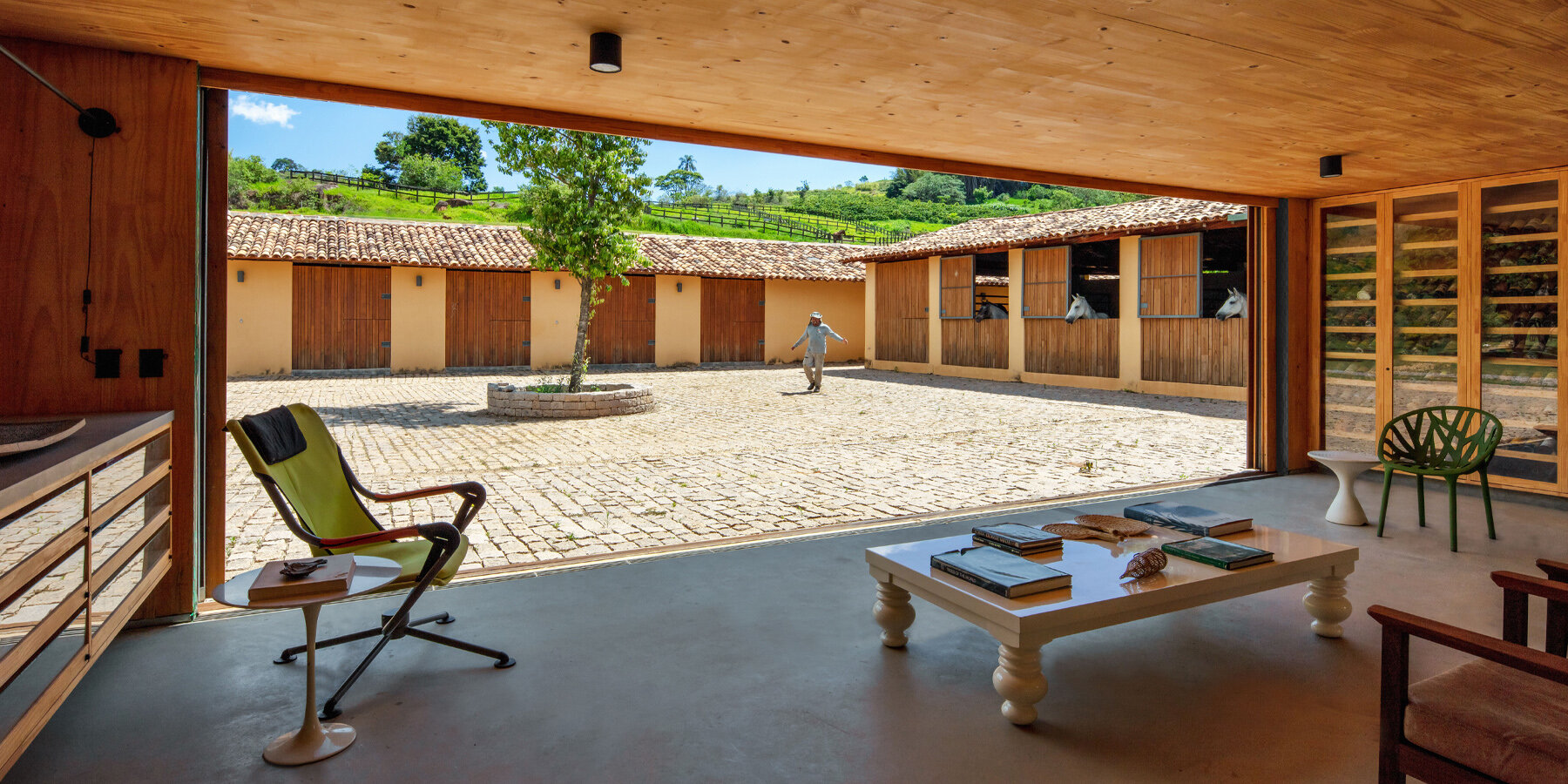
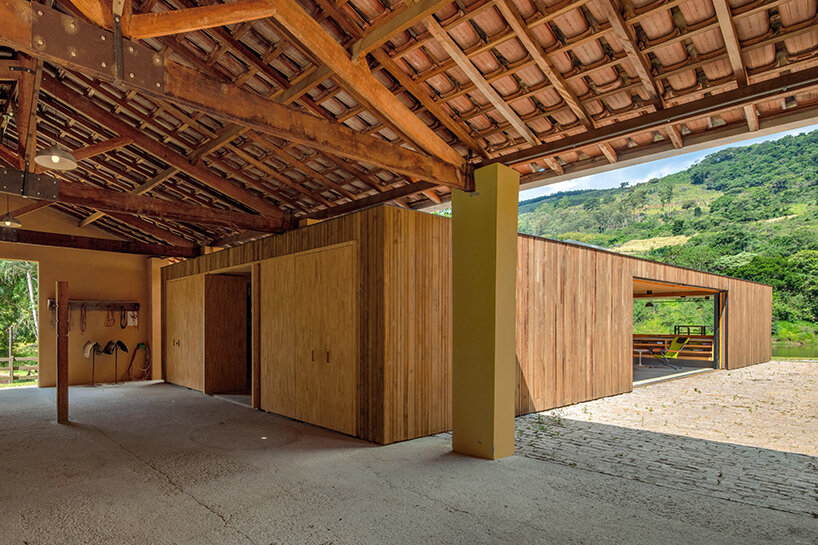
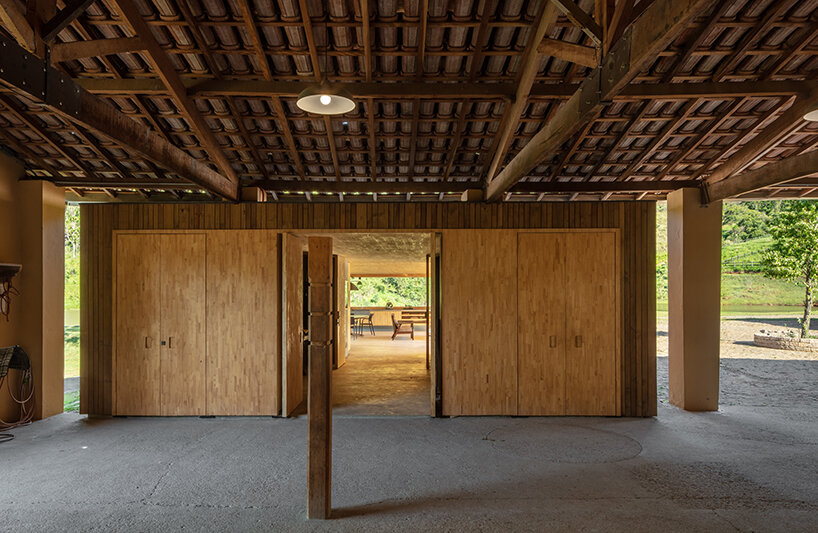
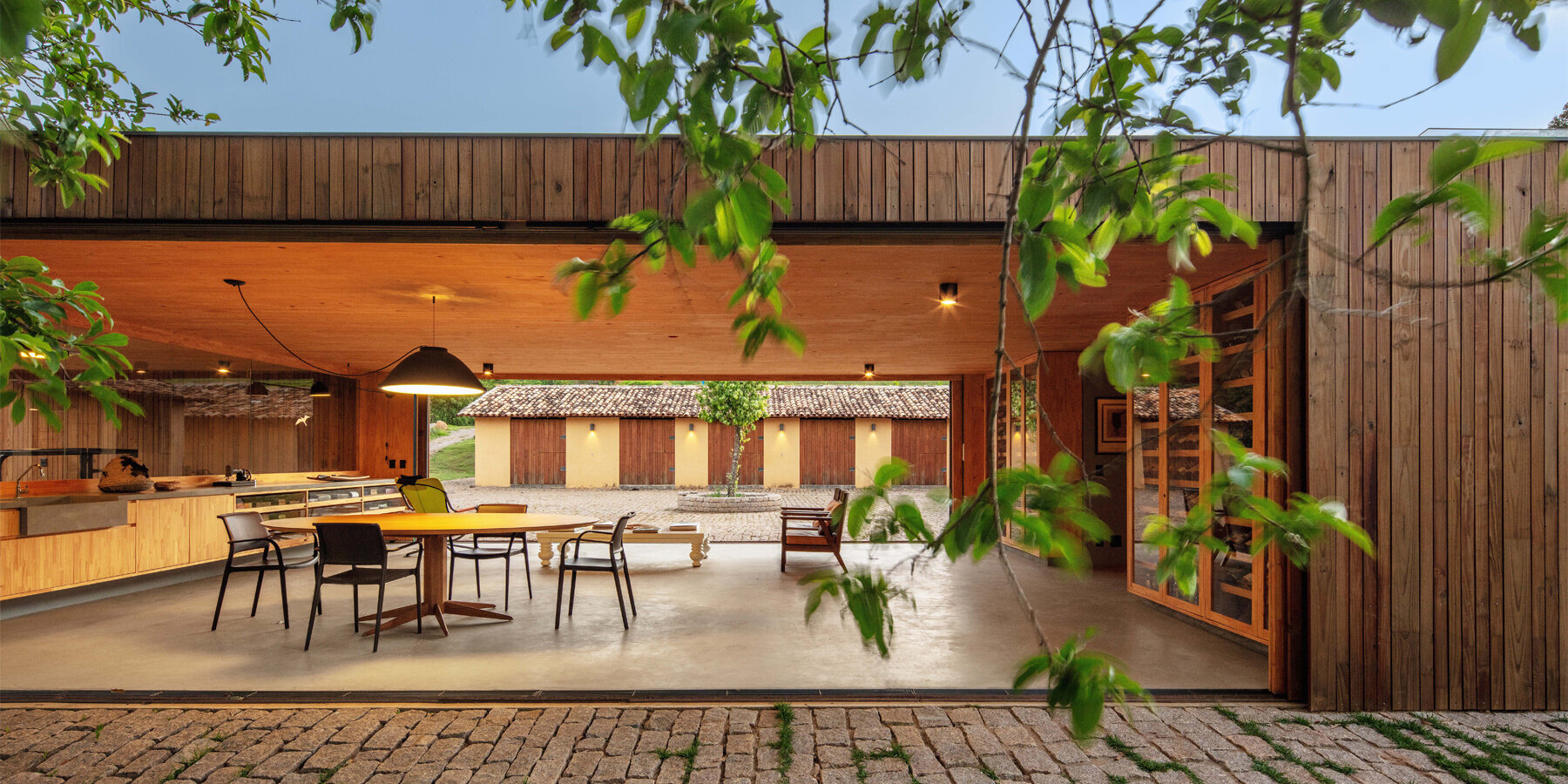
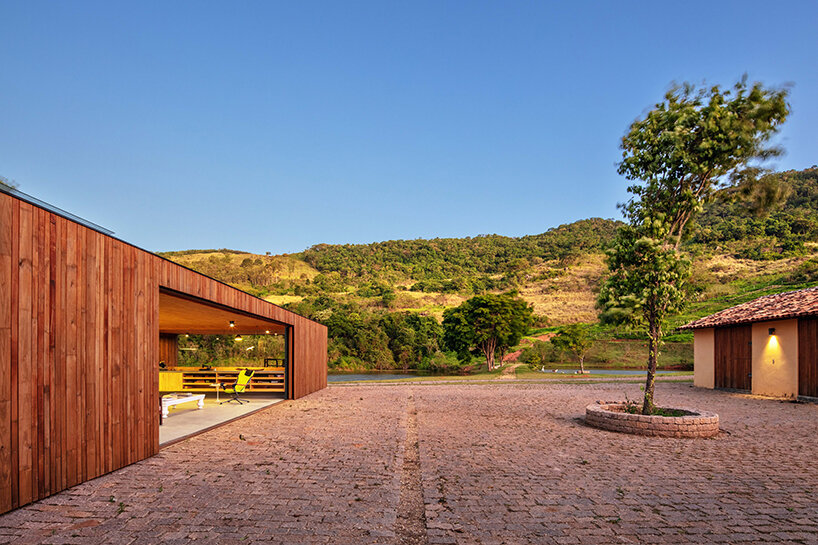
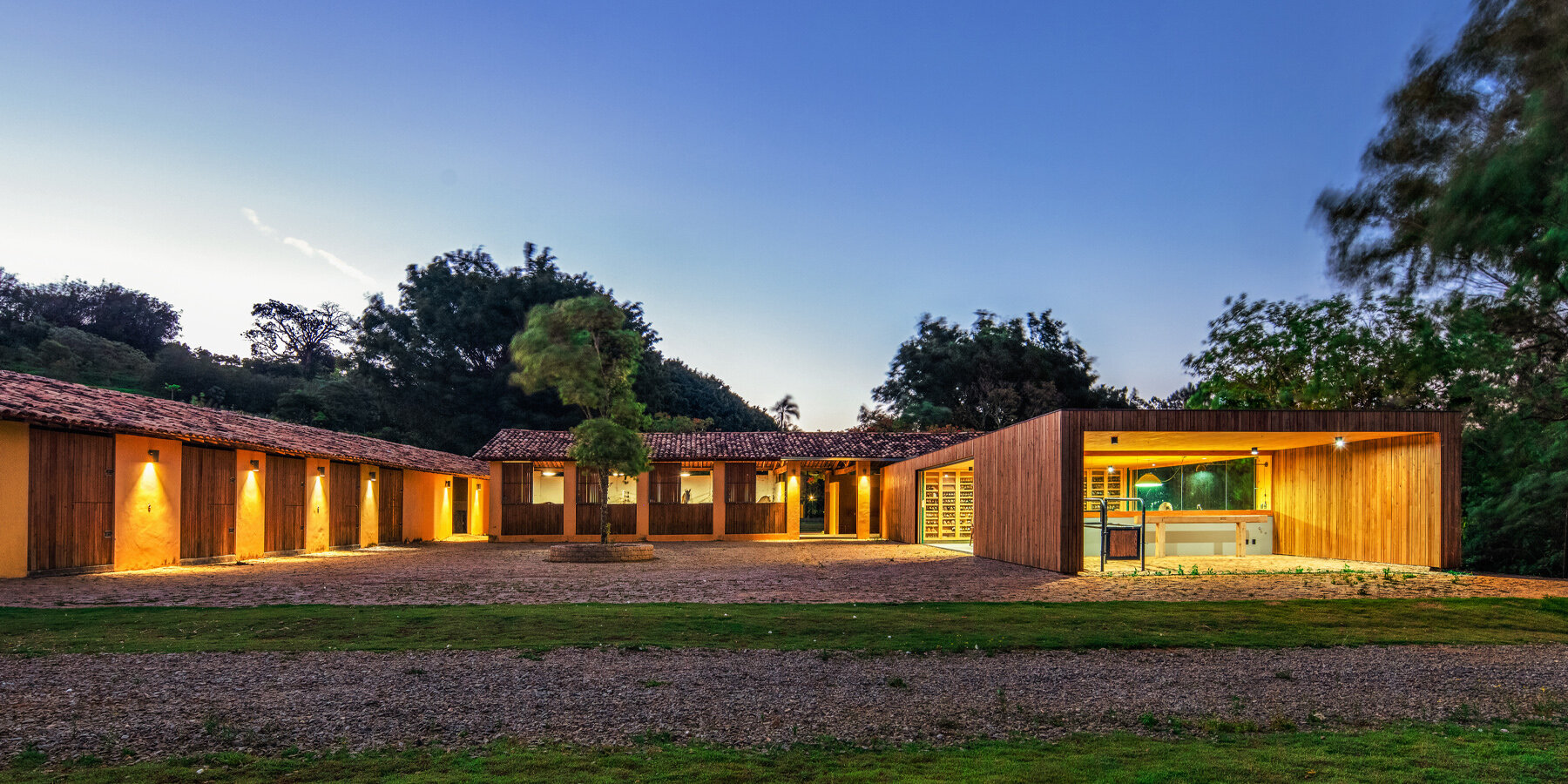
The regular and precise geometry of ‘Pavilhão Vista Alegre’ seeks to align itself with the pre-existing buildings of the horse stalls. ‘The proposal does not oppose the scale of what already existed – on the contrary, the intervention is discreet and redefines the group of buildings with the creation of a courtyard, to where the horse stalls converge,’ explain the architects. The only real contrast materializes through the choice of construction — Cross Laminated Timber, a carbon-neutral resource originating from forest planting.
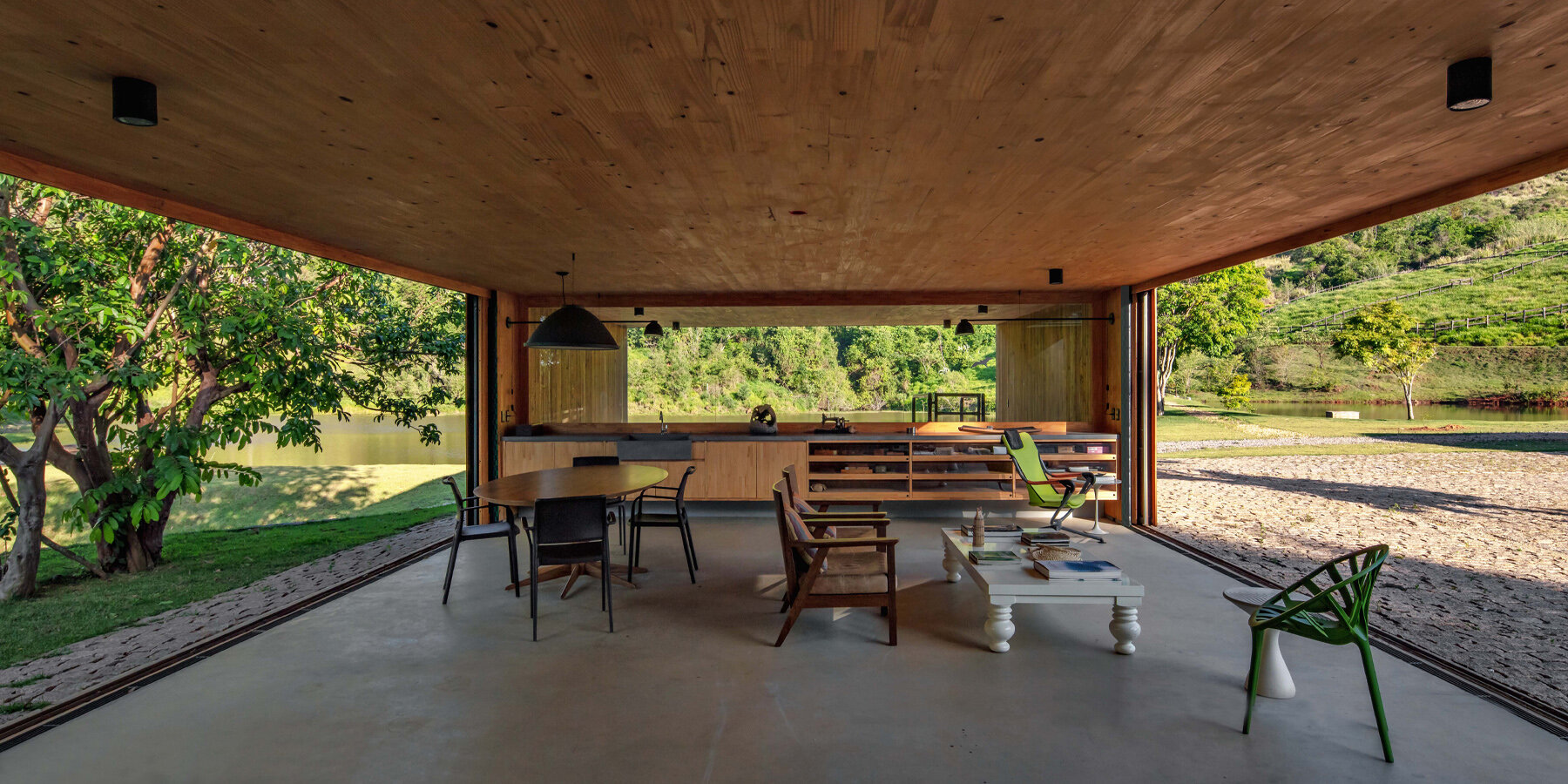
Moreover, the pavilion reflects a rational aesthetic packed into a prefabricated solution to reduce the amount of work on-site without genetating residues. With an area of 170 sqm, the pavilion was erected in five days, using nine CLT slabs, 8 cm thick, configuring a continuous covering 7.45 x 22 m plan. The surface is supported by inverted metal beams unloaded onto CLT walls.
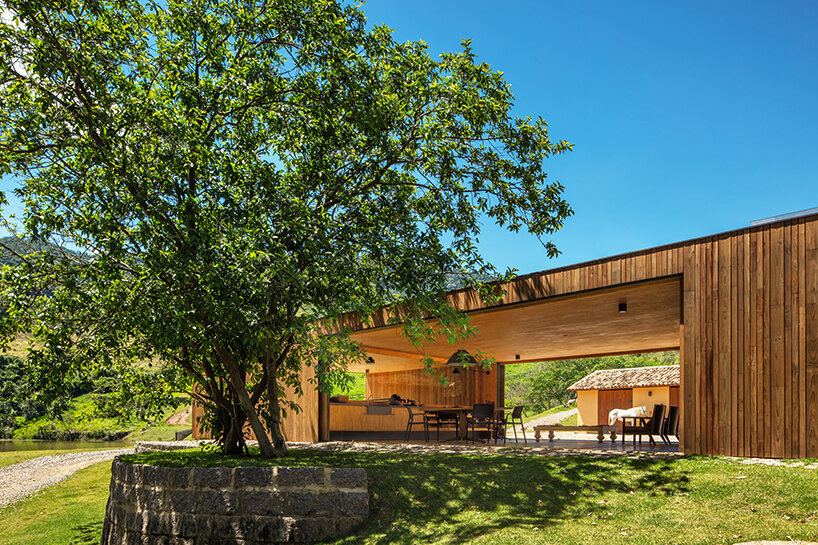
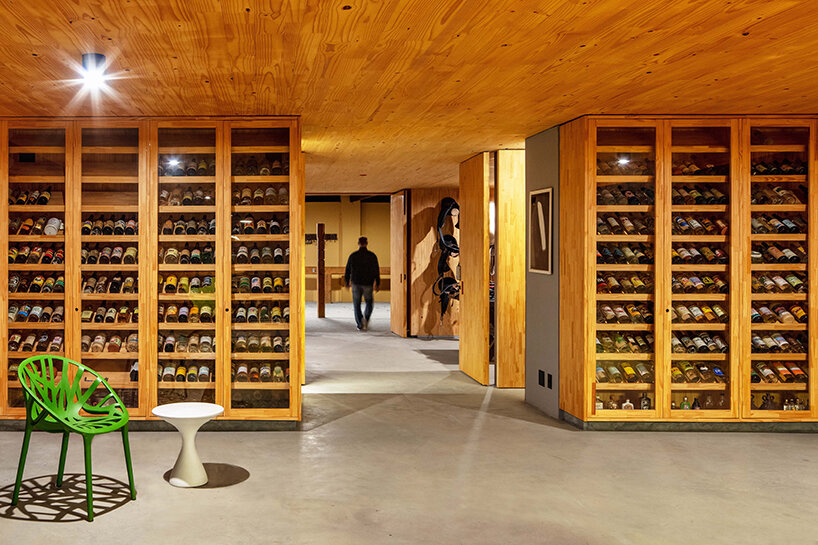
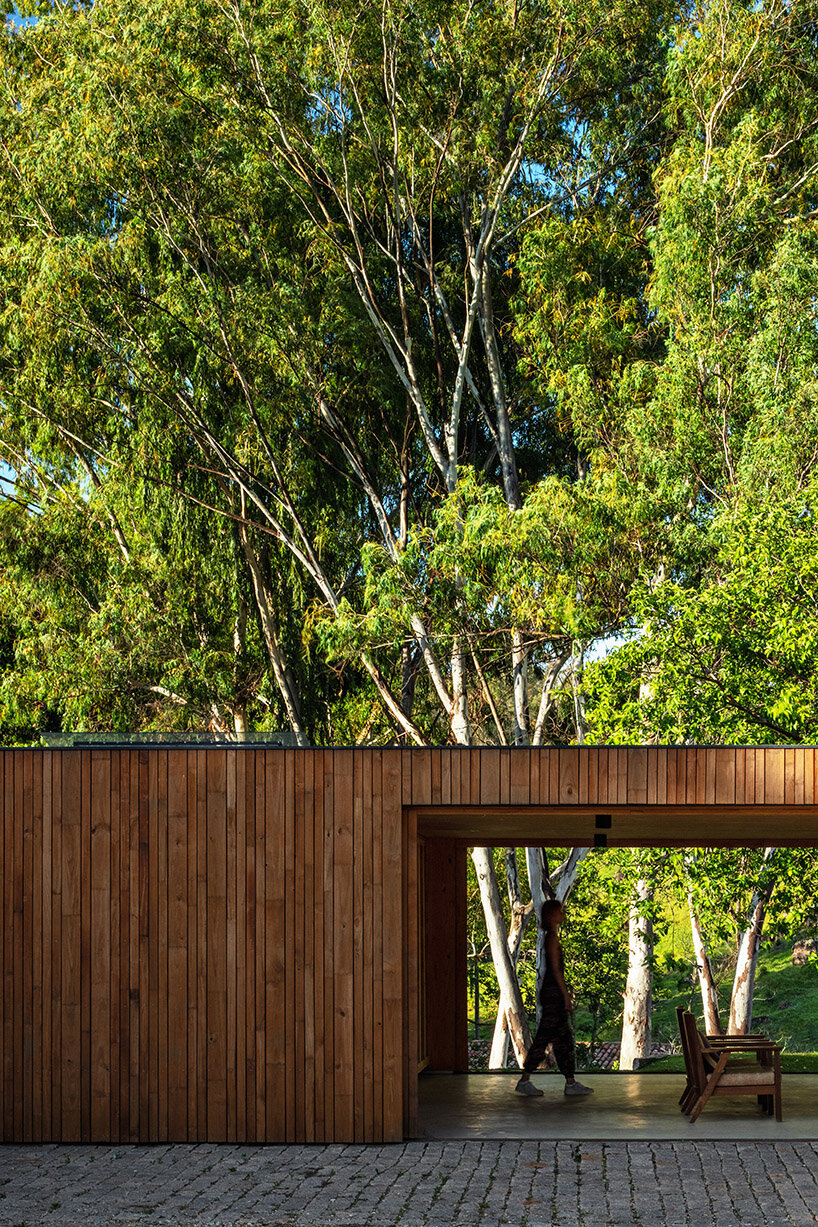
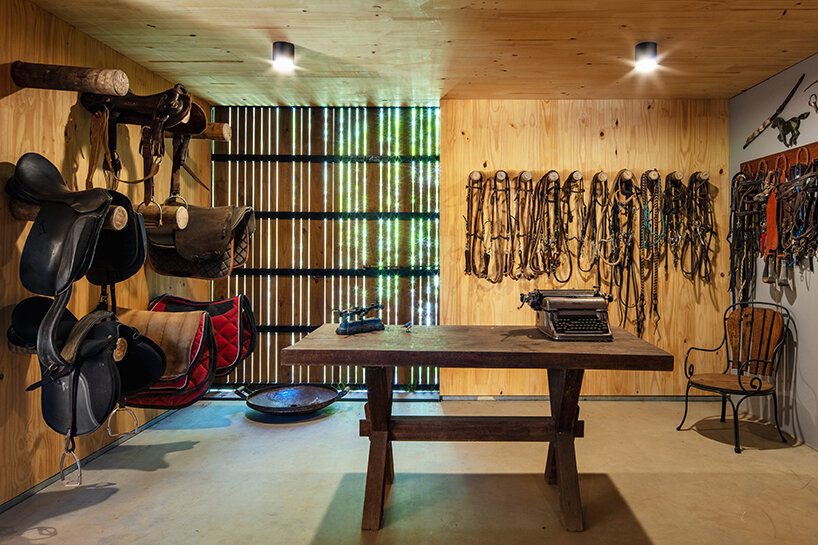
The wooden structure is exposed on the inside, while the outside walls feature vertical slats of autoclaved and carbonized pine, ensuring the wood’s durability. Terra Capobianco applied the same coating to the doors and windows of the existing buildings’ stalls to create visual unity. Program-wise, the pavilion holds a pantry and a restroom, which divide the visiting room from the saddlery. For the hydraulic installations, the architects built them in two masonry cores, also serving as a lock for the structure.
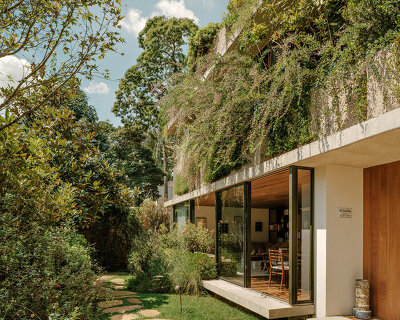
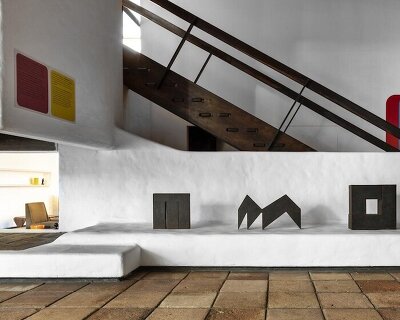
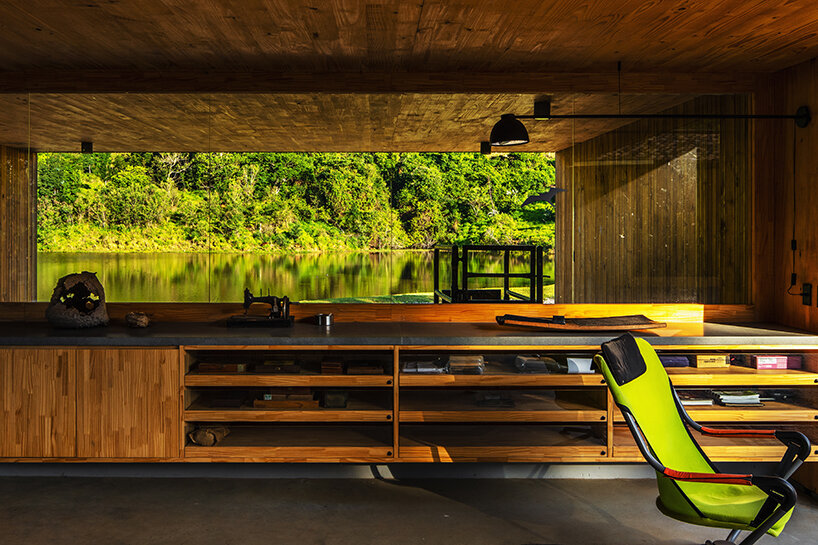
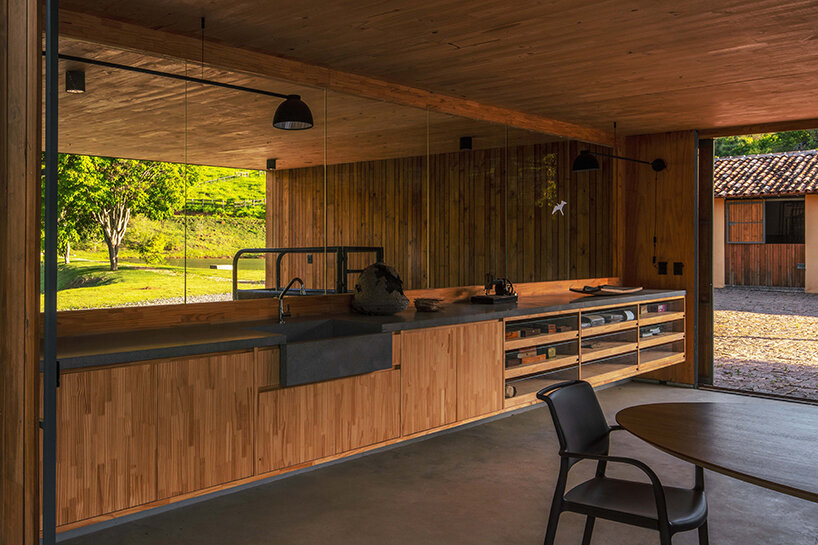
In the saddlery, the harnesses appear on solid logs embedded in the CLT walls. Ventilation in this environment is crossed and permanent and occurs between the slats of the façades, through which natural light also permeates. In the main lounge, a place to meet and rest for horseback riding, a large basalt bench supports tasting the coffee produced on the farm.
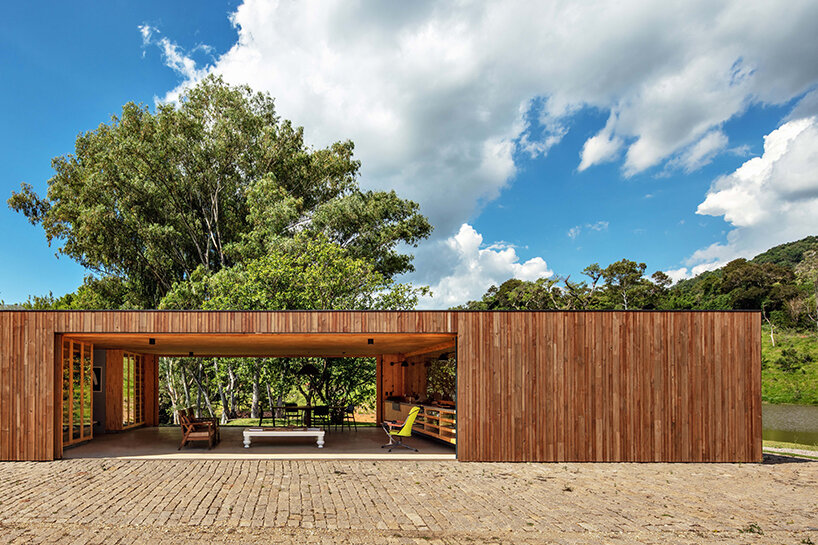
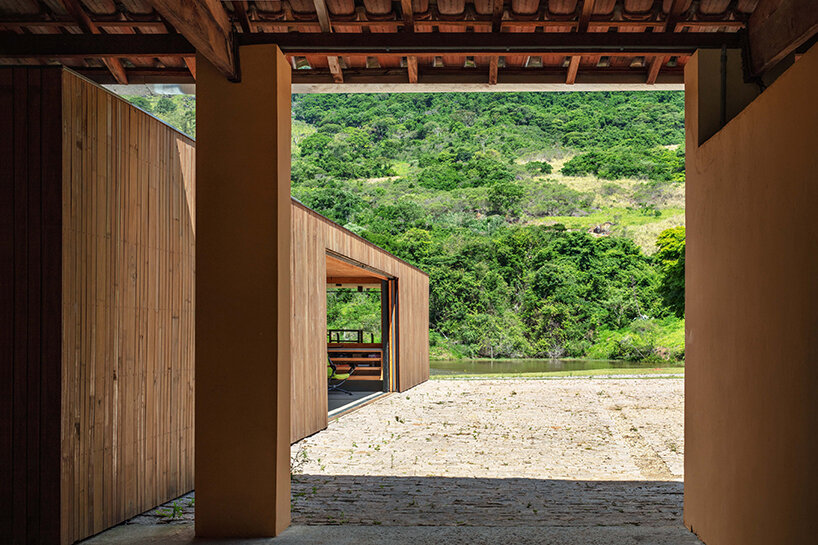
‘The view from the salon overlooks the dams in a contemplative visual relationship through the large window above the bench. The lateral façades of the pavilion open completely with sliding doors hidden between the CLT walls and the pine lining, allowing the integration on one side with the stall patio and on the other side with the farm’s surroundings,‘ concludes the practice.
 1/7
project info:
name: Pavilhão Vista Alegre
location: Socorro, São Paulo, Brazil
completion year: 2020
gross floor area: 120 sqm
architecture: Terra Capobianco | @terracapobianco
lead architect: Ana Terra Capobianco
co-architects: André Braz and Lucas Leite
civil construction: Quatri Arquitetura, Construção e Consultoria
manufacturers: Alwitra, Crosslam, GRAPHISOFT, Marcenaria Silveira e REKA
CLT construction & design: Crosslam
photography: Nelson Kon | @nelsonkonfotografias
shop
your own online design shop — no sales commission collected