step into frank gehry’s sweeping signature style in a new retrospective
the porto show exhibits models of the guggenheim bilbao, LUMA arles, the vitra design museum, and other projects that defined the pritzker-prize winning architect's career
prefer designboom on google[FEATURED]
The Century of Gehry
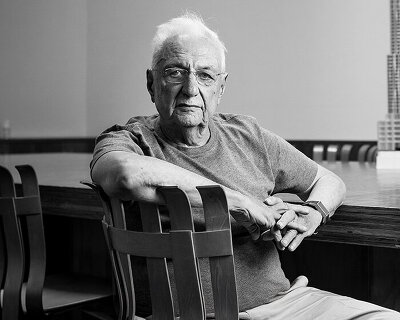
At the Serralves Foundation, The Century of Gehry looks back on the life of the late Canadian-American architect Frank Gehry (1929-2025). In collecting the creations of his lifetime – architectural models, cardboard chairs, and carpets – the exhibition in Porto creates a retrospective of the designer who pioneered an architectural style that came to define the turn of the 20th century.

Three Entrances and Two Pritzker Prize-Winning Architects
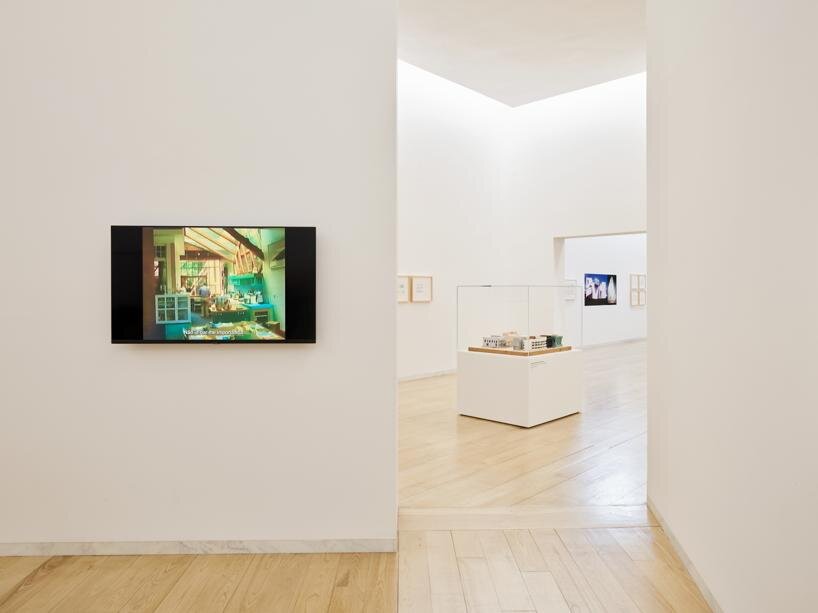
As curator António Choupina points out, the exhibition itself can begin at three separate points of the Siza Wing of the Serralves Foundation, built by fellow Pritzker Prize-winning architect Álvaro Siza. Enter from the prescribed “beginning,” and the visitor is greeted by a simple 2×4 structure where an interview with Gehry himself croons over images of his office spaces. One of his drawings, a swirl of scribbled lines, evokes a brain, suggesting that we may be entering the mind of the architect. Here, the exhibition commences chronologically.
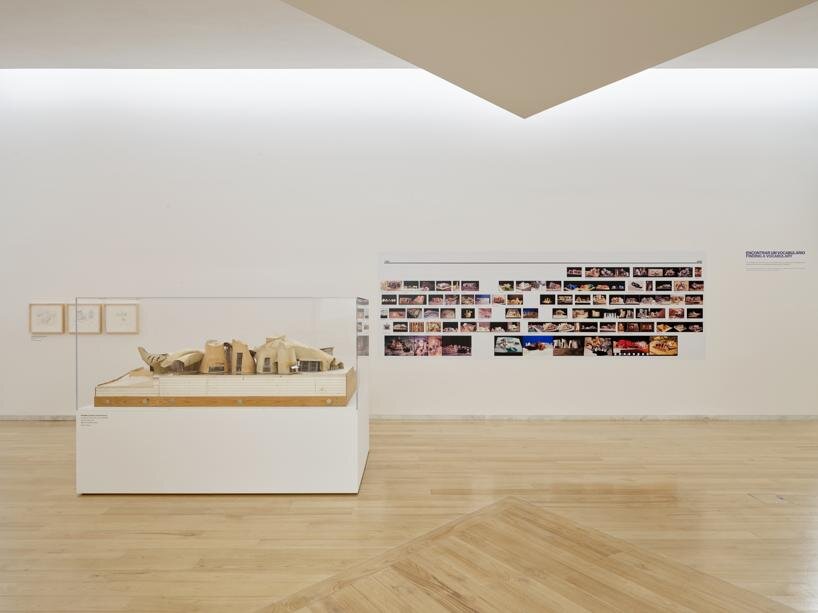
Entering from the exit introduces Gehry through a bird’s-eye view of his Los Angeles office, looking down on a gridwork of models in progress, computers alight with plans, and workers focused on adjusting some of the world’s most recognizable structures. But enter from the elevator, the space’s accessibility entrance, and the doors open to the sprawling model of the unfinished Lewis Residence, an unbuilt project in Lyndhurst, Ohio whose planning spanned from 1989 to 1995. Although it never came to fruition, it served as a breeding ground for the maturation of his later works. No matter which of the three entrances the exhibition begins from, each offers a unique place from which to begin thinking about his ideas.
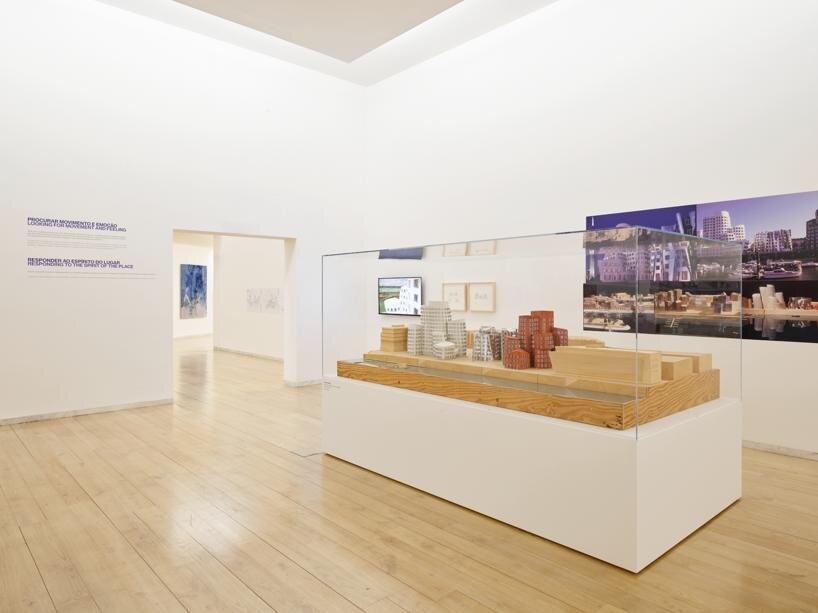
Nineteen Projects from Gehry’s Career
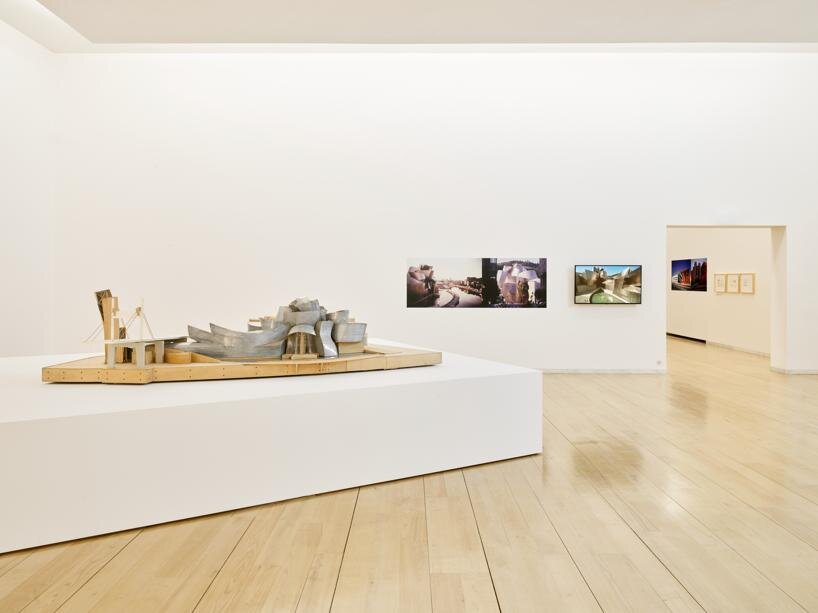
Working alongside the architecture firm Gehry Partners, LLP and the Getty, the exhibition contains a vast collection of models that represent important milestones in Gehry’s career. There is a scale model of the Vitra Design Museum in Weil am Rhein, Germany, where the first hints of sweeping geometry are rendered in miniature. Looking down into these models, seeing where walls intersect, windows emerge, and curves begin to bulge offers visitors the opportunity to see the visual ways in which Gehry developed his ideas into monumental structures.
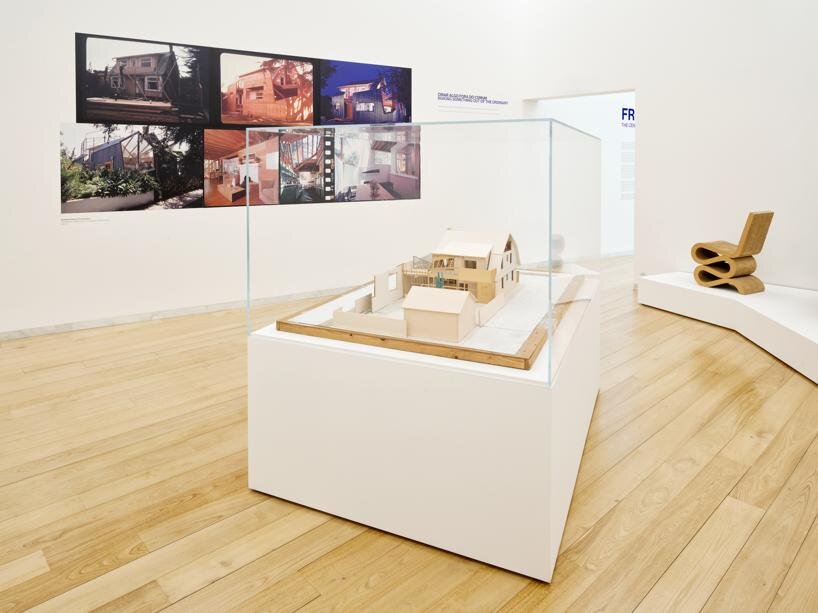
For fans of his earliest works, the Easy Edges collection of cardboard chairs, which would eventually belong to Vitra, appears at the beginning of the exhibition. They sit preceding a model of his personal home in Santa Monica, where he would live and raise his family. The house was a Dutch Colonial home which, through the alterations and additions of the architect, would become a kind of monument to deconstructivism in the California neighborhood, with its glass geometries appearing to have gracefully crash-landed into the property’s existing domestic space.
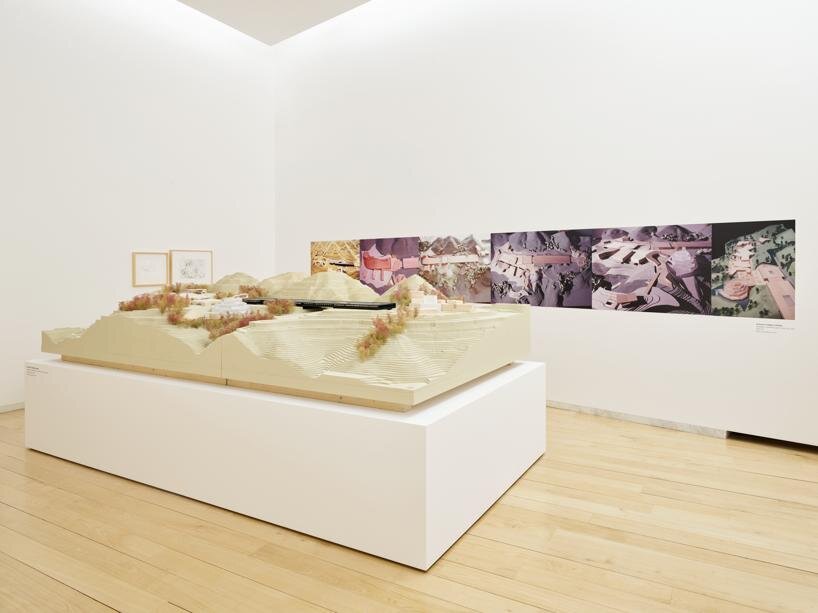
Frank Gehry, Álvaro Siza, and His Connections to Portugal
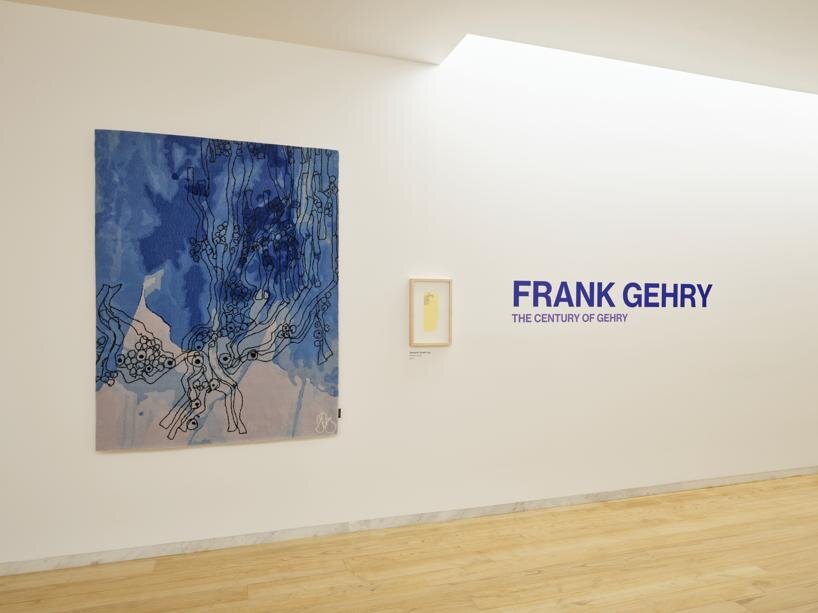
In an ode to the geographic context of the Serralves Foundation and his friendship with Siza, the exhibition notably nods to Gehry’s relationship with Portugal. There is a sprawling model, complete with drawings, of the ArtCenter College of Design (2000–01), which he had been working on alongside Siza. Choupina, in discussing how the two influenced each other, pointed out how the unfinished Pasadena project showed that the friends were continually in dialogue, both in their speech and in their geometries. The Century of Gehry also looks at Parque Mayer (2003–04), in which Gehry was invited to create an intervention in Lisbon that was ultimately not executed. Finally, the “Doodle” Rug (2012), created by the Portuguese company Ferreira de Sá, is also featured in the exhibition.
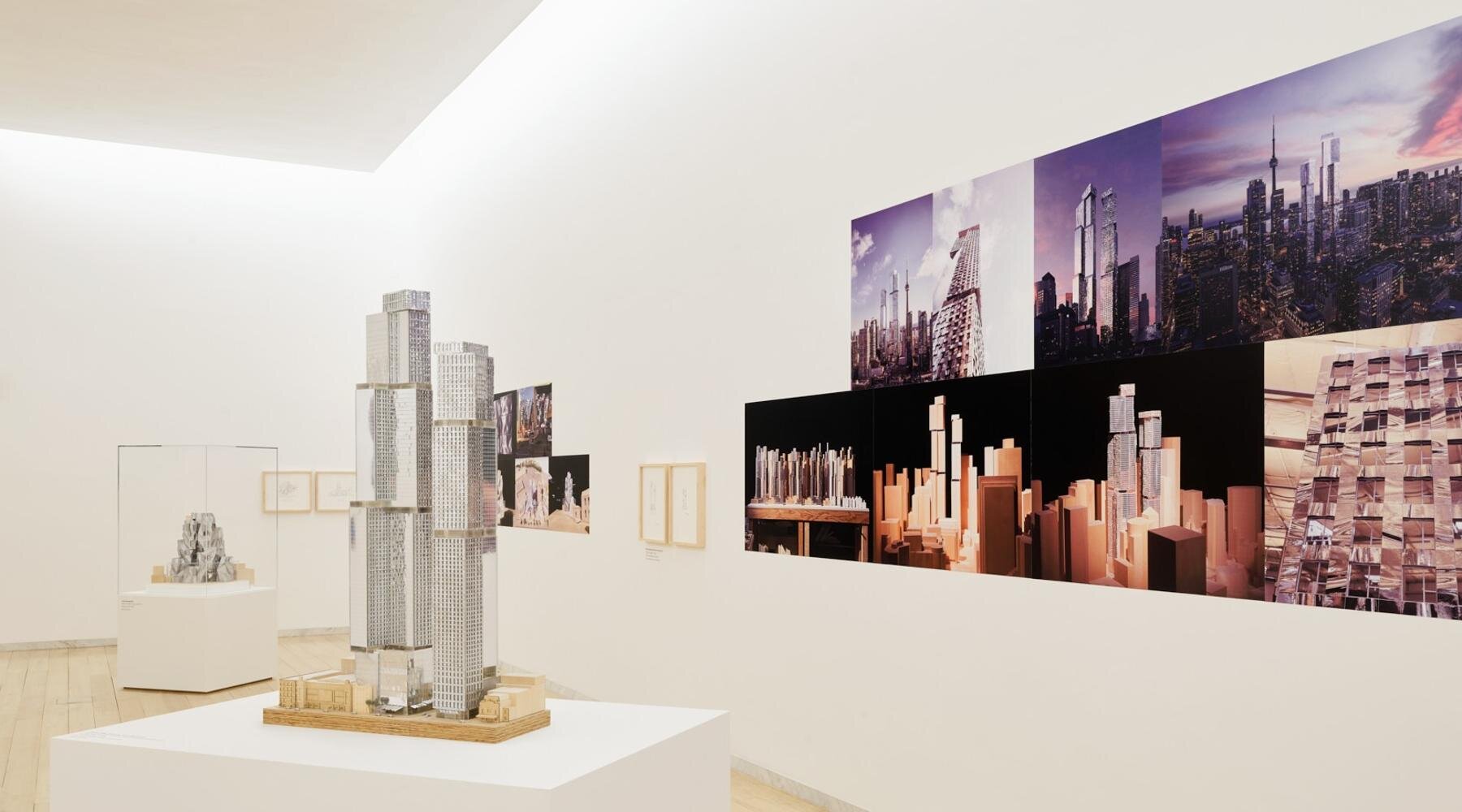
Architecture That Defined a Century
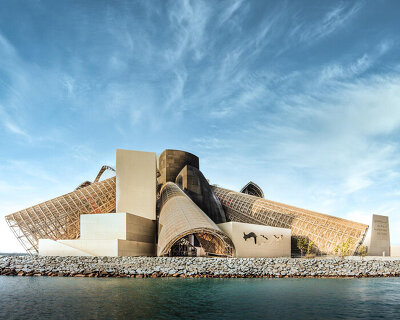
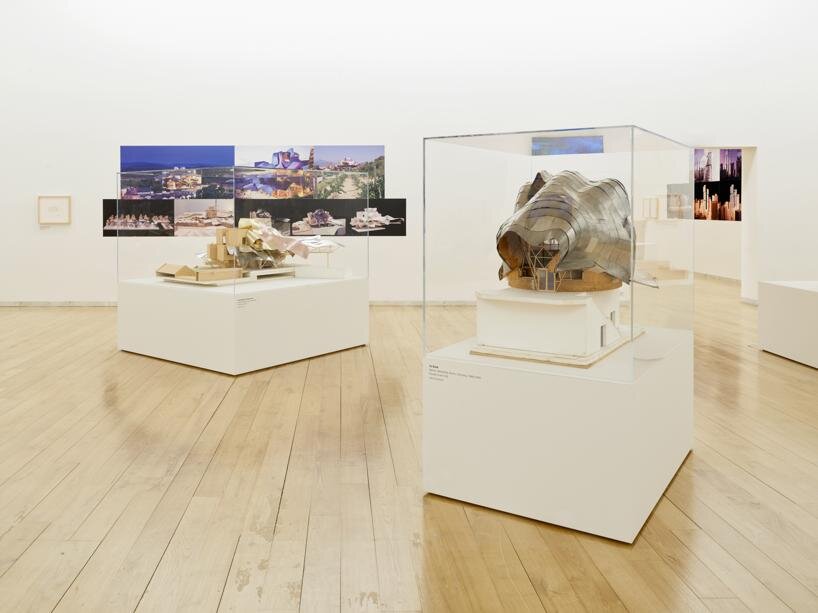
As the projects build on one another—recognizing the echoing, sailboat-like waves that appear in the Guggenheim Bilbao, the Walt Disney Concert Hall in Los Angeles, and the Hotel Marqués de Riscal in Spain—the exhibition reveals the way Gehry, through all his experimental forms and shining exteriors, managed to create the backdrop for many people’s formative experiences in the creative world.
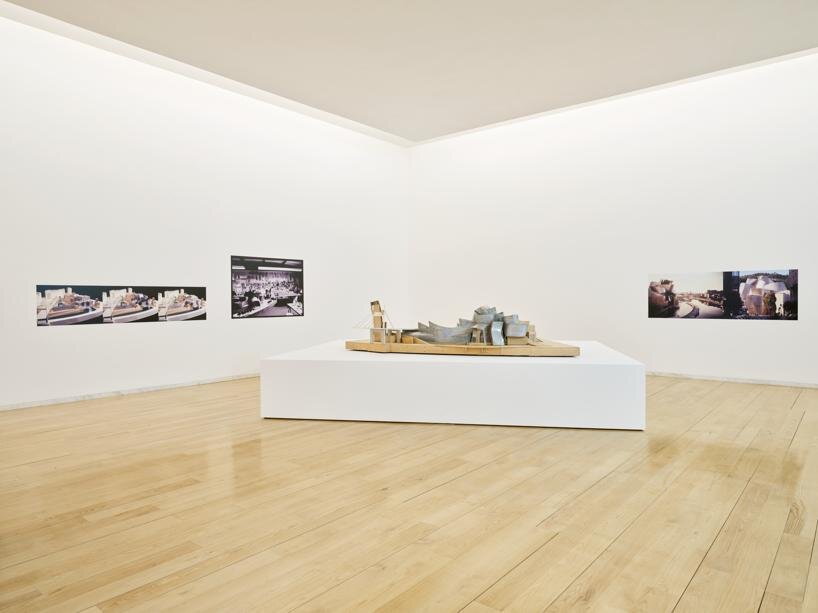
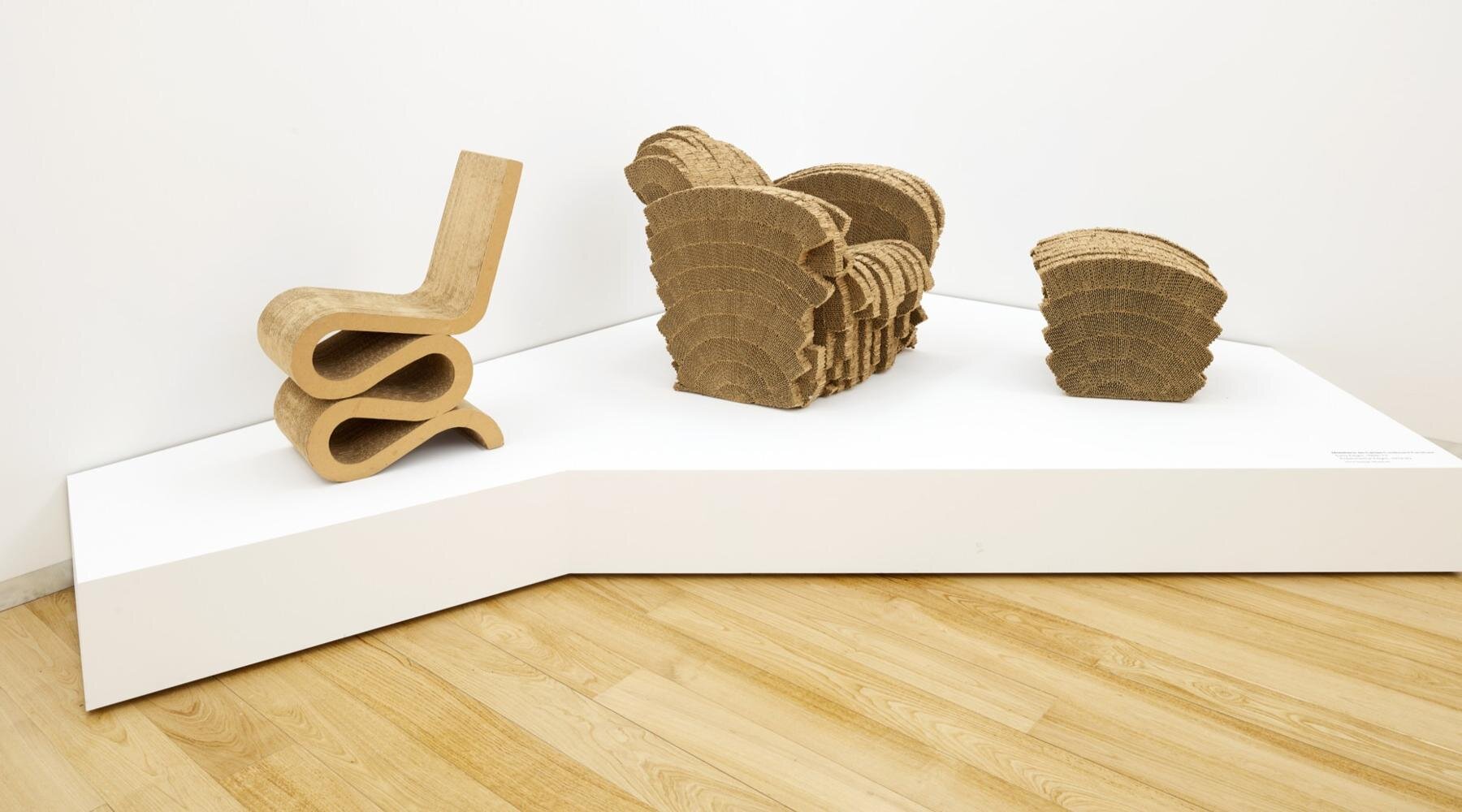
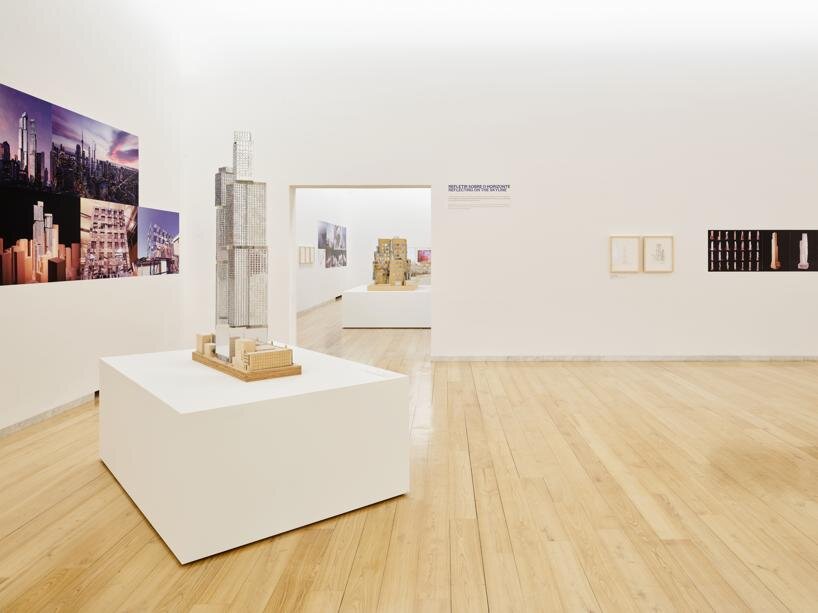
In moving through the exhibition’s eight thematic spaces, each imparts a lesson in the aesthetic values of the architect. From its opening section, “Making Something Out of the Ordinary,” which showcases the Gehry Residence, to “Looking for Movement and Feeling,” which exhibits DZ Bank’s enormous indoor installation, to the final procession through “Reflecting on the Skyline,” where LUMA Arles and other towering buildings exemplify how he redefined the skyscraper, there is a gradual development of who Frank Gehry was and how his works and distinct style came to define his career.
1/5
project info:
exhibition name: The Century of Gehry
architect: Frank Gehry | @frankgehry_official
location: Fundação de Serralves – Museum of Contemporary Art, Porto, Portugal | @fundacao_serralves
dates: June 13 – December 20, 2026
curator: António Choupina | @antoniochoupina
coordinated by: Diana Cruz (Fundação de Serralves)
in collaboration with: Getty, Joseph Colonius, Megan Meulemans and Samuel Gehry (Gehry Partners), Maristella Casciato (Getty).
shop
your own online design shop — no sales commission collected