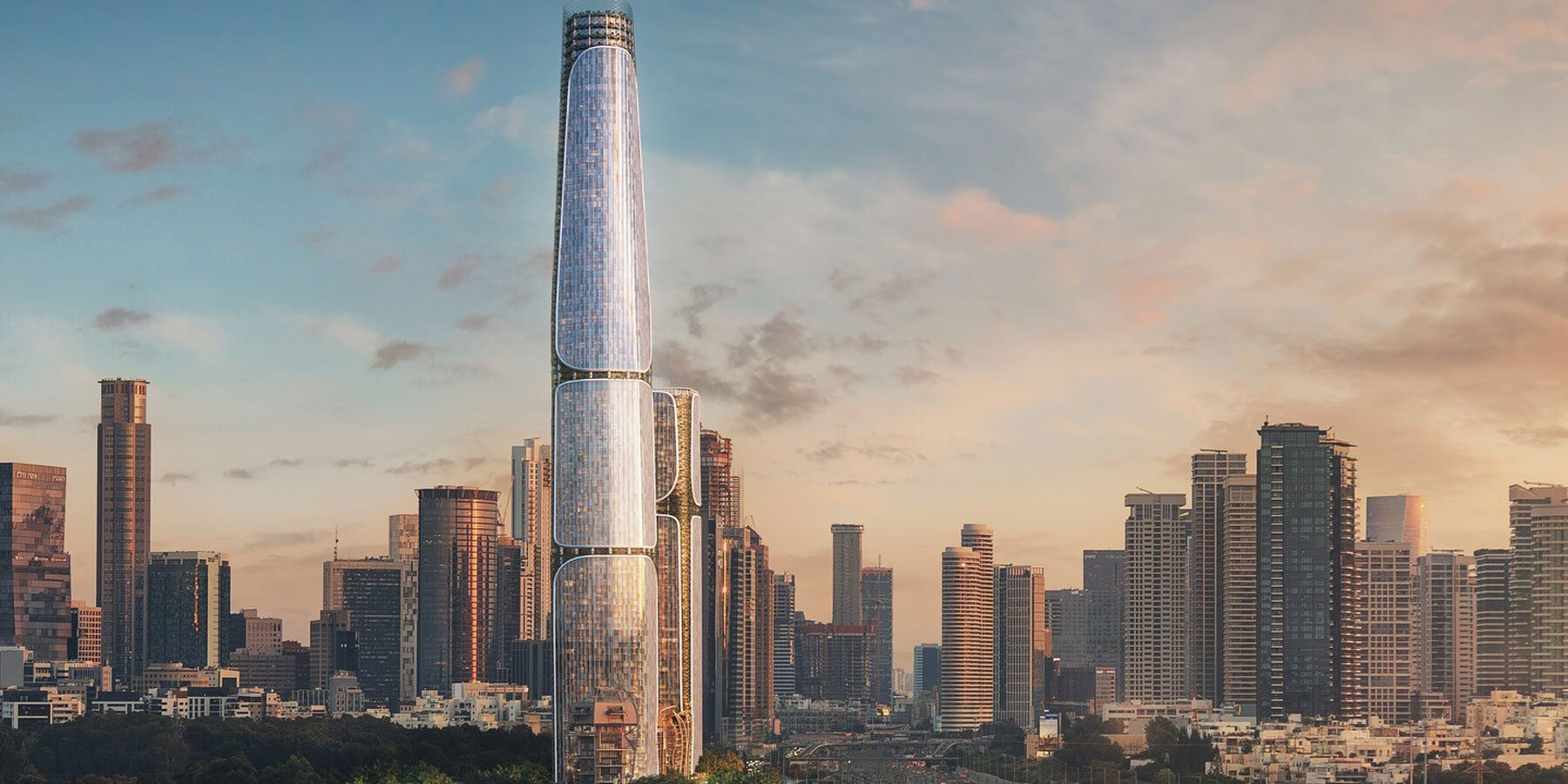
Vertical City Proposes Self-Contained Urban Structure in Tel Aviv
Vertical City is a mixed-use high-rise development proposed for Ramat Gan, Tel Aviv’s central business district. Designed by De La Fontaine Architecture in collaboration with MSP Landscape Architects and WSP Engineers, the project consolidates residential, commercial, cultural, and leisure programs into a vertically organized urban structure. Conceived as a self-contained city, the development integrates living, working, studying, and public activities within a continuous architectural framework.
The project consists of three interconnected towers that collectively rise to a height of 470 meters across 111 floors, positioning it as one of the tallest structures in the country. The towers are organized to support programmatic diversity while maintaining spatial continuity between uses. A defining feature of the project is its vertical park system, described as a ‘green waterfall,’ which extends from ground level to the upper portions of the towers. This landscaped element establishes a continuous ecological and social link throughout the building, connecting public and private spaces vertically.
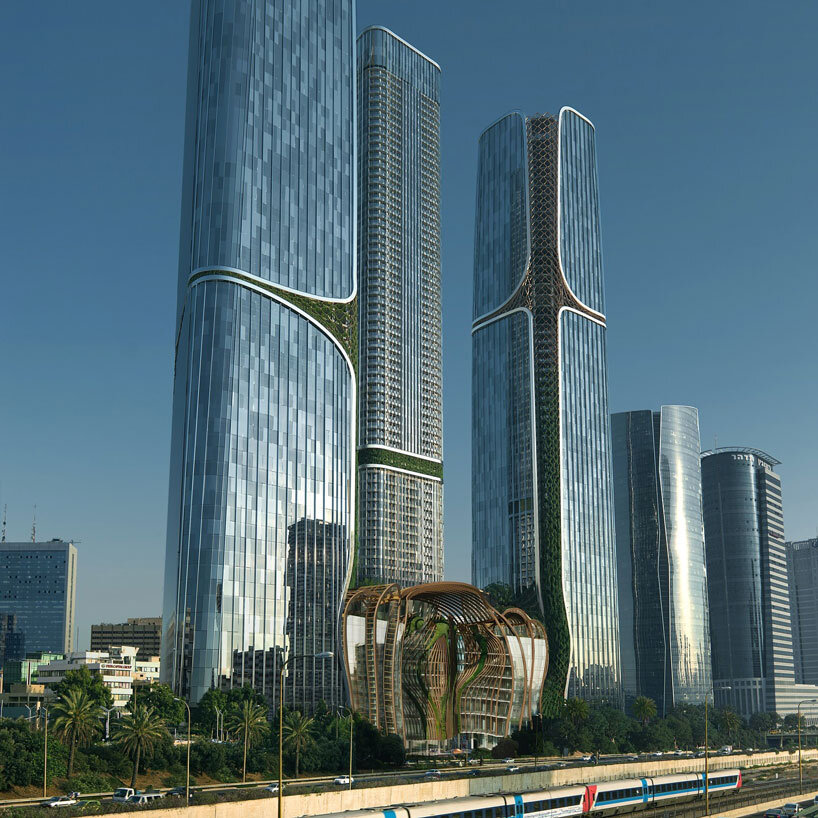
all images courtesy of De La Fontaine Architecture – DLF
DLF Architecture Reframes Density Through Vertical Integration
Residential, office, and leisure functions are interwoven within the towers to promote proximity and functional overlap. Circulation systems are designed to accommodate both daily use and public access, including an observation deck located at the top of the structure. From this elevated point, the building offers panoramic views across the metropolitan area.
Through its scale, vertical organization, and integration of landscape architecture, the project proposes an alternative model for dense urban development. Vertical City, conceived by De La Fontaine Architecture Studio, positions verticality as a means of consolidating urban functions while introducing green infrastructure into the high-rise typology, contributing to the evolving skyline and urban fabric of Ramat Gan.
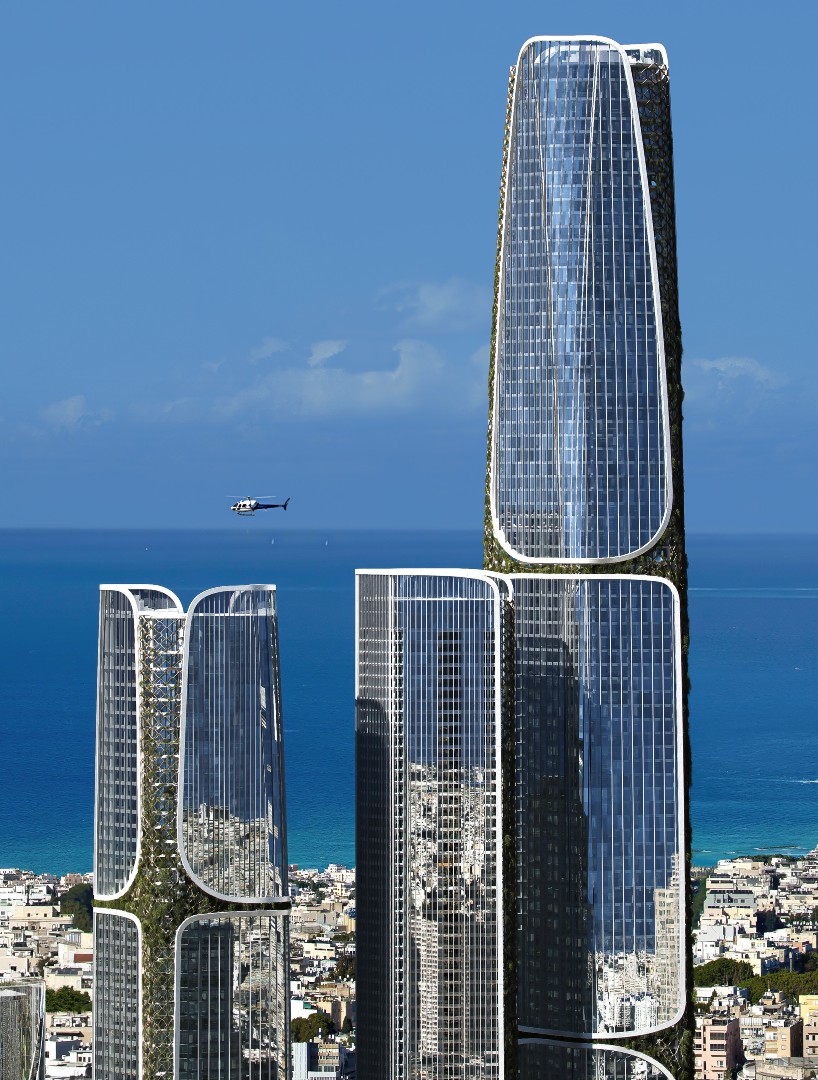
Vertical City is a mixed-use high-rise development proposed for Ramat Gan, Tel Aviv
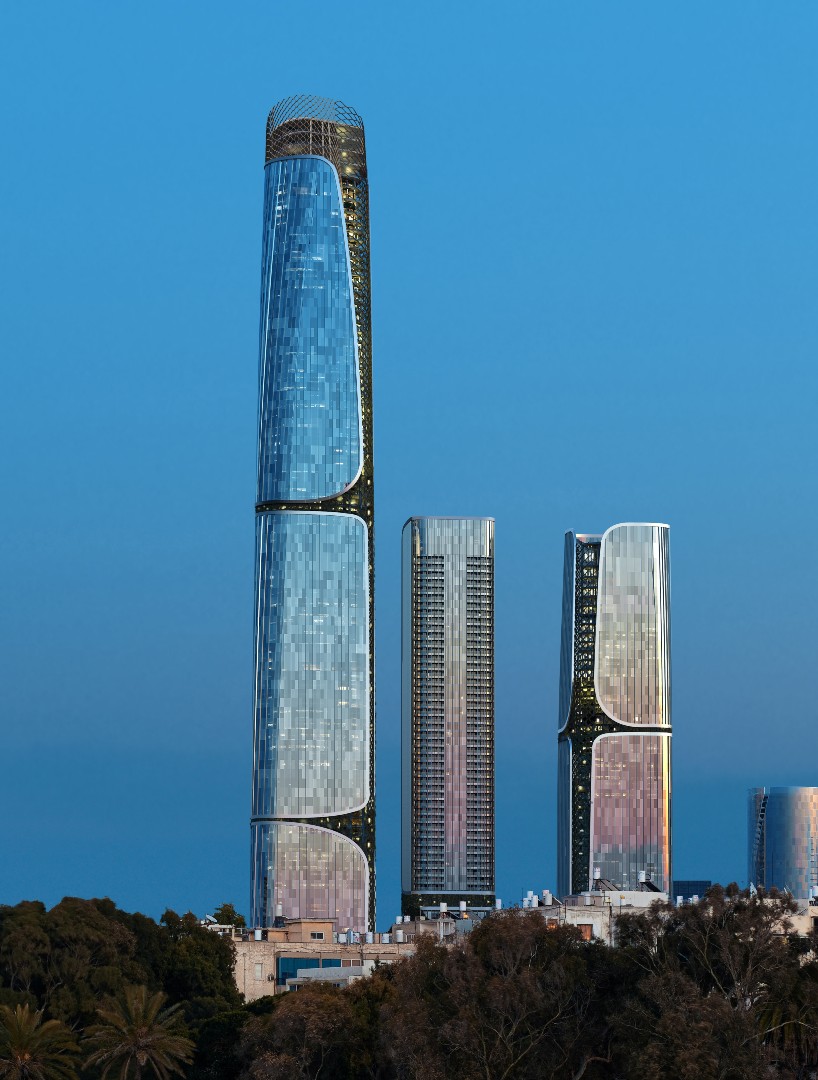
the development is conceived as a self-contained city organized vertically
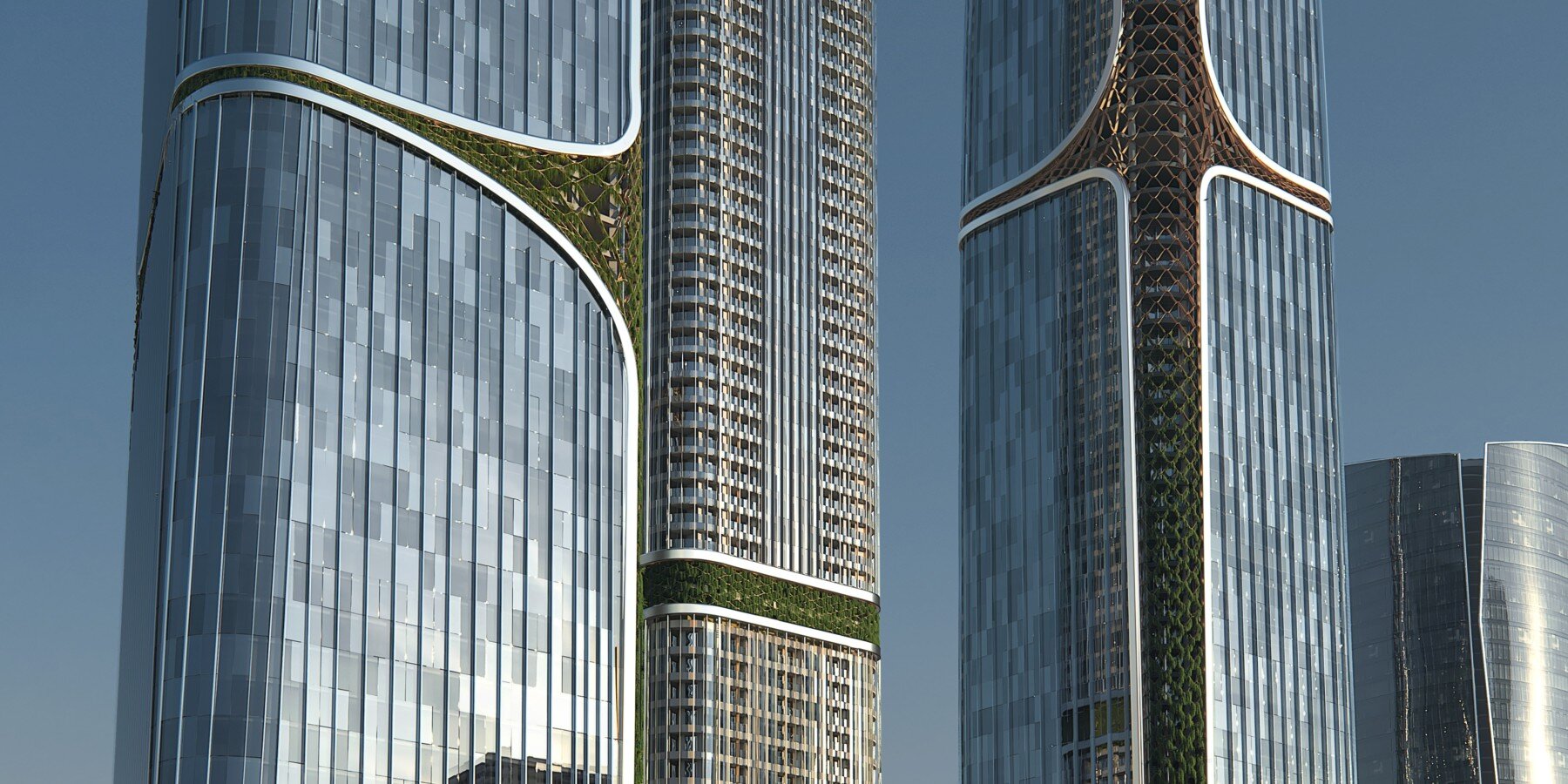
the project is composed of three interconnected towers
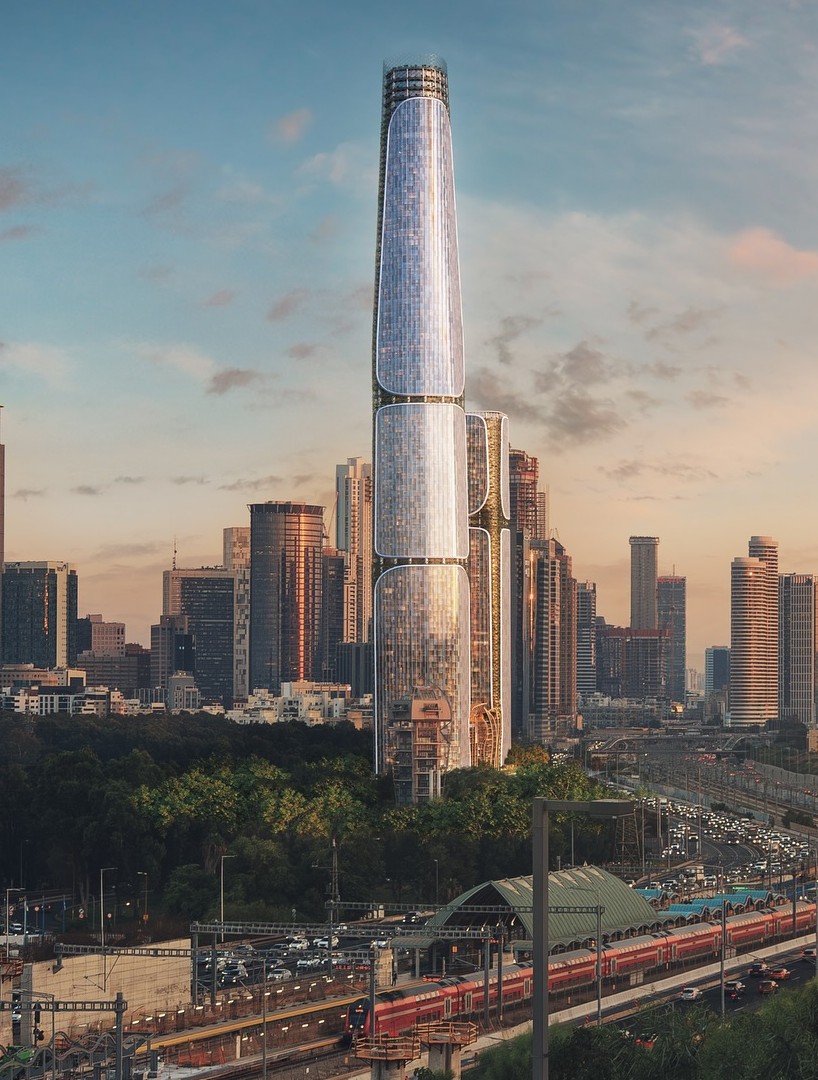
the towers support programmatic diversity while maintaining spatial continuity
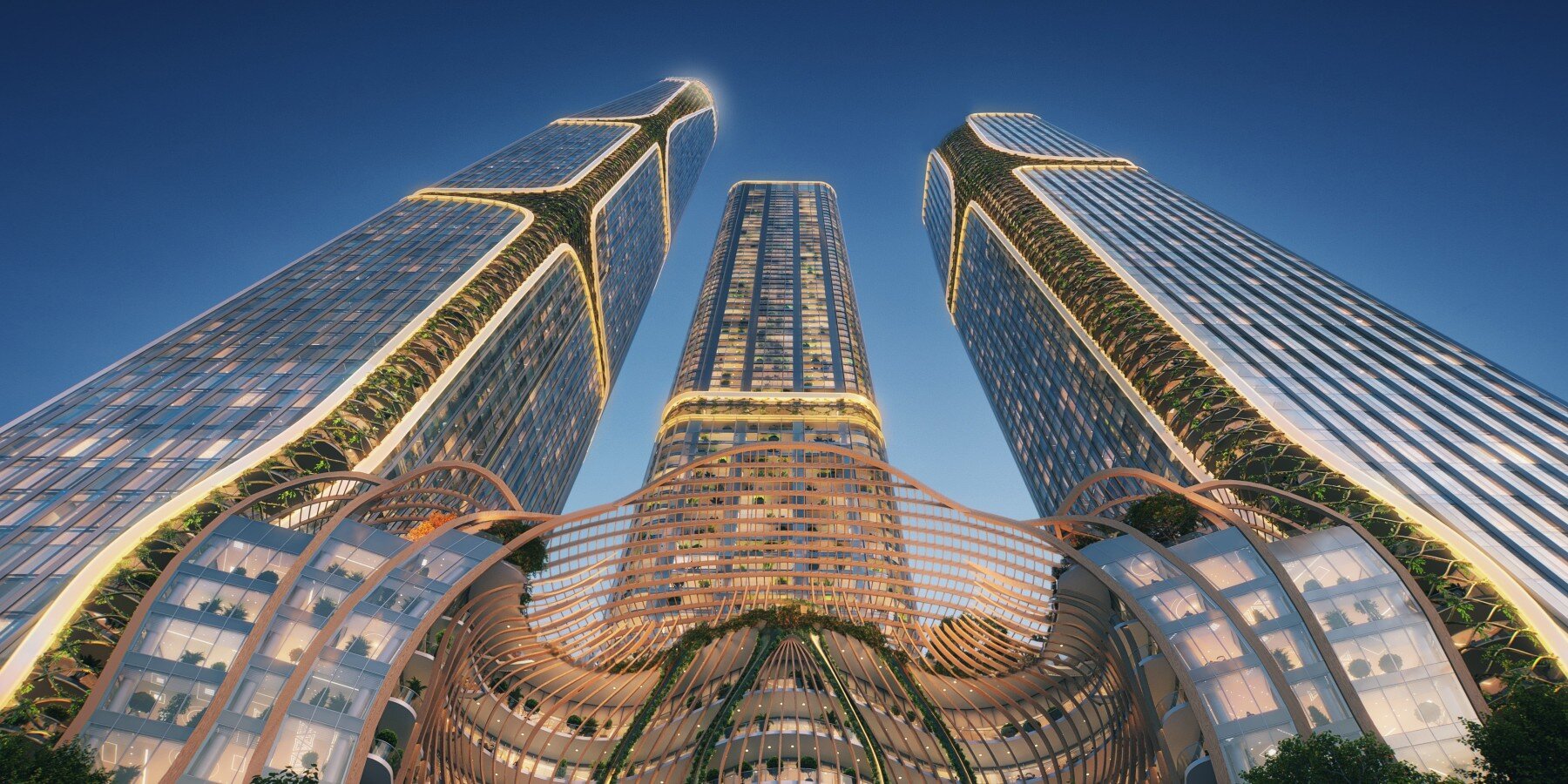
a vertical park system connects the building from ground level to its upper sections
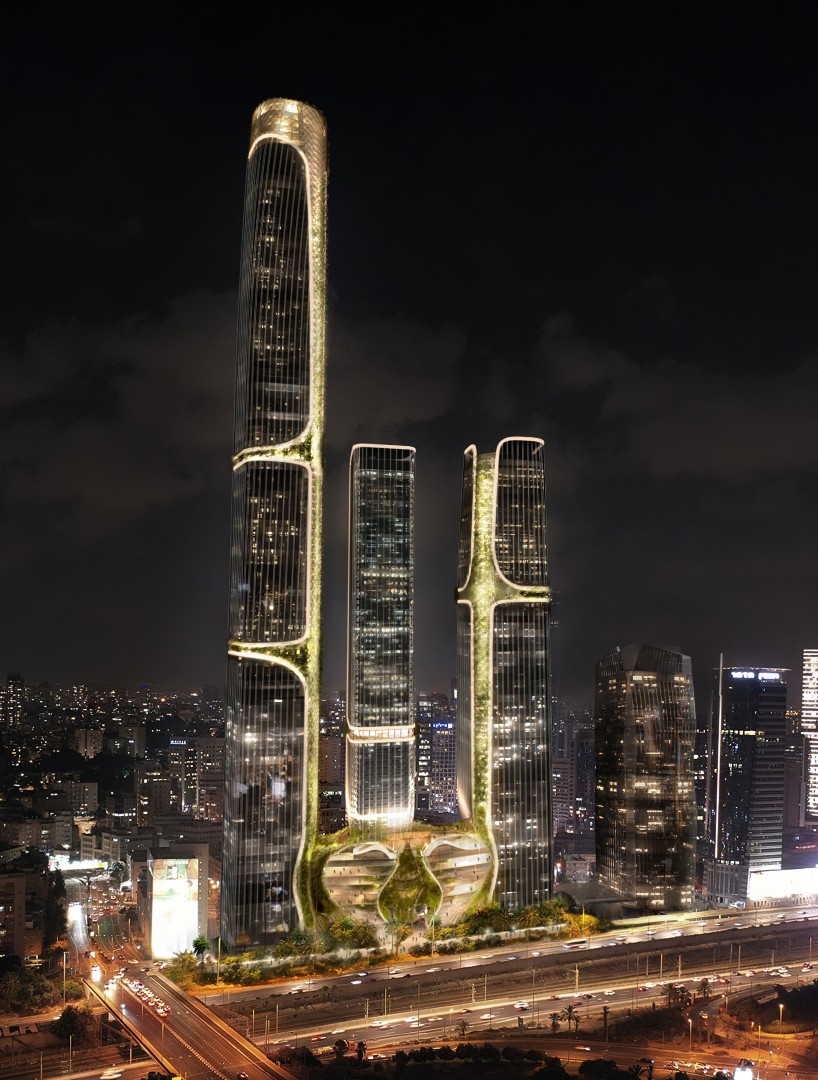
Vertical City by De La Fontaine Architecture proposes an alternative model for dense urban development
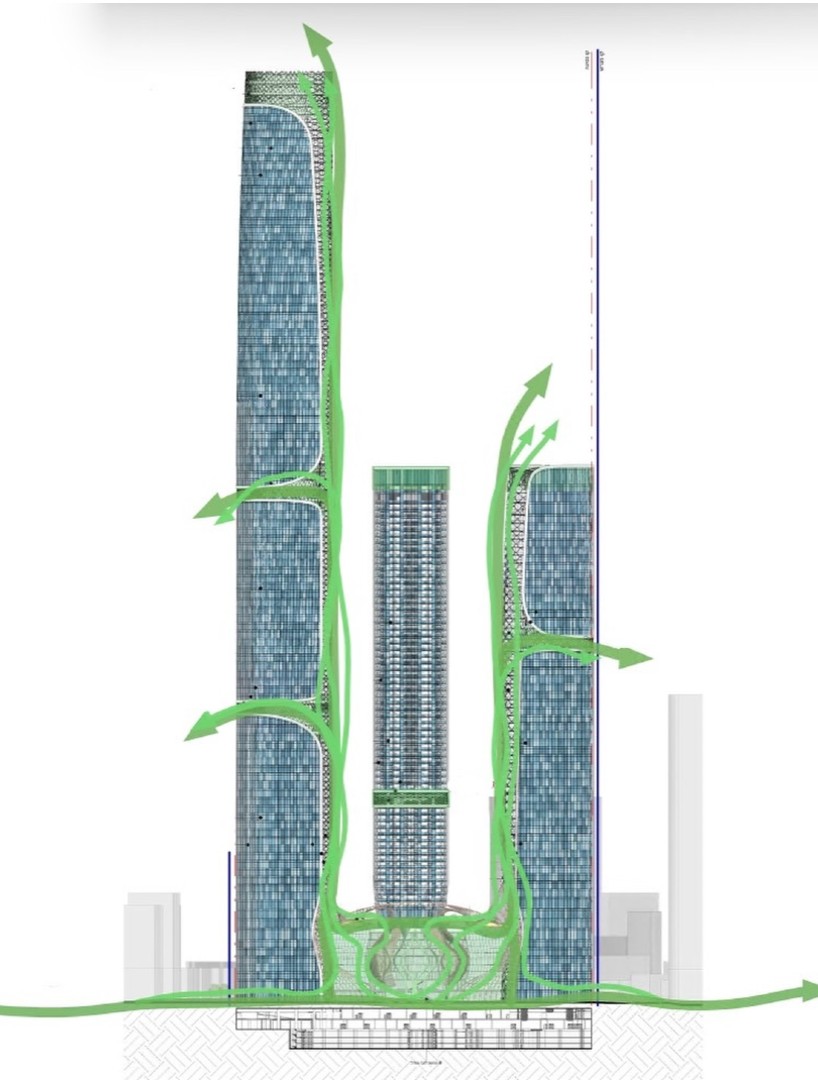
elevation – ‘green waterfall’ diagram
project info:
name: Vertical City
architect: De La Fontaine Architecture – DLF | @dlfarchitecture
lead architect: Raphael De La Fontaine
location: Tel Aviv, Israel
designboom has received this project from our DIY submissions feature, where we welcome our readers to submit their own work for publication. see more project submissions from our readers here.
edited by: christina vergopoulou | designboom
architecture in israel (111)
 Jun 30, 2024
 Jan 25, 2024
 Aug 31, 2023
 Aug 04, 2023
 Jul 25, 2023
skyscraper architecture and design (370)
 Feb 10, 2026
 Jan 16, 2026
 Nov 26, 2025
 Nov 11, 2025
 Oct 21, 2025
 Feb 10, 2026
 Feb 04, 2026
 Jan 20, 2026