timothy tasker architects works toward sustainable farming in rural UK with ‘farmEd’
farmEd works to educate communities on the role of regenerative farming in combating climate change.
prefer designboom on google[FEATURED]
regenerative farming in rural england
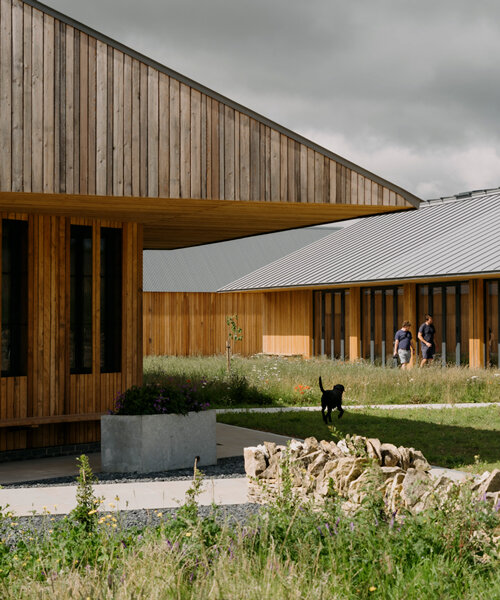
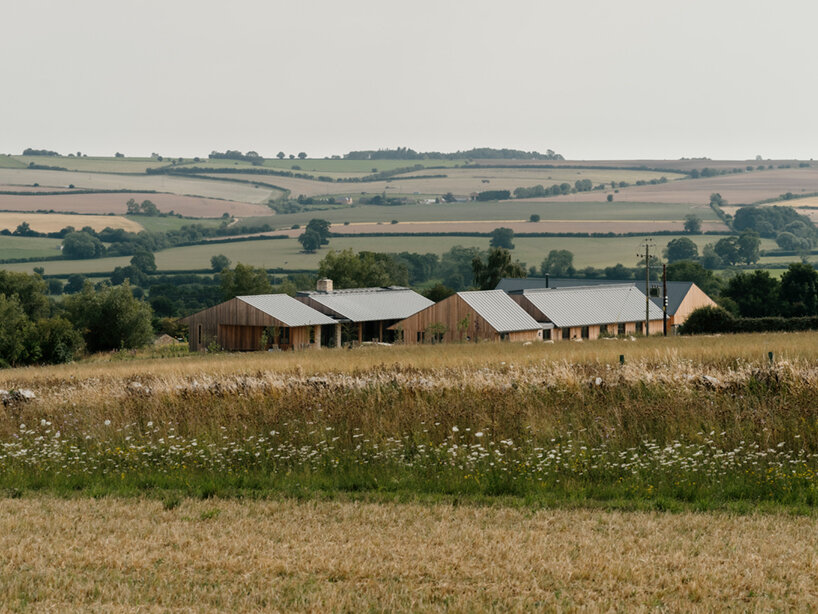
timothy tasker architects completes a sustainable farming education center dubbed ‘farmEd’ in the cotswolds, a rural area in england. the project is realized with the environment and regeneration at its core. farmEd at honeydale farm works to educate communities on the role of regenerative farming in combating climate change, a mission that extends to the architectural aspiration and execution of three highly efficient mixed-use buildings on site.
the architects developed the timber project for owners of ‘cotswold seeds,’ a client who sought to address the negative impacts that monotype crops, chemical agents, and the financial and regulatory strains on farming communities were having on the climate, soil quality, and natural biodiversity of farming in the UK. farmEd was established as a demonstration farm to show how regenerative farming techniques can combat climate change, and to educate communities, farmers, and governing bodies about sustainable farming methods.
images © tim crocker | @timcrockerphotographer
a future-minded, traditional farmstead
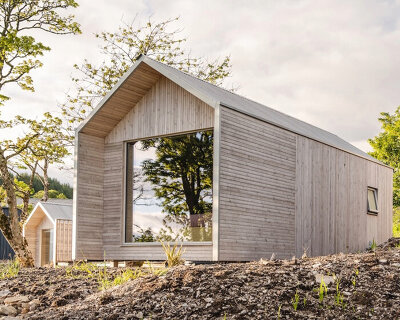
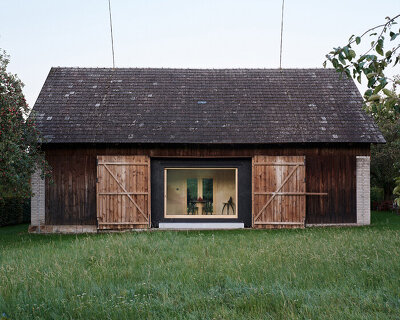
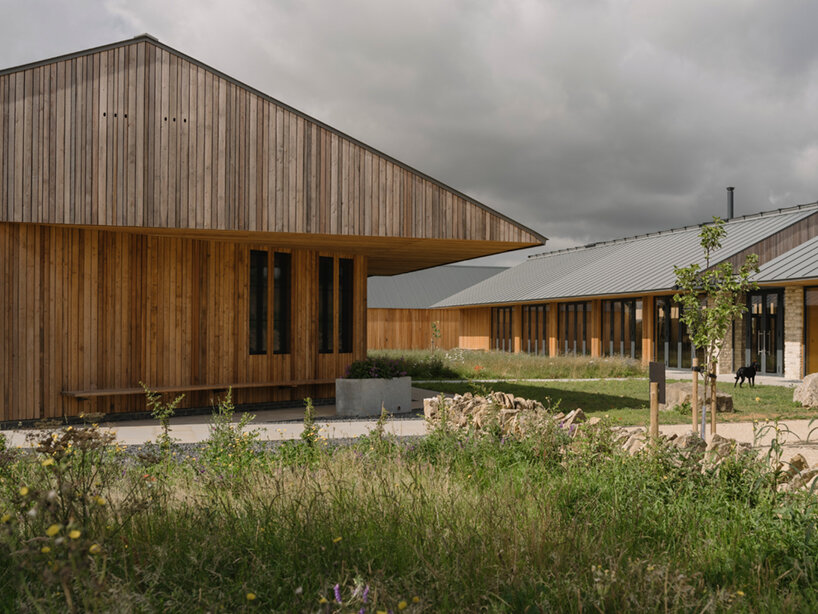
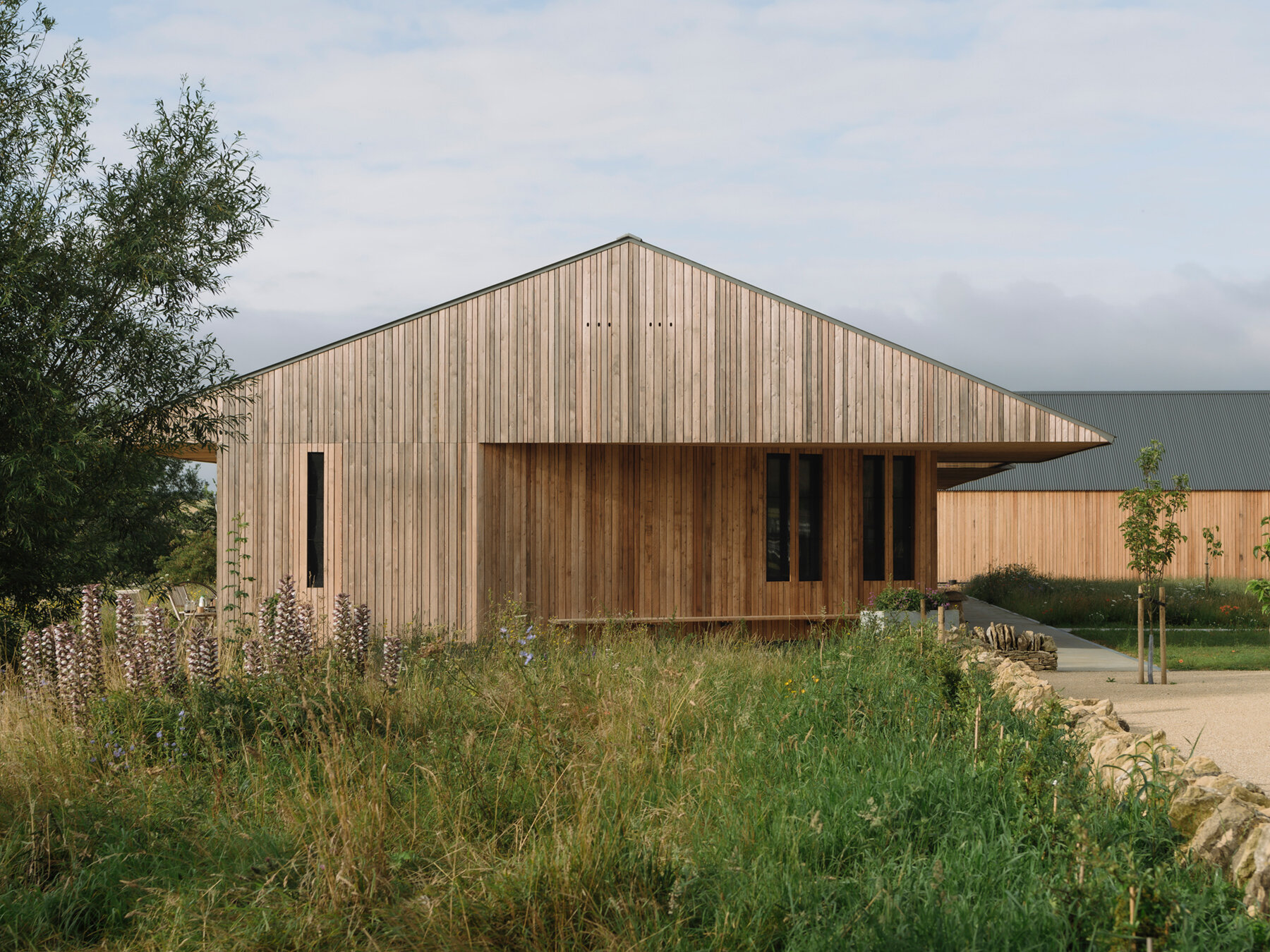
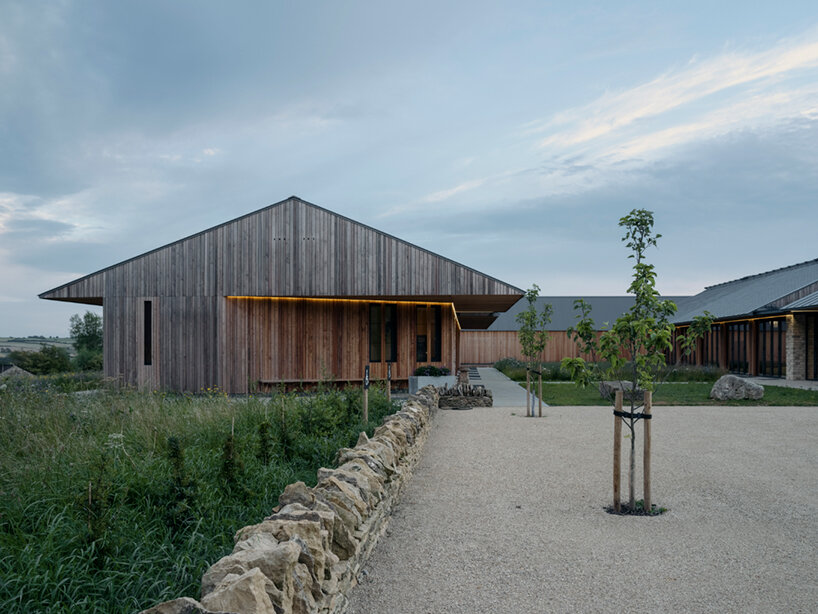
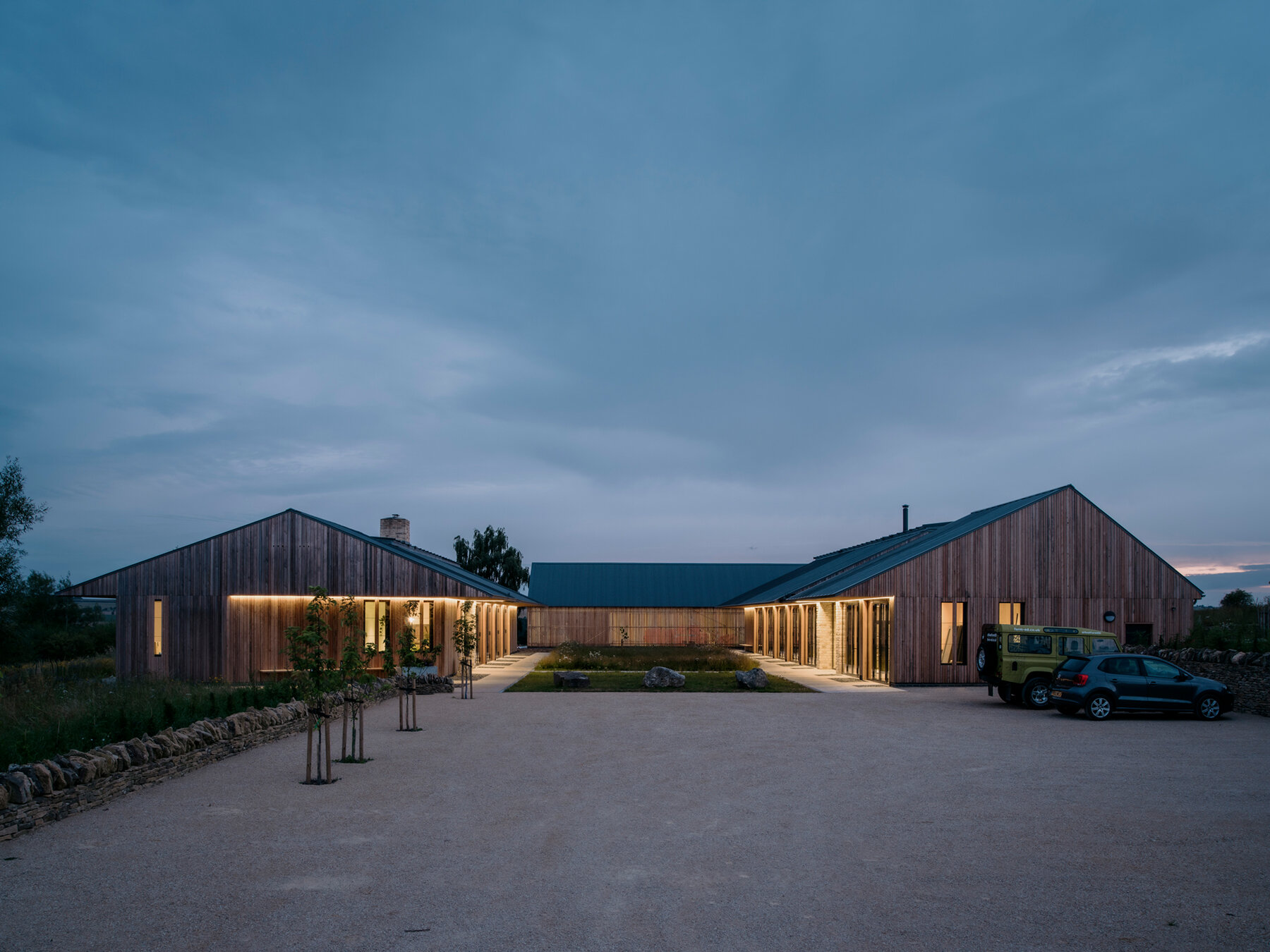
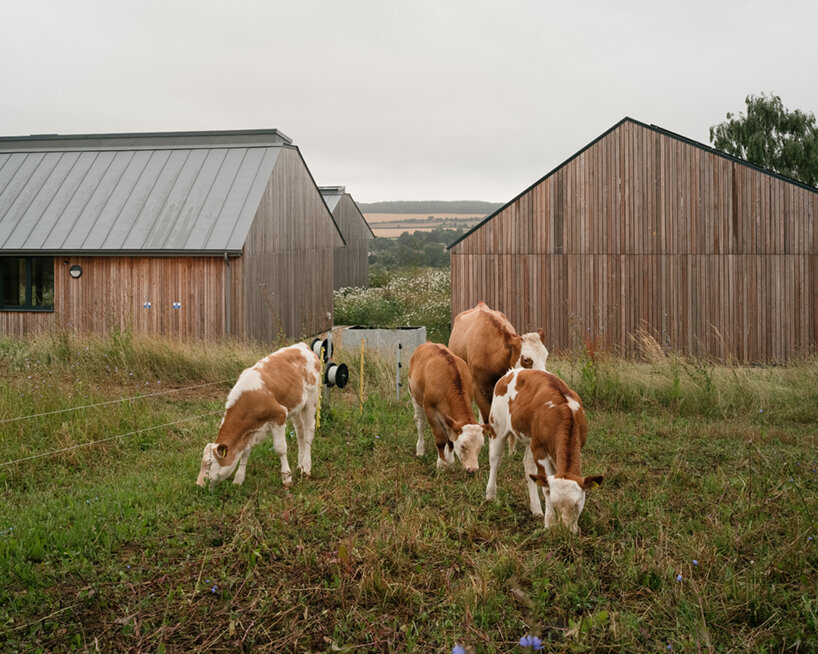
timothy tasker architects‘ U-shaped farmEd development is made up of three long timber barn-like buildings arranged around a central courtyard, modeled on the traditional farmsteads of the cotswolds region. the buildings and courtyard were mapped out using the golden ratio to create harmonious proportions and a natural center for the development, while their orientation and pitched roofs are designed to shelter and protect the center from strong valley winds.
architect tim tasker comments: ‘honeydale has been an amazing opportunity to contribute our design thinking to a place that celebrates local craftsmanship, educates on the future of farming and makes a dedicated effort to positively contribute to the climate crisis. we want to do more of this work. sustainably focused architecture — across any typology, be it a house, school, or public building — is easier to achieve without compromising on the quality and generosity of spaces than we think. honeydale is a celebration and result of a dedicated client-architect partnership, where the occupants and environment were considered in harmony.’
timothy tasker architects’ farmed
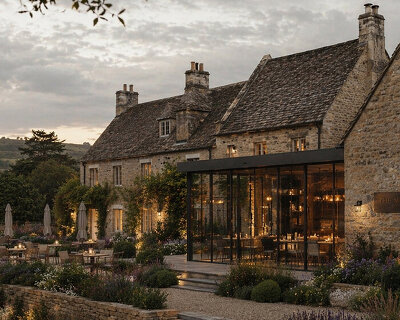
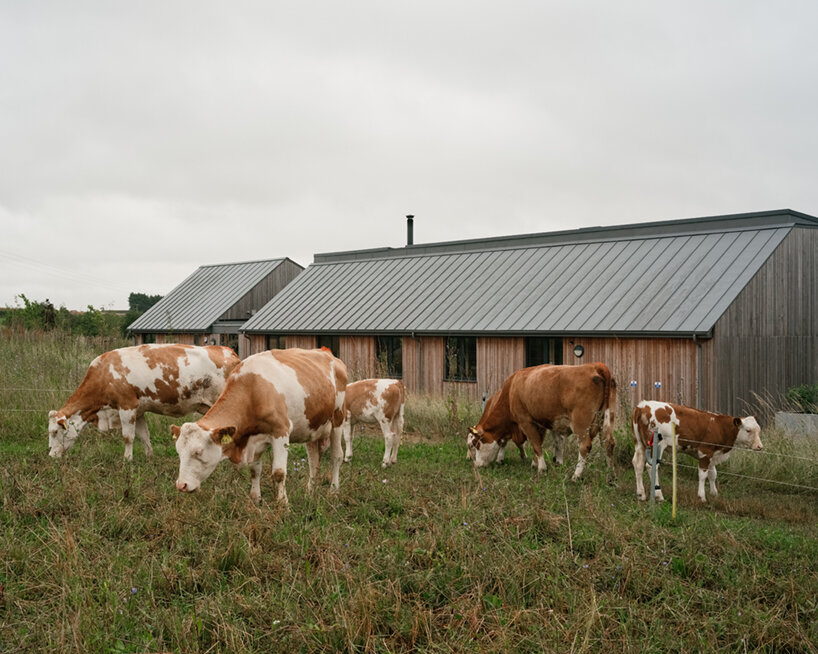
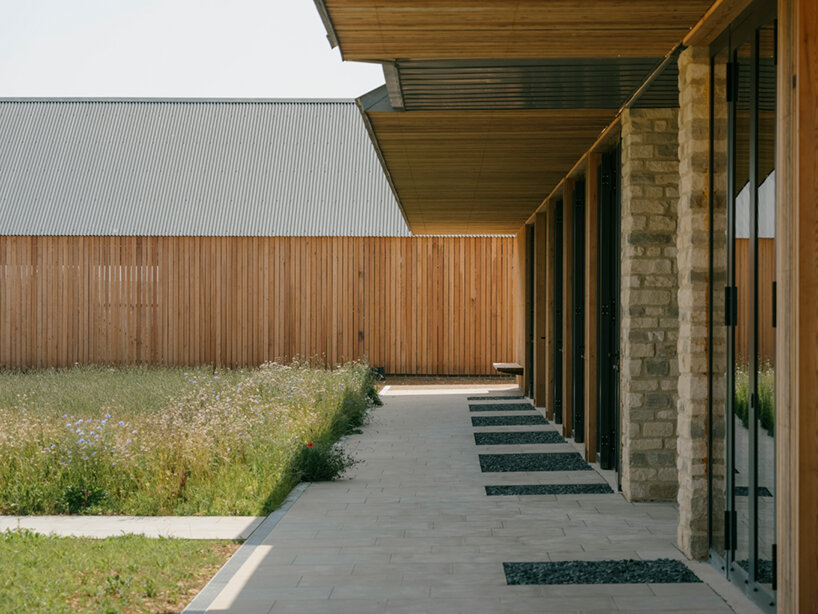
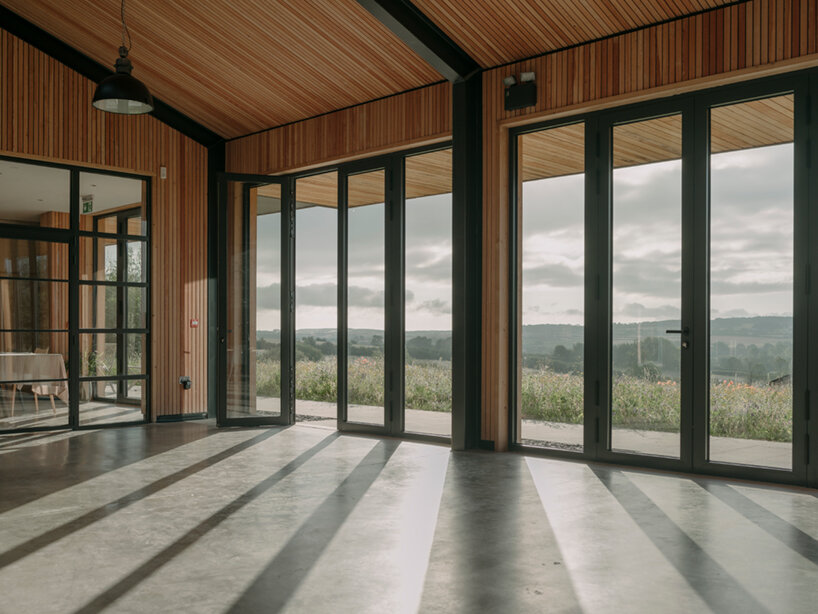
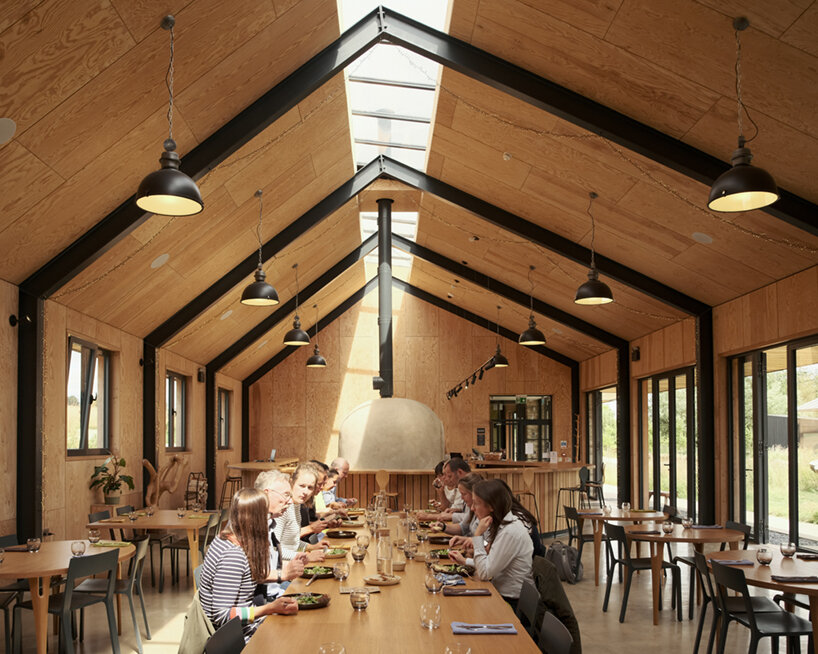
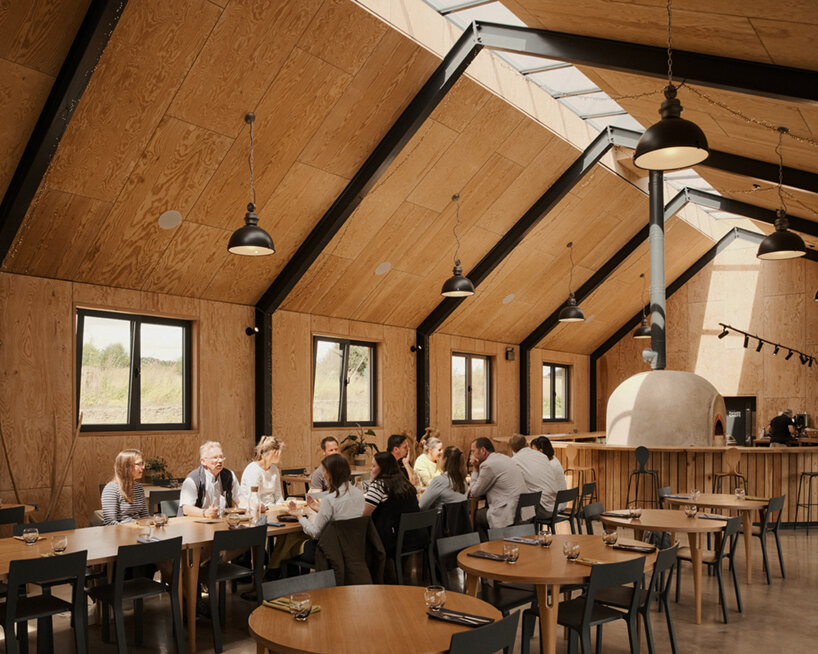
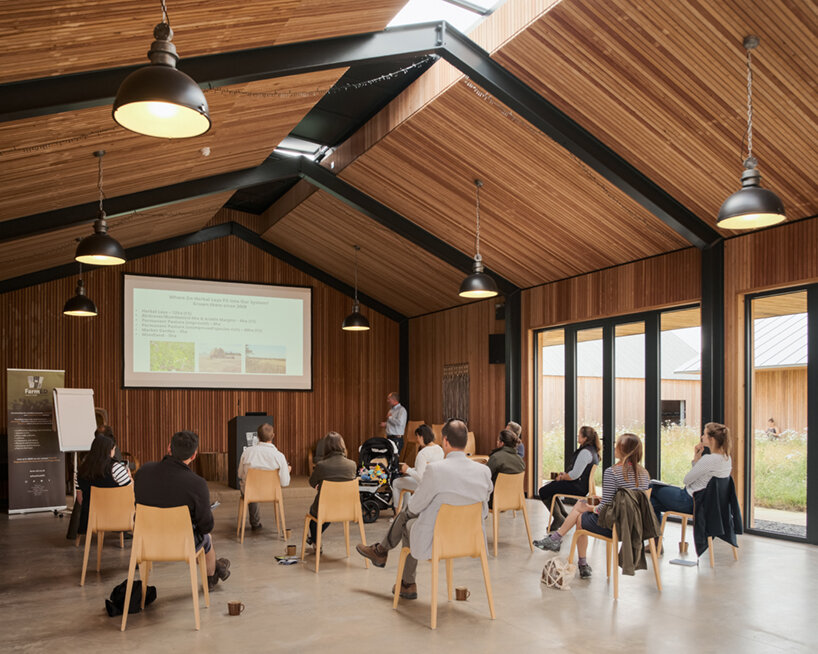
a large dining hall complete with catering kitchen and central stone pizza oven is home to farmEat, the farm’s initiative to educate and encourage local, low carbon eating, and a mezzanine office space for daily operations. the smallest of the three buildings is a micro dairy and tractor store, which sits at the bottom of the courtyard bordering both farmEat and farmEd, the conference and learning center. the majority of farmEd is a flexible events and conference space for up to 500 participants. long paved paths neatly aligned with the deep eaves connect the three buildings which open onto the wildflower meadow in the courtyard, a haven for insects and bees that pollinate the farm’s crops.
timothy tasker architects took an environment-first approach to the project and worked very closely with the clients to use local environmental data to drive the design. extensive use was made of research on embodied carbon by dr. stephen allen from the university of bath. the existing derelict buildings were carefully dismantled and the masonry crushed on site to form hardcore foundations. a beam and block floor construction enables the re-use of this high energy component, and is crucial to the thermal strategy.
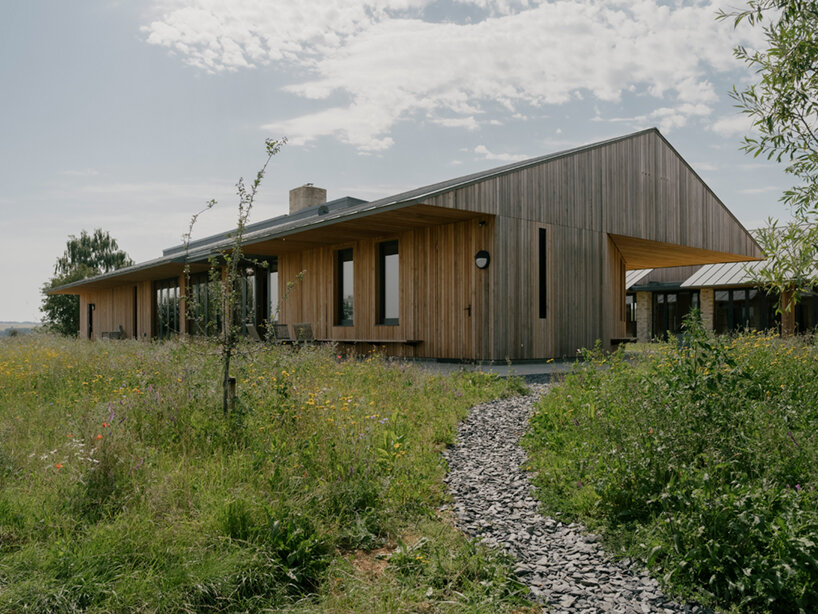
the buildings are highly efficient and embodied carbon was reduced throughout by using timber. sustainably sourced local larch was used for both the internal and external cladding, saving approximately 15 tons of carbon when compared to typical masonry and plaster construction. over 17 tons of carbon was saved by using natural sheep’s wool insulation instead of rockwool. the roofs are clad with zinc which is natural, self-healing material with a 95% recycled content make-up.
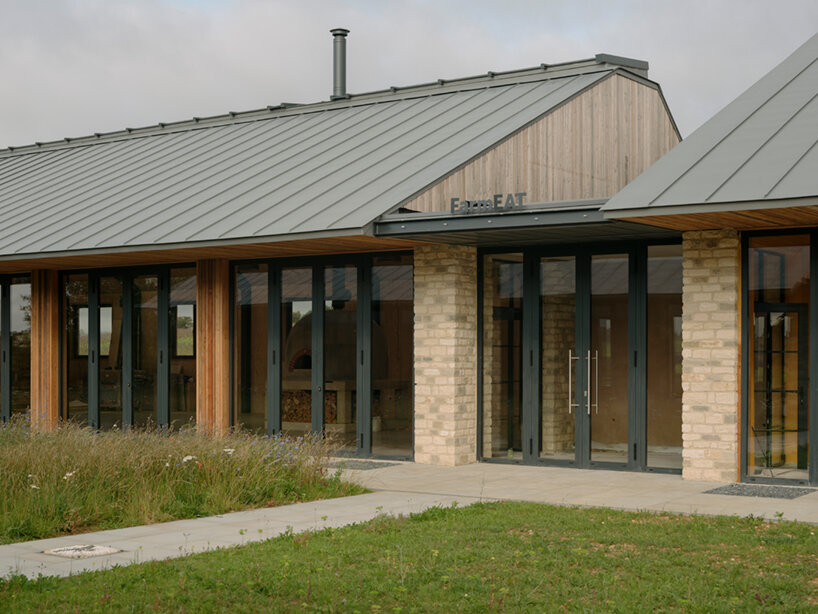
the dining hall ‘farmEat’ educates and encourages local, low carbon eating 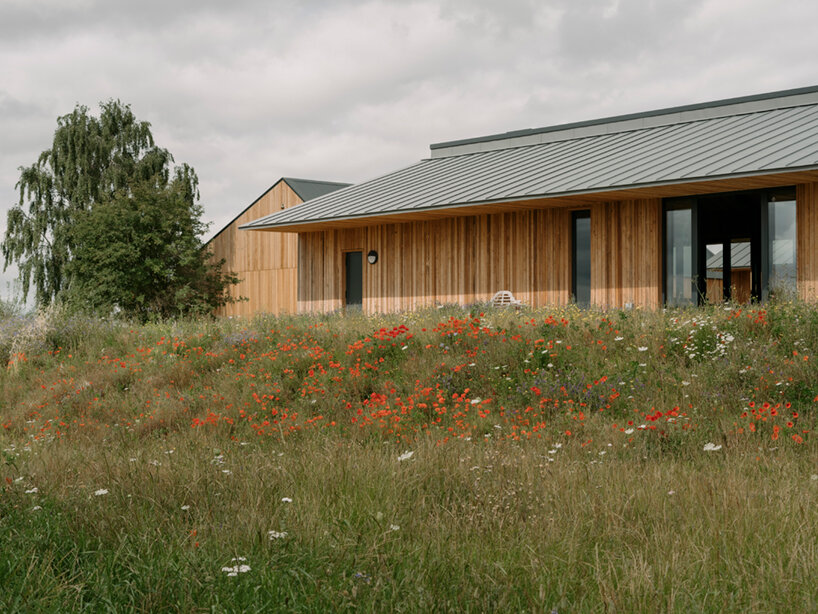
farmEd was established to show how regenerative farming techniques can combat climate change
over 17 tons of carbon was saved by using natural sheep’s wool insulation
1/7
project info:
project title: farmEd
architecture, landscape: timothy tasker architects | @ttarchitects_uk
location: honeydale farm, chipping norton, UK
client: cotswold seeds ltd
consulting architect: anthony carlisle architects
structural engineer: o’brien & price
contractor: TNC renovate
services engineer: project design services
project management: nesbitt restorations
completion: july 2021
photography: © tim crocker | @timcrockerphotographer

shop
your own online design shop — no sales commission collected