trump signs order to make federal architecture ‘beautiful again’, in classical style
'making federal architecture beautiful again' sets classical architecture as the preferred style nationwide, and the default in washington, D.C.
prefer designboom on google[FEATURED]
Trump Mandates Classical Style as Default for Federal Buildings
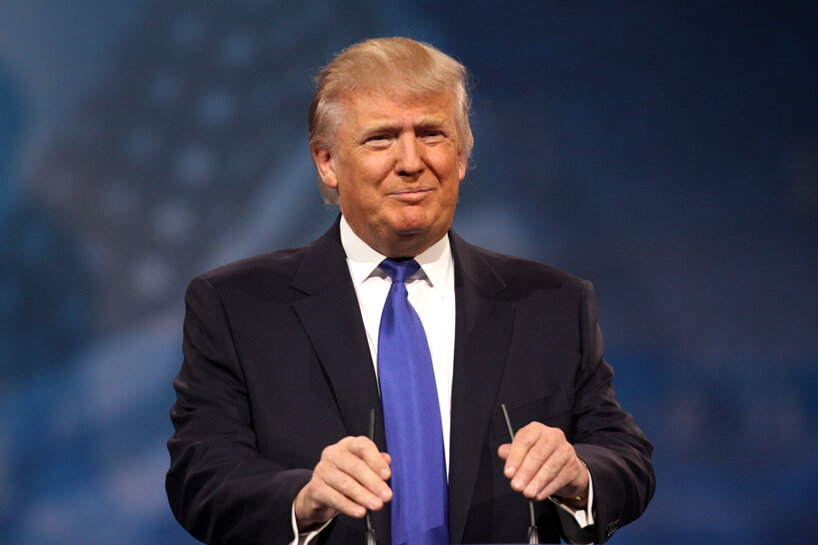
On August 28th, 2025, President Donald Trump signs an executive order titled Making Federal Architecture Beautiful Again. The document establishes classical and traditional architecture as the preferred style for new federal buildings across the United States, with Washington, D.C., singled out as a place where classical architecture is to become the ‘default’ choice. The order directly addresses decades of debate over federal design, arguing that public buildings should be ‘visually identifiable as civic buildings’ and should embody dignity, stability, and inspiration for the general public. The move follows an earlier directive from January 2025, Promoting Beautiful Federal Civic Architecture, (find designboom’s previous coverage here), which first set out the administration’s vision that civic buildings should be ‘visually identifiable’ and rooted in regional and classical traditions.
Classical Traditions Favored over Modernist Civic Design
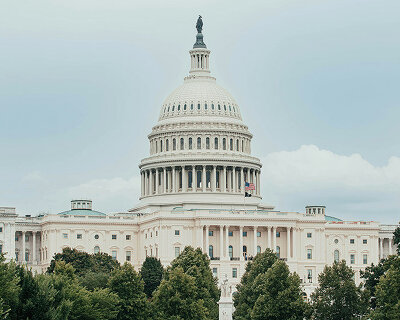
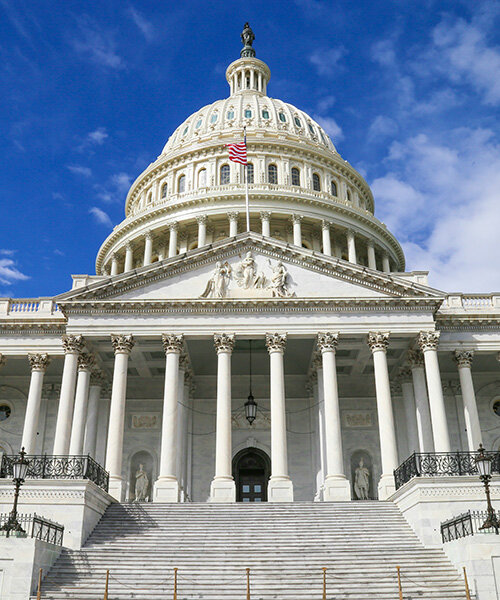
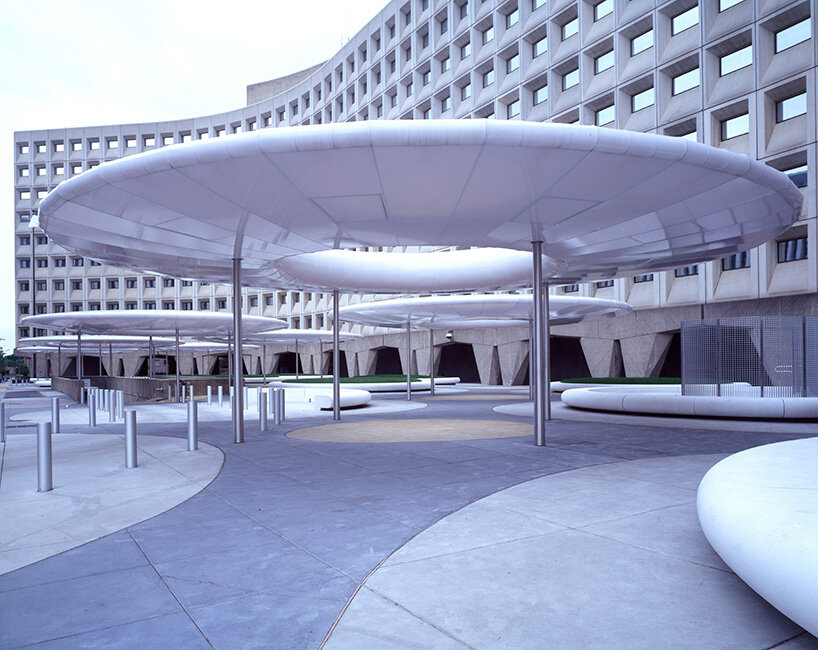
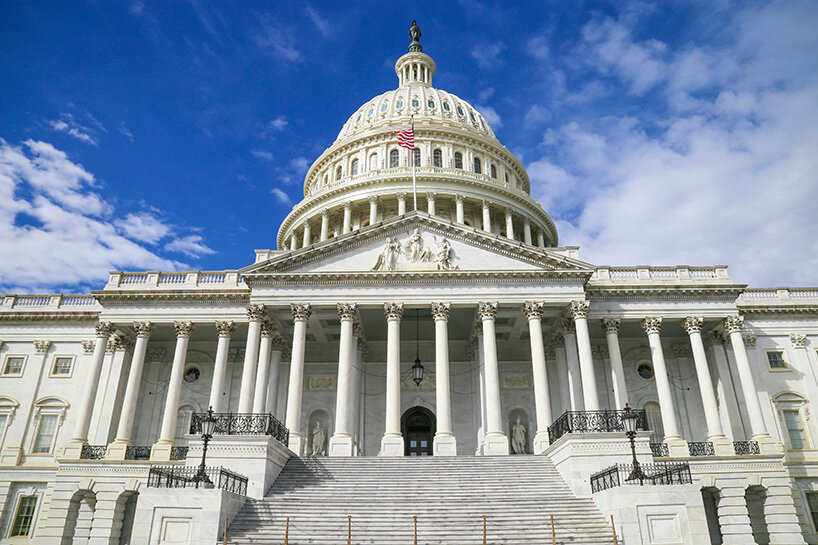
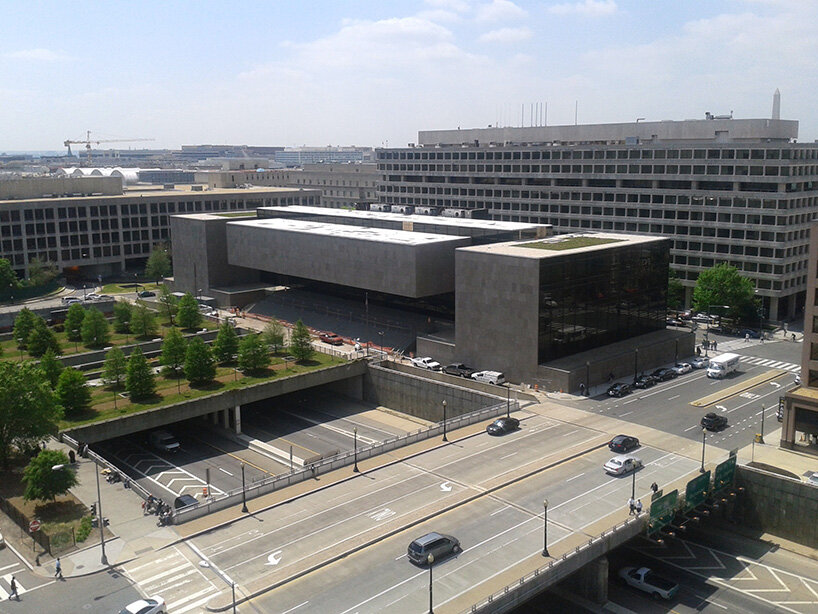
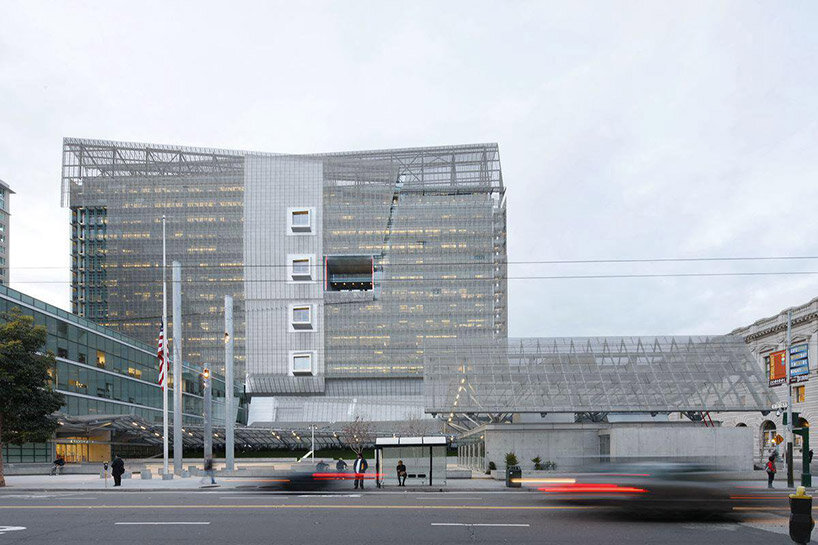
Making Federal Architecture Beautiful Again (find more here) situates its reasoning in the country’s founding period, when presidents George Washington and Thomas Jefferson oversaw the competitions for the Capitol and the White House and embraced classical forms to symbolically connect the young nation to the democratic traditions of Greece and Rome. For more than a century afterwards, civic architecture in the US largely followed this trajectory. From the 1960s onward, however, federal buildings designed under the General Services Administration increasingly adopted modernist and brutalist styles. While admired in architectural circles, the order describes these later buildings as unpopular with much of the public, sometimes indistinguishable from commercial projects, and lacking the qualities of civic symbolism.
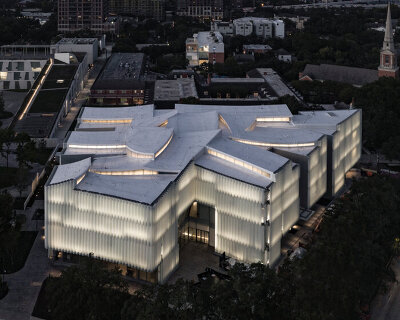
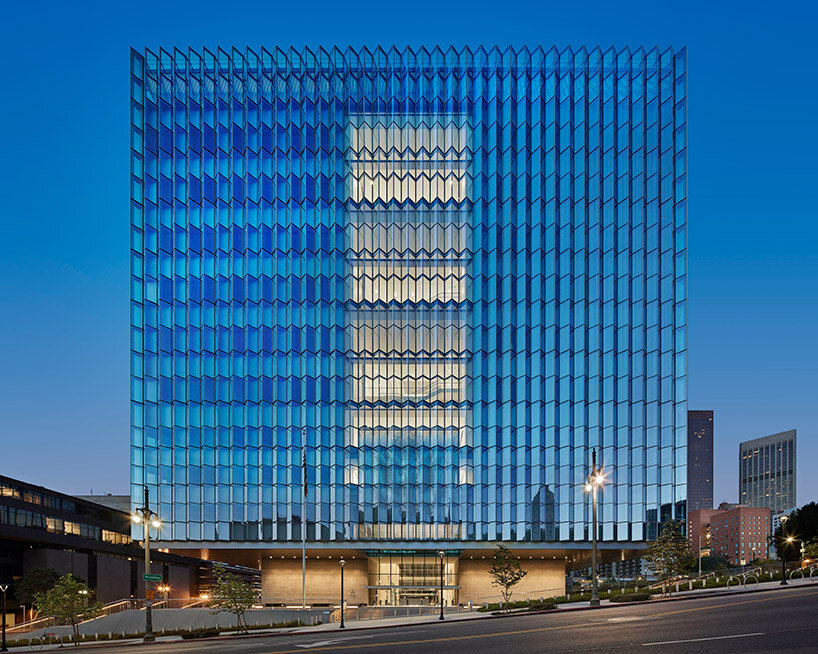
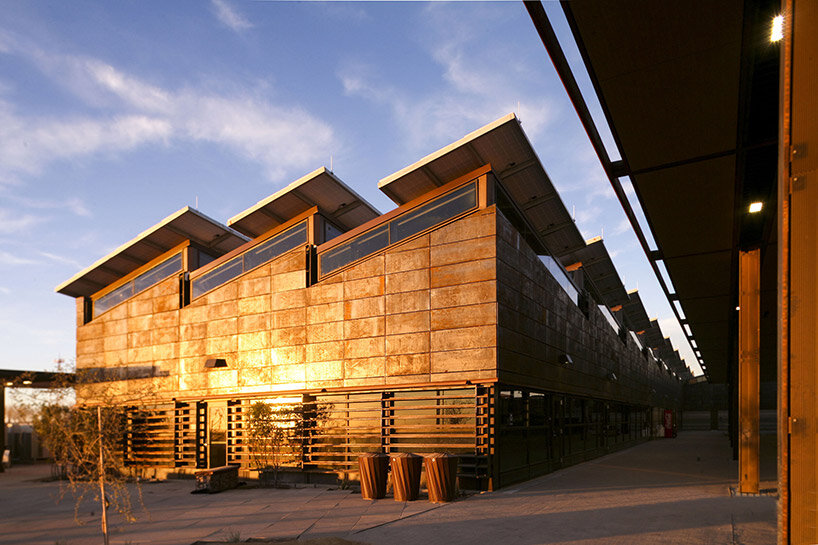
The 1994 launch of GSA’s Design Excellence Program attempted to improve design standards, but the new order concludes that it has failed to achieve its goals. It criticizes the program for favoring ‘prominent architects’ over local input, resulting in buildings that may impress experts but not ordinary citizens. To address this, the executive order specifies that classical and traditional styles, including neoclassical, federal, beaux-arts, gothic, and other regionally rooted forms, will now be given priority in new construction. Renovations or expansions of federal buildings are also encouraged to align with these styles where feasible.
Policy, Aesthetics, and the Future of architecture in the us
The directive places new responsibilities on the GSA. It requires the agency to employ architects trained in classical or traditional design, to appoint a senior advisor for architectural standards, and to make sure that competitions and juries include voices experienced in these traditions. If a design in a modernist or deconstructivist idiom is proposed, the GSA must submit a detailed justification to the White House, including comparisons of cost and civic suitability against classical alternatives.
By bringing stylistic preferences into federal policy, the August order extends January’s directive and adds to the ongoing discussion about the role of government in shaping public architecture. Supporters highlight the ability of classical and traditional styles to convey civic identity, dignity, and continuity, grounding federal buildings in familiar visual languages. Others note that such guidance raises broader questions about how architectural choices should be made and whether public buildings are best served by established historic styles or by approaches that respond to today’s needs, such as sustainability, accessibility, and cultural change. In this sense, this order is not only about the appearance of courthouses or agency headquarters but also about the larger question of how federal architecture reflects national values in the 21st century.
project info:
name: Making Federal Architecture Beautiful Again
issued by: President Donald J. Trump
shop
your own online design shop — no sales commission collected