vector architects transforms sugar mill into hotel complex in southern china
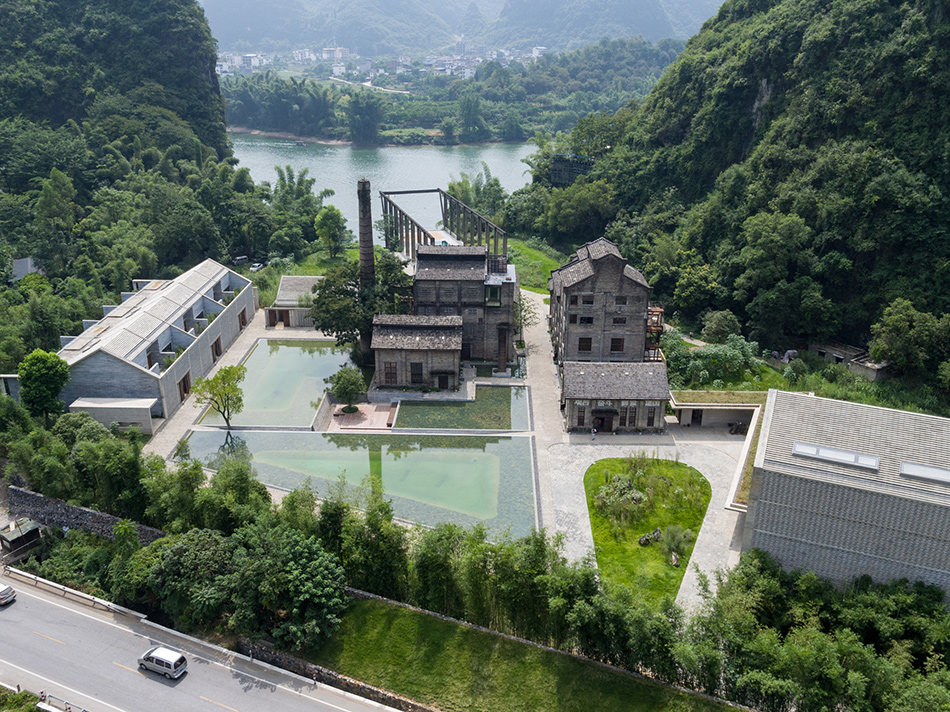
named 'alila yangshuo', the hotel’s existing structures – the mill and an industrial truss – are flanked by larger buildings used for guest accommodation.
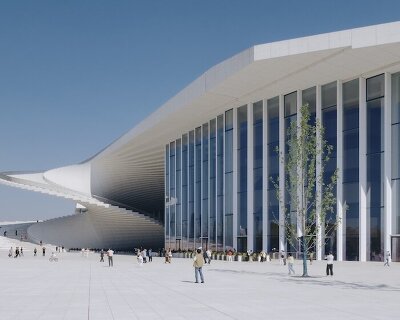
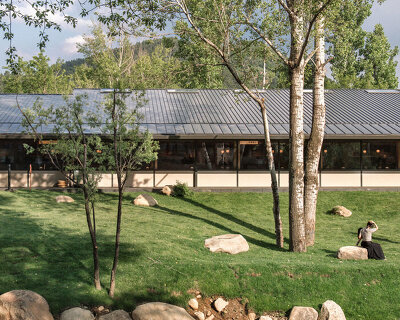
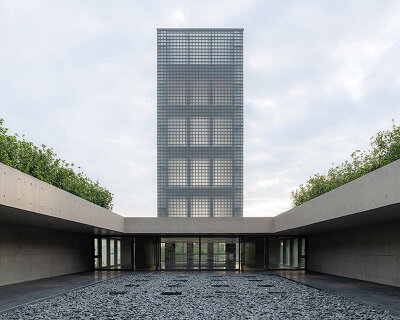
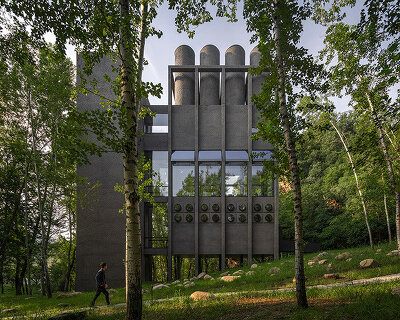
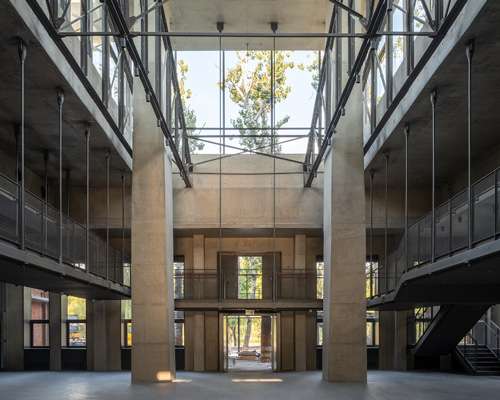
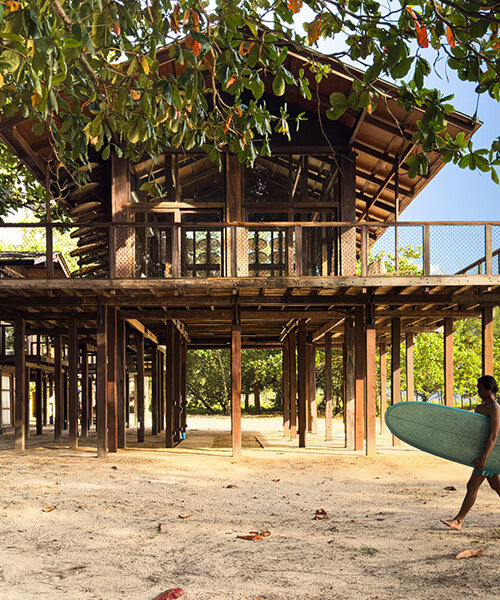
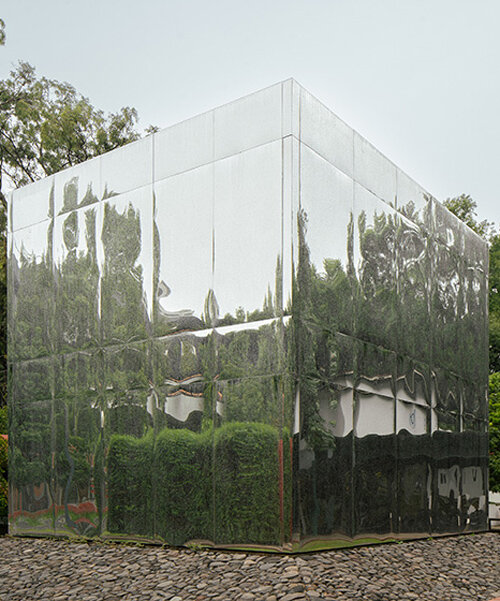
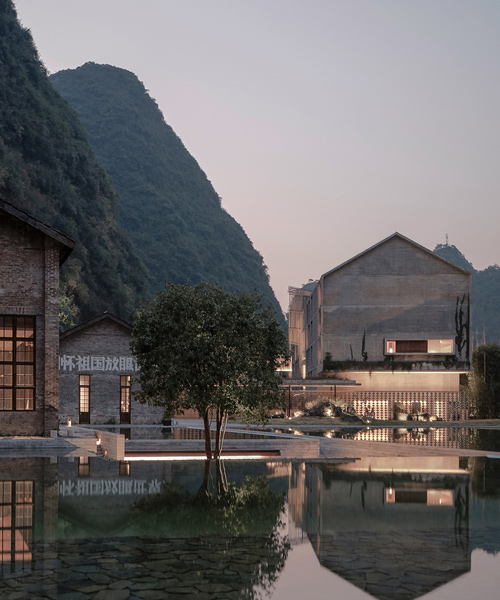
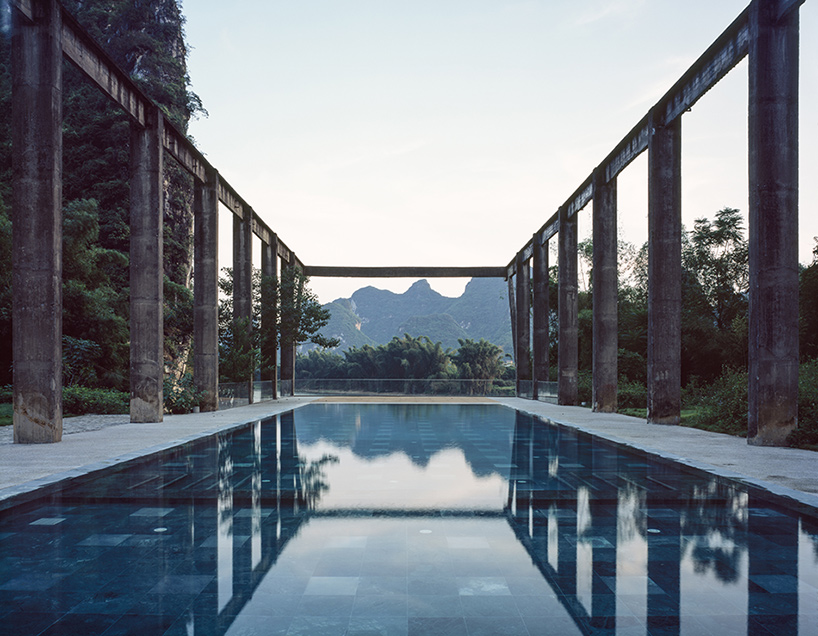
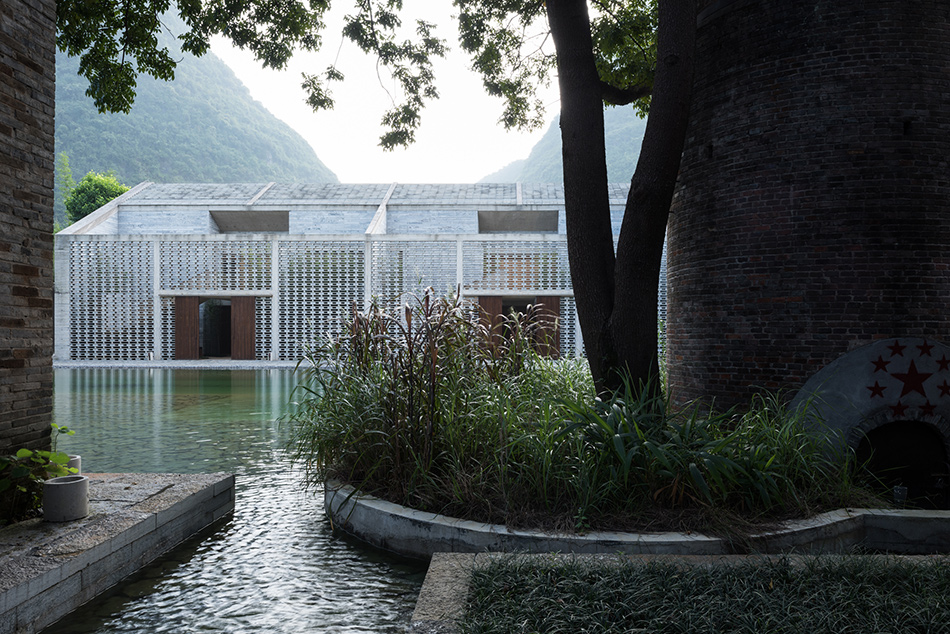
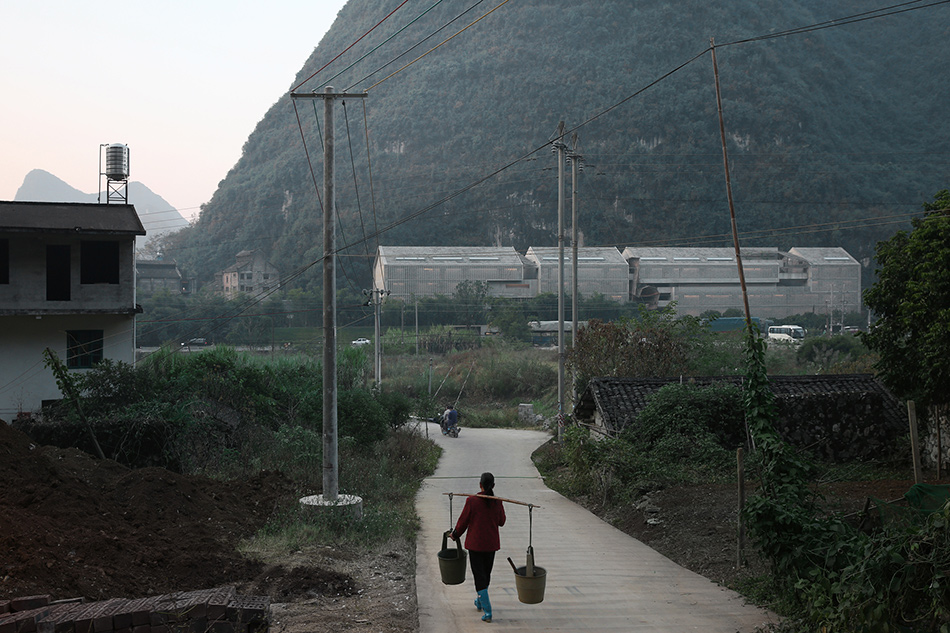
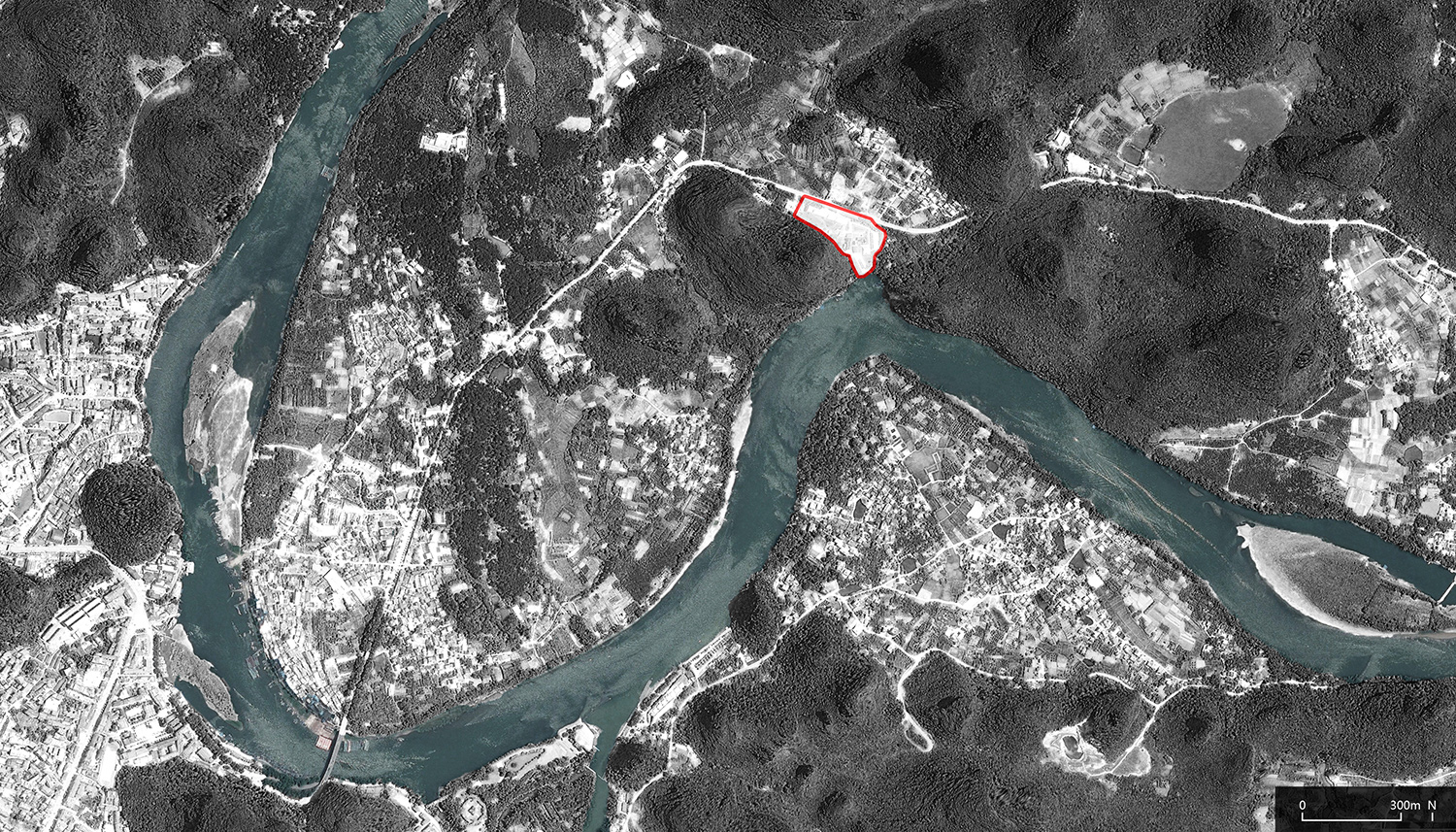
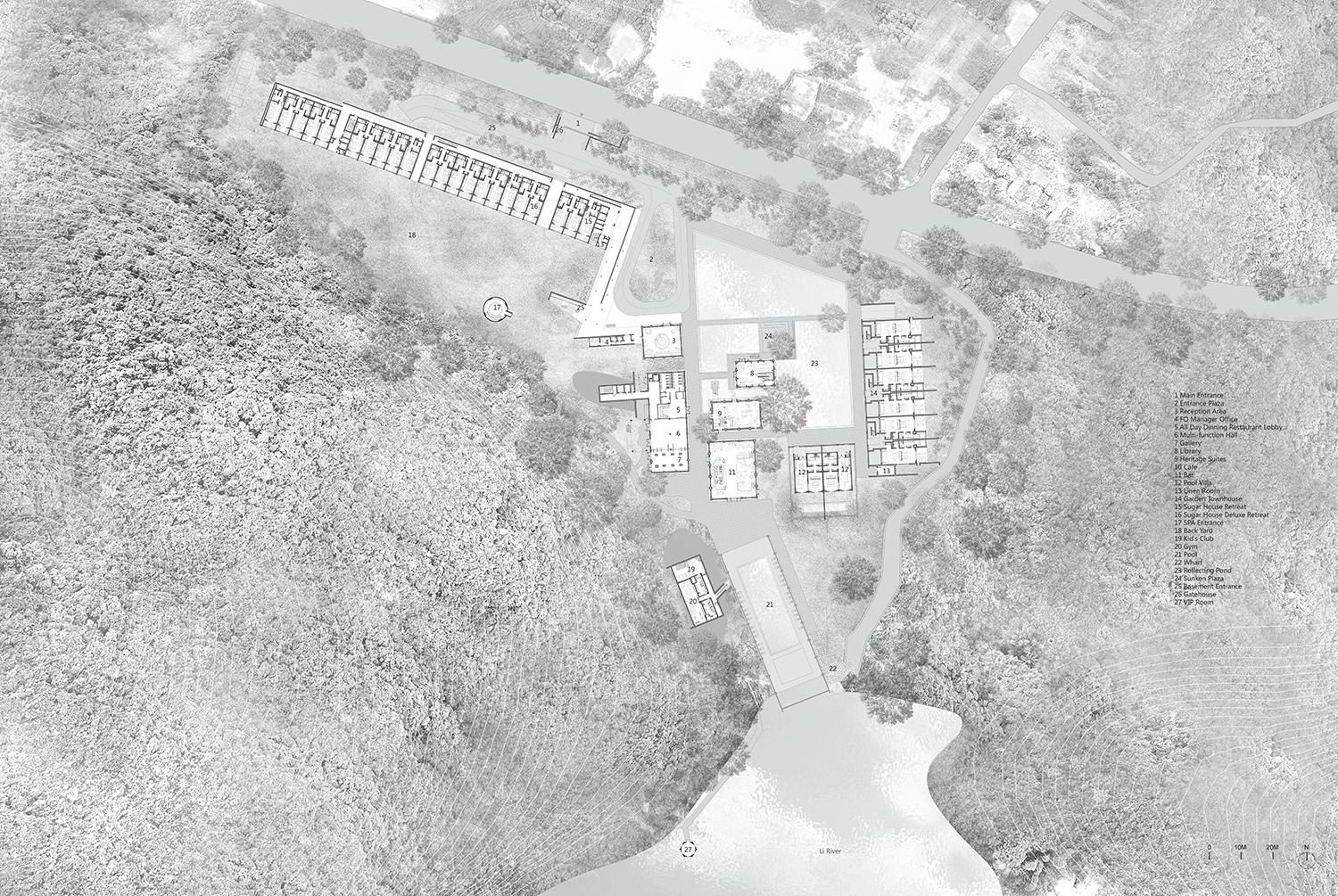
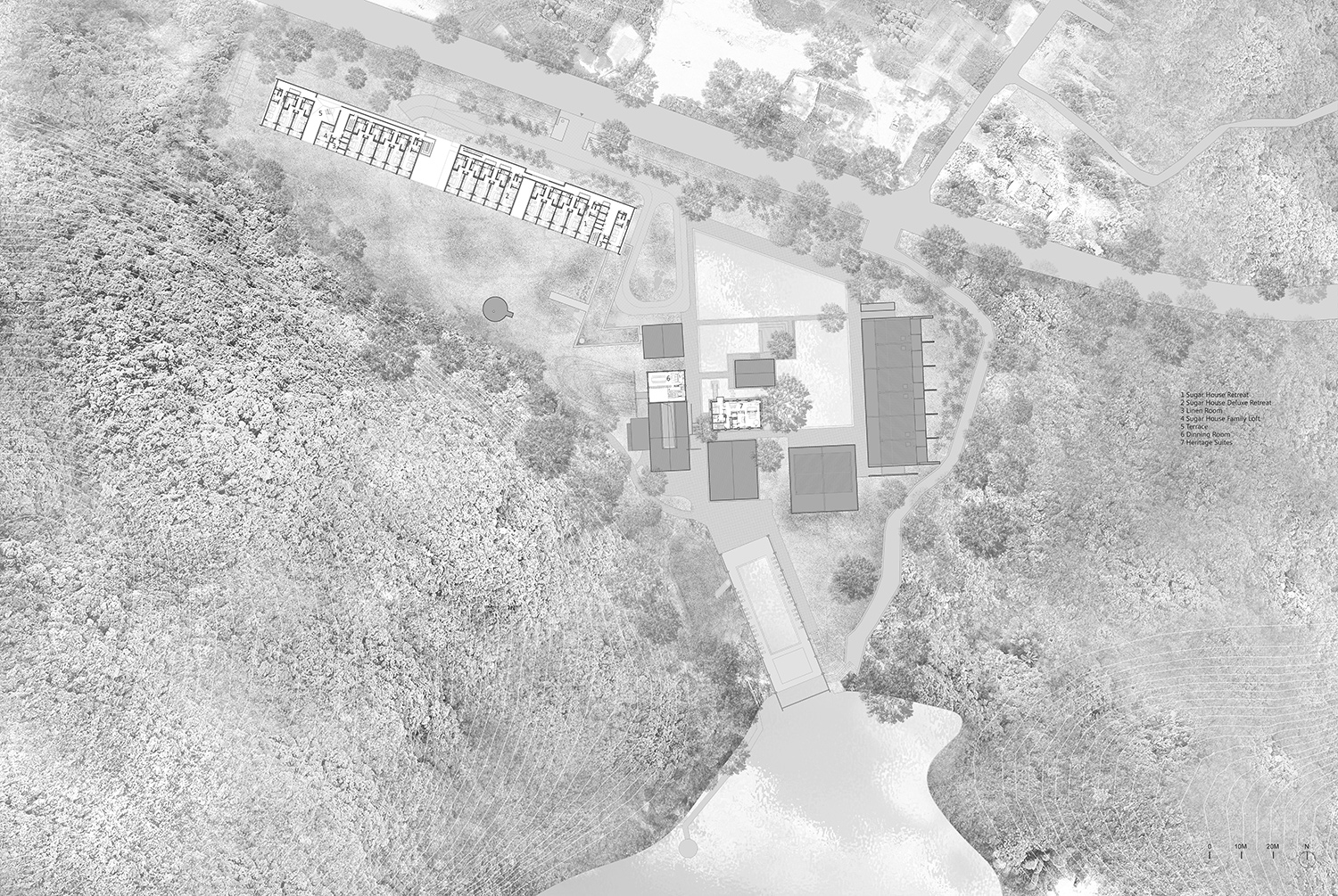
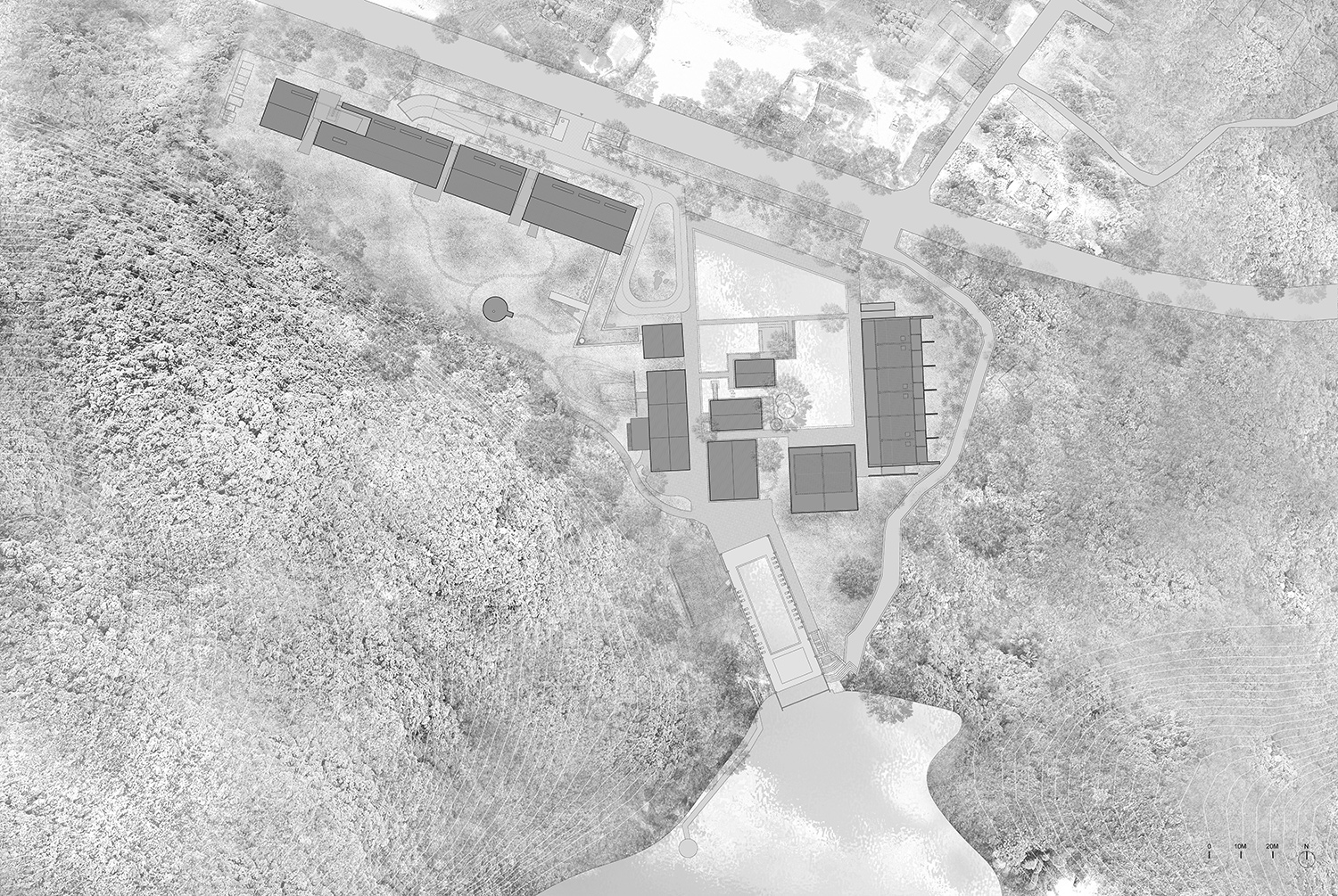
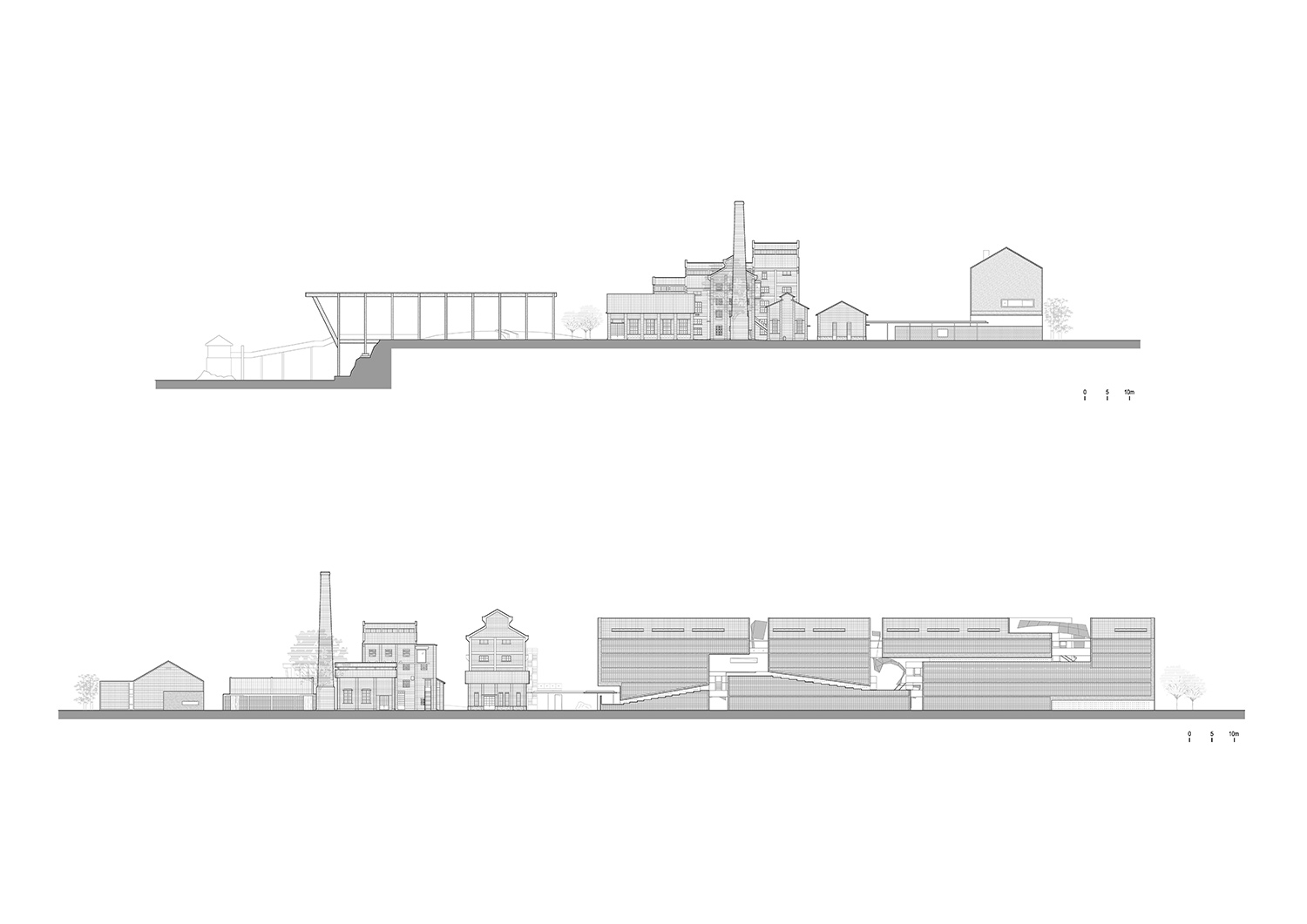
prefer designboom on googlevector architects has transformed a 1960s sugar mill into a hotel complex in southern china’s guangxi region. surrounded by the dramatic karst mountain landscape, the project seeks to preserve the site’s industrial heritage by blending the old and new architectural styles. named ‘alila yangshuo’, the hotel’s existing structures — the sugar mill and industrial truss — are flanked by larger buildings primarily used for guest accommodation. meanwhile, a sunken plaza and reflecting pool have been re-designed to complement the historic architecture.
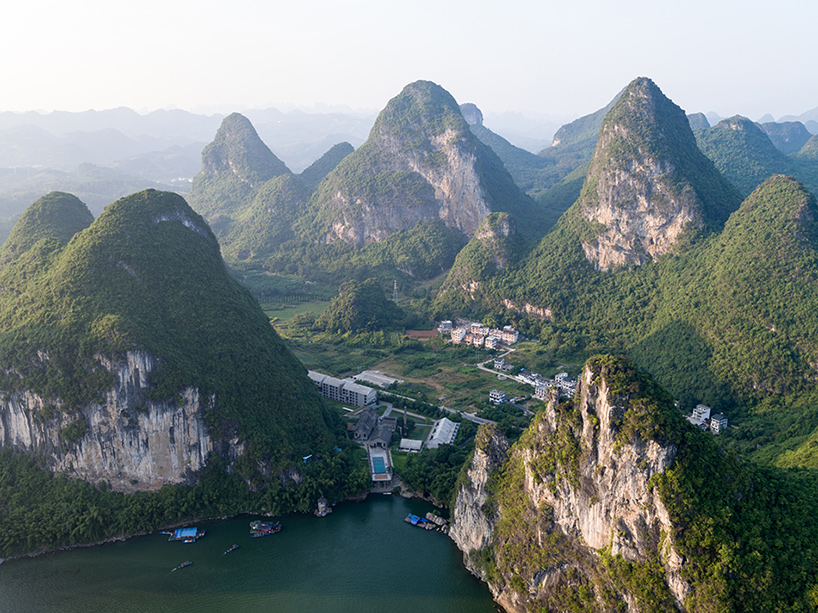
the project is located in southern china’s guangxi region
image by hao chen
(main image by shengliang su
)
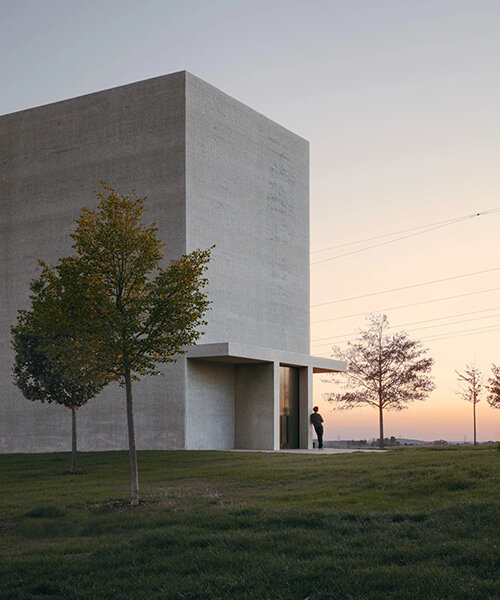
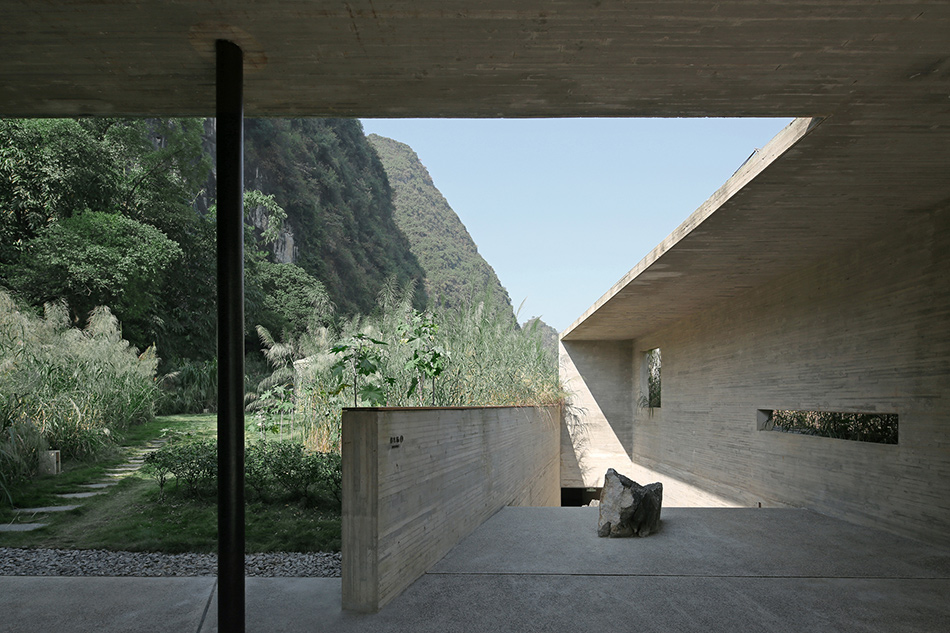
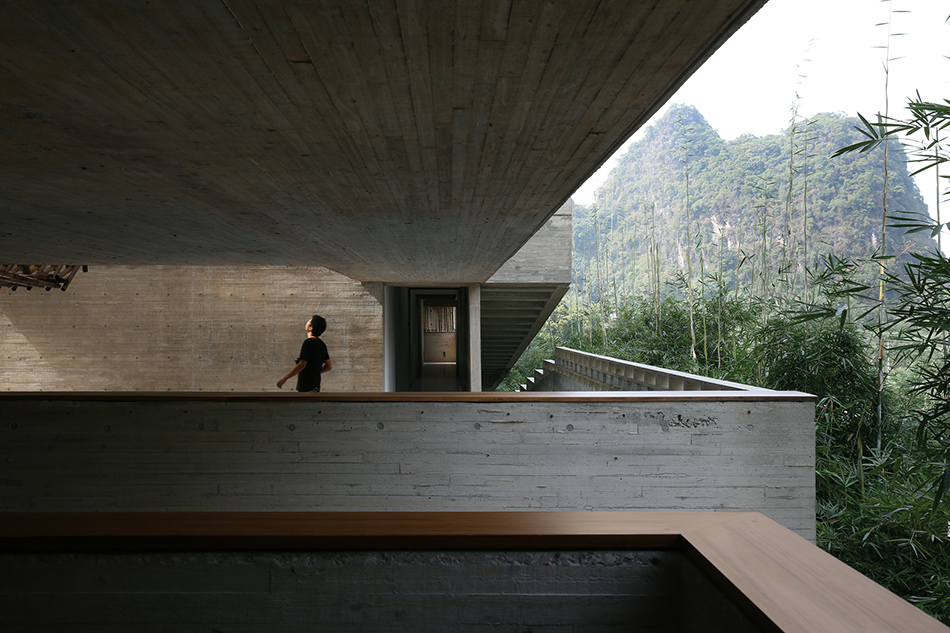
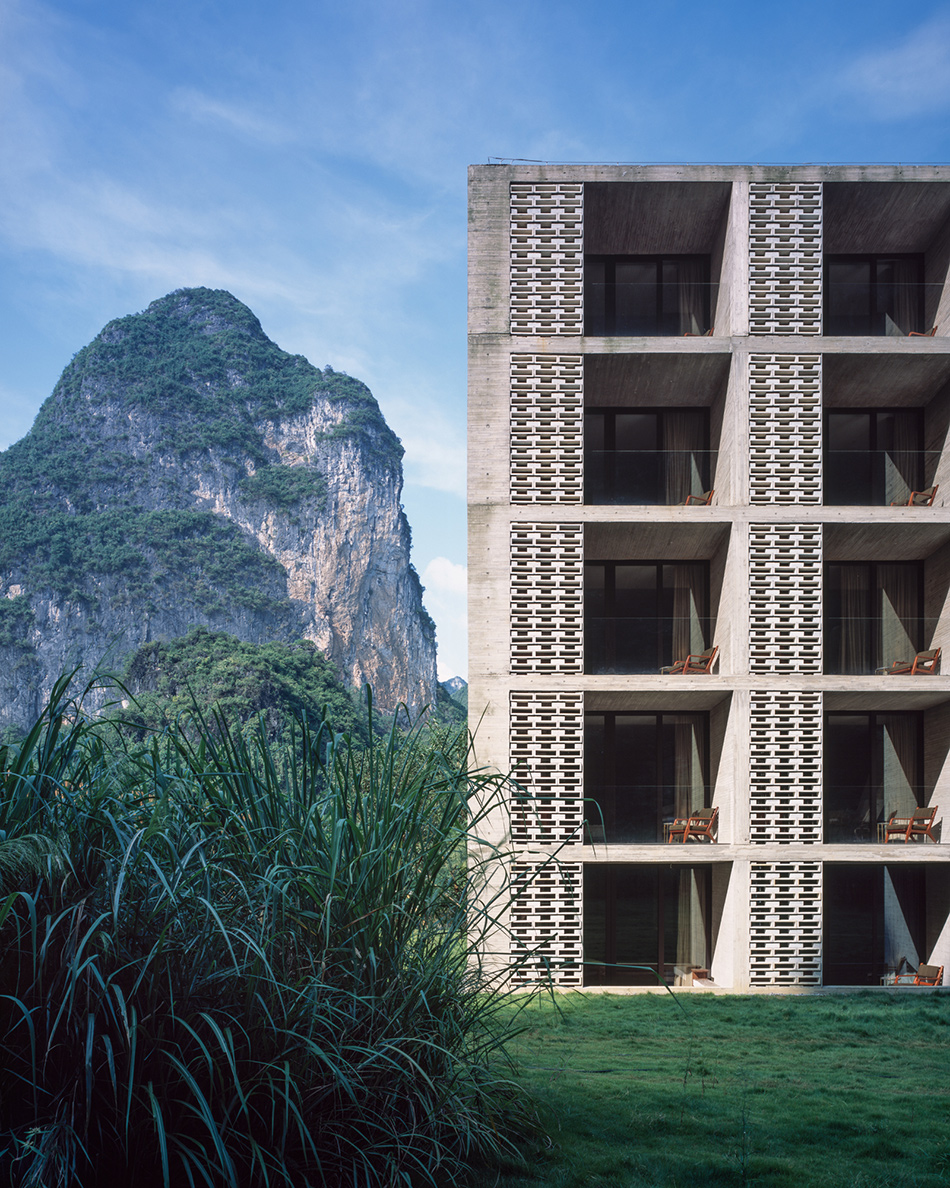
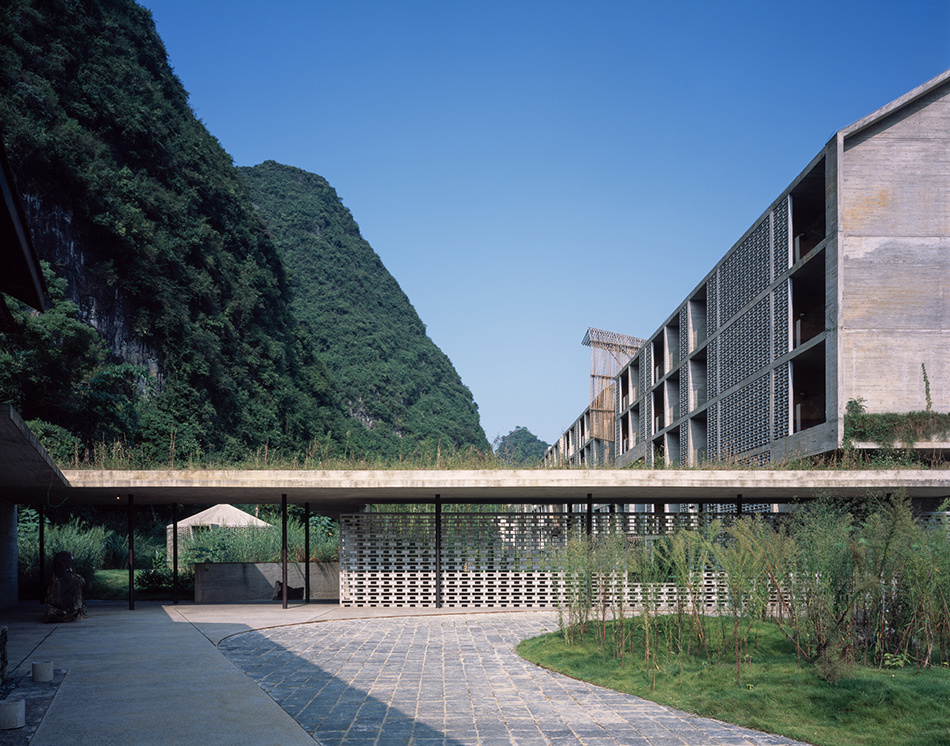
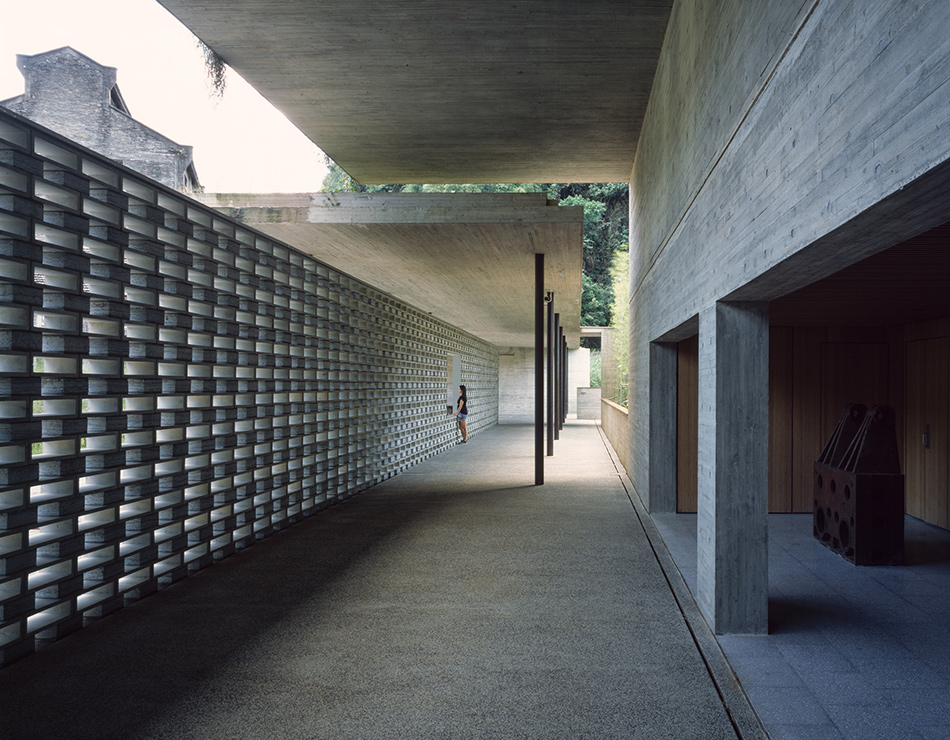
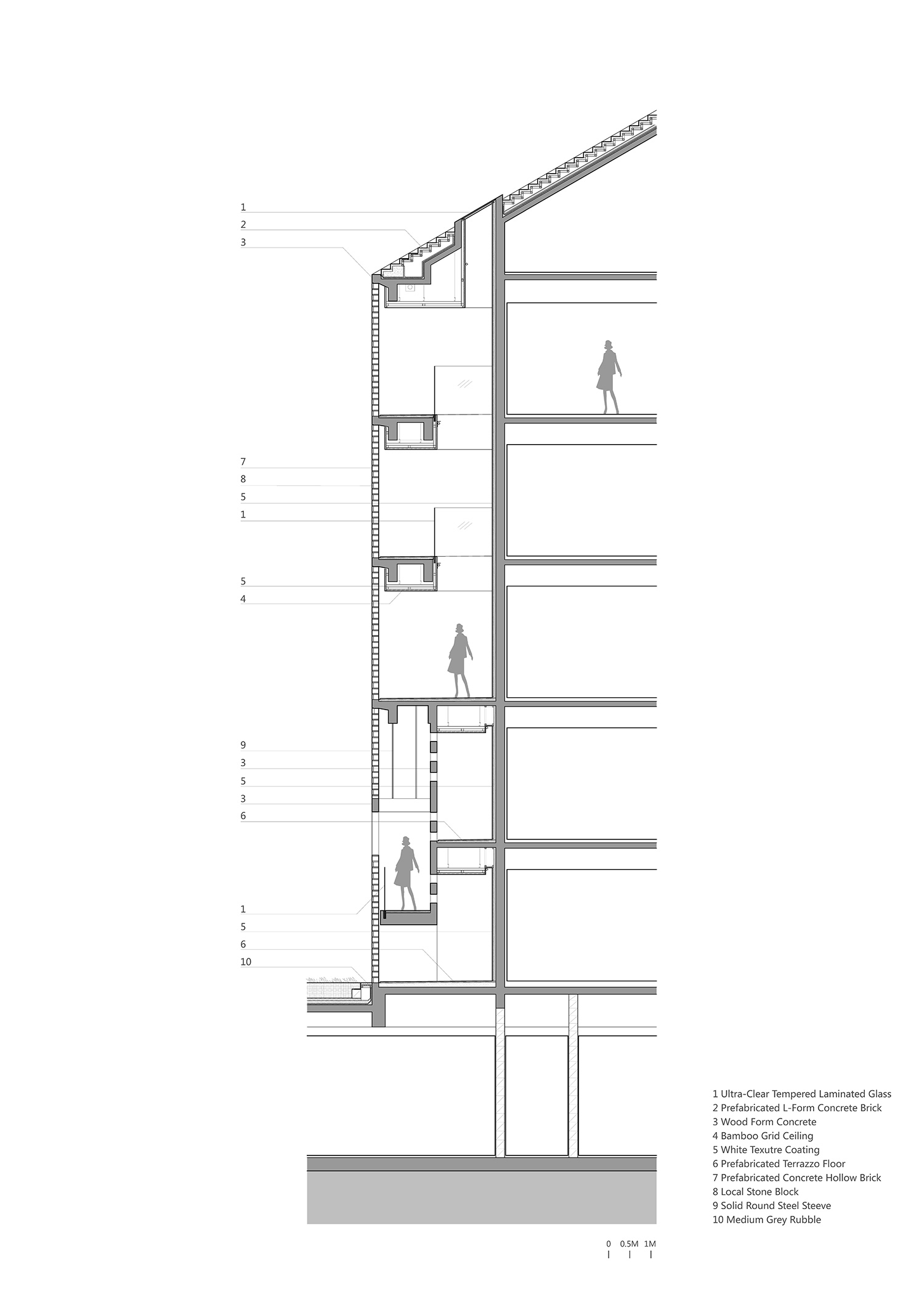
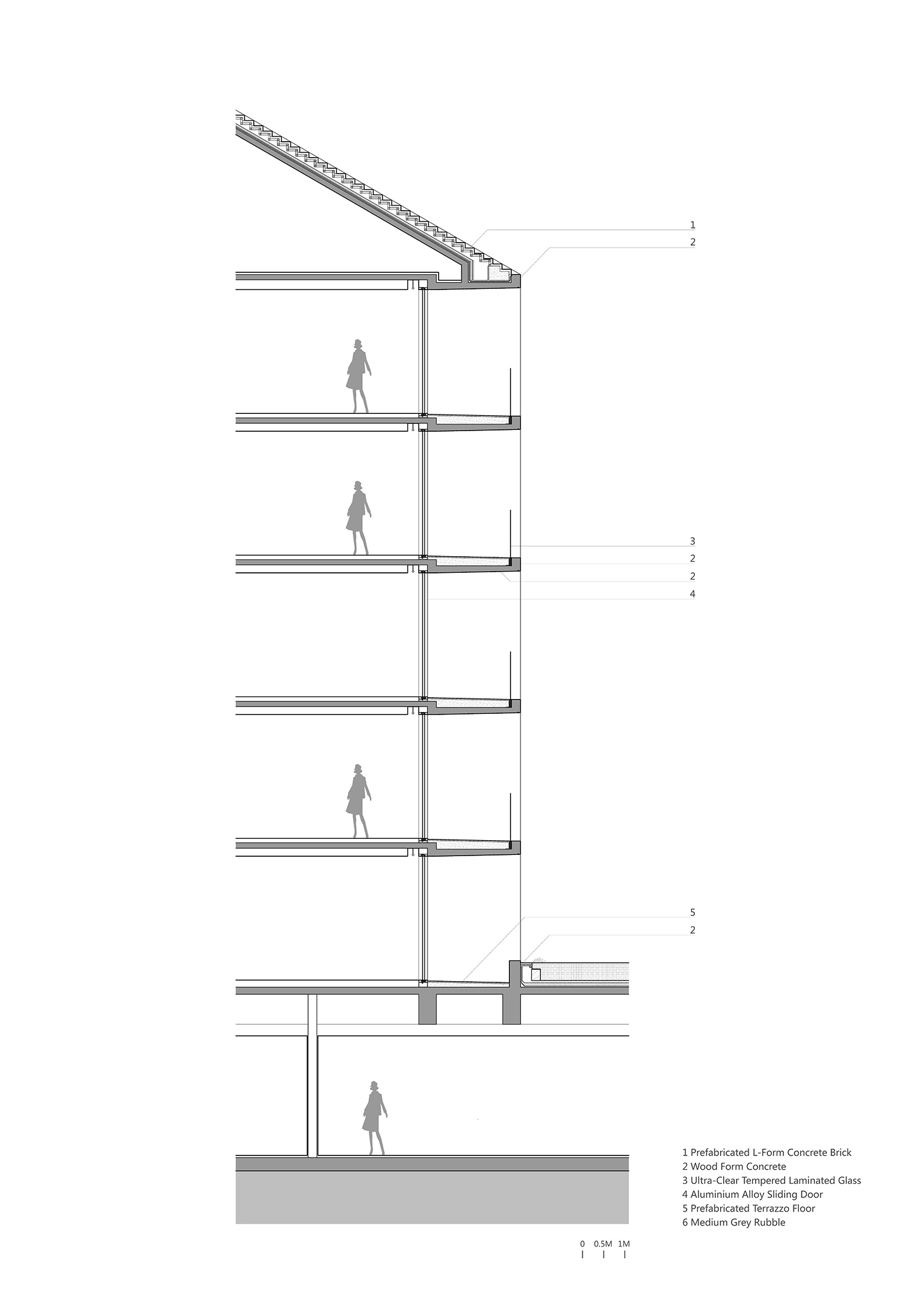
rather than replicating the old buildings’ materiality and texture, vector architects — and interior designer ju bin of horizontal space design — sought to use comparable, but contemporary materials and construction methods in order to establish continuity. the main building, which contains guest rooms, has been built using hollow concrete blocks and board formed concrete — choices which ensure a relationship with the existing mill. meanwhile, all new buildings have all been designed to sit as long to the ground as possible, ensuring that they do not detract from the presence of the neighboring structures.
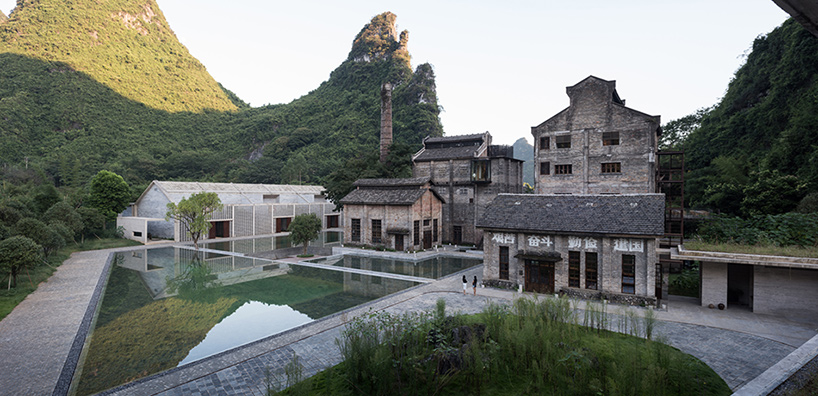
the architects transformed a 1960s sugar mill into a hotel complex
image by hao chen
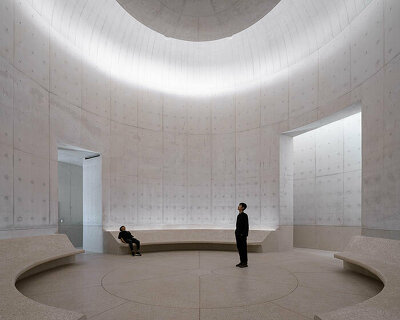
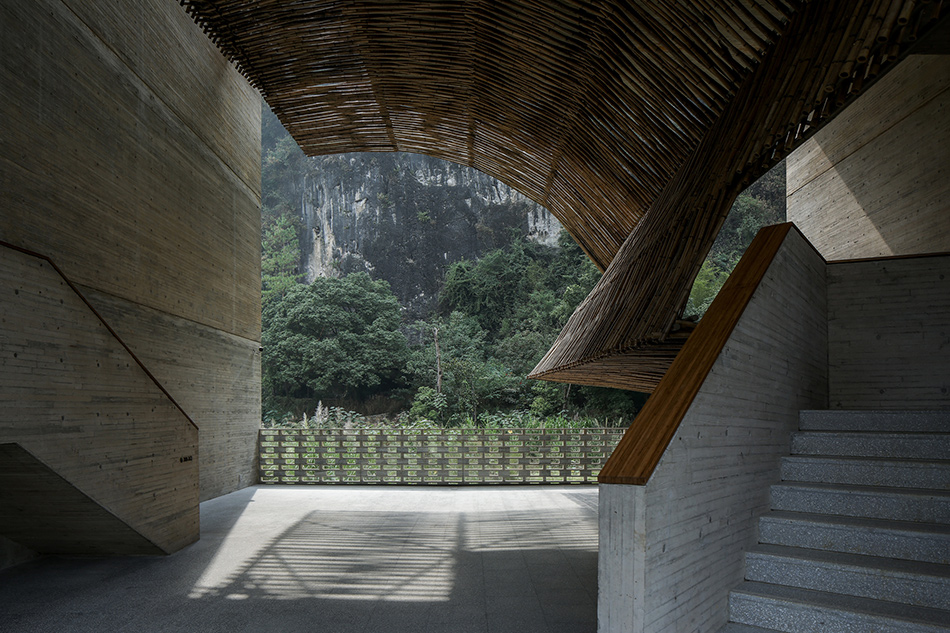
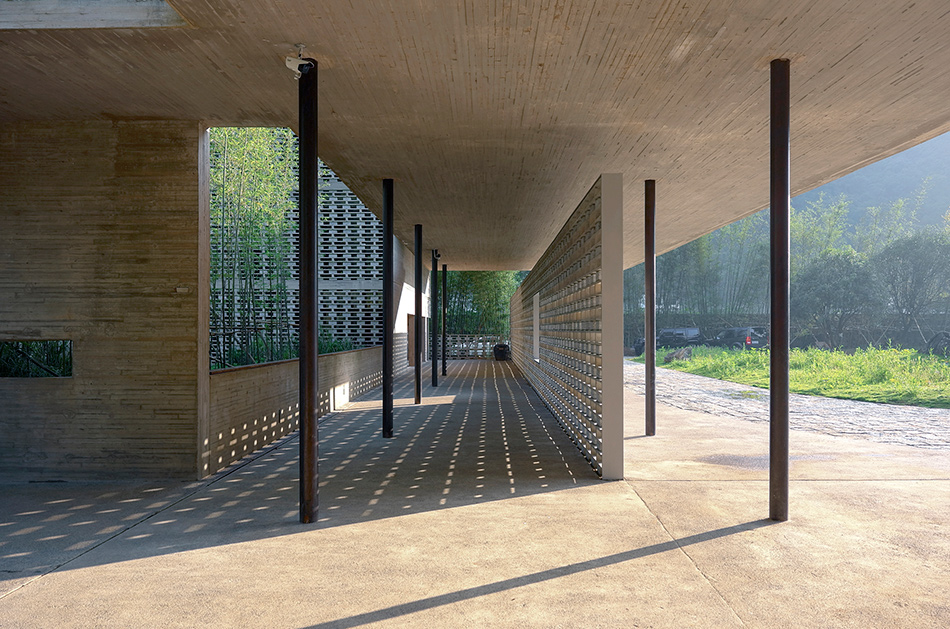
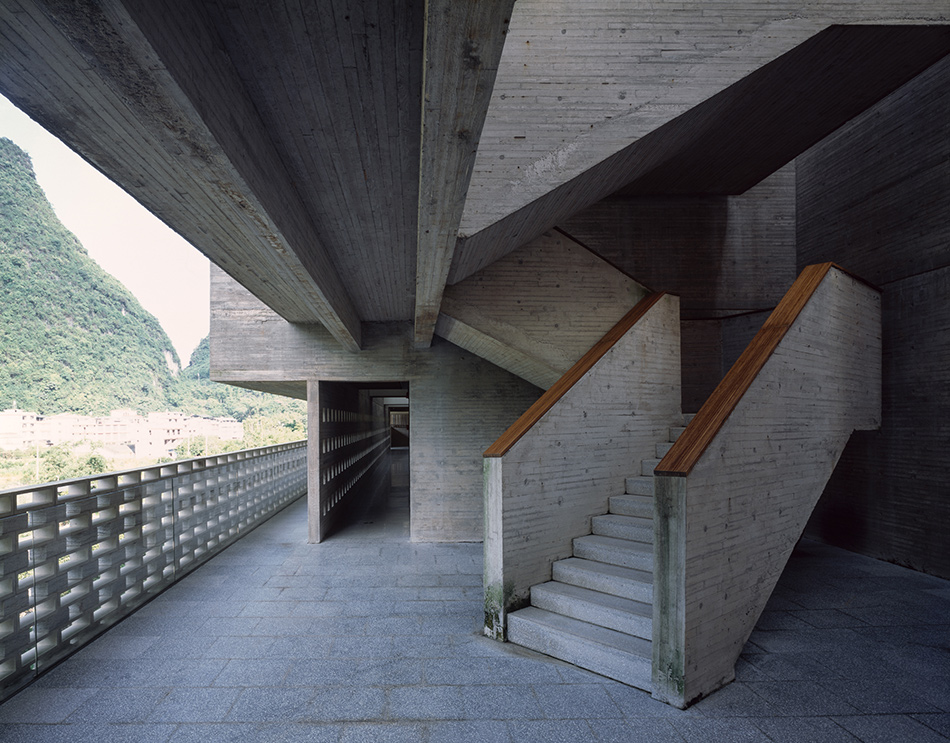
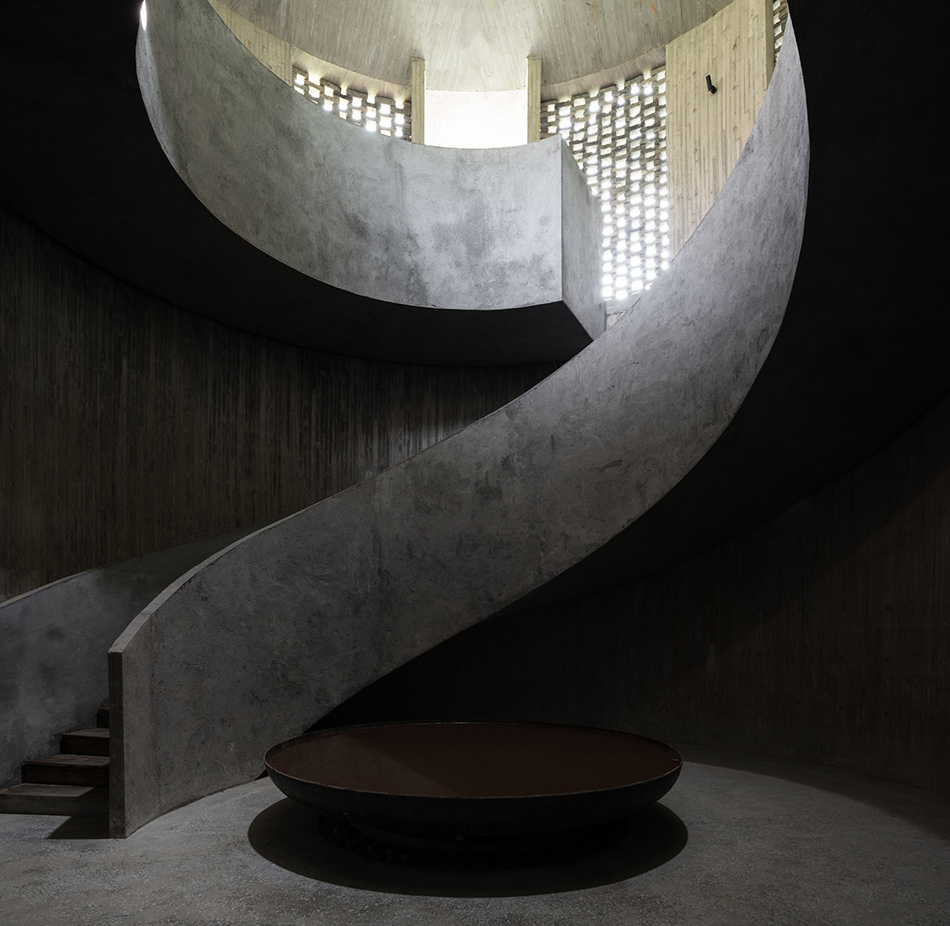
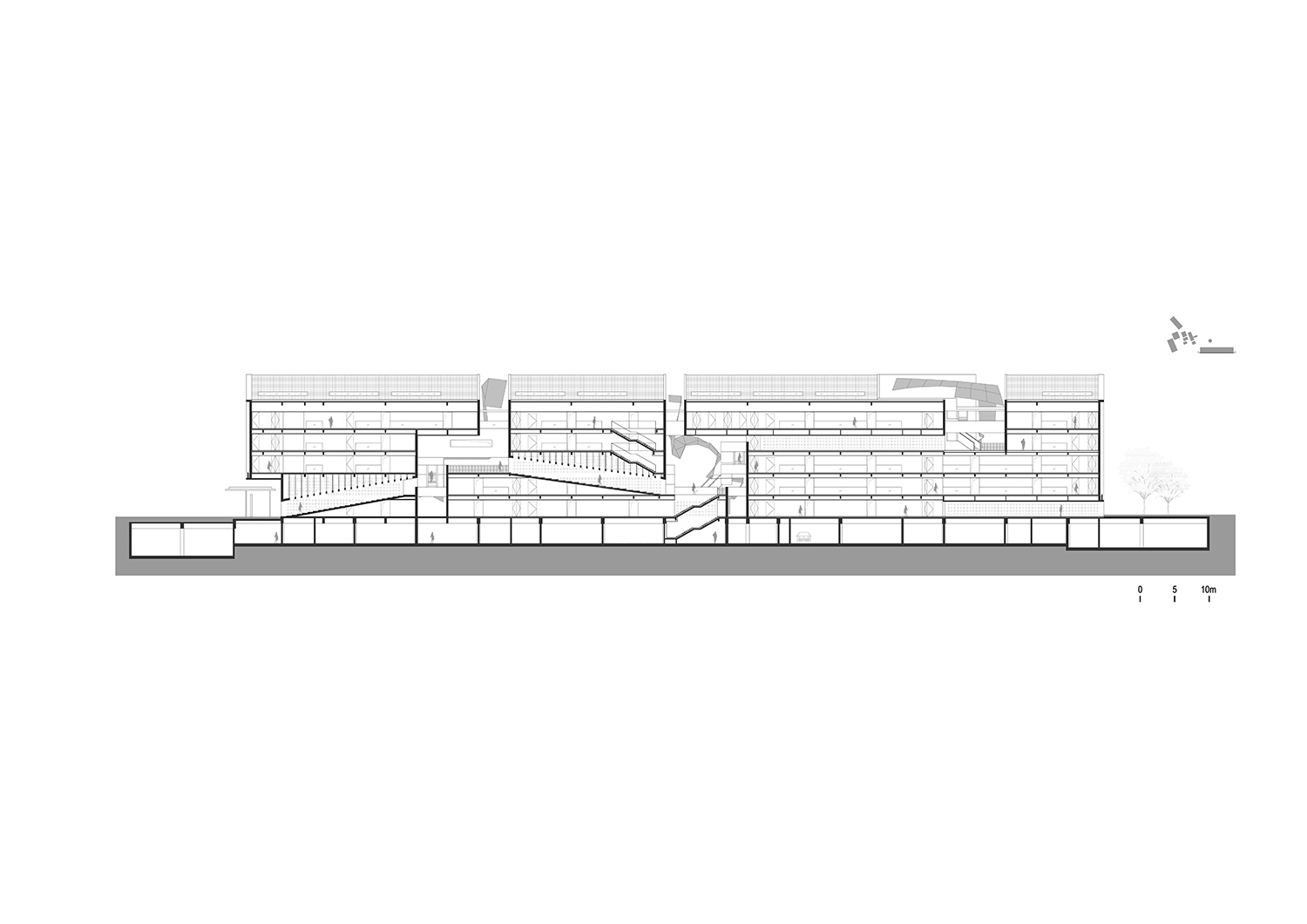
between the various buildings, the site has been conceived as a garden for hotel guests to wander. the main building comprises two circulation systems: one, a functional corridor system, while the other is a walkway that connects three cave-like spaces. the ‘caves’ are carefully located so that they provide sightlines towards the surrounding mountains. this second route — an extension of the ground level promenade — allows visitors to experience different areas of light and shade, as well as different views of the framed landscape.
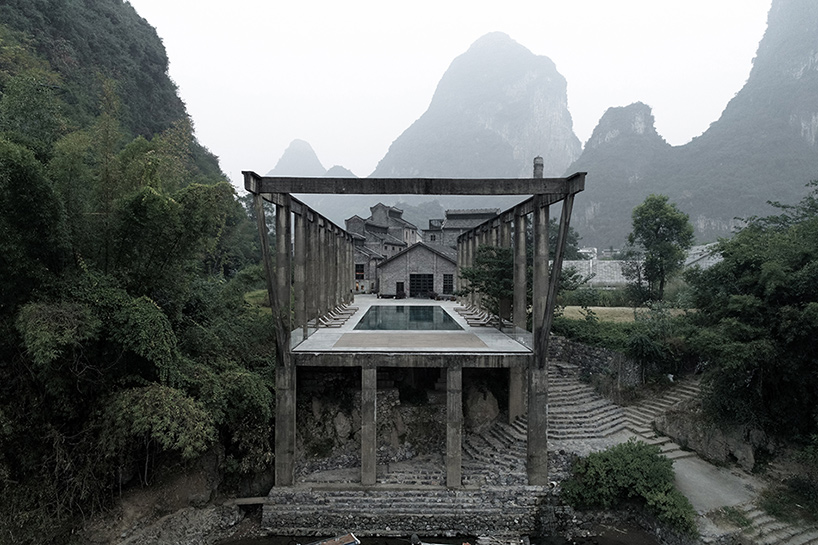
the industrial truss has been re-purposed as a swimming pool
image by shengliang su
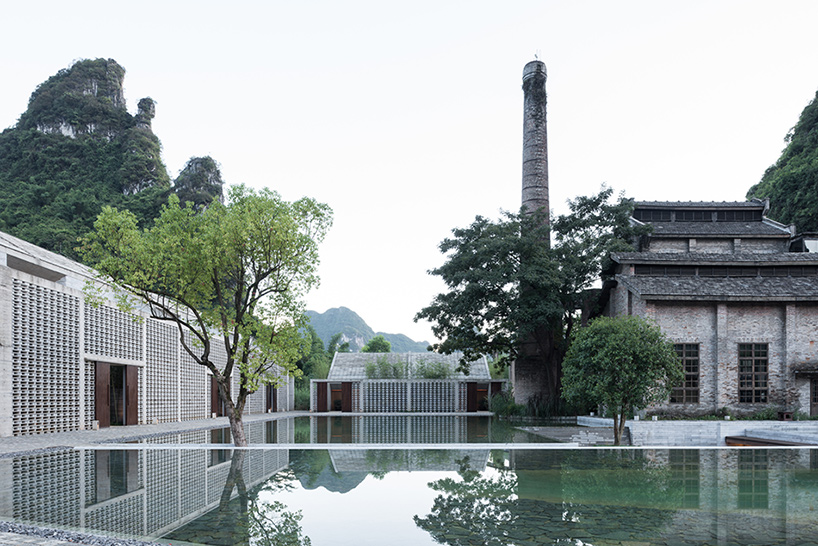
the project preserves the site’s industrial heritage by blending the old and new
image by hao chen
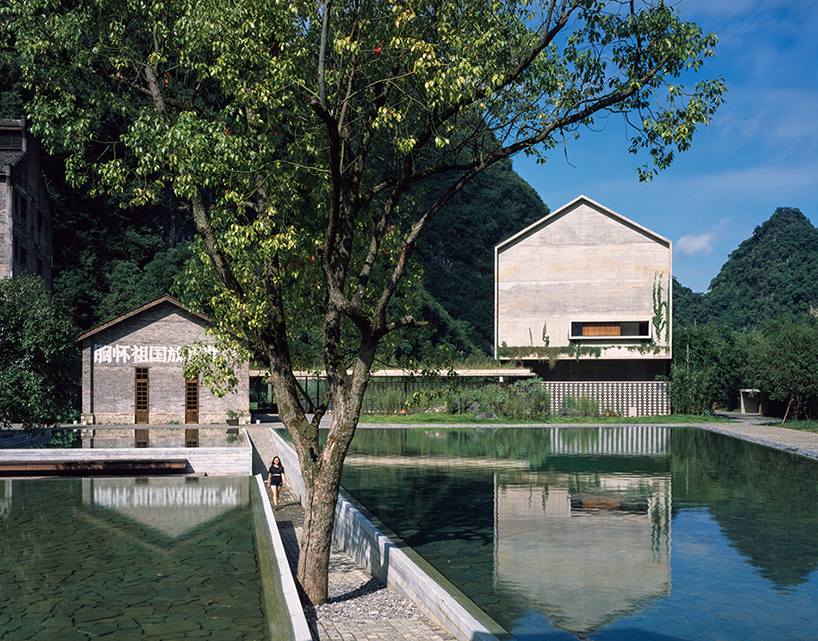
the roofline of the new structure mimics the historic architecture
image by hao chen
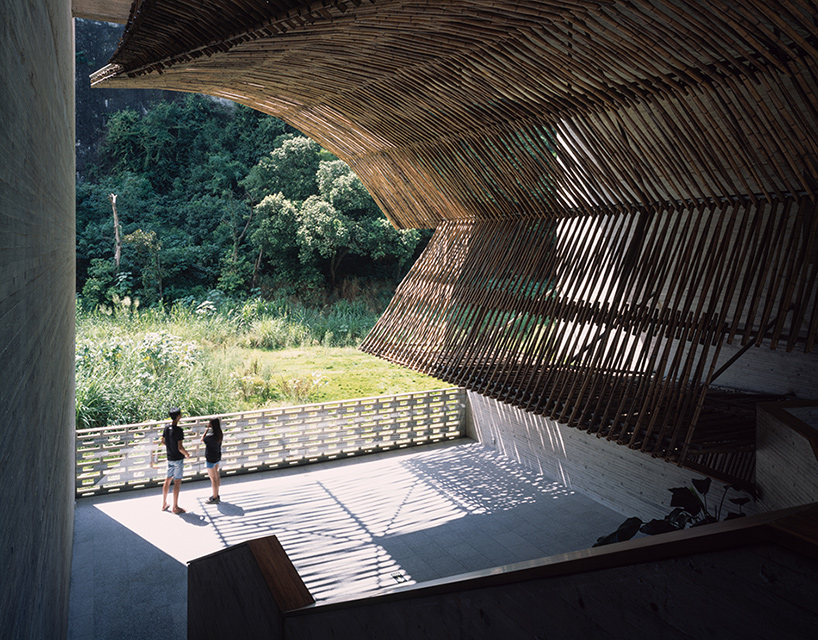
a walkway connects three cave-like spaces
image by hao chen
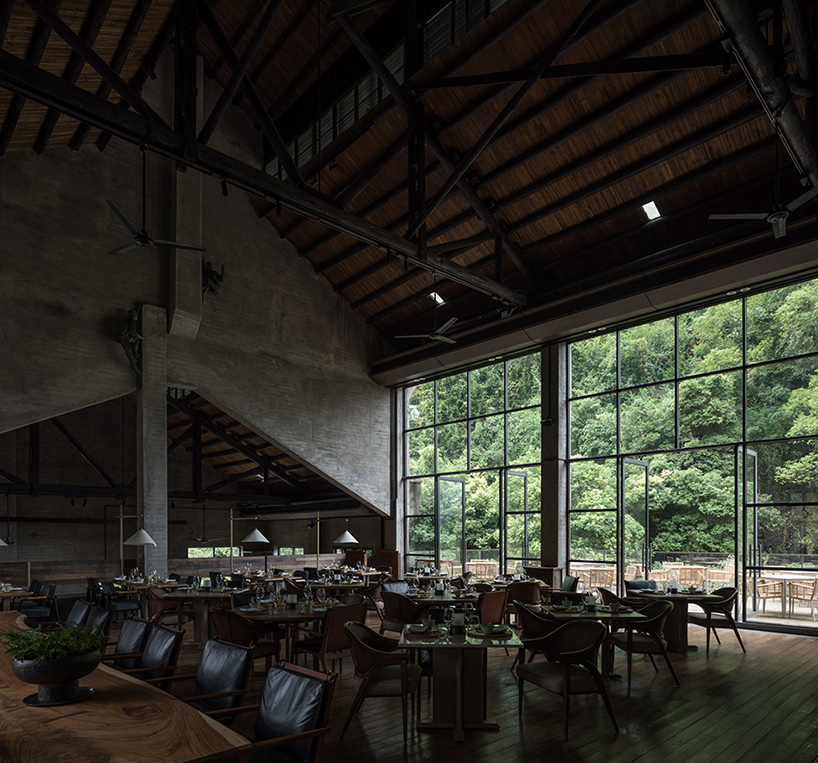
the hotel is surrounded by the dramatic karst mountain landscape
image by hao chen
contemporary materials and construction methods have been used in order to establish continuity
image by hao chen
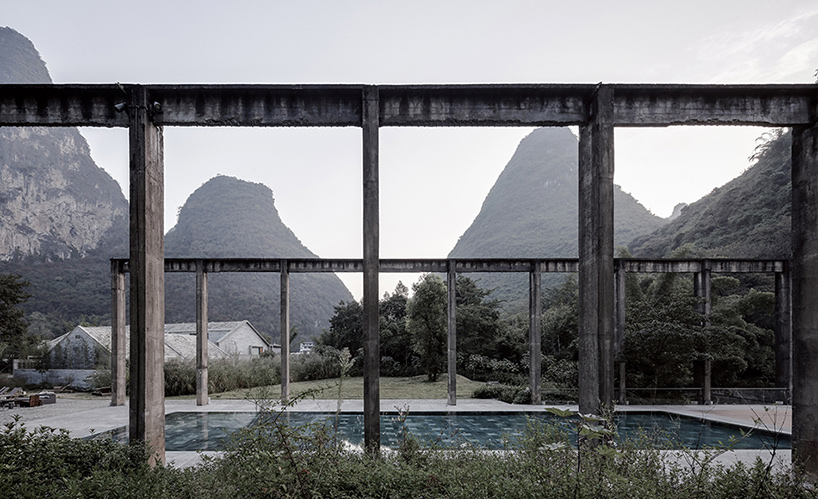
a sunken plaza has been re-designed to complement the historic architecture
image by shengliang su
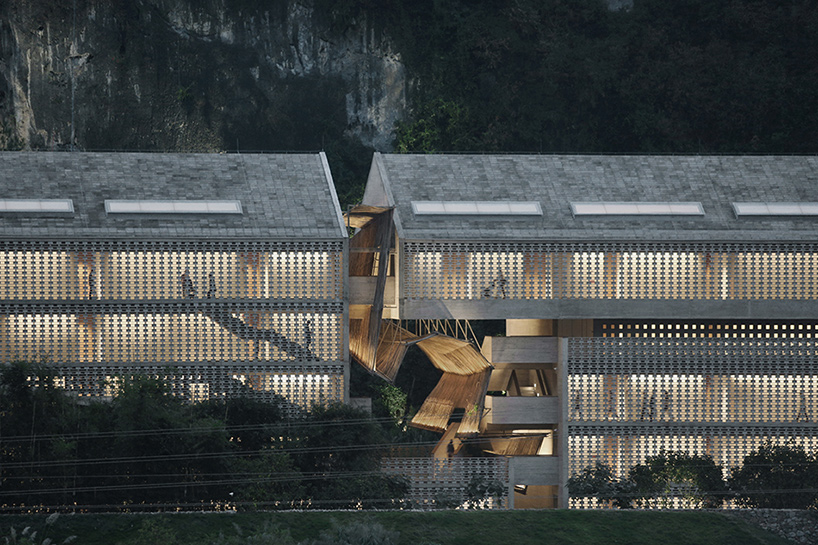
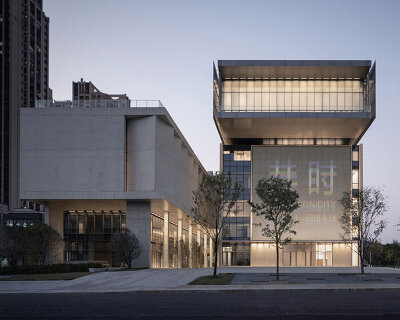
the larger buildings are primarily used for guest accommodation
image by shengliang su
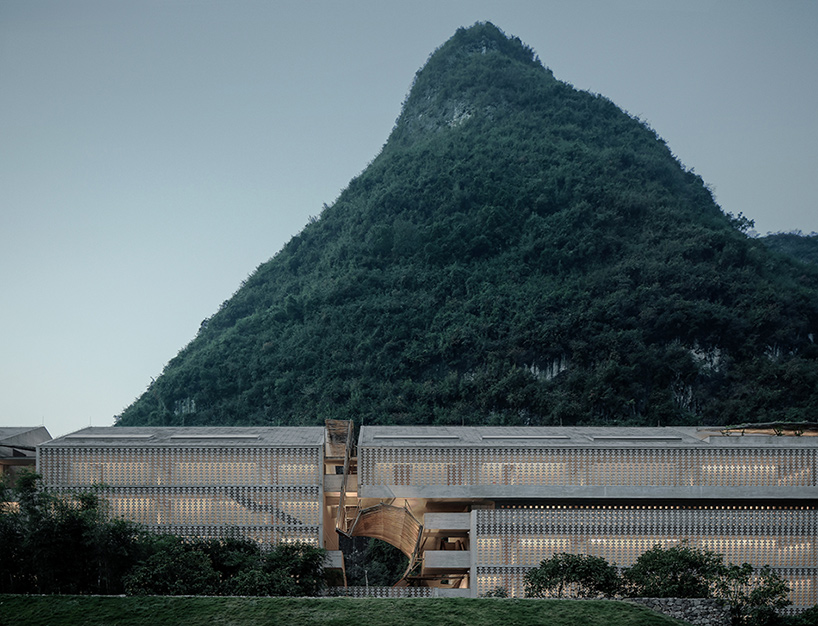
all new buildings have all been designed to sit as long to the ground as possible
image by shengliang su
1/20
location: yangshuo, guilin, guangxi, china
principal architect: gong dong / vector architects
interior architect: bin ju / horizontal space design
architecture design team: bin he, nan wang, chen liu, fangzhou zhu, jian wang, mengyao xu, xiangdonbg kong, zhiyong liu, bai li, peng zhang, xiaokai ma, liangliang zhao
interior design team: jinjing wei, yaocheng wei, hongming nie, luokai zhang, fanyu luo, wenjun zhou
site architect: liangliang zhao, peng zhang / vector architects; yingfa li, xipu li / horizonal space design
mechanical and electrical consultant: sen lin, haijia li, fuliang wei, jiaorong he, yu gao / shenzhen JS M&E engineering design co.ltd
lighting consultant: albert martin klaasen / klaasen lighting design
LDI: guilin institute of architectural design co.,ltd.
LDI project architect: jianmin qin
LDI architects: mu yang, yuanxin lu
structural engineer: wenfu zheng, bo li, xianzhong zhou
MEP engineer: dengsheng lin, xiaoyan lu, jing deng
landscape designer: qianbai yu, yingying xiao
client: landmark tourism investment company
hotel management: alila hotels and resorts
structure: frame-shear wall structure
material: wood formwork concrete, concrete block, local masonry, bamboo, stucco, terrazzo, pebbledash
building area: 16,000 sqm / 172,222 sqf
design period: august 2013 – october 2014
construction period: october 2014 – june 2017
photography: hao chen, shengliang su
shop
your own online design shop — no sales commission collected