the architecture of waiting: reimagining train stations as places for public life
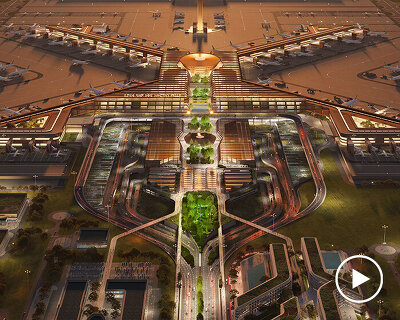
from libraries and community kitchens to cultural venues and sports facilities, new projects are rethinking how airports and train stations can accommodate public life beyond travel.
prefer designboom on google[FEATURED]
bringing everyday activities into transport hubs
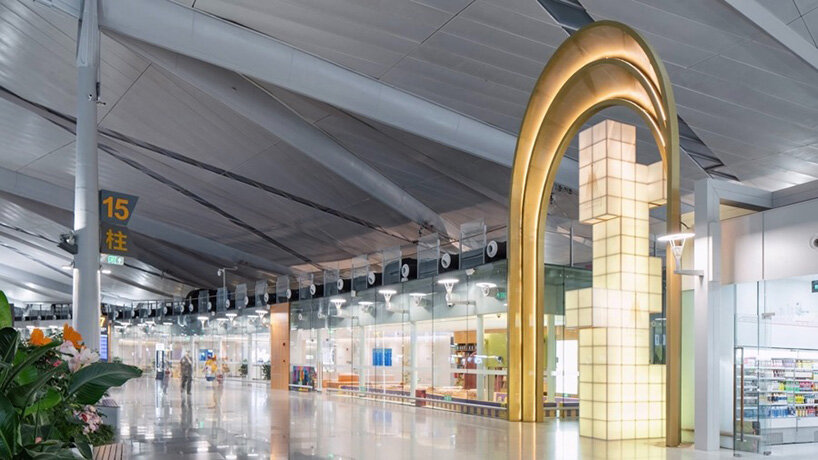
Train stations and airports are places where people spend a lot of time, but rarely by choice. Most are designed to keep passengers moving, with waiting areas, stores and services filling the hours between arrival and departure. Some recent projects are taking a different approach, bringing libraries, exhibition spaces, sports facilities, and community services into transport hubs. In Warsaw, Seoul, and Rovereto, stations are being used for things that have little to do with catching a train.
For many people, the station is part of a routine, whether it means passing through on the way to work, waiting for a connection, or meeting someone before heading elsewhere. Despite this constant use, there is little to do there beyond the journey itself. A library, a public reading room, or a space for workshops may seem an unlikely addition to a station, but a number of projects are finding ways to make these uses part of the daily commute.
from passing through to spending time
Historically, railway stations have served as important civic buildings, marking the entrance to a city and bringing together people from different backgrounds. Over time, however, security requirements, commercial development, and the growing scale of transportation networks have shaped them around circulation and passenger services. Waiting is mostly perceived as a waste of time rather than an opportunity to create a different kind of urban experience.
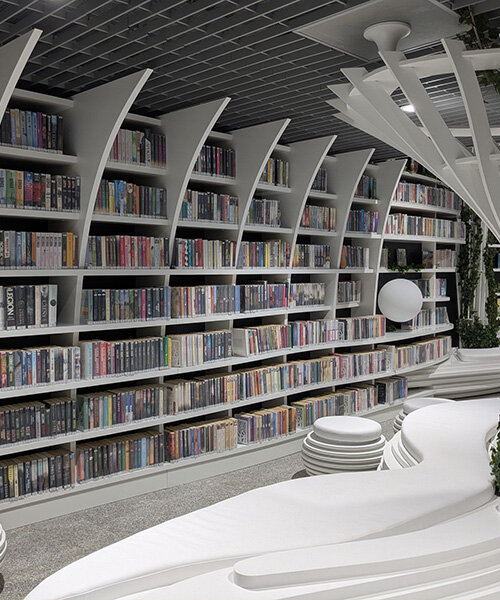
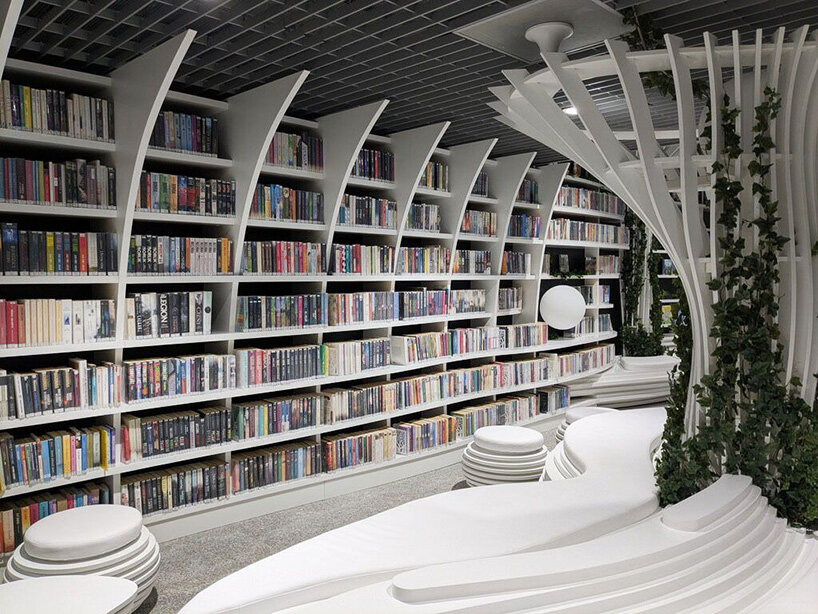
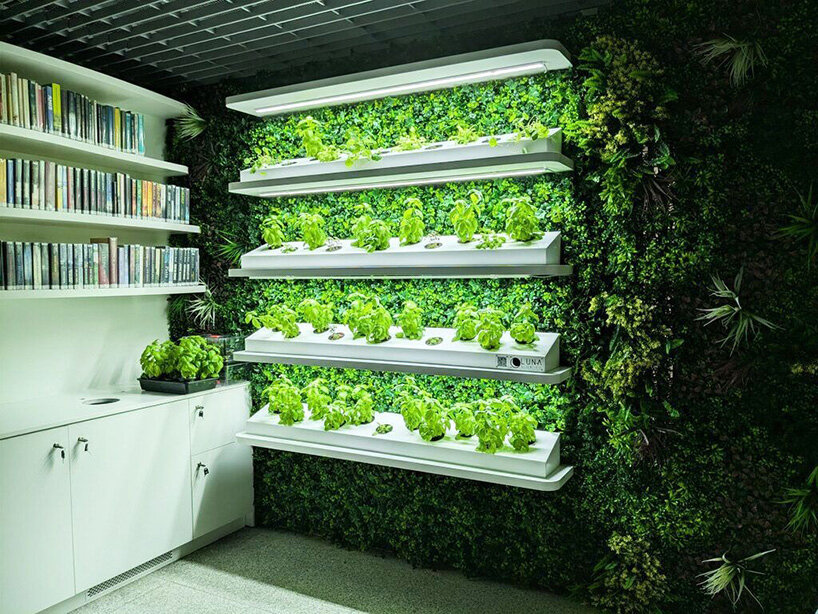
In Warsaw, Poland, a new library inside Kondratowicza metro station offers an alternative perspective. Designed by GK-Atelier, led by Grzegorz Kłoda, Metroteka opened in September 2025 with around 16,000 books across a 150-square-meter space. The library includes separate reading areas for adults and children, shared workspaces, laptop loans, and room for public events. A hydroponic garden, where plants grow without soil or natural sunlight, also introduces an educational element focused on subjects such as sustainability and food production.
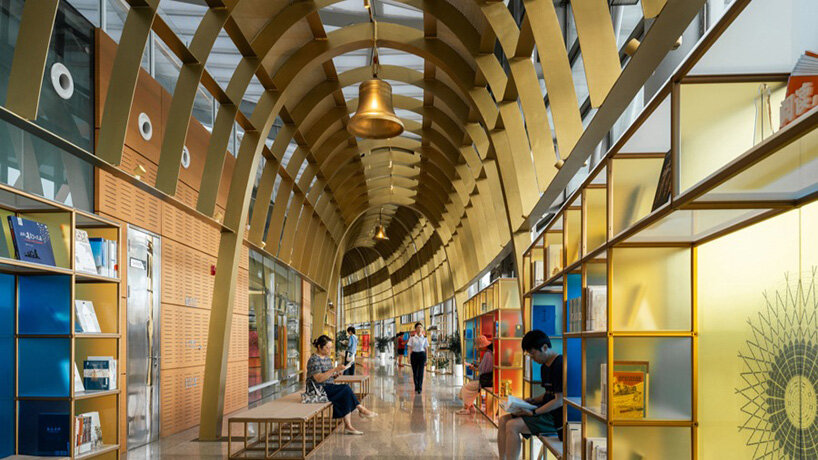
A similar approach appears in Shanghai, where X-Lighthouse opened inside the city’s South Railway Station in August 2025. The 400-square-meter reading space offers books on literature, architecture, art, local culture, and travel, alongside a dedicated area for children, giving passengers a place to engage with something other than their departure time.
the station as a community resource
Other projects take this idea further, treating railway stations as places that can support the needs of the surrounding community, including people who may not use the train at all. In Rovereto, northern Italy, the Station for Transformation initiative thinks of new ways in which underused rooms in the historic railway station can contribute to local life. Developed with the municipality, railway infrastructure operator RFI, and the community group La Foresta, the project builds on spaces that have already been reused for coworking, meetings, and a community kitchen. Activities include cooking classes, cultural events, and initiatives that bring residents together around environmental and social issues.
The wider project aims to turn the station into a public hub focused on climate change, biodiversity, and local heritage, proposing spaces for collaboration, education, and experimentation, including a climate-focused community kitchen and areas where residents, researchers, and local organizations can develop ideas together. The initiative makes use of rooms at the station that would otherwise remain empty. It is an example of how the future of transportation architecture might involve rethinking what already exists, as much as building something new.
A related approach is taking shape across smaller towns in Italy through the Stazioni del Territorio program, promoted by railway group FS Italiane. Completed projects in Popoli Vittorito, Matelica, and Urbisaglia-Sforzacosta in 2024, followed by further stations in 2025, introduce public services into railway buildings and previously unused areas. Depending on the location, these include medical consultations, support from the Italian Red Cross, community services, coworking, and training facilities. The project is particularly relevant in smaller communities, where access to public services can be limited and a railway station may already occupy a central position in local life. At Popoli Vittorito, for example, the station houses medical services and screening activities. The building connects the town to other places while also providing services for the people who live there, changing the meaning of a station from a piece of transport infrastructure into a resource for the wider community.
culture, recreation, and the everyday journey
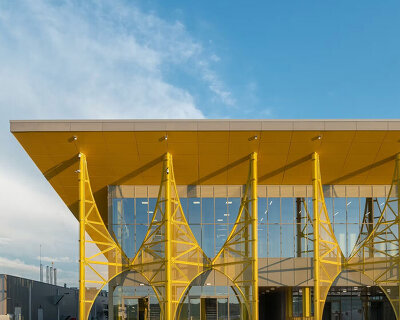
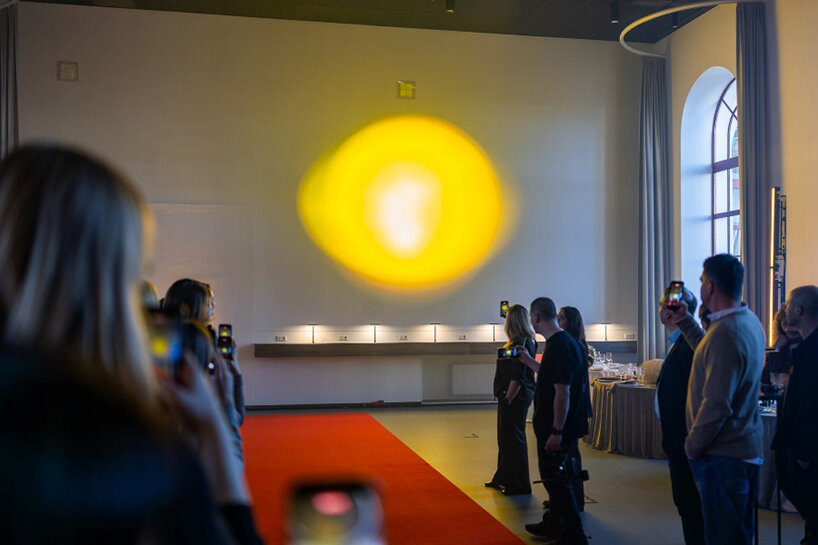
Public life does not have to mean large cultural institutions or permanent community facilities. Sometimes, a smaller intervention can change the way people use a familiar place. In April 2026, Vilnius Railway Station introduced Sun Hall, a 320-square-meter multifunctional venue designed by 2L Architects & Engineers. The flexible interior can host exhibitions, concerts, conferences, and creative gatherings, with curtains allowing the space to be rearranged for different events. Located within the operating station, it offers another reason for residents and visitors to enter the building. The project is also the first step in a wider program to introduce similar cultural spaces at railway stations in other Lithuanian cities.
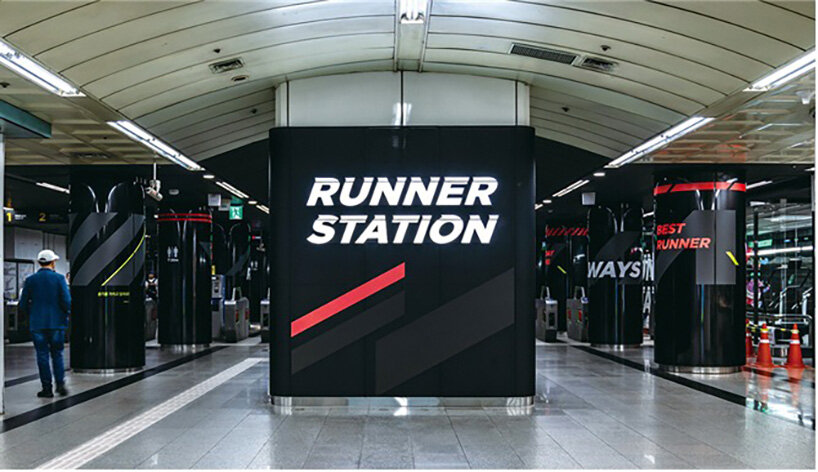
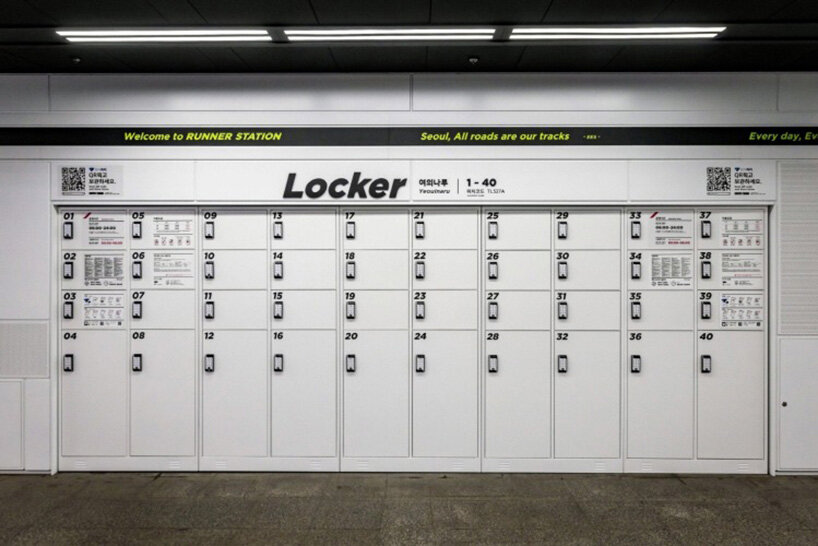
In Seoul, South Korea, the idea extends into recreation and everyday fitness. The city’s Fun Station initiative transforms underused areas of metro stations into facilities for activities that would normally take place elsewhere. Runner Station, which opened at Yeouinaru station in May 2024, provides lockers, changing rooms, and spaces for stretching, alongside running classes and community programs. Further facilities have followed, including a fitness space at Ttukseom station and a park-golf facility at Meokgol station.
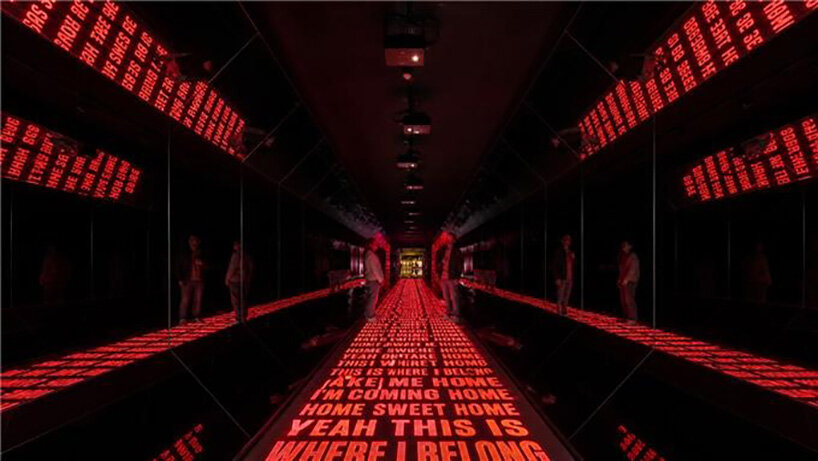
The program reflects the particular relationship between these stations and nearby recreational areas, including the Han River parks. In August 2026, the initiative expanded into culture with K-Culture Station, an underground venue between City Hall and Euljiro 1(il)-ga stations, using a previously closed space for exhibitions and immersive cultural experiences.
what makes a space public?
These projects show that train stations and airports can accommodate activities well beyond their usual functions. Yet adding new functions does not necessarily make a place more public. A cultural venue inside a transport hub may still be accessible only to ticketed passengers, open for a few hours a day, or reserved for visitors who can afford to pay. An airport lounge, for instance, might offer comfortable seating and somewhere to work, but its purpose and access are quite different from those of a public library or community center.
What really matters, then, is who gets to take part. Can someone come in to read a book without having to buy anything? Can local residents visit an exhibition without catching a train? Can people use the space without being expected to spend money or move on? These questions become particularly important when stations are considered part of the wider public realm, rather than facilities serving passengers alone. Their relationship with the surrounding neighborhood depends, in part, on whether they welcome the people who live and work nearby, as well as those passing through.
This article is part of designboom’s STATES OF MOTION chapter, exploring how architecture, design and art are transforming the way we move. These stories rethink the experience of movement through evolving transit spaces, mobile habitats, inclusive infrastructure, slower journeys and kinetic art – learn more here! Each designboom editorial series explores one theme in depth through projects, interviews, features and news across architecture, design, art and technology. Discover more chapters here, and get in touch if you’d like to submit a story through our submissions portal or contact form.
shop
your own online design shop — no sales commission collected