what is blue urbanism? URB on dubai’s plan to unite land & sea for climate change relief
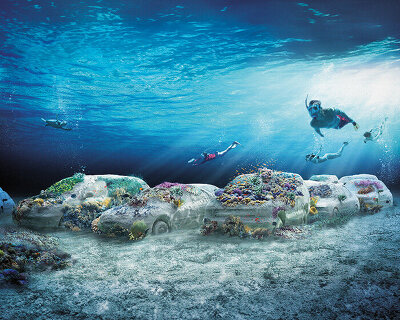
URB outlines how building the world’s largest artificial reef by 2028 offers new opportunities to restore our marine ecosystem.
urb unpacks the promise of blue urbanism
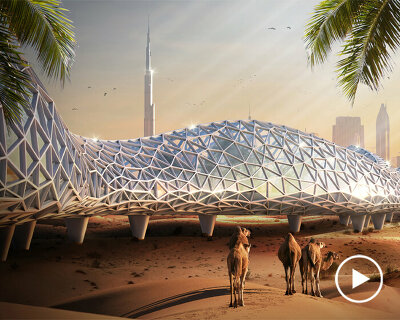
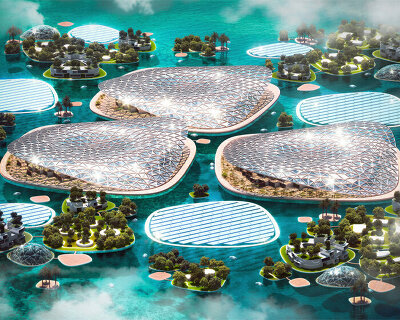
In time for Dubai‘s COP28 event that took place from November 30 to December 12, 2023, UNESCO’s World Commission on the Ethics of Scientific Knowledge and Technology (COMEST) had published its first-ever report on the Ethics of Climate Engineering, or the use and adoption of new technologies to help reduce the impacts of climate change including carbon dioxide removal and solar reflectivity, along with specific guidelines and recommendations for their possible use. In line wih these efforts, UAE practice URB shares with us how Dubai is preparing to build the world’s largest artificial reef by 2028, unveiling new opportunities for blue urbanism — the act of better uniting land and water for climate change mitigation.
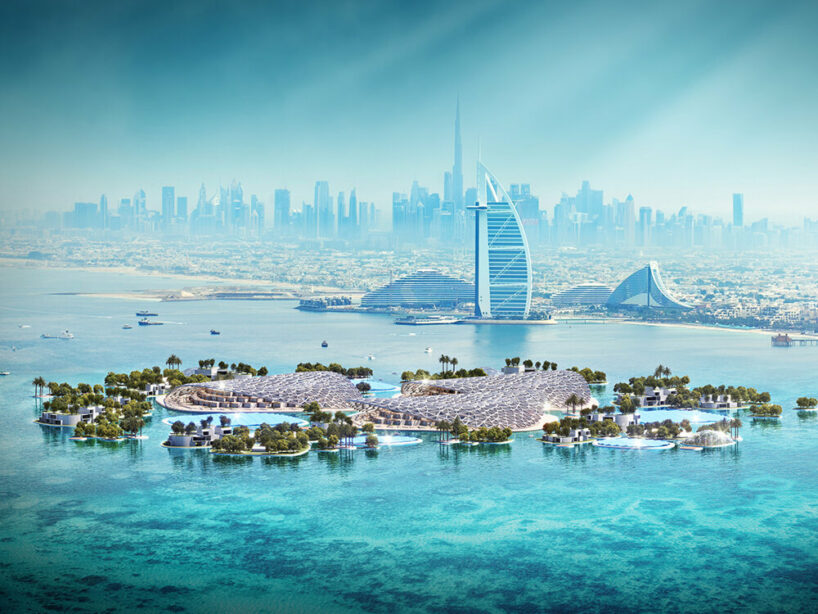
how Dubai Reefs will unite land and sea
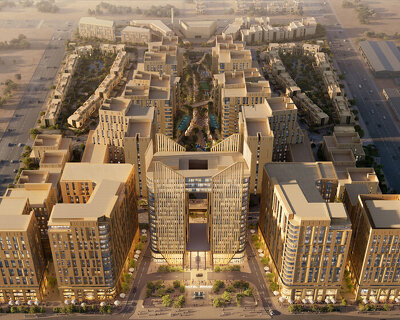
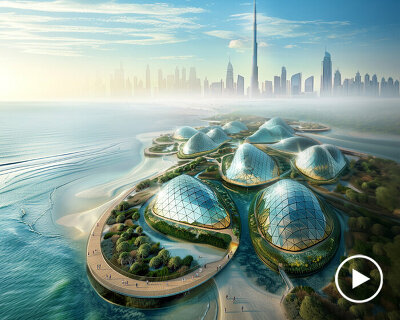
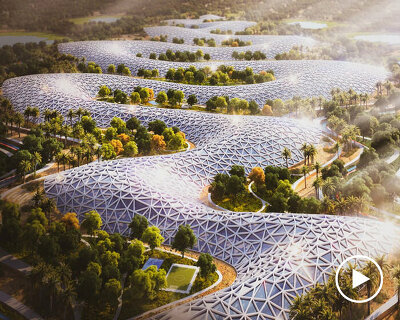
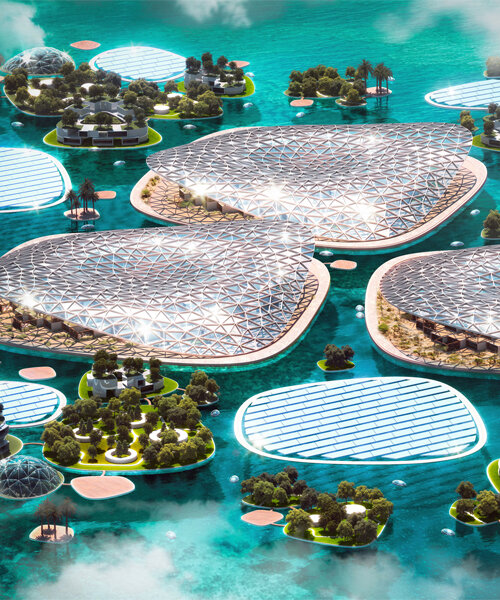
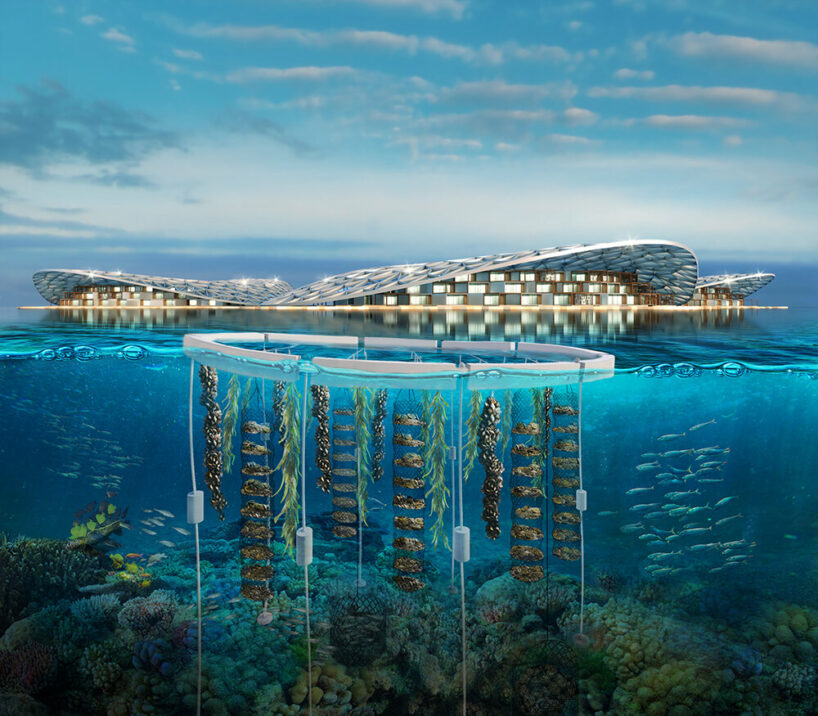
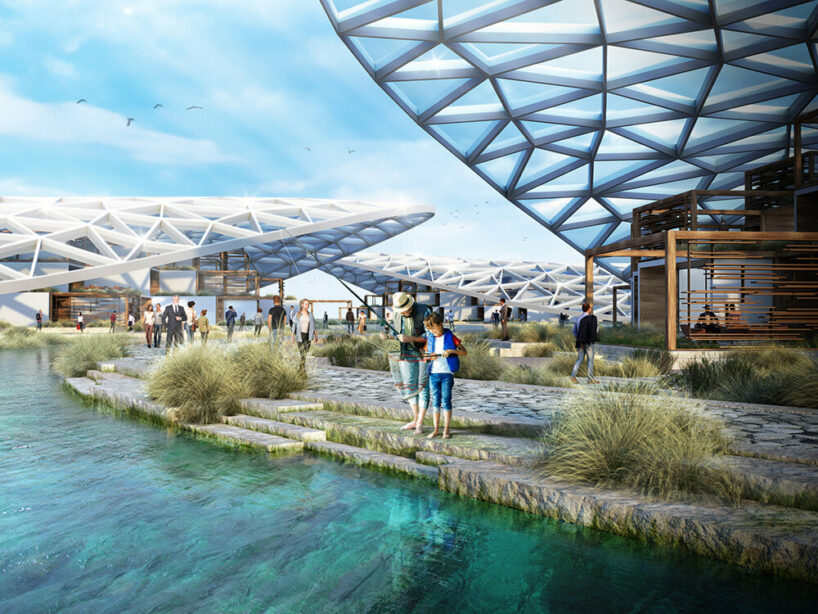
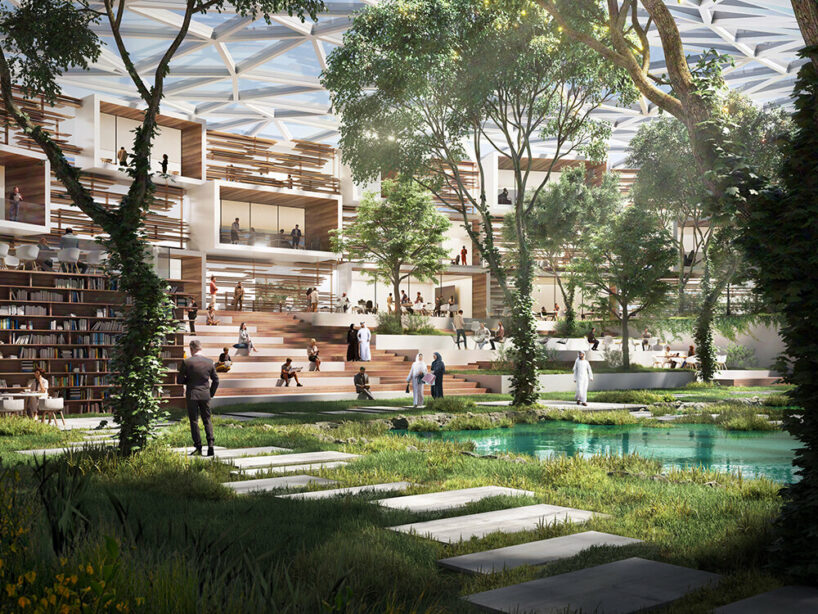
With three quarters of our planet covered in water, it only makes sense to start thinking of oceans and the sea as natural extensions of our cities. Whilst most coastal city planning stops at the water’s edge, Dubai is creating a paradigm shift through a new era of blue urbanism, argues Baharash Bagherian, CEO of URB. ‘This will remove the boundaries between sea and land’, he shares. The Dubai Reefs is an example of such blue urbanism initiatives, first unveiled by URB in May 2023. Beyond research and conservation, the project will offer unique experiences in marine ecotourism with various floating eco-lodges, all of which are powered by 100% renewable energy from multiple types of solar power and hydropower. These include wave farms that will produce additional clean energy for Dubai’s growing population. Together, these programs will generate more than 30,000 jobs in a green economy.
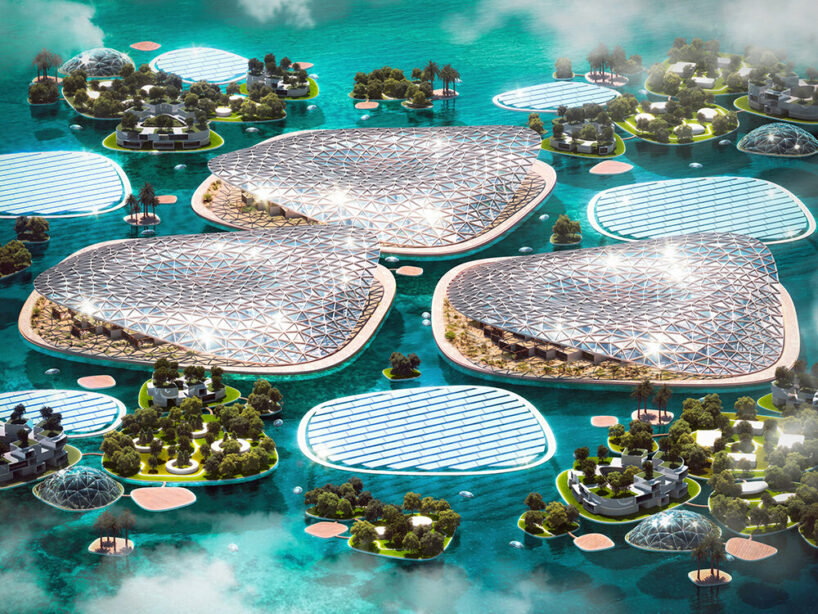
restoring marine ecosystems and promoting ecotourism
Humans have a natural attraction to the sea, an ecosystem offering the same therapeutic benefits as green spaces, if not more. Yet, as the world is currently on track to warm up to 2.9 degrees and sea levels are projected to rise to 1-2 meters by the end of the century, people seem to be less aware of how quickly our marine ecosystems are declining. One phenomenon has been observed over the last 30 years, during which the planet has lost 50% of its corals due to climate change. Blue urbanism can counter such a decline by developing healthy water systems where the ocean and urban dwellers thrive in balance. Getting there, however, requires public education on protecting and regenerating our oceans.
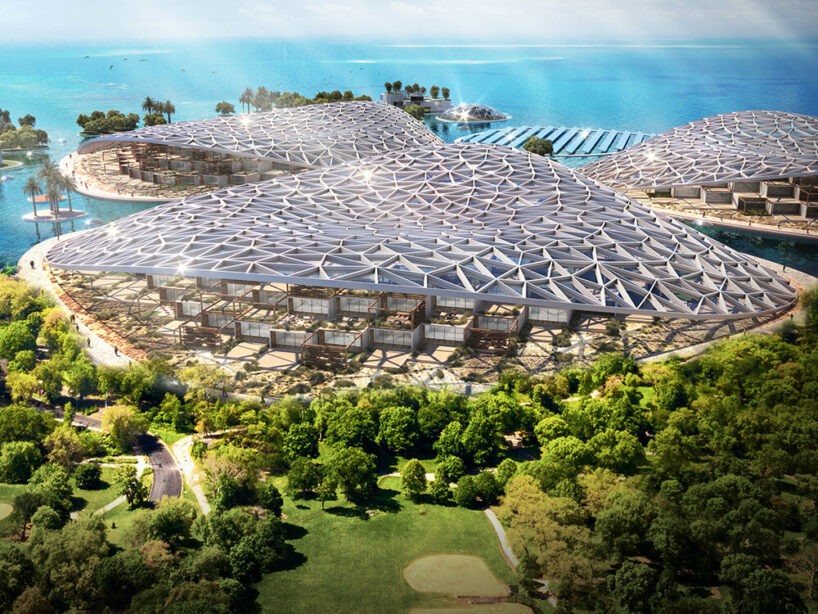
Baharash Bagherian explains how the health of our oceans is directly linked to the health of our cities, and why they need to be in balance. With 40% of the world’s population living within 100 km of the coast, ‘our cities should be in a symbiotic relationship with our oceans; adapting to each other, benefiting each other & working together. The ocean is the planet’s life support system. 71% of the earth is covered by water, most of which are oceans. Given that our entire eco systems are connected to the ocean, its health is vital if we are to mitigate the impacts of climate change,’ he concludes.
shop
your own online design shop — no sales commission collected