
world’s first solarkiosk by graft architects opens in ethiopia
a compact, autonomous modular business unit with integrated solar panels which is meant to provide affordable energy, products, tools and services in off-grid communities.
prefer designboom on google[FEATURED]
the world’s first ‘solarkiosk’ by graft architects in ethiopia
designed by international firm graft architects, ‘solarkiosk’ is a compact, autonomous modular business unit with integrated solar panels
which is meant to provide affordable energy, products, tools and services. approximately 16 per cent of the world’s population lives in off-grid regions,
and the ‘solarkiosk’ aims to offer the infrastructure for individuals in these rural communities across the globe that are not
connected to an electrical grid. many people in these areas are currently using expensive and toxic solutions such as kerosene lamps
to illuminate their homes during night hours.

setting up the kiosk
developed as a kit of parts, the ‘solarkiosk’ is lightweight and intended for assembly onsite at its target location,
and can be easily transported to remote off-road areas if need be – including in extreme cases on the back of donkey.
the electrical parts of the design are manufactured centrally for quality and durability, while the other elements of the
module are made from local materials – bamboo, wood, adobe, stone, metal, recycled goods – categorizing it a domestic product.
for stability, the structure is anchored by pegs, with special detailing of all joints and assembly points on the inside of the building shell
in place to make tinkering the kiosk from its exterior more difficult.

installation of the first ‘solarkiosk’ being explored by locals
available in a number to configurations, shapes and sizes, the larger versions are sustainable frameworks that are able to produce
enough energy to run a telecom tower while still providing security and maintenance. mobile telecom generally requires a dense mesh of towers,
and current efforts of supplying energy to them via expensive diesel generators can be quite problematic. as a result many communication providers
are already expressing interest in the ‘solarkiosk’.
the most basic model has the ability to be extended and modified and can provide enough power for solar lighting,
mobile phone and car battery charging, a computer as well as a solar fridge. it adapts to all kinds of uses depending on the local market,
local tax benefits and availability of local labour. in this ‘local’ context, the aim of the design is to provide training and jobs to residents,
educating them on how to operate the units, maintain them, along with learning how to run a sustainable business as a shop owner.

depending on the local conditions in which it is situated the ‘solarkiosk’ can serve residents with services such as internet,
TV and music, and act as a sales point in which to buy solar lanterns, solar home systems, scratch cards for mobile phones
and other typical kiosk products. there is even the possibility to connect multiple units together to create a local grid.
the ‘solarkiosk’ initiative seeks to work with cooperations and business partners, GOs and NGOs in which to bring it to use in
regions that are in need, hopefully bringing economic growth to less developed parts of the world, stimulating communities
and enabling them to educate themselves by night.
the world’s first ‘solarkiosk’ opened up in ethiopia near lake langano on july 15th, 2012.

open for business, the ‘solarkiosk’ acts as a sales point to buy solar lanterns, solar home systems, scratch cards for mobile phones and other typical kiosk products

building up the ‘solarkiosk’
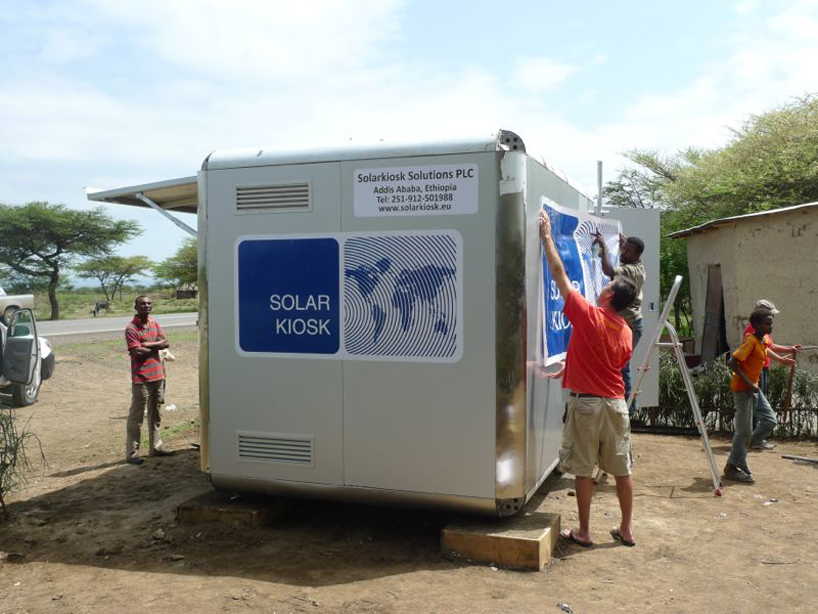
adding the finishing touches
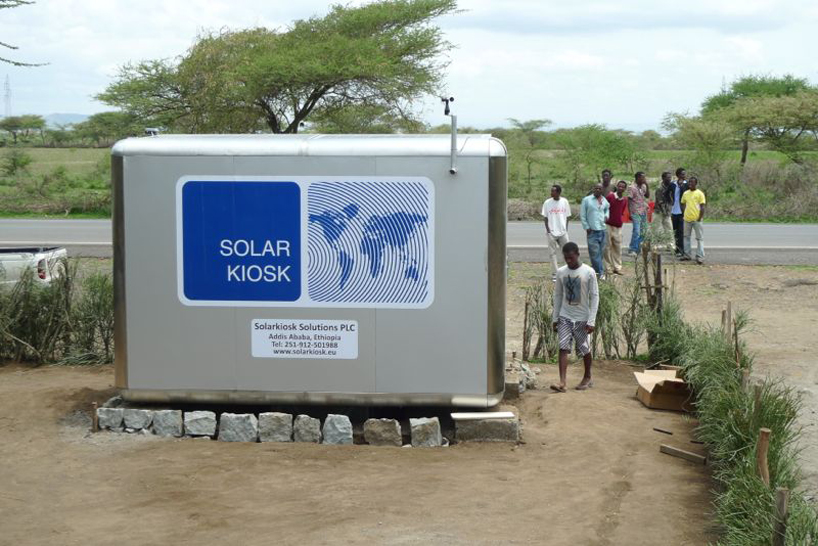

installing the solar panels and stocking the module

the solar energy generated allows the kiosk to remain open well into the night

the ‘solarkiosk’ stands as a point of social activity and community growth

‘solarkiosk’ founding partners: andreas spieß, thomas willemeit, lars krückeberg, wolfram putz


larger versions of the ‘solarkiosk’ produce enough energy to run a telecom tower reliably

by night, the energy generated from the kiosk continues to power televisions, computers…


rendering of possible configuration

rendering of the ‘solarkiosk’ framework which includes an integrated panel with charge controller and power inverter as well as a hatch, open only during business hours
alternative configuration and solar panel set-up
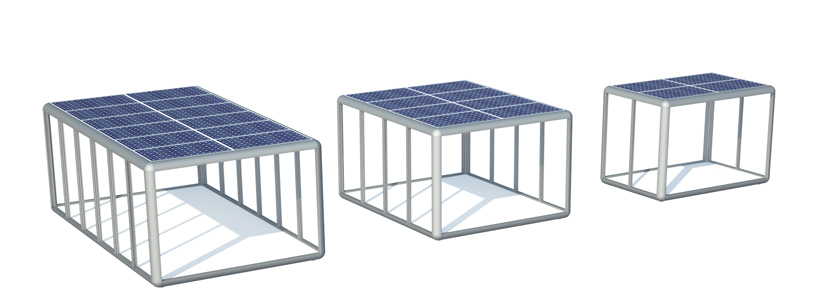
the ‘solarkiosk’ is available in a number of module sizes
shop
your own online design shop — no sales commission collected