woven-domed baha’i house of worship reflects on papua new guinean art tradition
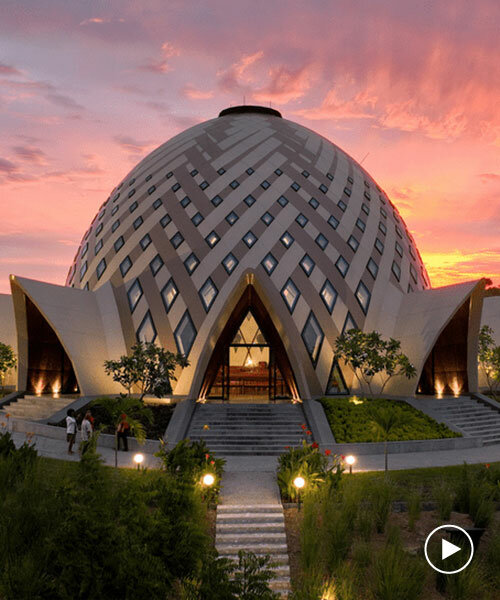
after four and a half years, architects henry lape and saeed granfar brought the temple to life, drawing inspiration from the craft of weaving.
prefer designboom on googlewoven religious venue realized after four and a half years
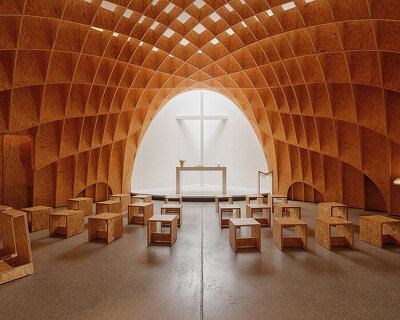
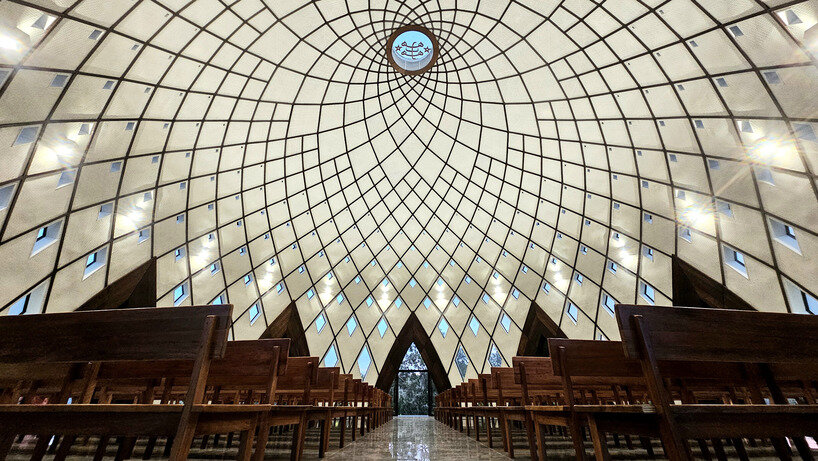
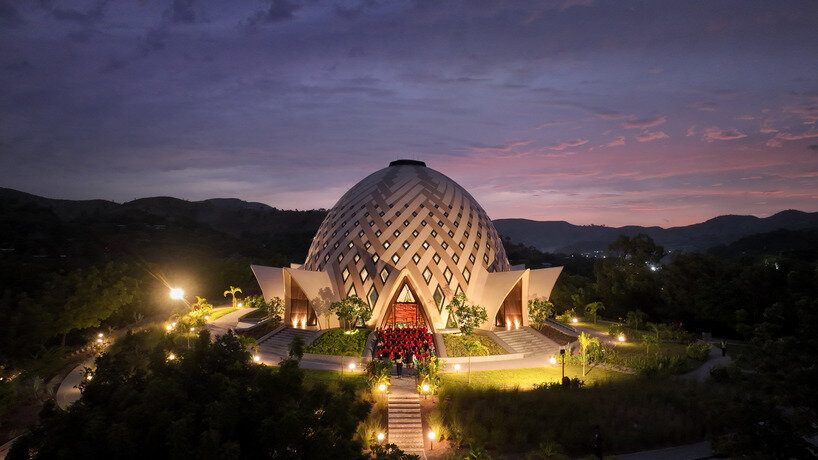
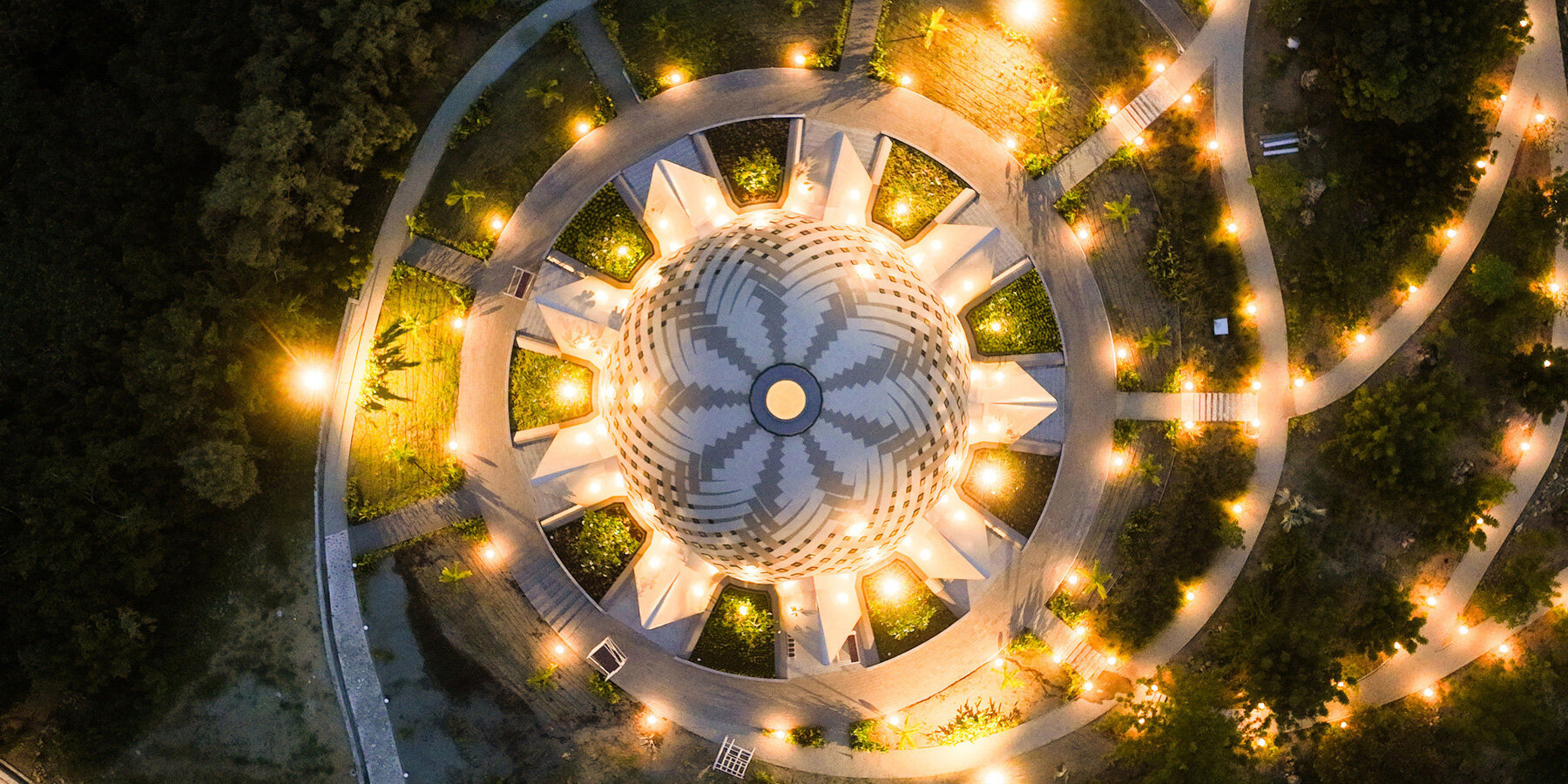
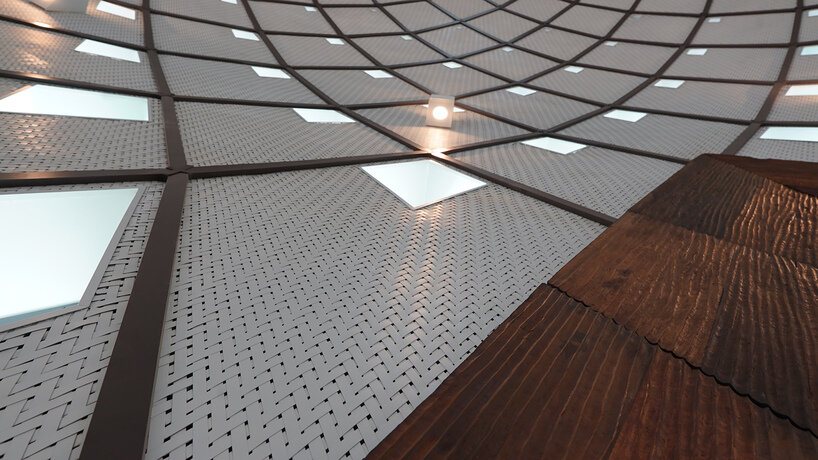
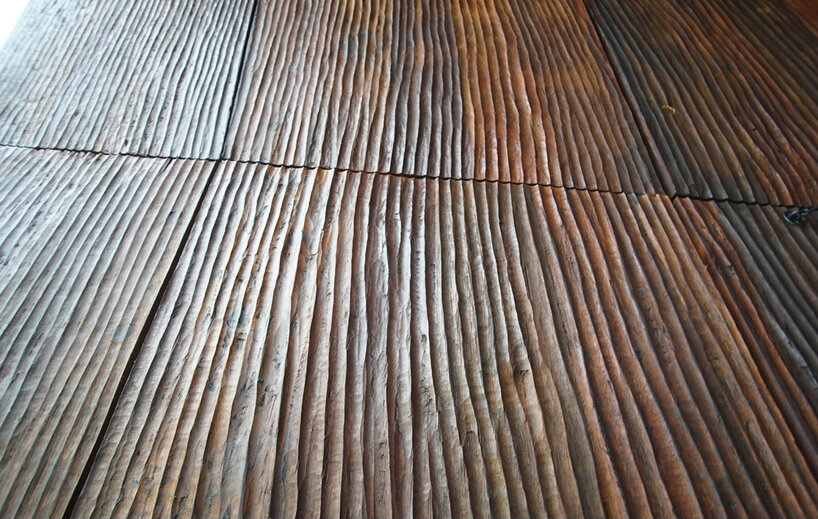
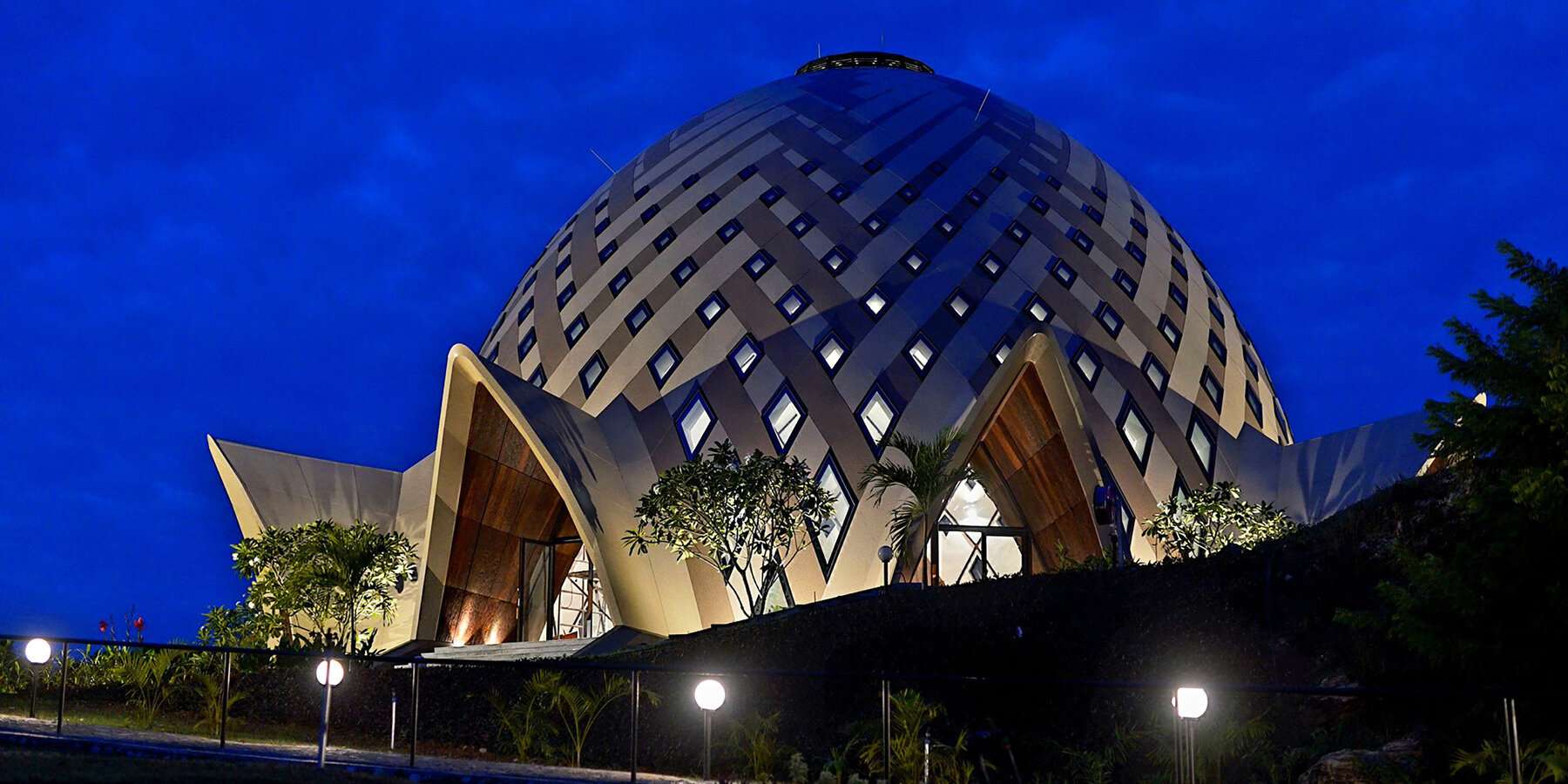
Over the course of four and a half years, architects Henry Lape and Saeed Granfar transformed their plans into the now-completed National Bahá’í House of Worship of Papua New Guinea. The resulting structure serves as a place of worship open to all. The religious venue draws inspiration from the intricate craft of weaving. Its design echoes the unity found in woven structures with 72 spiraling elements converging under the symbol of the Greatest Name. This symbolism mirrors the societal tapestry of Papua New Guinea—a convergence of cultures and faiths in worship and service. Inside, 760 sqm of hand-woven mats line the walls, echoing the theme of weaving. Nine entrances, adorned with 367 sqm of hand-carved timber panels, welcome visitors from diverse backgrounds, reflecting the project’s emphasis on inclusivity and unity.
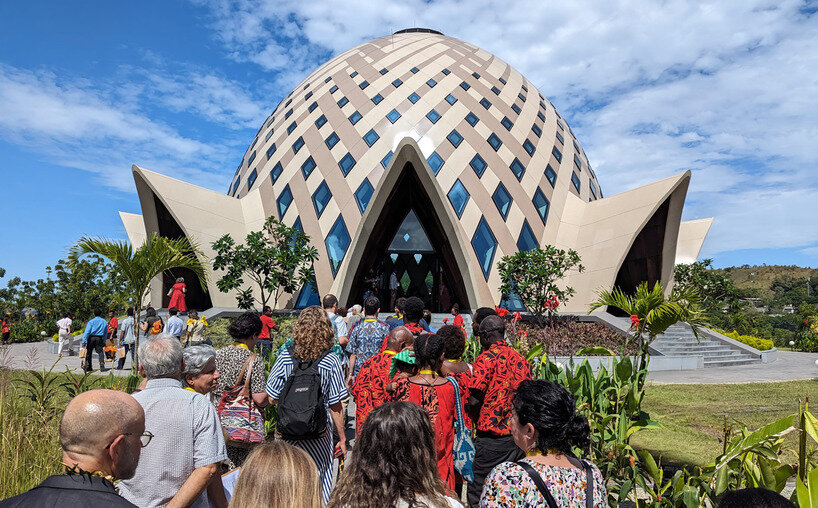
National Bahá’í House of Worship is inspired by the art of weaving
Architects Henry Lape (find more here) and Saeed Granfar (find more here) faced the challenge of distilling a universal theme from Papua New Guinea’s 800 distinct cultural groups. Amidst limited documentation, the captivating designs of Papua New Guinean art emerged as a wellspring of inspiration. Among these, the art of weaving stood out—a subtle yet recurring motif woven deeply into the fabric of daily life. In traditional village life, which remains alive and vibrant in Papua New Guinea today, and in urban households alike, woven surfaces and objects are found in abundance. Throughout the islands, lowland villages, and the highlands, traditional clothing, head-dresses, bilums, baskets, mats, canoe sails, walls, roofs, decorative articles, and artifacts are delicately woven into existence.
The House of Worship pays tribute to Papua New Guinea’s rich cultural heritage. It celebrates diversity while fostering unity, symbolizing hope and fellowship for generations to come. ‘We hold firm belief that the prayers and reflections within the House of Worship’s walls, as well as beyond them, will ignite and uphold noble actions dedicated to the continual spiritual and material progress of Papua New Guinean society‘ the architects note.




project info:
name: Baha’i House of Worship
architects: Henry Lape and Saeed Granfar | @saeedgranfar
location: Papua New Guinea
designboom has received this project from our DIY submissions feature, where we welcome our readers to submit their own work for publication. see more project submissions from our readers here.
shop
your own online design shop — no sales commission collected