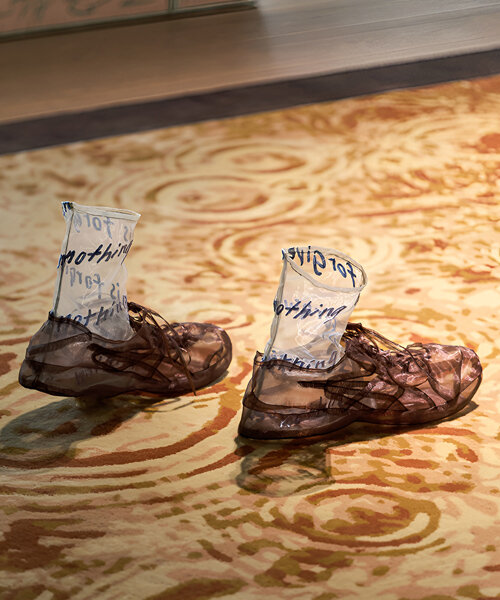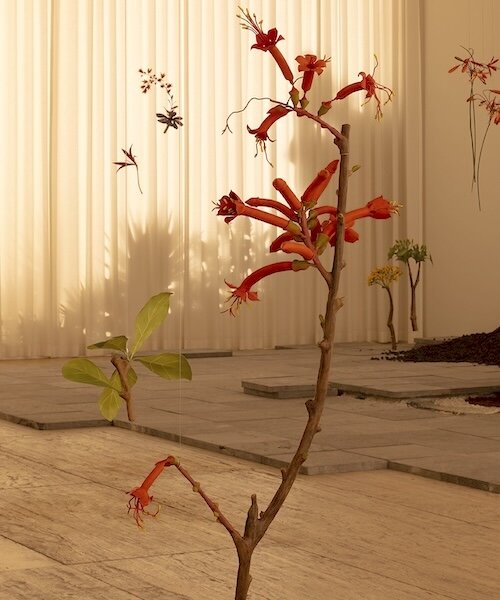
álvaro urbano brings casa cueva’s botanical memories to life at museo jumex in mexico city
in an exclusive interview, the spanish artist discusses helen fowler o’gorman’s overlooked legacy, the possibilities of architectural fiction, and why a sculpted leaf can have an attitude.
prefer designboom on google[FEATURED]
ÁLVARO URBANO REVISITS CASA CUEVA AT MUSEO JUMEX
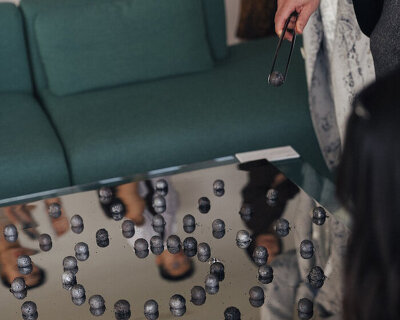
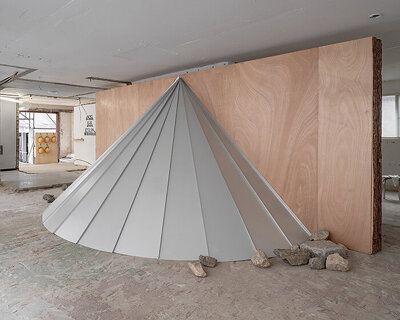
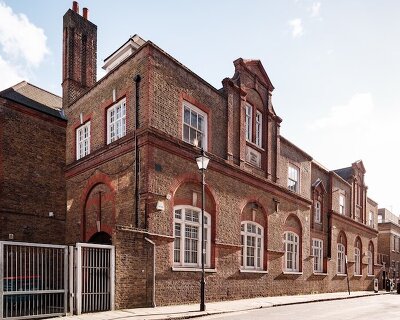
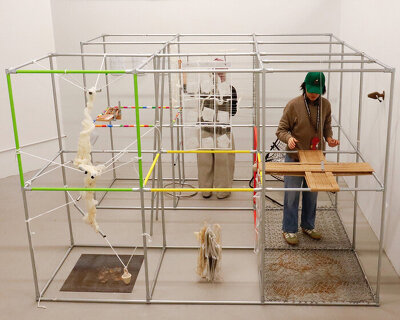
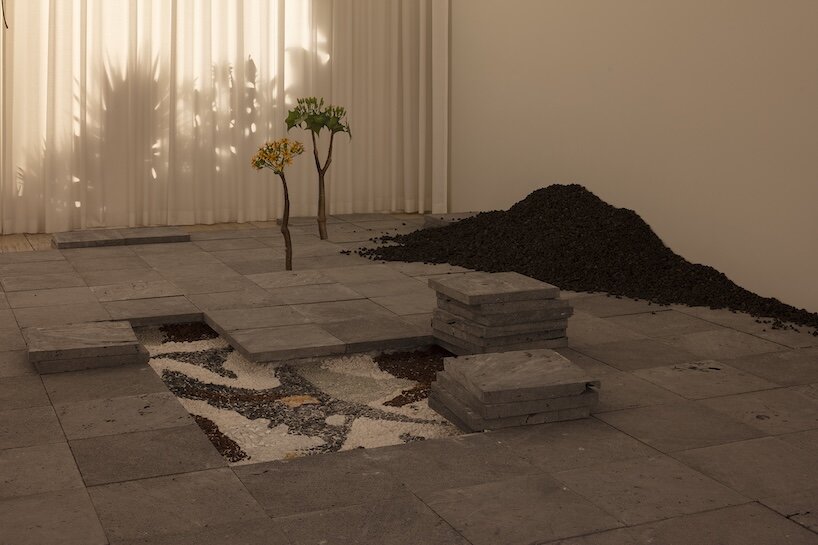
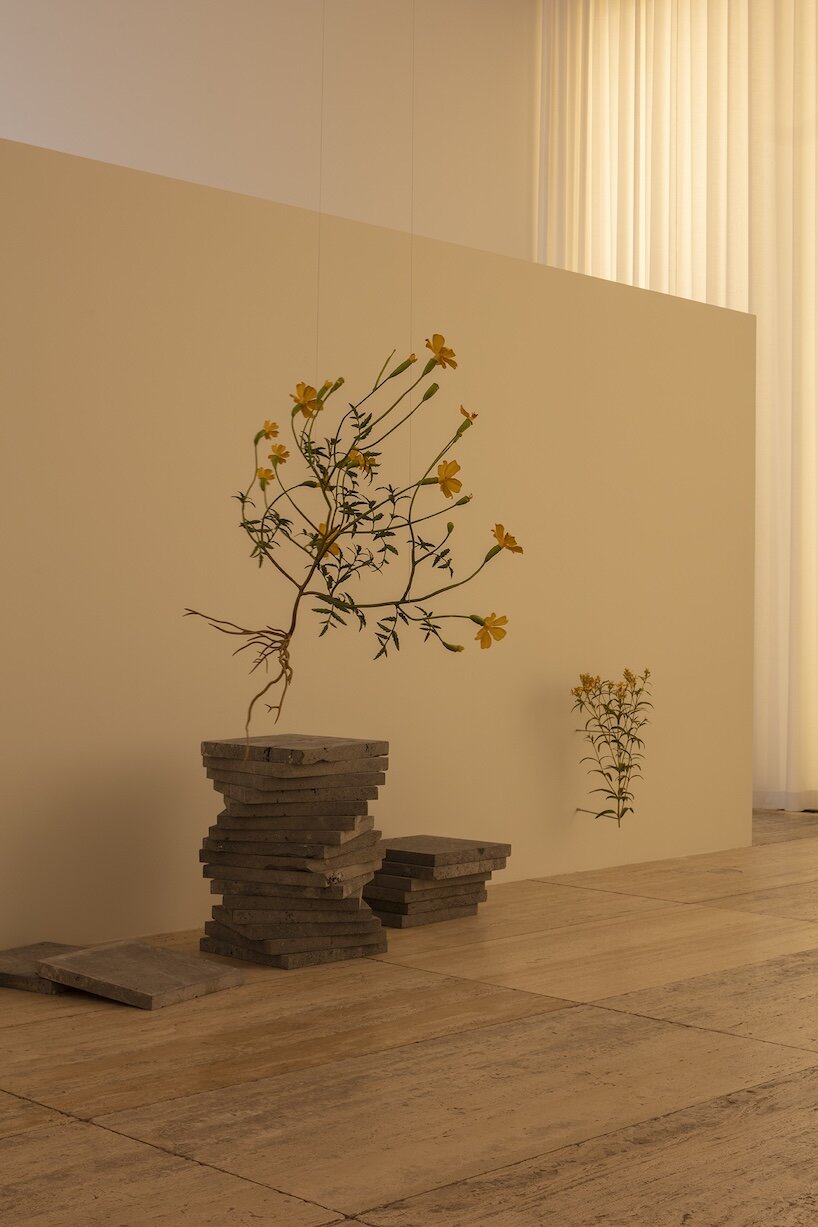
An architectural history can begin with the person tending the garden. In Helen, at Museo Jumex in Mexico City, Álvaro Urbano approaches Casa Cueva through the botanical imagination of Helen Fowler O’Gorman, the artist who shared the house with her husband, artist and architect Juan O’Gorman. Built in the mid-20th century in Pedregal de San Ángel, the home brought architecture into close contact with the surrounding terrain and vegetation. Urbano draws its histories into an installation where sculpted plants, geological references, and architectural memories occupy the same uncertain present. Curated by Rosela del Bosque and Carolina Estrada García, the exhibition runs from October 16, 2026, to February 7, 2027, placing Helen’s work and her relationship with Mexico’s flora at the center of the story.
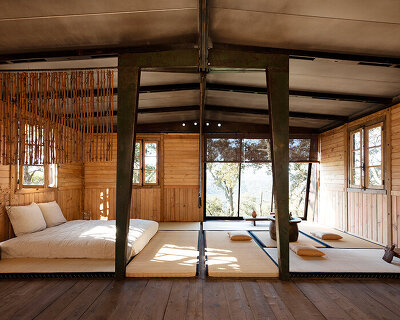
Urbano’s introduction to Helen came through conversations with Mexican friends, whose stories about Casa Cueva prompted him to investigate her practice. ‘In spaces built by their own inhabitants, architectural decisions are closely tied to a way of living,’ he tells designboom in an exclusive interview. For the artist, the house was itself a sculpture, its relationship with the landscape inseparable from the routines of those who lived there. ‘The house opened onto the landscape, or rather surrendered itself to it, incorporating the conditions of the terrain and the presence of plants.’ The garden Helen planted and maintained belonged to that same conception of space. Following her through the house shifts attention toward the daily acts of observation, cultivation, and care that helped give the architecture its character.
HELEN FOWLER O’GORMAN’S BOTANICAL WORLD TAKES SHAPE
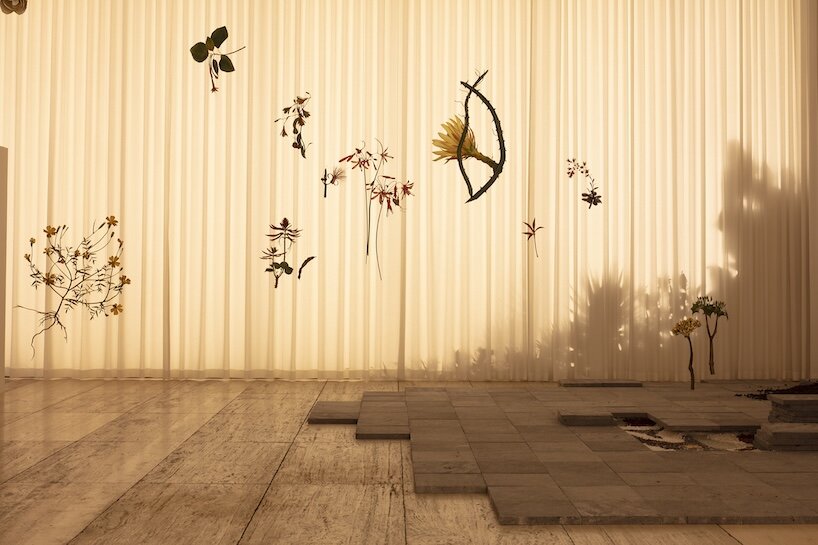
Inside her studio at Casa Cueva, Helen spent fifteen years working on the book published in 1961 as Mexican Flowering Trees and Plants. Its scope extended beyond her garden into the wider Mexican landscape, which she explored alongside Juan. While he searched for differently colored minerals for his petro-murals, she collected flowers and plants. ‘There is something beautiful about that shared search for color: he found it in minerals; she found it in flowers and plants,’ Urbano reflects. The parallel gives the exhibition an intimate point of departure: two practices looking at the same terrain, gathering different elements, and bringing them back into a shared domestic world.
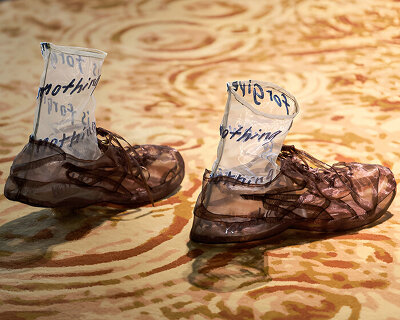
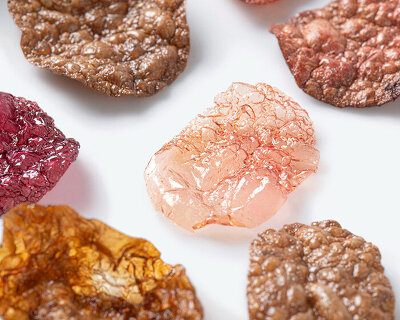
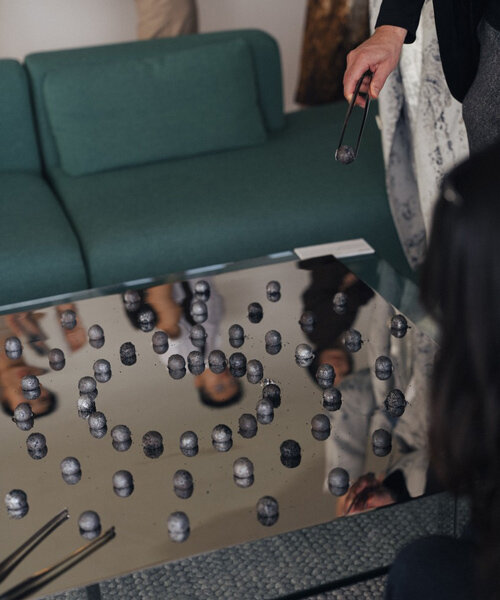
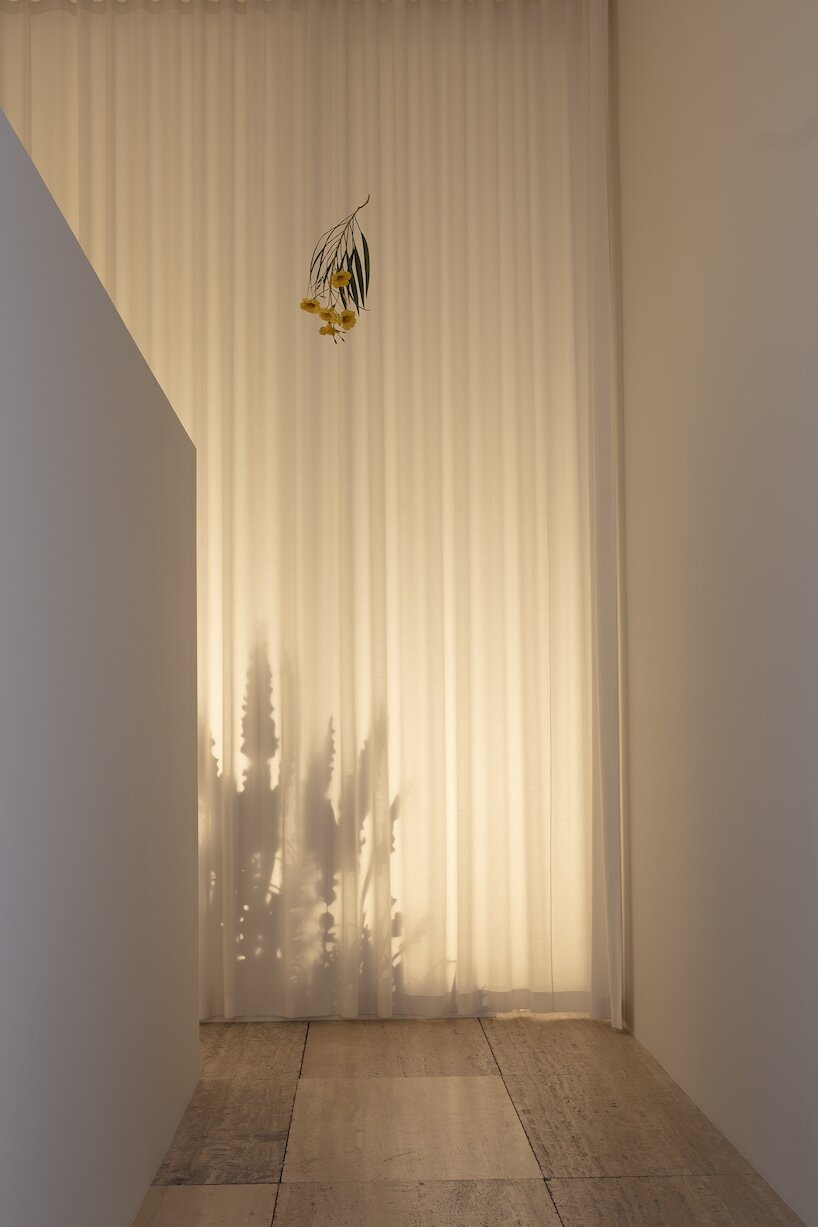
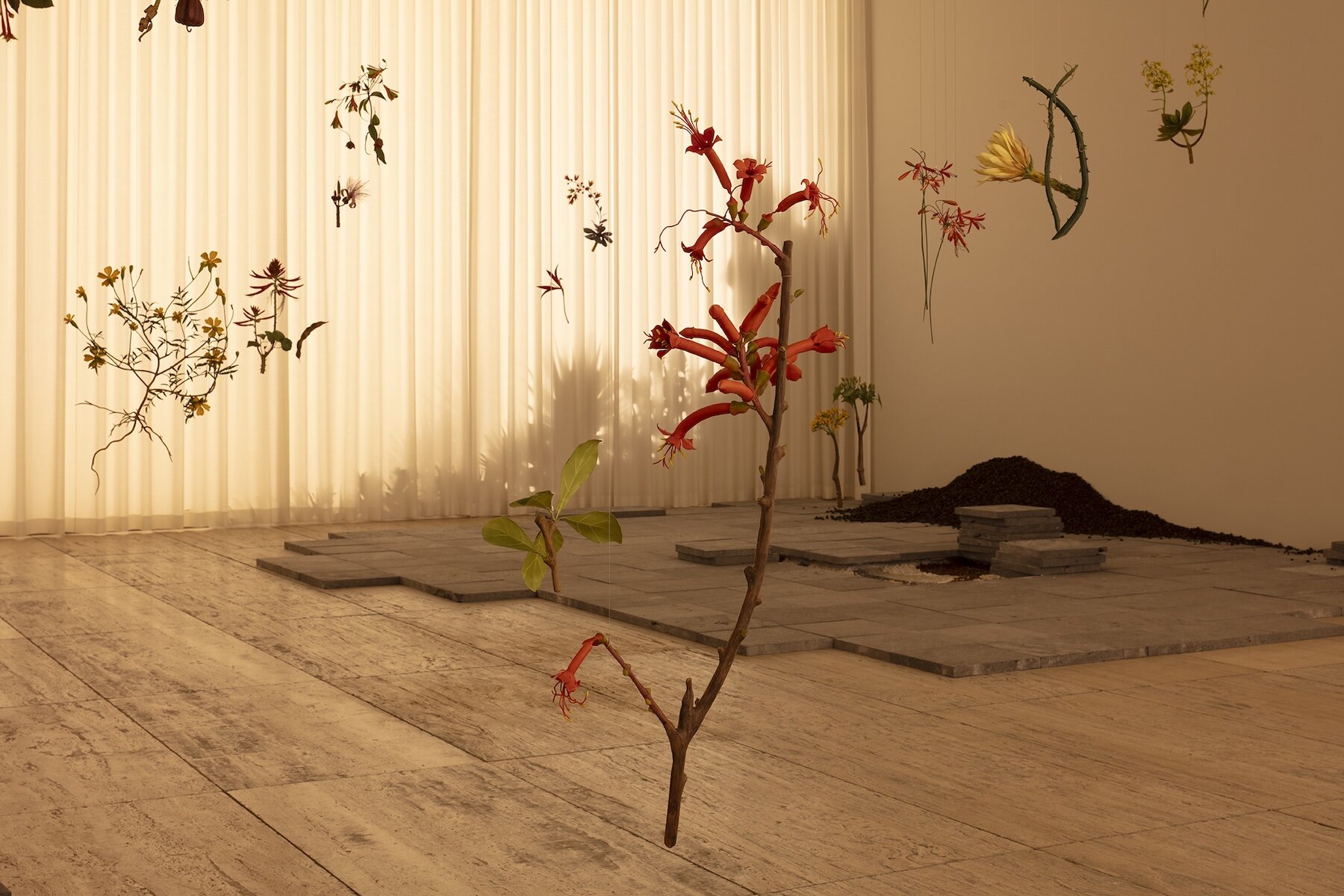
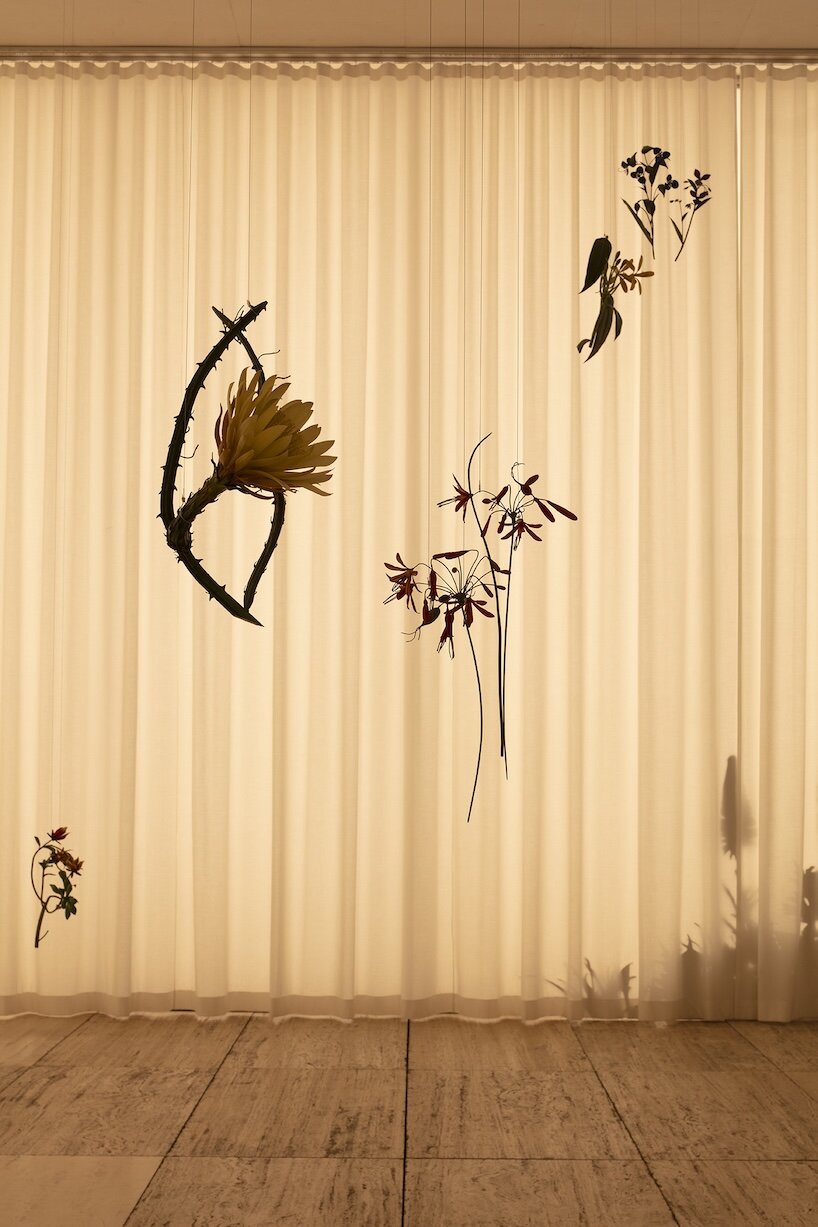
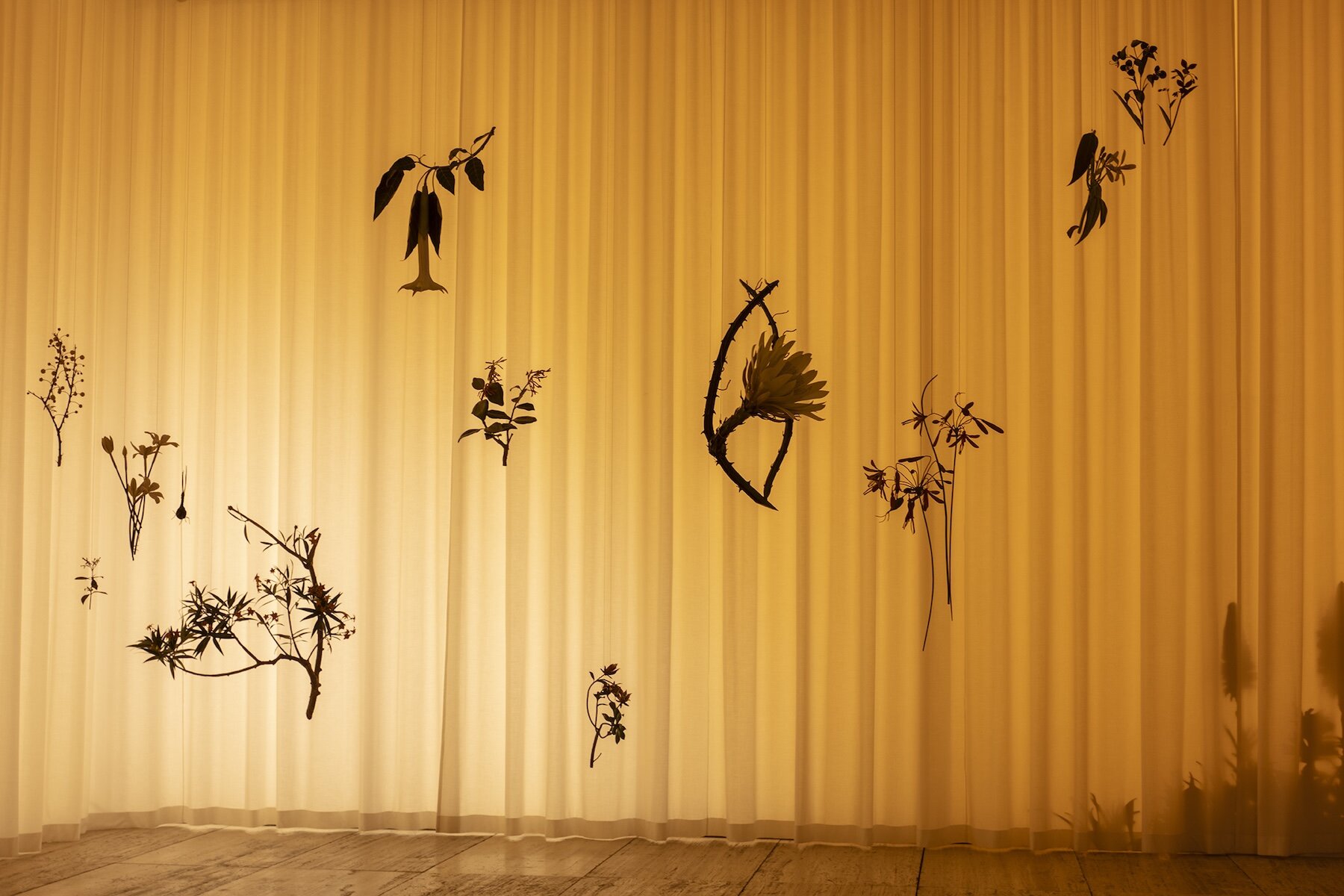
With Helen’s original watercolors lost, Urbano turned to the book’s printed reproductions, translating their botanical imagery into three-dimensional forms through metal and paint. ‘I conceived these sculptures as small monuments to her way of observing Mexico’s flora, to her affections and the attention she devoted to it,’ he explains. That passage from watercolor to printed page to sculpture makes the distance from the originals part of the work. Helen’s plants enter another material life, carrying traces of her looking alongside the decisions of the artist interpreting them. Within the installation, they coexist with references to the Pedregal’s geological landscape, Juan’s petro-murals, and the later alterations made by Mexican artist Helen Escobedo, who subsequently occupied Casa Cueva.
ARCHITECTURAL FICTION ALLOWS DIFFERENT TIMES TO COEXIST
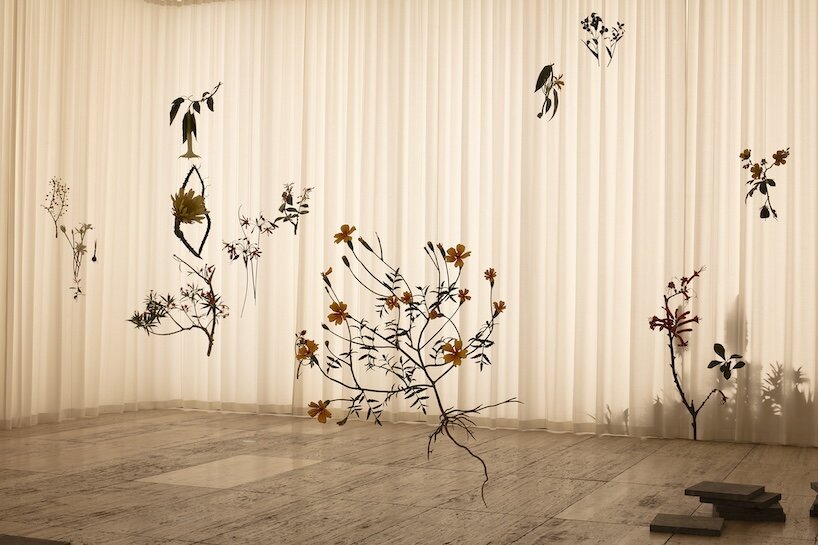
Those successive lives remain deliberately unresolved. ‘We do not know whether the petro-murals are being covered or uncovered,’ Urbano says of the installation. ‘Rather than fixing an original state of the house, I wanted its different times to coexist.’ Testimonies, photographs, and material remnants offer access to Casa Cueva while leaving gaps and occasionally contradicting one another. Urbano gives those inconsistencies room within the exhibition, allowing the house to emerge through the experiences of its inhabitants. A visitor encounters a place whose transformations resist a single definitive account, with Helen’s botanical work providing a way into memories that architectural histories can leave at the margins.
This interest in unfinished stories extends across Urbano’s practice, which frequently returns to interrupted projects and places where something remains pending. Fiction lets him change the coordinates: continue an abandoned possibility or bring together moments that never coincided. ‘Architecture thus becomes a character with its own voice, capable of recounting its changes, triumphs, and failures,’ he explains. The question ‘what if?’ opens a building to possibilities beyond its documented past. It also prompts a closer look at the construction of that record: whose version survives, which experiences disappear, and what might still be told through the gaps. In Helen, that freedom allows the house’s botanical, geological, and domestic histories to share a stage.
SCULPTED PLANTS AND THE ART OF BELIEVABLE ILLUSION
Theater and cinema inform how Urbano builds these encounters, giving apparently ordinary objects the ability to suggest events beyond the visitor’s view. Describing his installations, he points to cigarette butts that imply someone has just been there, or dry leaves that suggest a gust of wind has crossed a room. ‘Illusion allows me to show the life of an object,’ he says. ‘More than replicating its appearance, I seek to imitate its life and transport it into a setting where it can tell a story.’ Such details invite viewers to assemble their own account of what happened. Urbano connects this process to memory itself: fragmentary, blurred, and liable to absorb things that never occurred.
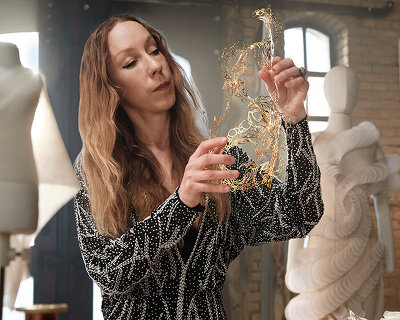
The illusion also rewards close inspection. Urbano sculpts the works in his Berlin studio without taking molds from the original objects, making each bend and inclination a deliberate gesture. ‘The tilt of a leaf or the orientation of a flower gives them an attitude,’ he explains. ‘I am interested in how the object looks at you, what relationship it establishes with you.’ Approaching the sculptures reveals their materials and the traces of their making, adding another encounter to the one suggested from a distance. For Urbano, discovering how the scene has been constructed leaves its emotional possibilities intact: ‘As in theater, recognizing the artifice does not prevent us from entering the fiction or establishing an emotional connection with what happens.’
project info:
name: Helen
artist: Álvaro Urbano | @alvaro_urbano
location: Museo Jumex, Mexico City | @museojumex
dates: October 16, 2026 – February 7, 2027
This article is part of designboom’s POSTHUMAN UTOPIAS chapter, exploring what happens when humans are no longer the measure of all things. These stories rethink our relationship with the planet through interspecies architecture, living materials, regenerative landscapes and emerging technologies – learn more here! The chapter is presented in partnership with INDX|GLOBAL – a global cultural platform placing Indian architecture, design, and creative intelligence in conversation with the world.
Each designboom editorial series explores one theme in depth through projects, interviews, features and news across architecture, design, art and technology. Discover more chapters here, and get in touch if you’d like to submit a story through our submissions portal or contact form.

shop
your own online design shop — no sales commission collected