anselm kiefer’s vast installations take over amsterdam’s stedelijk and van gogh museums
the exhibition, running through june 9th, 2025, brings together 25 works by the acclaimed german artist.
prefer designboom on google[FEATURED]
Dutch art institutions collaborate for anselm Kiefer exhibition
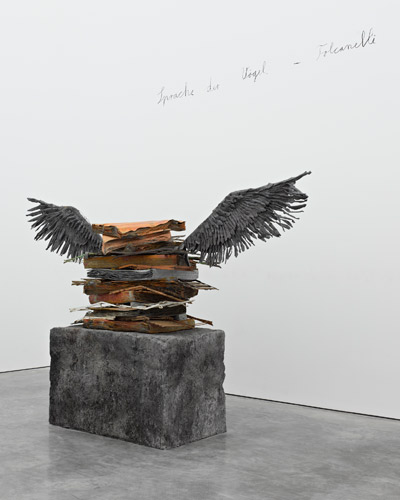
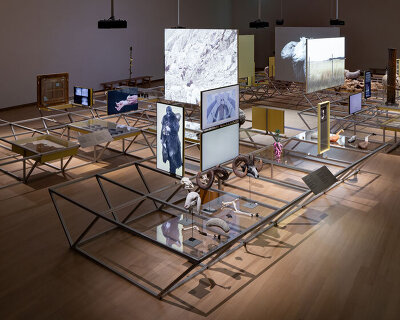
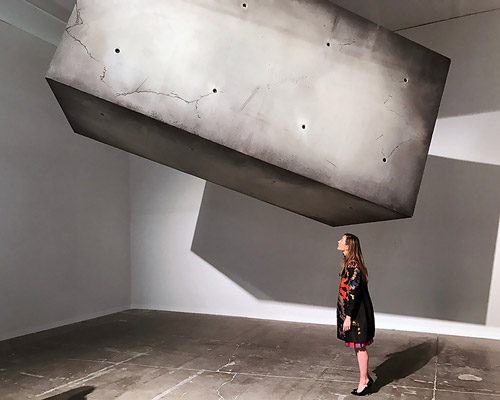
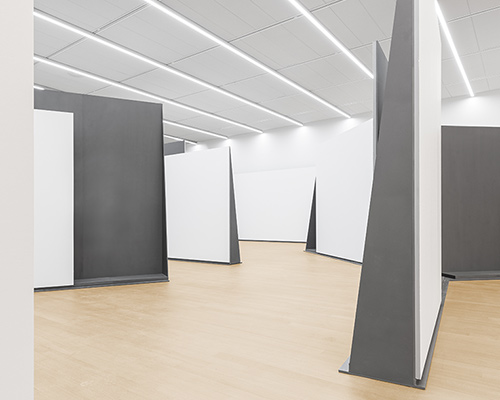
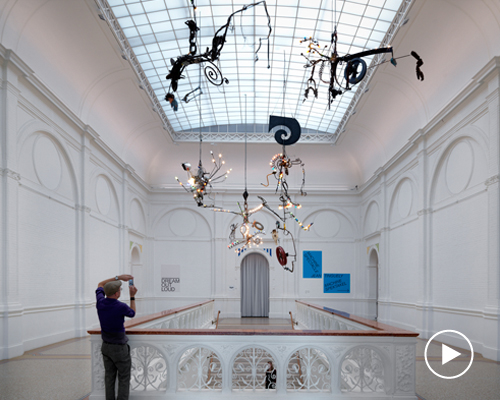
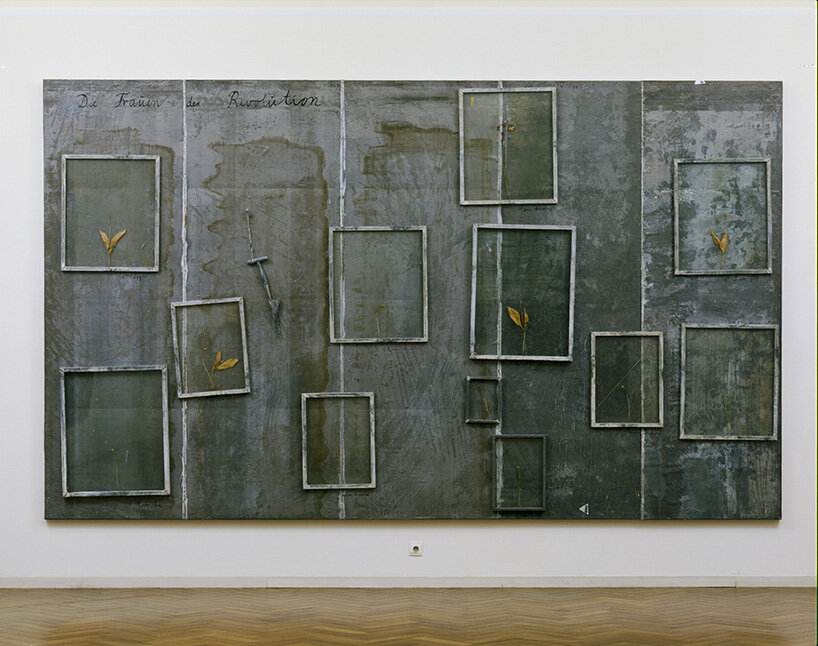
For the first time in their history, the Van Gogh Museum and the Stedelijk Museum Amsterdam team up to present Anselm Kiefer—Sag mir wo die Blumen sind, an exhibition that brings together 25 works by the acclaimed German artist. Running through June 9th, 2025, the show spans both museums, tracing Kiefer’s deep-rooted connections to Vincent van Gogh, Dutch art institutions, and his ongoing exploration of history, memory, and the passage of time.
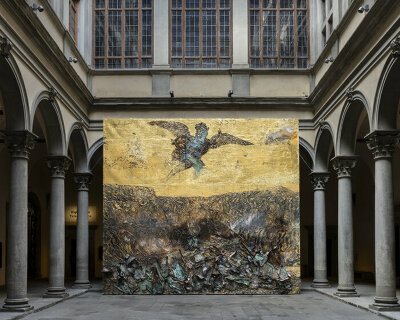
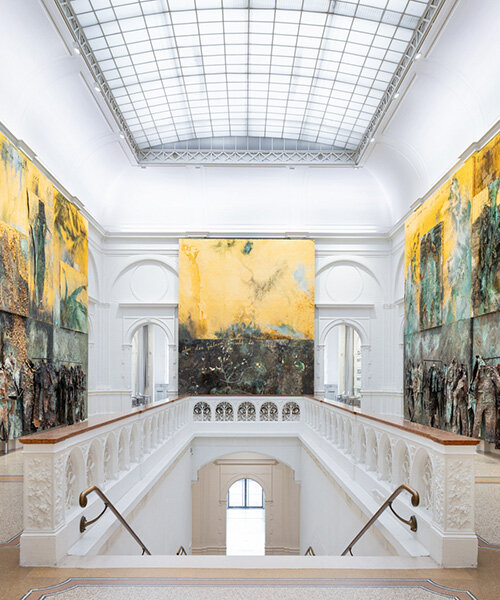
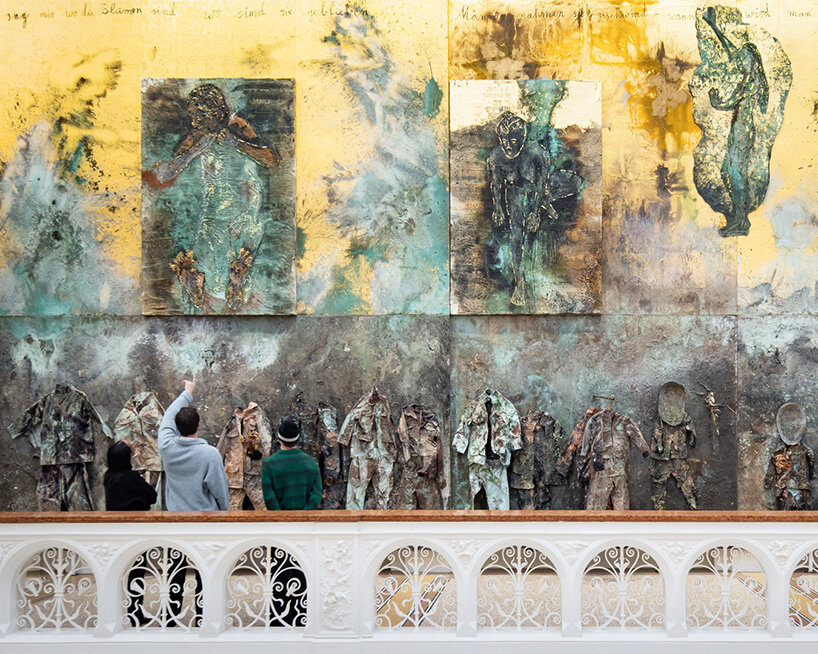
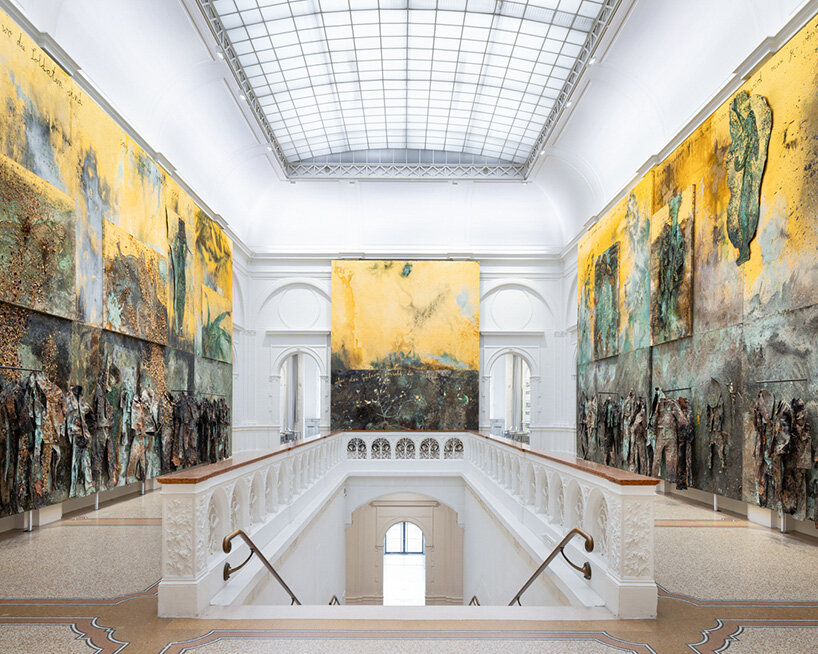
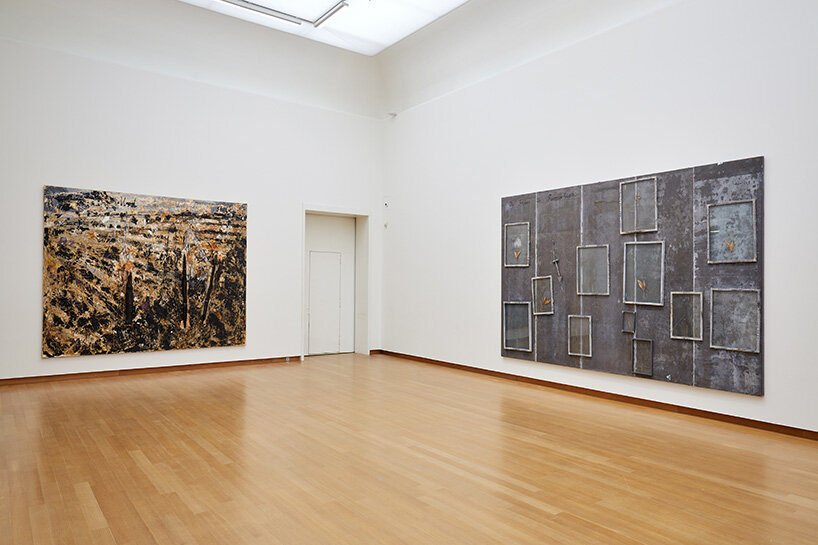
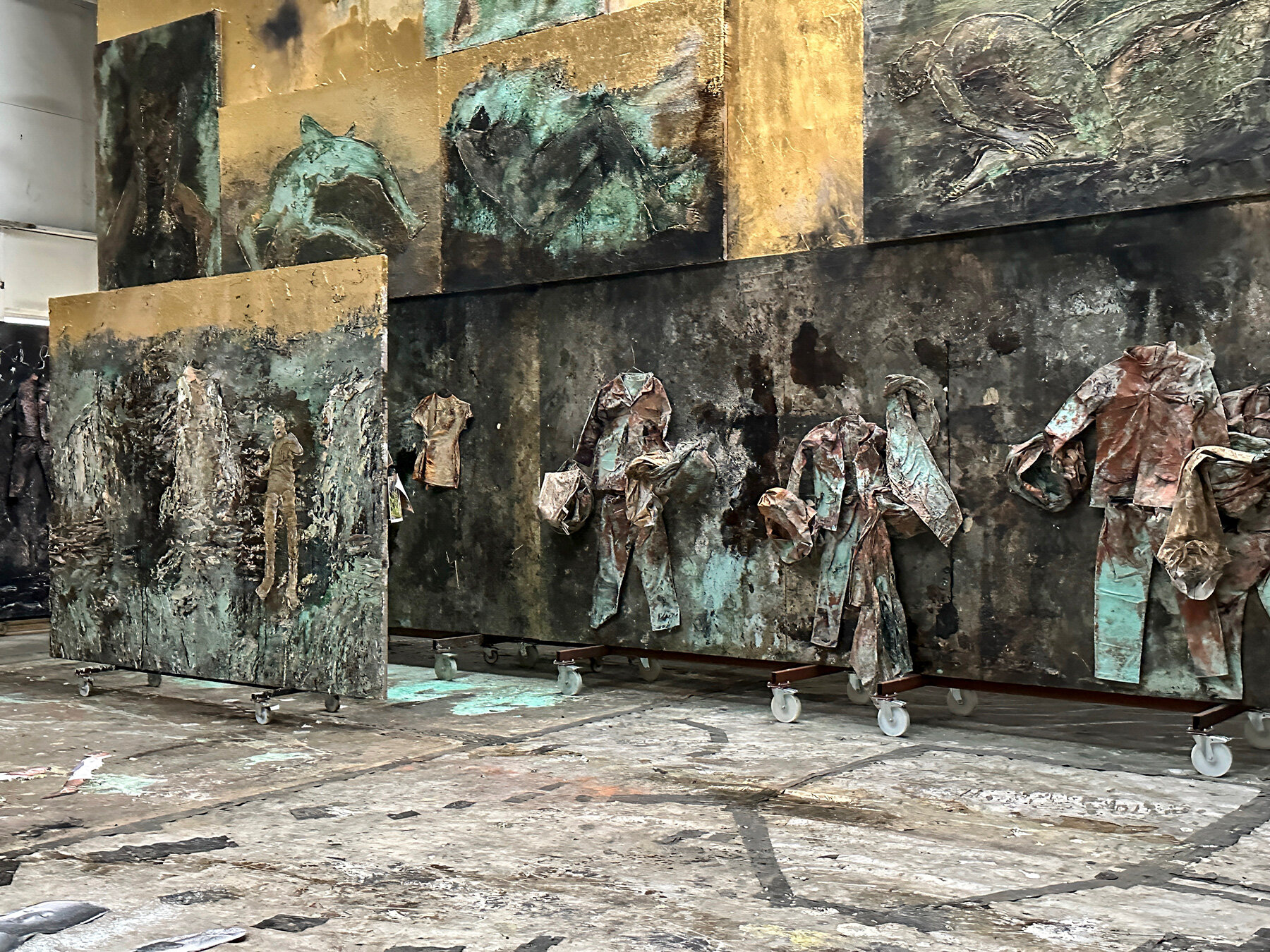
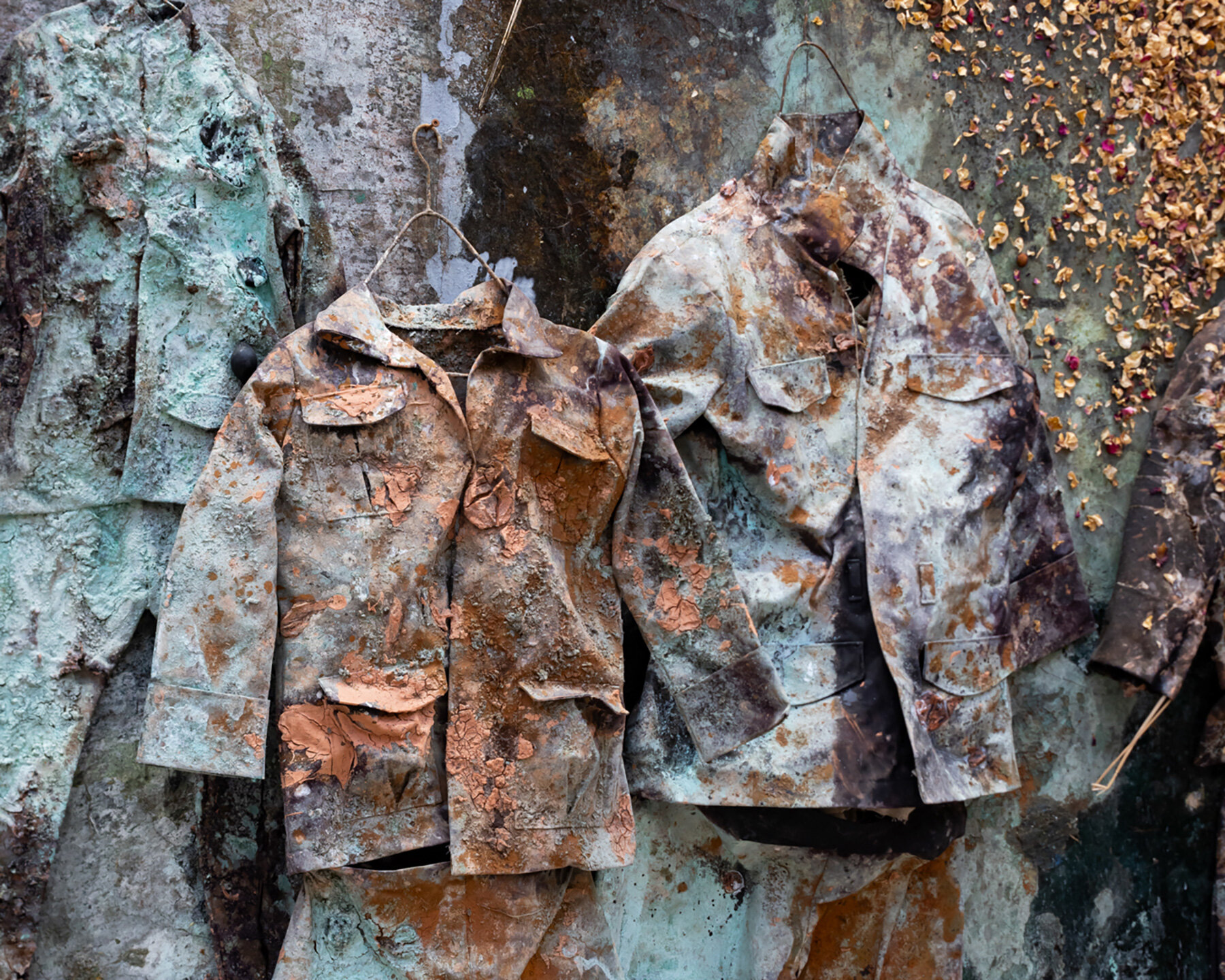
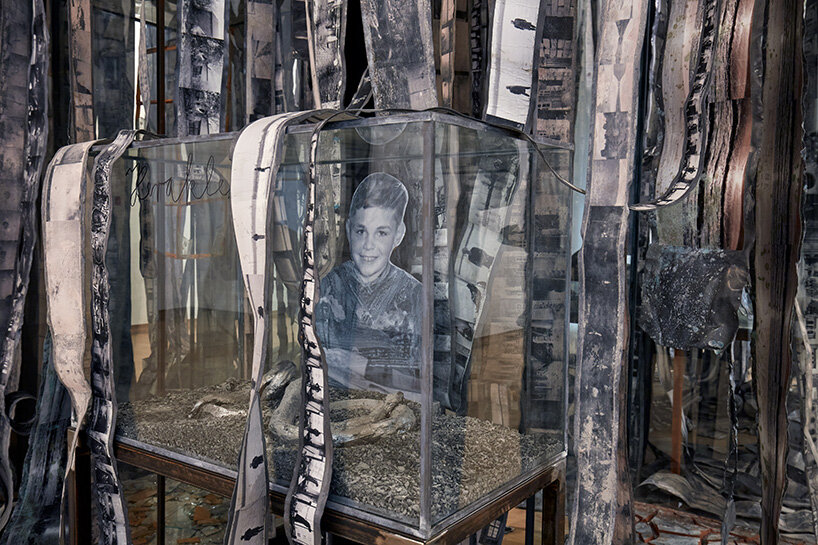
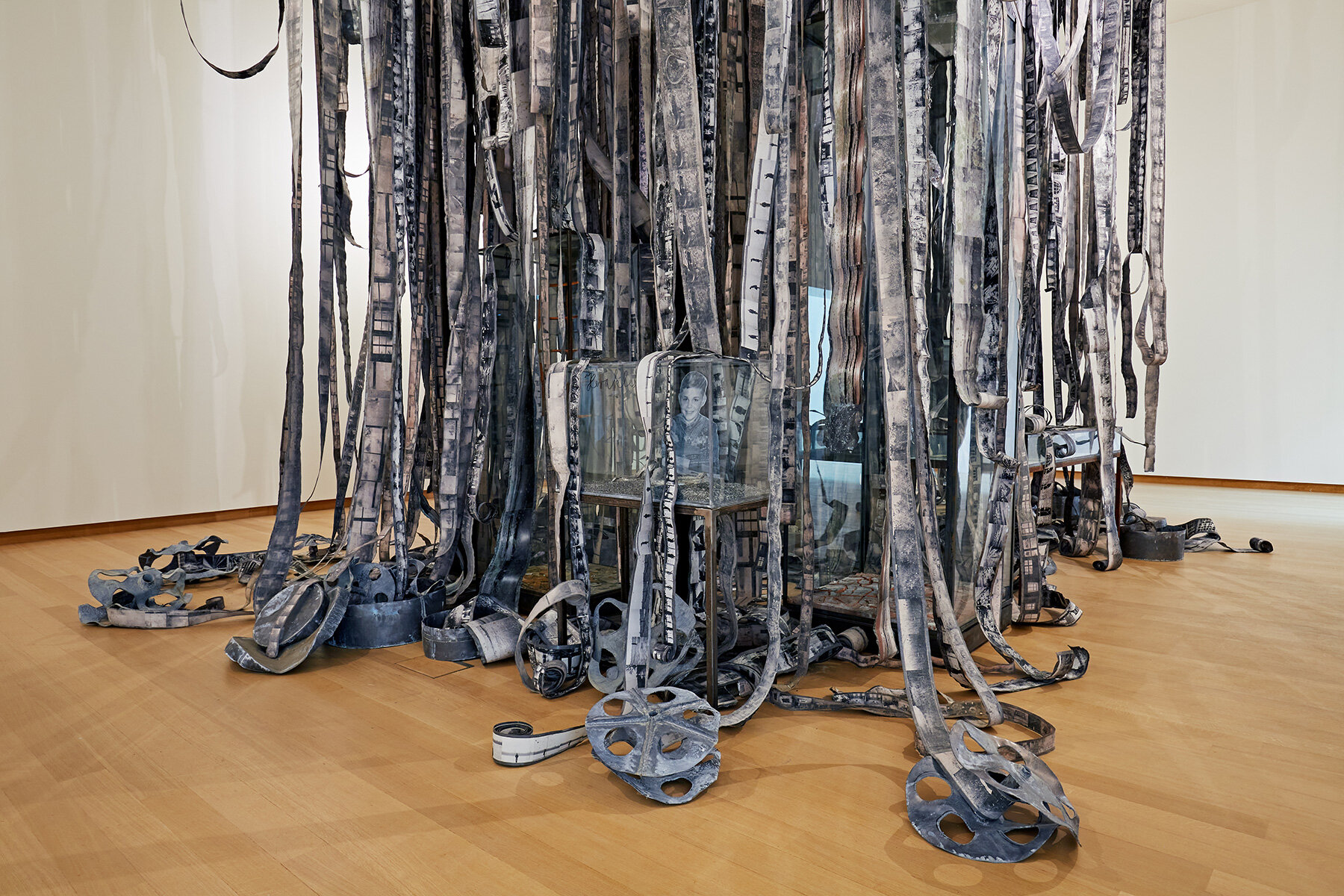
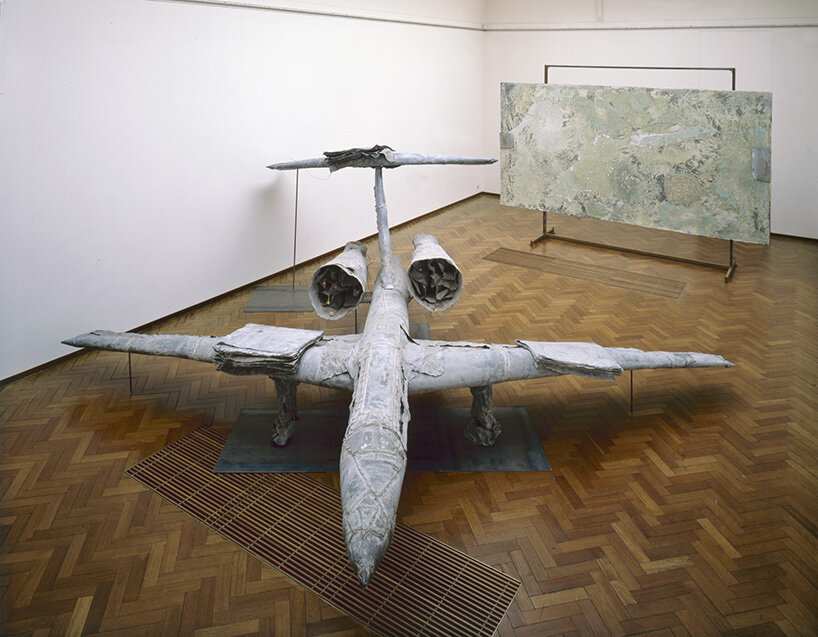
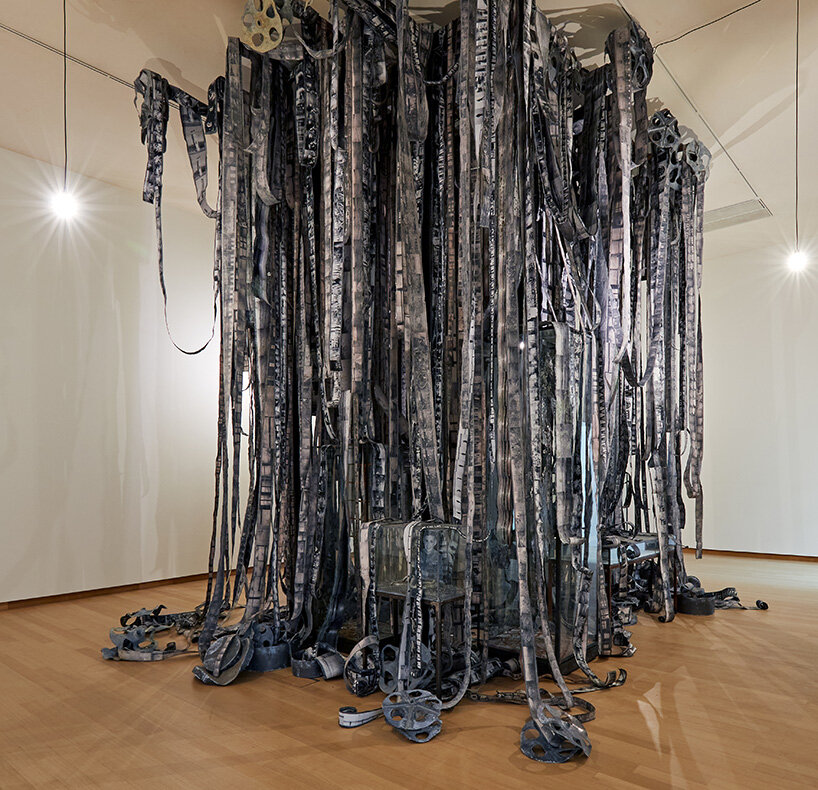
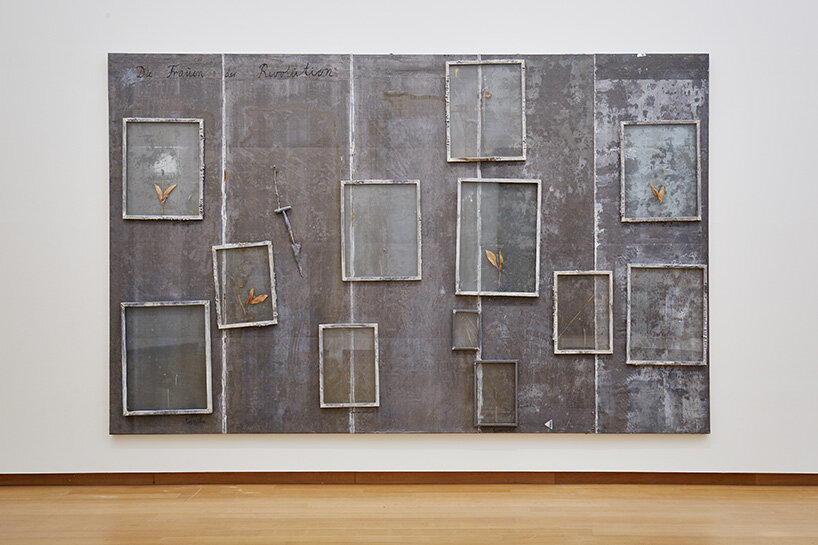
Named after a 1955 protest song, famously performed by Marlene Dietrich in 1962, the exhibition shares its title with Kiefer’s vast installation debuting at the Stedelijk Museum. Measuring over 24 meters in length, the piece combines paint, clay, dried rose petals, uniforms, and gold—reflecting the cycles of life and death, as well as the persistence of history. Alongside this, Kiefer reveals another large-scale installation, ‘Steigend, steigend, sinke nieder,’ a haunting assemblage of photographs and lead, a material he frequently employs to reference the heavy weight of historical memory.
Van Gogh Museum show connects the paths of the two artists
Anselm Kiefer’s Sag mir wo die Blumen sind takes its title from Where Have All the Flowers Gone?, a 1955 folk song written by American singer-songwriter Pete Seeger and performed by Marlene Dietrich in German in the 60s. Kiefer highlights one line from the song in particular—When will we ever learn?—lamenting how history seems doomed to repeat itself. ‘The rest of the song is a little kitschy, but this is a deeper thing,’ the artist notes in an interview cited by The New York Times, drawing parallels between current events and Germany in 1933.
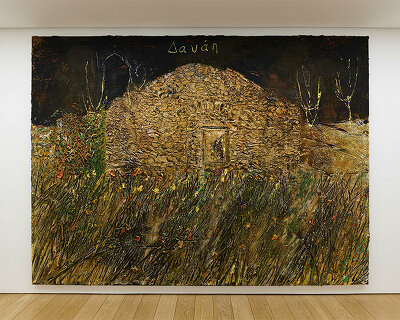
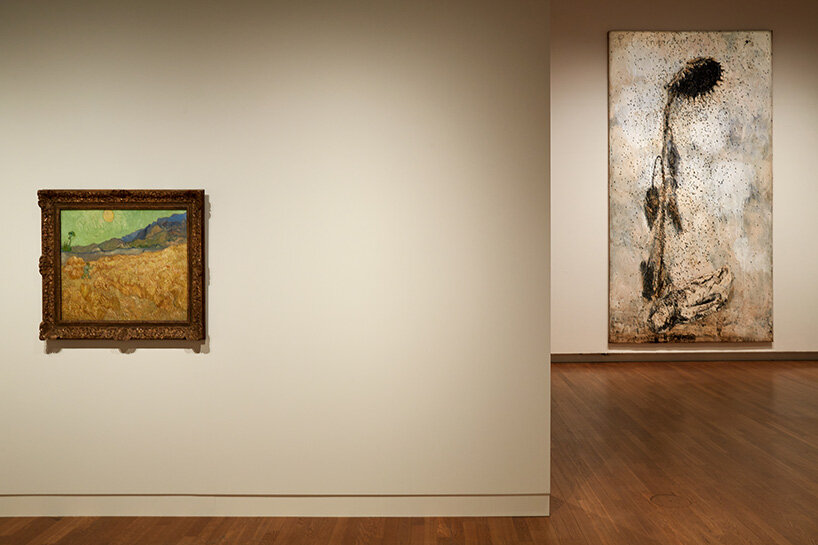
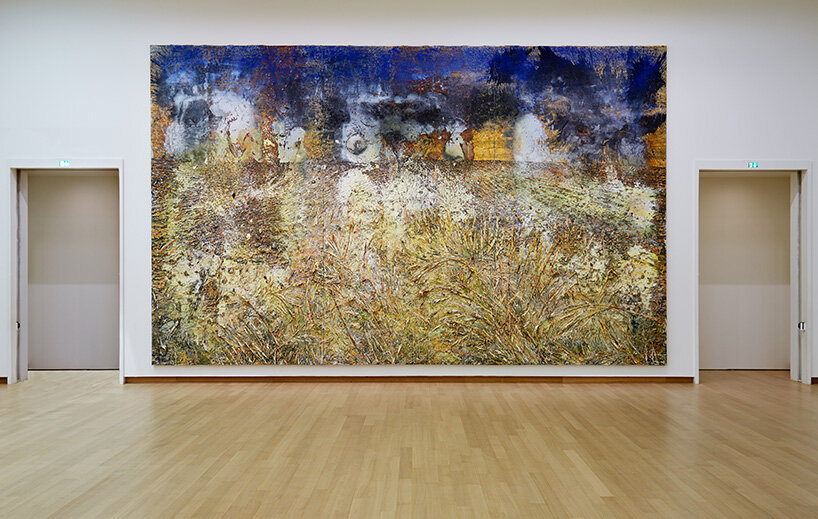
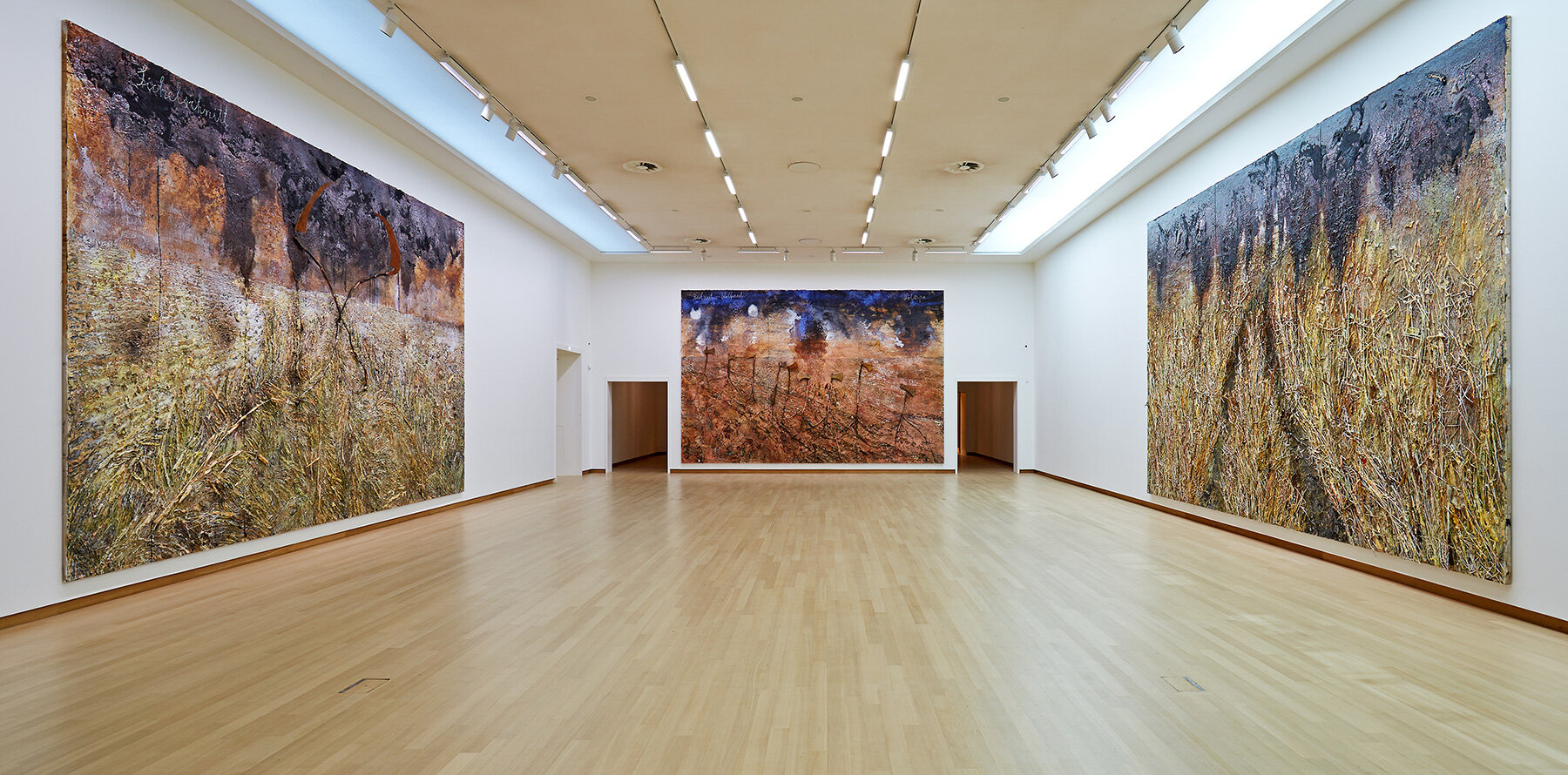
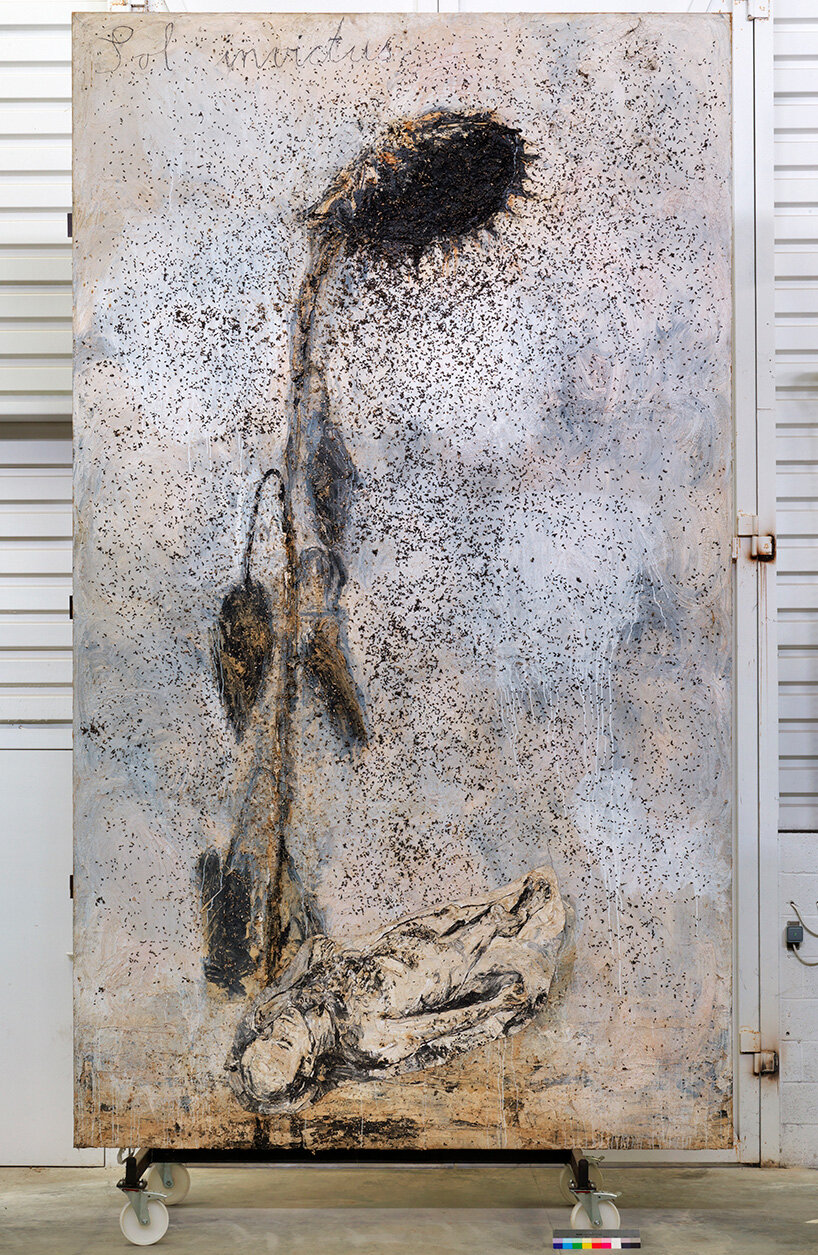
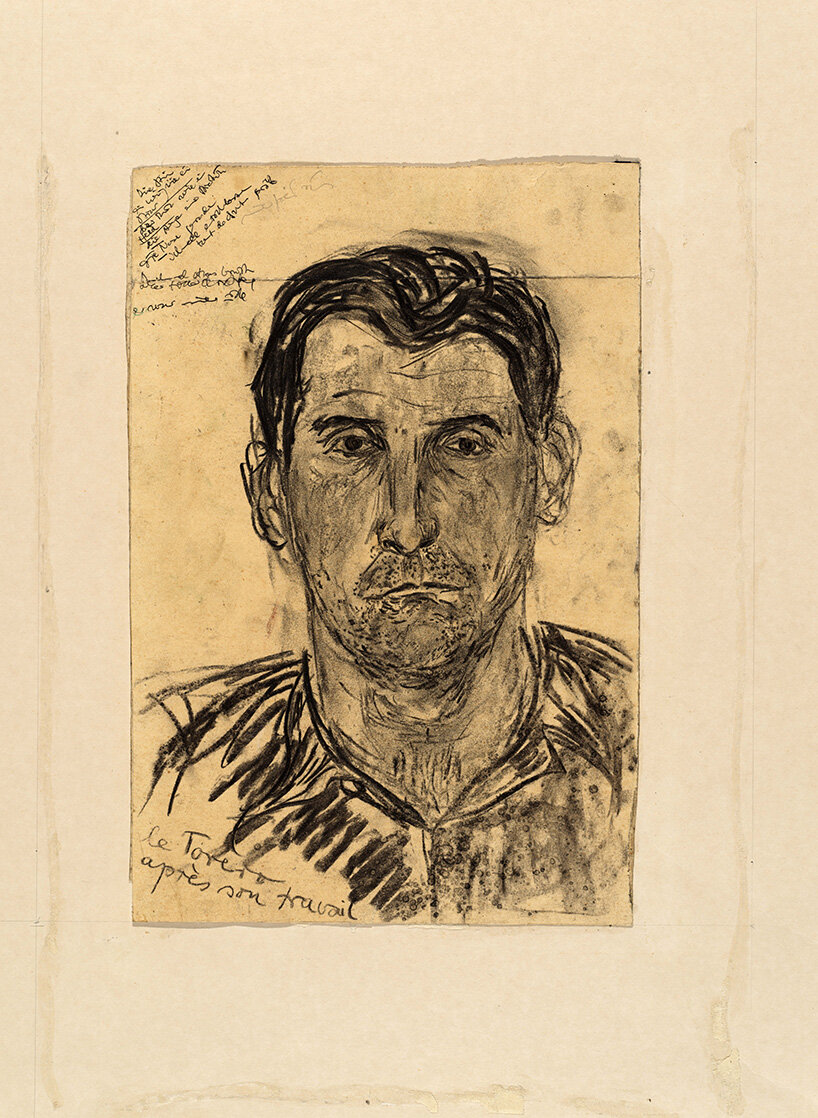
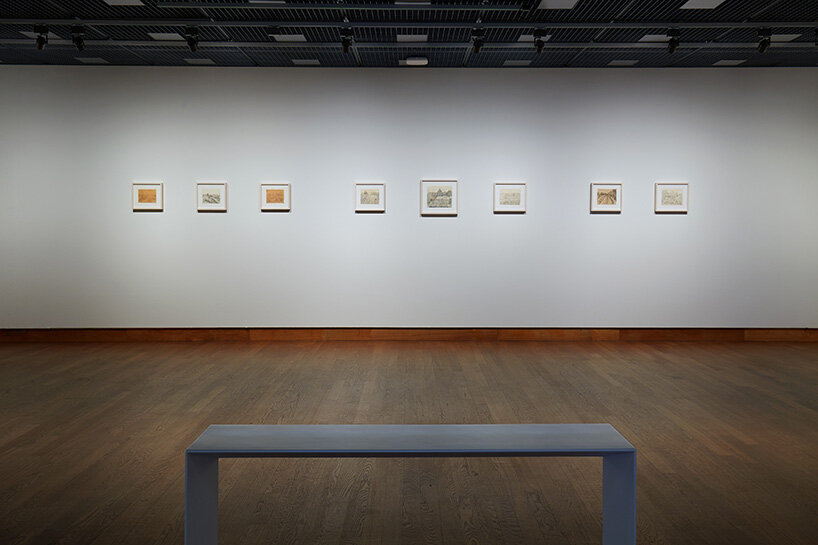
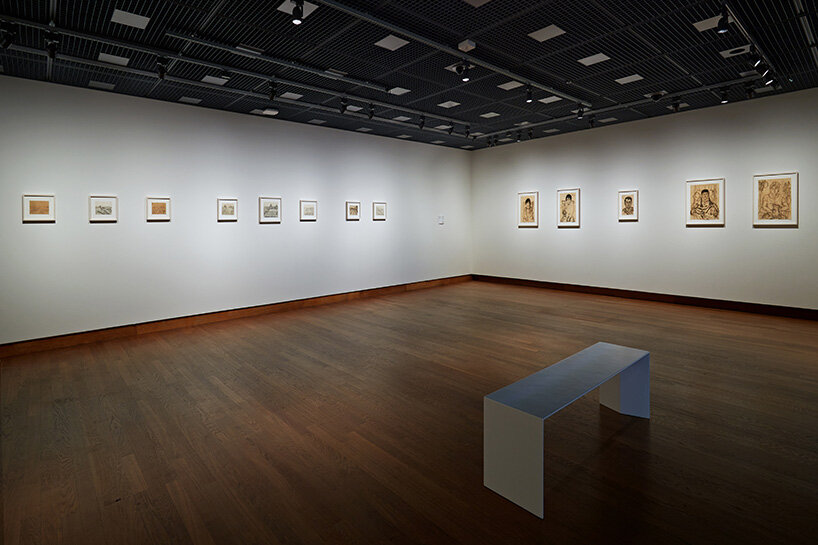
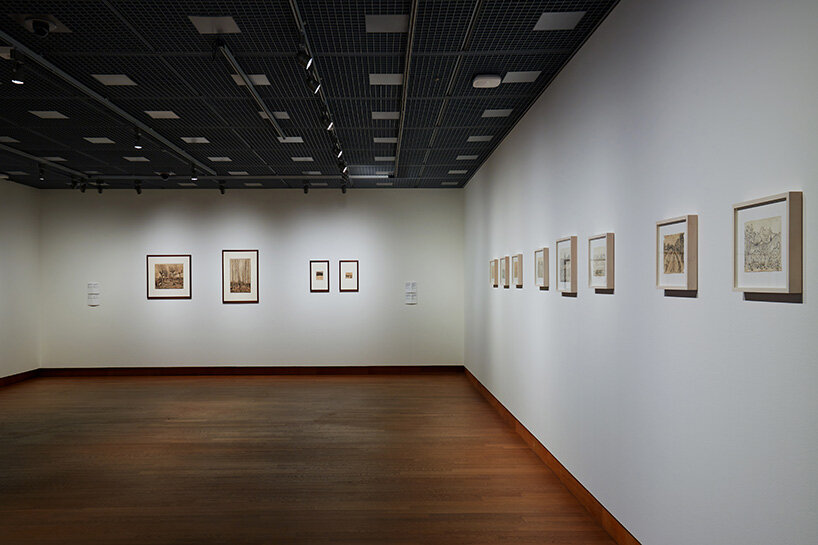
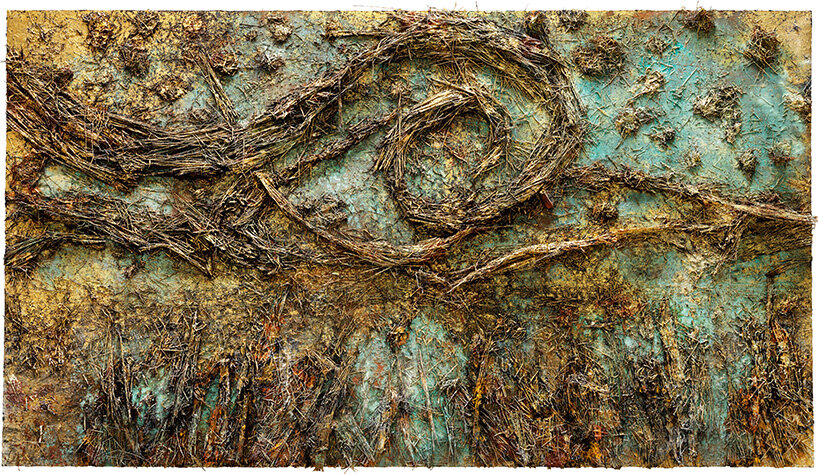
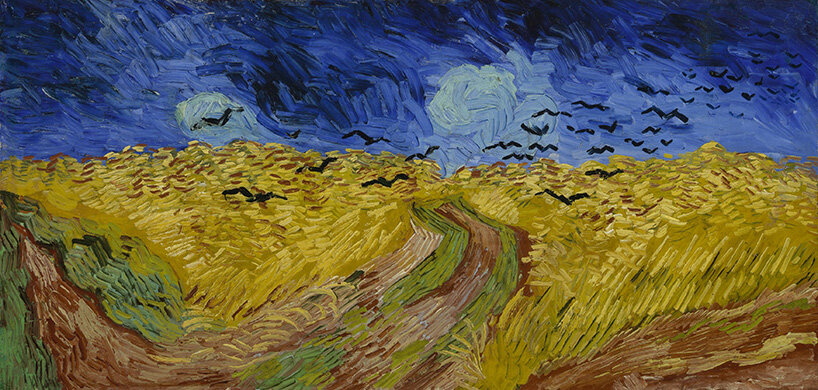
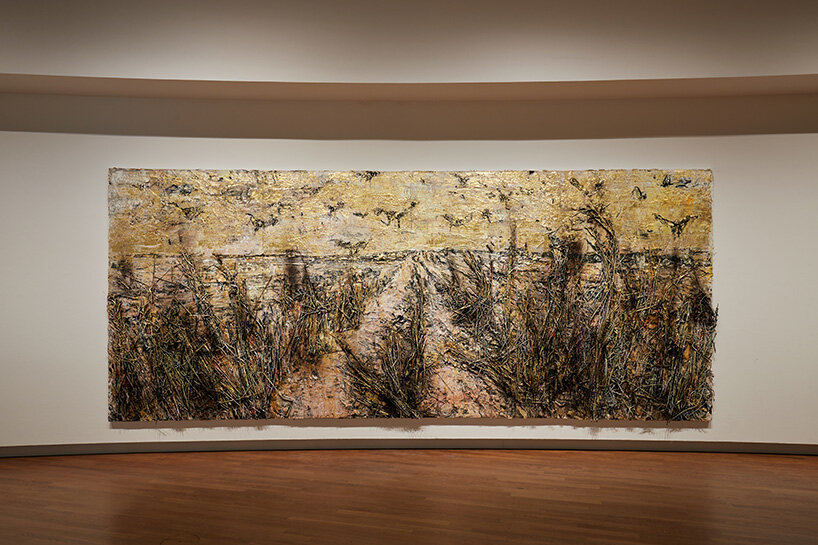
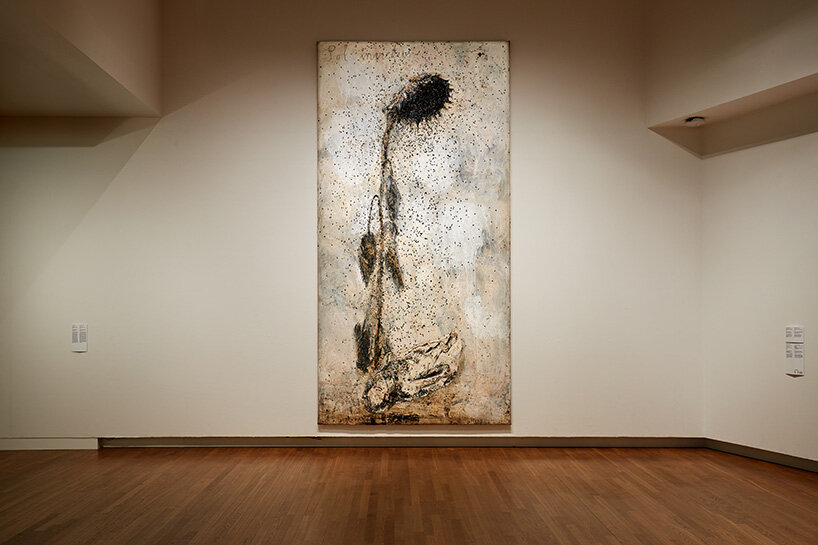
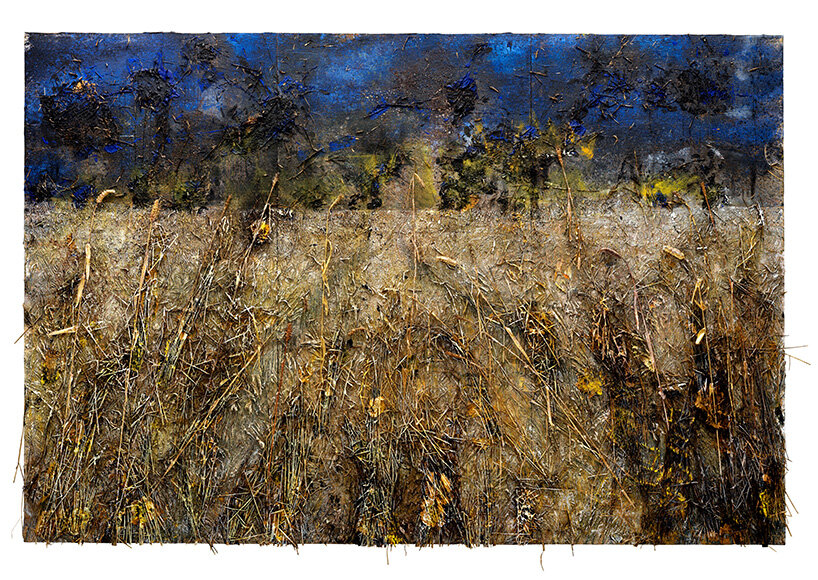
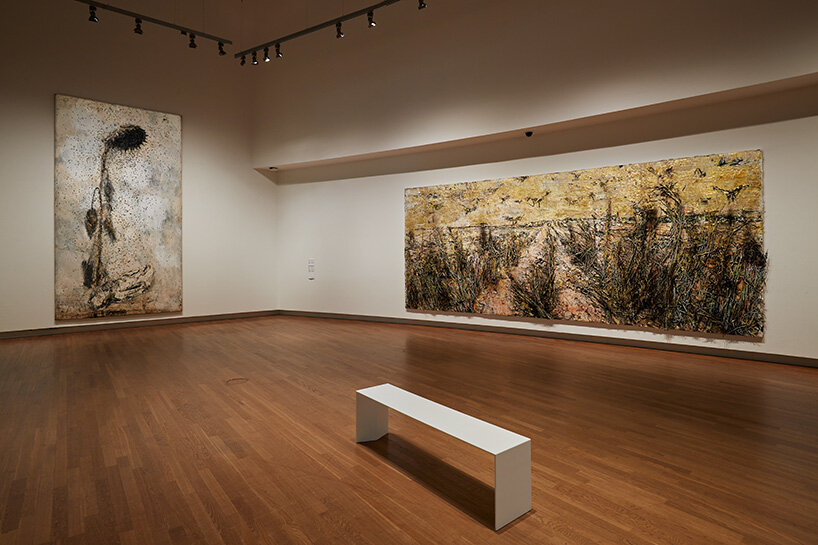
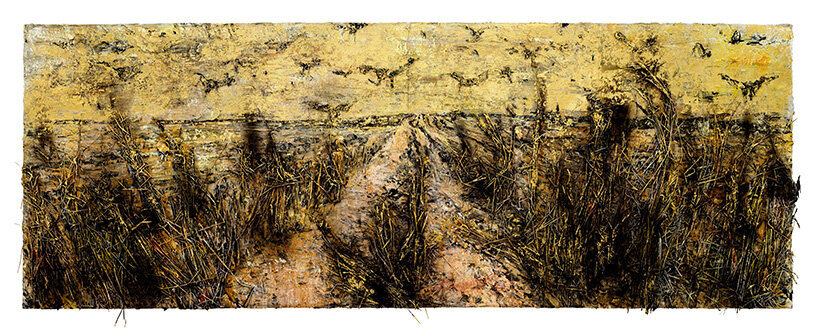
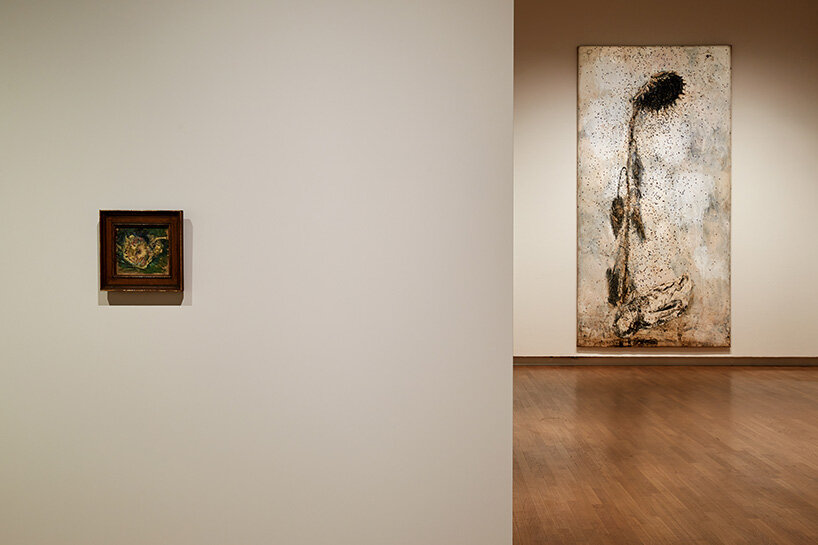
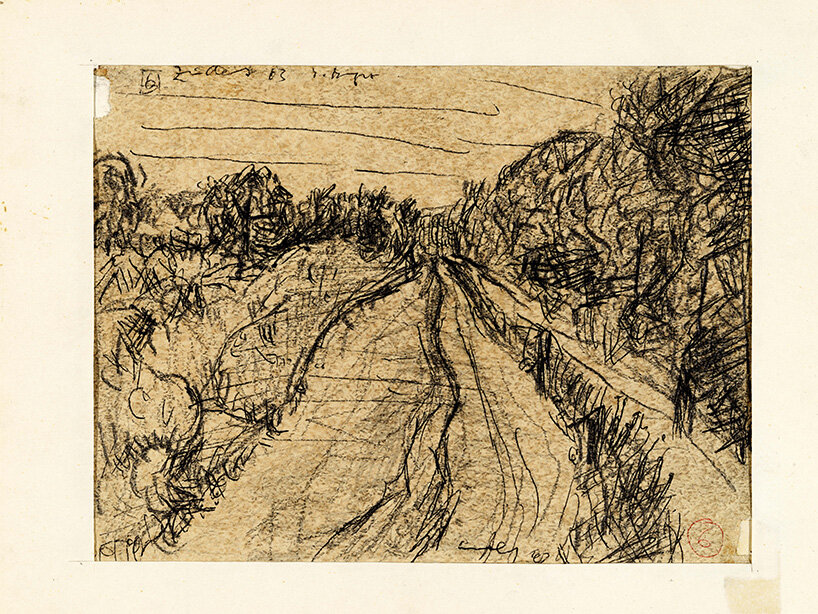
At Van Gogh Museum, the exhibition delves into Anselm Kiefer’s enduring fascination with Van Gogh, an influence that dates back to 1963, when the young artist retraced the Dutch post-impressionist painter’s path from the Netherlands through Belgium and France. The show pairs the German painter and sculptor’s monumental landscapes with Van Gogh’s Wheatfield With Crows (1890), drawing out their shared visual language of turbulent skies and thick, expressive brushwork. Seven new works by Kiefer appear alongside previously unseen paintings and thirteen early drawings, offering a glimpse into the evolution of his practice.
‘Anselm Kiefer has been engaged with Van Gogh’s work from his early years. Sometimes the inspiration is almost literal, as in the use of sunflowers and the composition of his landscapes,’ says Emilie Gordenker, director of the Van Gogh Museum. ‘Kiefer’s recent work—displayed here for the first time—shows how Van Gogh continues to make his mark on his work today.’
the Stedelijk pairs early works with recent installations
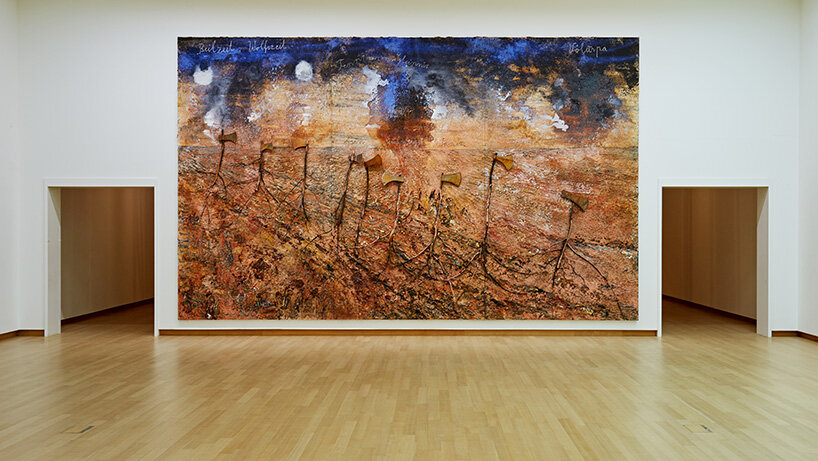
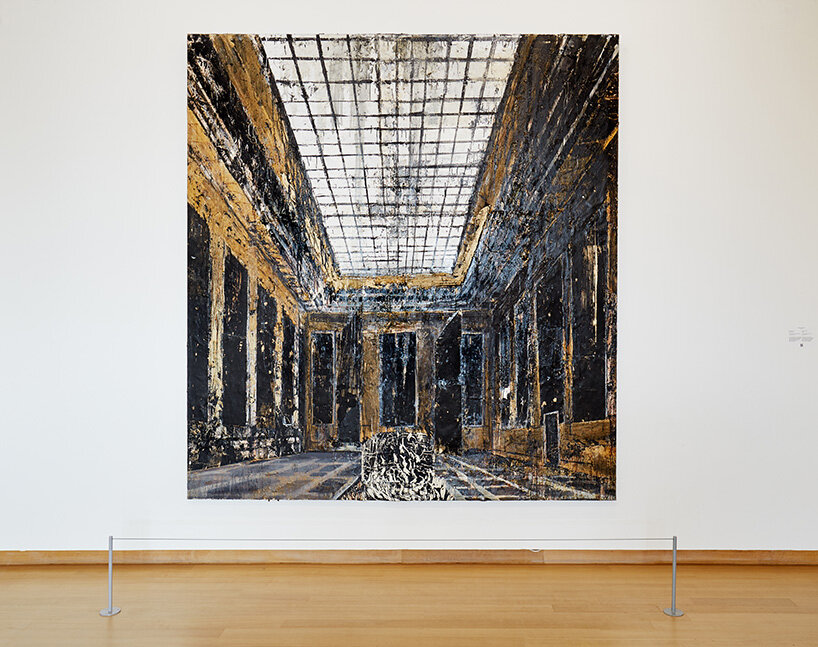
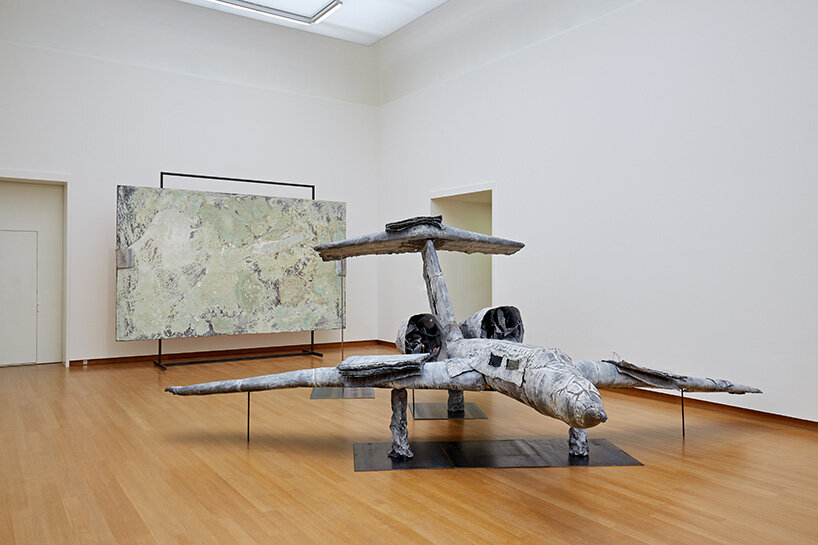
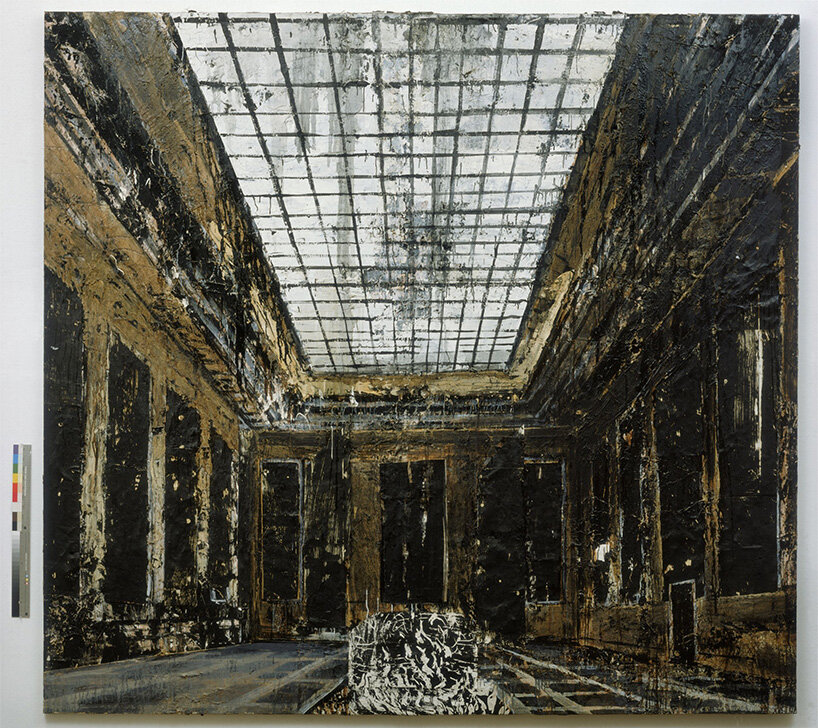
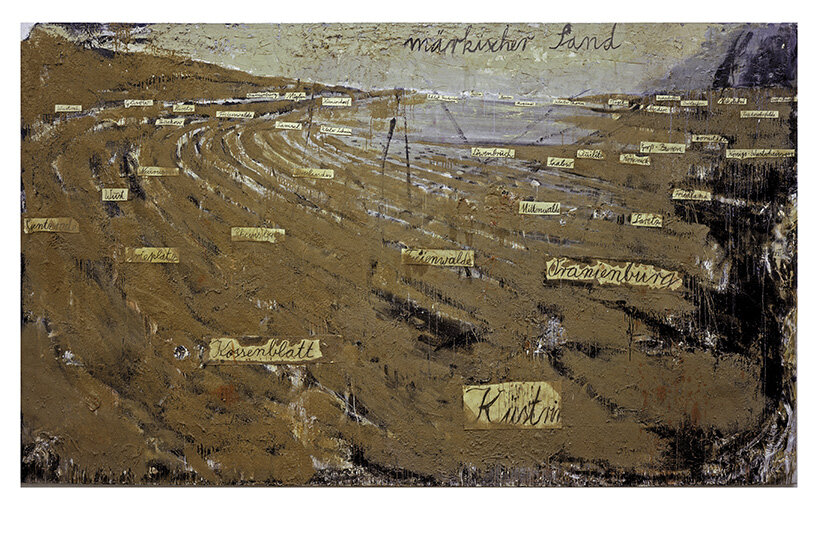
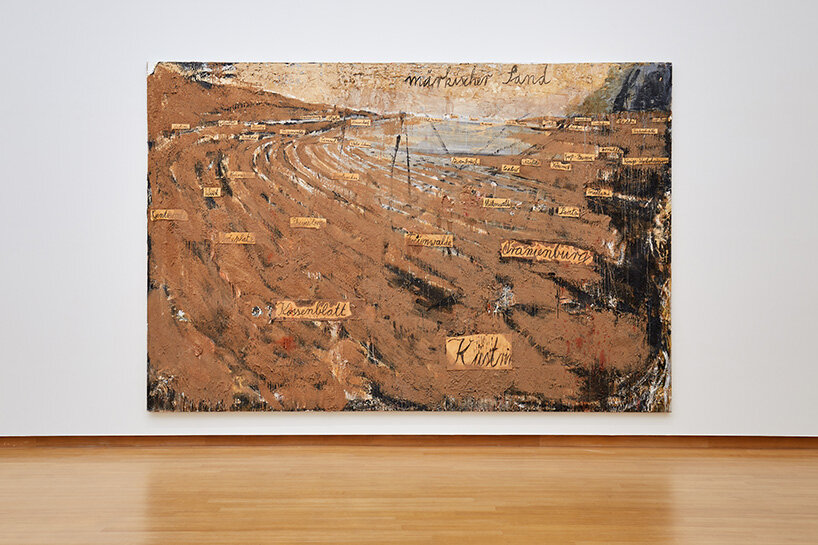
Meanwhile, the Stedelijk Museum showcases Kiefer’s longstanding ties to the Netherlands, which played a pivotal role in his early recognition. The museum was among the first institutions to collect his work, acquiring Innenraum (1981) and Märkischer Sand (1982) early in his career and hosting a major solo exhibition in 1986. Almost four decades later, the Stedelijk brings together these formative works with recent paintings and installations, illustrating how Kiefer navigates history, mythology, and human resilience through his art.
‘The Stedelijk has a long relationship with Anselm Kiefer and has played an important role in the acceptance of the artist’s work,’ notes the director of the Stedelijk Museum Amsterdam, Rein Wolfs. ‘It is truly remarkable to see these immersive installations amid several of his iconic works from the 1980s. In this way, Kiefer looks back at the past and towards the future.’
future plans of the show include the royal academy of arts
Kiefer’s ability to confront history through an alchemical mix of materials—lead, ash, straw, books, sunflowers—has made him one of the most significant artists of our time. Born in 1945 in Donaueschingen, Germany, he grew up amid the ruins of post-war Europe, later becoming one of the first German artists to directly engage with the country’s Nazi past. His work, often monumental in scale, creates layered narratives that challenge collective memory. While he initially faced controversy in Germany, the Netherlands was among the first places where his art was embraced.
To accompany the exhibition, a comprehensive catalogue will be published, featuring essays by renowned scholars Simon Schama and Antje von Graevenitz, as well as reflections by Kiefer himself. The exhibition will also travel to the Royal Academy of Arts in London from June 28 to October 26, 2025, extending its exploration of Kiefer’s artistic dialogue with Van Gogh to a broad audience.
1/21
project info:
name: Anselm Kiefer – Sag mir wo die Blumen sind
artist: Anselm Kiefer | @anselm_kiefer
museums: Van Gogh Museum | @vangoghmuseum & Stedelijk Museum Amsterdam | @stedelijkmuseum
location: Amsterdam, Netherlands
dates: March 7 – June 9, 2025
shop
your own online design shop — no sales commission collected