interview: aron sanchez-baranda finds otherworldly forms in marine life
the artist invites viewers to reconsider how they perceive nonhuman life, embracing the unfamiliar and the uncertainty of encountering other species.
prefer designboom on google[FEATURED]
aron sanchez-baranda on observing life beyond the human
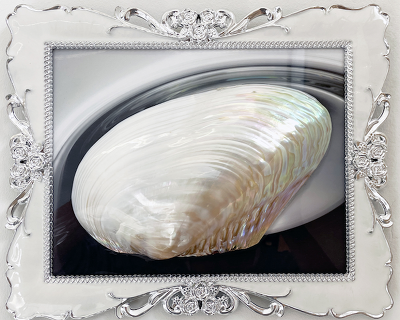
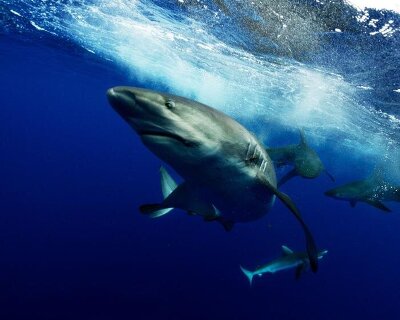
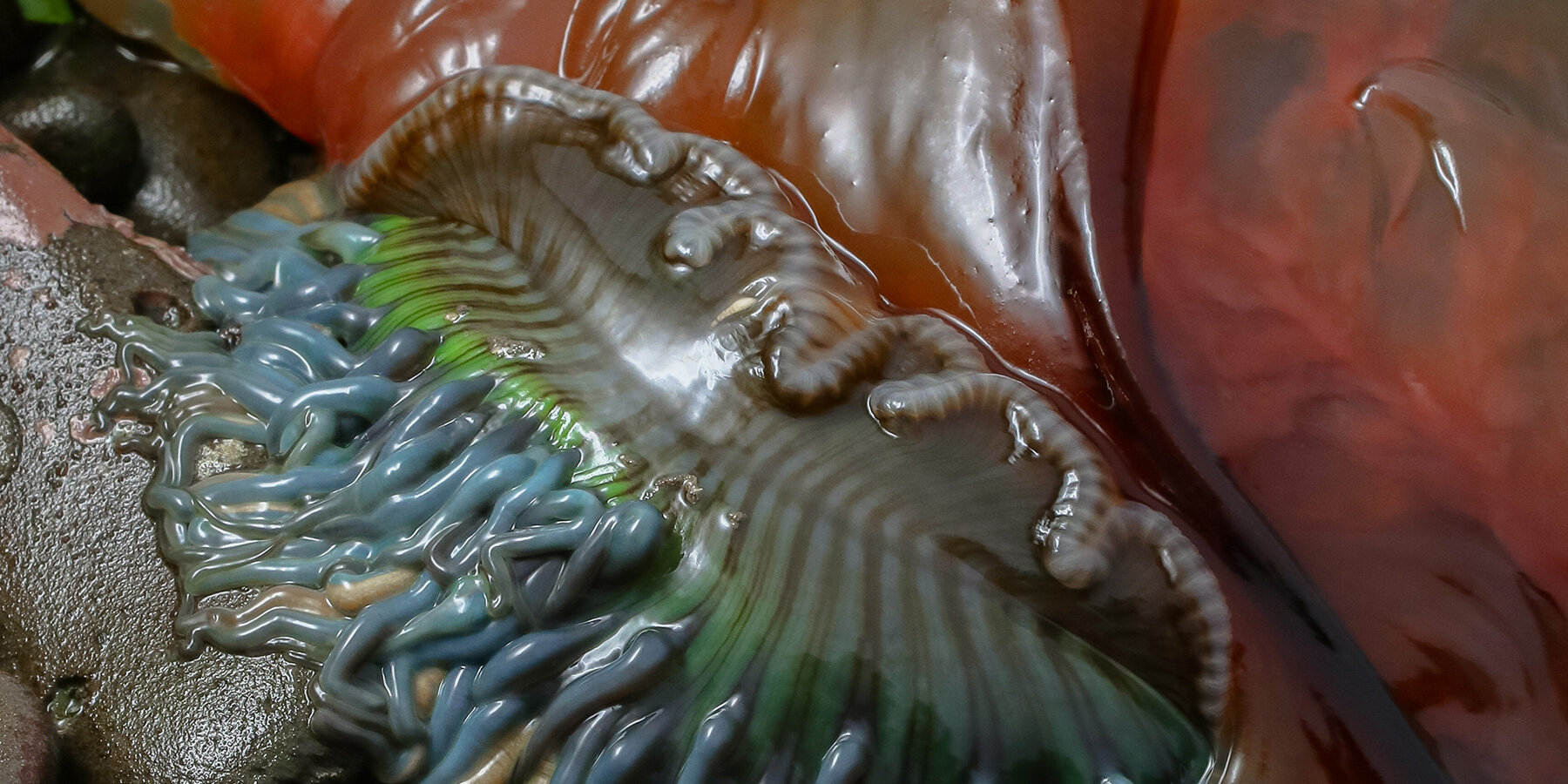
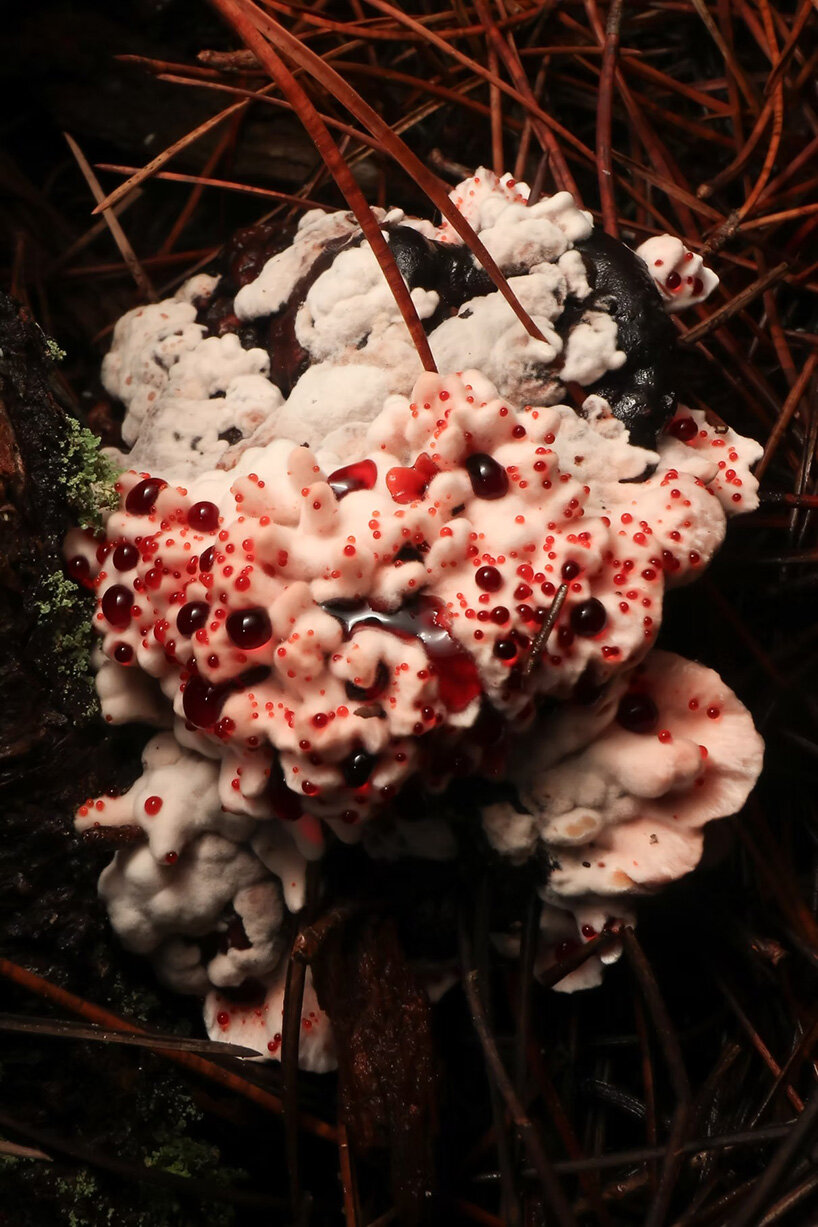
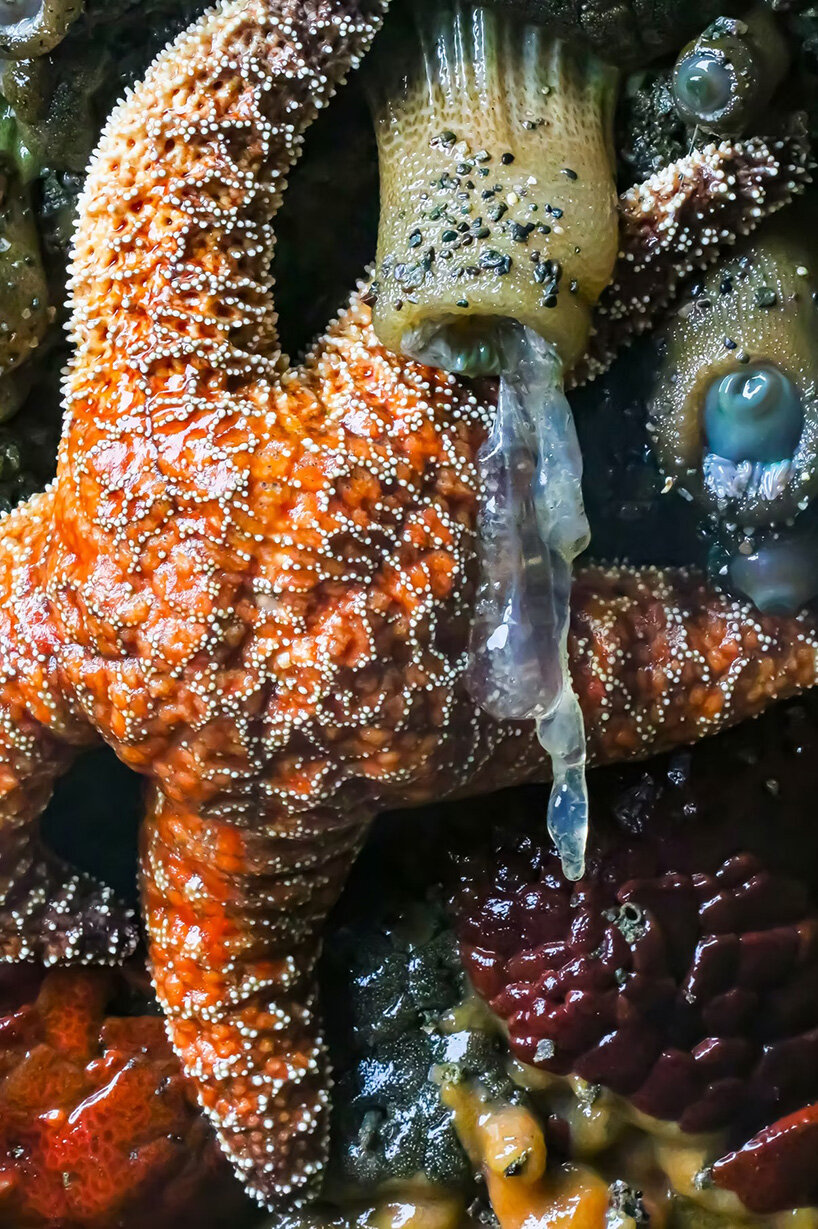
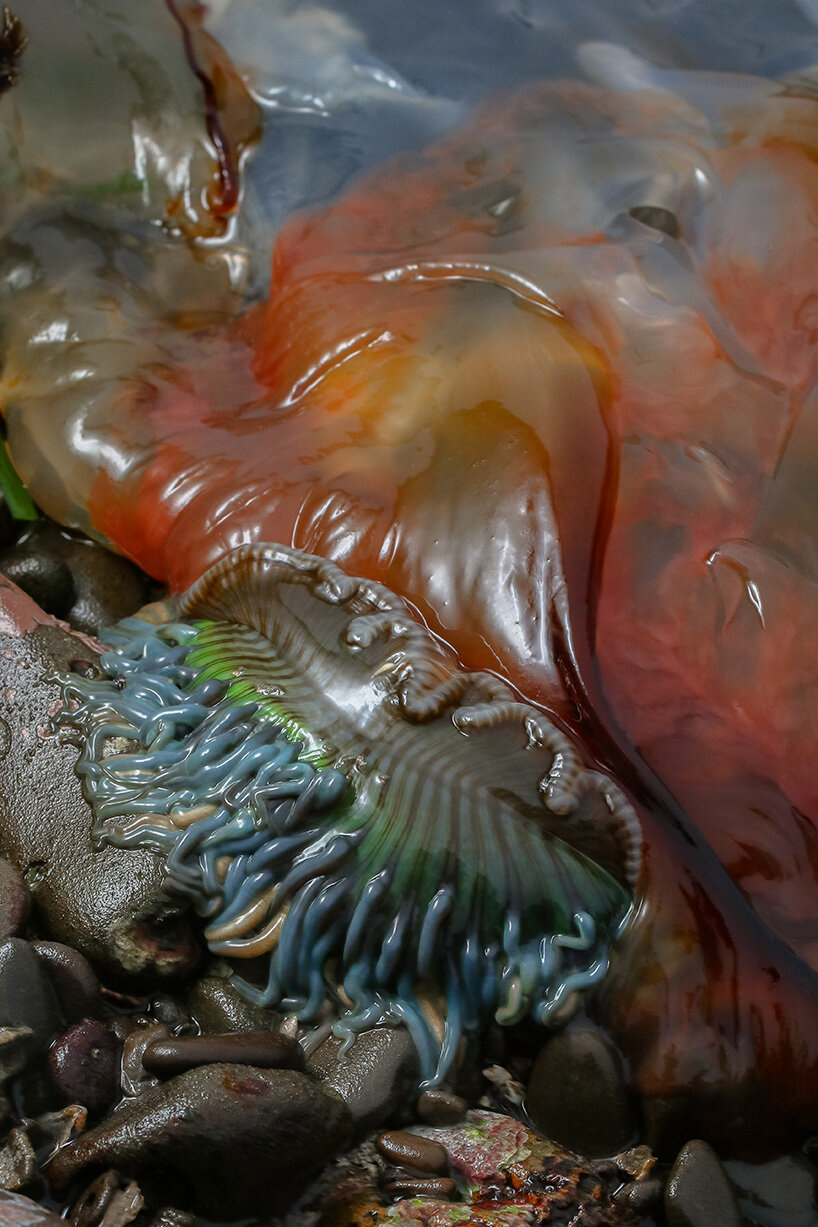
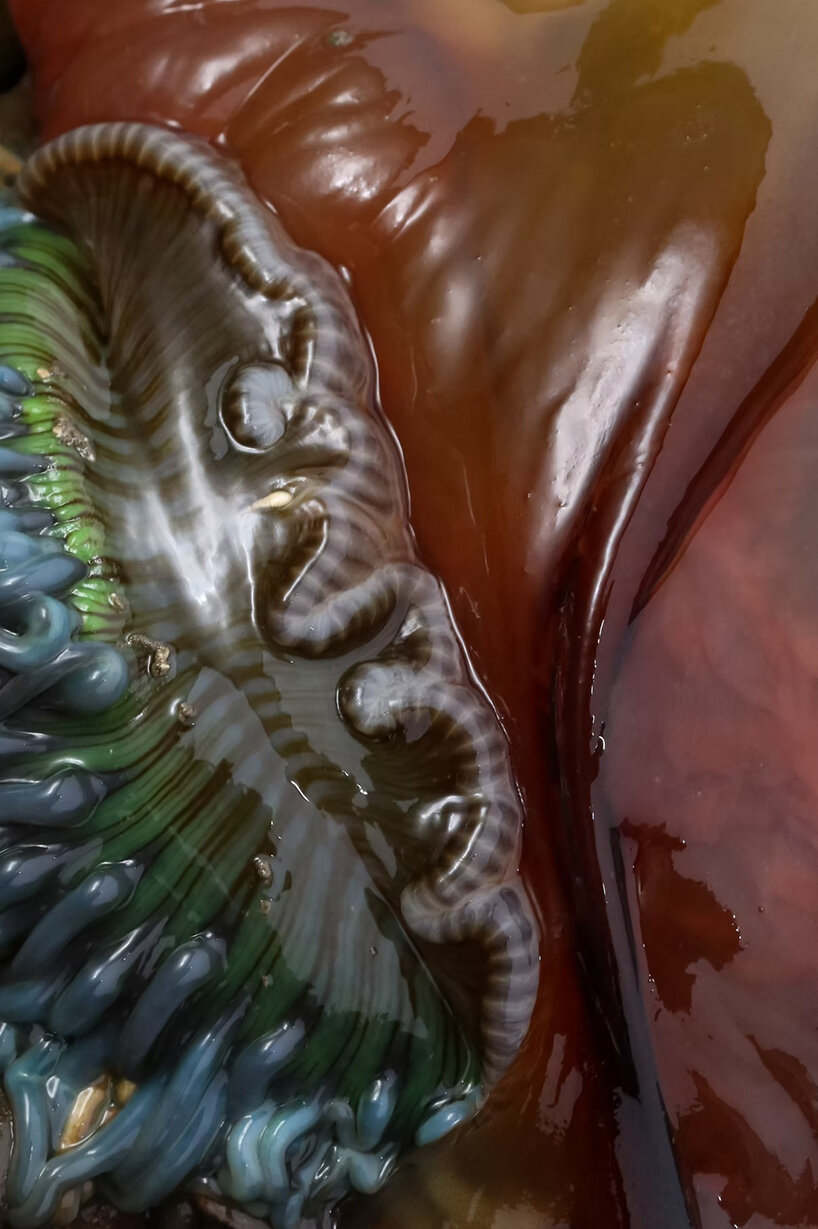
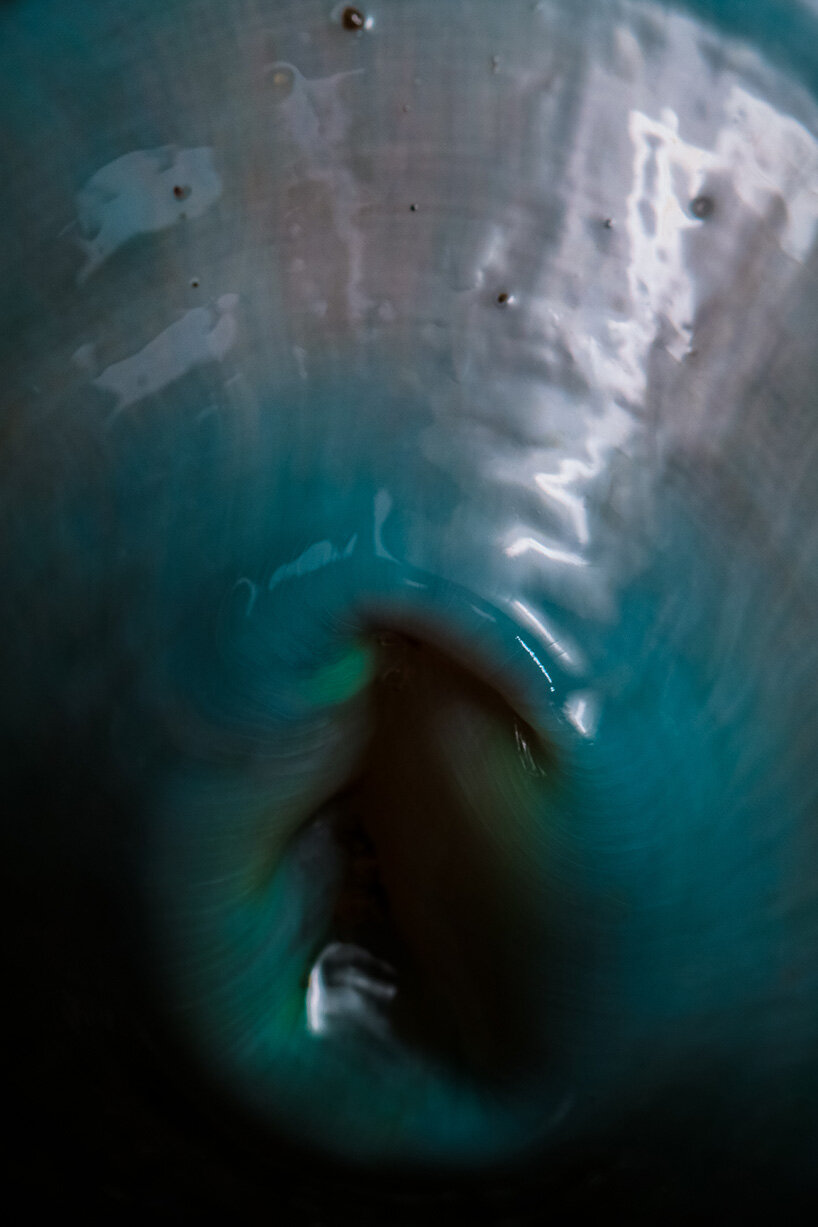
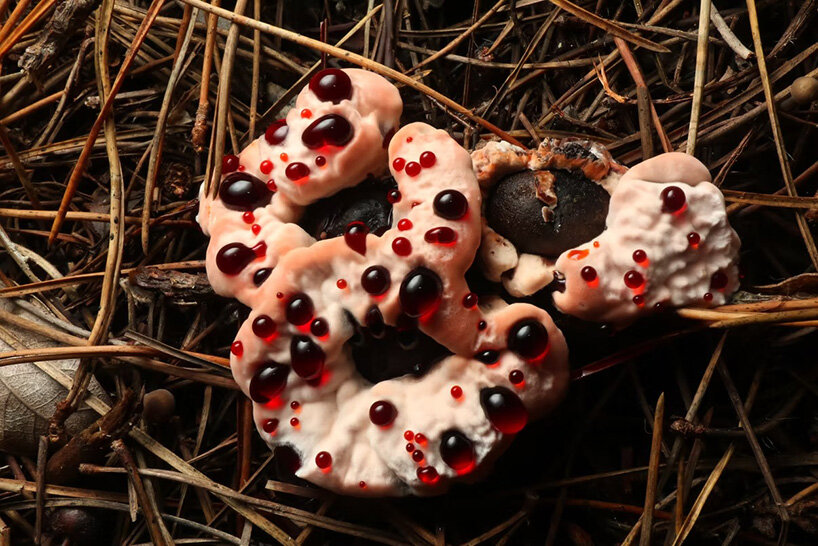
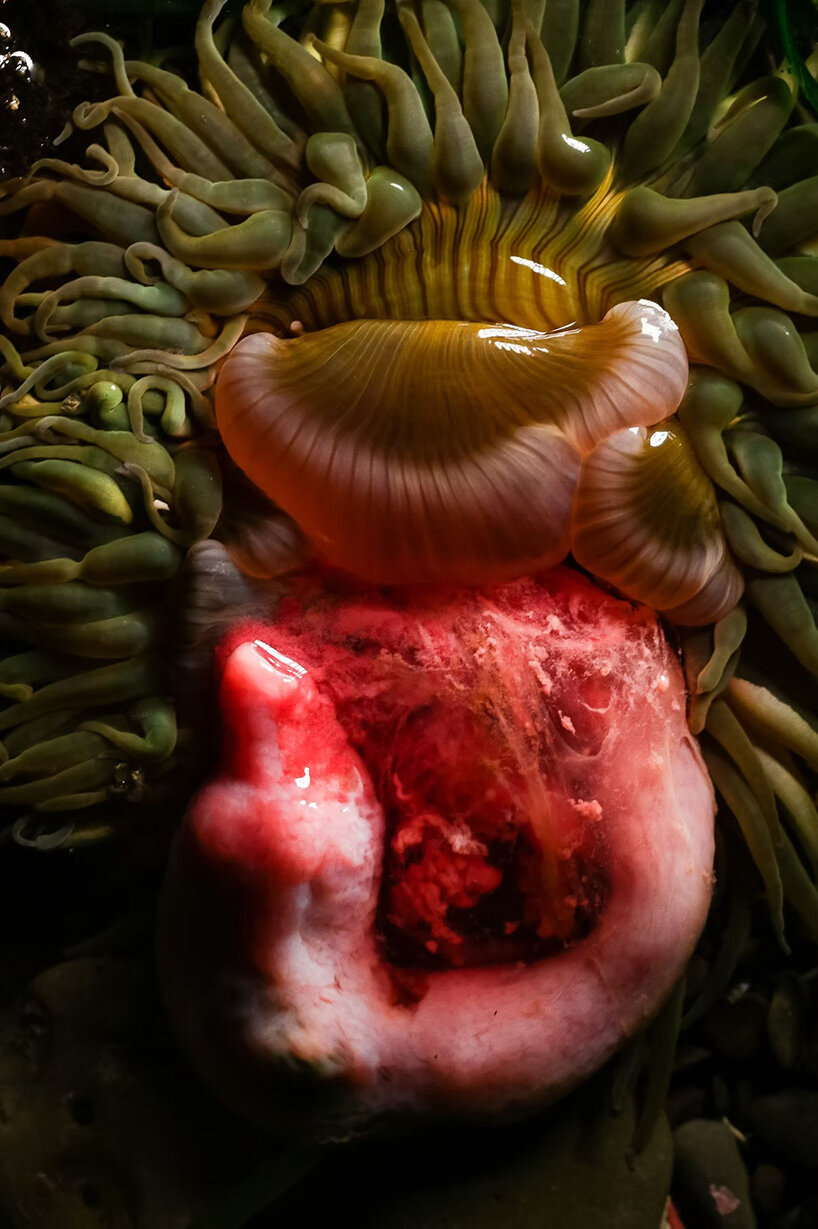
Aron Sanchez-Baranda observes life beyond our own species, a practice that offers a way to reconsider the assumption that the world exists primarily around human experience. Through photographs and videos of marine organisms along the Californian coast, he documents biological forms that appear at once familiar and alien, shifting attention away from identification and toward the sensations of encountering something we do not fully understand. The California-based artist allows the presence, movement, and material qualities of these organisms to take precedence through his photographs, inviting the audience to reconsider how they perceive life beyond human.
His relationship with observation began long before he developed a conscious understanding of humanity’s place within the natural world. ‘Observing them has always focused the entirety of my attention from my earliest memories onward, it’s relaxing,’ he explains during our interview. Over time, this instinctive fascination has developed into a broader questioning of human primacy. As he has considered his place within a larger system, the idea of humanity occupying a central position has seemed ‘counterintuitive or at least confusing,’ he tells us. Sanchez-Baranda is interested in the moment before an encounter becomes knowledge, when an unfamiliar organism can provoke curiosity, discomfort, or fascination without settling into a single interpretation. His images create space for viewers to experience its forms without immediately placing them under familiar categories.
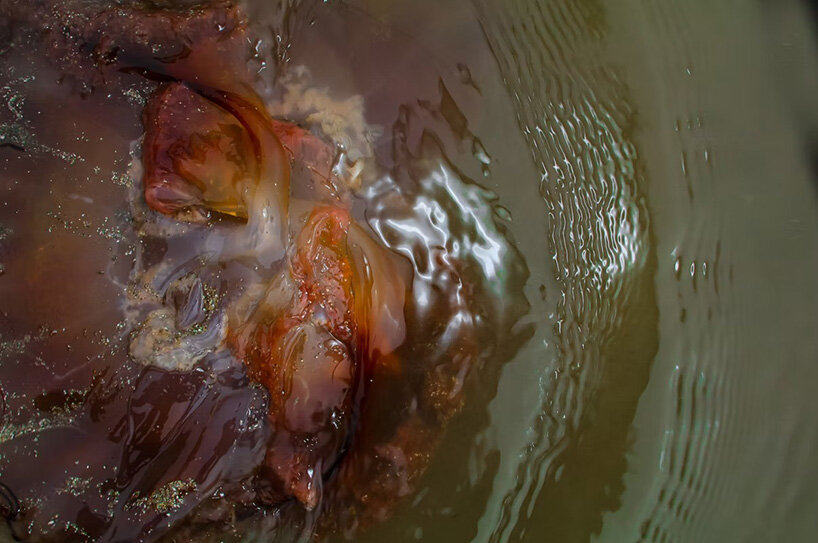
encounters beyond explanation
Sanchez-Baranda’s creative process begins with openness. He might walk through an area until something catches his attention or return to photographs and videos he has already recorded. From there, he develops what he describes as ‘a series of concentric experiments’, which may lead to one idea or, ideally, several. Some images begin with a clear internal vision that he gradually shapes through the material, and others emerge through the act of making, becoming recognizable only over time, ‘through a sort of automatism’. Sanchez-Baranda traces his interest in how images affect the viewer to childhood experiences of cinema and music that both engaged and unsettled his developing sense of reality. He has continued trying to recover something of that early uncertainty, describing his interest as ‘the abstraction of sensory responses’. For him, the significance of an encounter lies partly in its resistance to immediate understanding, in the way a sensation can remain unresolved even after the experience has passed.
The biological forms he documents often prompt viewers to ask for specific information about what they are seeing. Sanchez-Baranda does not dismiss this curiosity, but questions the assumption that an image of an organism must necessarily come with an explanation. Such expectations, he suggests, can distract from the experience he is trying to convey. ‘The lack of certainty and ultimate permeability of those early sensations persist in my work,’ the artist tells designboom. ‘They’re what I’m pursuing.’ Identifying an organism can provide useful knowledge, but it does not exhaust the experience of encountering it. By allowing uncertainty to remain, Sanchez-Baranda challenges the expectation that looking should lead directly to classification and understanding and asks instead whether we can attend to another form of life without making its meaning, usefulness, or relationship to ourselves the primary concern.
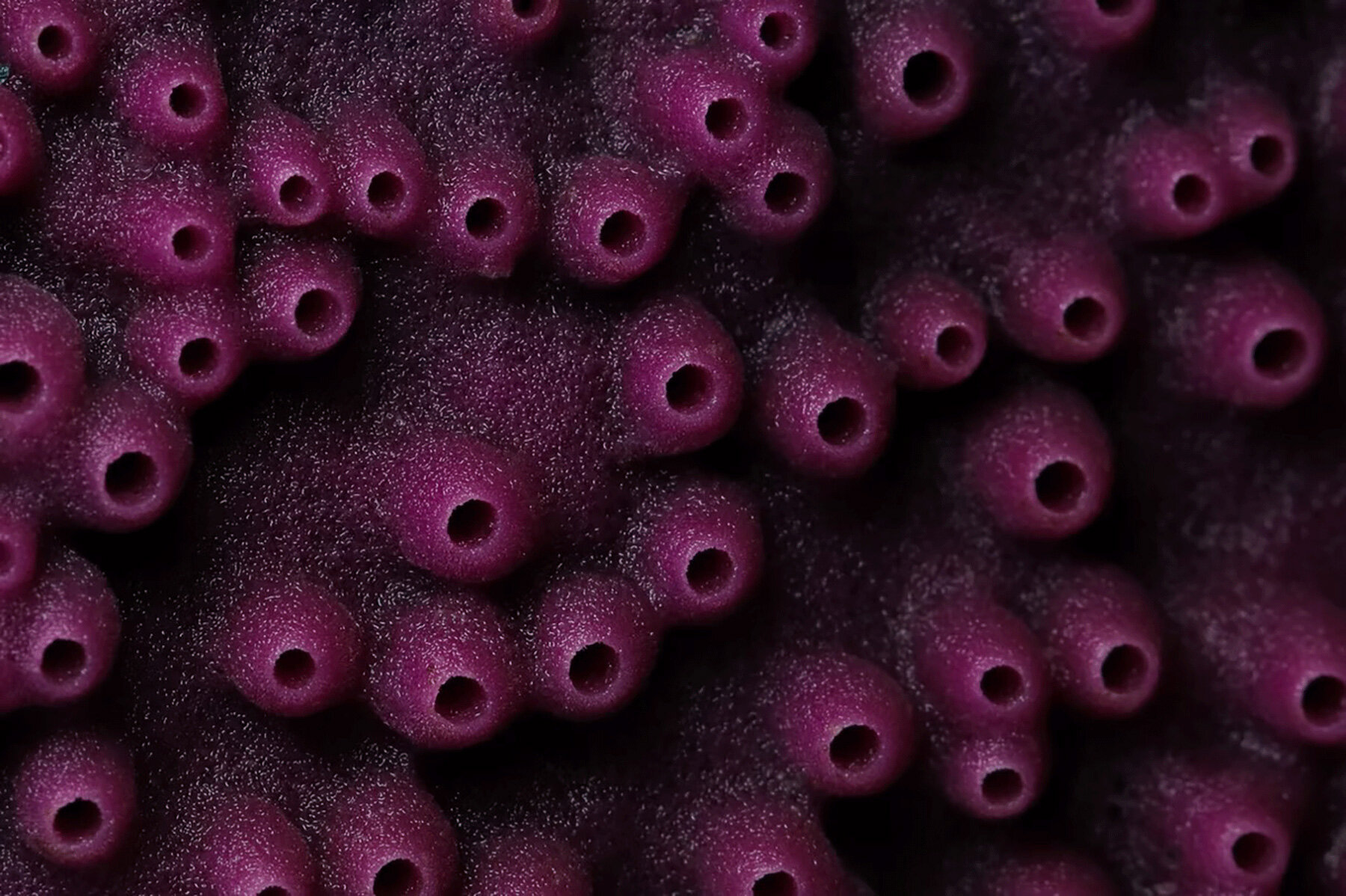
the limits of a human-centered world
For the LA-based artist, this way of looking also responds to the conditions under which people experience the world today. The continuous availability of information, analysis, and distraction can fragment attention, often making it difficult to remain with a single experience. ‘I think we increasingly overlook singular activity,’ he shares. Human access to information, he argues, can have ‘a fragmentary effect on perception’, while the ways people understand time and memory become shaped by the data available to them. The collection and application of this information can undermine what he calls a ‘natural’ human perspective.
His photographs and videos propose a kind of attention that’s grounded in observation rather than facts. The camera becomes a means of sharing, however incompletely, the experience of encountering an organism in person. ‘For me the act of observing them is enough,’ Sanchez-Baranda comments. ‘The work I produce endeavors to impart some fraction of that sensation I receive encountering the subjects I photograph in person.’ He recognizes the limits of this translation. An image cannot fully reproduce the experience of being in the presence of another living organism, and the viewer remains separated from the original encounter by the conditions of documentation. Yet this partial reproduction is itself meaningful. Sanchez-Baranda believes it ‘emphatically suggests an alternative to a world organized around human experience’. The organisms Sanchez-Baranda documents are not imagined inhabitants of a distant future. They exist alongside us, following their own rhythms and occupying environments that do not depend on human recognition to have value.
Becoming more familiar with these forms of life has enriched Sanchez-Baranda’s own experience. He hopes that ‘we can collectively benefit from examining what feels familiar as we continue to deal with human impact on Earth’.
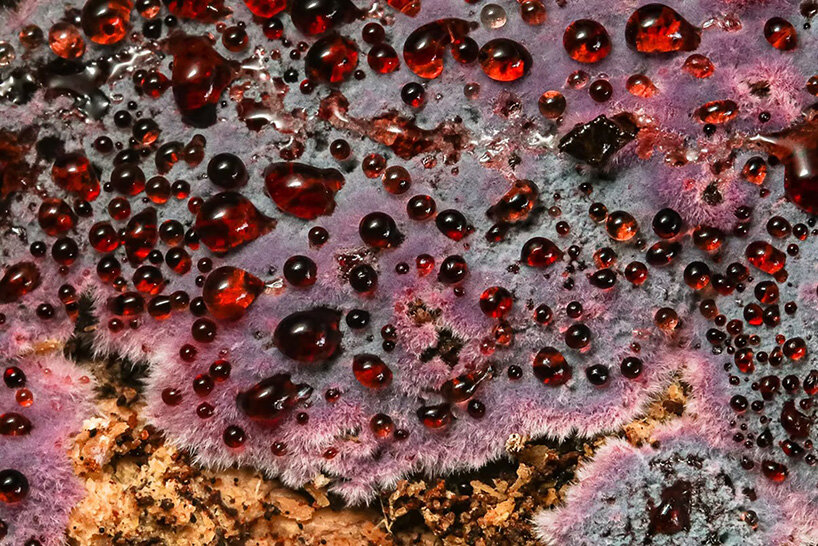
imagining a future with less
Sanchez-Baranda’s vision of a future shaped by greater awareness of nonhuman life is notably unsentimental. Asked what such a future might look like, he imagines one with ‘seemingly limited choices compared to what many are used to’. The reduction of human consumption, he argues, is a necessity if any extended future is to exist. Learning to perceive other forms of life differently does not, by itself, resolve the environmental consequences of human activity. A shift in perspective must also confront the systems of consumption that shape how people inhabit the planet and use its resources.
Sanchez-Baranda does not offer a detailed blueprint for an alternative society, nor does his work claim to resolve the contradictions of a human-centered world. Its proposition is to make room for forms of life that do not need to justify their existence through human needs and to recognize that our own experience is only one among many ways of inhabiting the Earth. Sanchez-Baranda’s work encourages viewers to pause before identifying, explaining, or assigning value, allowing the encounter itself to become a form of attention.
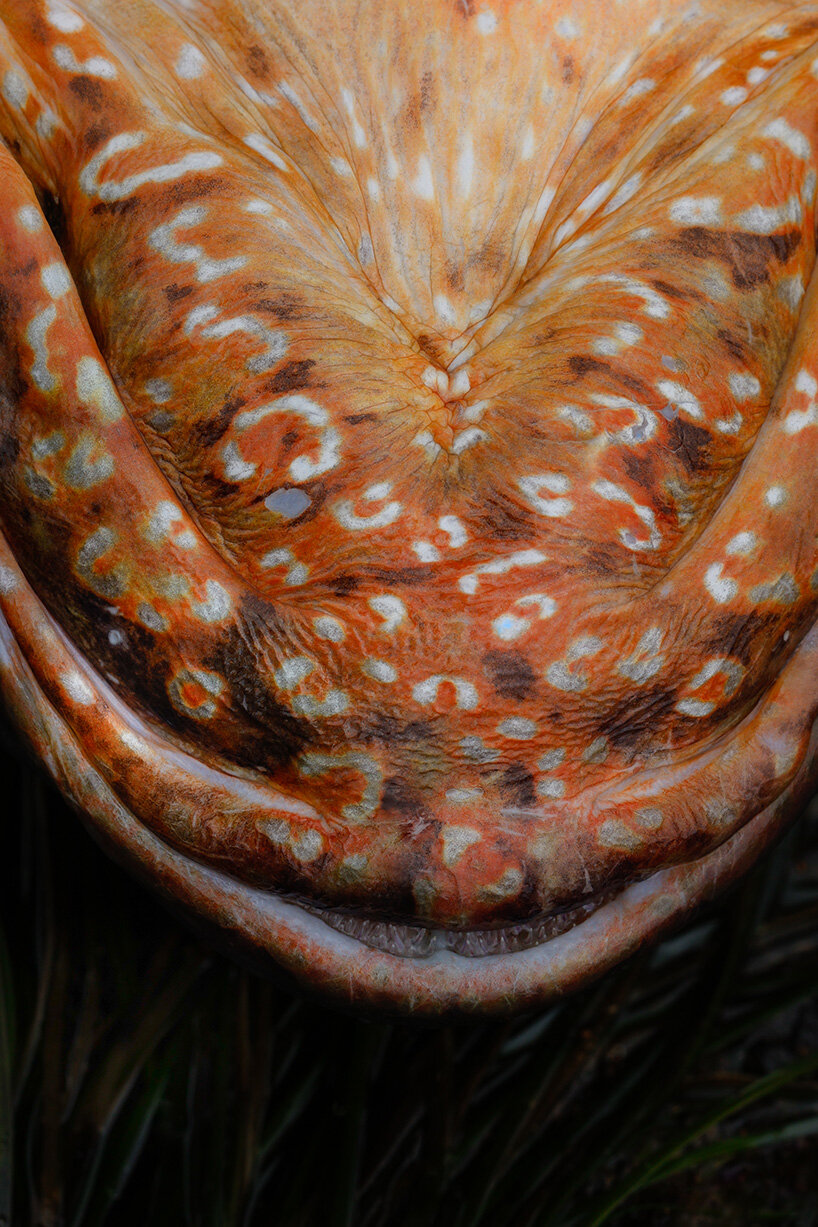
project info:
artist: Aron Sanchez-Baranda | @waterbod
This interview is part of designboom’s POSTHUMAN UTOPIAS chapter, exploring what happens when humans are no longer the measure of all things. These stories rethink our relationship with the planet through interspecies architecture, living materials, regenerative landscapes and emerging technologies – learn more here! The chapter is presented in partnership with INDX|GLOBAL – a global cultural platform placing Indian architecture, design, and creative intelligence in conversation with the world.
Each designboom editorial series explores one theme in depth through projects, interviews, features and news across architecture, design, art and technology. Discover more chapters here, and get in touch if you’d like to submit a story through our submissions portal or contact form.

shop
your own online design shop — no sales commission collected