artists respond to trauma, memory, and mass violence at sainsbury centre exhibition
the show examines how art has confronted genocide, ethnic cleansing, war crimes, and crimes against humanity.
prefer designboom on google[FEATURED]
artists translate trauma through material, memory, and refusal
Until May 17th, 2026, the Sainsbury Centre in Norwich, England, presents Seeds of Hate and Hope, an exhibition that brings together artists’ personal and political responses to some of the most devastating acts of violence of the 20th and 21st centuries. Set within the Centre’s wider investigative season titled Can We Stop Killing Each Other?, the show examines how art has confronted genocide, ethnic cleansing, war crimes, and crimes against humanity through reflection, memory, and acts of resistance rooted in lived experience.
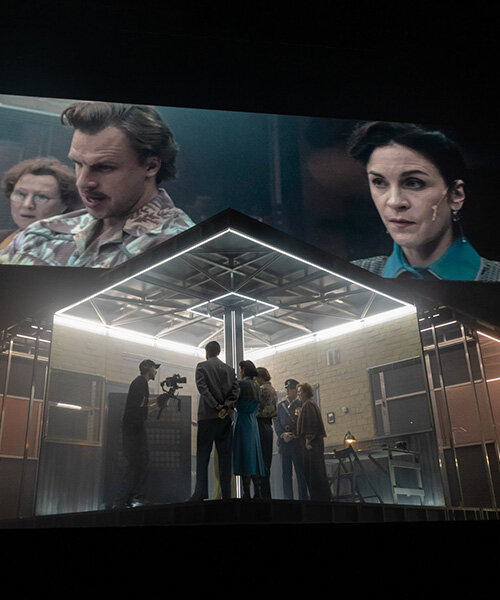
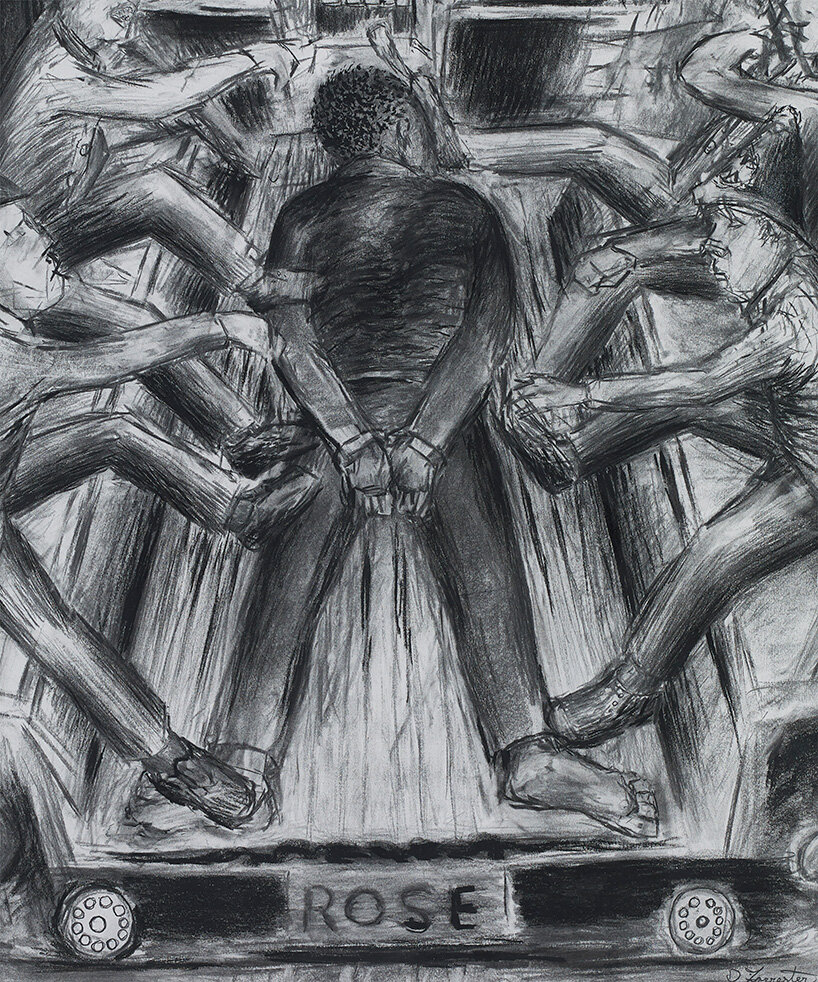
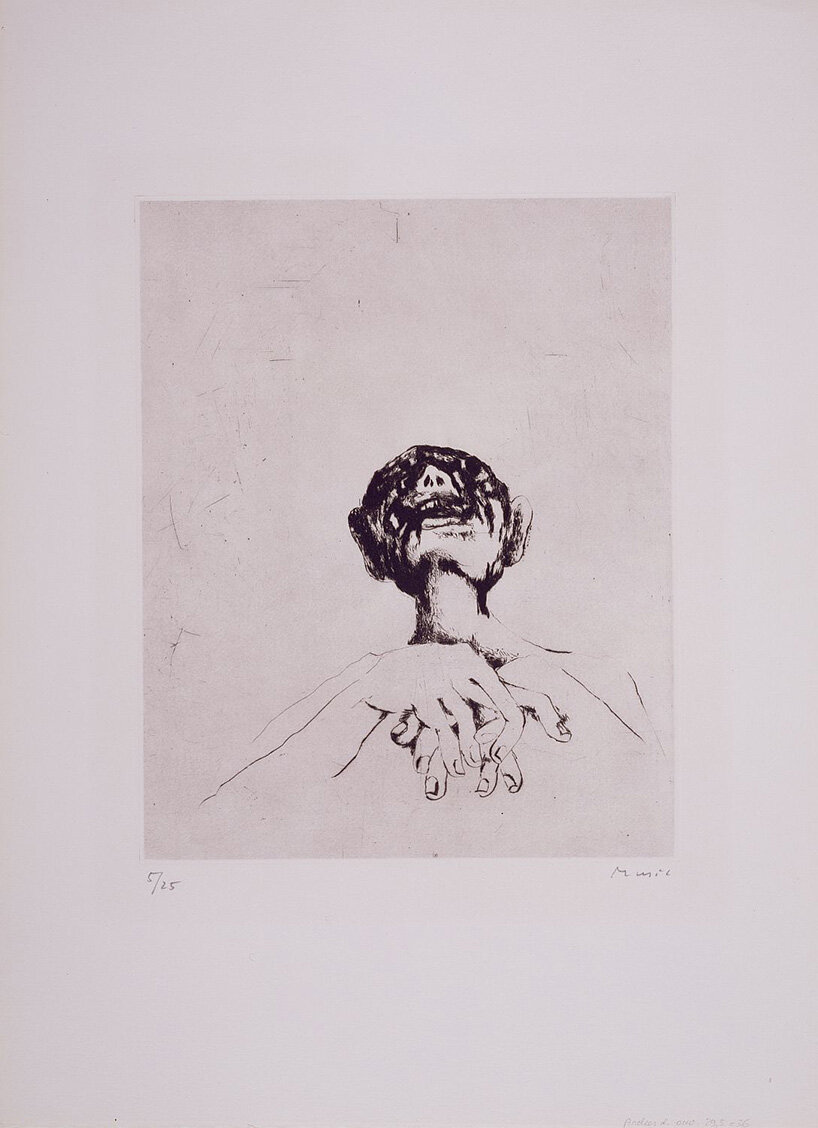
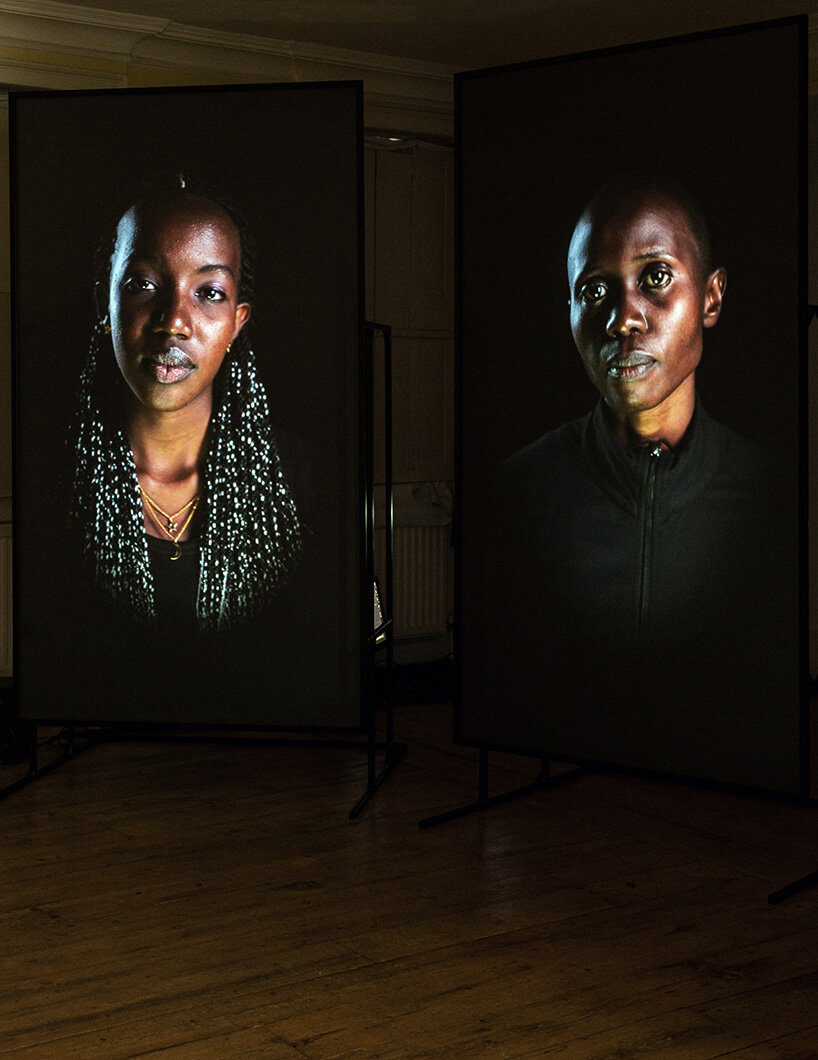
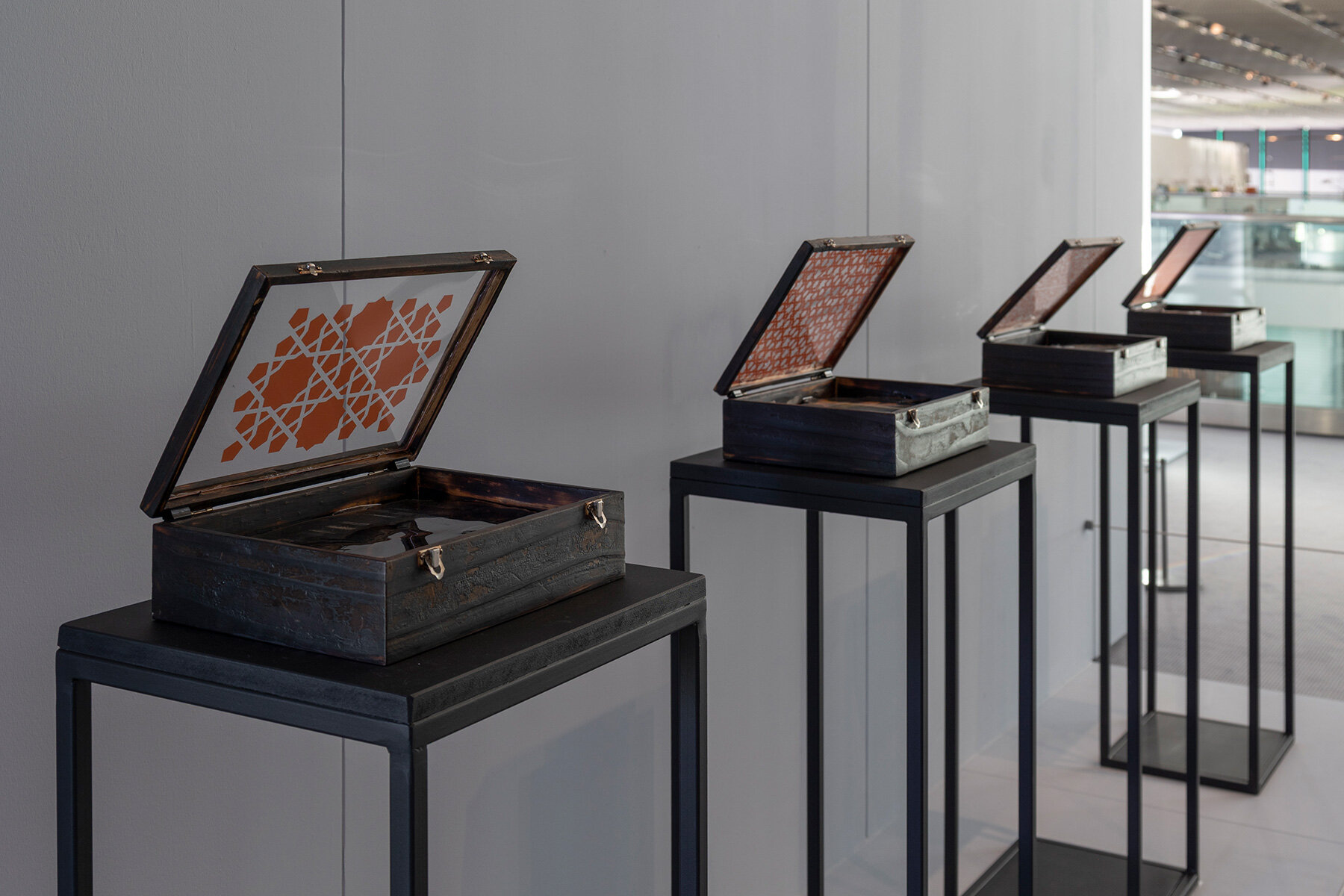
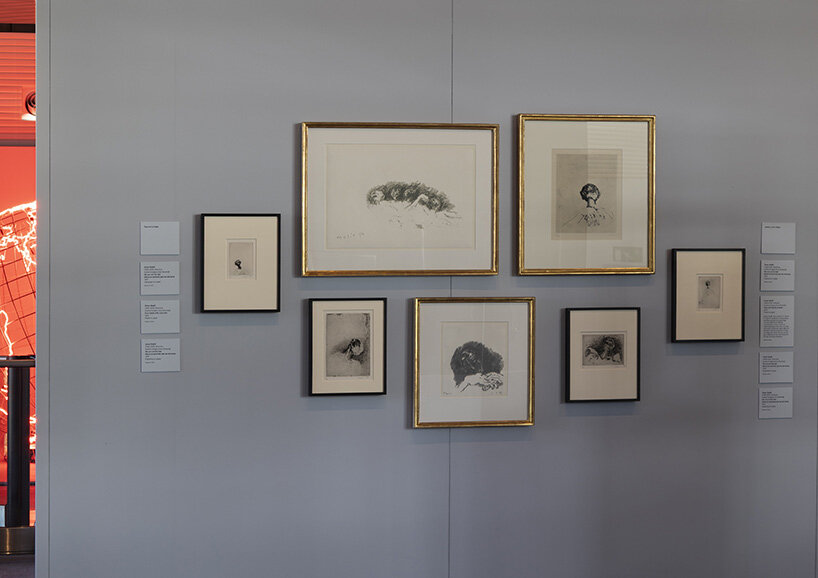
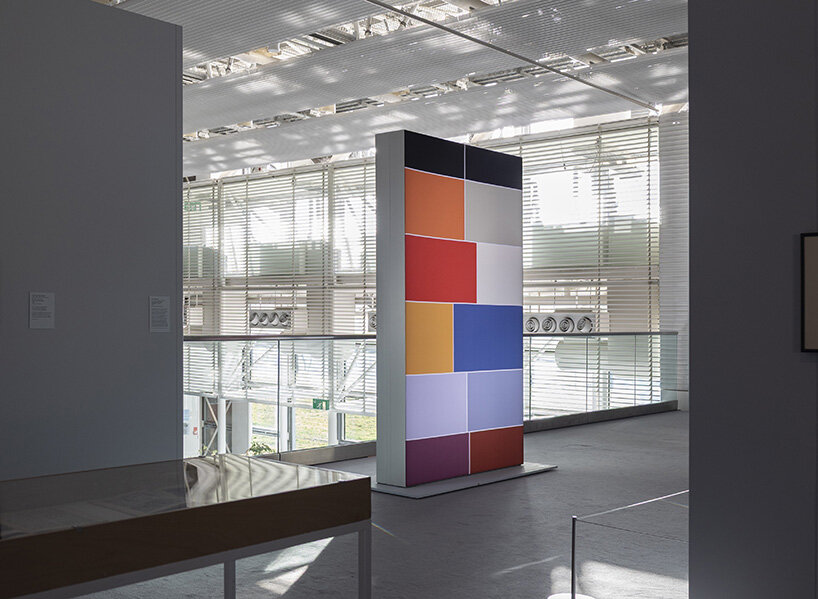
Seeds of Hate and Hope focuses on how artists process and translate trauma into form. The exhibition features works by Mona Hatoum, William Kentridge, Zoran Mušič, Peter Oloya, Kimberly Fulton Orozco, Indrė Šerpytytė, Gideon Rubin, and Ishiuchi Miyako, among others. Across different geographies and generations, these artists bear witness to conflict through strategies that include abstraction, erasure, material transformation, and symbolic gesture.
Seeds of Hate and Hope positions art as witness
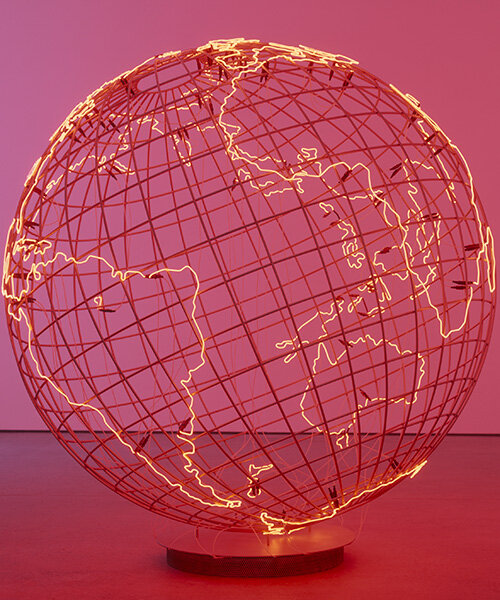
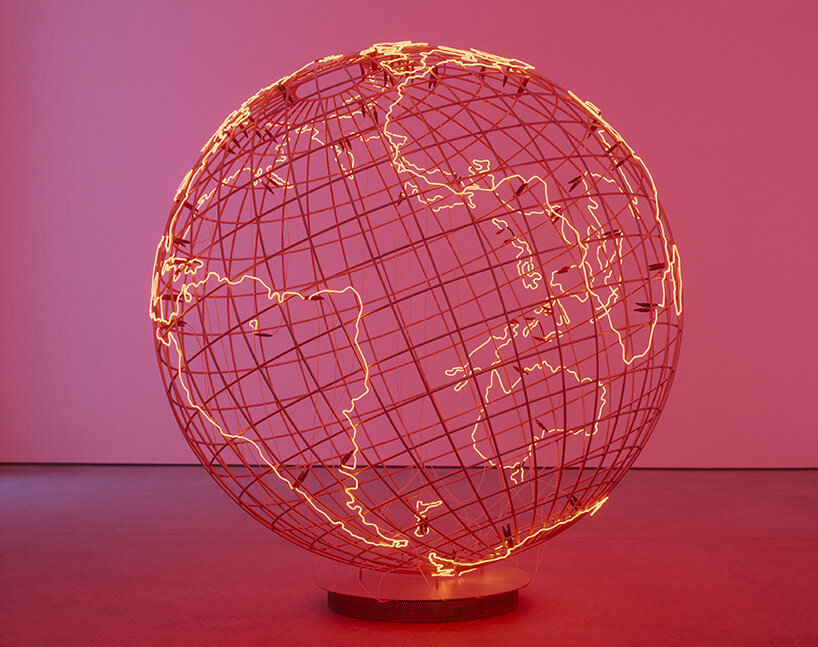
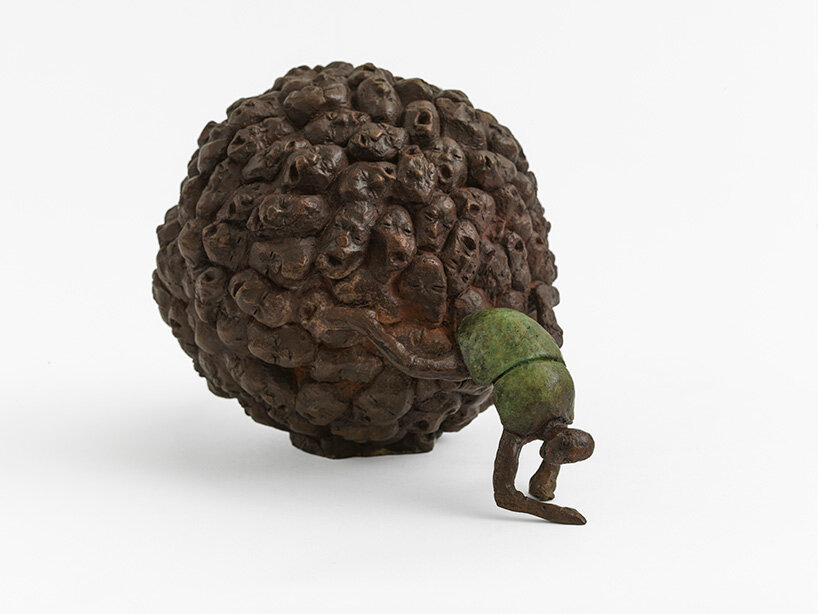
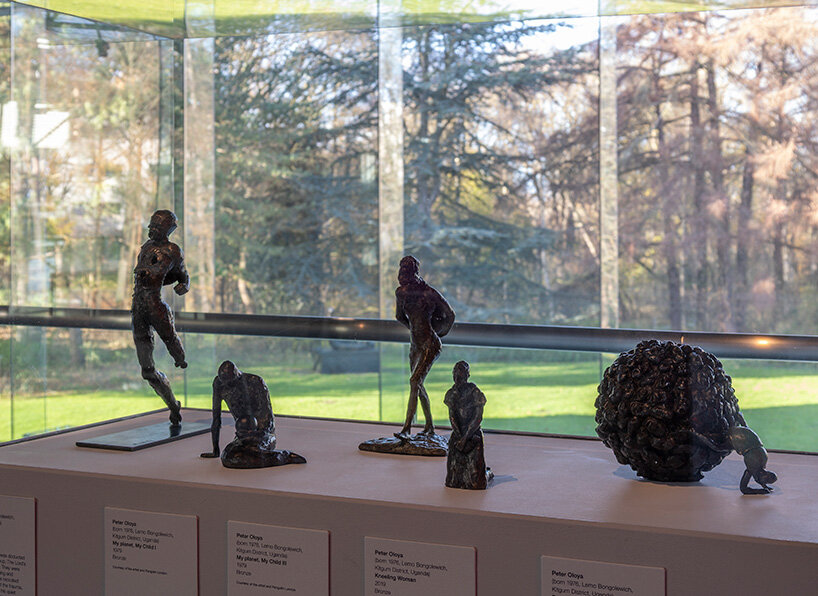
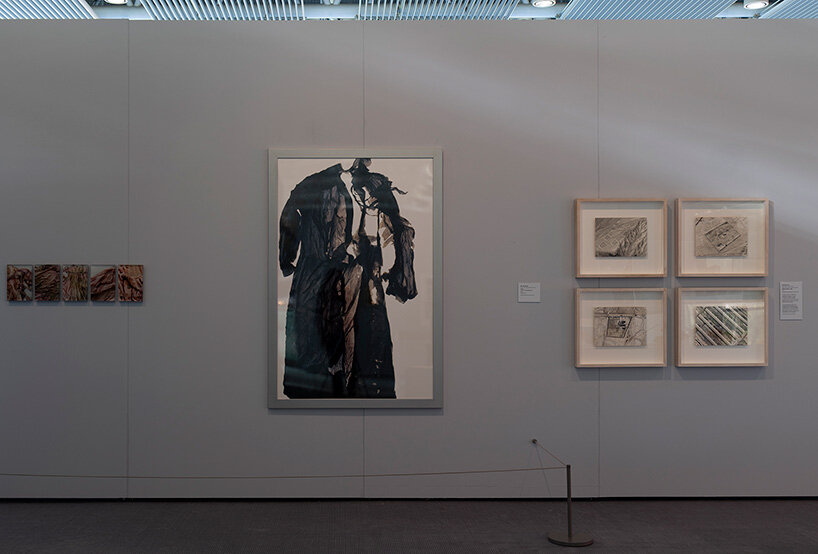
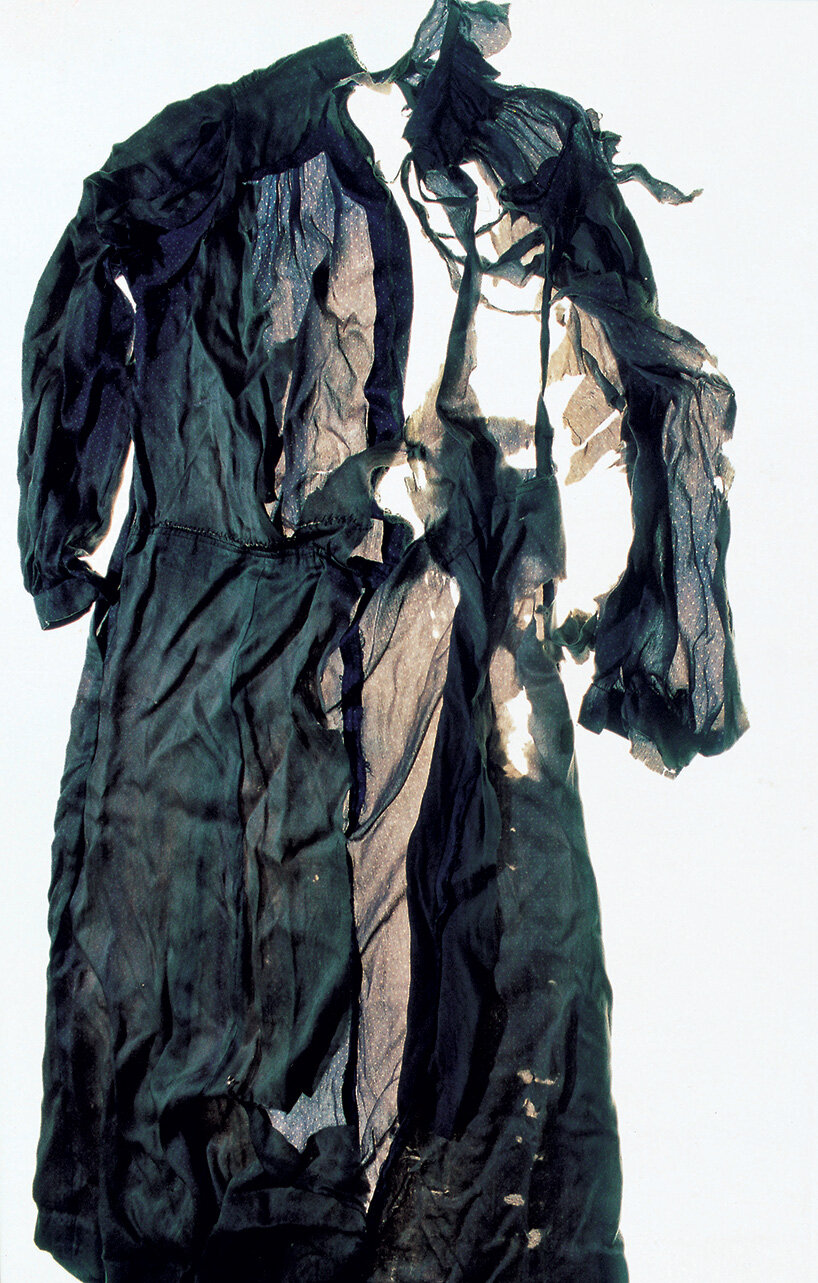
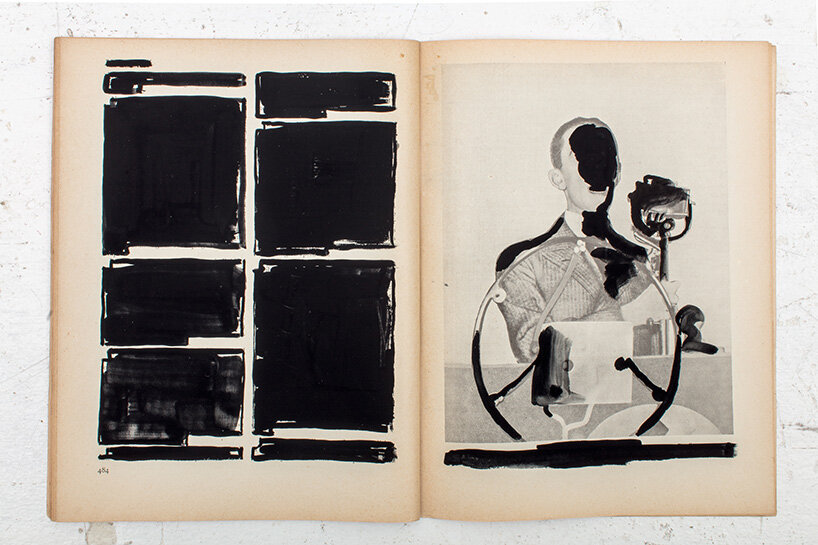
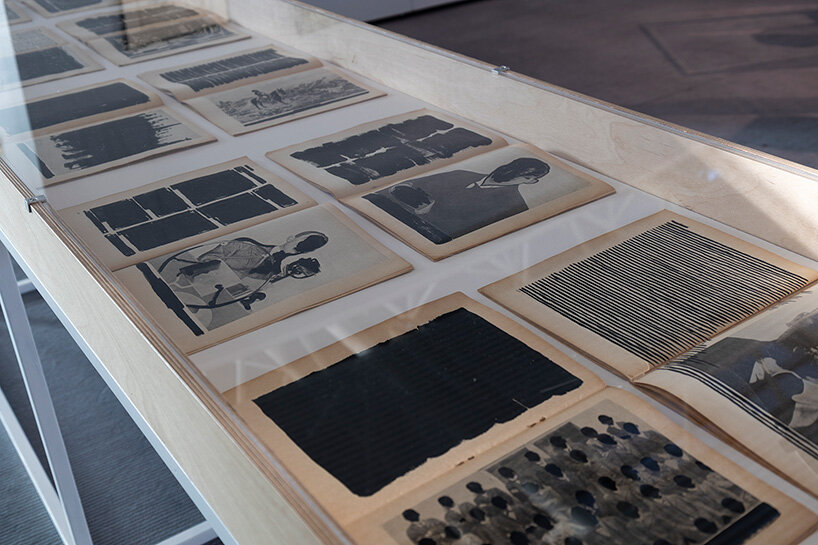
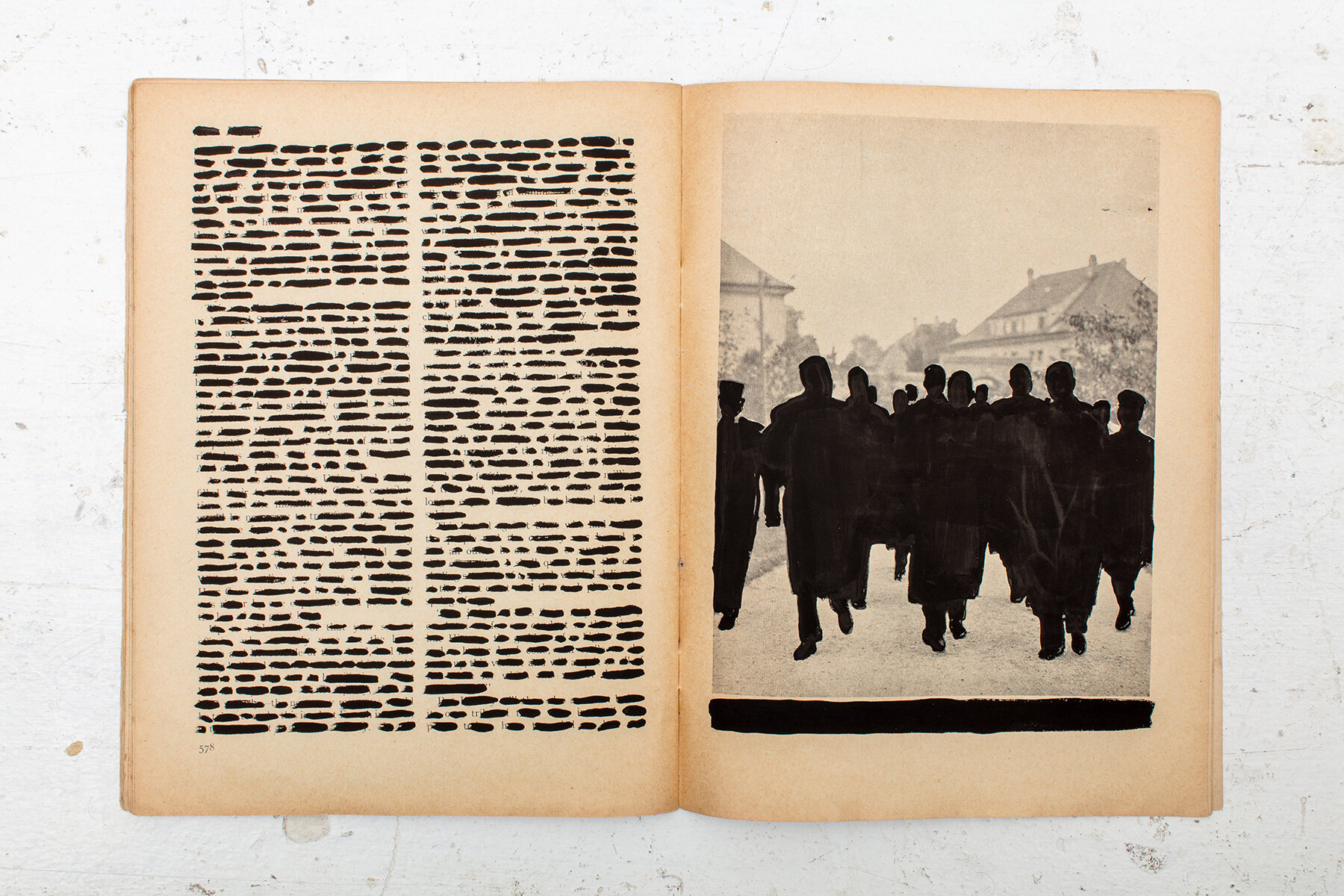
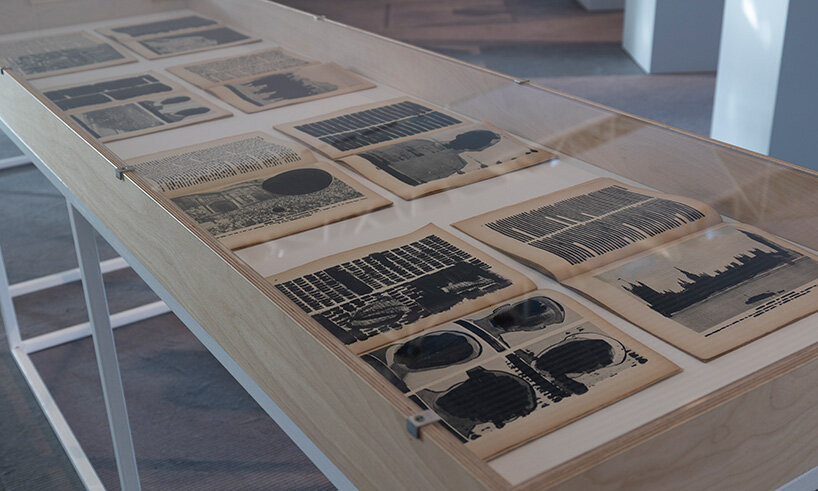
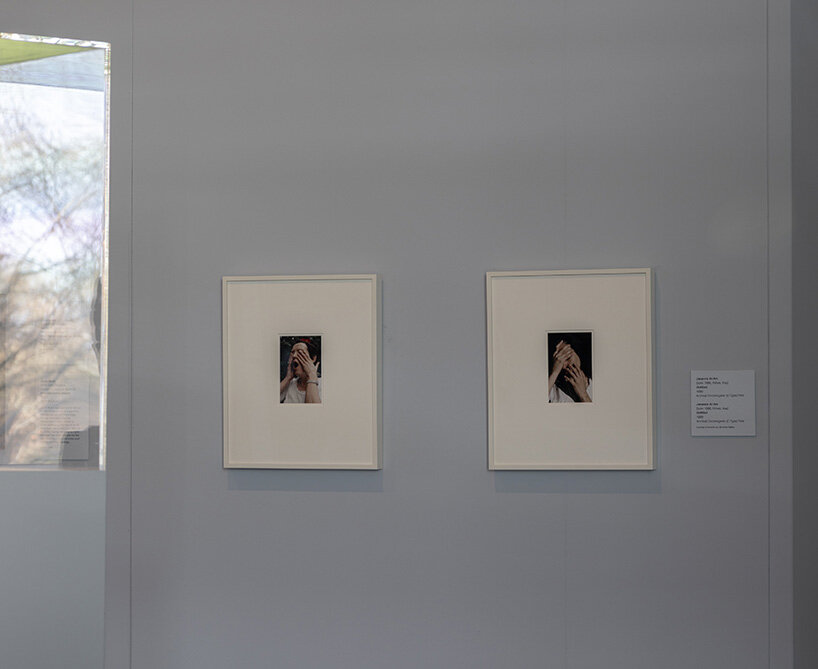
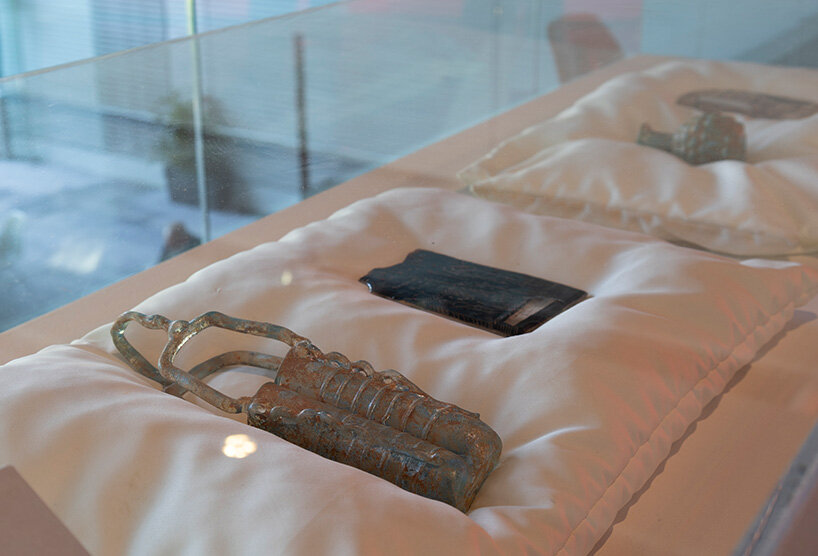
Key works featured in the exhibition include William Kentridge’s Ubu Tells the Truth (1997), which confronts the violence and injustice of apartheid-era South Africa through his distinctive animated language. Gideon Rubin’s Black Book (2017) systematically redacts every page of Adolf Hitler’s Mein Kampf, emptying the text of its ideological force while leaving behind a stark material trace. Ishiuchi Miyako’s photographic series documents everyday objects once owned by victims of the atomic bombings of Hiroshima and Nagasaki, using absence and intimacy to register loss. Mona Hatoum’s Hot Spot (2006) presents a glowing, red-lined world map, a vision of a planet that, as Hatoum has described, is ‘continually caught up in conflict and unrest.’ Alongside these are bronze sculptures by Peter Oloya, whose practice is shaped by his experiences of violence and displacement during conflict in northern Uganda, translating personal history into tactile, enduring forms.
Curated by Tafadzwa Makwabarara, Curator of Cultural Empowerment at the Sainsbury Centre, together with independent curator, writer, and EMPIRE LINES podcast producer Jelena Sofronijevic, the exhibition frames art as both a witness to atrocity and a tool for healing. Drawing on individual stories and shared histories, Seeds of Hate and Hope explores how resilience and resistance often emerge under extreme conditions and how creative acts can counter forces of dehumanization, prejudice, and hate speech.
Sainsbury Centre rethinks the museum as a space for empathy
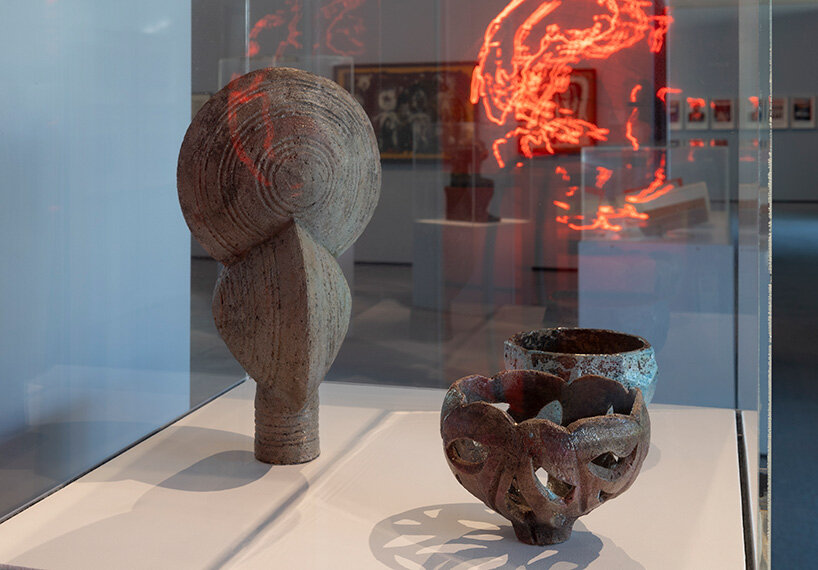
The exhibition forms part of the Sainsbury Centre’s ongoing rethinking of the museum as a living, relational space following its radical relaunch in 2023. Seeds of Hate and Hope sits alongside four other concurrent exhibitions within the Can We Stop Killing Each Other? season, including Tiaki Ora ∞ Protecting Life: Anton Forde, Eyewitness, Roots of Resilience: Tesfaye Urgessa, and The National Gallery Masterpiece Tour: Reflections on Peace. Together, they ask whether empathy, creativity, and cultural production can meaningfully intervene in cycles of violence, and whether hope can be actively chosen over harm.
Supported by exhibition research funding from the Jonathan Ruffer grant from the Art Fund, Seeds of Hate and Hope underscores the Sainsbury Centre’s long-standing commitment to presenting art from across global histories and contexts on equal terms. Housed within Sir Norman Foster’s first public building, the museum continues to position art as a living force, one capable of helping societies confront their most difficult questions.


1/5
project info:
name: Seeds of Hate and Hope
venue: Sainsbury Centre | @sainsburycentre, University of East Anglia
location: Norwich, United Kingdom
dates: 28 November 2025 – 17 May 2026
curators: Tafadzwa Makwabarara, Jelena Sofronijevic,
featured artists: Mona Hatoum, William Kentridge, Zoran Mušič, Peter Oloya, Kimberly Fulton Orozco, Indrė Šerpytytė, Gideon Rubin, Ishiuchi Miyako