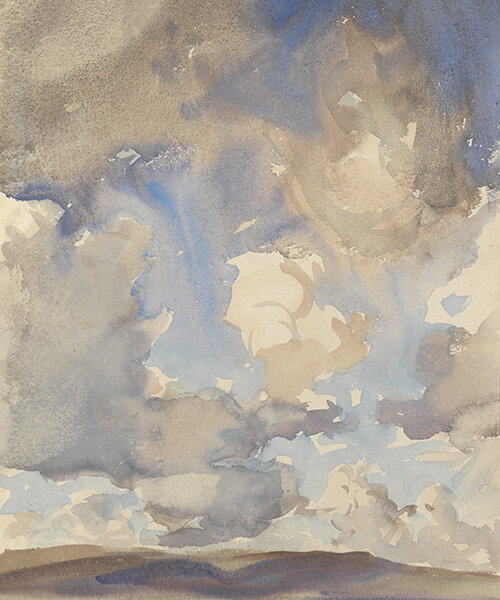
the MET gathers 200 years of capturing clouds, from tinted mirrors to painted negatives
the MET explores how clouds moved from scientific study to photographic experiment and, eventually, emotional expression.
prefer designboom on google[FEATURED]
‘chasing clouds’ opens in new york
A small blue-tinted mirror, on display as part of Chasing Clouds at The Metropolitan Museum of Art, once asked its user to do something novel. Instead of facing a landscape directly, the so-called Claude mirror was held over the shoulder, so that the scenery behind became a miniature reflection. Its slightly convex surface compressed the view while its dark glass deepened the colors. Artists used them, but so did tourists.
Long before the camera arrived, people were already finding ways to transform the world into an image before looking at it.
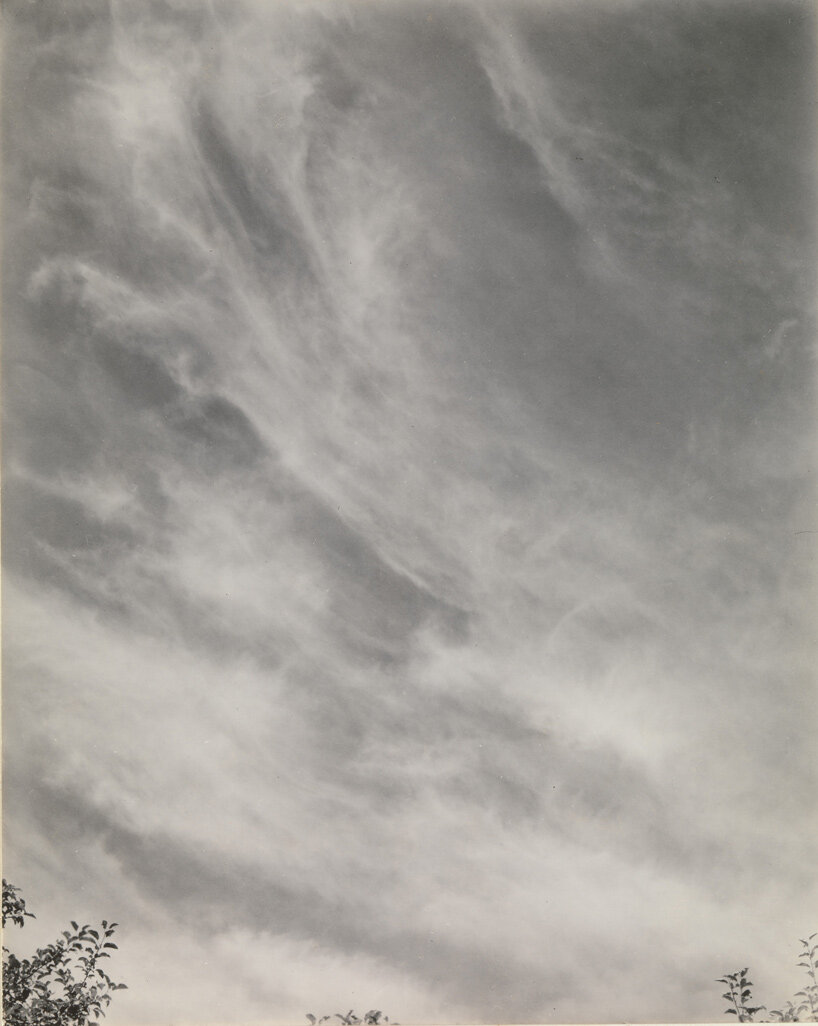
Now open in New York, the ephemeral exhibition is curated by Stephen C. Pinson and follows more than a century of people looking upward, from plein air painters studying changing skies around 1800 to Alfred Stieglitz pointing his camera almost exclusively at clouds in the 1920s. The subject is familiar enough to disappear into the background.
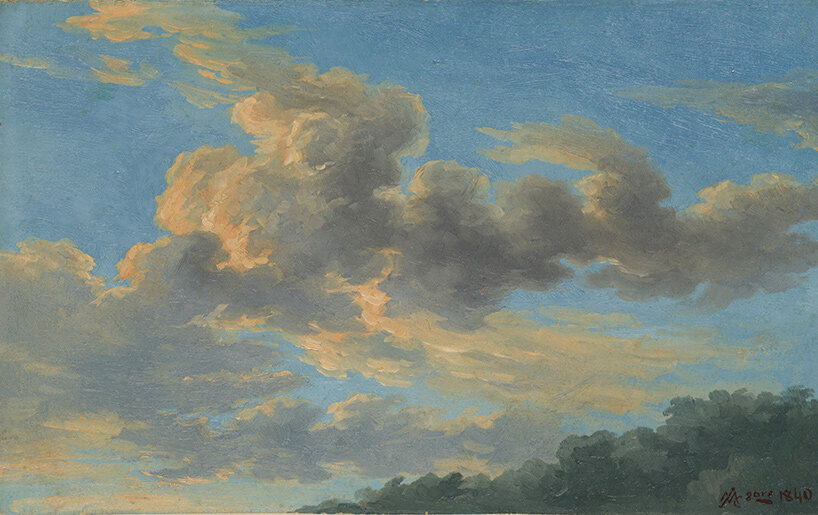
It becomes an excuse to ask what happens when we really look. ‘Around 1800, you have this convergence of scientific study of the clouds,‘ Pinson explains, ‘and then painters also going out into nature and trying to capture clouds.‘
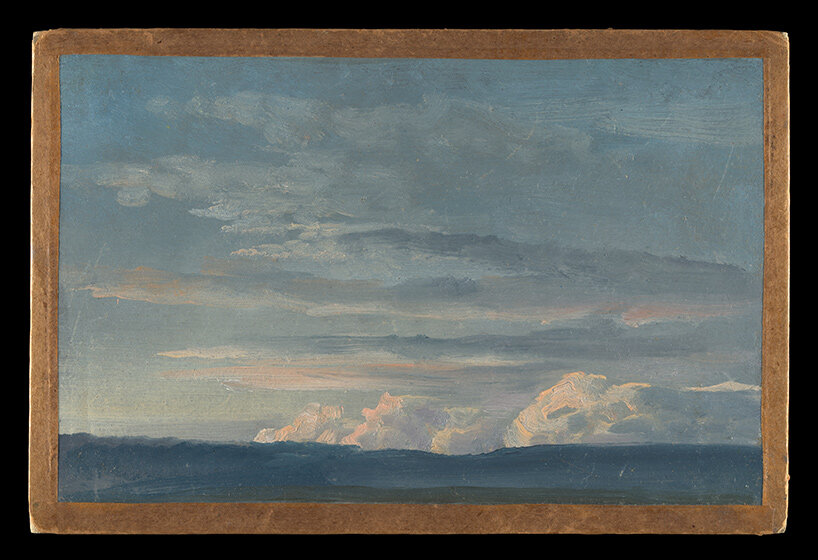
the sky becomes an observatory
John Constable made looking into a practice of its own. During the 1820s, he repeatedly visited Hampstead Heath in London to paint cloud studies, returning at different hours and under changing weather. He sometimes wrote the conditions directly onto the work: time of day, wind direction, where he was facing. He called the practice ‘skying.’
Hampstead became something close to a natural observatory, although the images retain all the looseness of paint moving quickly across paper. ‘For him, the sky and the light in the sky was the most important part of the picture,‘ Pinson says during a preview of Chasing Clouds at The Metropolitan Museum of Art.
Constable was looking up at the same moment scientists were trying to organize what they saw. In 1802, Luke Howard proposed the cloud classifications still familiar today, including cumulus and cirrus. His ideas traveled well beyond meteorology. Goethe wrote in response to Howard and circulated his work among artist friends, while clouds were appearing throughout Romantic poetry.
‘It was something that people were actually paying attention to and sharing amongst friends and colleagues,‘ He continues. The sky had become a subject to study, name, paint, and contemplate.
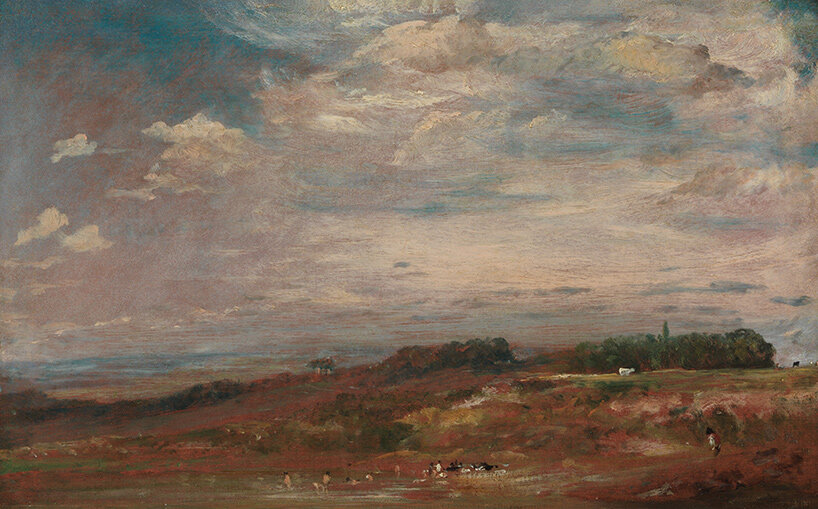
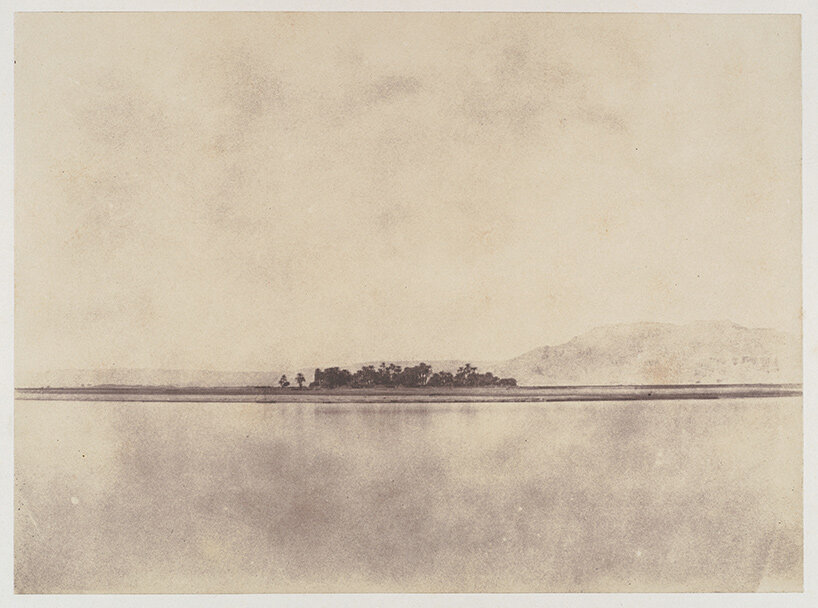
when photography struggled to see the sky
Photography seemed to promise an easier answer. A machine could record the world in front of it, bypassing the painter’s hand. The sky quickly exposed the limits of that idea. Early photographic chemistry reacted poorly to blue light, so an exposure that captured the land could wipe out the clouds above it.
In John Beasley Greene’s photographs of Egypt from the 1850s, the problem produces something unexpectedly beautiful. Sea and sky break into mottled fields, almost dissolving into abstraction. ‘It’s exquisite and it looks very modern,’ Pinson says. What now reads as an expressive image emerged partly from a camera struggling to see.
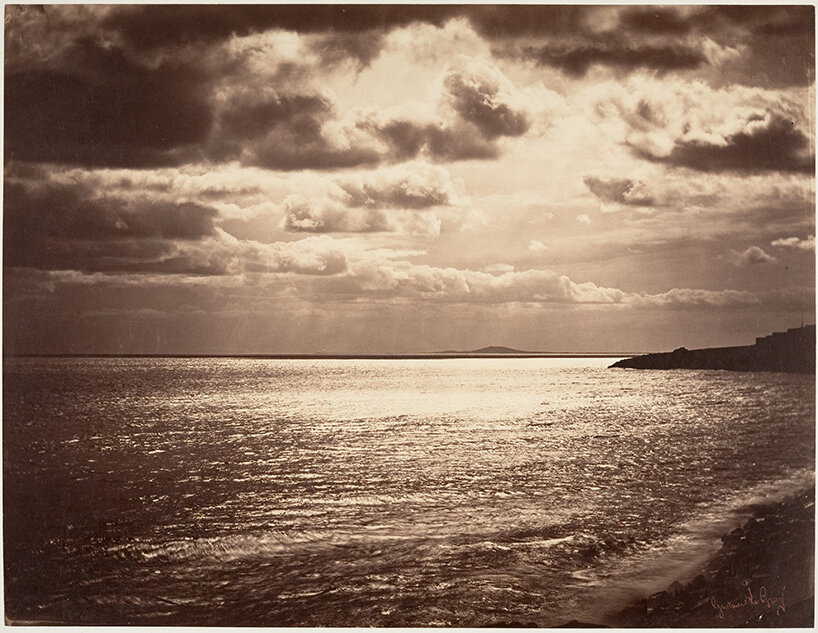
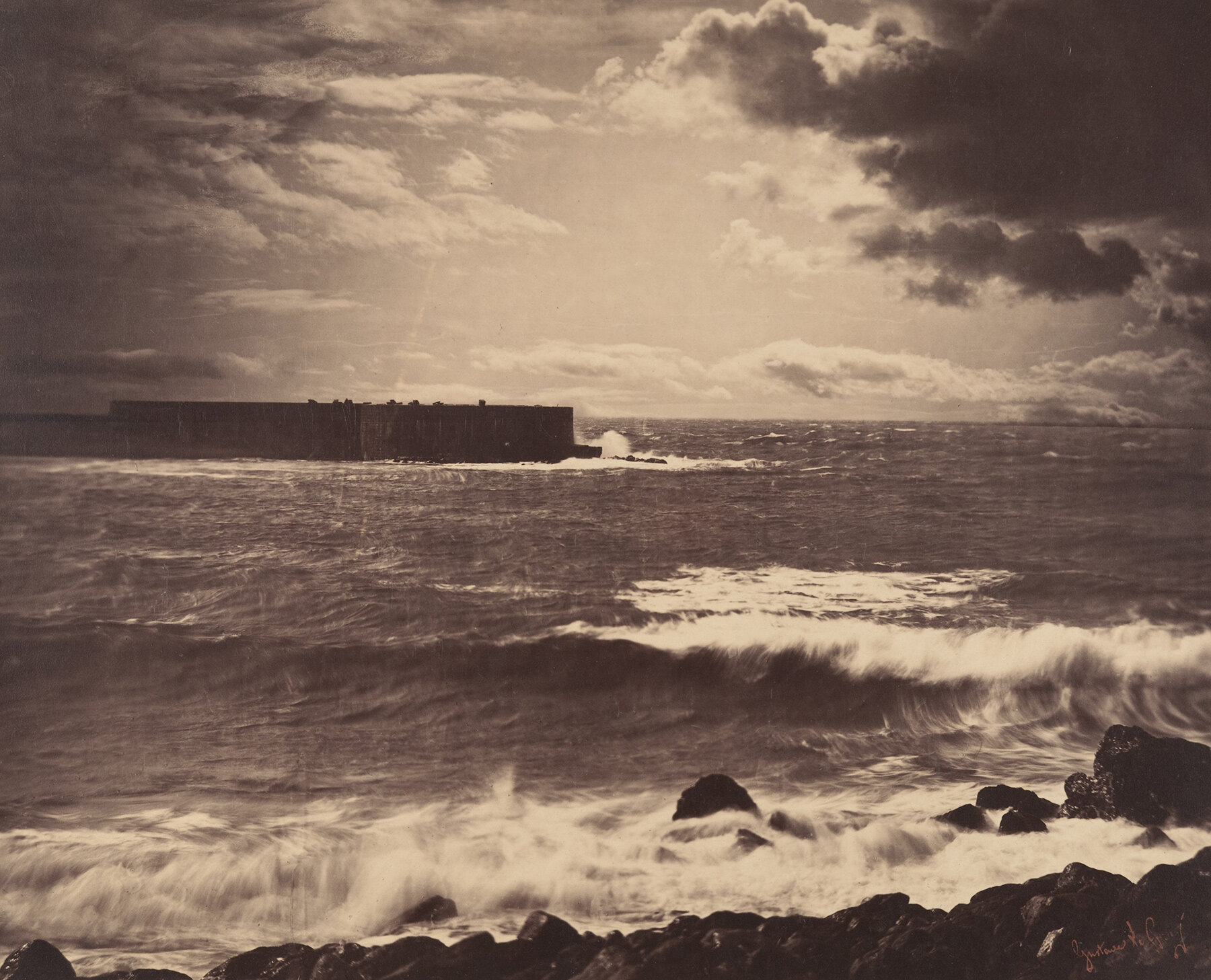
Photographers even began building the sky themselves. Édouard Baldus painted it away on the negative, leaving a blank field overhead. Gustave Le Gray took another approach, joining one negative exposed for the sea with a second made for the clouds. He became so skilled at the technique that he kept a library of skies to use across different pictures. Pinson continues: ‘You might find the same clouds over a different ocean completely.‘
the camera begins constructing the sky
There is something unusually contemporary about the trick. The photographic image carried an expectation of truth almost from the beginning, yet its makers were already cutting the visible world apart and putting it back together. The person standing before the finished picture had little reason to know that the ocean and the sky had ever existed separately.
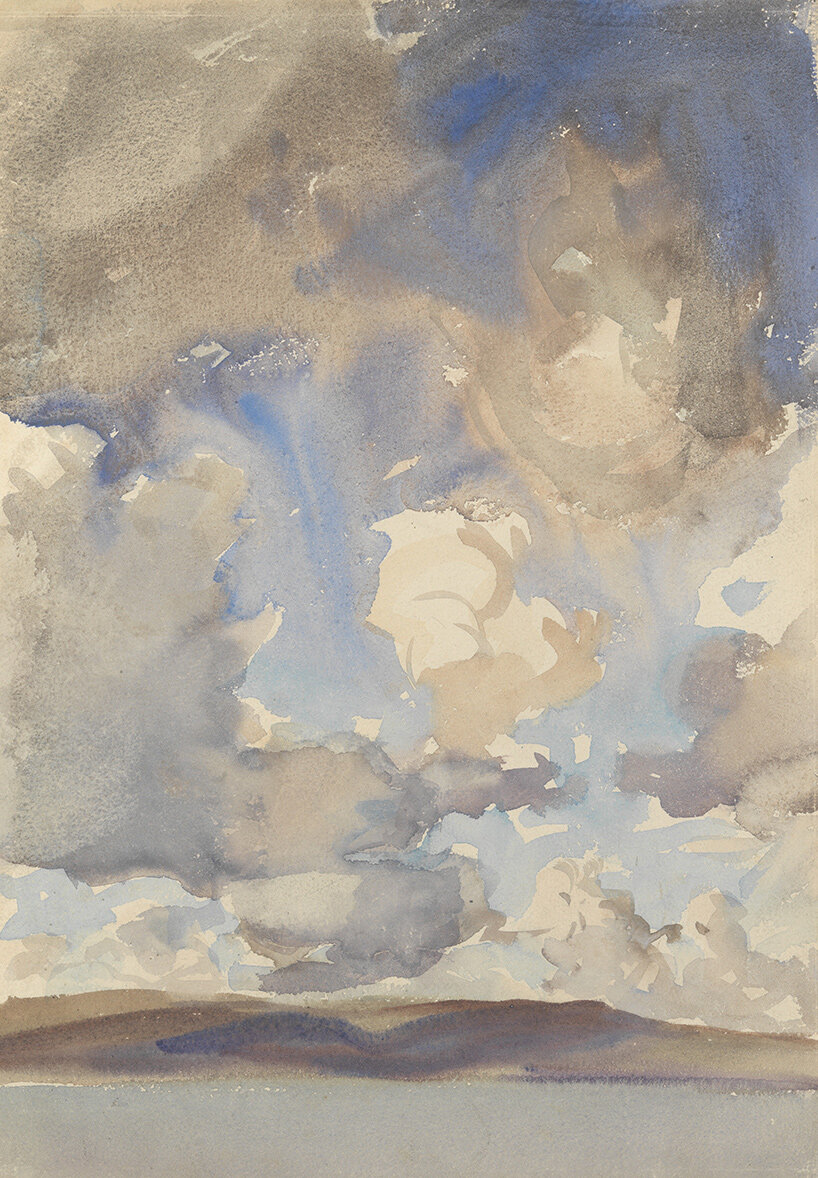
Elsewhere in the exhibition, photographers paint clouds directly onto negatives while painters begin making images that seem to absorb photography’s strange cropping and tonal effects. The camera changes how people look, and painting changes alongside it.
Roger Fenton’s cloud studies push that exchange somewhere more emotional. He allowed the ground to fall deep into shadow in order to preserve the sky above, producing photographs far removed from the work for which he became best known.
Pinson describes them as ‘more about capturing a feeling or an emotion‘ than recording the scene in front of the lens with complete objectivity. By this point, the show’s early distinction between seeing and interpreting has become increasingly hard to maintain.
decontextualized clouds become abstractions
Then Stieglitz points his camera upward and removes almost everything else. At Lake George in the 1920s, he began photographing clouds without the familiar cues of horizon or landscape. He initially called the series Music. Eventually these images became part of what he termed his Equivalents. By then photographic technology could capture the sky with ease, so the challenge had changed. The cloud became a vehicle for something the camera could never record directly.
‘He was not trying to capture this sort of objective reality,‘ Pinson says. ‘It was for him a representation of his emotional state at the time that he made the photographs.‘
It’s a fitting place for Chasing Clouds to stop. Across the show, artists and great thinkers invent new ways of seeing the same thing overhead, from a darkened piece of glass to increasingly capable cameras. But each new device complicates the view as much as it sharpens it. By the time Stieglitz removes the ground beneath the cloud, looking has become an act of projection too. The sky is still there but what we see in it depends, as ever, on who is looking.
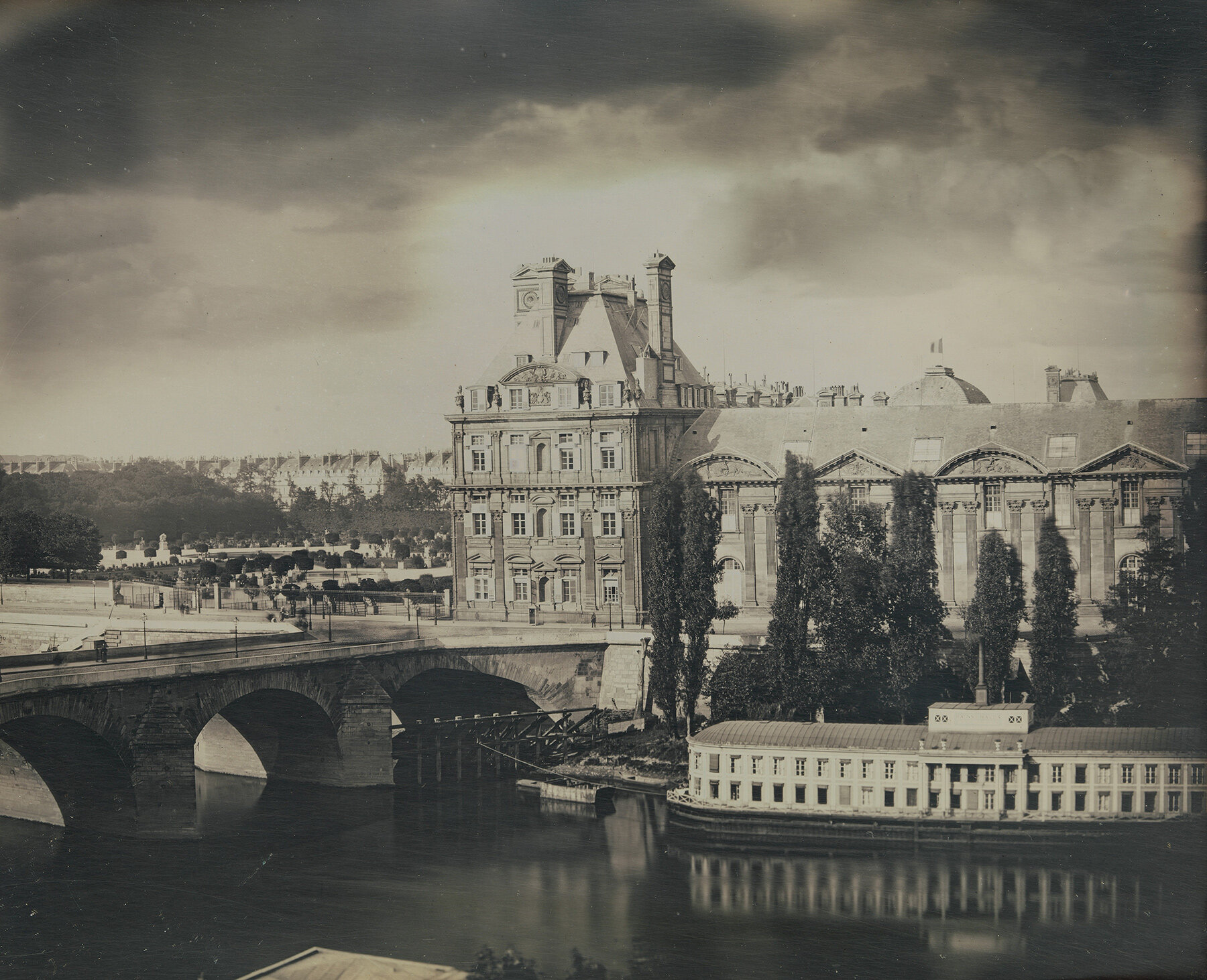
and Robert Menschel, 2005
project info:
name: Chasing Clouds
museum: Metropolitan Museum of Art | @metmuseum
location: New York, NY
dates: September 14th, 2026 — February 28th, 2027
This article is part of designboom’s SPECTATOR AND SPECTACLE chapter, asking how wonder gets built, and how it might return some mystery to a world that has measured most of it away. Presented in partnership with SolidNature, the stories in this chapter turn onlookers into participants, alter perception and disrupt the everyday – learn more here!
Each designboom chapter explores one theme in depth through projects, interviews, features and news across architecture, design, art and technology. Discover more chapters here, and get in touch if you’d like to submit a story through our submissions portal or contact form.

shop
your own online design shop — no sales commission collected