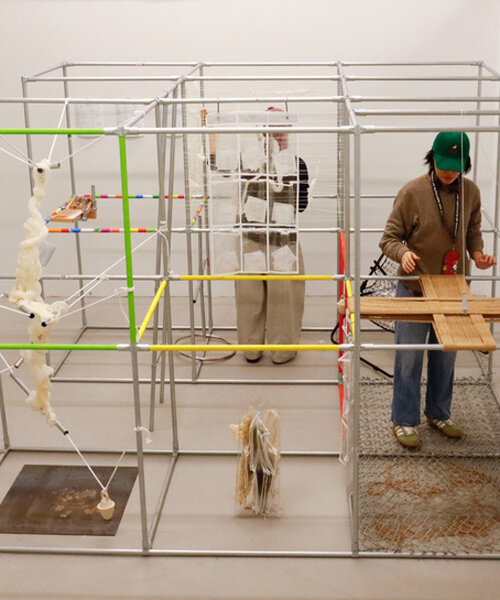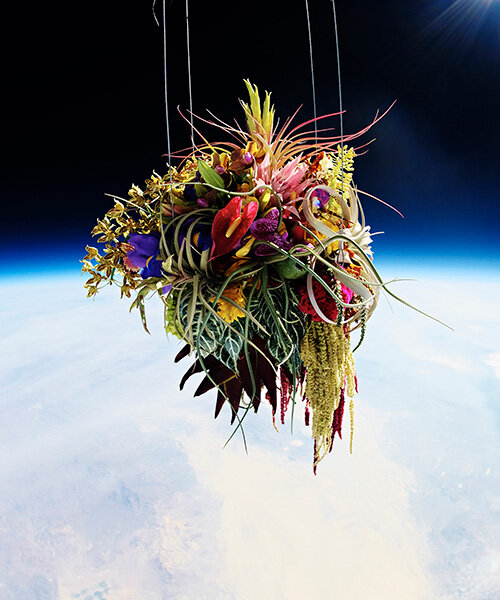
what can looking at earth from space teach us about how we live on it?
bringing together more than 50 artists, astronauts, scientists, and cultural thinkers, 'inploration: art exploring space to understand earth' by richelle ellis and lawrence azerrad explores how art can turn the perspective of space exploration into a deeper understanding of our planet.
prefer designboom on google[FEATURED]
inploration brings the overview effect down to earth
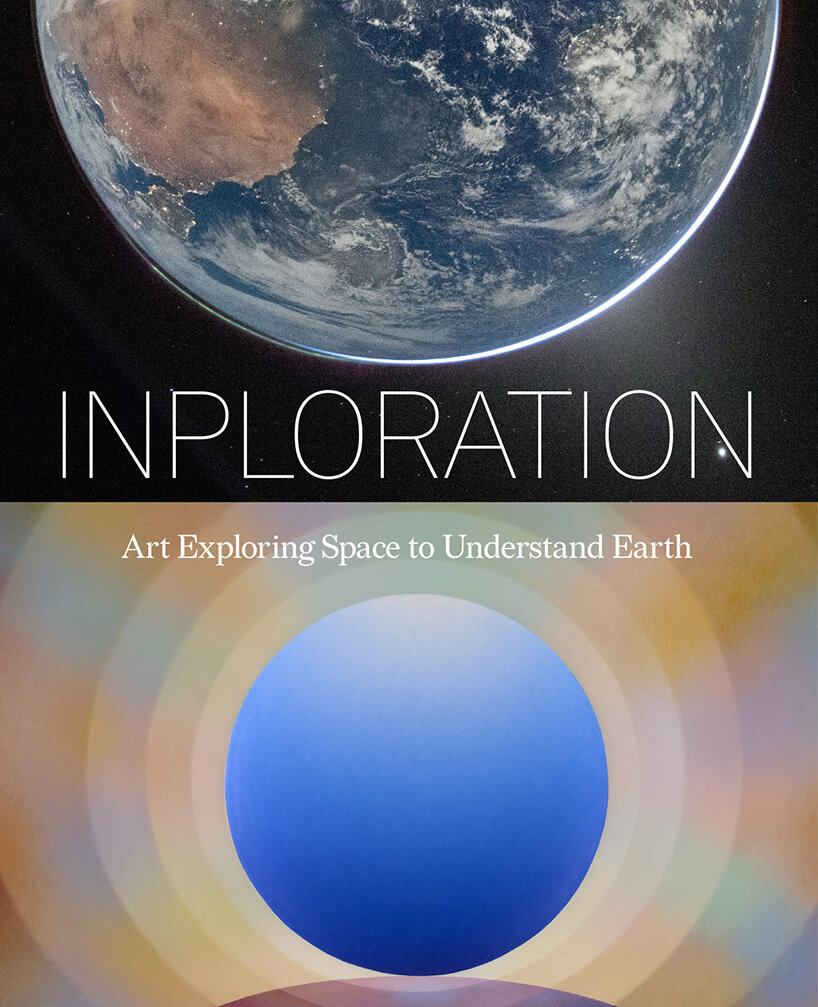
‘We are not observers of this world. We are participants in it. We always were.’ In an interview with designboom, artist Richelle Ellis and creative director Lawrence Azerrad discuss the thinking behind Inploration: Art Exploring Space to Understand Earth, a book published by DelMonico Books. Bringing together more than 50 artists, scientists, astronauts, ecologists, and cultural thinkers, the publication examines how exploring space can change our understanding of Earth, and how art can turn a sense of planetary wonder into a more active form of environmental responsibility.
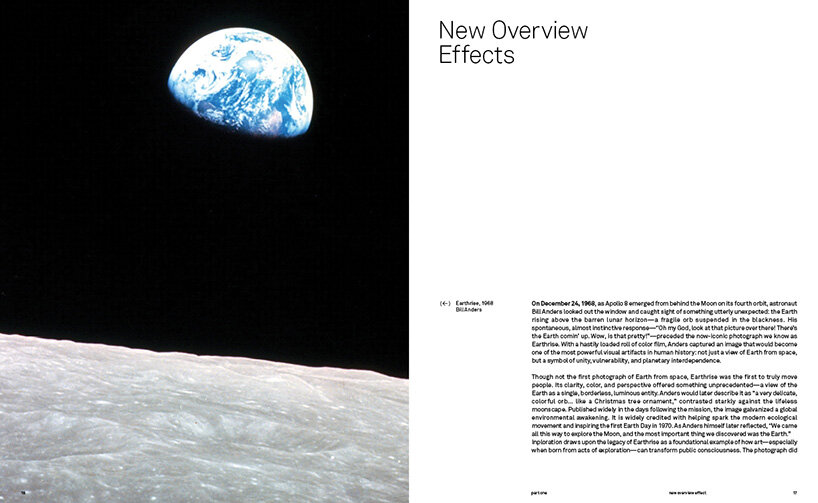
The book takes its starting point from Earthrise, the photograph captured by Apollo 8 astronaut Bill Anders on Christmas Eve 1968. Not included on the shot list of the mission, the image was captured spontaneously, revealing Earth as a blue and white sphere suspended against the darkness of space, without visible borders. Its impact extended beyond the space program, offering a new perspective on the planet as a shared and vulnerable home. Nearly six decades later, Ellis and Azerrad return to that image asking how the Overview Effect can resonate with people who may never leave Earth. In a culture saturated with photographs, videos, and digital feeds, the challenge is not simply to reproduce the sense of wonder that Earthrise inspired, but to connect that perspective to the ways people live, make decisions, and care for the world around them.
looking outward to understand what is at home
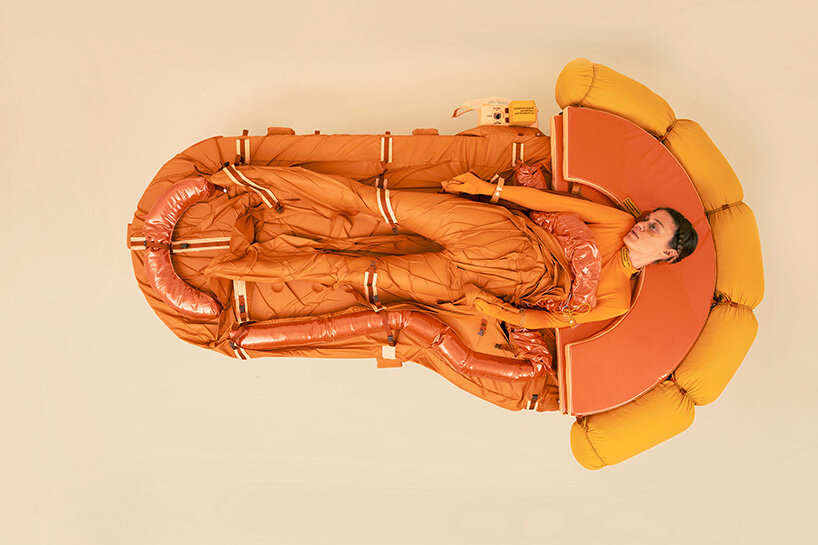
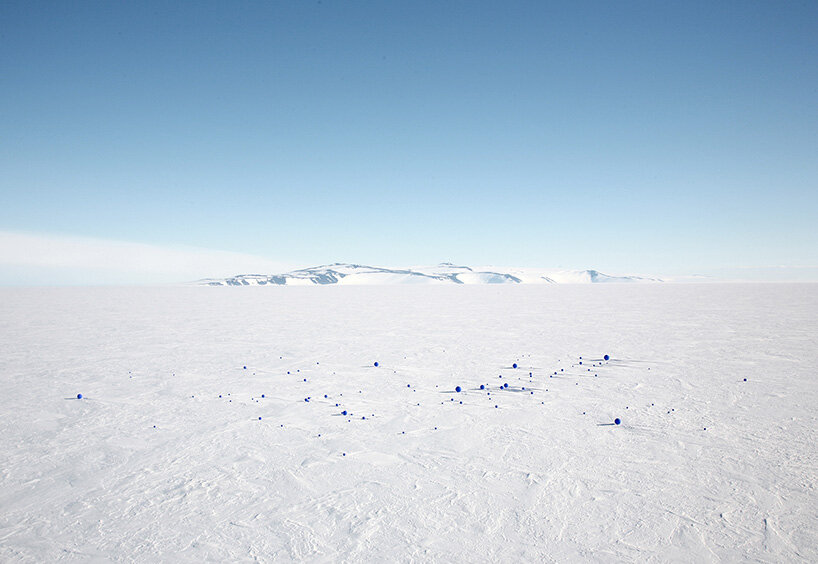
For Richelle Ellis, the relationship between space and Earth extends beyond the astronaut’s view. Her artistic practice moves between deep space, the deep ocean, remote terrestrial environments, and analog space missions, including projects that send artworks beyond Earth. These different settings share a central question: what happens to our understanding of home when we leave the environments we know? The farther we travel from familiar surroundings, Ellis argues, the more apparent our dependence on Earth becomes. Space makes borders seem arbitrary, while the deep ocean reveals worlds that remain largely invisible despite their importance to planetary health. Both environments challenge the assumption that what cannot be seen or directly experienced is somehow separate from everyday life.
Art can bring distant or unfamiliar environments closer, helping people connect with ideas that might otherwise remain abstract. In Inploration, this is where art and science meet. The book brings together people from both fields to explore how we understand the world, what remains unknown, and how looking at things differently can change our perspective. While their methods may differ, artists and scientists share a willingness to ask questions, look more closely, and explore the unfamiliar. Among the contributors is Amber Straughn, deputy project scientist for the James Webb Space Telescope, whose work helps communicate the significance of images made by the observatory. As she puts it, ‘Astronomy can lead us to think about bigger things rather than just the facts’. The telescope’s images allow viewers to reconsider time, scale, and humanity’s place in the universe. As Straughn explains, ‘we’re literally seeing them as they were further back in time.’ The publication also responds to changing ways of seeing. Its cover and back cover were updated at press time to include images from the Artemis II mission, many taken by crew members using their iPhones. Placed alongside the Hasselblad film photography associated with the Apollo era, these contemporary images point to how space exploration is documented and shared across generations. The tools change, but the challenge remains: how can an image of somewhere remote alter our understanding of where we are?
from the voyager golden record to a new earthrise
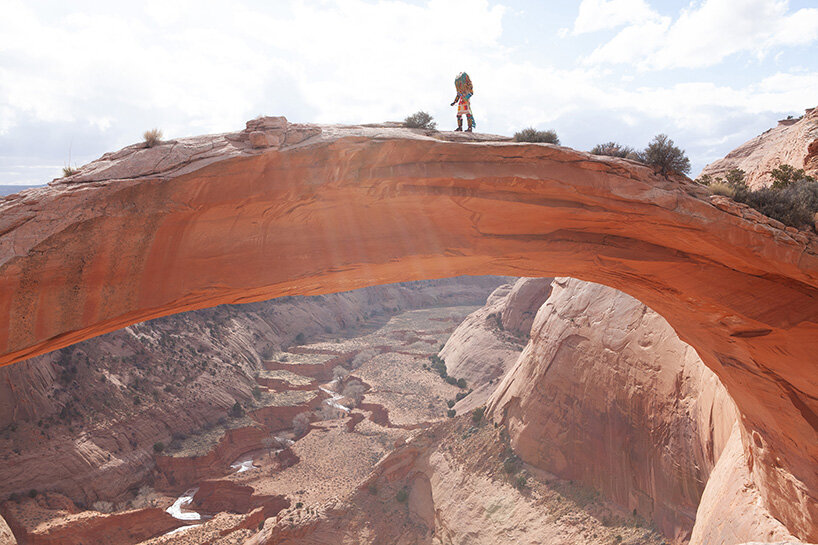
Azerrad brings another perspective to the project through his work as a creative director and his involvement in the 40th-anniversary edition of the Voyager Golden Record. Launched aboard NASA’s Voyager spacecraft, the record was designed as a message to potential extraterrestrial life, assembling images, sounds, music, and information intended to communicate something about humanity. Its audience may be unknown, but its message also turns back toward Earth. The act of selecting what to send into the cosmos requires a decision about what matters enough to represent us. The Golden Record is as much an exercise in collective self-understanding as it is an attempt at interstellar communication. Azerrad approaches Inploration in a similar way, as an attempt to prompt new ways of seeing Earth. His creative process begins with listening and asking questions, allowing different perspectives to sit alongside one another.
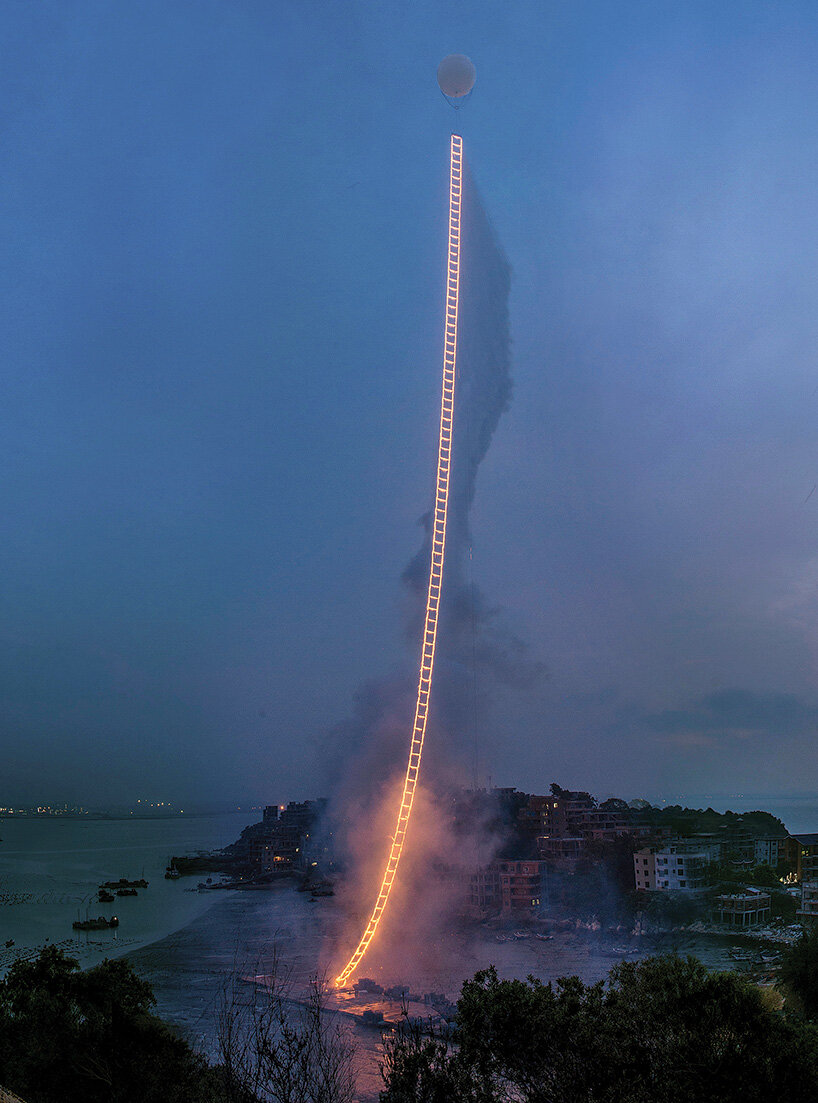
The work of artist Cai Guo-Qiang offers another perspective on humanity’s relationship with time and the planet. His pyrotechnic works exist only in the moment of their creation, demanding the viewer’s attention before disappearing. Reflecting on his practice, Ellis and Azerrad share that it reminds them that ‘our only true relationship with the planet exists in the finite moment we are in. The past and the future are really just ideas.’ The observation connects Cai’s ephemeral works to the book’s broader argument: planetary awareness begins with paying attention to the world as we experience it now.
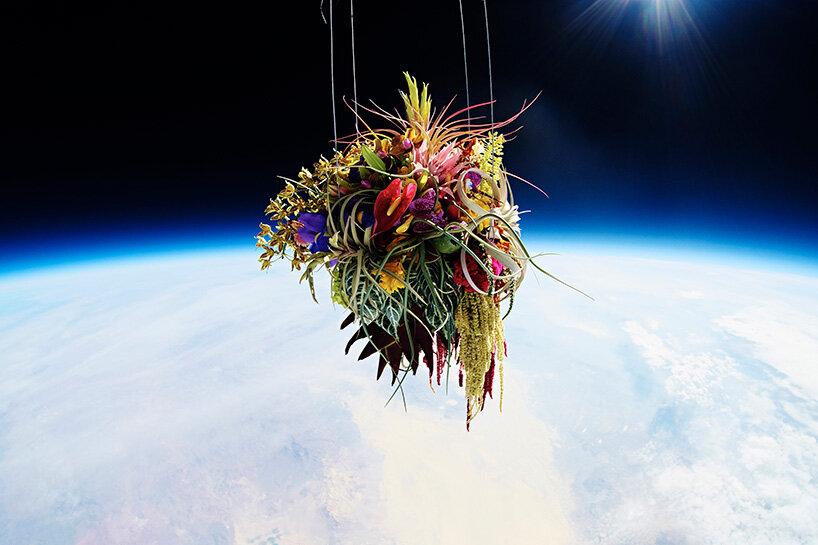
whose cosmology, whose responsibility?
The section on Indigenous knowledge and cultural cosmologies expands the book’s exploration of how different ways of understanding the universe shape our relationship with Earth. Rather than treating the cosmos solely as something to observe and measure, these perspectives connect knowledge to relationships among people, land, other living beings, and future generations. The difference is not simply between scientific and spiritual understandings, but between the ways knowledge informs our responsibilities to the world. Where some Western approaches have treated nature as a resource to study and extract, many Indigenous cosmologies emphasize reciprocity, care, and the obligations that come with being part of a living world.
Artist Cannupa Hanska Luger expresses the relationship between cultural knowledge and scientific understanding directly. ‘The stories are the cosmology. The cosmology is the science,’ he notes. Here, storytelling is not an alternative to knowledge but a way of transmitting an understanding of how the world works and how people should live within it. Other contributors bring the discussion back to the scale of everyday responsibility. Artist Tavares Strachan asks us to reconsider the geography of care: does responsibility extend to someone twenty miles away, or only to the person next door? Artist Rebeca Méndez poses a more fundamental question: ‘What does the Earth need from us?’ These questions complicate the familiar image of Earth as a single, unified home. Seeing the planet as a whole can produce a sense of collective belonging, but that feeling must extend beyond the photograph. It requires attention to the unequal ways environmental harm is experienced, to the knowledge held by communities whose relationships with land have endured across generations, and to the consequences of decisions made in the present. Physicist and systems thinker Fritjof Capra also highlights the importance of slowing down enough to recognize relationships that are otherwise easy to miss.
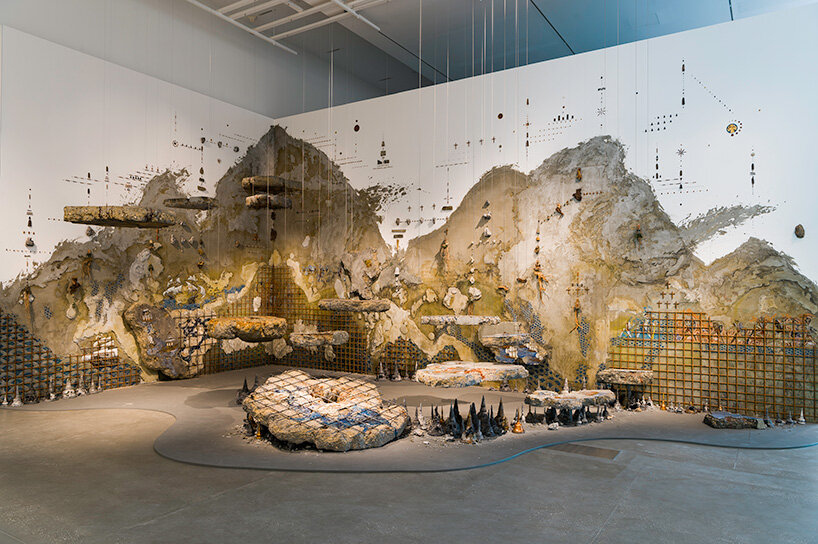
MAKING THE FUTURE TANGIBLE
Inploration: Art Exploring Space to Understand Earth also asks how we move from understanding environmental crises to feeling able to respond to them. Climate change, biodiversity loss, and the complexity of planetary systems can be difficult to grasp on a personal level. Faced with a constant stream of alarming information, it is easy to feel overwhelmed rather than empowered to act. Art and design offer another way to engage with these challenges by translating complex ideas into images, sounds, and experiences. As musician and artist Beatie Wolfe observes, data alone cannot always convey the emotional weight of an issue. Art can help people connect with information that might otherwise feel distant. Astronomer Janna Levin captures this role succinctly: ‘The point is to move people with the knowledge.’
For artist Lita Albuquerque, understanding our place in the universe begins with locating herself within it. She describes her cosmic address, tracing her position from a specific date and time through the Solar System to the Laniakea Supercluster. ‘I don’t feel overwhelmed,’ she says, adding, ‘I feel connected.’ Her perspective suggests that looking beyond Earth can reveal the connections that make life possible. Design offers another way to consider our relationship with the future. Designer Forest Young notes that ‘any brief is an exercise in futuring,’ describing the act of creating as an exercise in imagining what comes next. He follows this with a question: ‘What is the thing we’re steering away from?’ His approach asks us to consider the choices shaping the future now. Activist Van Jones makes a similar point: ‘The future is not something we enter. The future is something we create together.’ The book carries this thinking beyond its contributors through a series of self-directed exercises that invite readers to reflect on their own relationship with the planet. A related program is planned for MASS MoCA in November 2027, alongside a companion LP to be released through Magnolia Record Store.
NO ROCKET REQUIRED
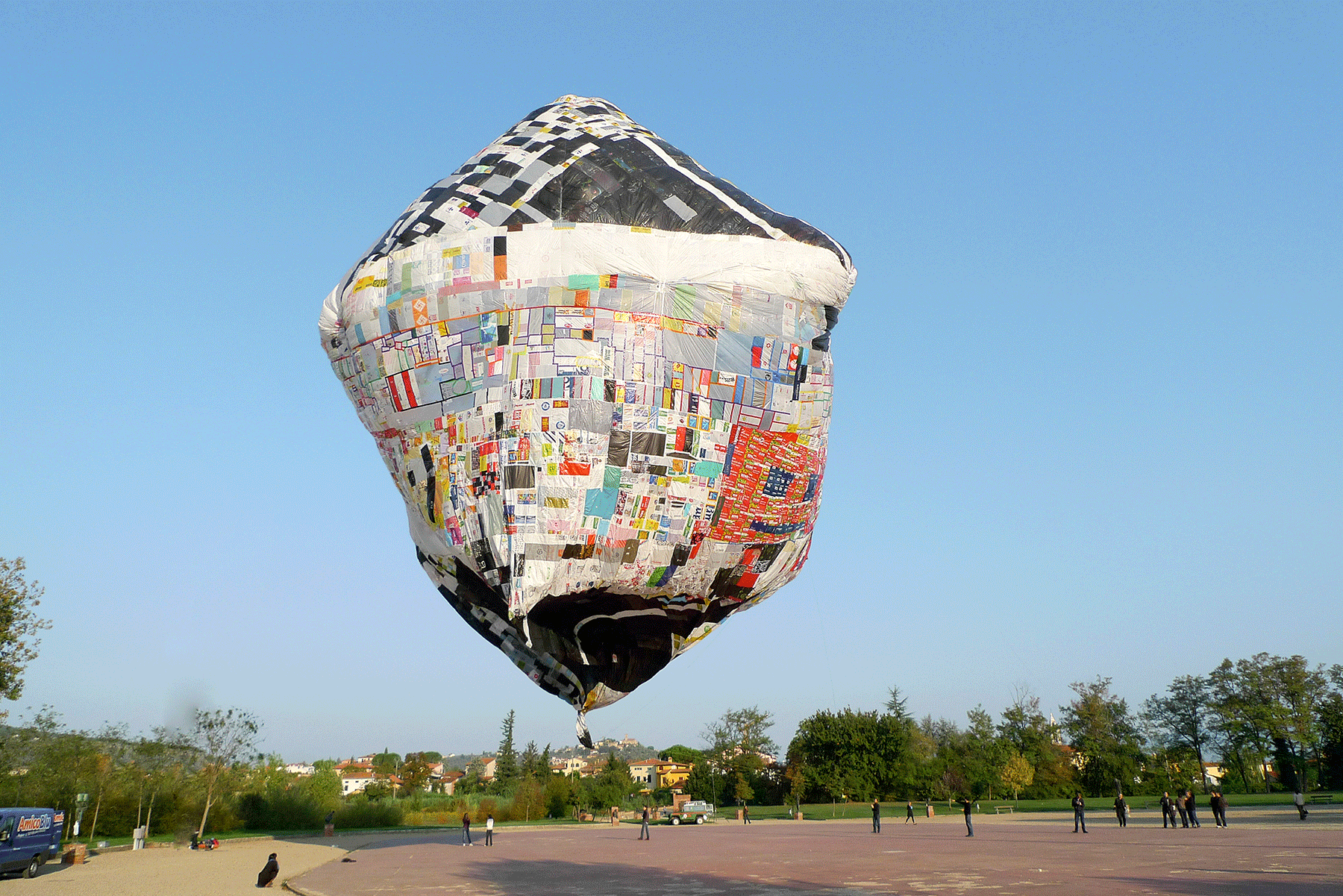
For Richelle Ellis and Lawrence Azerrad, the Overview Effect is not limited to astronauts looking back at Earth from space. It can start with looking up at the night sky or noticing details of the world we often take for granted. As they suggest throughout Inploration, we do not need to leave the planet to see it differently. The harder part is carrying that perspective into how we live. How do we account for the generations that come after us? Who do we include when we talk about humanity, and what do we owe the planet we share? The Earthrise photograph changed how millions of people saw Earth, even though most would never experience that view for themselves. With Inploration, Ellis and Azerrad hope art can prompt that same sense of recognition today, by paying closer attention to the world we already call home.

project info:
name: Inploration: Art Exploring Space to Understand Earth
authors: Richelle Ellis | @richellellisart and Lawrence Azerrad | @lad_design
publisher: DelMonico Books | @delmonico_books
foreword: Frank White
This interview is part of designboom’s POSTHUMAN UTOPIAS chapter, exploring what happens when humans are no longer the measure of all things. These stories rethink our relationship with the planet through interspecies architecture, living materials, regenerative landscapes and emerging technologies – learn more here! The chapter is presented in partnership with INDX|GLOBAL – a global cultural platform placing Indian architecture, design, and creative intelligence in conversation with the world.
Each designboom editorial series explores one theme in depth through projects, interviews, features and news across architecture, design, art and technology. Discover more chapters here, and get in touch if you’d like to submit a story through our submissions portal or contact form.

shop
your own online design shop — no sales commission collected