designboom has received this project from our DIY submissions feature, where we welcome our readers to submit their own work for publication. see more project submissions from our readers here.
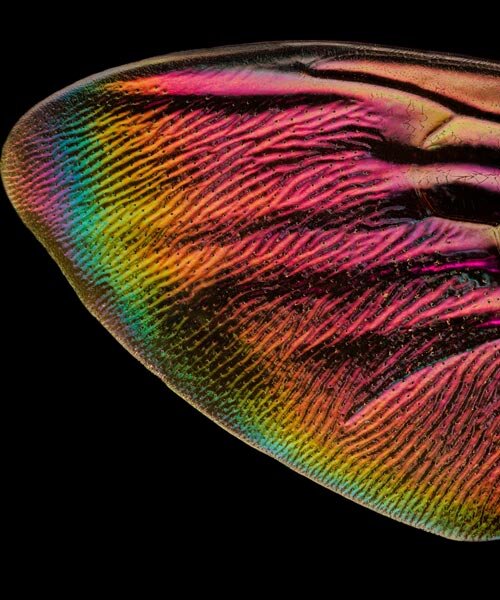
iridescent insect wings glow in chris perani’s macro portraits series
by stacking 2,000 separate images into a single portrait, chris perani reveals the hidden textures of insect wings.
prefer designboom on googleChris Perani’s examines the surface structure of insect wings
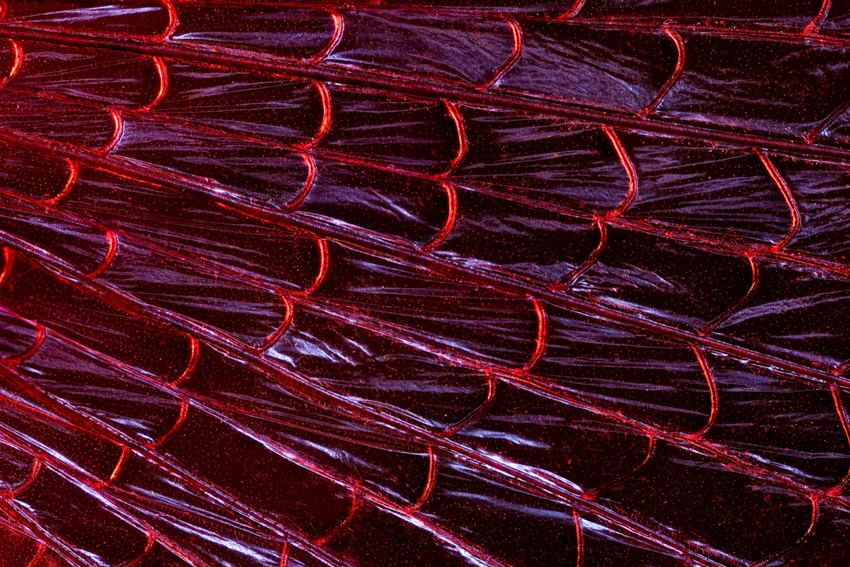
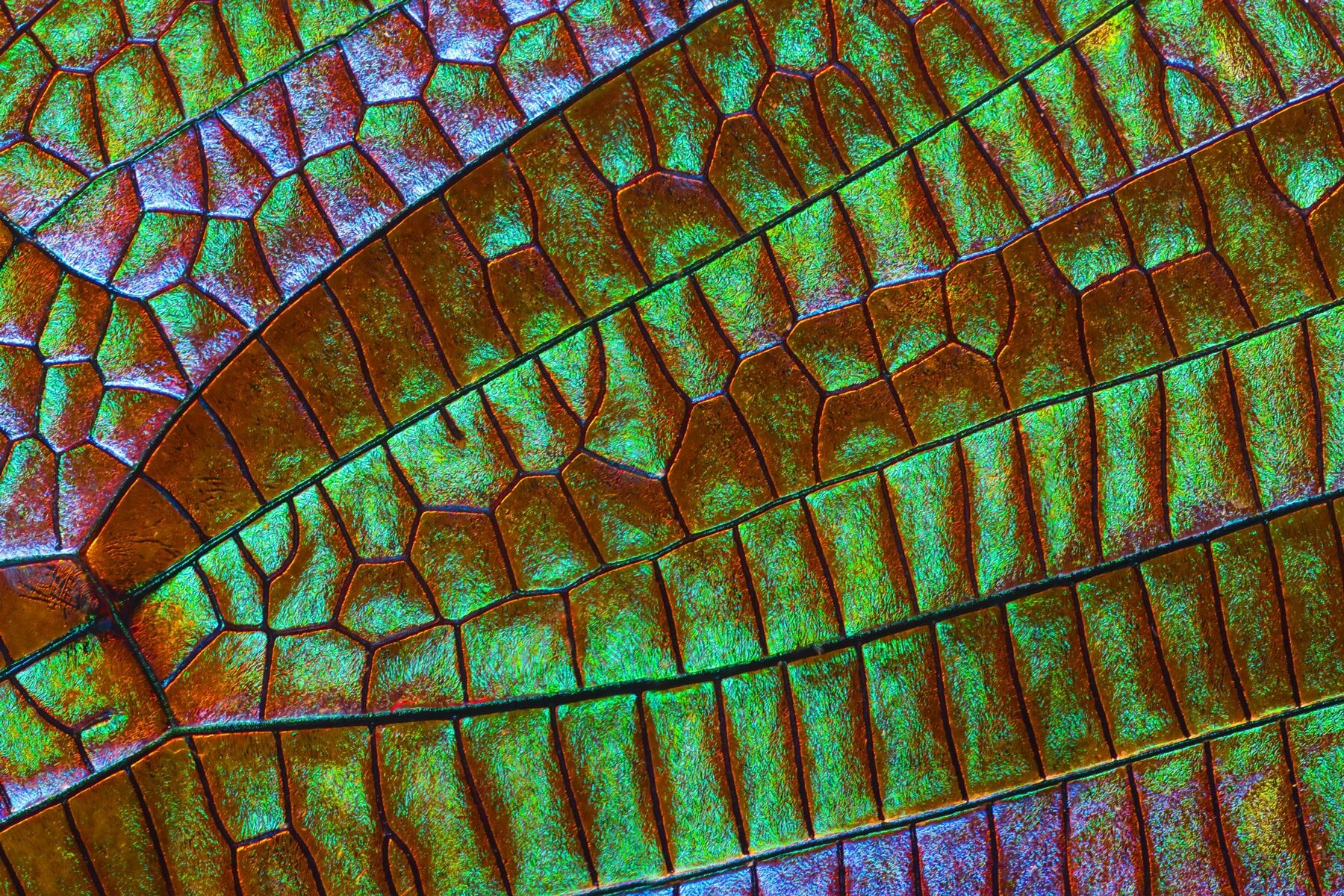
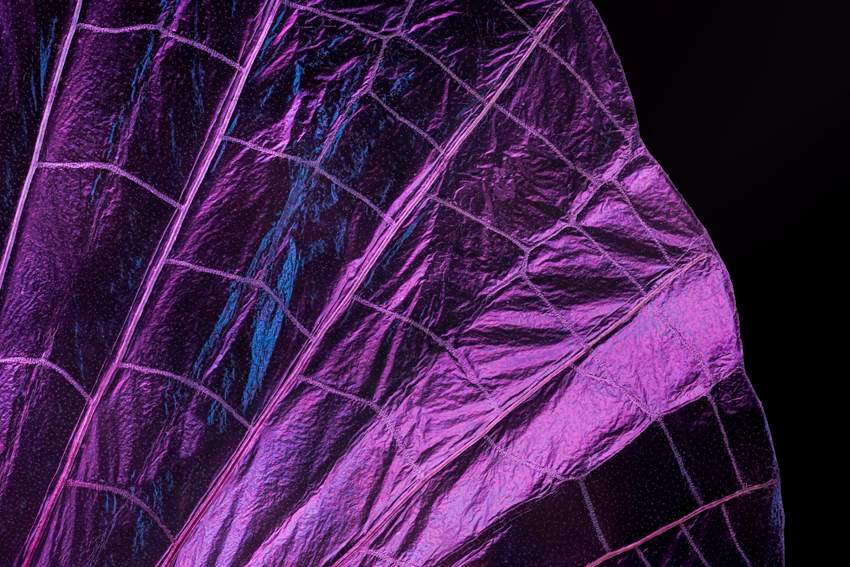
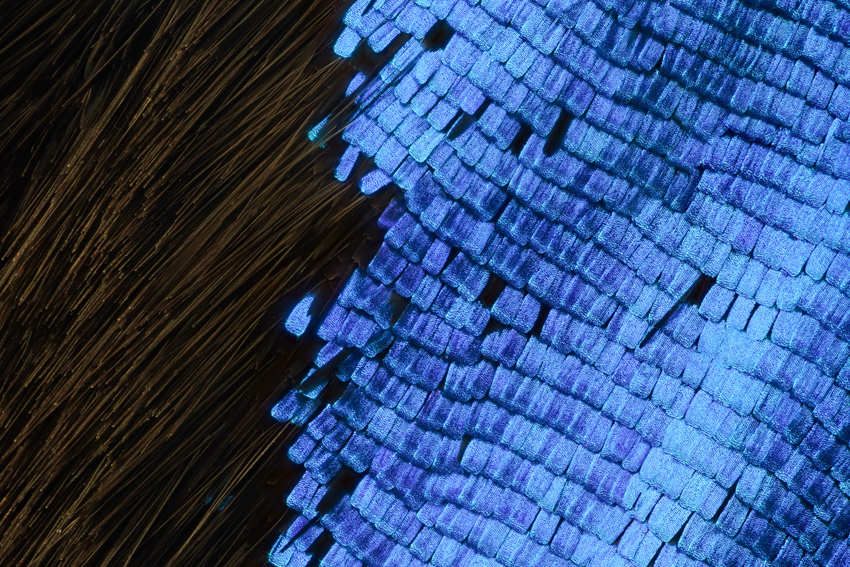
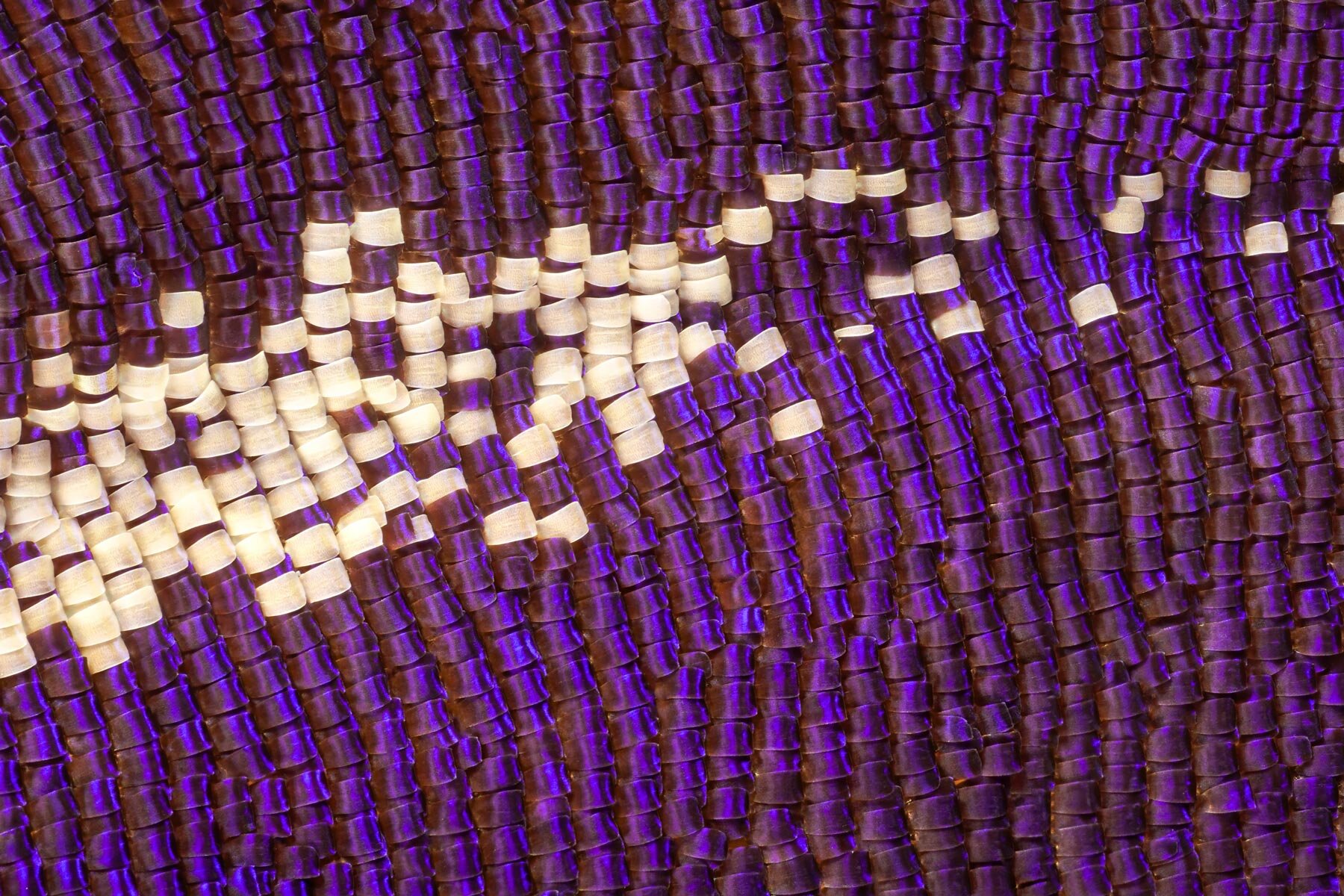
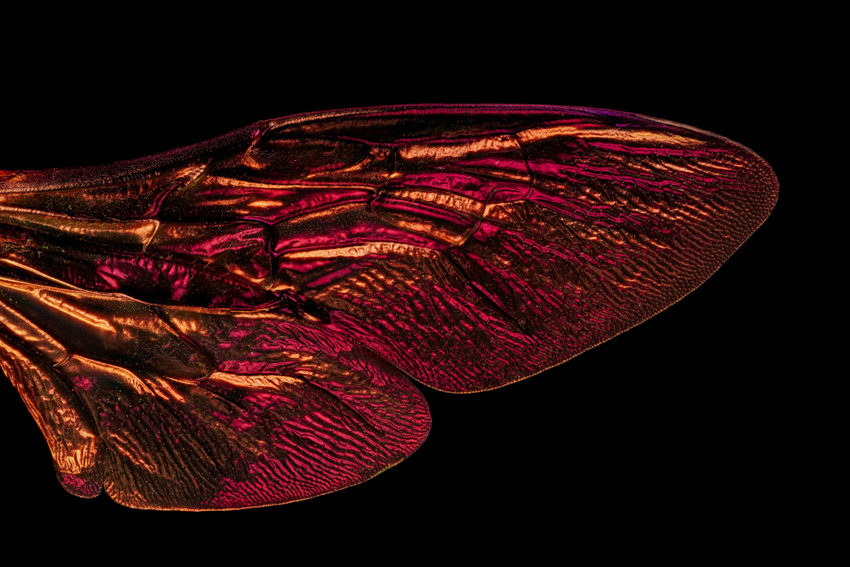
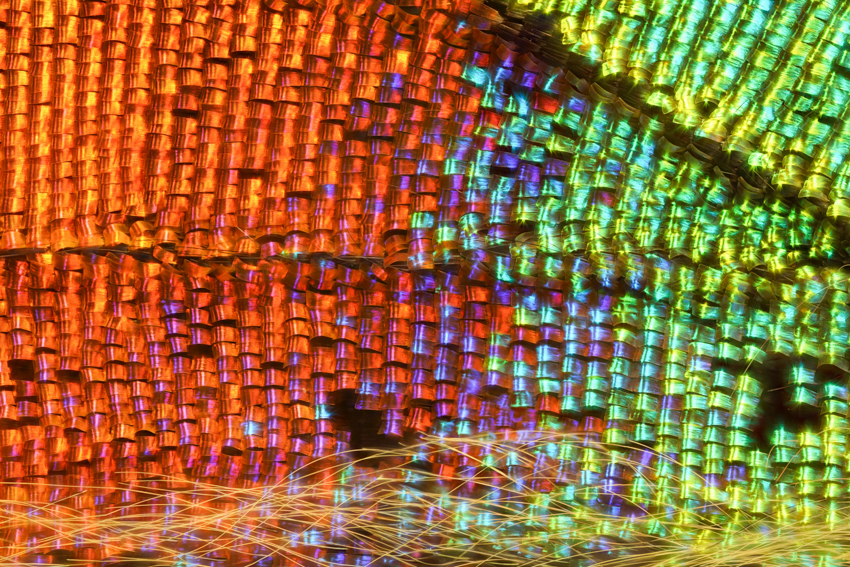
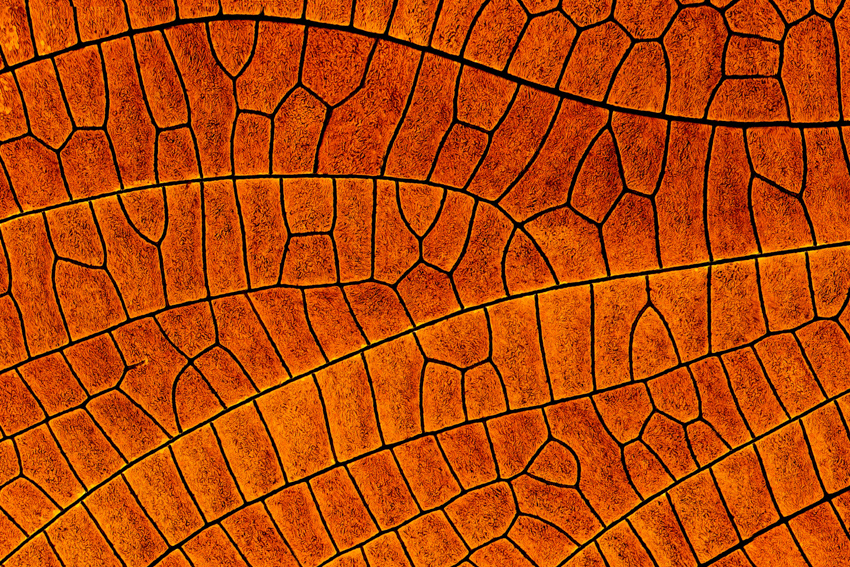
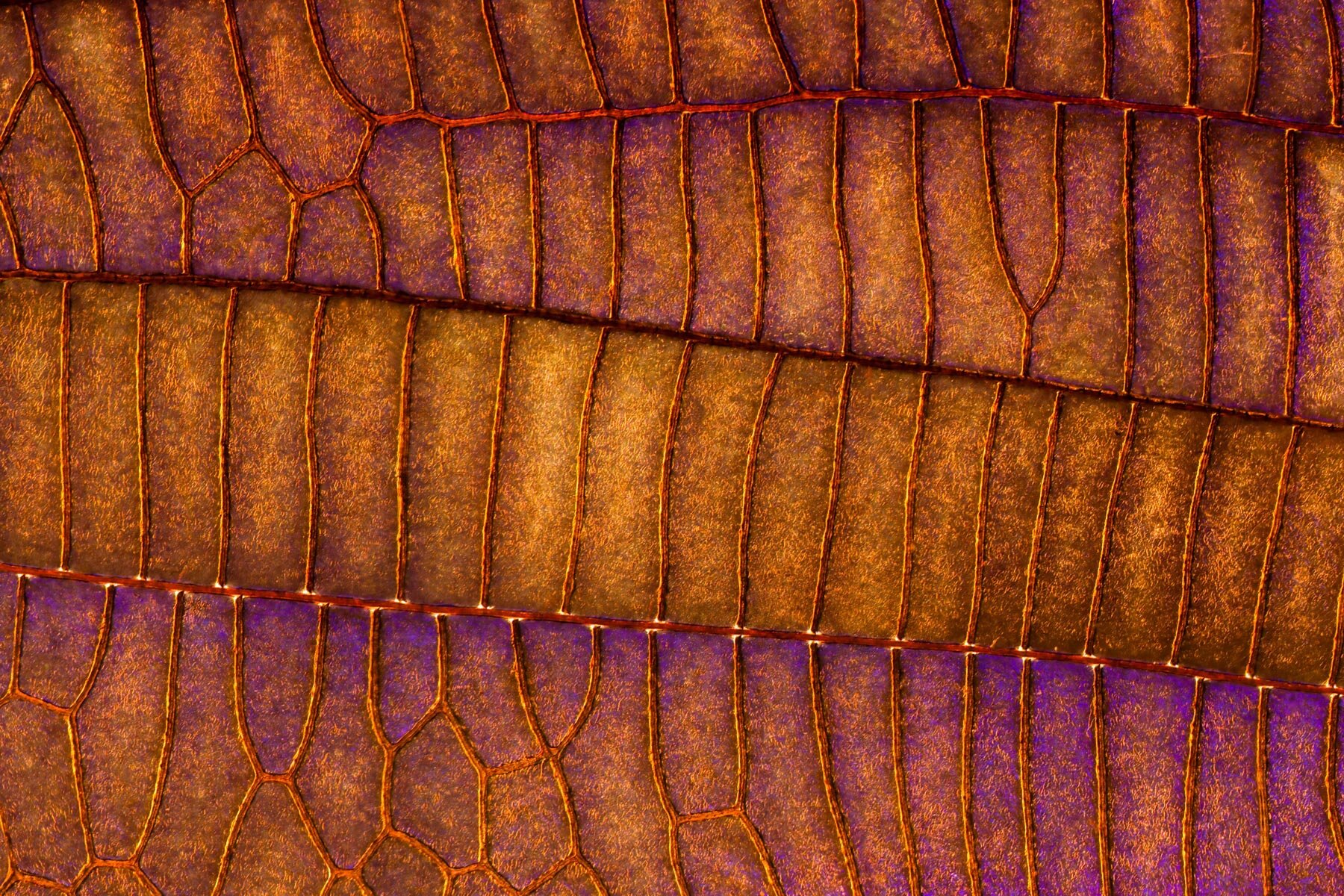
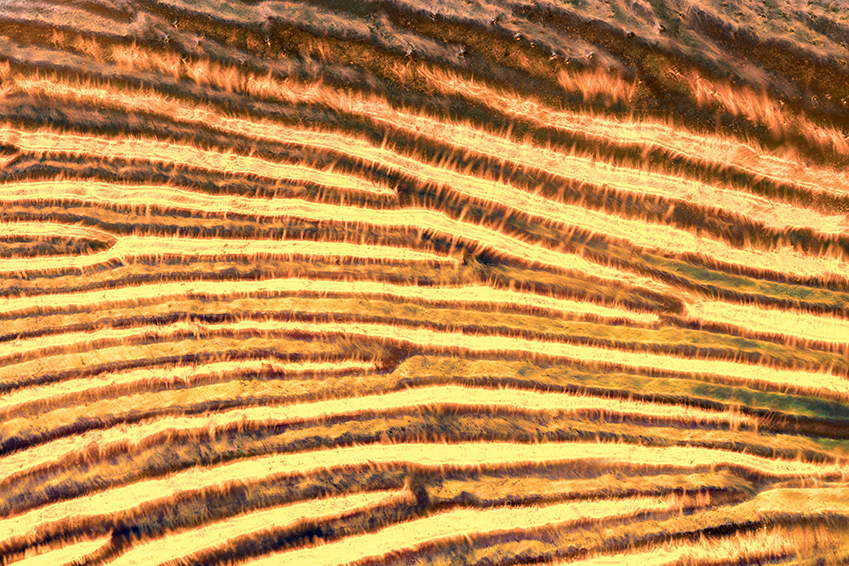
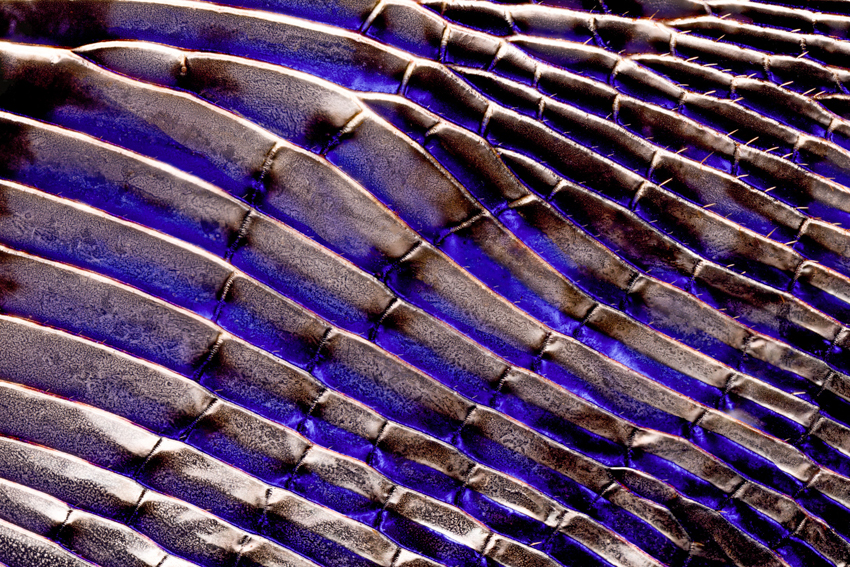
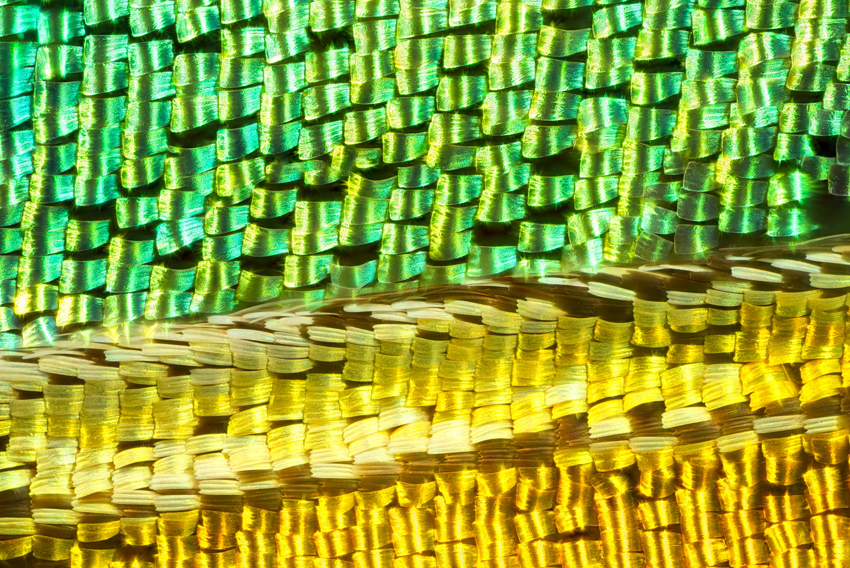
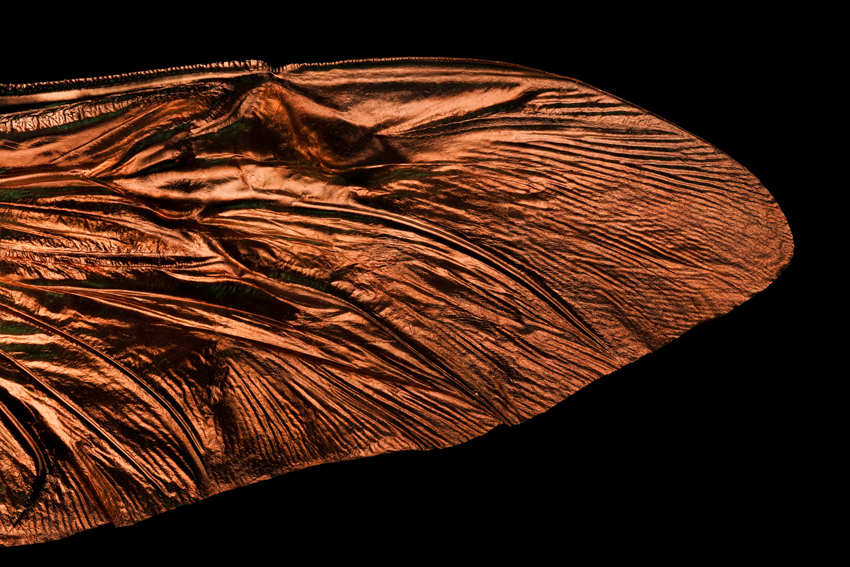
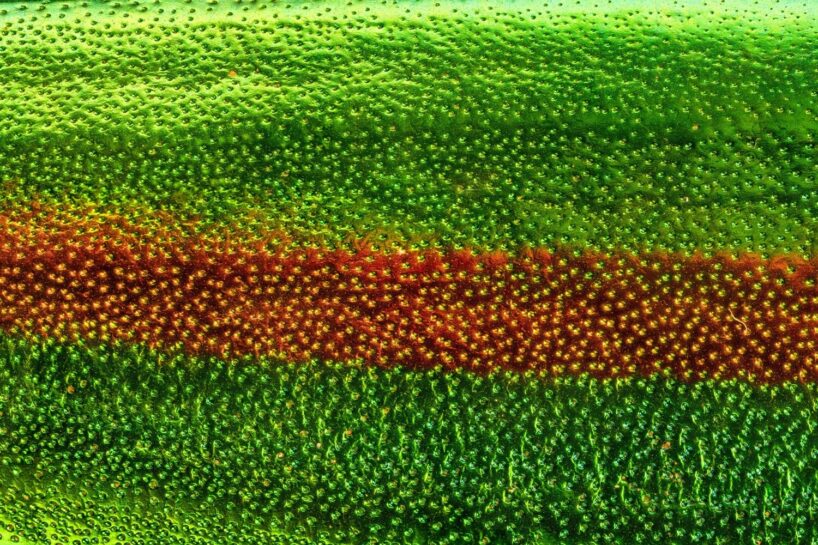
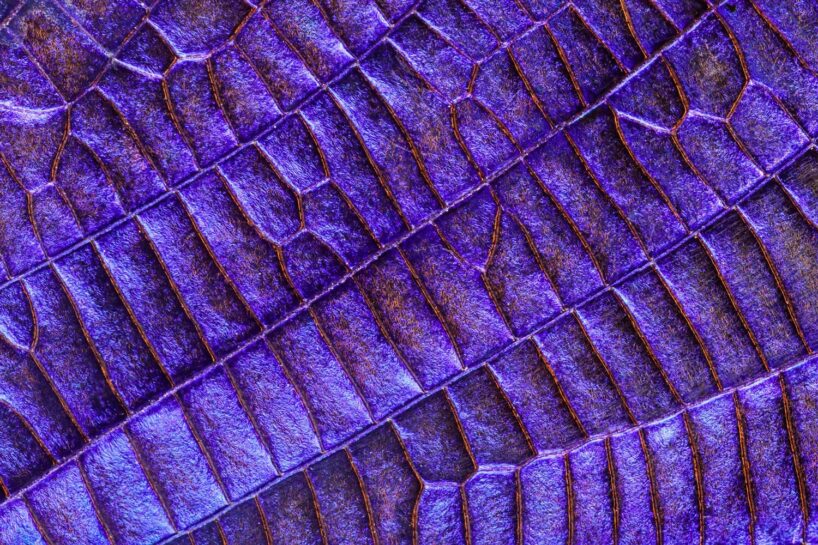
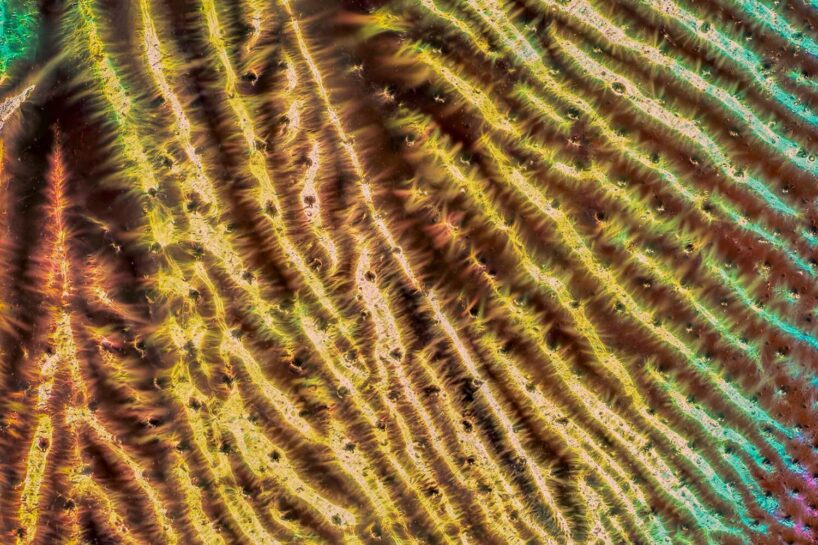
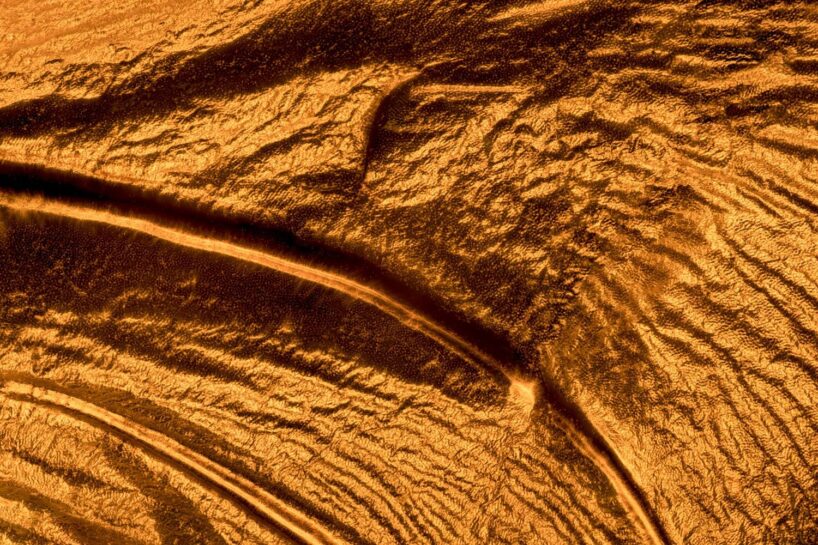
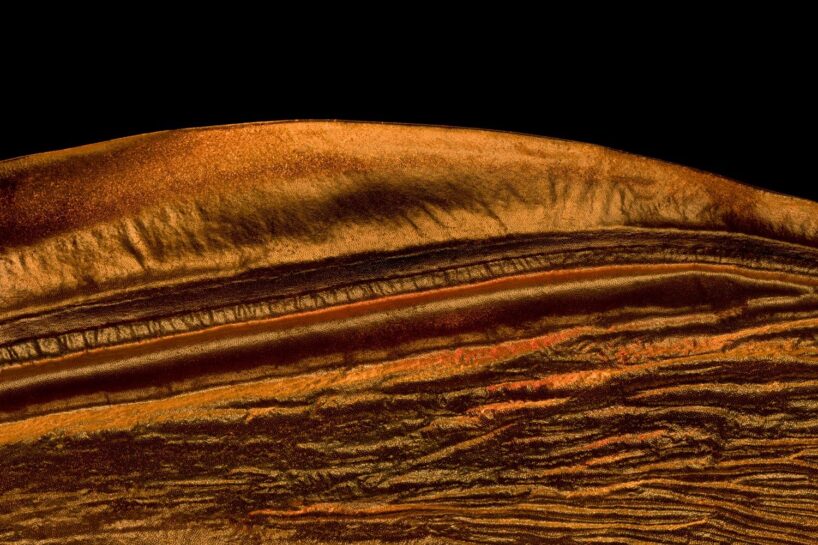
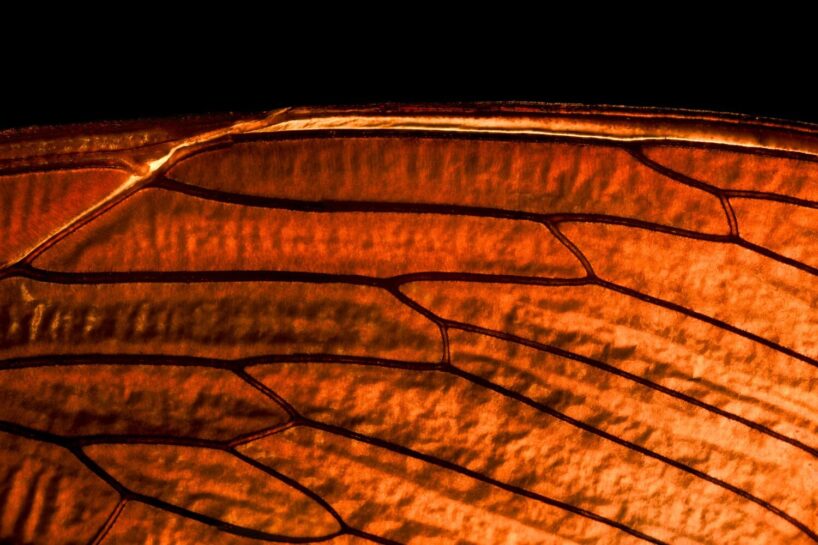
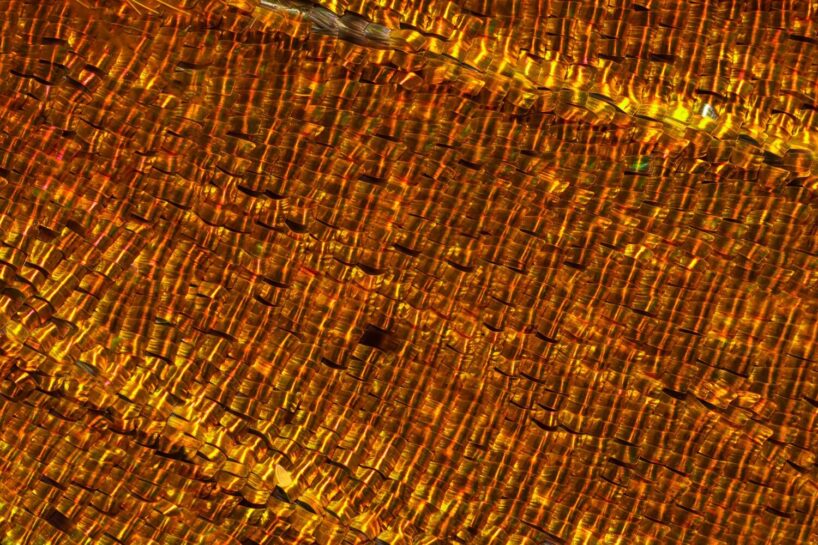
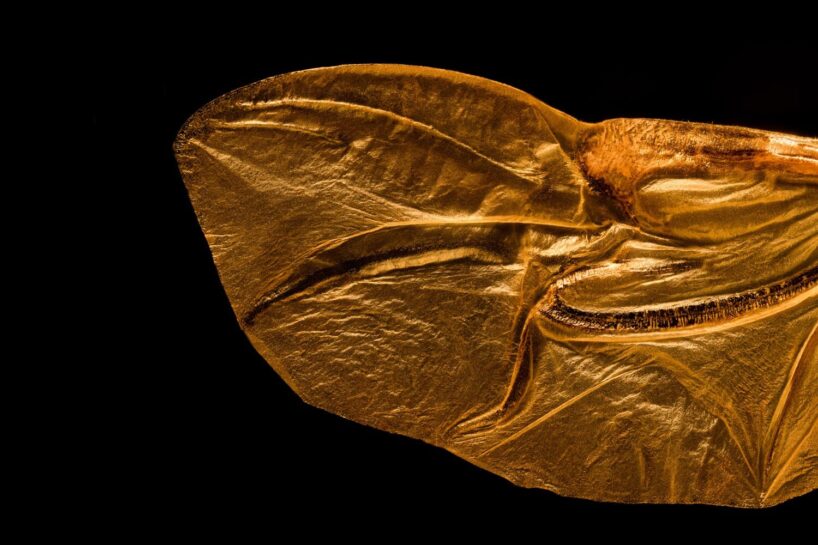
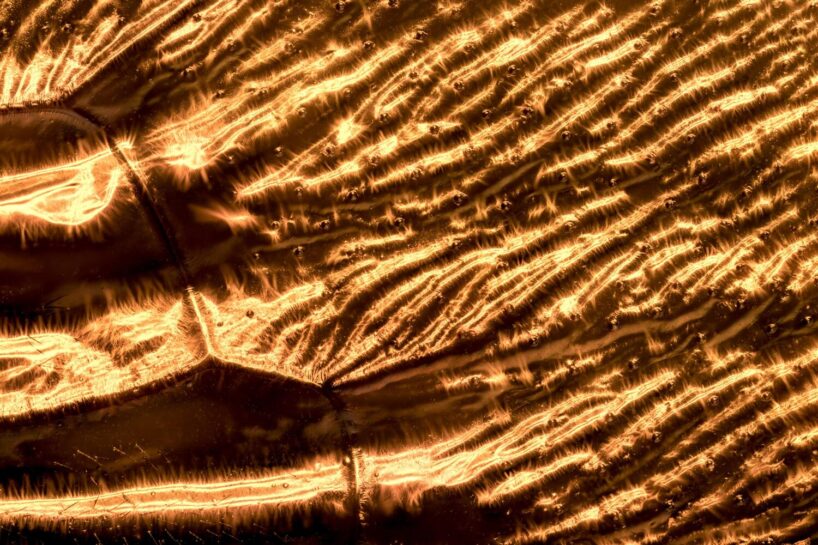
Photographer Chris Perani presents Wings, a series that examines the microstructure of insect wings through high-resolution imaging. Building on earlier work focused on butterfly wings, the project expands to include a range of winged insects such as bees, wasps, damselflies, beetles, and butterflies. The series investigates surface structure, light interaction, and material qualities at a microscopic scale. Each image is constructed by combining approximately 2,000 individual exposures into a single composition. This method allows for an extended depth of field and a detailed representation of wing surfaces that cannot be captured in a single frame. The process emphasizes the structural organization of the wings, revealing patterns, ridges, and layered formations.
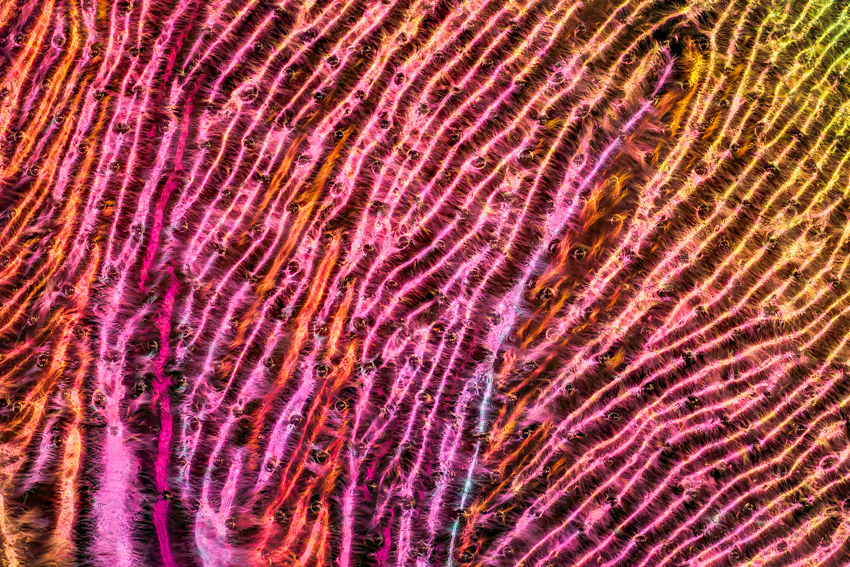
light control and image stacking map wings in high resolution
Lighting plays a central role in the image construction. Photographer Chris Perani uses colored gels and controlled, portrait-style lighting to enable the articulation of surface textures and the modulation of shadow. Variations in light angle and intensity influence the visibility of structural details, particularly in species where thin-film interference produces shifts in color under specific conditions. Insects such as bees, whose wings may appear uniform under normal observation, display a range of chromatic and textural variations when illuminated precisely. The technical setup includes the use of 5x and 10x microscope objectives attached to the camera system. The camera is mounted on an automated rail that advances in increments of approximately 10 microns. Due to the shallow depth of field at high magnification, multiple exposures are required for each section of the wing. These are later combined through focus stacking, and the process is repeated across the surface to create a continuous, high-resolution image.
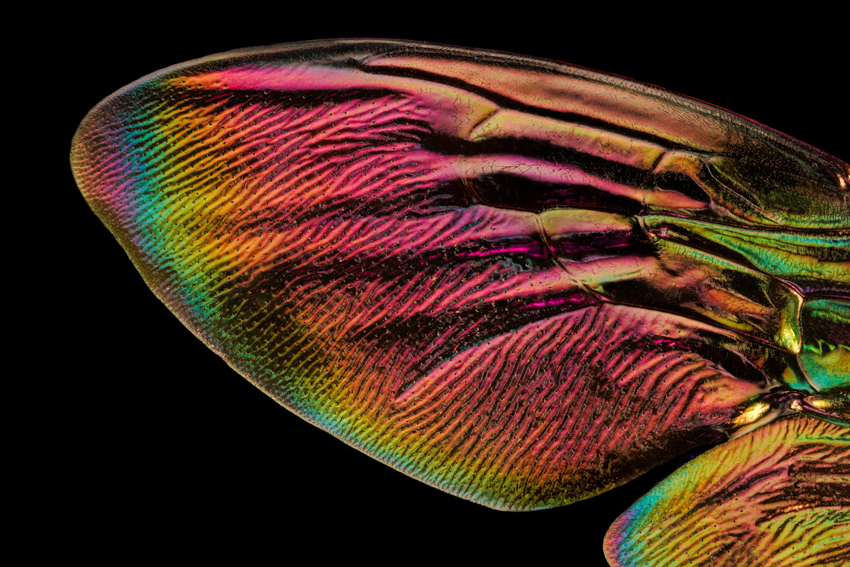
The resulting compositions function as detailed visual mappings of insect wings, translating microscopic structures into large-scale images. The final files are produced at a resolution suitable for large-format printing, maintaining clarity across the full extent of the image. The series presents insect wings as systems of structure and light, examined through a method that combines precision imaging with controlled photographic construction.
1/9
project info:
name: Wings
photographer: Chris Perani | @christopherperani