kleopatra tsali traces hidden ecologies through clay archives and silkworm networks
through projects rooted in clay sourcing, sericulture, and community exchange, the athens-based artist explores craft as a practice of interdependence.
prefer designboom on google[FEATURED]
inside kleopatra tsali’s practice of attention
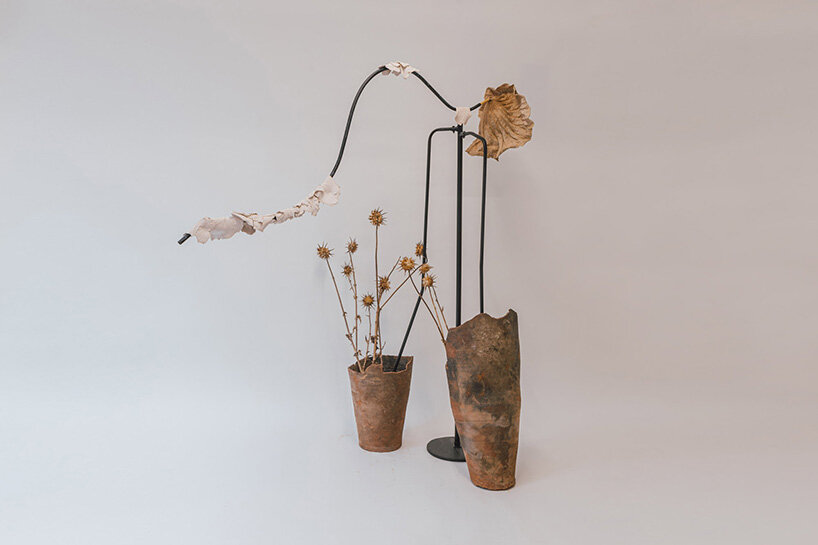
For Kleopatra Tsali, the Athens-based artist who works across clay, glass, silk fibers, metal, handmade paper, rocks, and found organic materials, craft begins long before an object takes shape. Her practice is based on how knowledge moves through landscapes, communities, and materials, using making as a form of listening, a way of tracing relationships between people, places, and other species.
The artist’s work often takes the form of sculptures, installations, archives, mappings, and collective research projects. Across these formats, recurring questions emerge: Where do materials come from? What histories do they carry? How is knowledge transmitted outside institutions? And how might craft help reveal forms of interdependence that often remain invisible?
‘Craft practices carry social, ecological, and cultural histories; they reveal connections between people, materials, landscapes, and lived experience,’ Tsali tells designboom. ‘I see craft less as the production of objects and more as an ongoing dialogue with materials and the worlds they connect us to.’

from clay deposits to living archives
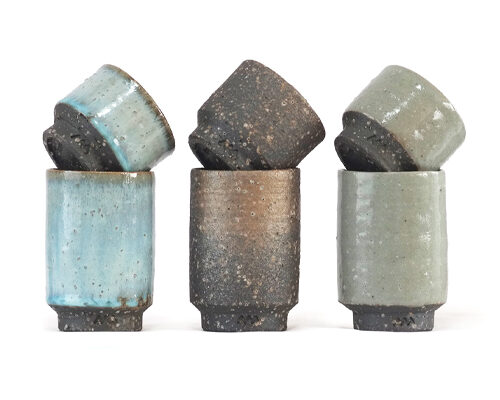
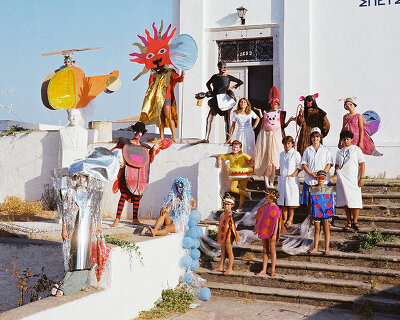
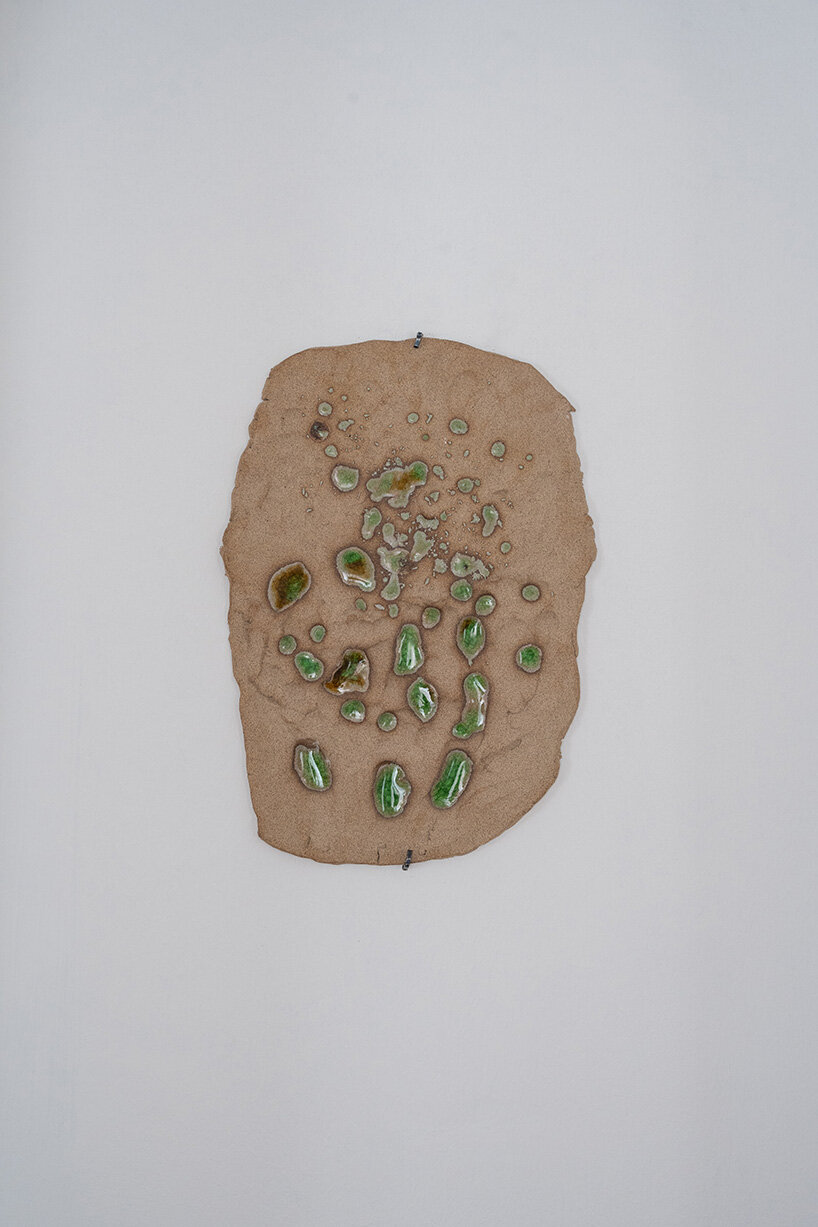
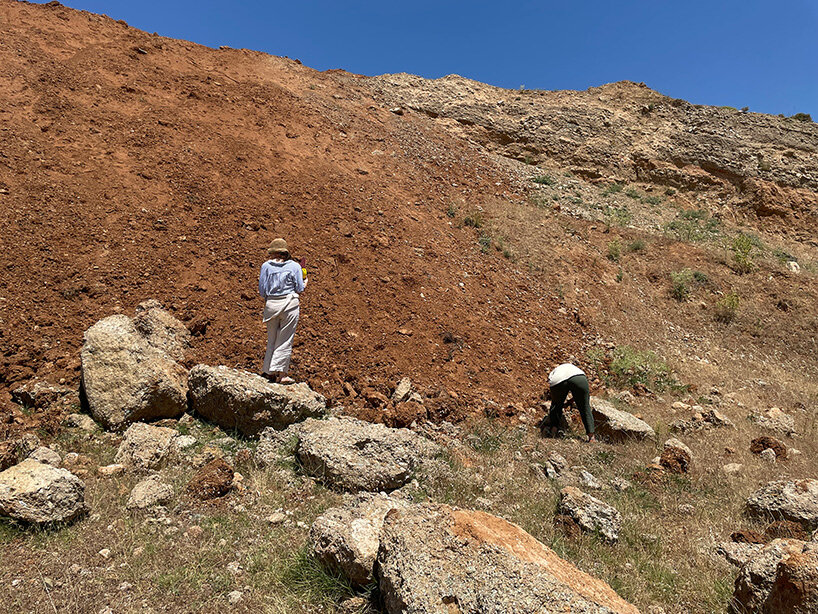
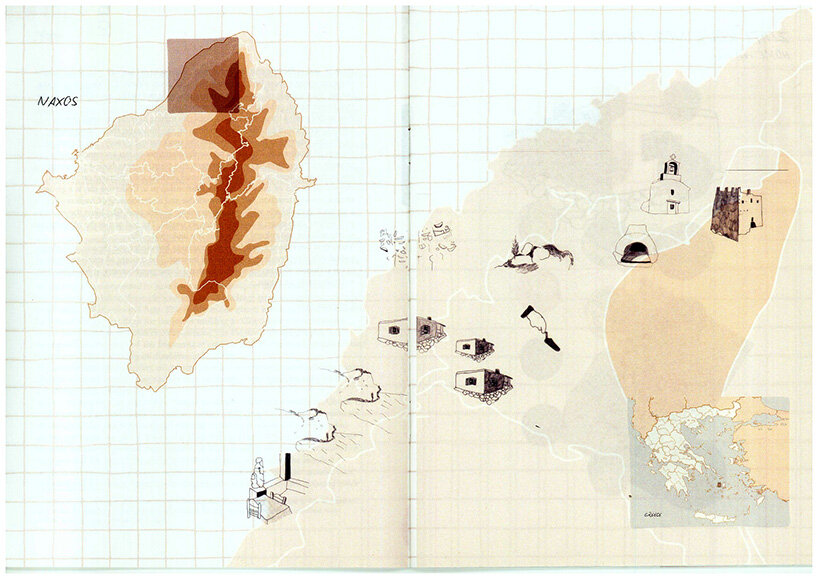
This expanded understanding of craft informs This Mortal Soil, a project developed in 2024 through The Material Way, a program focused on natural materials in ceramics. The work began as a research process in Abram, a village on the Greek island of Naxos where Kleopatra Tsali has spent her summers since childhood.
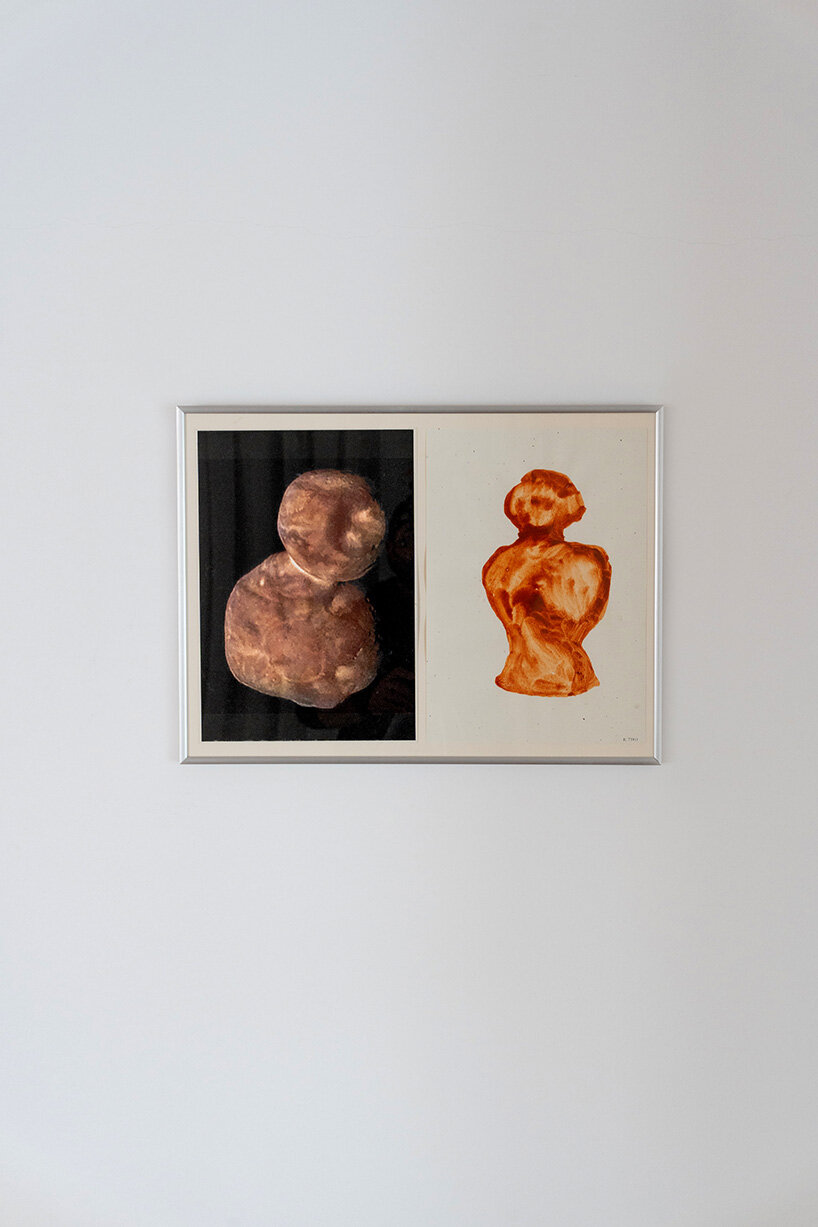
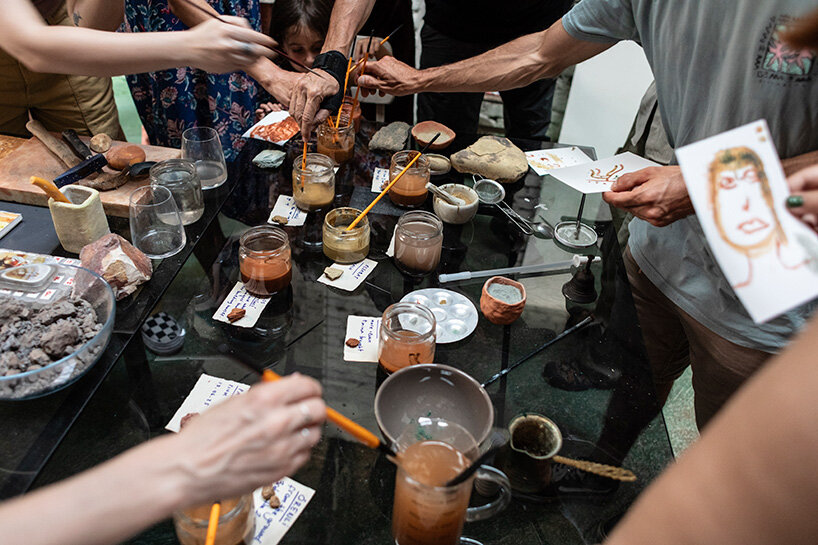
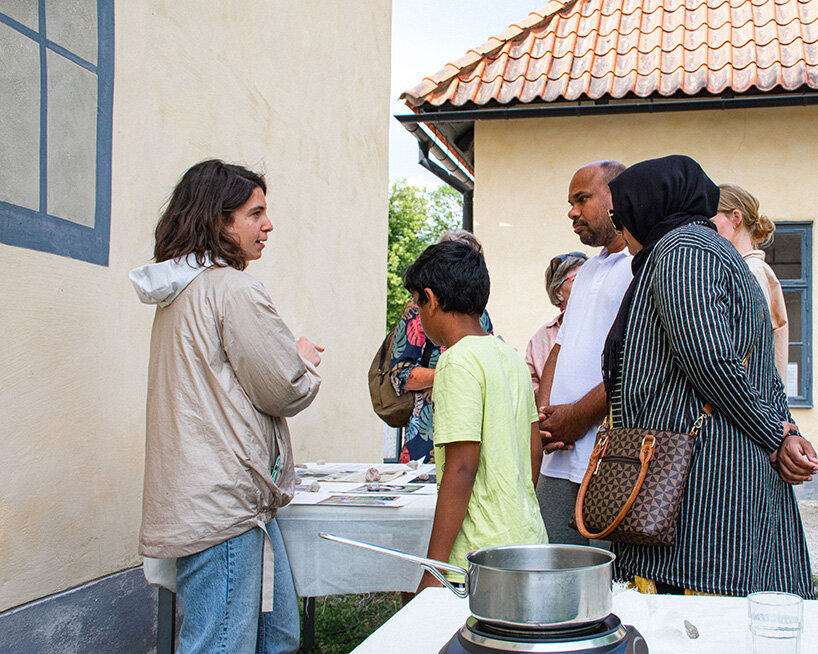
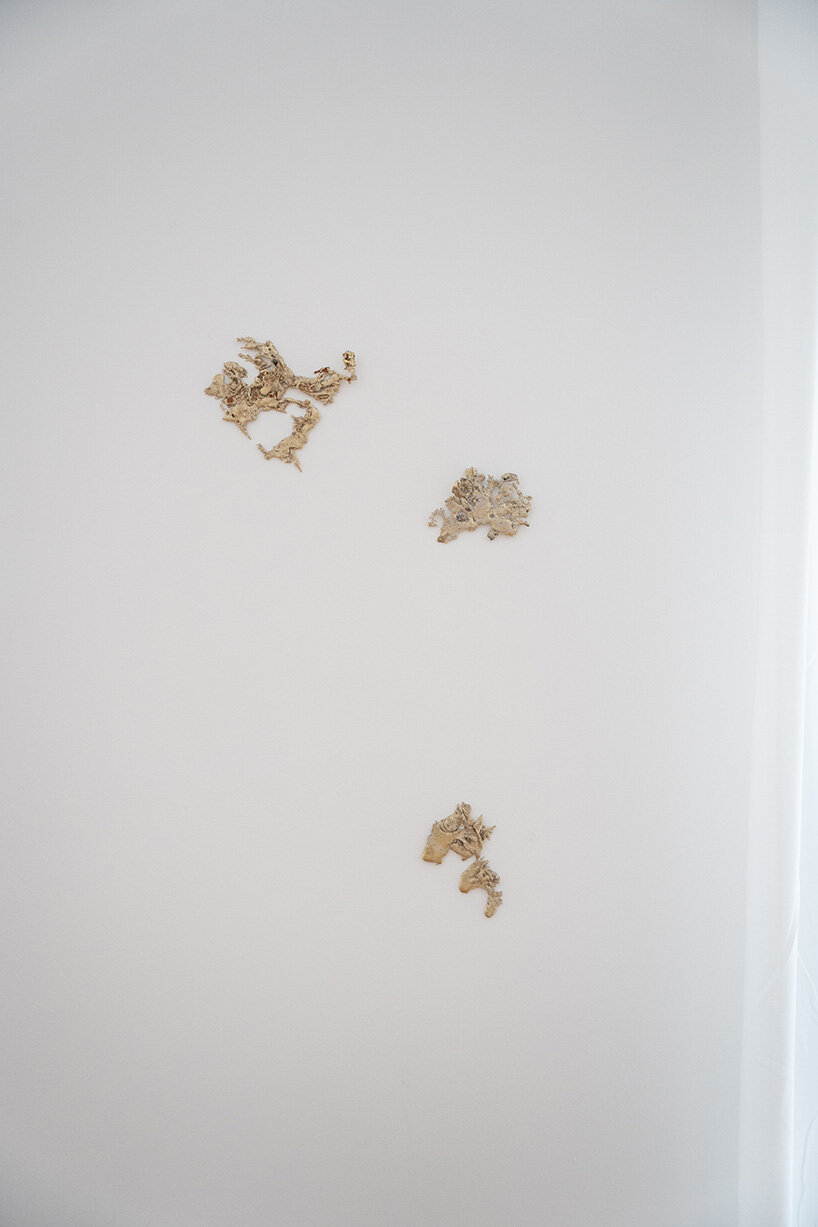
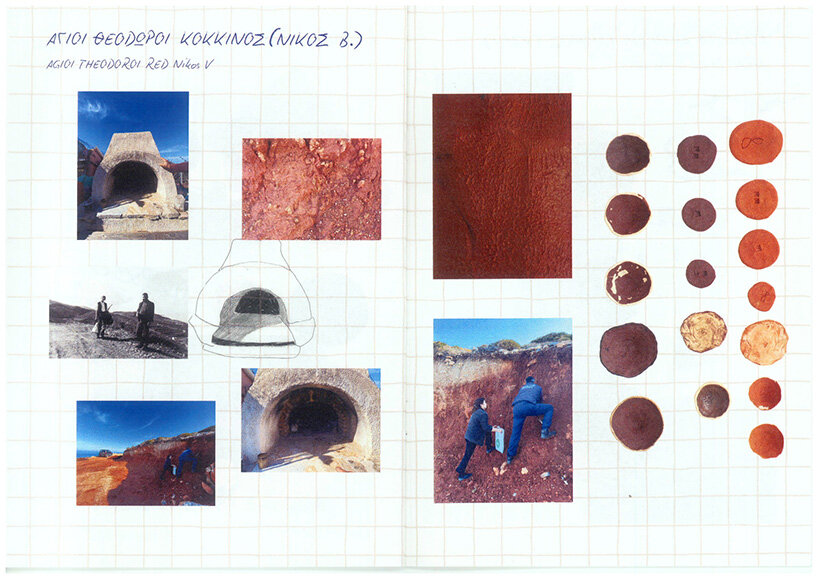
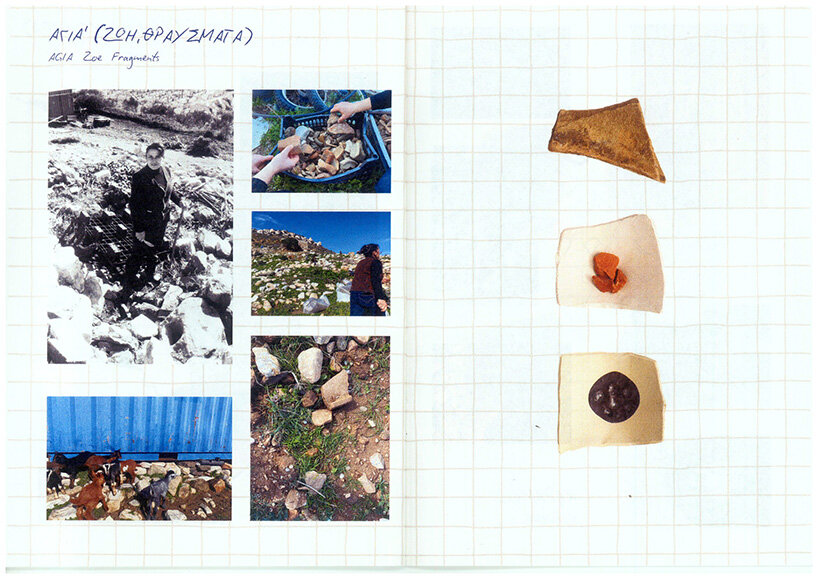
Working alongside local residents, the artist identified clay deposits and stone formations that could be used for ceramic production and glazing and composed a book map accompanied by collected clay and rock samples, tracing the physical geography of Abram and the stories embedded in the soil. The whole project follows a body of local knowledge that risks disappearing, and the mapping procedure works both as documentation and a practice of mutual exchange. Kleopatra Tsali returns the archive to the community of the village and hopes that it can continue functioning as a resource for mutual generations seeking to locate and work with local materials.
Long-term observation forms an important part of this process. For Tsali, fieldwork is not separate from craftsmanship but fundamental to it.‘Meaningful insights rarely appear immediately,’ she explains. ‘They emerge gradually through repetition, presence, and sustained engagement with a place, a material, or a community.’
The Greek artist approaches materials as living records of human and environmental histories. In This Mortal Soil, clay becomes both archive and vessel, holding traces of place, memory, and the knowledge passed between generations.

learning from silkworms
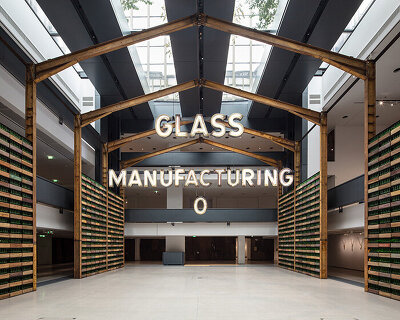
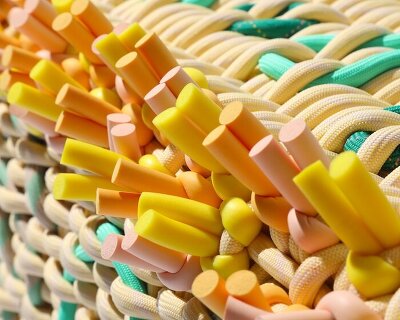
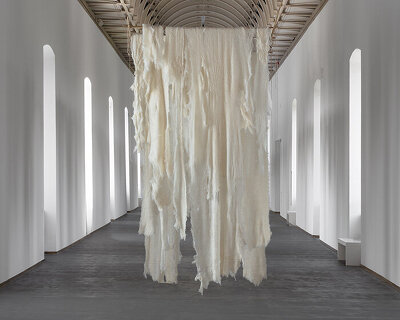
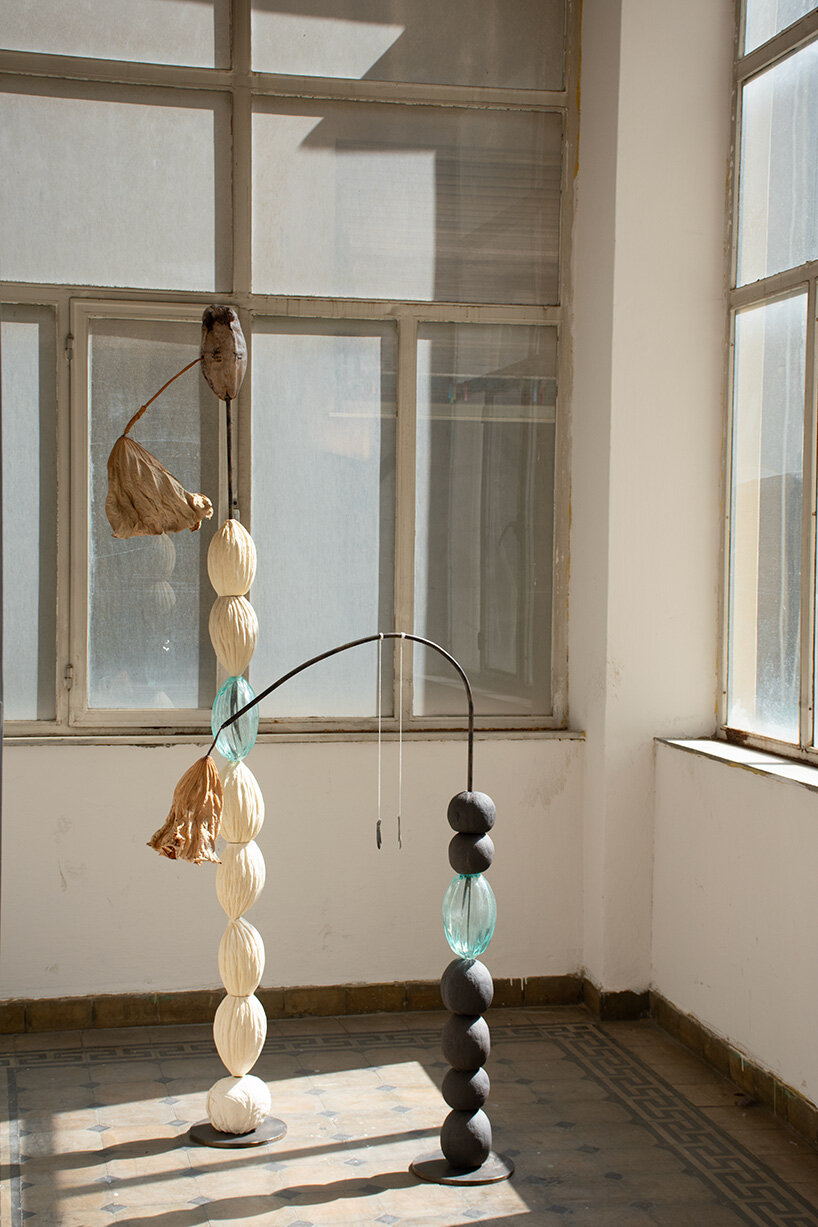
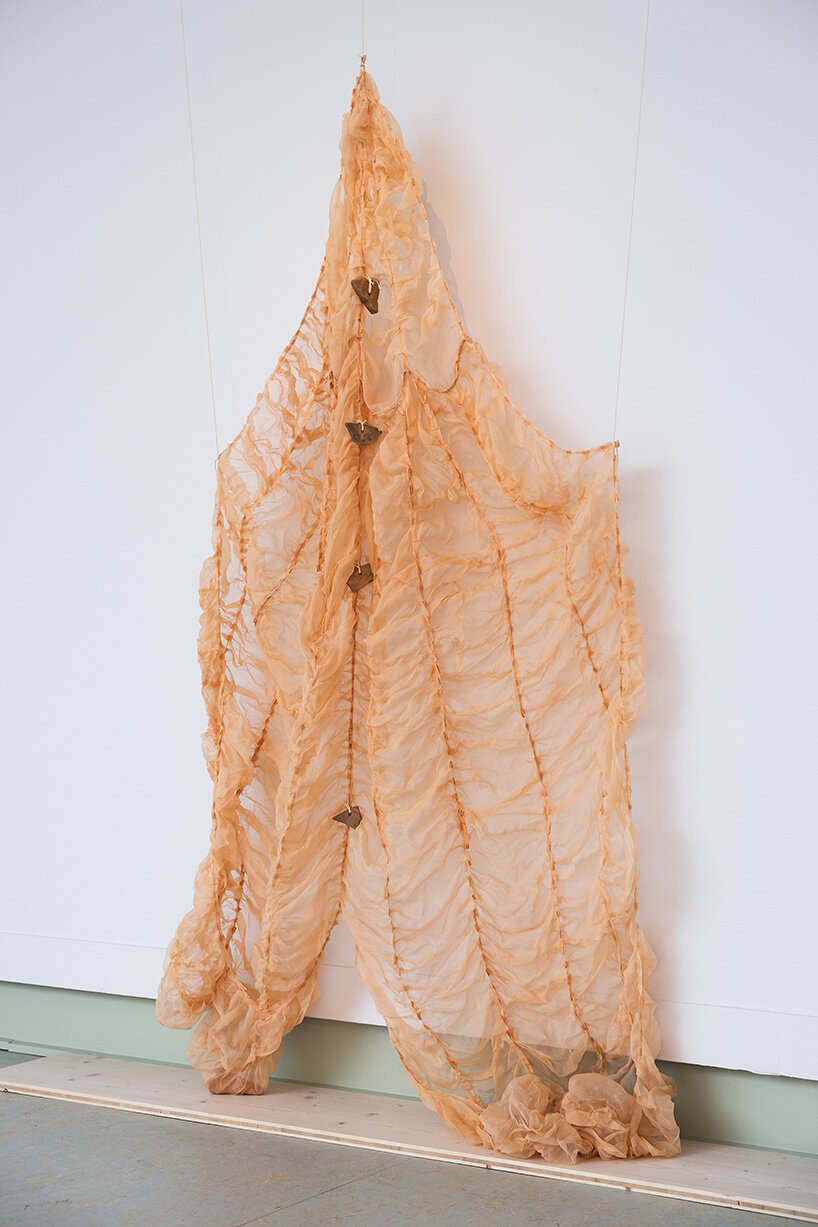
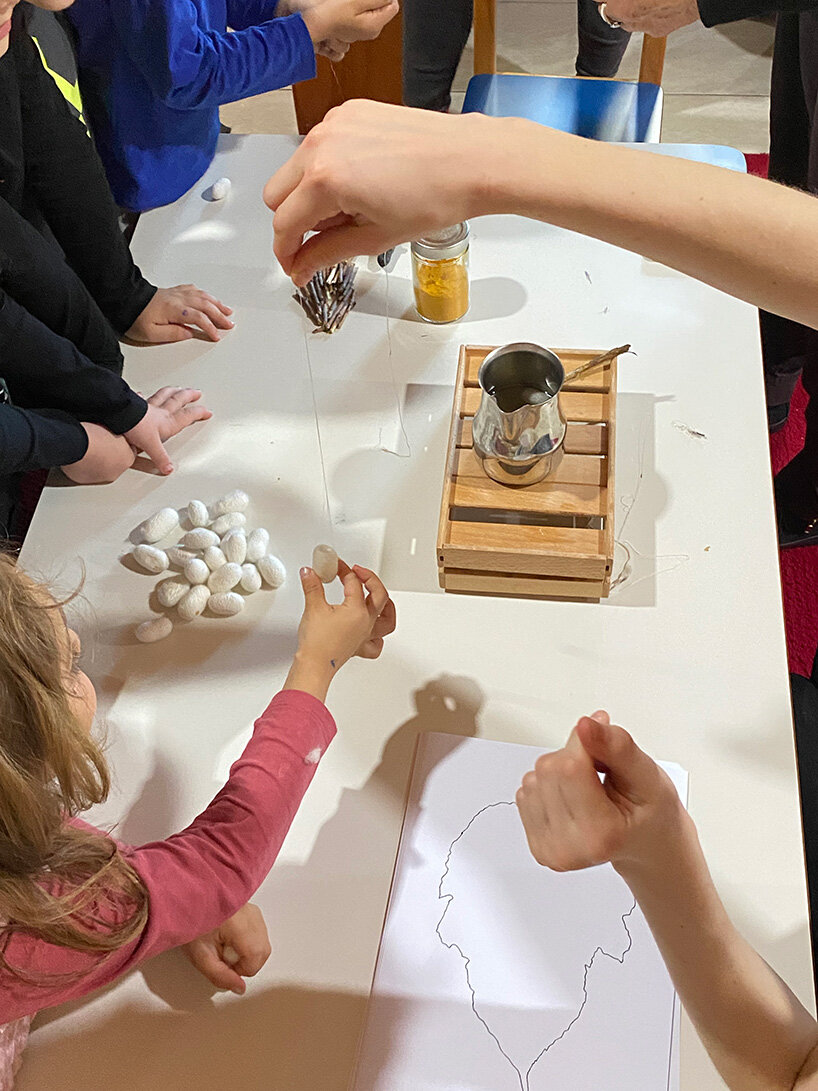
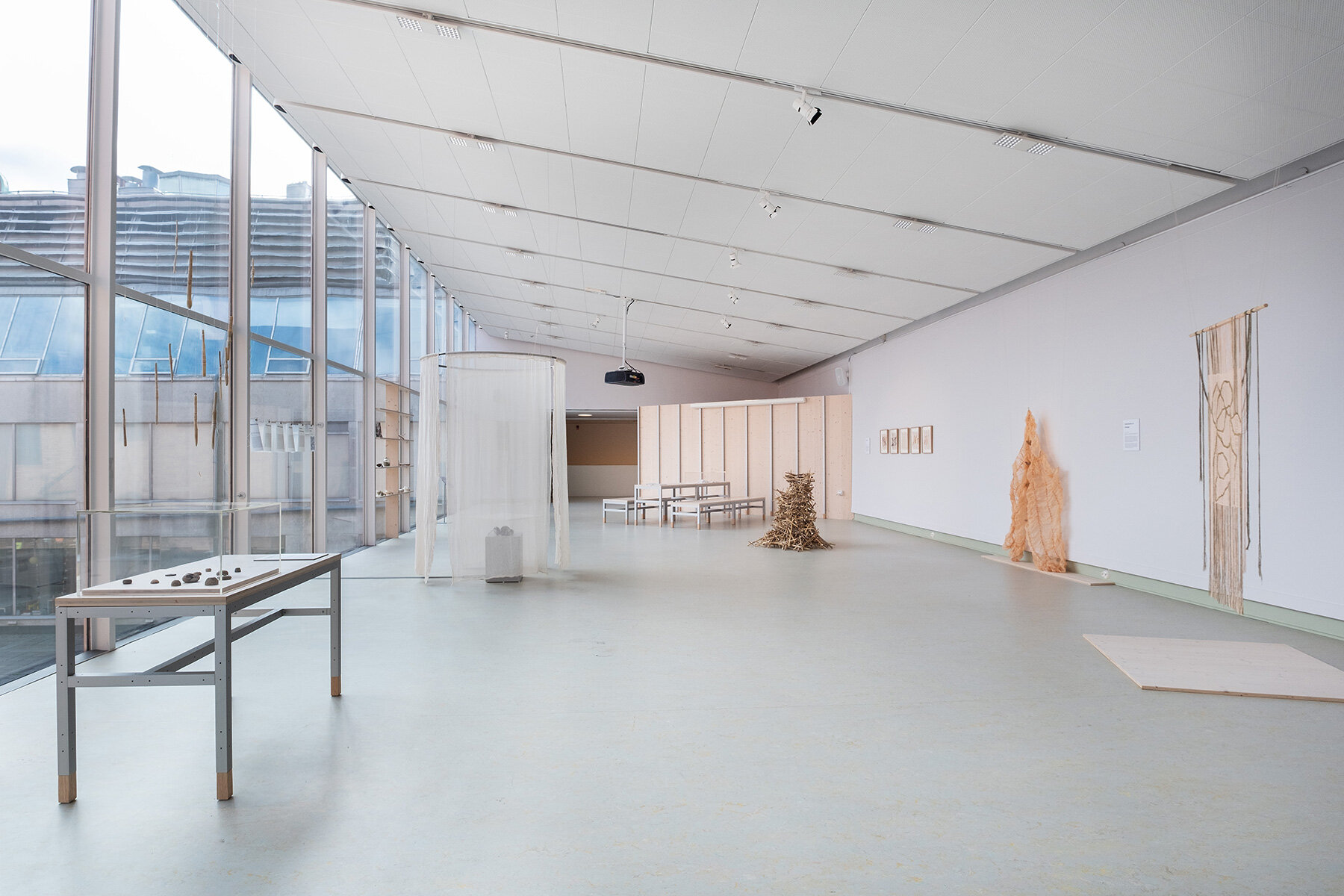
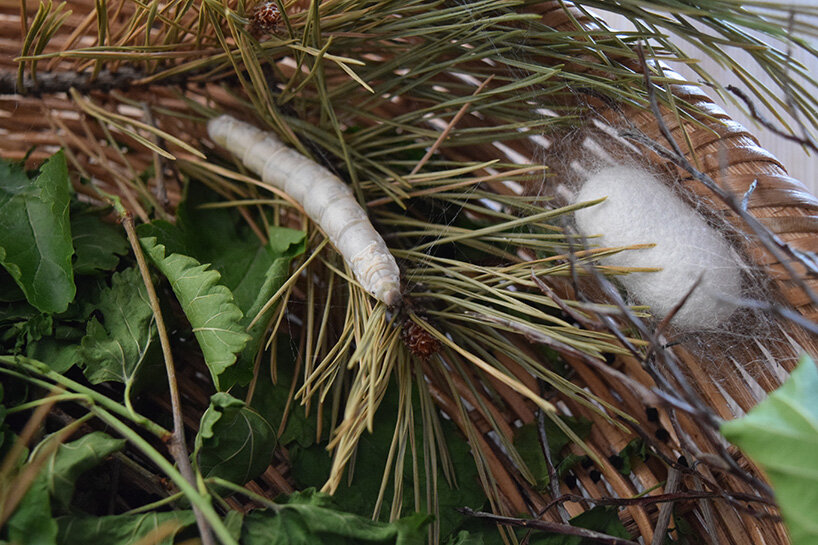
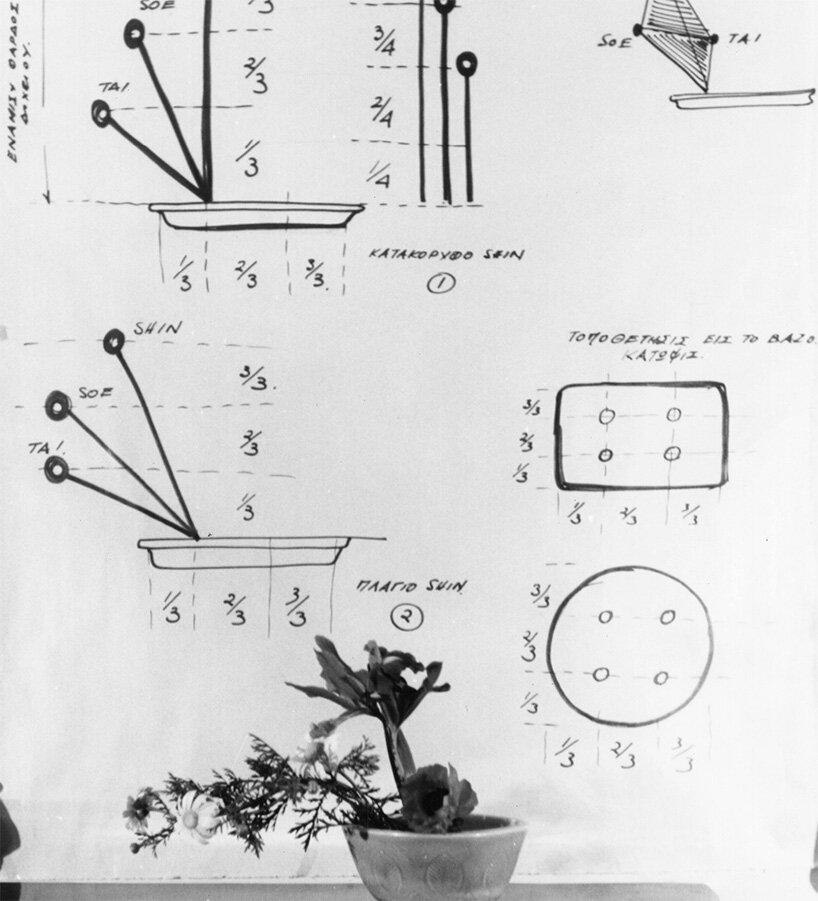
Questions of transmission also shape Morus, an ongoing collaborative project founded in 2022 by Kleopatra Tsali, Irini Gonou, and Swedish artist Hanna Norrna. The initiative proposes home-sericulture, the small-scale breeding of silkworms within domestic environments, as a way to reconsider the histories and future possibilities of silk production. Through synchronized breeding processes in Greece and Sweden, participants document the lives of silkworms, mulberry trees, weather conditions, and local environments in a collective diary. These lines of inquiry recently informed Silk Cartographies, an exhibition presented by Morus Project in collaboration with curator Elli Leventaki on view until June 26th, 2026, at the Museum of Agriculture of the Agricultural University of Athens. Bringing together contemporary weaving works, original archival material, sericulture research, raw silk byproducts, and local narratives from Greece and Sweden, the exhibition traced the cultural, ecological, and material networks that have shaped silk production across generations.
The project operates simultaneously as artwork, research platform, and community network. By focusing on domestic and small-scale practices rather than industrial production, Morus foregrounds forms of knowledge often overlooked within official histories.
For Tsali, these exchanges challenge conventional ideas about expertise. ‘A teacher can take many forms,’ the artist shares with us. ‘A teacher can be an academic or a specialist, but equally it can be an elderly woman who once worked in a silk factory, an artisan sharing their experience, a friend who discovered a glaze recipe that changed the way you work, or even a silkworm spinning its cocoon.’ The collective archive produced through Morus also documents the ecological relationships that make silk production possible today, framing silkworms, trees, weather systems, and human caretakers as active participants in a shared process.

materials as collaborators
Both projects stem from Kleopatra Tsali’s attention to the qualities and histories of the materials she works with. Whether sourcing clay in Naxos or observing silkworms through Morus, she allows the properties of each material and process to inform the outcome instead of imposing a fixed idea from the outset. ‘I think of my practice as a conversation with a material,’ she reflects. ‘I allow it to guide me, to suggest directions that I could not have anticipated from the outset.’
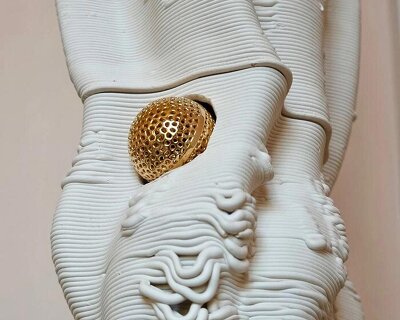
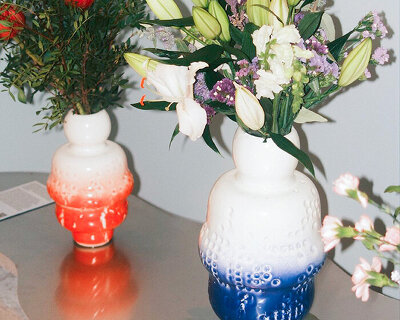
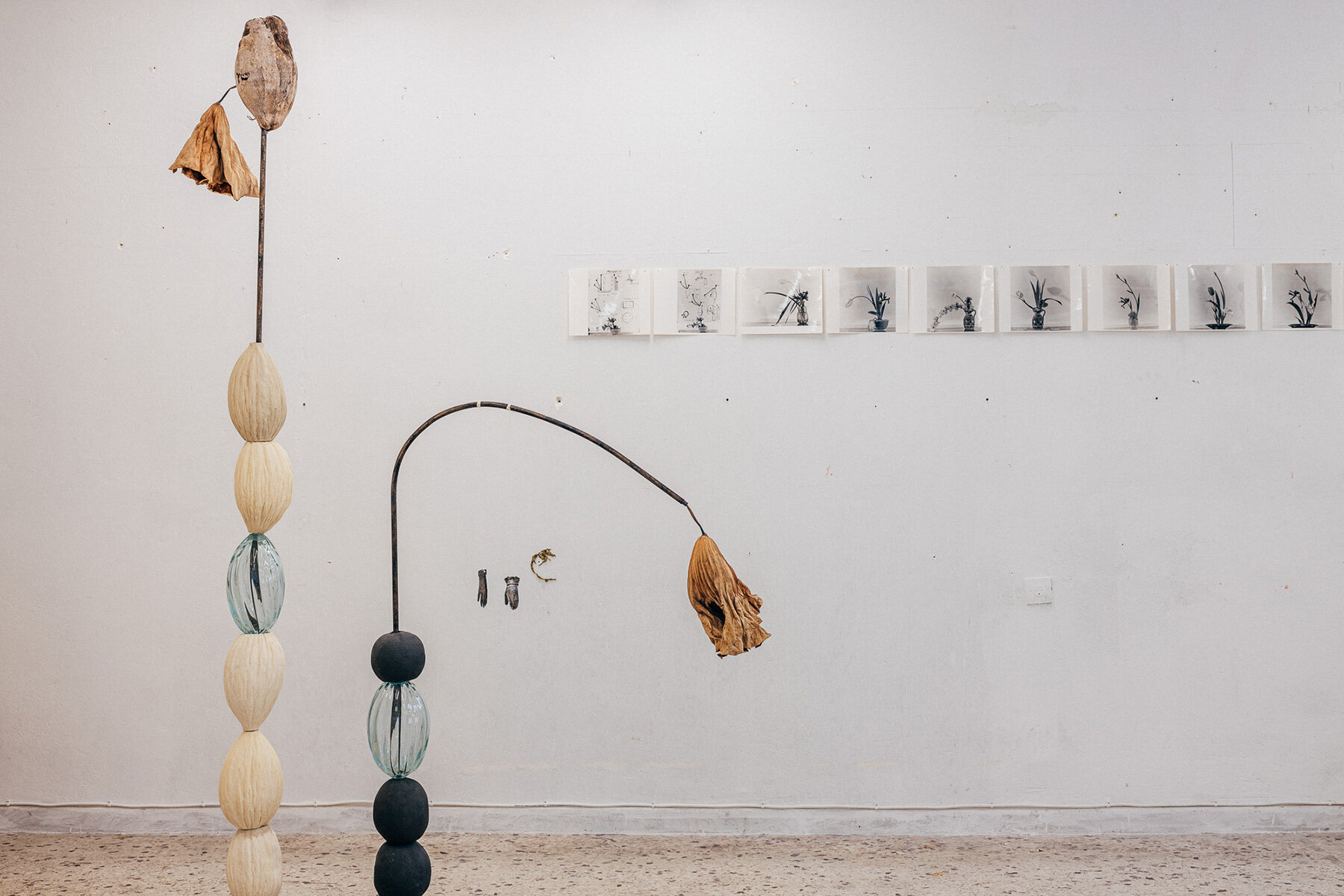
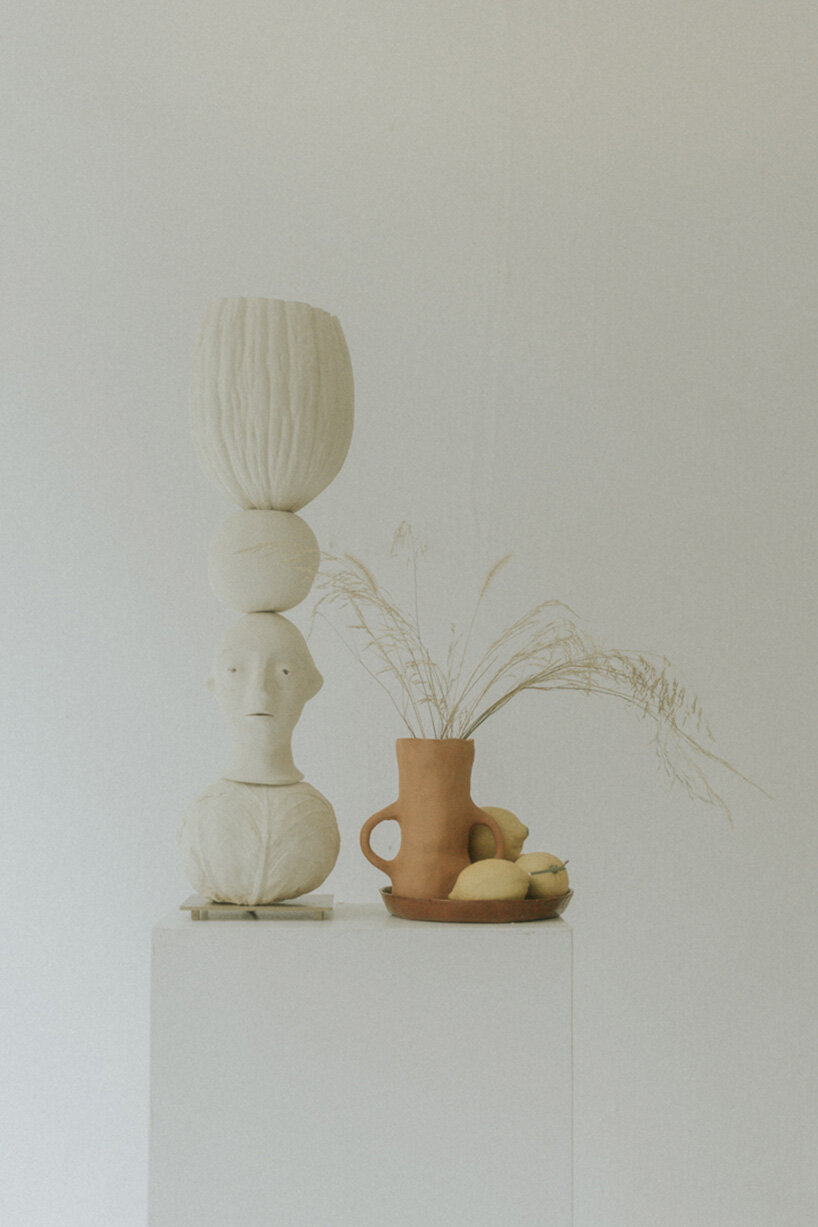
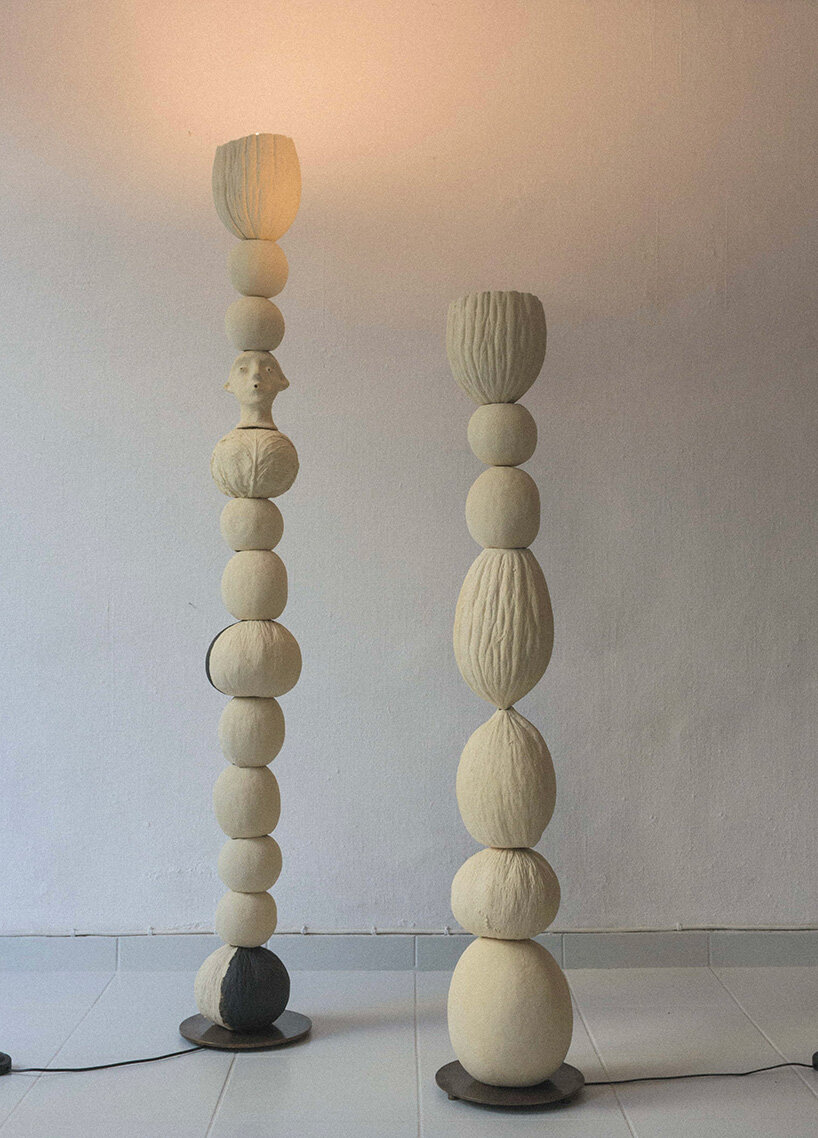
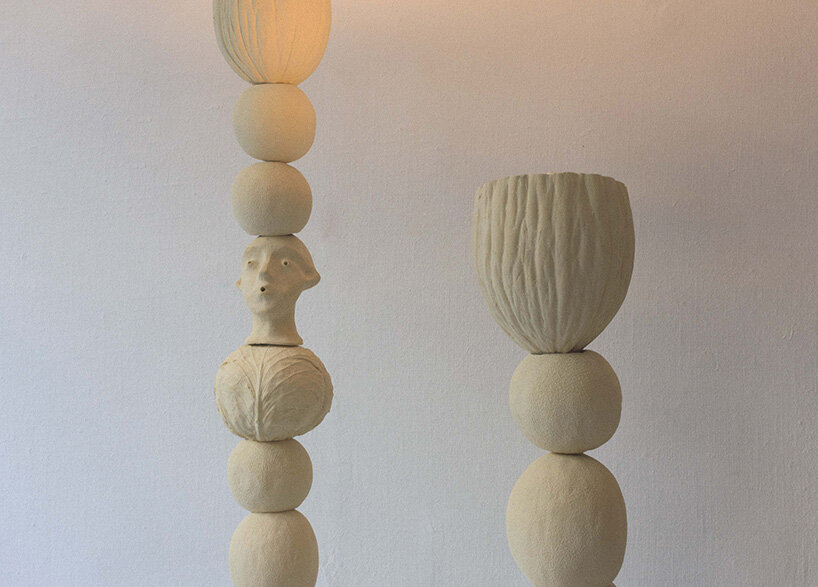
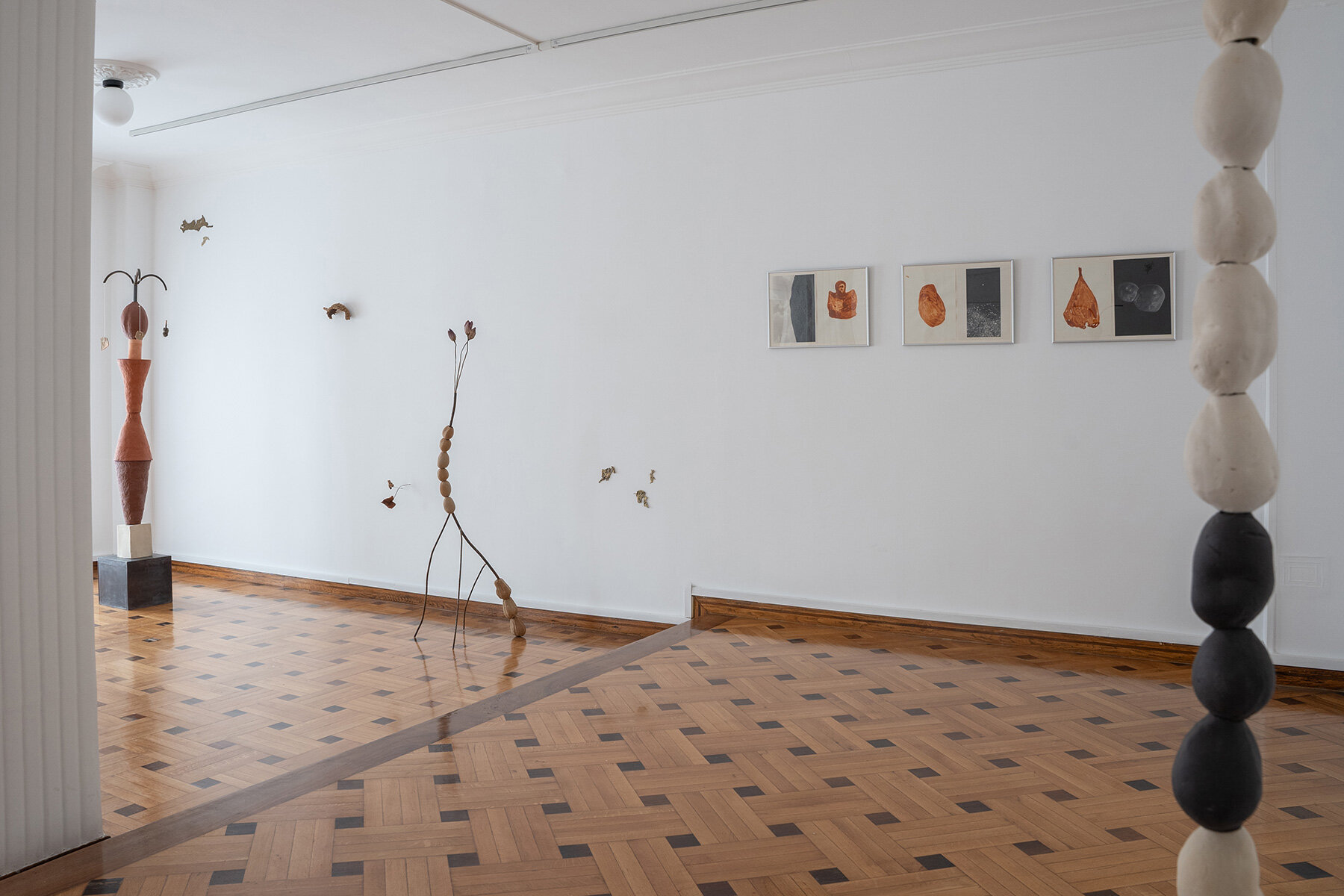
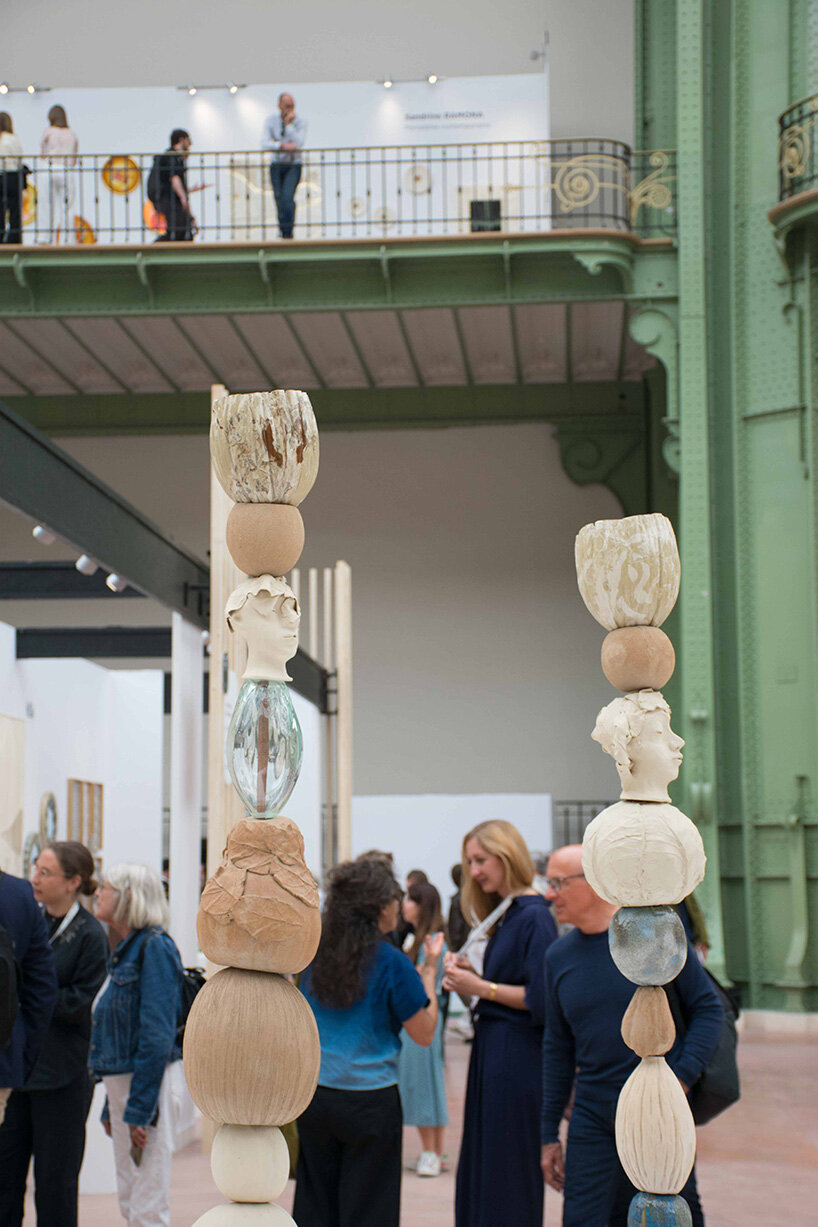
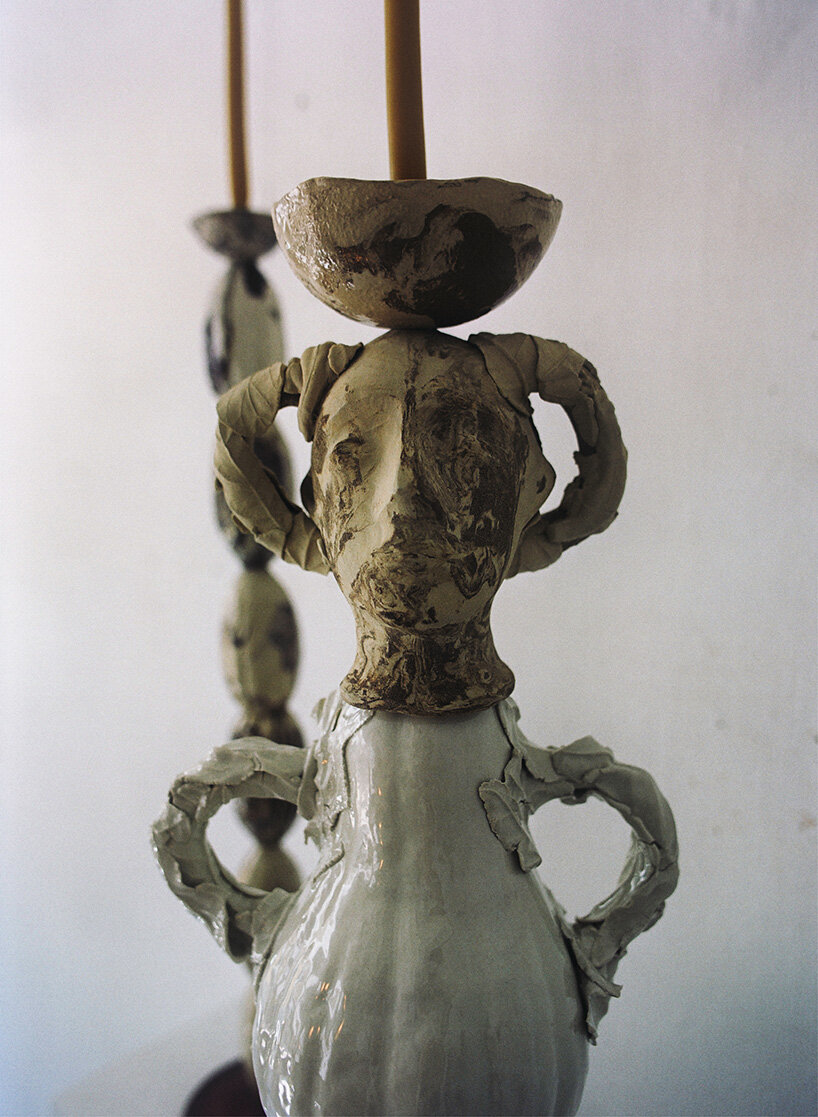
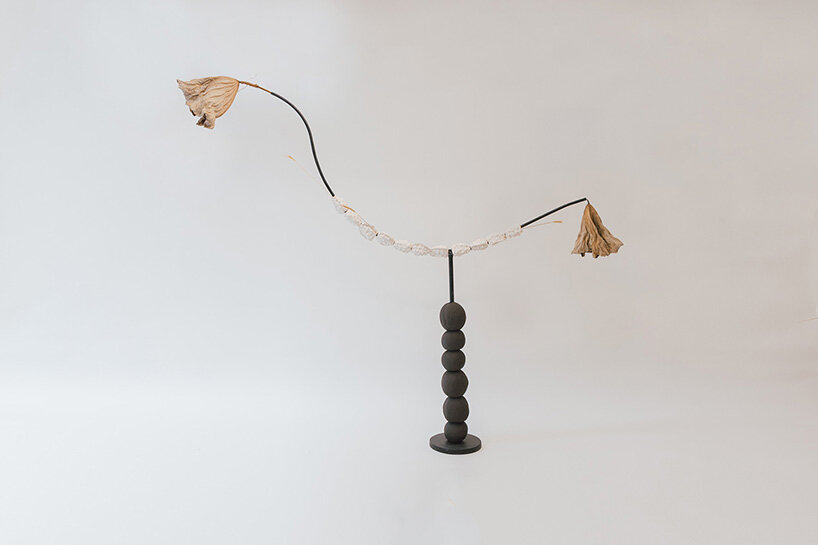
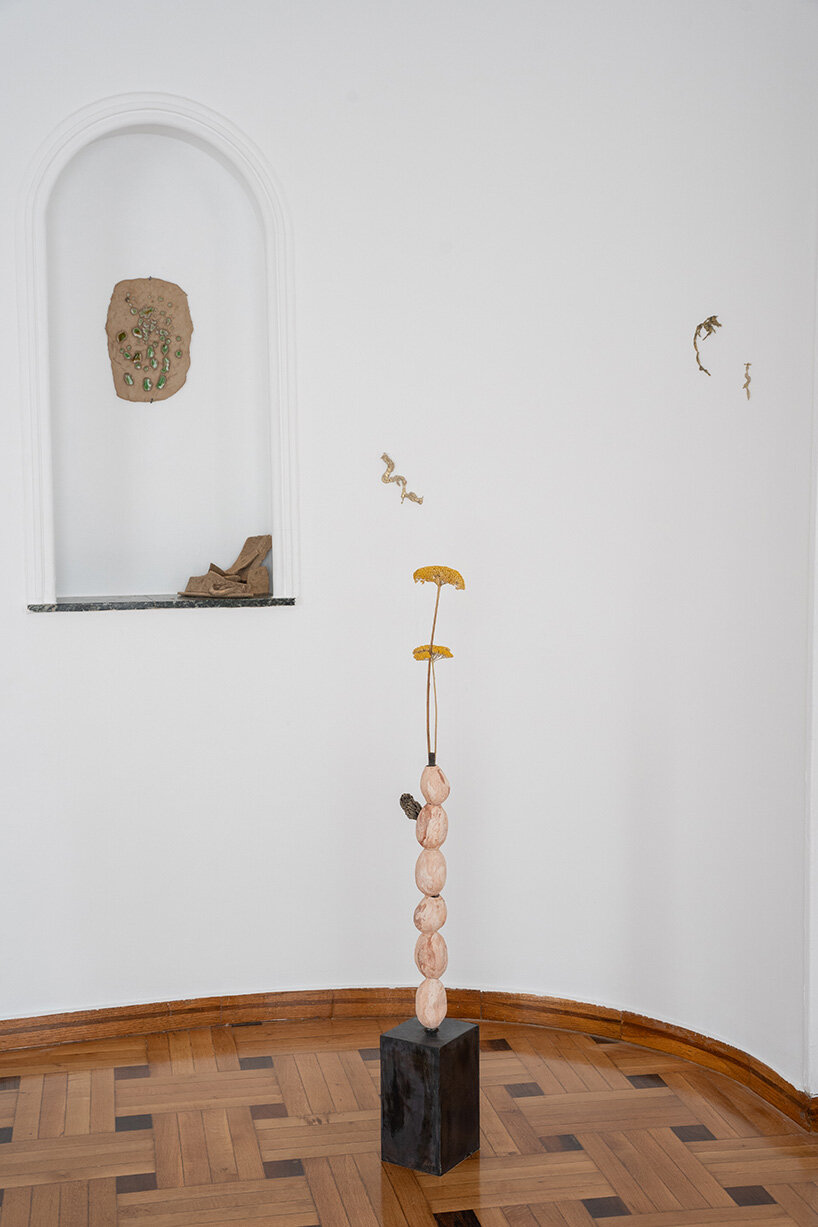
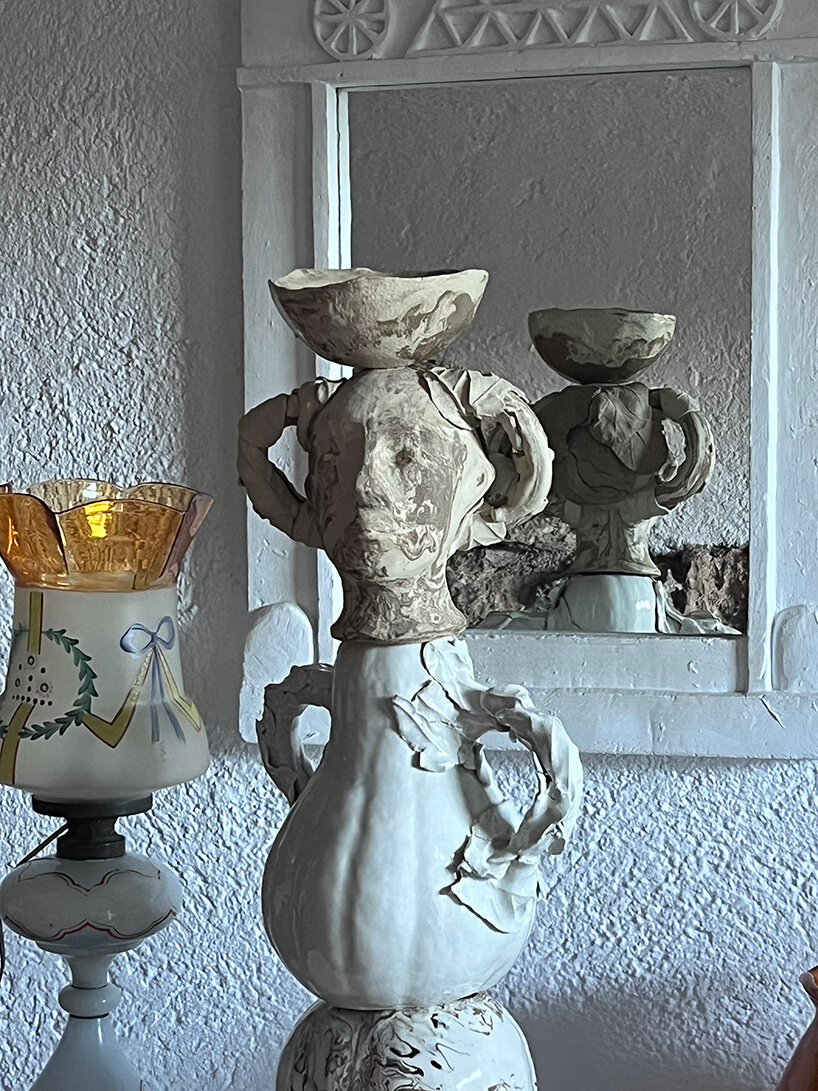
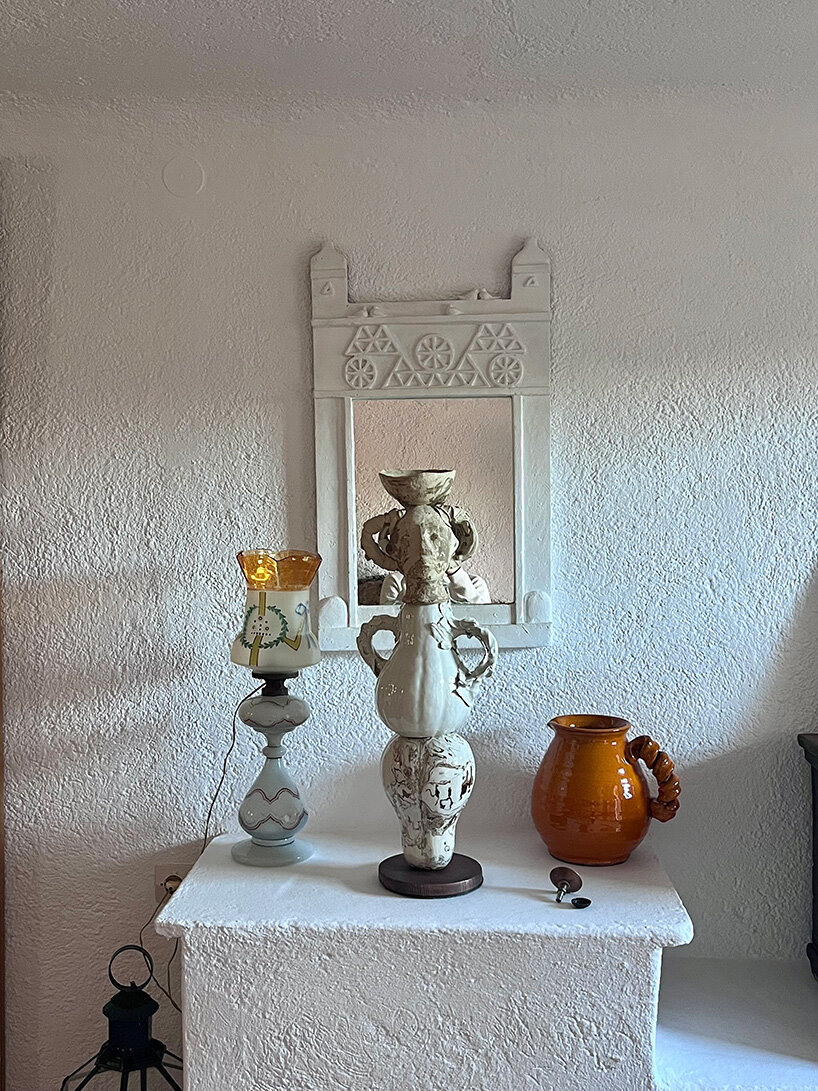
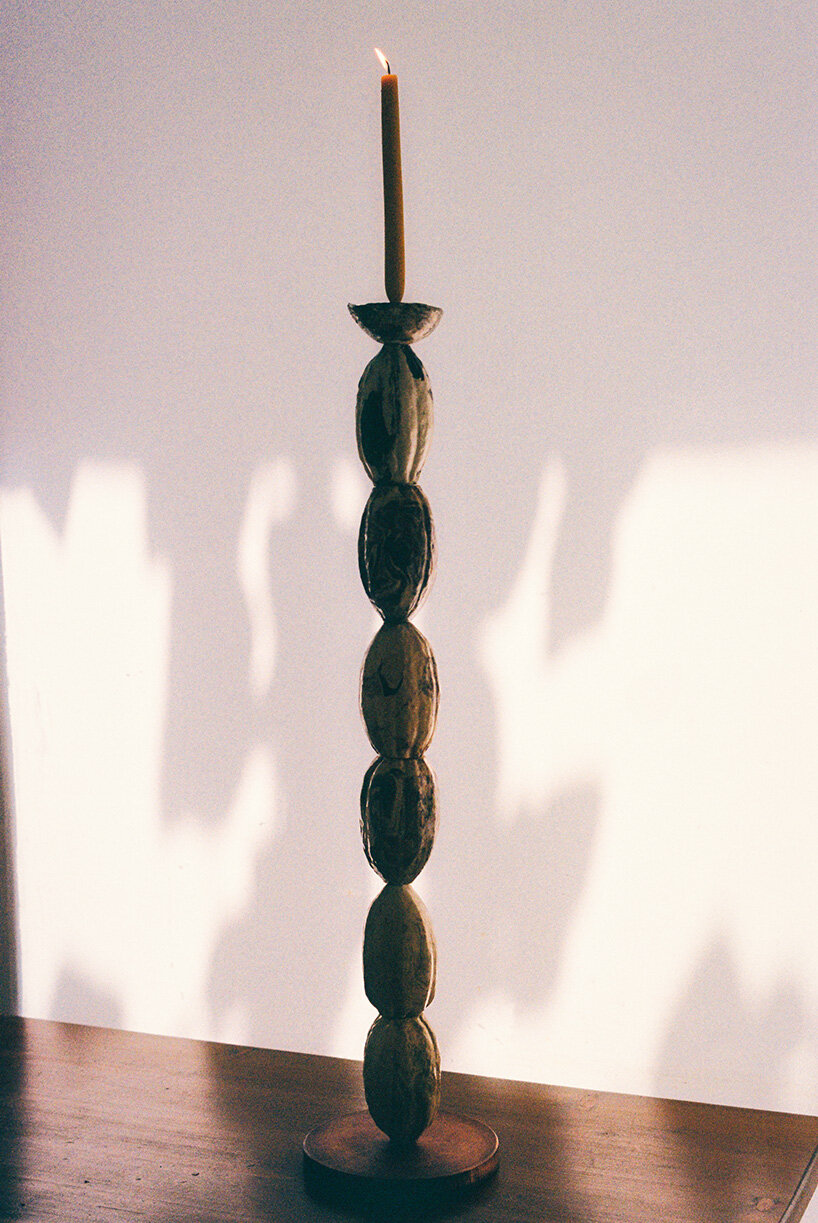
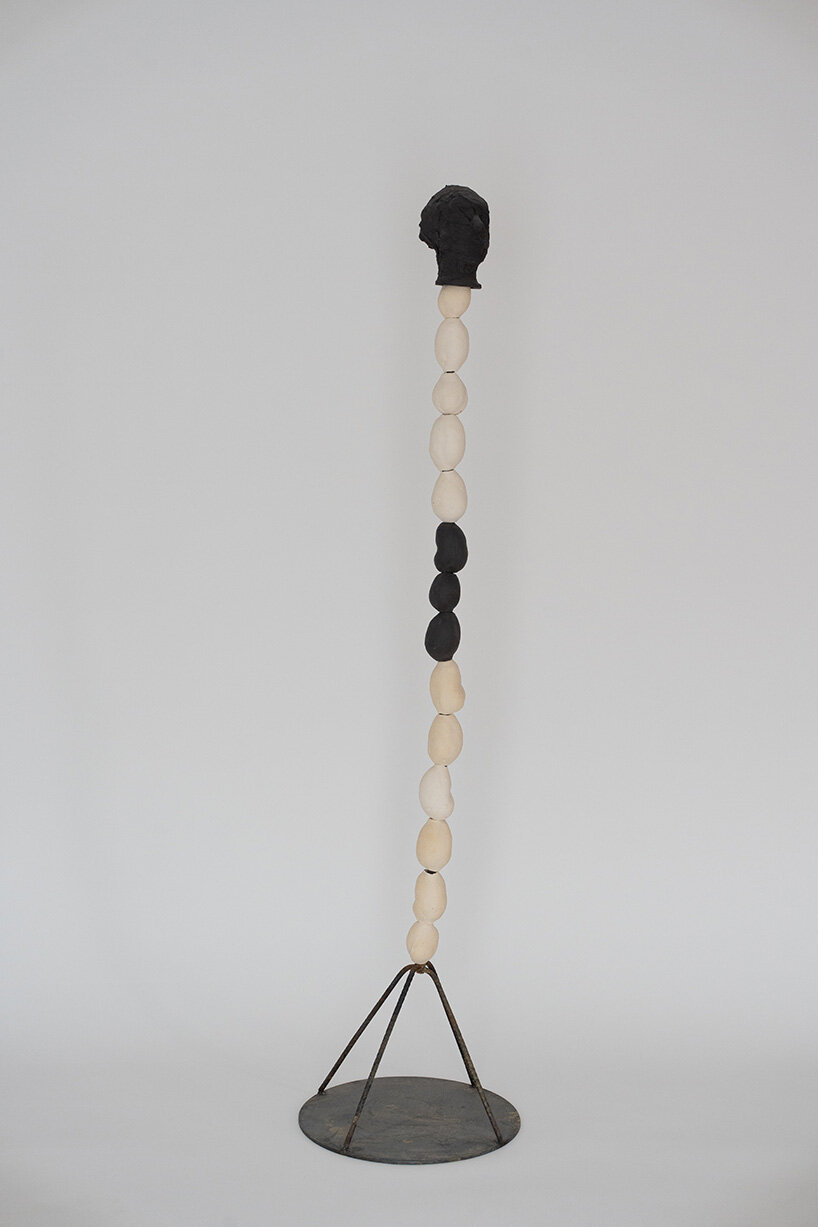
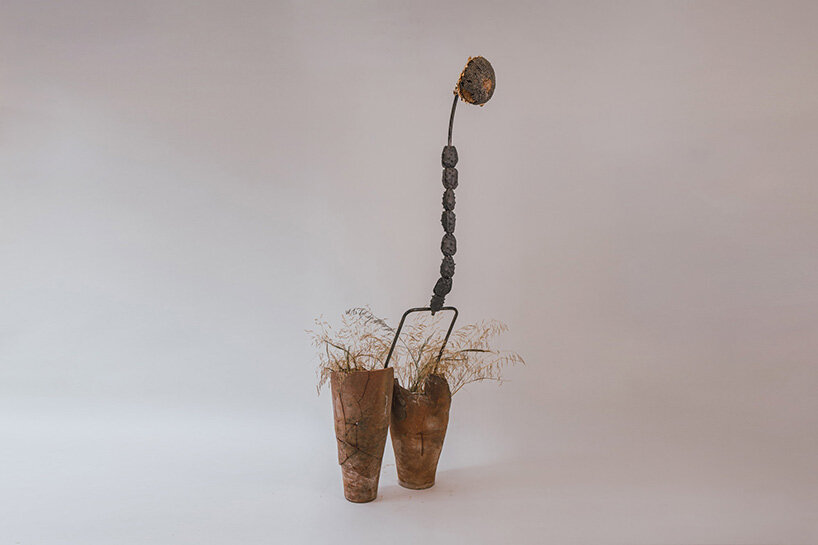
This approach aligns with anthropologist Tim Ingold’s notion of correspondence, the idea that making occurs from ongoing engagement with materials. This way of working is visible throughout Tsali’s sculptures, which often feel as though they are still in the process of becoming. Vessels lean into architectural forms, clay structures stack and balance against one another, and delicate constructions appear held together by tension.
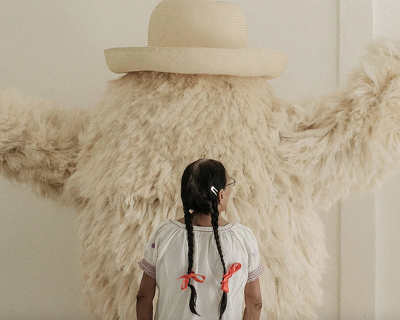
Many of the works evoke forms of dwelling and wandering simultaneously. Vessels become bodies. Bodies become shelters. Architectural structures take on the qualities of garments or temporary habitats. These shifting identities reflect broader concerns around movement, protection, belonging, and coexistence.

craft beyond the object
What remains irreplaceable for Tsali is not the handmade object itself, but the forms of encounter that emerge through making. ‘I am moved by the thought that the imprint of a finger can remain on a ceramic object for centuries,’ she says. ‘A trace of touch, a small imperfection, or an unexpected transformation of a material can survive through time and connect us to another person.’
For Kleopatra Tsali, craft is valuable because it foregrounds relationships that are often overlooked. Working with clay, silk, or other natural materials inevitably raises questions about origin, labor, care, and ecological dependence. Across projects such as This Mortal Soil and Morus, making becomes a way of paying attention to the networks of people, places, and species that shape reality.
‘I hope the future of craft will be shaped by more collective and less individualistic practices,’ she concludes. ‘Making is never an isolated act, but something that unfolds through many forms of coexistence.’


1/16
project info:
name: This Mortal Soil / Morus Project
artist: Kleopatra Tsali | @kleopatra.tsali
This article is part of designboom’s Crafting the Future chapter, exploring what it means to be a maker in today’s world and the future of craftsmanship. Discover more related stories here.
shop
your own online design shop — no sales commission collected