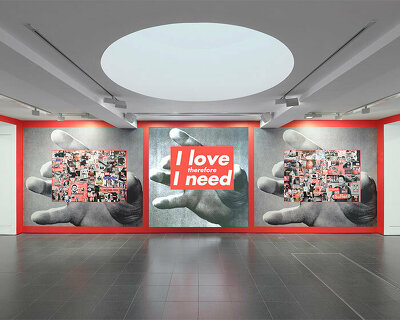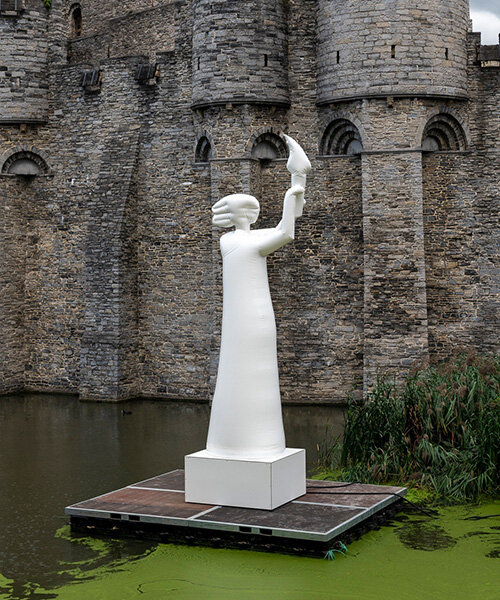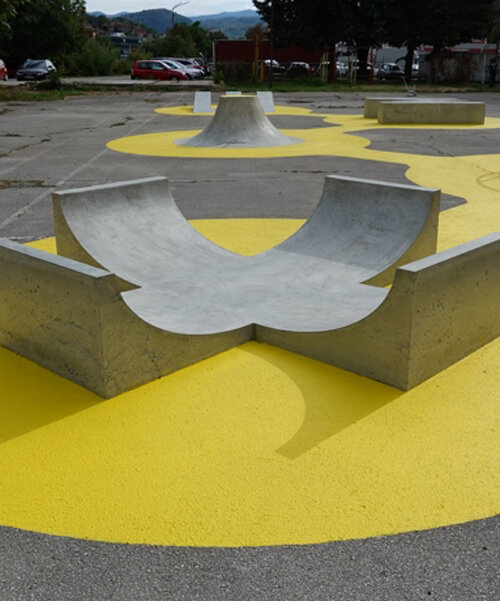

lucia pietroiusti and filipa ramos on ‘the shape of a circle in the mind of a fish’
from 2019-2025, the serpentine galleries hosted an interdisciplinary group of scientists, artists, and researchers to unpack the idea consciousness and knowledge making across forms and beings.
LUCIA PIETROIUSTI AND FILIPA RAMOs ON PUFFER FISH INTELLIGENCE
Curators and researchers Lucia Pietroiusti and Filipa Ramos have spent years investigating ‘the porous boundaries between human, non-human animal, vegetal, mineral, fungal and artificial consciousness and intelligence.’ Through their multi year project with the Serpentine Galleries, The Shape of a Circle in the Mind of a Fish (affectionately referred to as ‘ The Fish’ for short), they explore interspecies intelligence together with an interdisciplinary group of talents across several cities. For Ramos and Pietroiusti, making is not about producing objects to be rapidly consumed, but about learning to listen to the ecosystems we inhabit, proving that the most sustainable architectures might just begin with the mind of a fish.
The circlular pattern making of the puffer fish, as referenced in the first meeting of The Shape of a Circle in the Mind of a Fish, Part 1: LANGUAGE
THE SHAPE OF A CIRCLE IN THE MIND OF A FISH
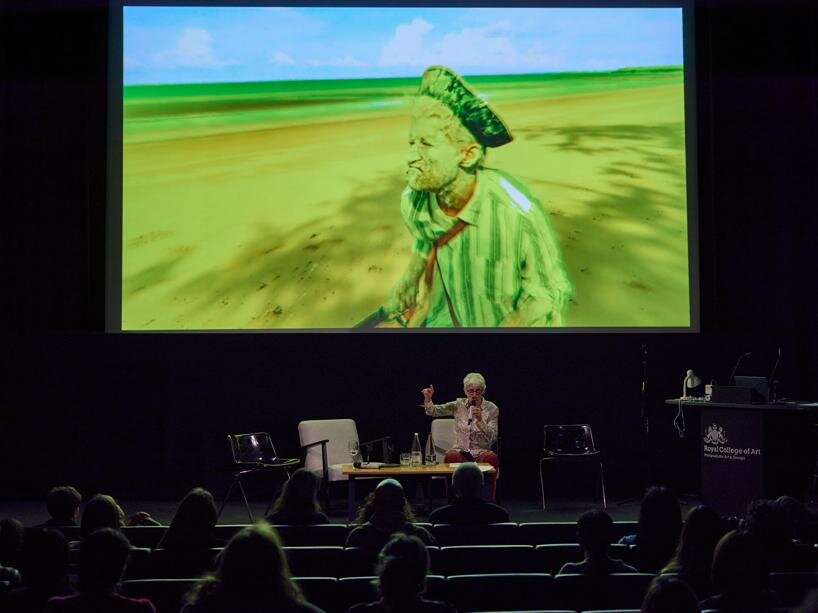
Back in 2018, Lucia Pietroiusti and Filipa Ramo, were thinking a lot about a puffer fish. Specifically, the way this water-bound creature can make ‘crop circles,’ referencing a specific BBC video. Narrated by an omniscient British voice, a Japanese puffer fish strategically wiggles across the ocean floor. The camera pulls away to a bird’s eye view that reveals a round, flower-like shape it had fashioned from the sand. From this complex and mysterious mating ritual, Pietroiusti and Ramos were alight ideas. How do these species conceive of this geometry? What are the implications for this form of knowledge? And what could this mean for our conception of intelligence?
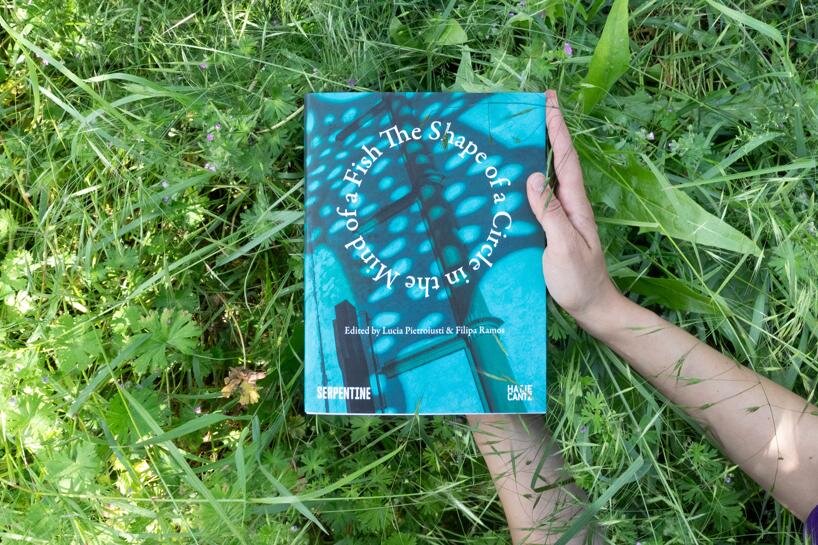
From this jumping off point, the two created the program, The Shape of a Circle in the Mind of a Fish, through the Serpentine Galleries in London from 2019-2025. Through this multiyear project, an interdisciplinary group of talents were brought together across several cities to, ‘explore the porous boundaries between human, non-human animal, vegetal, mineral, fungal and artificial consciousness and intelligence.’
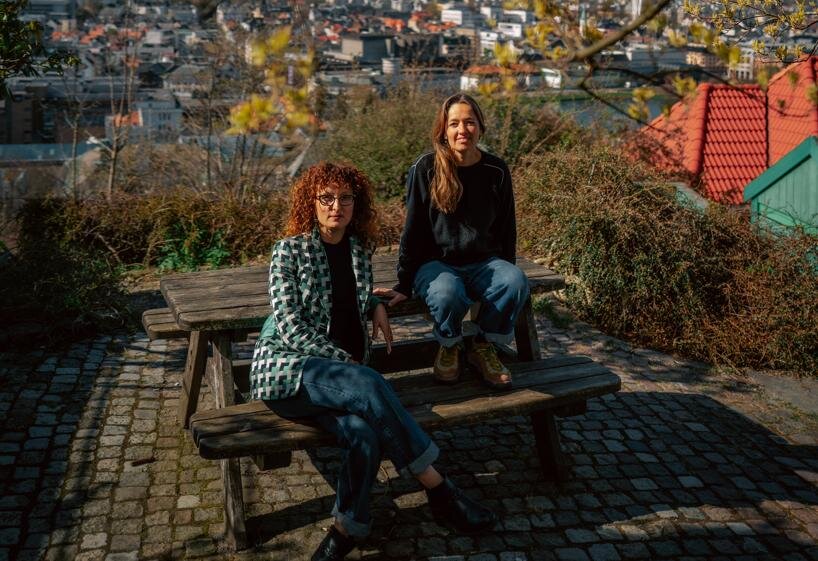
FILIPA RAMOs IN CONVERSATION WITH DESIGNBOOM
In conversation with designboom, Filipa Ramos talks her long-time collaboration with Pietroiusti, what The Fish taught them about non-anthropocentric modes of growth, and their collaborations past and present. When talking about their relationship, Ramos says fondly, ‘It’s a long family affair,’ referencing how she first taught alongside Lucia’s father, artist Cesare Pietroiusti, at IUAV University in Venice. Lucia eventually invited Ramos to contribute to the General Ecology program she was curating at Serpentine Gallery.
Speaking of this experience, Ramos reflects, ‘Through shared conversations around art, ecology, animal, plant and fungal life, metaphysics and all in between… our friendship and collaboration grew through a shared sense that exhibitions, public programs and institutions could become places where knowledge is practiced and rehearsed collectively.’
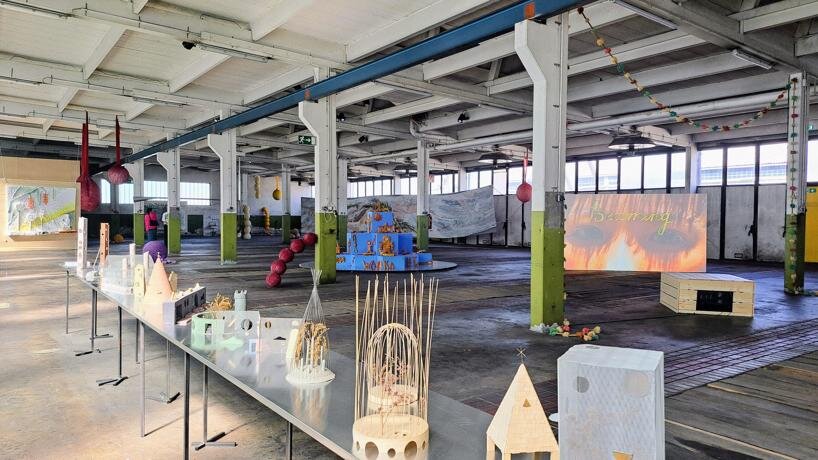
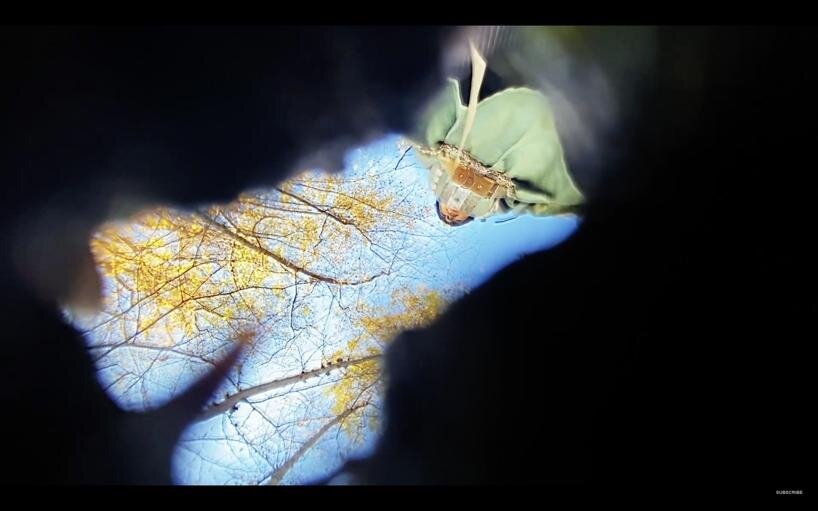
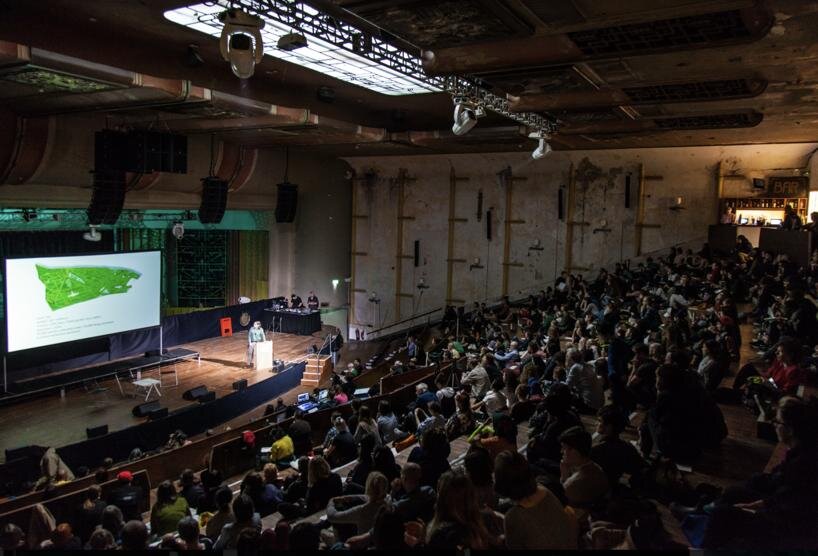
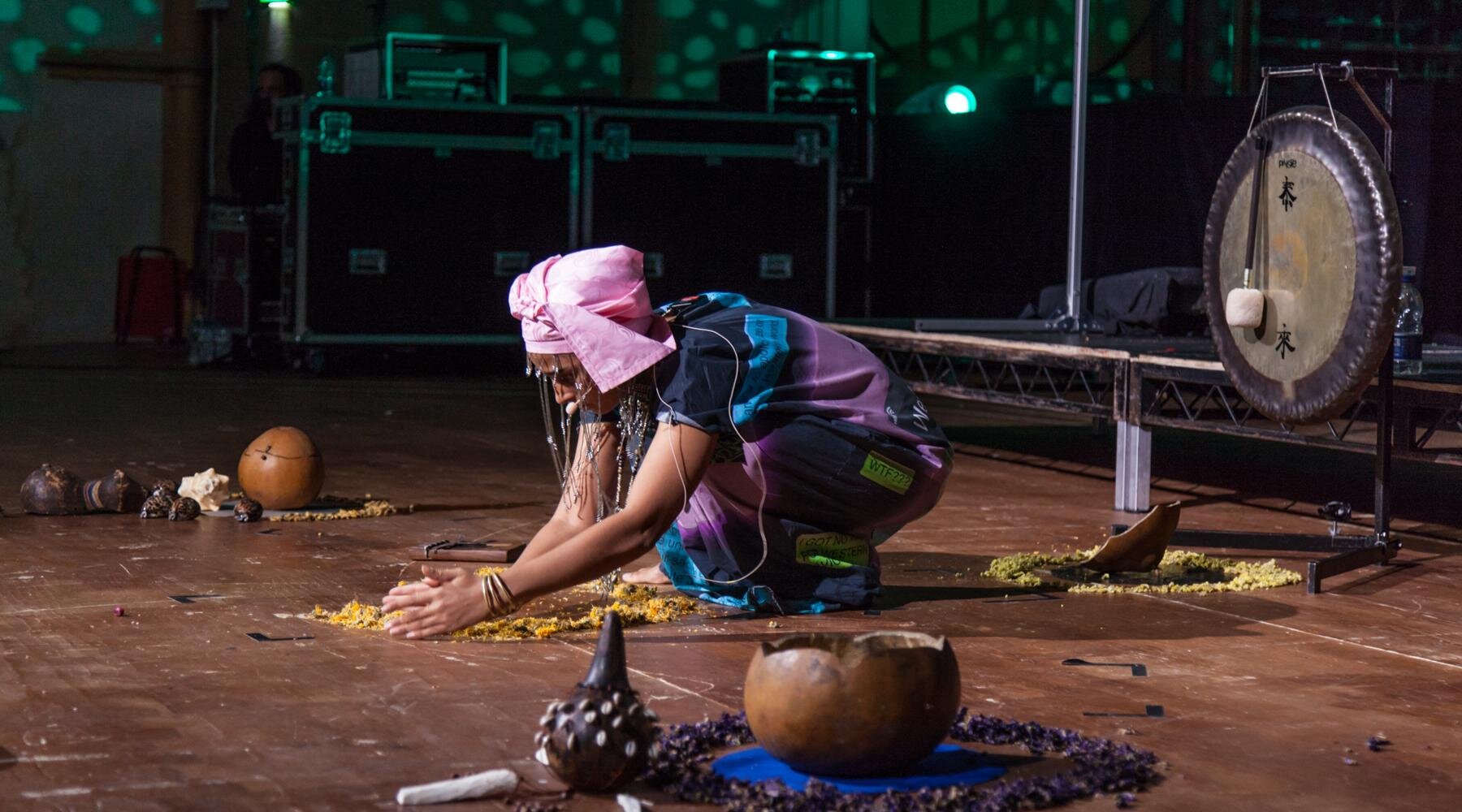
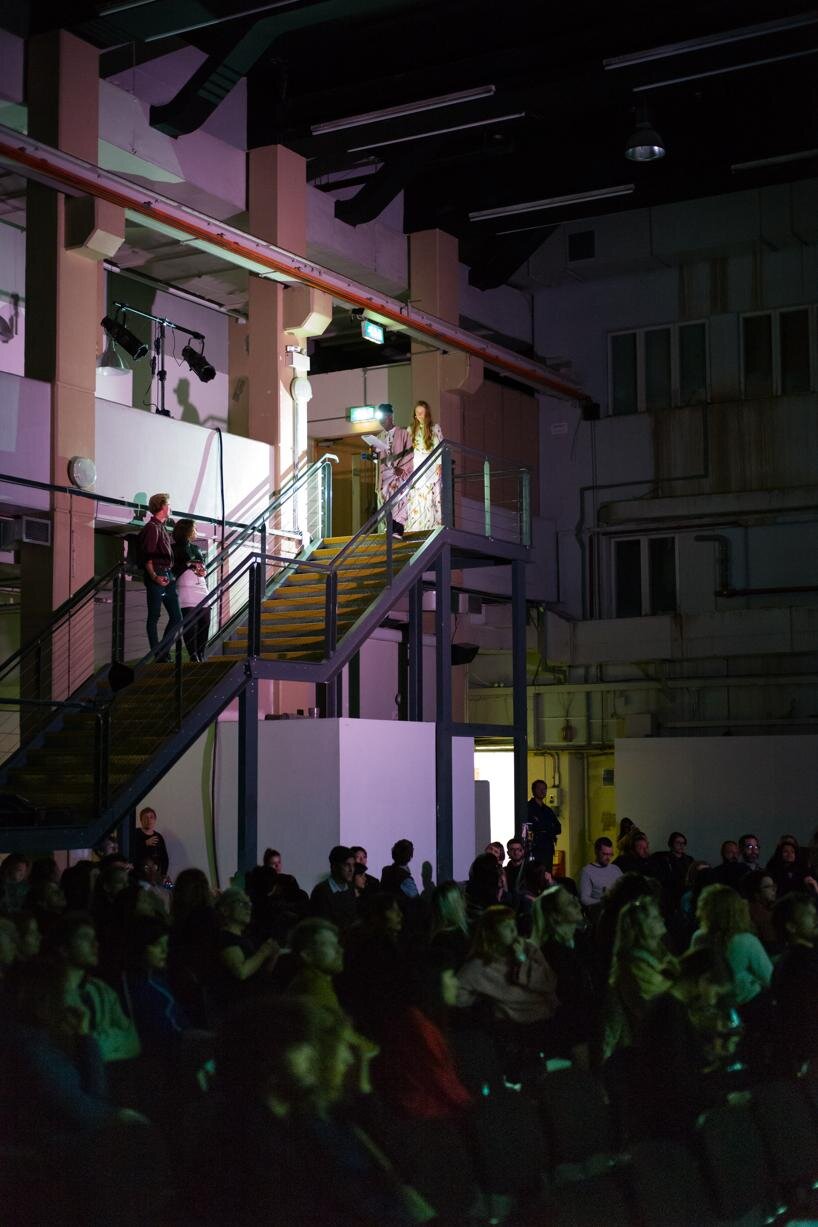
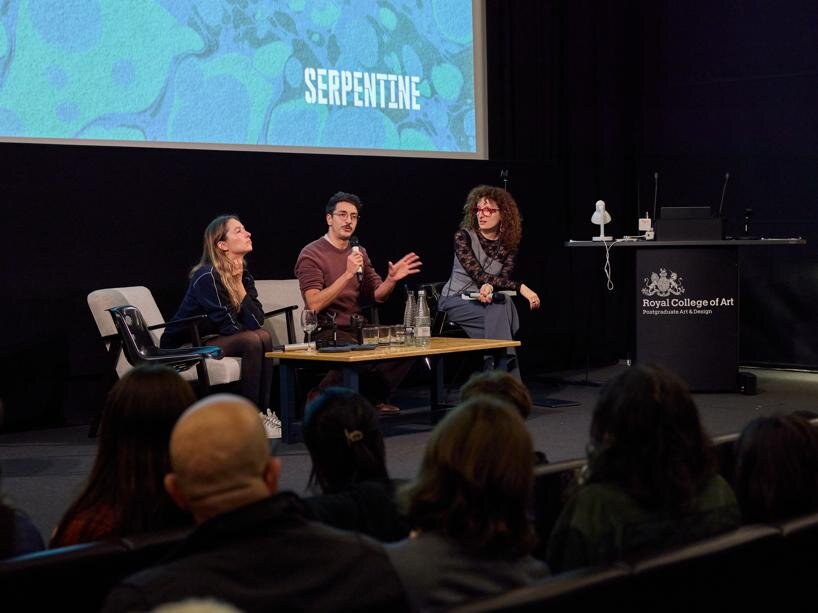
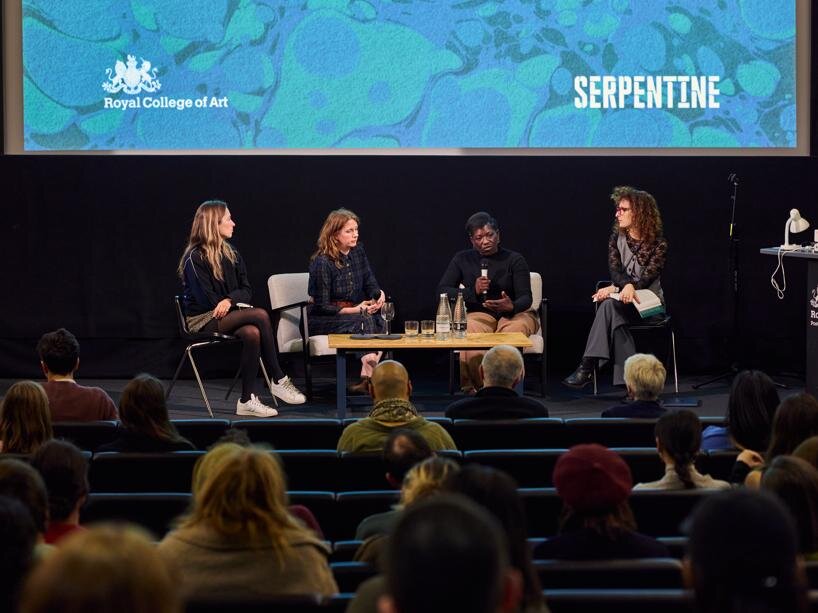
Throughout the shared symposiums of The Fish, artists, biologists, technologists, gardeners, and even a dolphin cognition researcher — practitioners that run the gamut of expertise — were brought together to share knowledge. The first edition explored language with subsequent editions opening other avenues of discussions on connection and existence through a more-than-human lens.
DECENTERING A SINGULAR FORM OF EXPERTISE
‘Over time, it became a way of practicing different forms of attention,’ says Ramos on how her understanding of expertise shifted when no single species or discipline was privileged as a definitive authority. ‘Expertise started to appear less as the possession of knowledge and more as a flow. To know something about an animal, a plant, a fungus, a star or a machine also means to accept the limits of what can be known. It means acknowledging that other beings perceive, register, communicate and transform the world through forms of intelligence that may not be available to us, or may only be partially available.’
Through these conversations, a modality of thinking about the future emerged: one that sought alternative forms of understanding that wasn’t necessarily, ‘about interspecies relations but rather an experiment in how to listen without immediately converting everything into the logic of human meaning and its disciplinary confinements.’
A fundamental realization emerged about communication, which Ramos specified was, ‘not about equivalence. It actually may be a lot more about proximity, rhythm, atmosphere, exchange, co-presence and opacity: what is not understood is as, if not more, important than what is translatable.’
REACHING THE LIMITS OF KNOWLEDGE
She then goes on to expand the implications for what communications looks like, especially in the light of understanding the limits of our knowledge: ‘The question is not only “Can we understand other beings?” but also “How do we behave when we do not understand them?” We have similar relational dilemmas within our own species. How do we react when we don’t understand ourselves or another person? These questions ask for forms of relation that are not based on judgement, empathy or mastery but on respect and mystery.’
Through the facilitated discussion, workshops, and meetings, The Fish pontificated on non-anthropocentric ways of development that countered the fast-paced growth models of today that often privilege economic growth over all else. ‘Many of these practices were not spectacular, on the contrary. They involved listening to plants, thinking with snails, paying attention to soil, composting, dreaming, or reimagining technologies as primitive expressions of intelligence. These practices share a refusal of efficiency and immediacy. They ask us to stay with processes that exceed the speed of human intentionality.’
BERGEN ASSEMBLY 2028 AND ALTERNATIVE TECHNOLOGIES
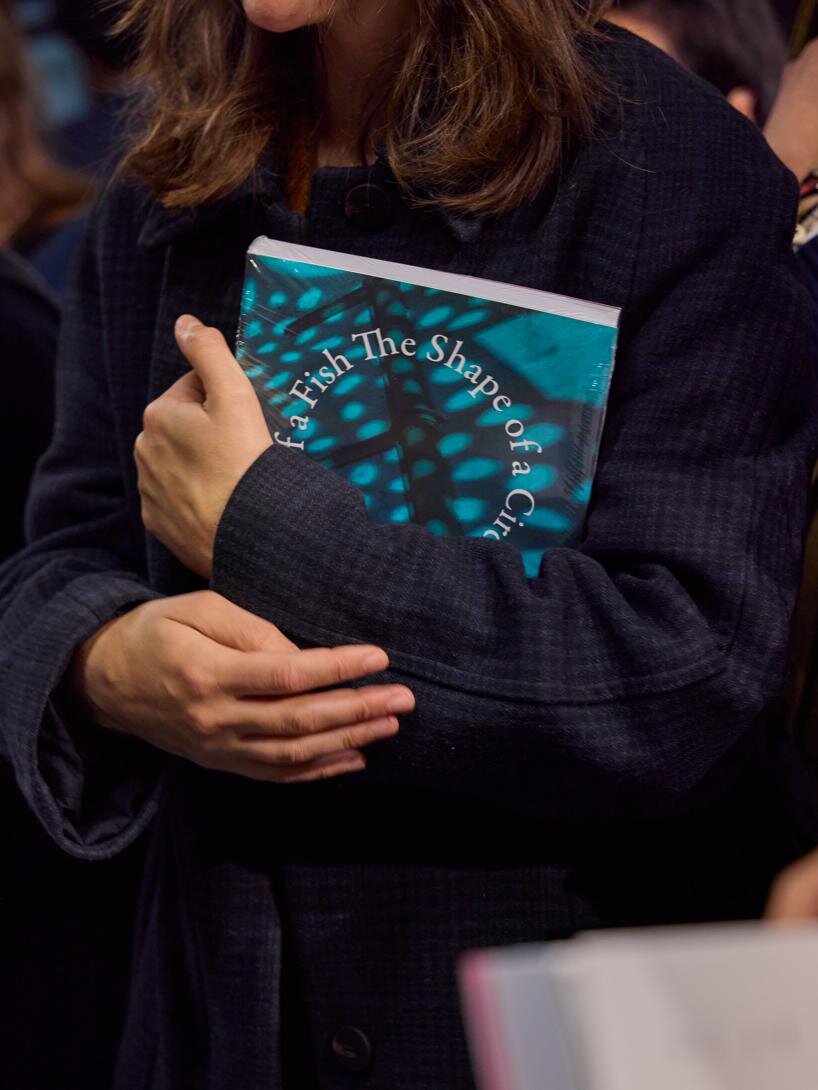
2025 saw the conclusion of The Shape of a Circle in the Mind of a Fish with the creation of a book that encapsulates the practitioners, lessons, and dialogues that emerged over the course of the program. Nevertheless, Ramos and Pietroiusti will continue their years-long collaboration as the conveners of the Bergen Assembly 2028, held in the very city that sits between Norway’s biggest fjords. Through this program, the duo will continue to curate a dialogue on how to build a more sustainable future.
‘We are interested in technologies in a broad sense: not only digital technologies, but also ancient, vernacular, embodied and cosmological ones. Mapping, divination, meteorology, storytelling, navigation, healing, cosmic practices, tools, poetry, songs and systems of memory can all be understood as technologies. They are ways of sensing, transmitting and ultimately making worlds.
Besides, I am increasingly interested in forms of knowledge that do not promise control. Forecasting, for instance, is not the same as mastery. It is a way of accepting uncertainty. Remembering is not about preserving the past but about narrating it, so it is a tool for imagining other futures. Making is not about producing objects but of entering into relation with materials, environments and other beings.’
1/5
project info:
name: The Shape of a Circle in the Mind of a Fish
curators: Lucia Pietroiusti and Filipa Ramo
presented by: Serpentine Galleries
dates: 2019-2025
This article is part of designboom’s Crafting the Future chapter, exploring what it means to be a maker in today’s world and the future of craftsmanship. Discover more related stories here.
shop
your own online design shop — no sales commission collected