major MANZAR exhibition in doha charts pakistan’s creative evolution from the 40s to today
across twelve themed galleries, the first-of-its-kind show at qatar's national museum traces the evolution of pakistan's visual arts and architectural practices over the past eighty decades.
prefer designboom on google[FEATURED]
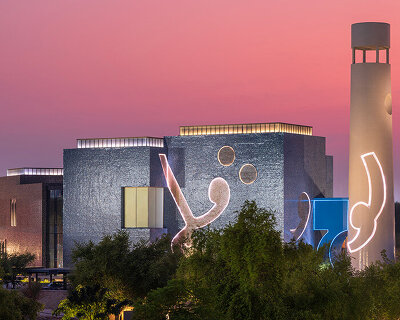
manzar opens at national museum of qatar in doha
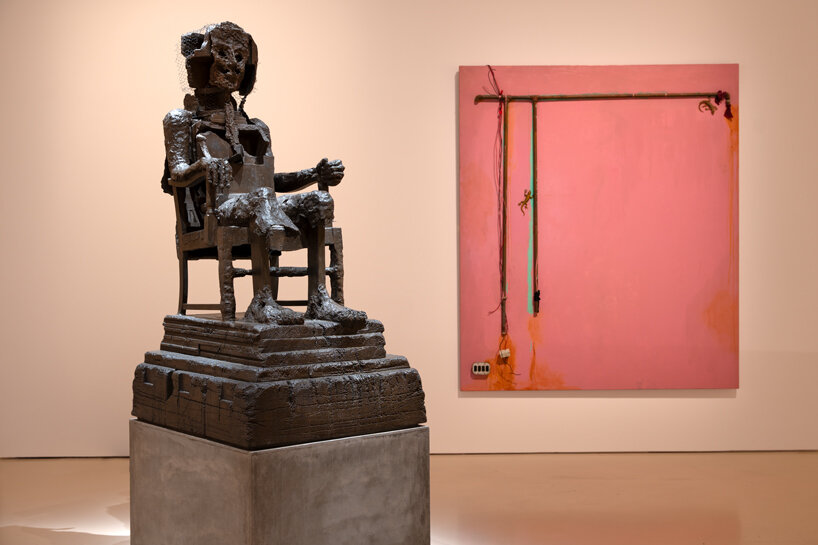
A first-of-its-kind exhibition at Qatar’s National Museum in Doha sheds light on Pakistan’s visual arts and architectural practices from the 1940s to today. Charting the nation’s creative evolution over nearly eighty decades, since it achieved independence from British rule in 1947, the show offers an in-depth look with more than 200 works in different mediums, ranging from paintings, drawings, videos, and installations, as well as newly commissioned works by artists and architects. Its title, MANZAR: Art and Architecture from Pakistan 1940s to Today, draws from the word ‘manzar’ — which in Arabic and Urdu means scene, view, landscape, or perspective — highlighting the multifaceted perspectives on view by creatives coming both from Pakistan and its diasporas.
The exhibition, on view until January 31st, 2025, is organized by Art Mill Museum, Qatar’s future museum of international modern and contemporary art developed by Qatar Museums and set to open in 2030 in Doha. MANZAR marks the starting point in the museum’s initiative to engage with non-Western art histories, placing perspectives from South Asia through the decades into global social and cultural narratives. ‘This rigorous, scholarly exhibition looking at the significant practices of artists and architects from Pakistan and their connection to the wider history of modern and contemporary art reveals precisely how the future Art Mill Museum will be a vital center for international modern and contemporary art,’ explains Catherine Grenier, Director of Concept of the future Art Mill Museum. ‘As MANZAR so vibrantly demonstrates, our aim is to engage global art histories since 1850 through exhibitions grounded in multidisciplinary and non-hierarchical histories.’
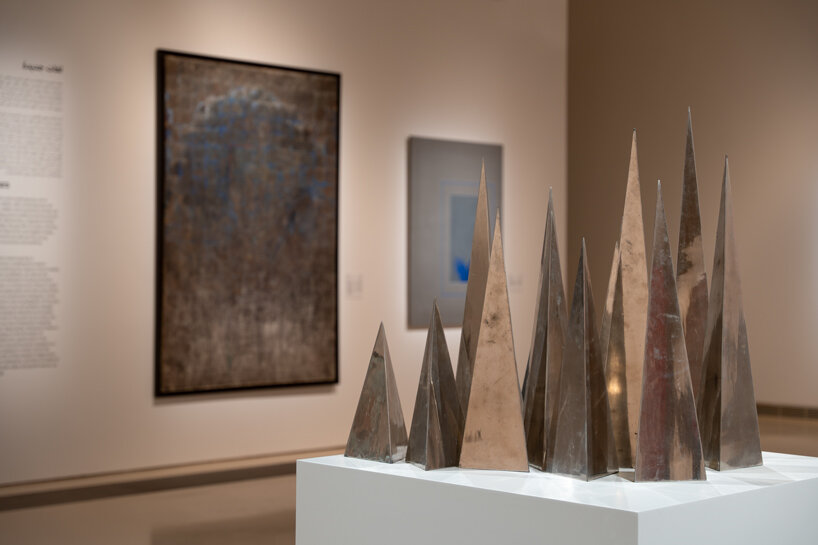
12 themed gallerieS TRACE pakistan’S CREATIVE EVOLUTION
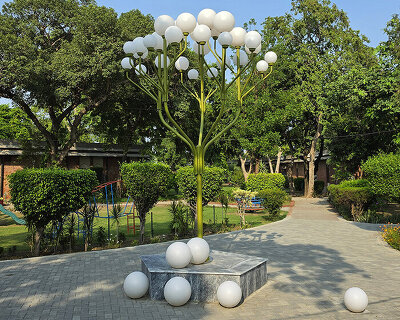
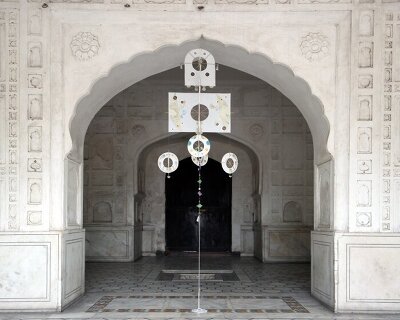
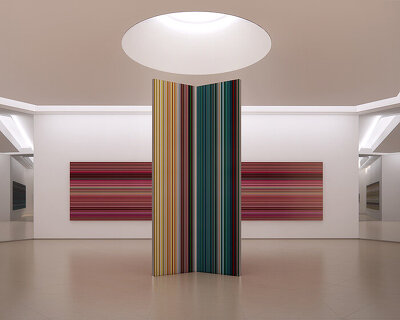
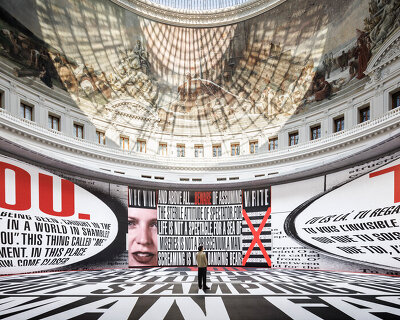
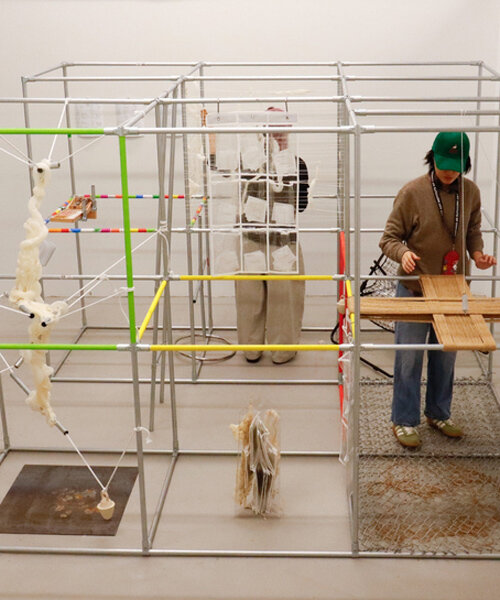
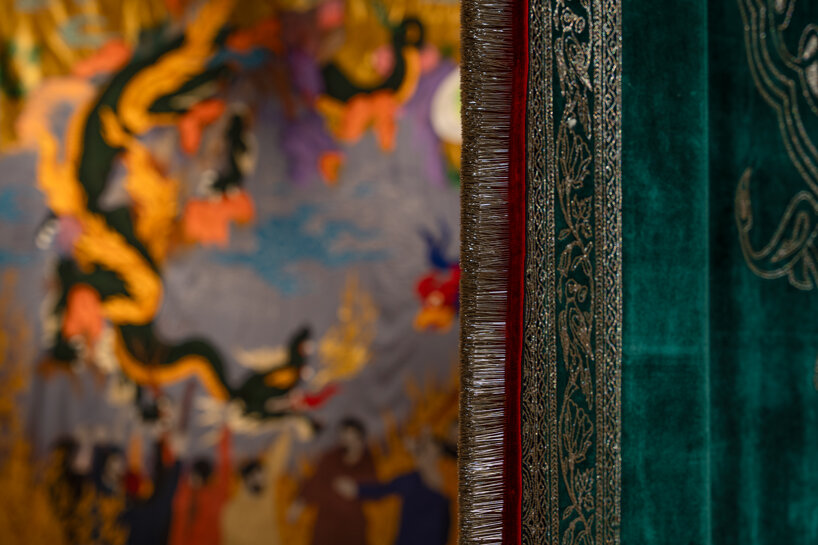
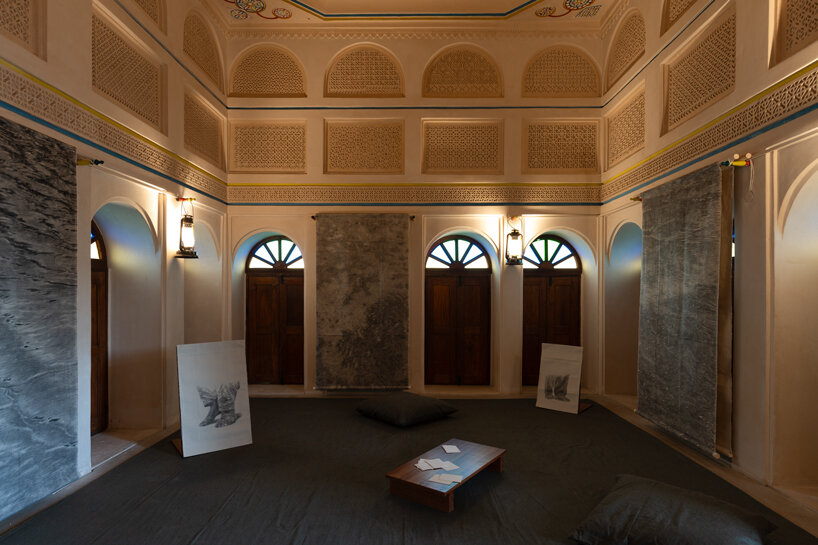
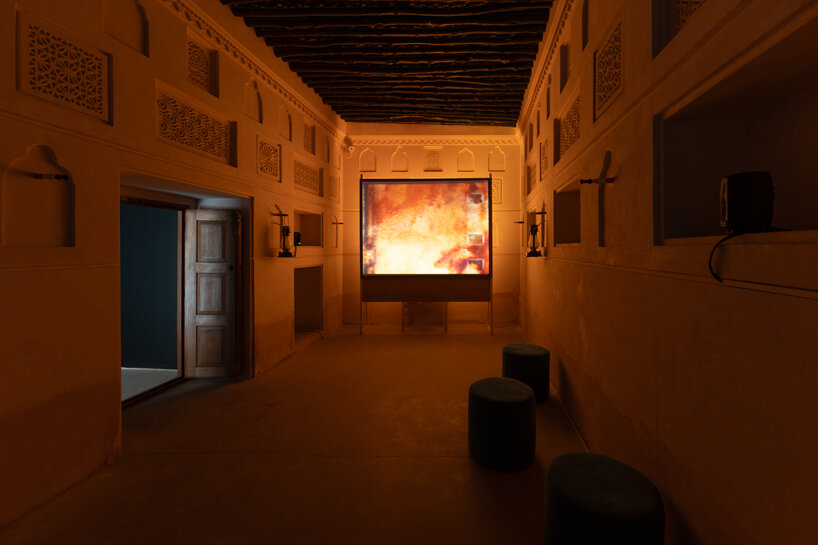
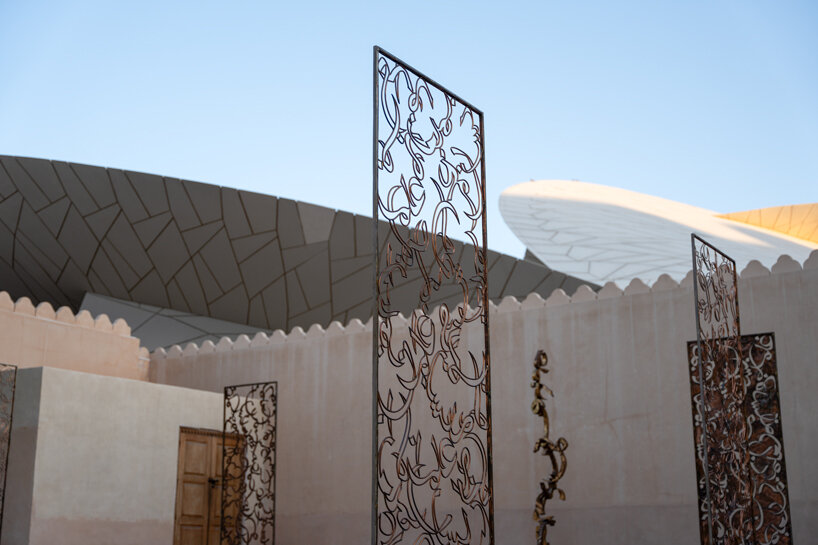
Curated by Caroline Hancock, Aurélien Lemonier, and Zarmeene Shah, MANZAR unfolds across twelve thematic sections, extending from the gallery spaces of the National Museum of Qatar to its palatial courtyard outside. Throughout, it takes a loosely chronological approach beginning from Pakistan’s conception as an independent nation in 1947, and weaving through sections dedicated to aesthetic experiments and calligraphy, nation-building, regionalism, neo-miniature, the urban vernacular, and the politics of land and water. Filmed interviews and archival materials, alongside a series of public performances and talks, accompany the exhibition, offering further insights into the narratives, perspectives and histories that shape the country’s creative landscape.
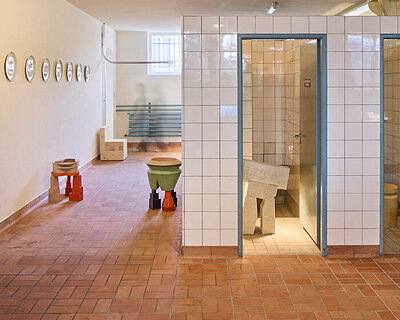
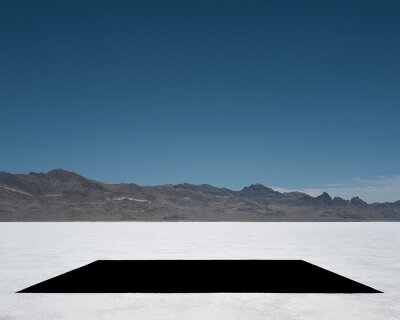
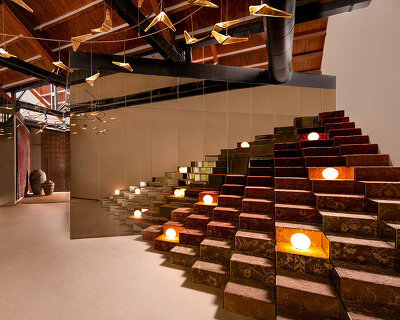
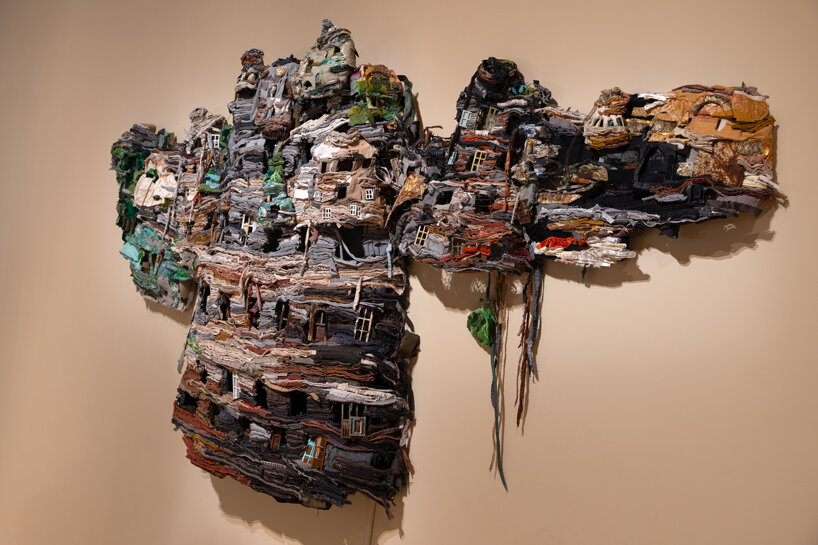
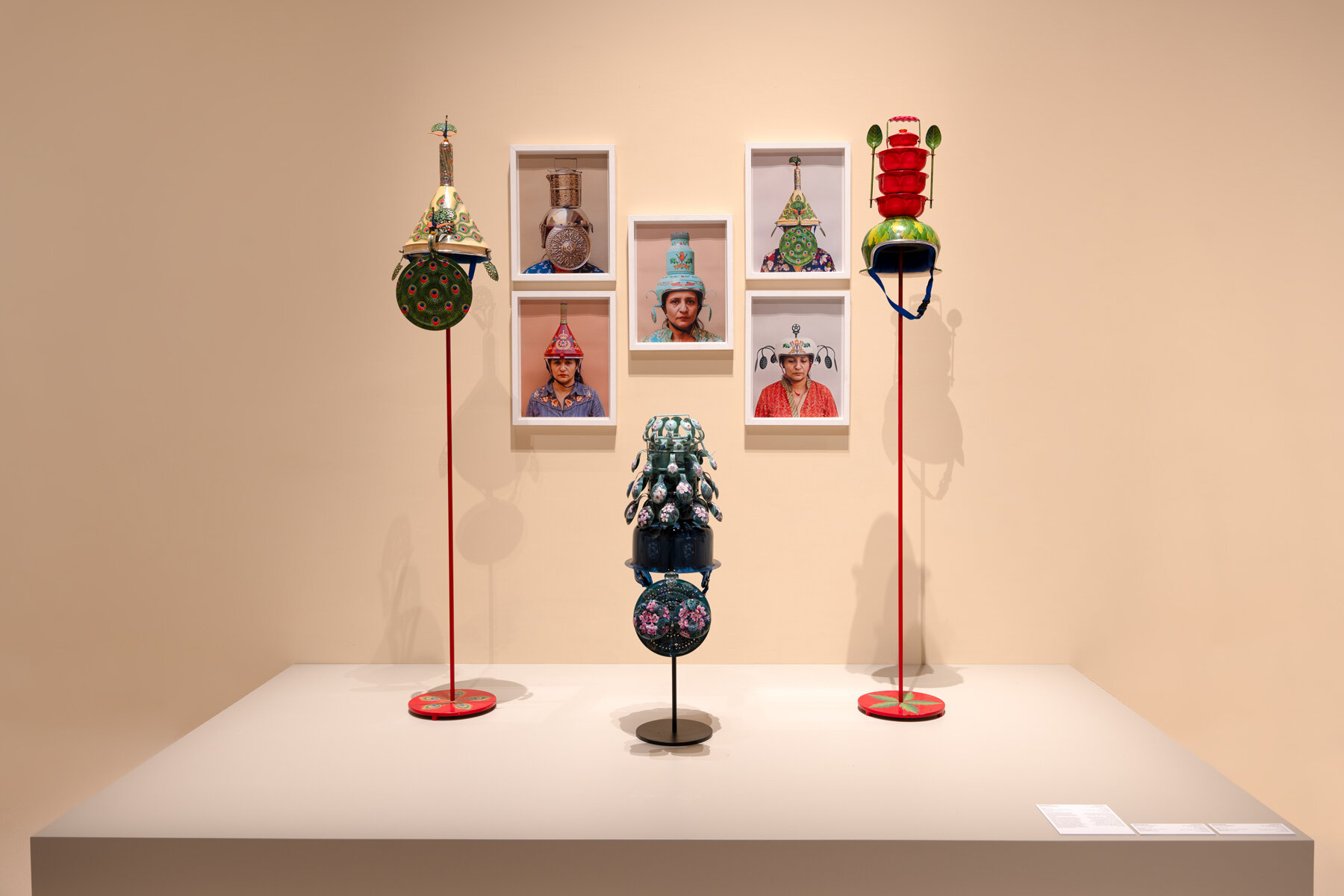
With an exhibition design by Pakistani architect Raza Ali Dada, MANZAR starts with a selection of works by pioneering artists who worked under British rule between 1858 and 1947, such as Abdur Rahman Chughtai and Zainul Abedin. Through multiple mediums the narrative unfolds to the post-Partition era, featuring artists such as Anna Molka Ahmed who explored ideas of national identity, modernization, and urban transformation in the nation. Beyond, exploring form and identity in art, MANZAR presents modernist explorations by Pakistani artists who have contributed to and drawn from global perspectives while developing distinct visual languages rooted in the region. Aesthetic experiments by leading figures, like Shakir Ali, Zubeida Agha, and Sadequian, then reflect how their personal modes of expression relate to urban centers in the subcontinent, including modern day Pakistan and Bangladesh. The neo-miniature movement of the 1990s is further represented by renowned artists such as Shahzia Sikander, who transformed traditional miniature painting into a contemporary medium of personal and cultural reflection. Other important artists working in the diaspora whose works are on view include Naiza Khan in London and Bani Abidi in Berlin.
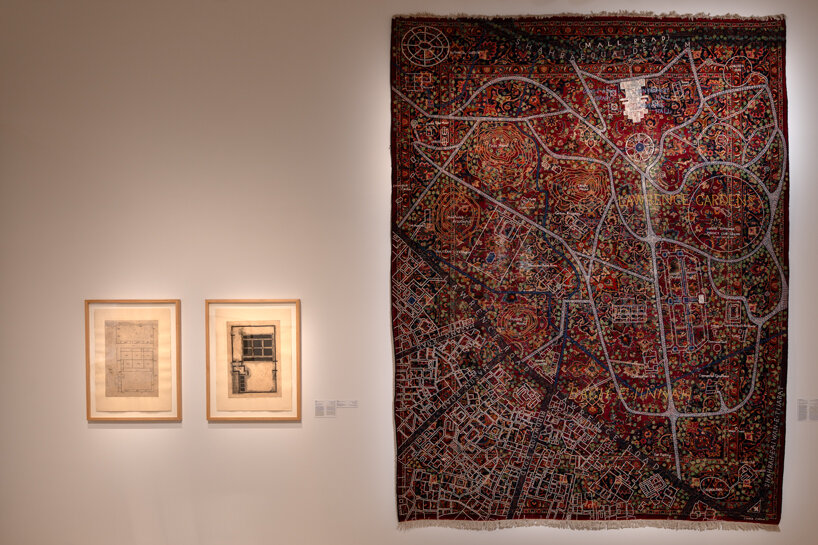
a look at the nation’s art and architecture from 1947 to today
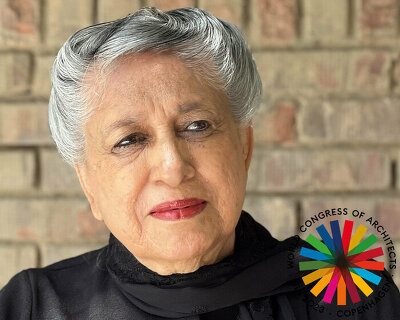
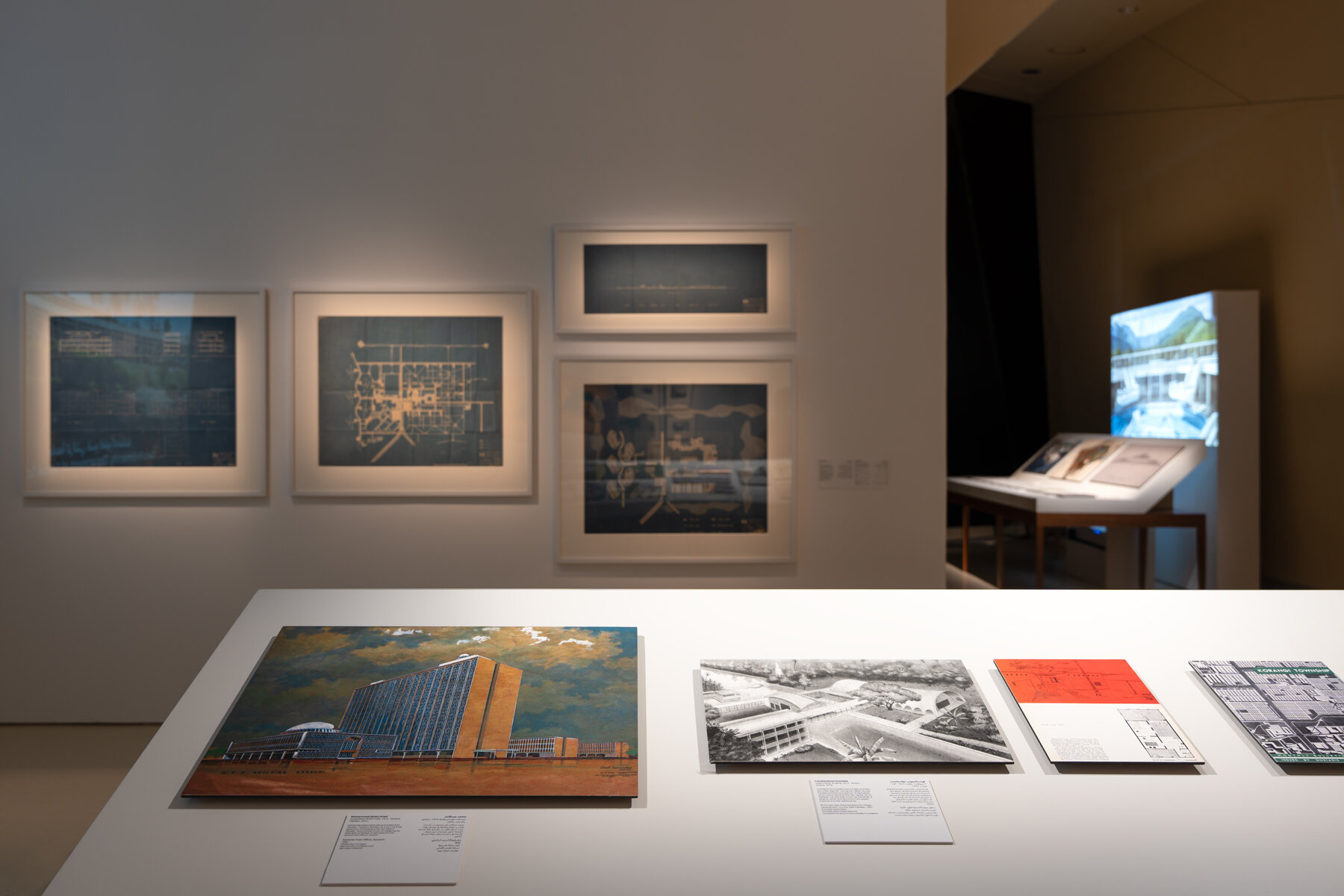
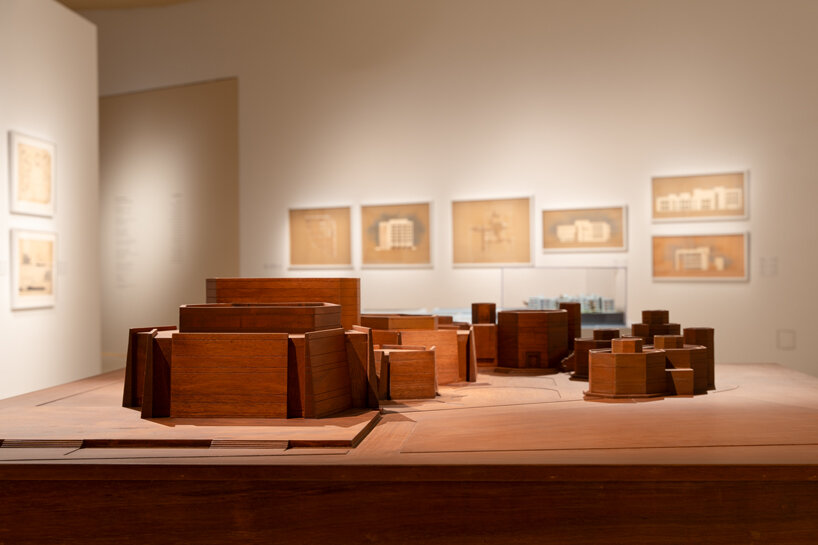
A strong architectural component looks at the evolution of Pakistan’s architectural identity in response to modernist influences alongside regional concerns. Early works include projects by Western architects such as Louis Kahn and Konstantínos Doxiádis, who were involved in building institutional structures and completing the urban plan of the new capital city during the formative years of Pakistan as a nation-state. MANZAR then showcases the contributions of major Pakistani architects, rooting the dialogue in the local context, including Nayyar Ali Dada, Yasmeen Lari, and Kamil Khan Mumtaz, who have been advocating for regionalism and environmentally sustainable design.
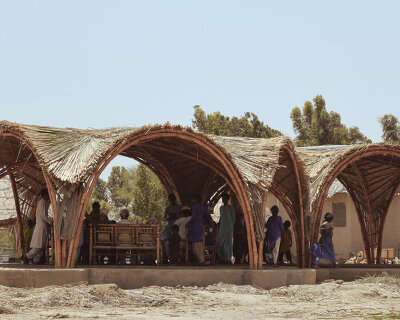
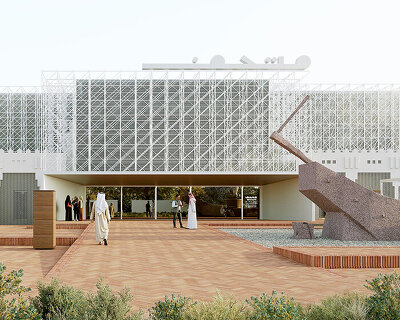
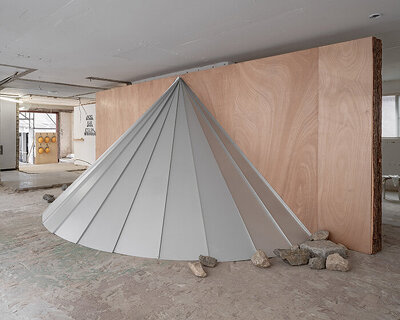
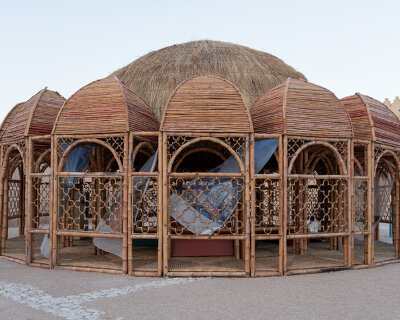
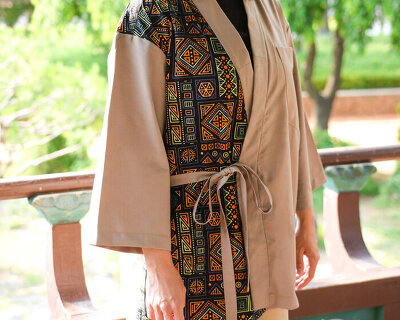
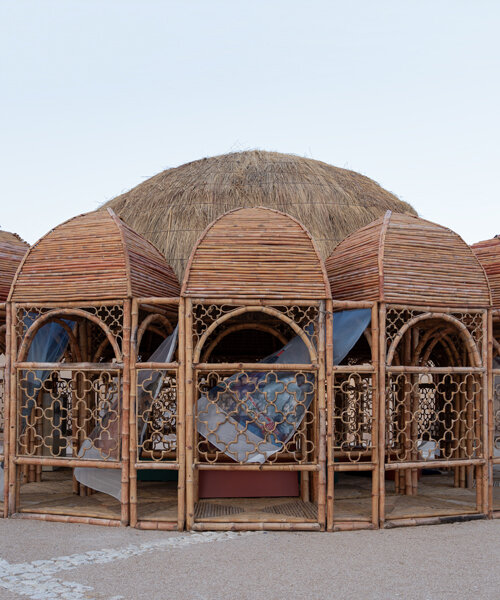
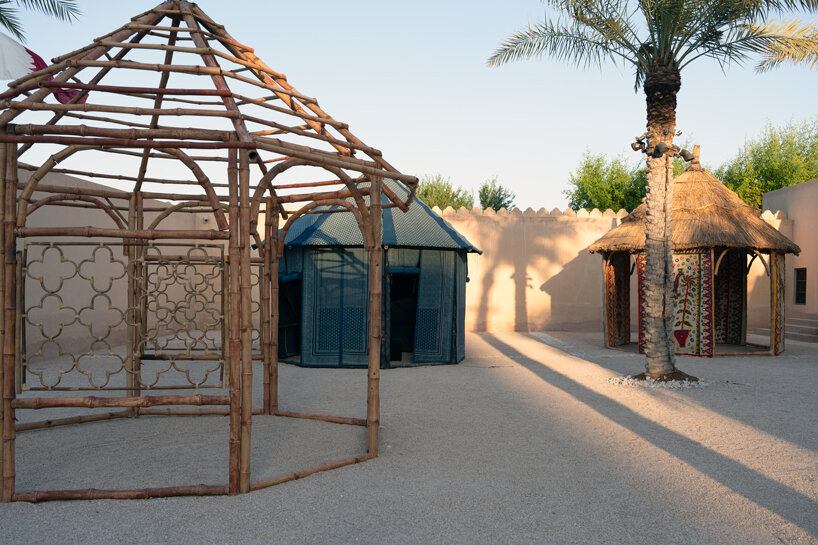
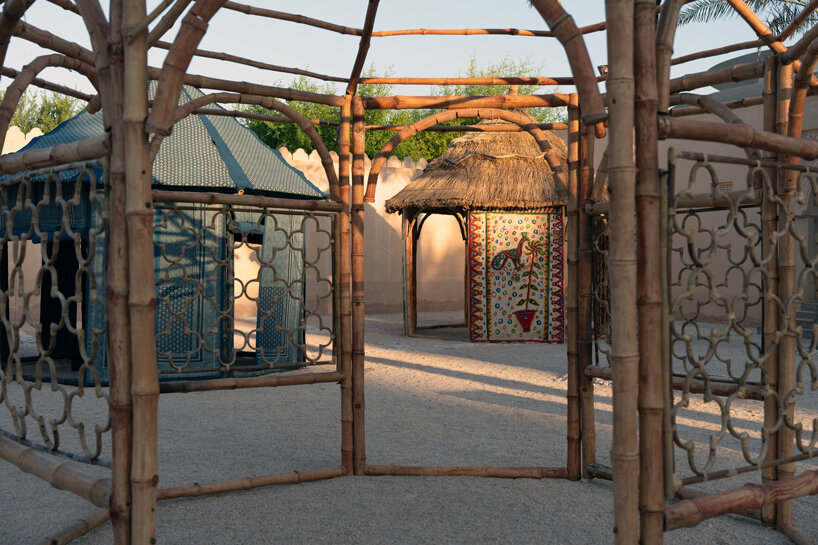
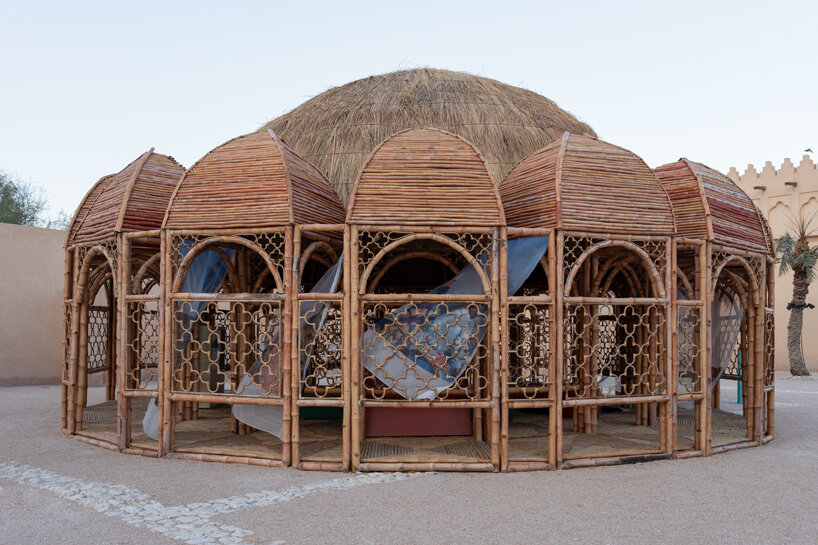
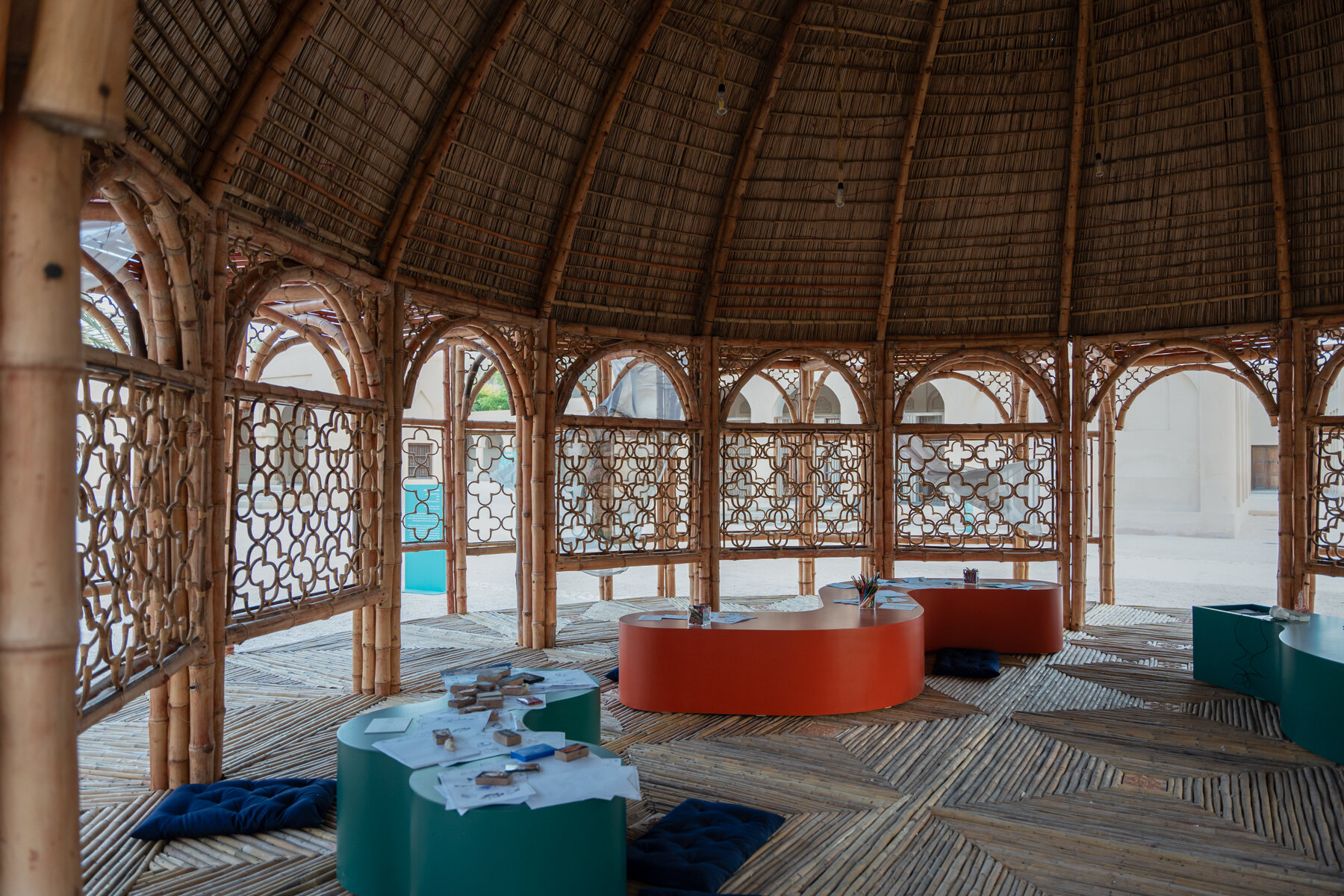
In the courtyard of the Palace of Sheikh Abdullah bin Jassim Al Thani, multimedia installations include the emergency, log-system bamboo shelters by Yasmeen Lari and the Heritage Foundation of Pakistan for flood-affected victims, featuring fabric coverings by textile expert Noorjehan Bilgrami. Environmental concerns play a key role throughout, echoed further across the works of Karachi LaJamia, Amin Gulgee, and Omer Wasim.
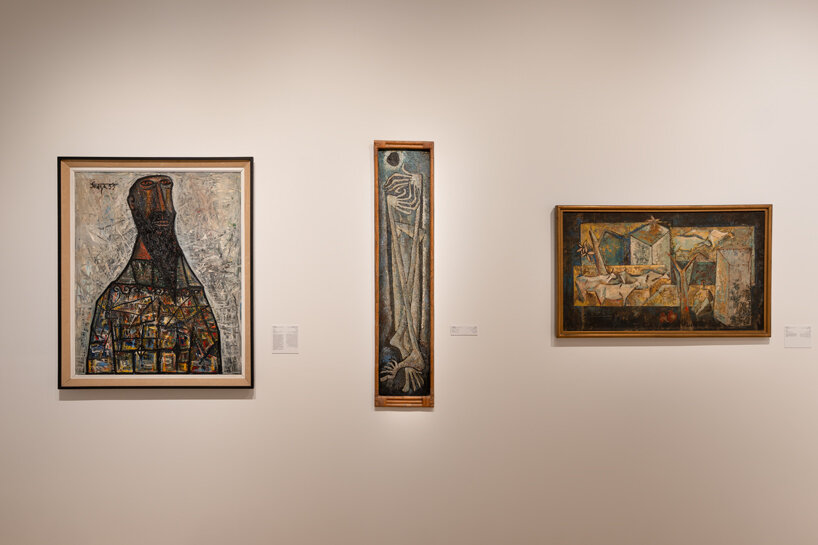
organized by the FUTURE art mill museum
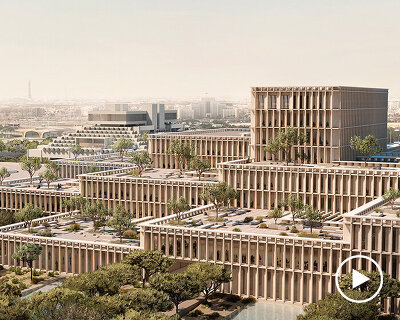
MANZAR is is organised by the future Art Mill Museum and presented in collaboration with the National Museum of Qatar. Designed by ELEMENTAL, led by Pritzker Prize-winning architect Alejandro Aravena, the museum will be located along Doha Corniche, at the site of the current Qatar Flour Mills Company, and is set to open in 2030. Its international art collection, assembled over the past 40 years, will bring together multidisciplinary works of great diversity dating from 1830 to the present. A pioneering institution in the non-Western world, it will represent the modern and contemporary arts of all regions of the globe on an equal basis, engaging local and international audiences alike through multiple narratives of art history.
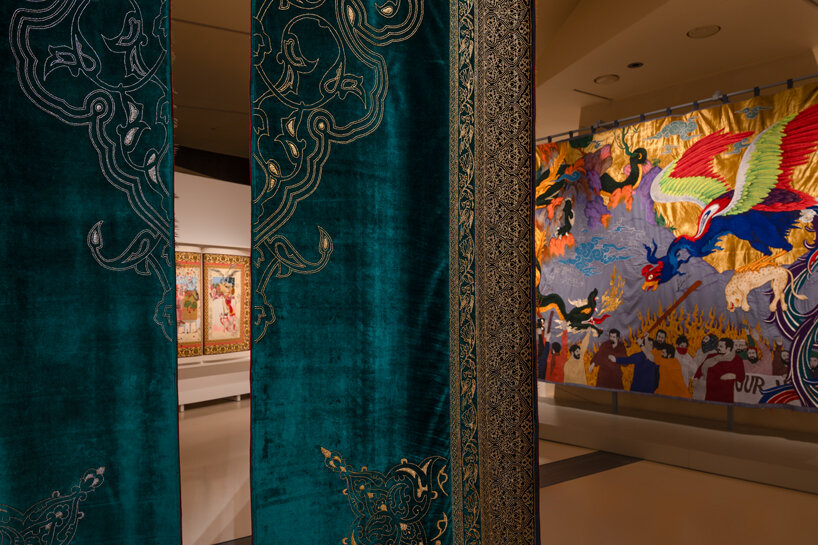
project info:
name: MANZAR: Art and Architecture from Pakistan 1940s to Today
location: National Museum of Qatar, Doha | @nmoqatar
organizer: Art Mill Museum
dates: November 1st, 2024 — January 31st, 2025
curators: Caroline Hancock, Aurélien Lemonier, Zarmeene Shah, Aebhric Coleman
collaborators: Noor Butt, Deena Hammam, Farah Al Sidiky
exhibition design: Raza Ali Dada | @razaalidada
shop
your own online design shop — no sales commission collected