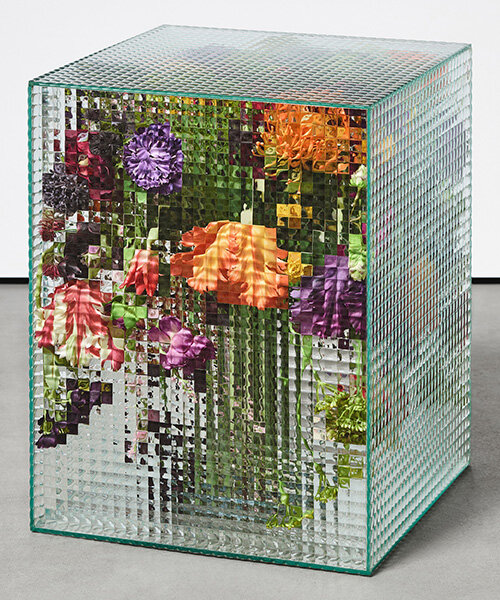
marius boekhorst breaks down flowers into fragments of color with geometric glass
by filtering floral imagery through a familiar architectural material, the dutch designer explores how we look at nature, and what happens when we pause to see it differently.
prefer designboom on google[FEATURED]
marius boekhorst frames nature through glass sculptures
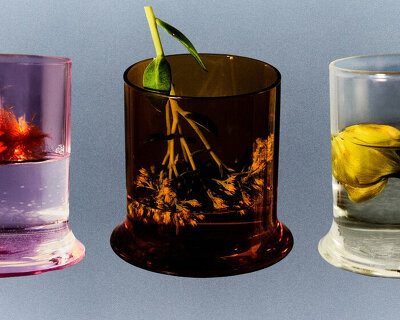
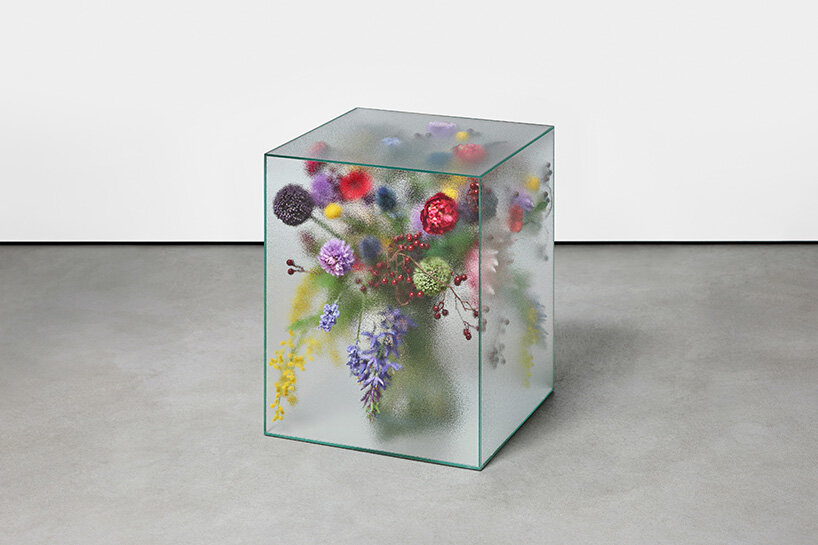
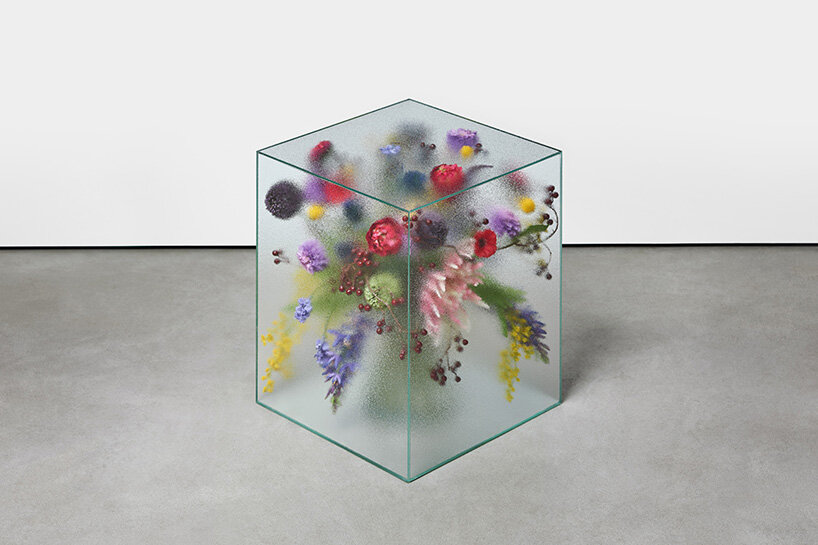
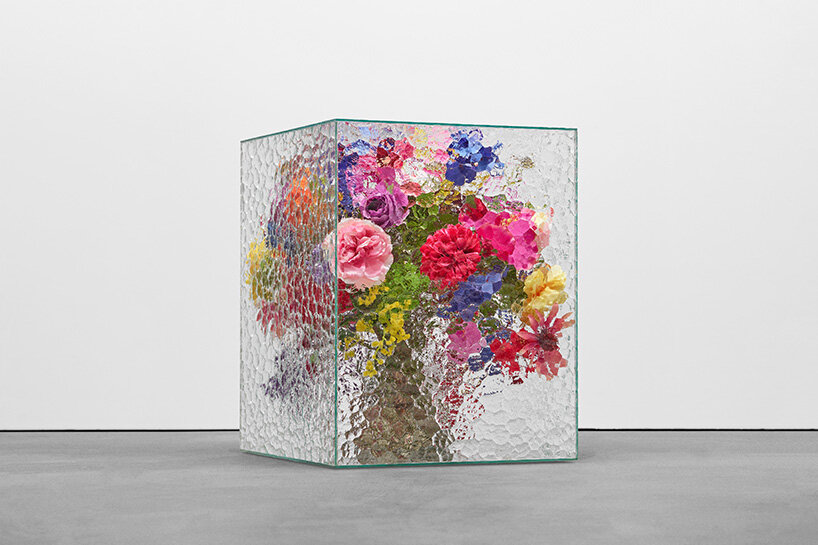
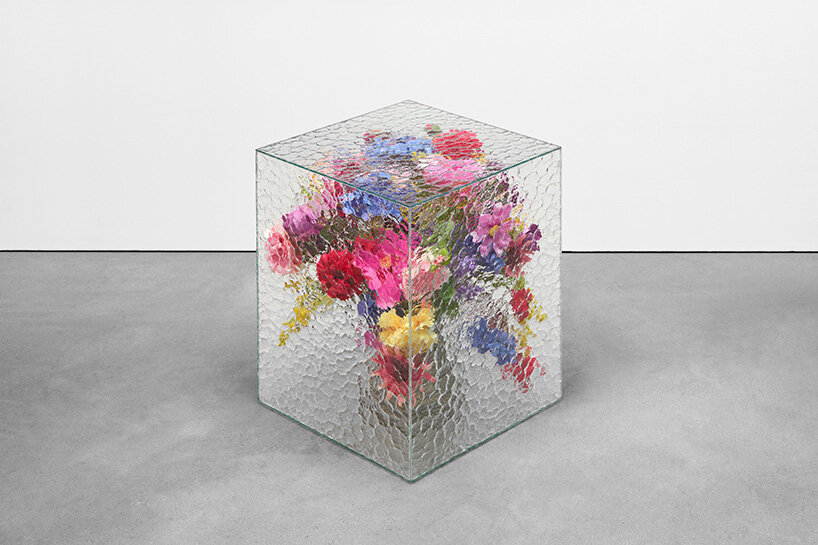
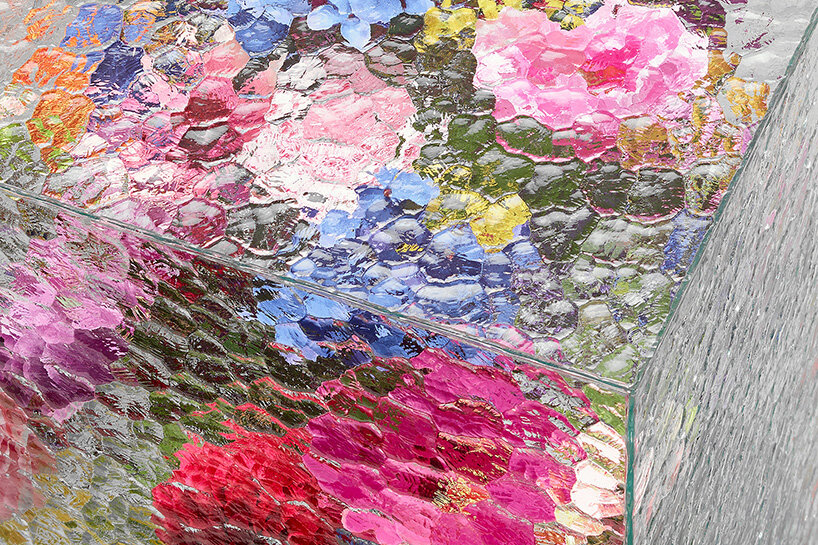
Marius Boekhorst uses patterned glass to frame the natural world in his Violet series, a collection of geometric glass sculptures where flowers dissolve into abstract compositions of color. Boekhorst creates three-dimensional still lifes in which botanical compositions appear fragmented and distorted, inviting a slower, more attentive way of looking at familiar forms.
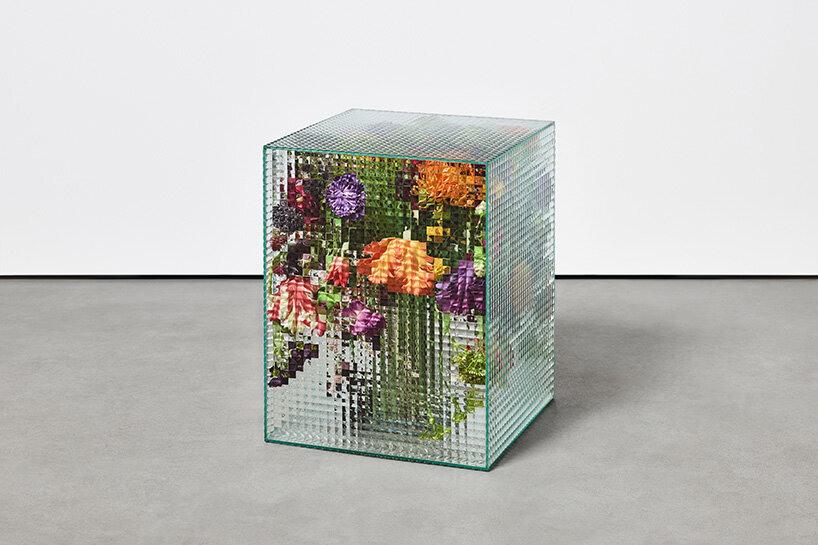
framing nature through architectural glass
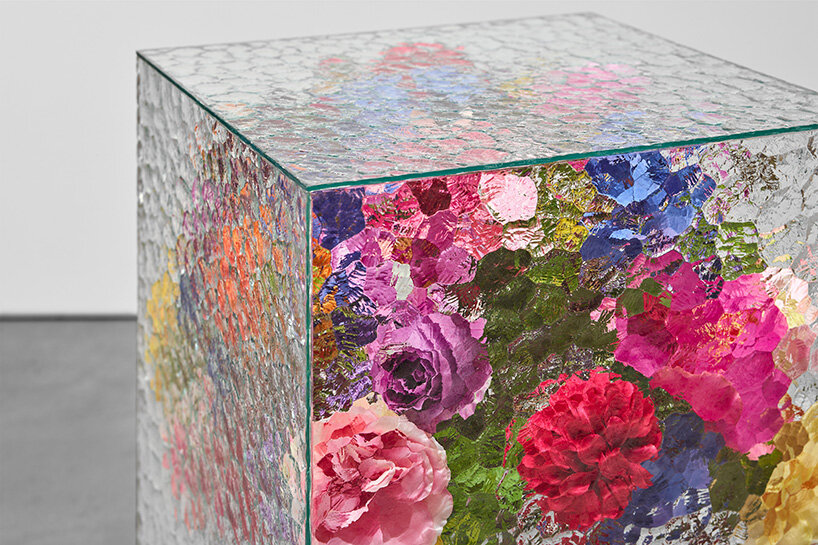
Commonly associated with domestic windows, doors, and interior partitions, patterned glass has the ability to filter light and obscure views, maintaining a degree of transparency. Dutch artist and designer Marius Boekhorst looks beyond these practical functions, using its textured surface to transform the way flowers are seen.
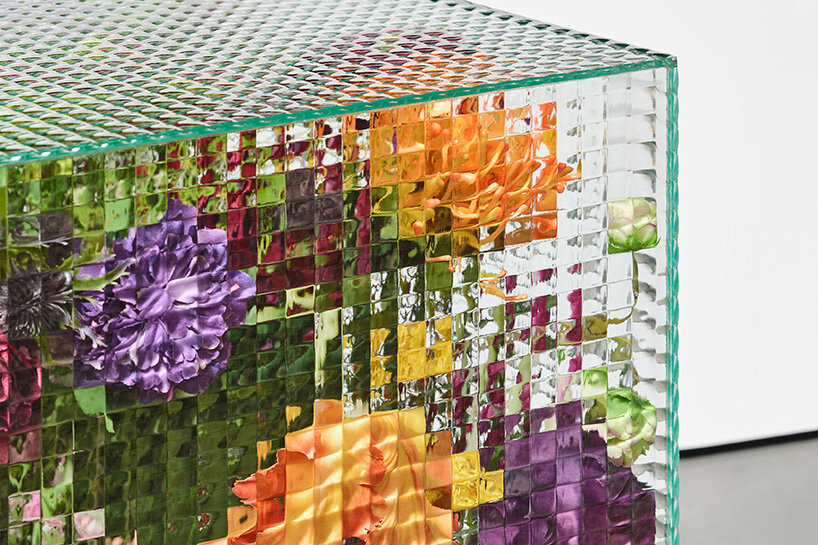
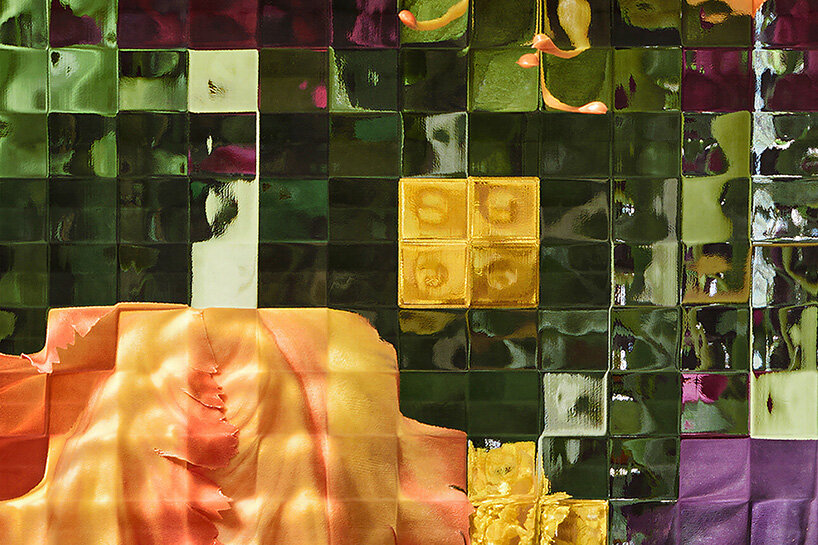
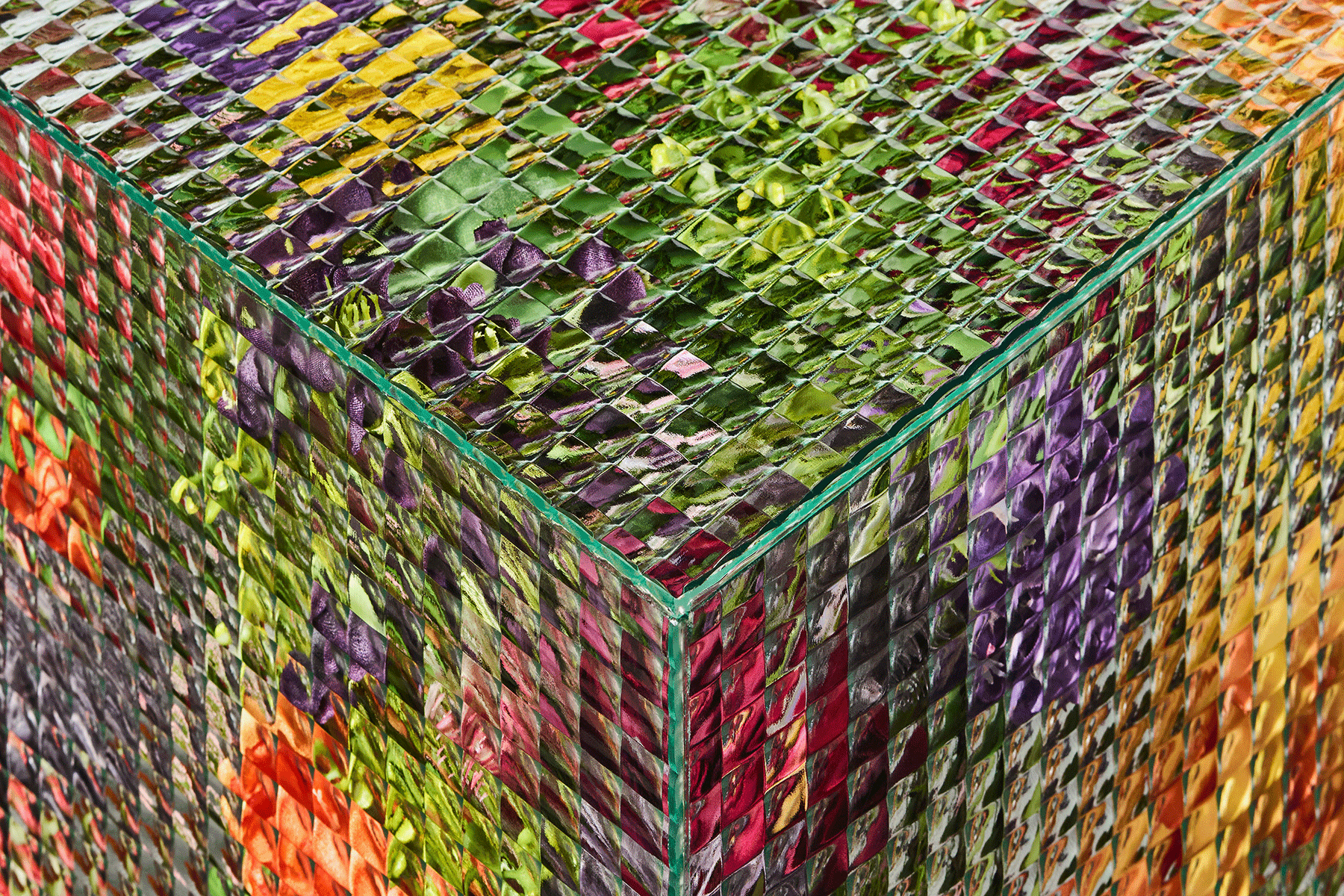
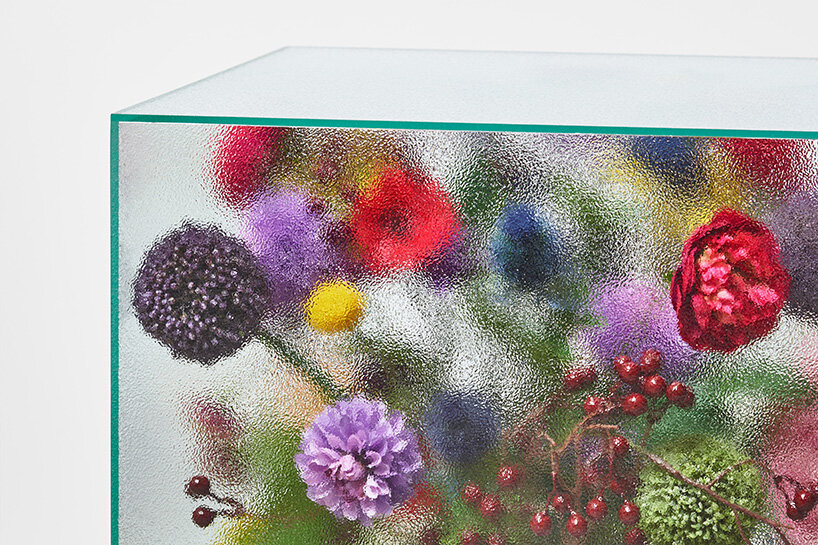
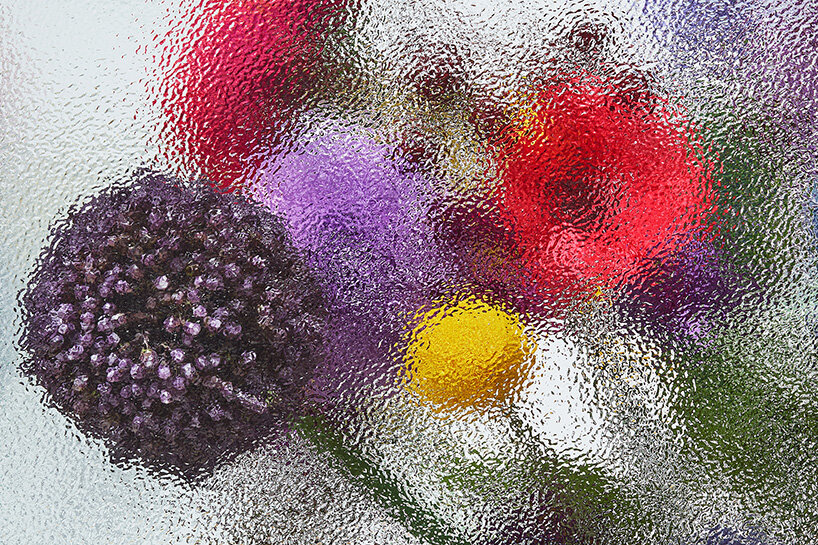
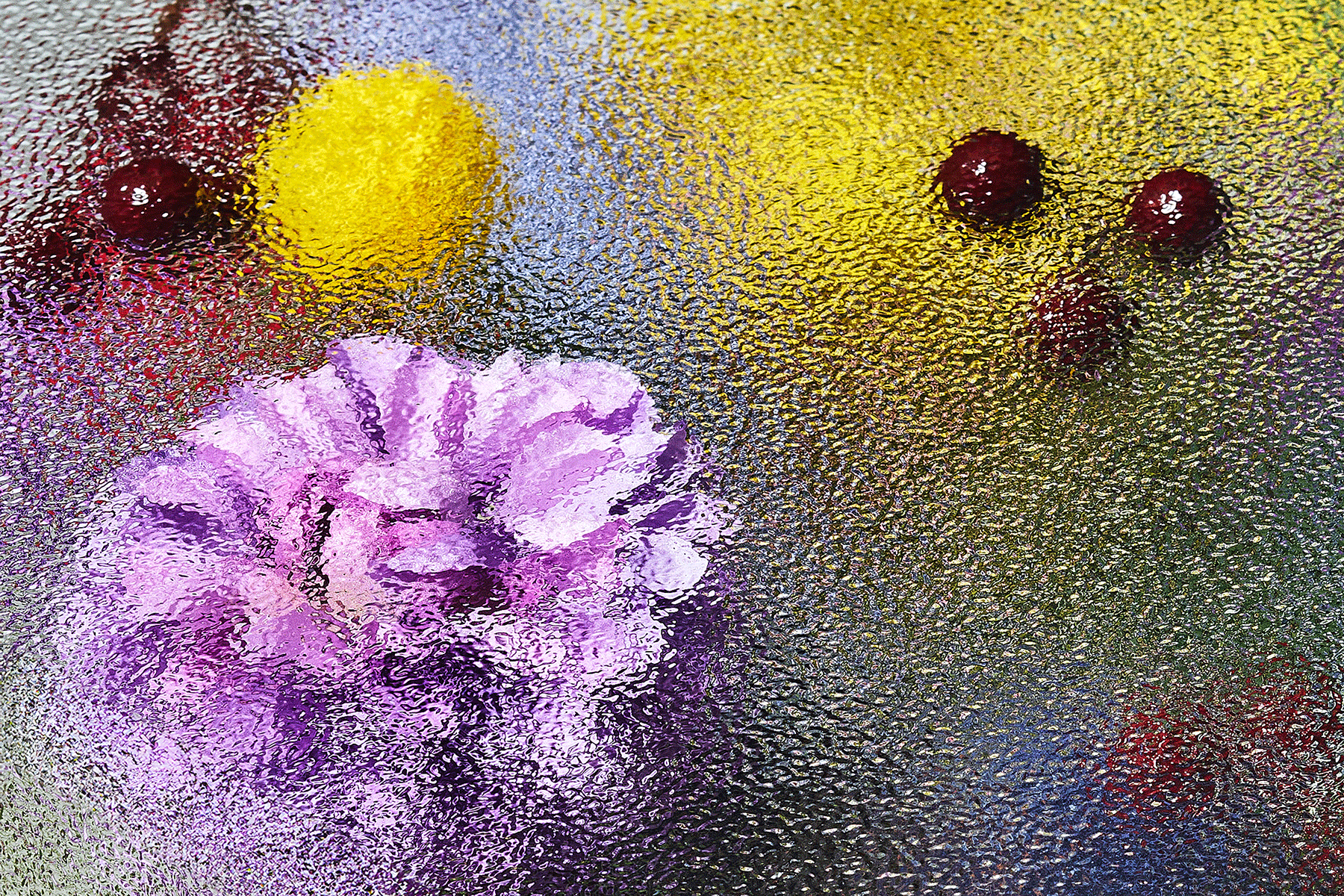
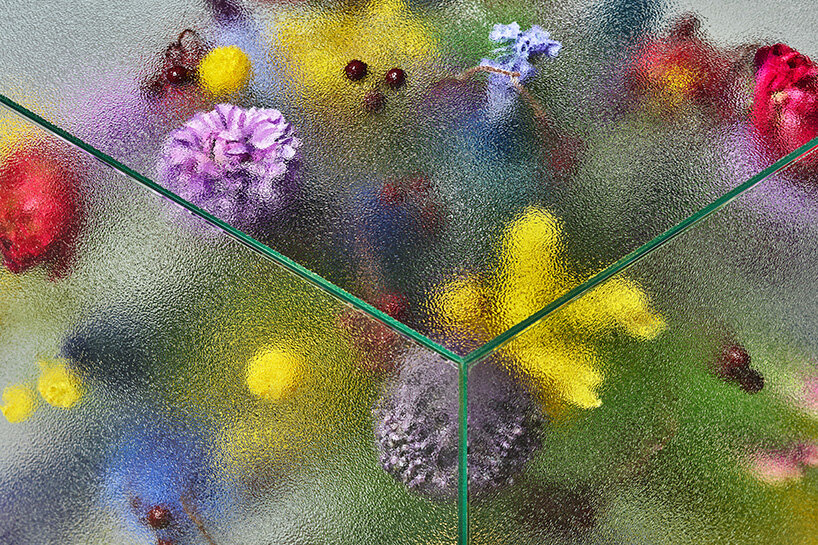
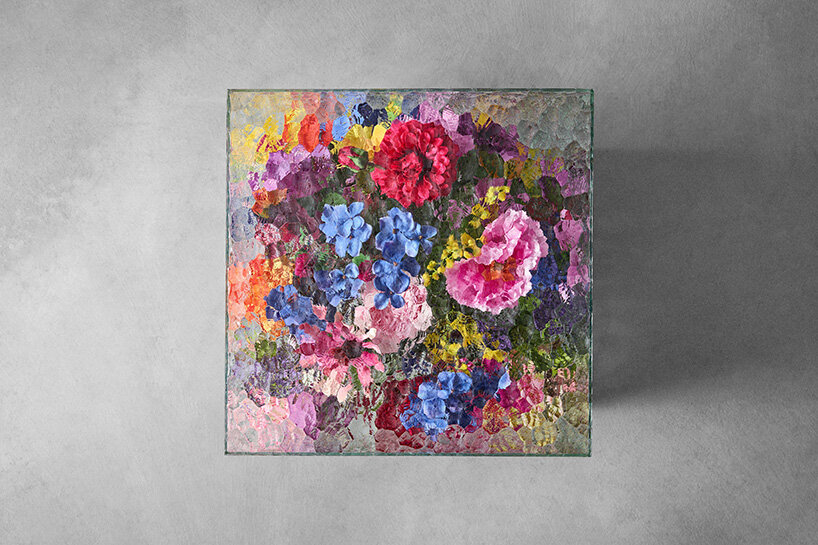
The sculptures arrange patterned glass into a geometric volume, with floral imagery appearing behind its surfaces. As light passes through the textured elements, the flowers break into smaller fragments of color and shape. Petals become abstract patches of orange, purple, and pink, while foliage dissolves into different shades of green. The glass functions like a lens framing nature while interrupting its representation, applying a filter over the original image. The flowers remain recognizable as outlines filled with color, but their exact shapes and their detailed petal and leaves are never entirely accessible.
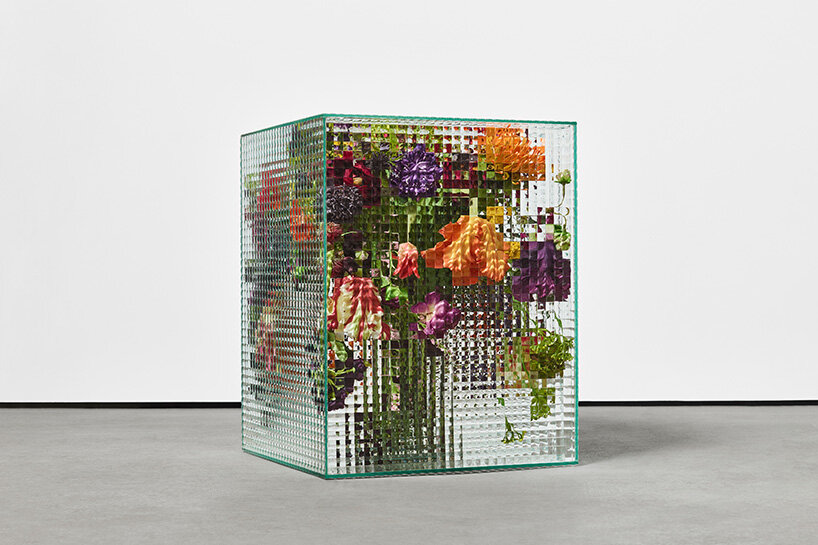
a different way of looking at the natural world
The contrast between the rigid geometry of the glass shell and the organic character of its floral imagery is central to the work. The repeated pattern of the glass introduces an order to the organic subject of the work, while the flowers bring irregularity and movement into the composition. Neither completely dominates the other, but, instead, they coexist in an exchange between structure and nature.
Boekhorst describes this relationship through the idea of glass as a canvas and flowers as paint. The compositions resemble abstract paintings, although their depth and material construction give them a sculptural quality. Transparency, blurriness, visibility, and distance become tools for reshaping the familiar image of a still life.
The series has developed through several iterations, including Violet Frosted and Violet Pixel, each exploring the relationship between patterned glass and botanical imagery. The artist has also translated the sculptures into a series of two-dimensional art prints, retaining the fragmented compositions while shifting the experience from a three-dimensional object to a flat image.
This article is part of designboom’s POSTHUMAN UTOPIAS chapter, exploring what happens when humans are no longer the measure of all things. These stories rethink our relationship with the planet through interspecies architecture, living materials, regenerative landscapes and emerging technologies – learn more here! The chapter is presented in partnership with INDX|GLOBAL – a global cultural platform placing Indian architecture, design, and creative intelligence in conversation with the world.
Each designboom editorial series explores one theme in depth through projects, interviews, features and news across architecture, design, art and technology. Discover more chapters here, and get in touch if you’d like to submit a story through our submissions portal or contact form.
shop
your own online design shop — no sales commission collected