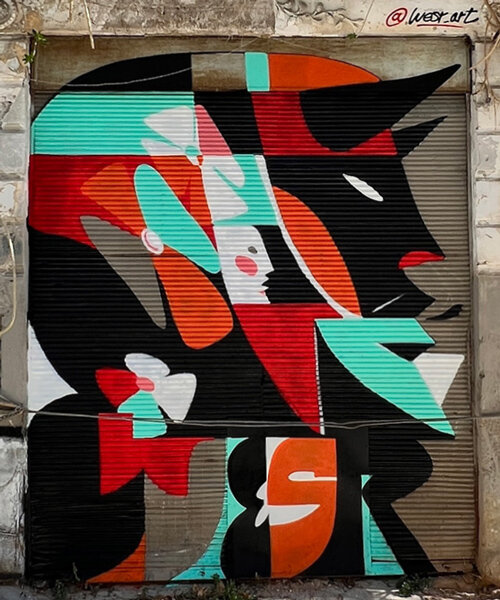
masks, spirits, and mythical figures carry peruvian heritage into WESR’s murals across europe
contemporary graphic language meets visual traditions from the peruvian andes.
prefer designboom on googleWESR brings together Peruvian heritage and urban culture
At the center of WESR’s practice is a continuous movement between places, cultures, and identities. Born in Chiclayo, Peru, in 1980, Danny Figueroa, known as WESR, began painting graffiti in Lima in 1996 before moving to Berlin, where he lives and works today. His practice spans murals, studio painting, illustration, and ceramics.
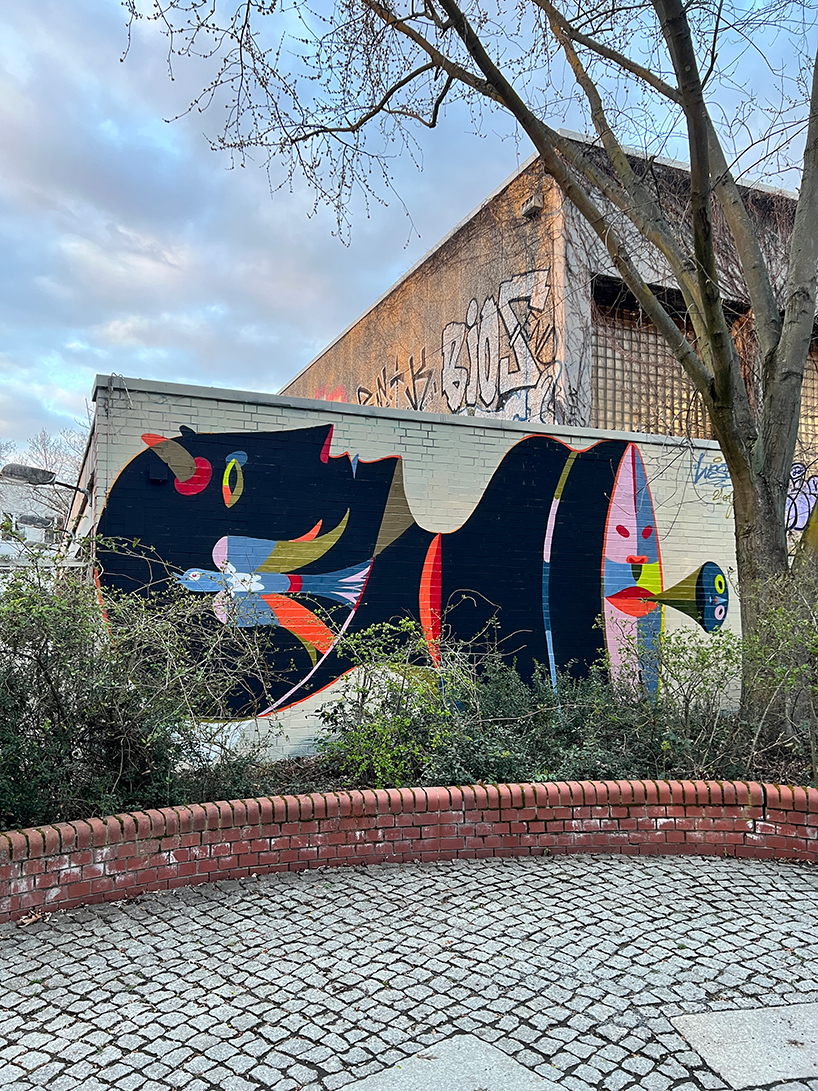
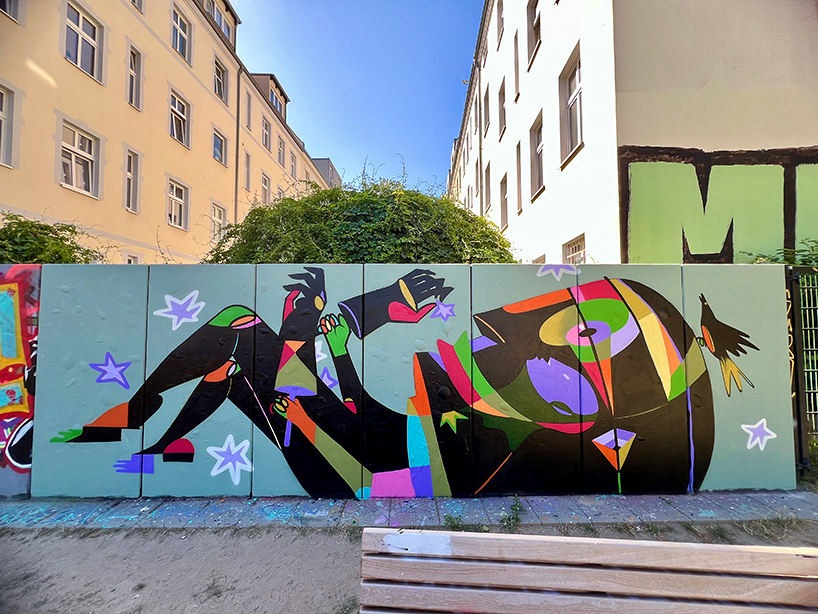
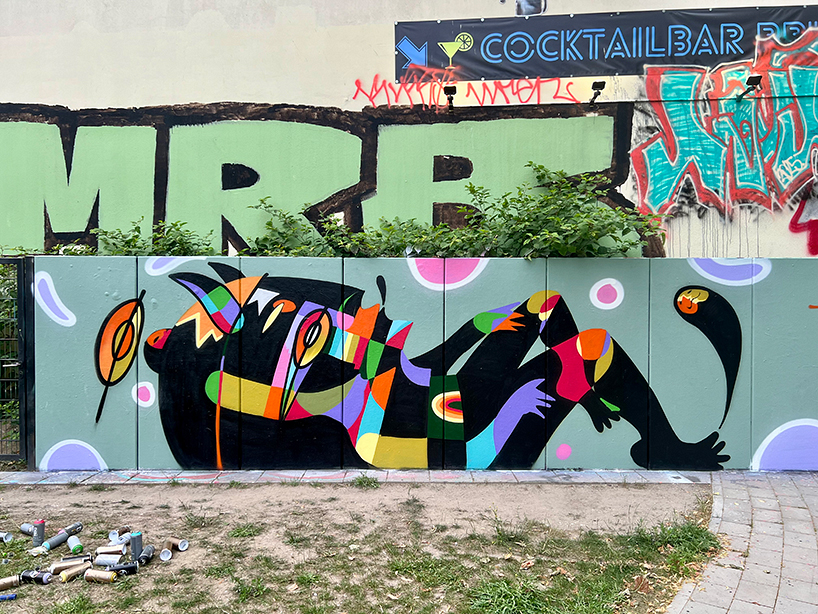
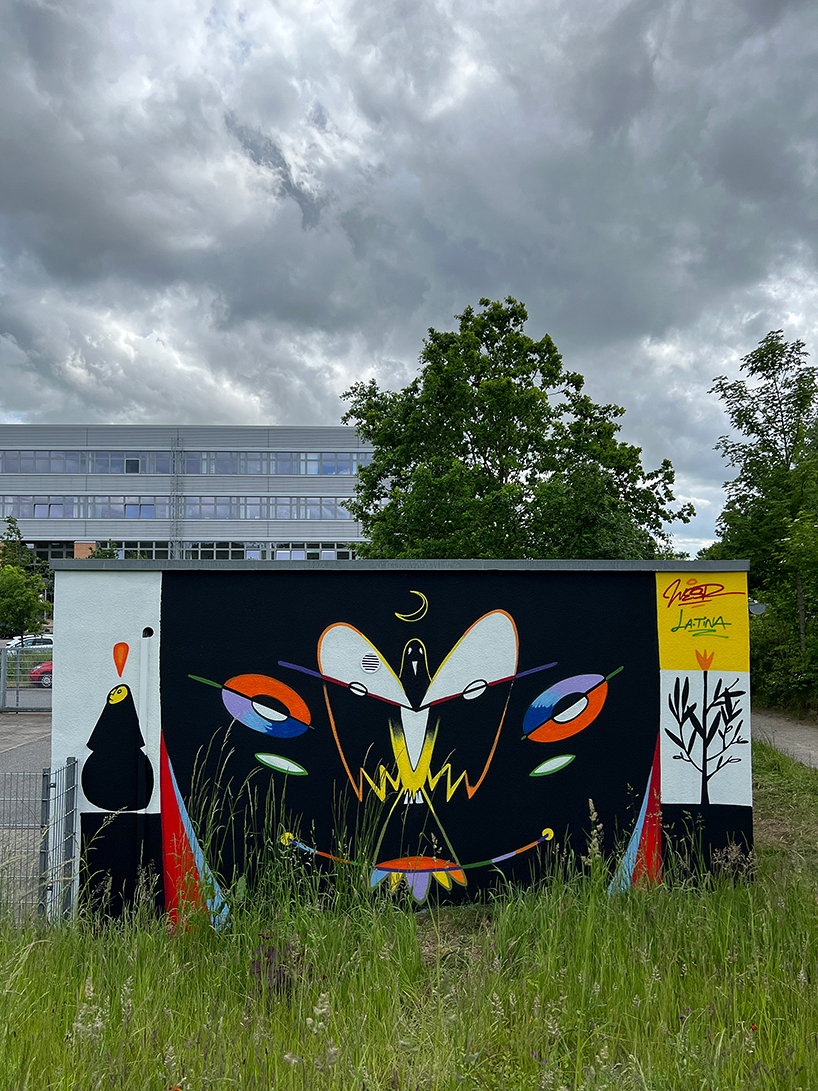
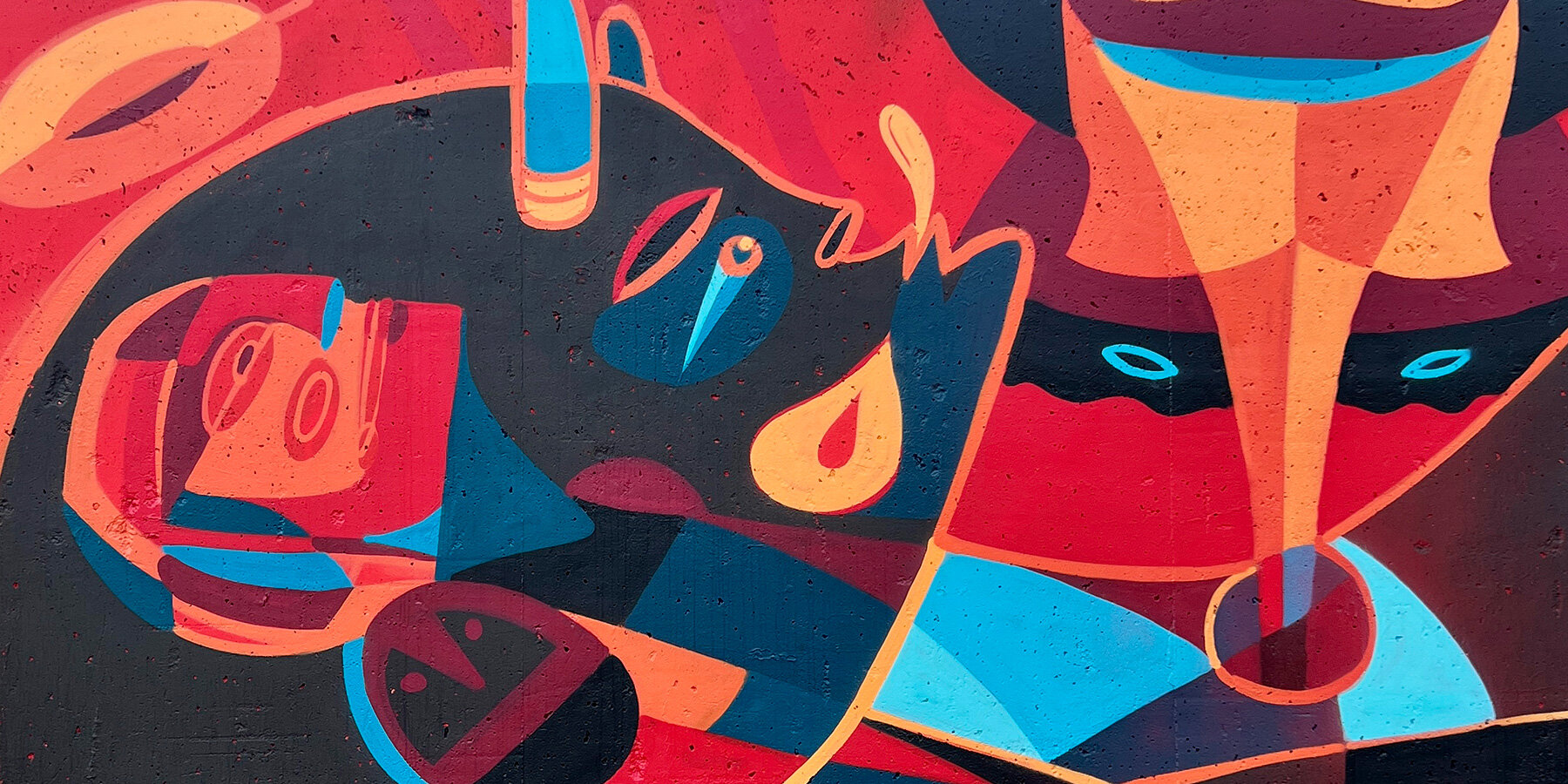
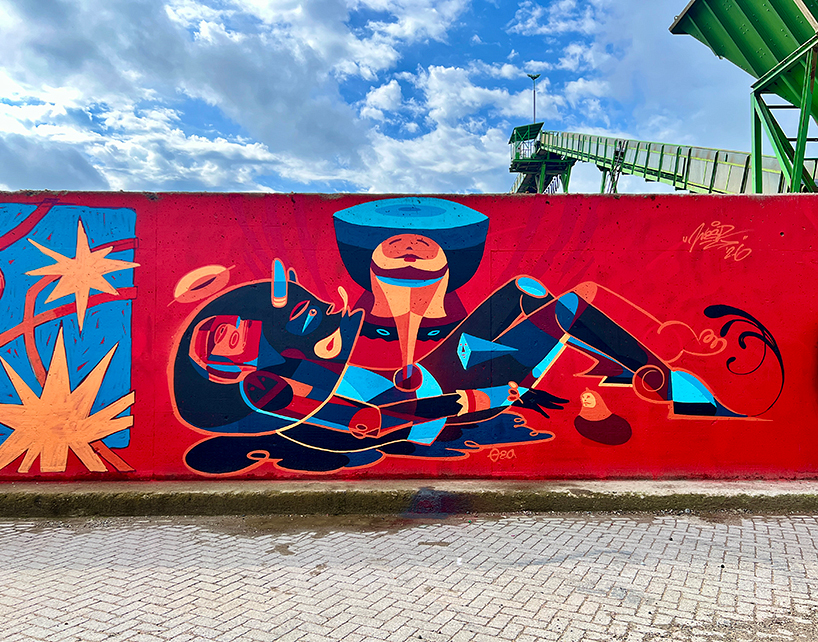
Drawing on the visual traditions of the Peruvian Andes and contemporary urban culture, WESR creates figures that exist between human, animal, and spirit. This relationship between traditional imagery and contemporary graphic language is particularly visible in his murals. Having developed through graffiti and public-space painting, his work carries elements of Peruvian cultural heritage into new urban settings, turning the mural into both a site-specific intervention and a connection to home.
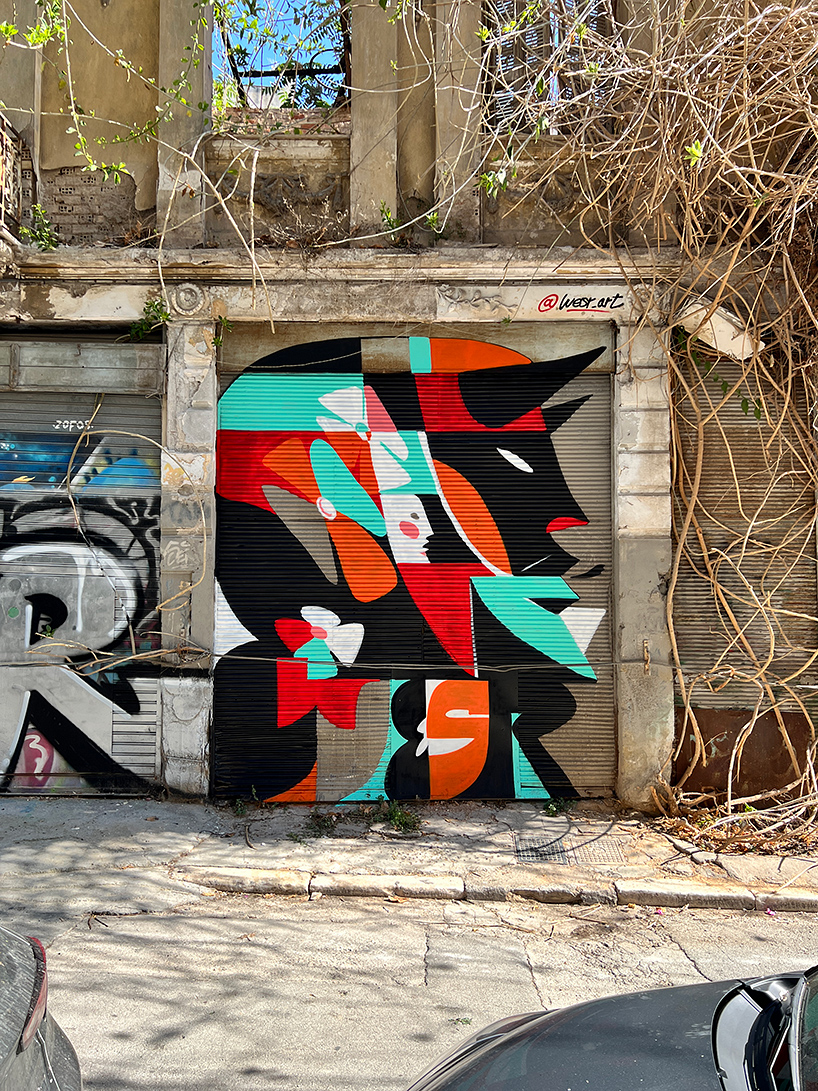
Human, animal, and spirit forms meet in WESR’s murals
Cultural memory travels with the artist, taking on new forms in different places. Figures from Peruvian folklore, including the Ukuku and Qhapaq Qolla, inform a visual language rooted in Andean stories, mythology, and ritual. WESR does not reproduce these traditions as fixed historical references; instead, he reworks them through his own graphic language and experiences, exploring identity, spirituality, memory, and belonging.
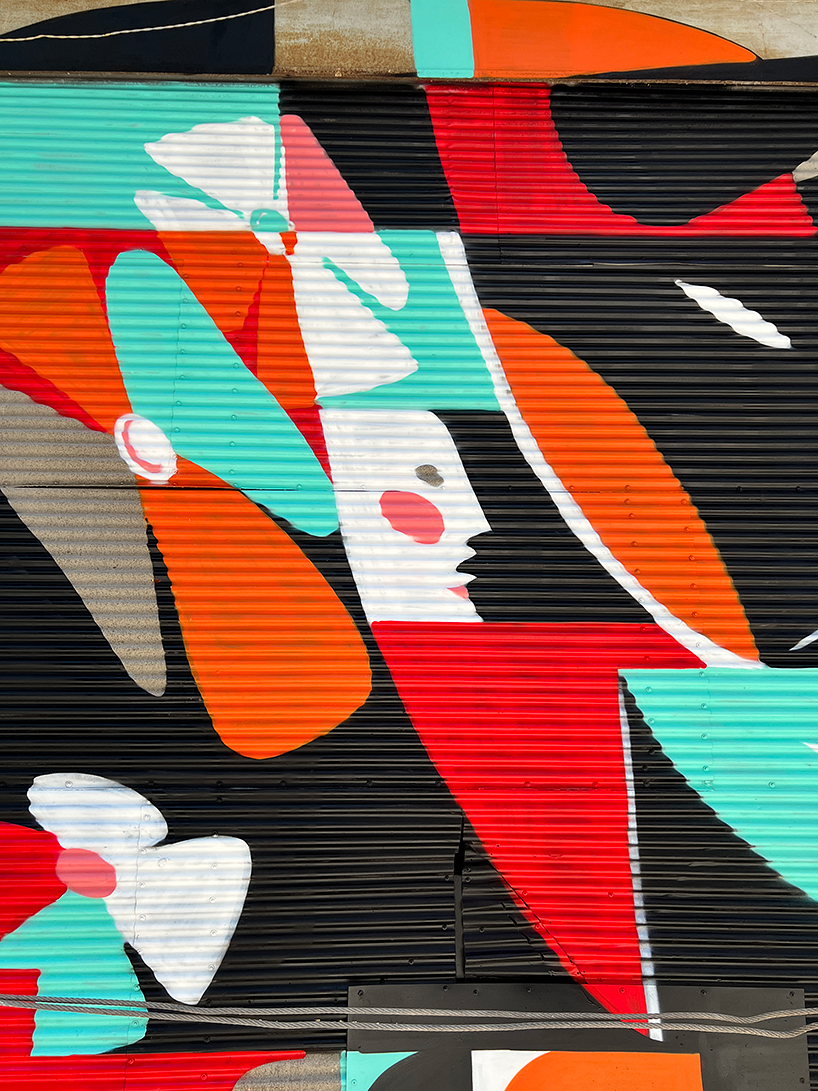
Figures within figures explore identity and transformation
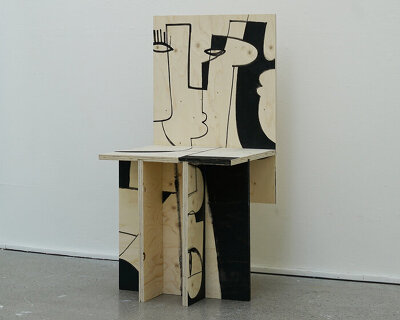
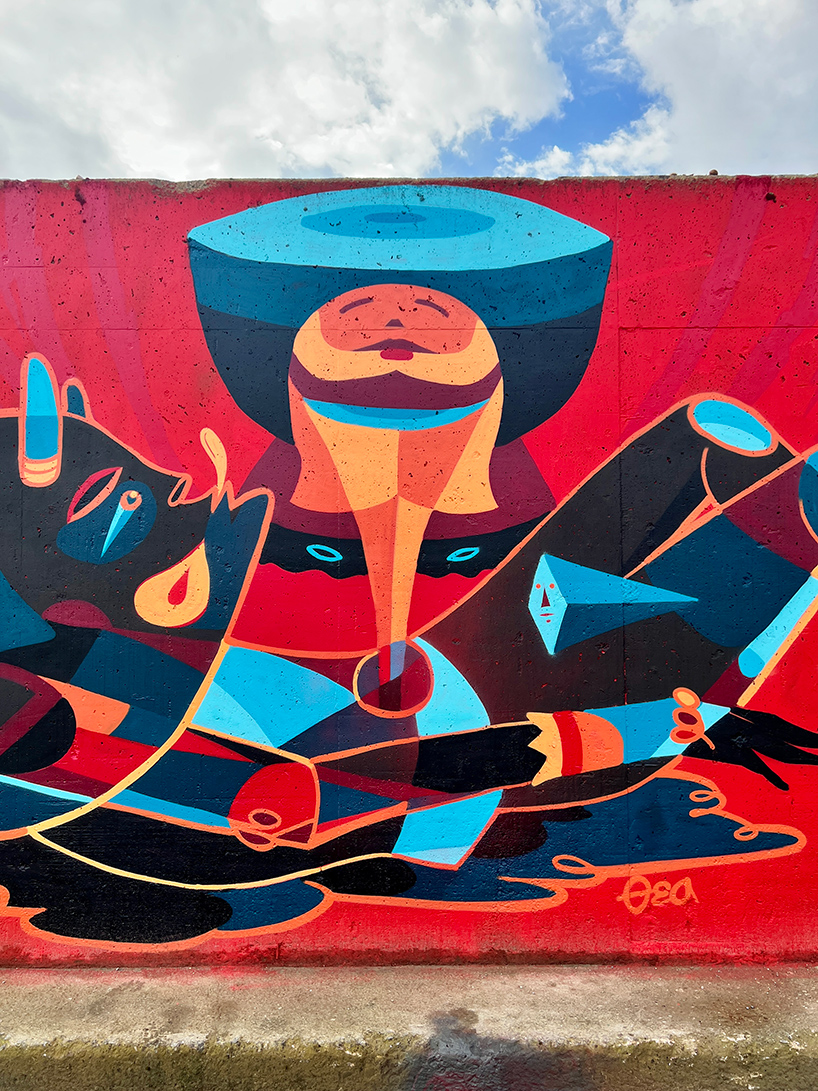
The mask is a recurring starting point. In the ritual traditions that inform some of his imagery, a masked figure can be understood as lending their body to another entity, becoming a vessel through which another presence appears. This idea carries into WESR’s figures, where the boundaries between human, animal, and spirit remain fluid. A figure can be read as someone wearing a mask or as the mystical being it represents; at times, the two become one.
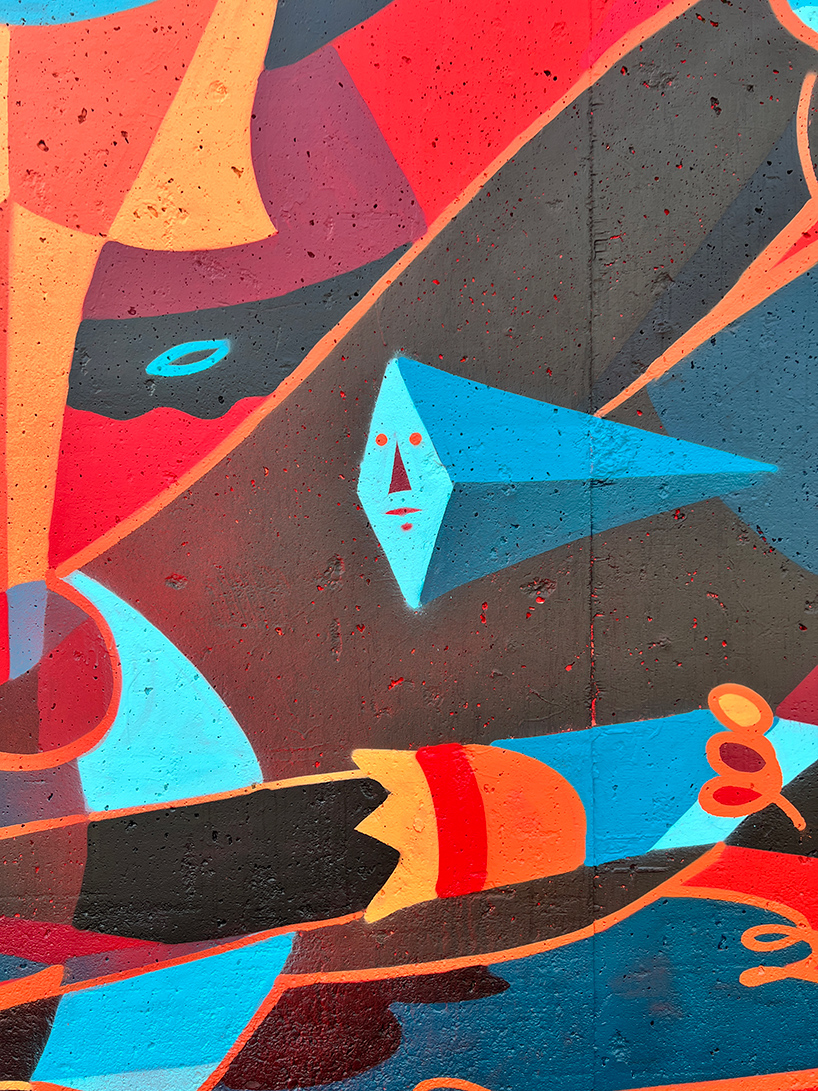
Over time, the mask has also become a way for WESR to approach personal questions around identity, spirituality, and existentialism. His figures often contain other forms within themselves, suggesting transformation or revelation. Internal emotions, memories, and experiences become part of the figure’s visual structure, making what exists within the body as important as what appears on its surface.
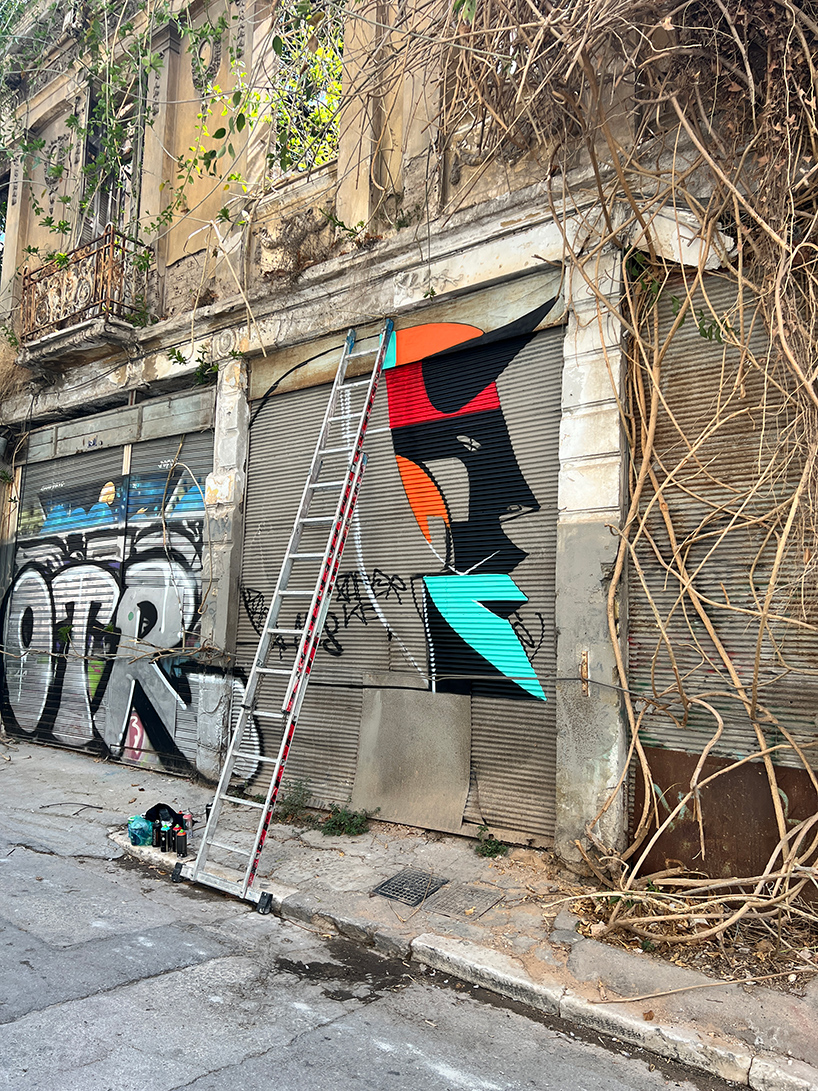
Peruvian heritage finds new forms on European city walls
This openness extends to WESR’s approach to the mural itself. He begins by observing the existing wall, allowing stains, lines, holes, and other marks to suggest forms, faces, or gestures. Instead of imposing a predetermined image, he develops the composition through improvisation, treating the process as a way of discovering forms already present in the surface.
WESR’s murals bring together traditional and contemporary imagery, as well as personal and mythical references, carrying elements of his Peruvian heritage into new urban contexts. The work reflects a connection to home while continually reshaping what that heritage can become in another place. Southern spirits find new bodies in the European city.
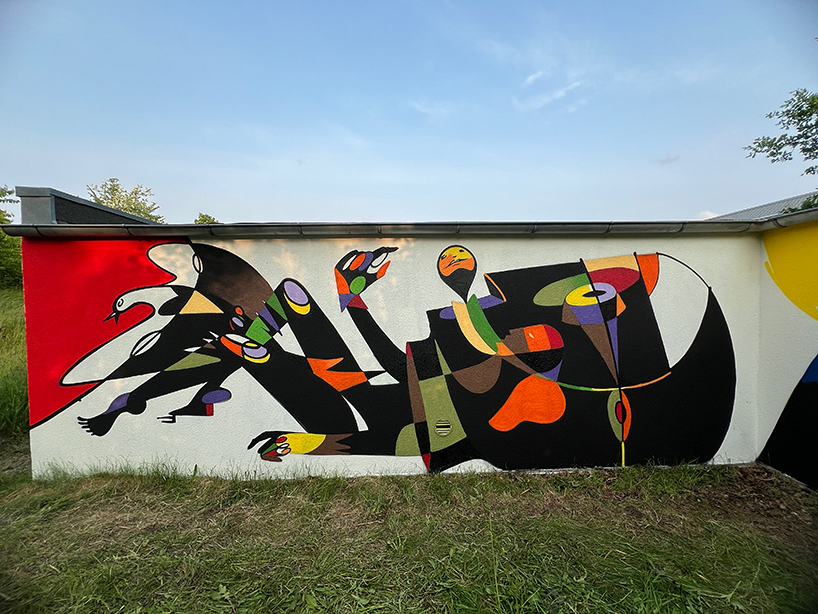
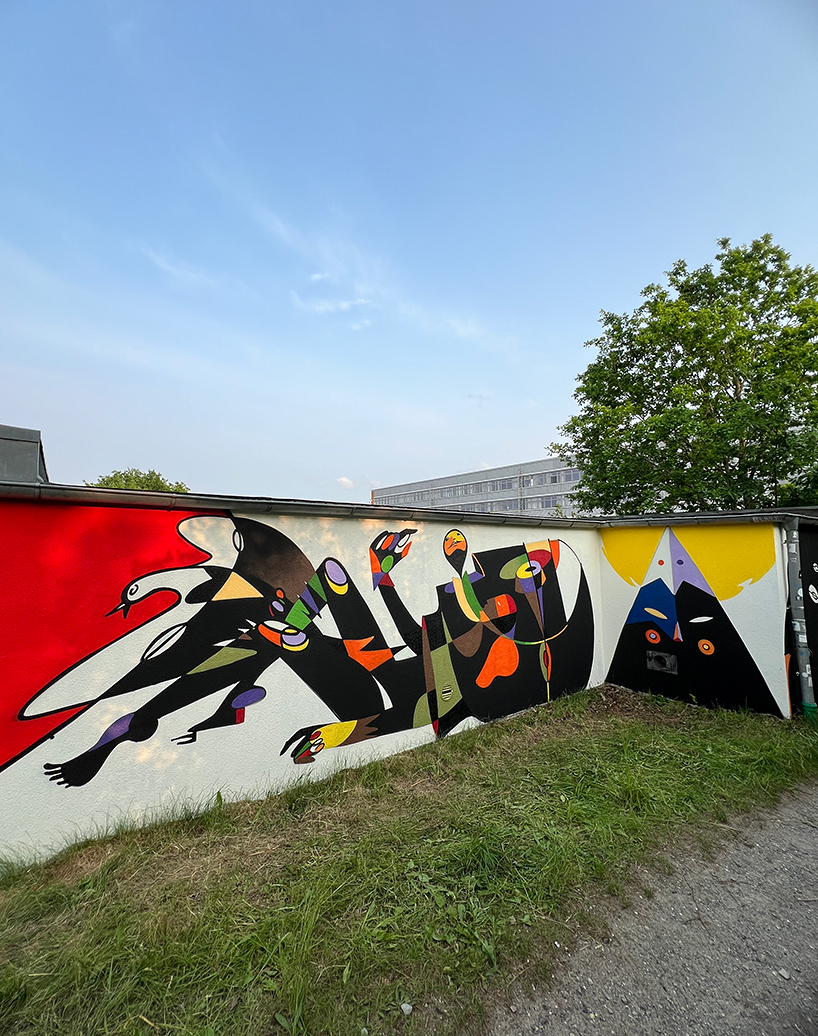
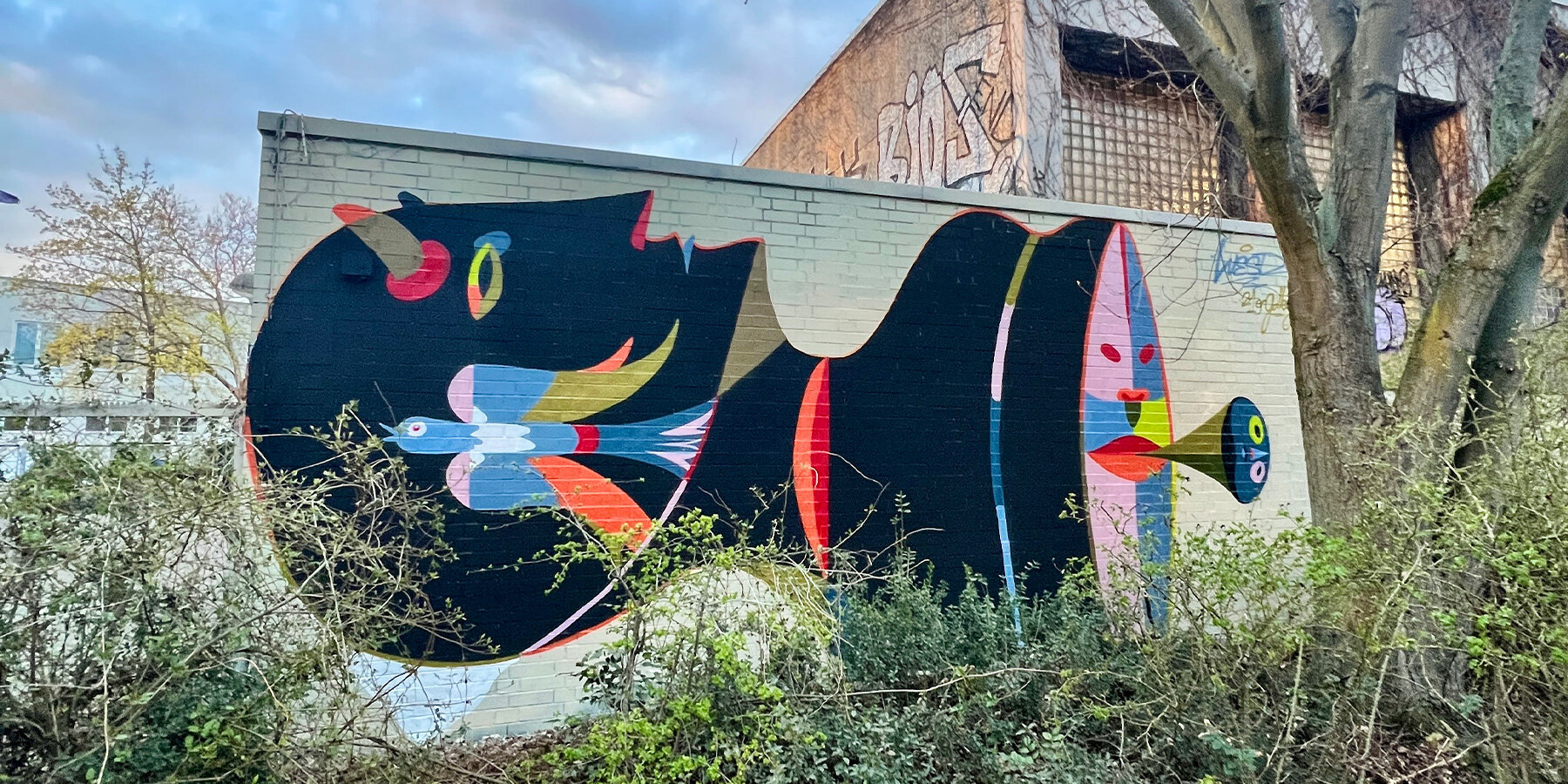
project info:
name: Southern Muralism
artist: WESR | @wesr_art
designboom has received this project from our DIY submissions feature, where we welcome our readers to submit their own work for publication. See more project submissions from our readers here.
shop
your own online design shop — no sales commission collected