philippe jarrigeon finds the extraordinary in nature, from twisted trees to surreal encounters
drawing on fashion imagery, pop culture, and surrealist staging, the french photographer creates playful scenes that challenge familiar ways of looking at the natural world.
prefer designboom on google[FEATURED]
philippe jarrigeon finds a surreal world in nature
French photographer Philippe Jarrigeon looks to the contorted beech trees of Champagne for Le Vrai du Faux, his series presented at Paris Photo 2026, where he is also the recipient of the eighth Prix Maison Ruinart.
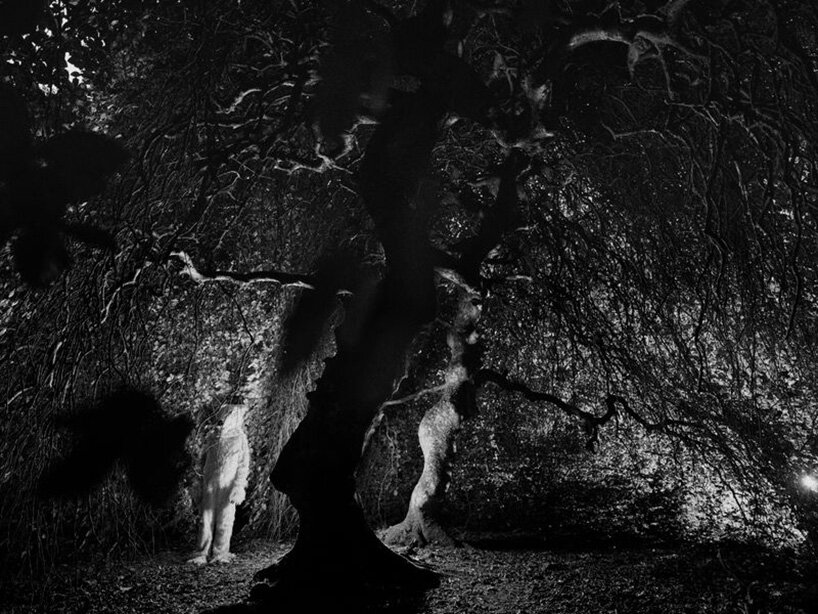
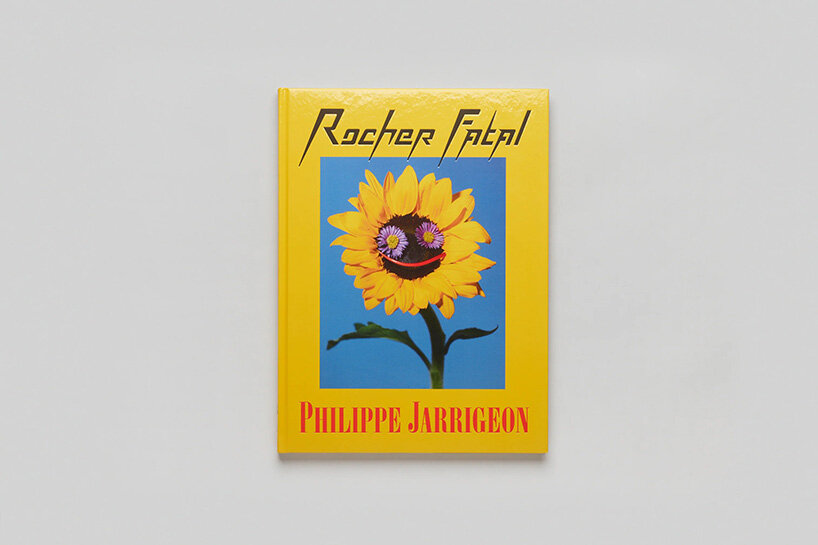
The project follows Rocher Fatal, his second book published by RVB Books, which brings together two years of photographs made in the Forest of Fontainebleau. Moving from the woodland landscapes of Fontainebleau to the Champagne region, Jarrigeon finds inspiration in unusual natural forms, including the contorted beech trees known as the Faux de Verzy. Their twisting branches seem almost impossible to have occurred naturally, making them fitting subjects for his playful approach to photography.
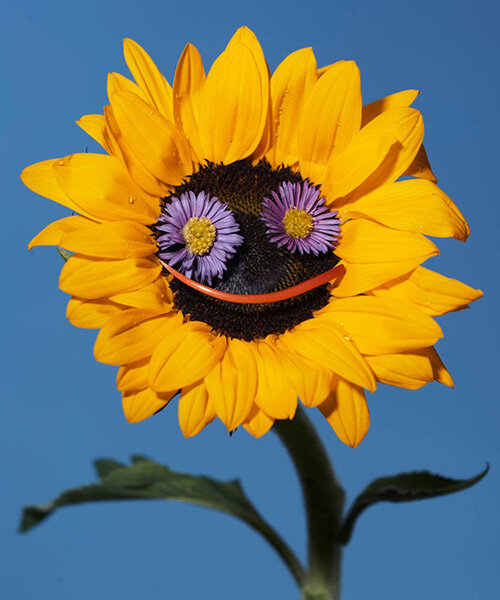
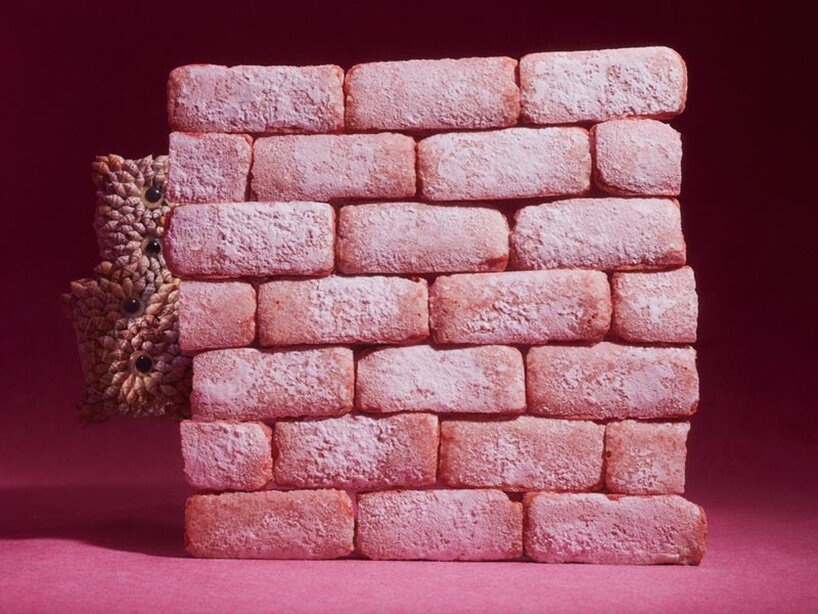
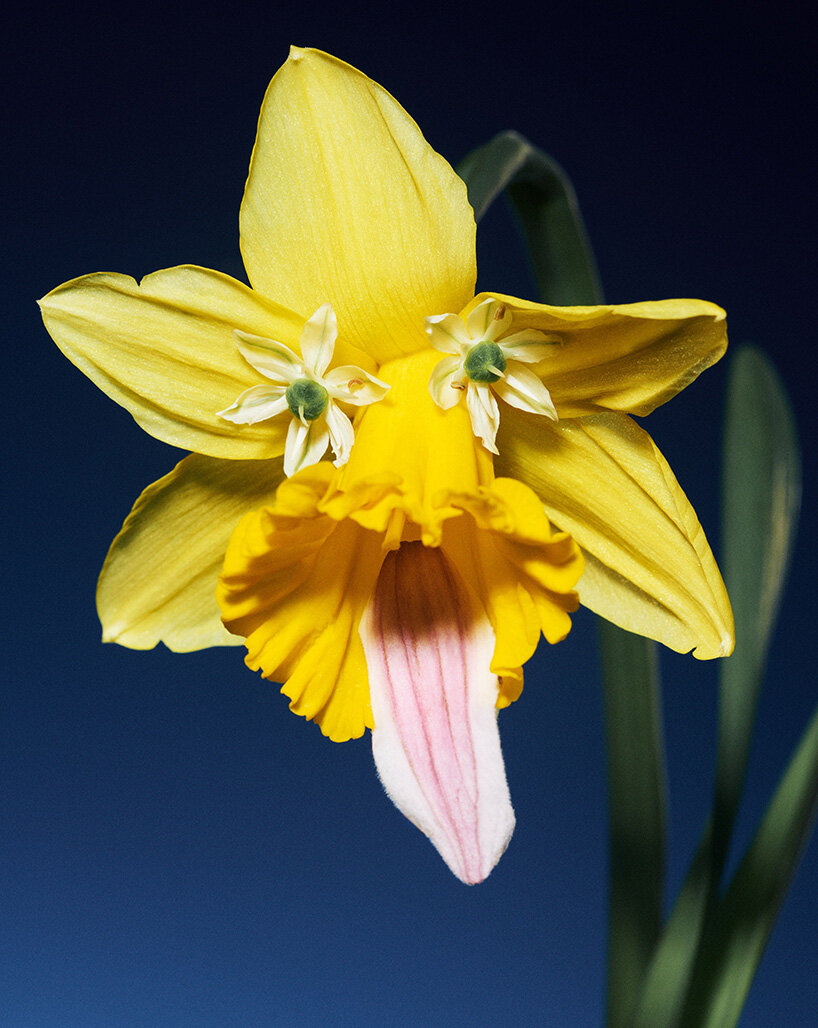
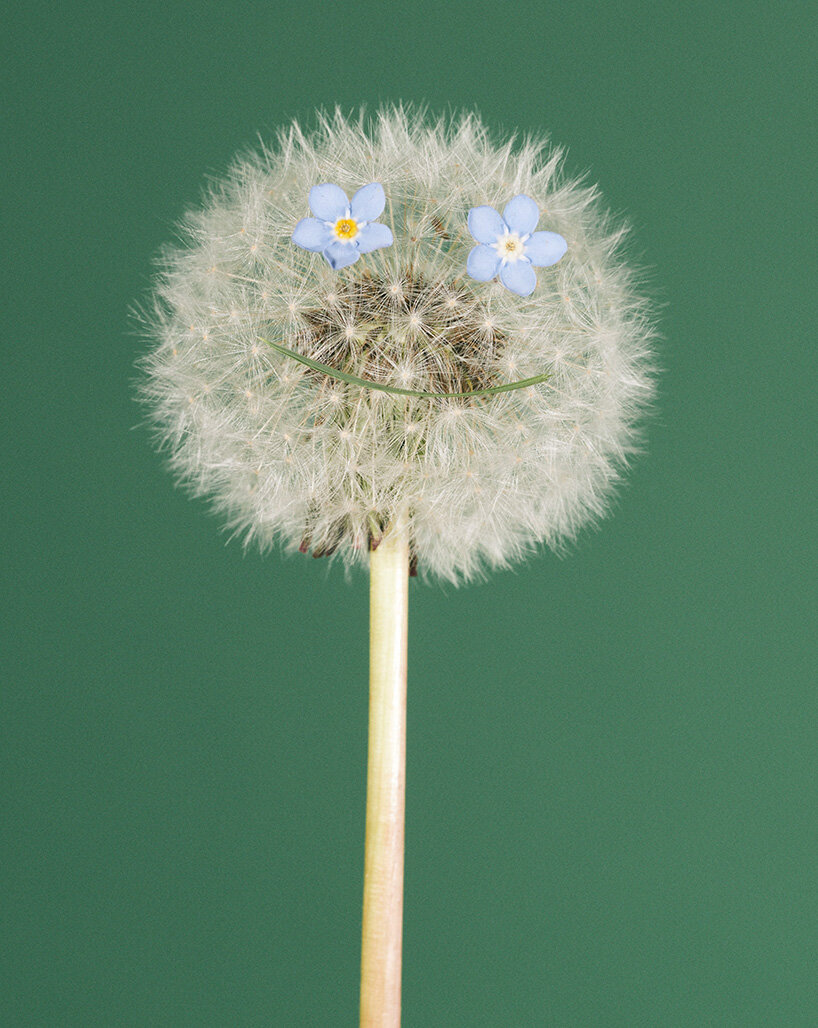
Jarrigeon takes this strangeness as a starting point, bringing the trees into conversation with shells, flowers, animals, and objects. His photographs play with the idea of what nature can be, and with the curious possibility that the world might contain forms of life and ways of being that sit outside our usual understanding.
a photographic language between fashion and fantasy
Jarrigeon’s approach to photography has developed over nearly two decades, moving between editorial commissions, commercial work, and personal projects. After graduating from ECAL (École cantonale d’art de Lausanne) in 2006, he began building a practice shaped by the visual languages of fashion, design, advertising, and popular culture.
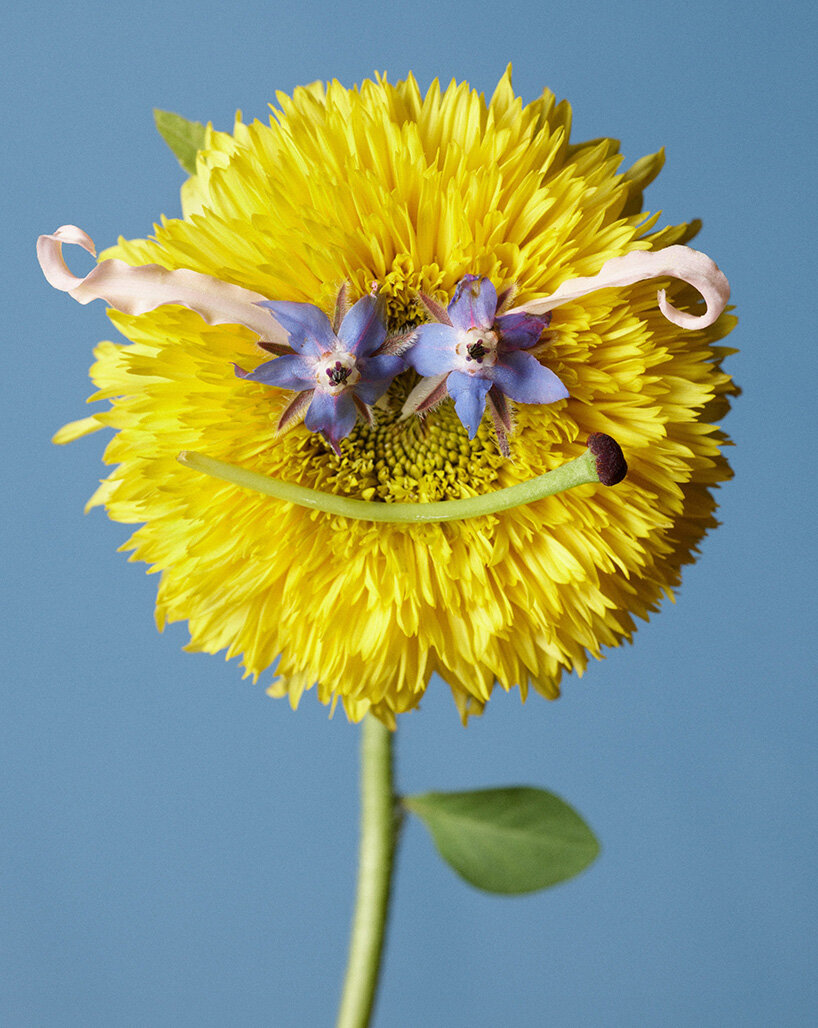
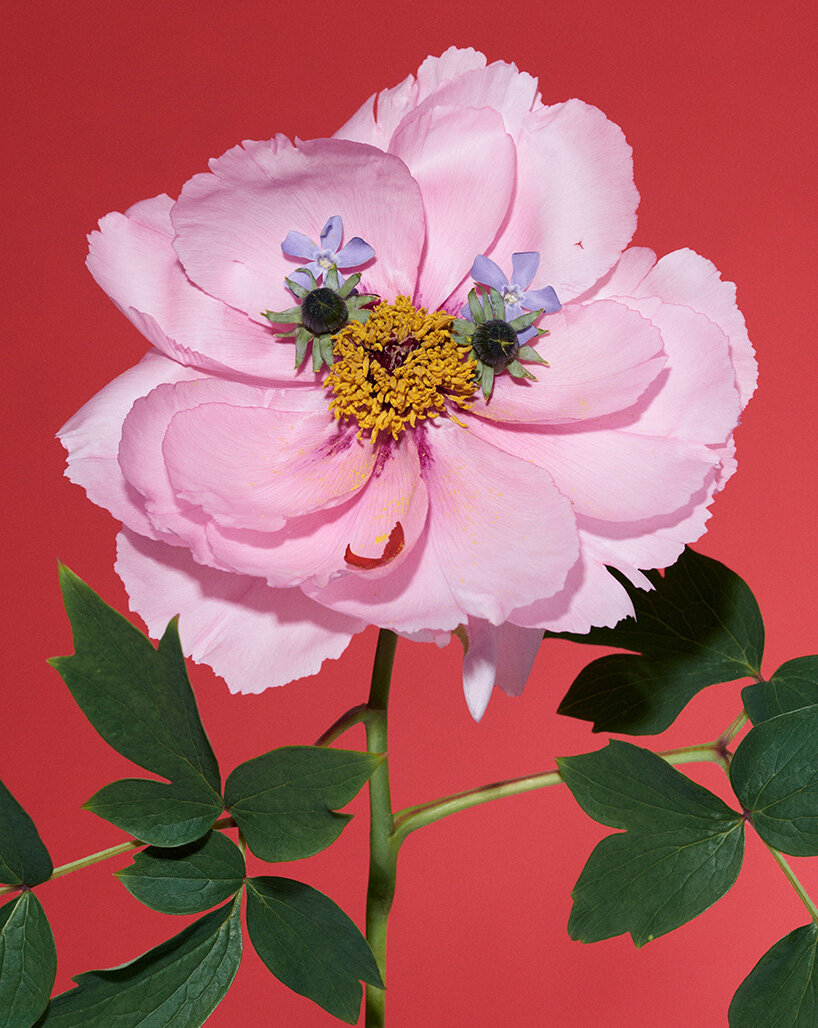
His photographs often borrow from the polished aesthetics of fashion campaigns and the saturated imagery of 1980s and 1990s popular culture. Vivid colors and elaborate compositions give his images an immediately recognizable visual character. Yet Jarrigeon rarely uses these references straightforwardly. Humor, irony, and unexpected details introduce a sense of play and disrupt the apparent perfection of the scenes.
entering the forest with ‘Rocher Fatal’
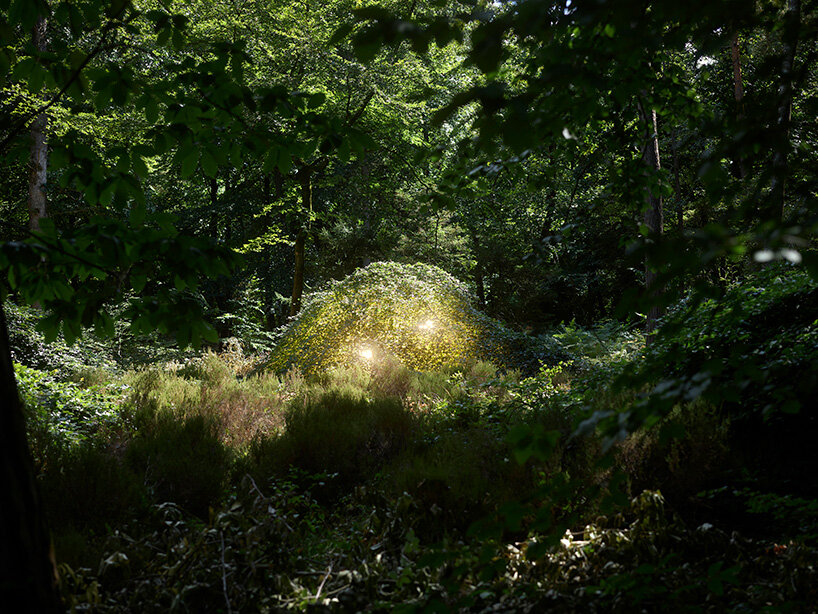
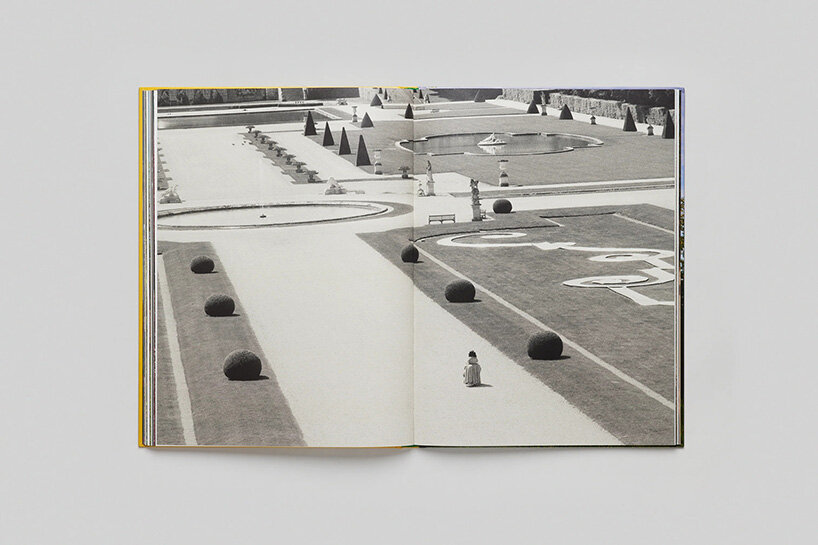
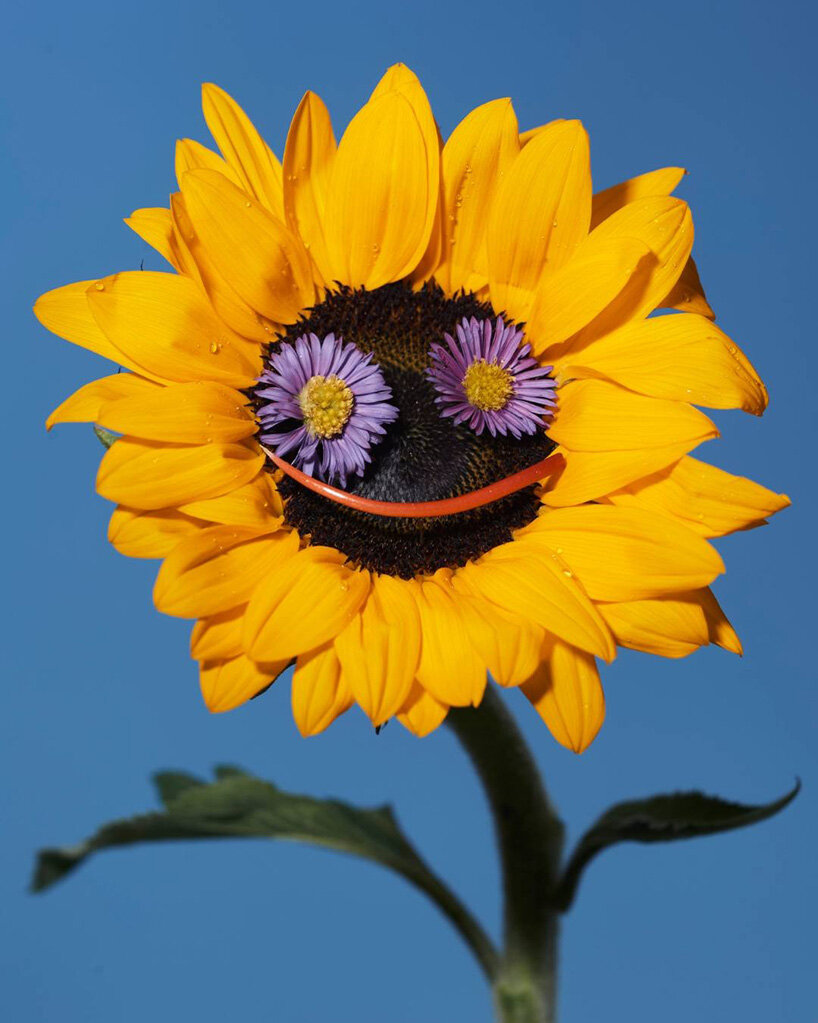
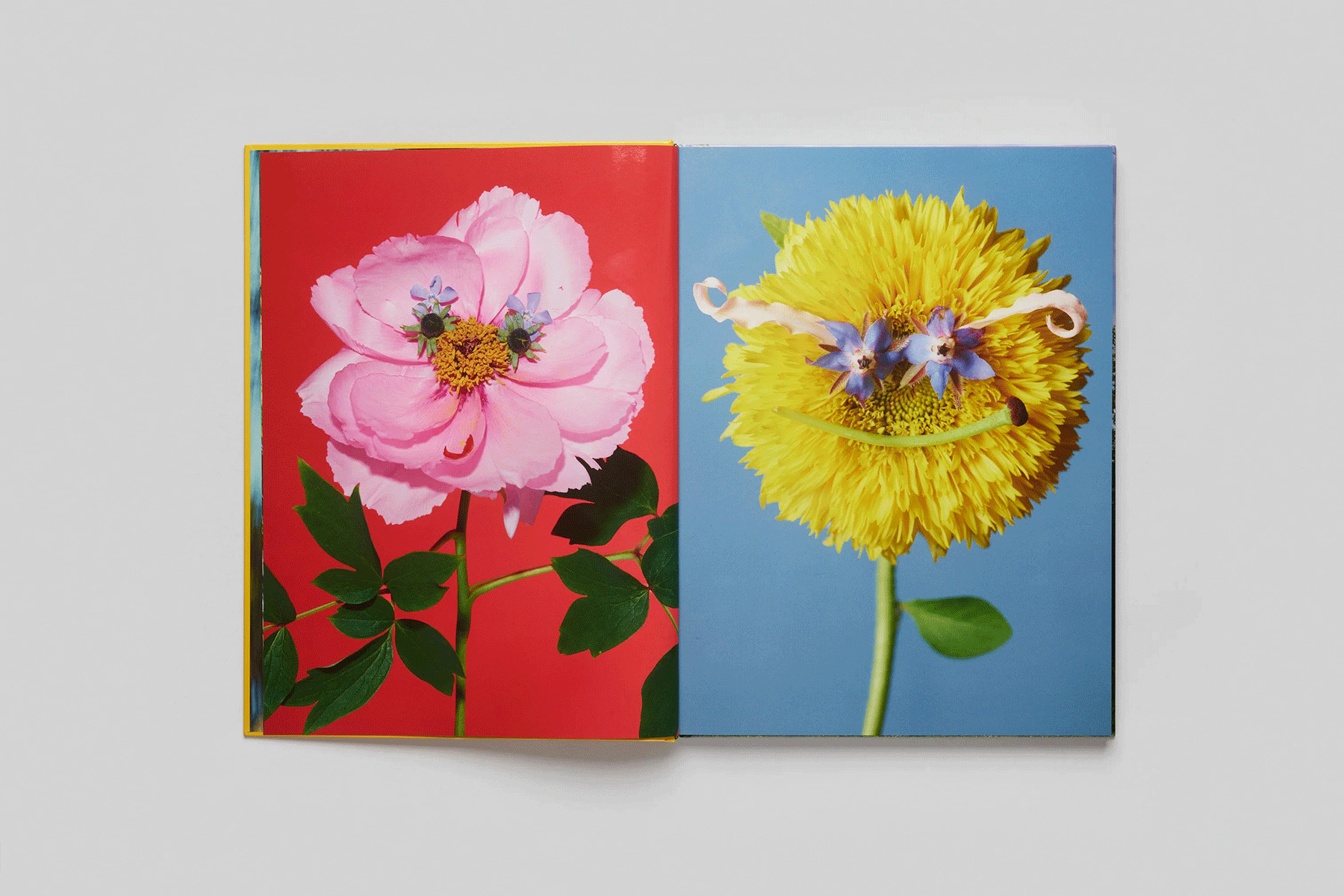
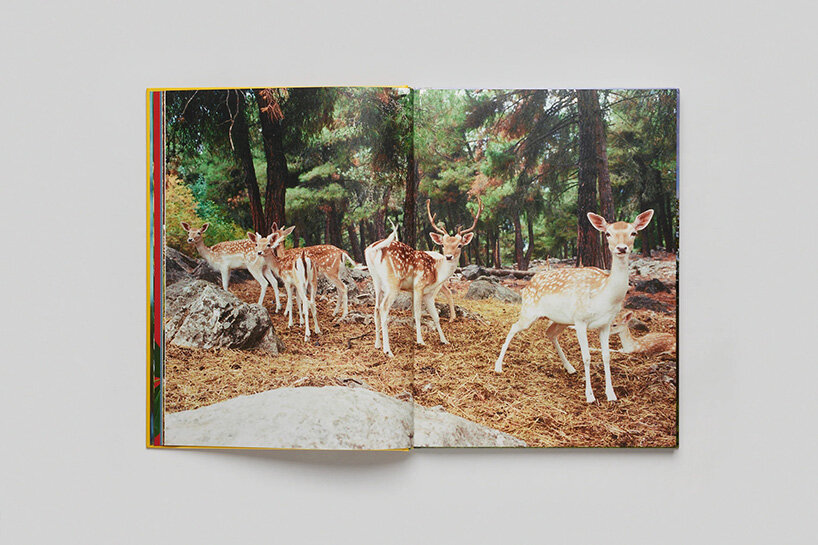
In Rocher Fatal, Philippe Jarrigeon spends two years photographing the Forest of Fontainebleau, approaching it as a setting for a series of curious episodes. Published by RVB Books with a text by Laura Vazquez, his second book brings together abandoned castles, dormant quarries, hikers, deer, and a fallen knight. A smiling flower and a seemingly ordinary rock also find their way into the story, alongside appearances by artists Nina Childress, Théo Mercier, Vimala Pons, Laura Vazquez, and Rebeka Warrior.
The photographs have a cinematic quality, but Jarrigeon’s sense of humor keeps the scenes from becoming too serious. The forest is at once recognizable and strangely theatrical, with its trees and inhabitants becoming part of the same narrative. In the years following the photographs, fires damaged parts of the Fontainebleau forest, affecting its trees, habitats, and well-used paths. The book also recalls a landscape that has since undergone significant damage.
imagining other forms of life
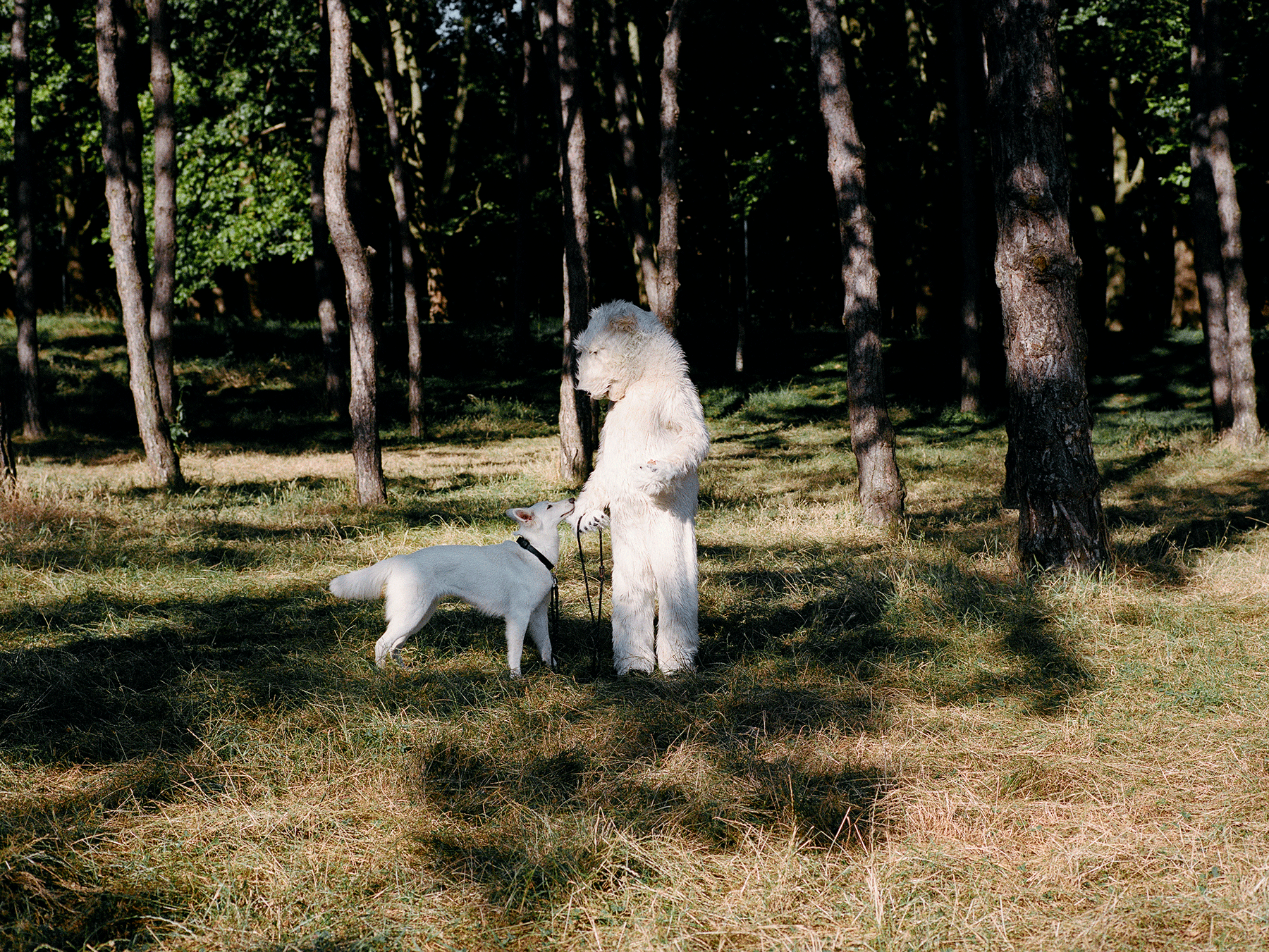
In Le Vrai du Faux, Jarrigeon continues this exploration in the Champagne region, where geological history and living forms become material for an imaginative photographic project. The Faux de Verzy, with their unusually twisted trunks and branches, are among its central subjects. Their shapes give the trees a supernatural presence, and Jarrigeon photographs them as though they were characters.
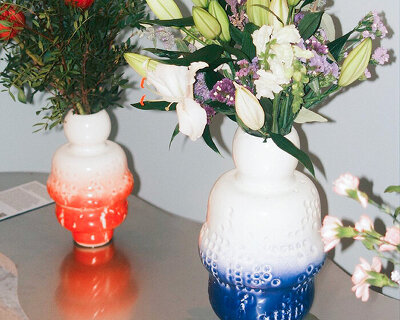
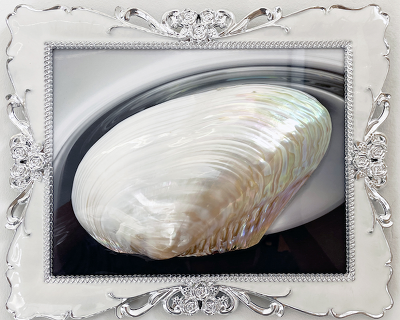
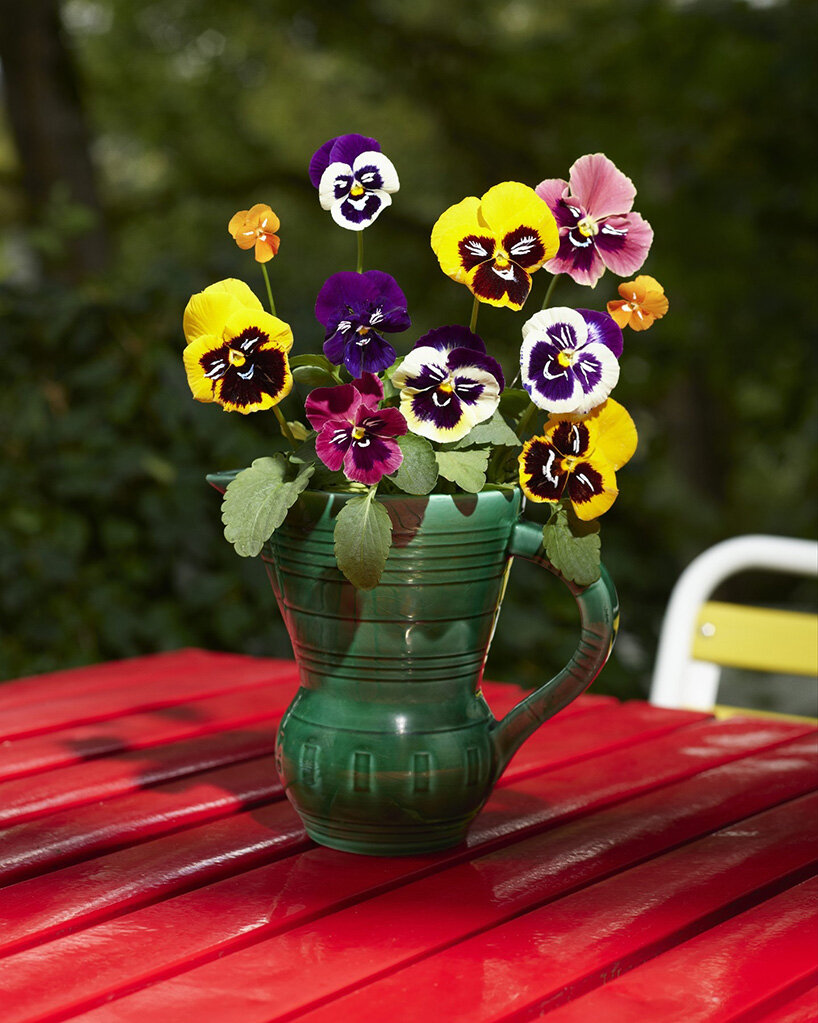
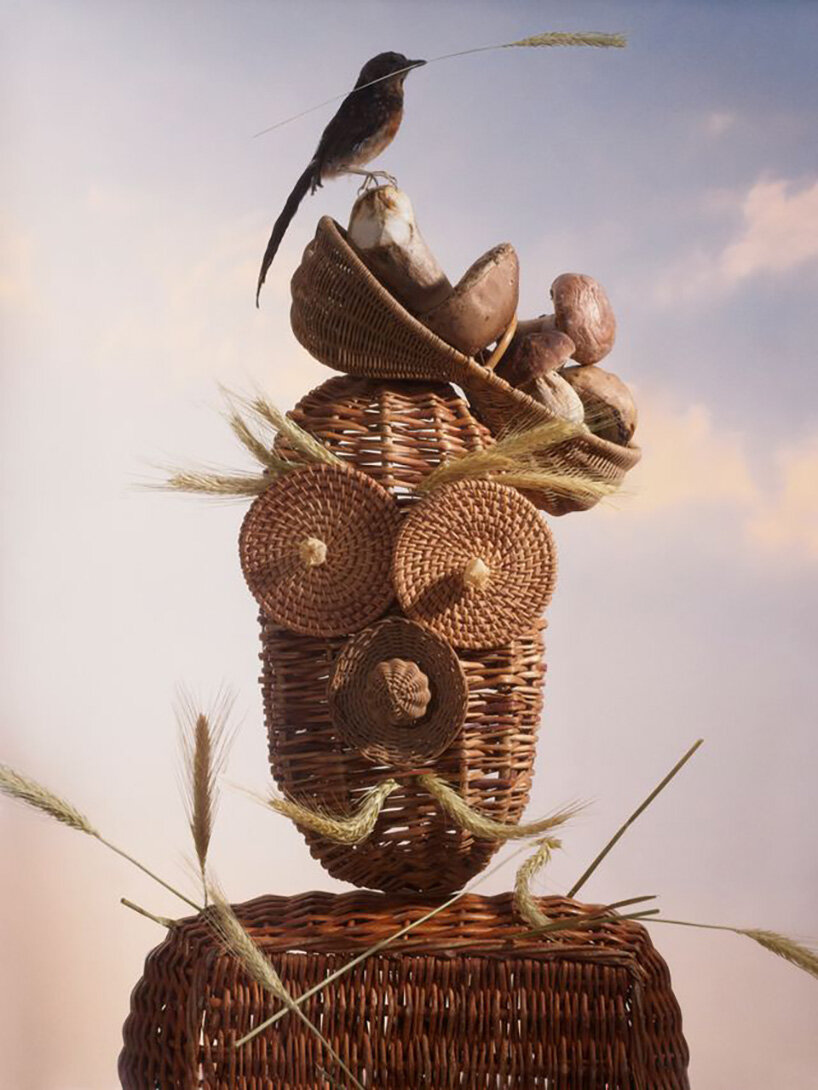
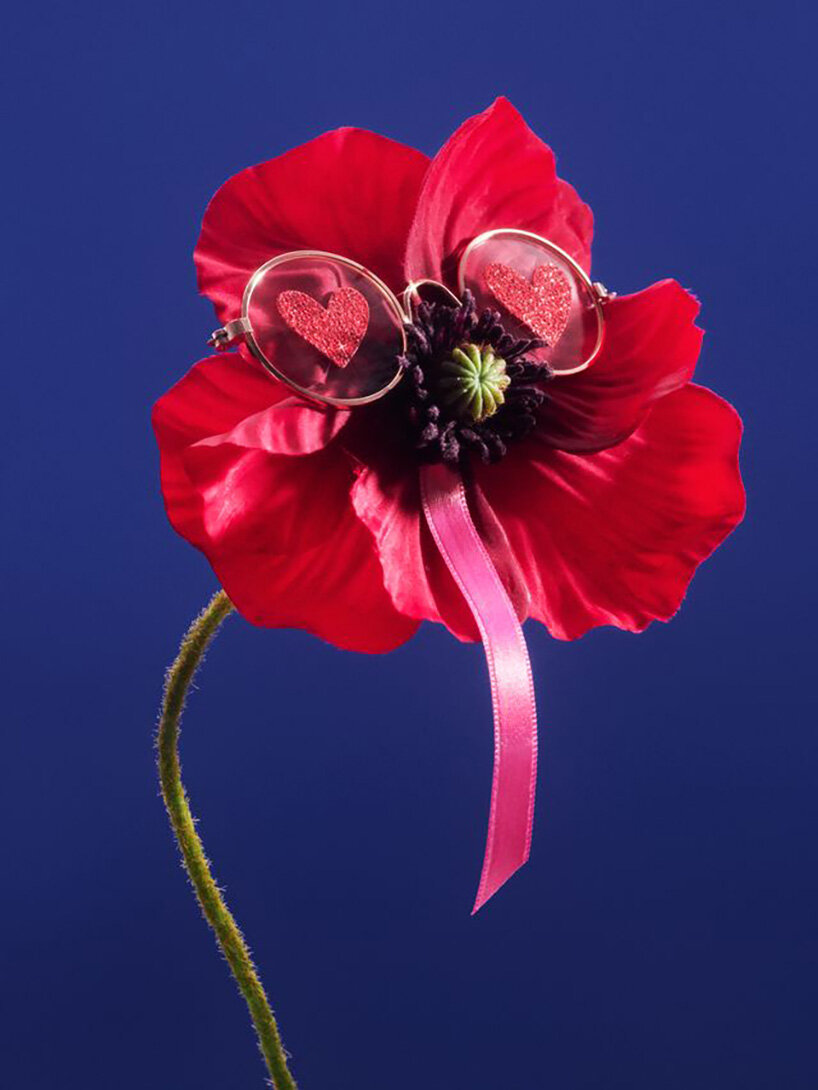
Other images introduce shells, remnants of a sea that once covered the region, alongside bouquets, luminous forms, and ambiguous figures. In The Harvest, Poppy, and The Surprise, familiar natural elements take on an unfamiliar character through composition and staging. Τhe presence of animals and human figures complicates the distinction between observer and subject, while objects appear to belong as naturally to the landscape as the plants and creatures around them.
Jarrigeon describes the project as an invitation to look beyond nature as scenery. ‘With Le Vrai du Faux, nature is never treated as a mere backdrop; it becomes a source of inspiration and a space for imagination. My experience of Champagne has shaped a vision of landscapes inhabited by presences, spirits, remnants of the past, and fictions,’ the photographer notes.
imagining life beyond familiar boundaries
Jarrigeon avoids the usual solemn approach to nature, creating images in which trees, flowers, shells, animals, and man-made objects appear side by side. The combinations are often unexpected, giving familiar elements a different character. The photographs also move away from a human-centered view of the natural world. People are only one presence among many, sharing the scenes with plants, animals, and objects. Jarrigeon leaves the relationships between them open, allowing the images to move between the recognizable and the absurd.
Le Vrai du Faux is presented by WOMANRAY in the Émergence section of Paris Photo, taking place at the Grand Palais from November 12 to 15, 2026. The project also marks Jarrigeon’s selection for the Prix Maison Ruinart. Meanwhile, his solo exhibition Rocher Fatal is on view at WOMANRAY in Paris through December 24, bringing together work from his recent exploration of the Forest of Fontainebleau.
project info:
photographer: Philippe Jarrigeon
current exhibition: Rocher Fatal — solo show
venue: WOMANRAY, 18–19 Passage Molière, 75003 Paris, France
dates: November 6–December 24, 2026
upcoming presentation: Le Vrai du Faux — Paris Photo 2026, Émergence section
venue: Grand Palais, Paris, France
dates: November 12–15, 2026
This article is part of designboom’s POSTHUMAN UTOPIAS chapter, exploring what happens when humans are no longer the measure of all things. These stories rethink our relationship with the planet through interspecies architecture, living materials, regenerative landscapes and emerging technologies – learn more here! The chapter is presented in partnership with INDX|GLOBAL – a global cultural platform placing Indian architecture, design, and creative intelligence in conversation with the world.
Each designboom editorial series explores one theme in depth through projects, interviews, features and news across architecture, design, art and technology. Discover more chapters here, and get in touch if you’d like to submit a story through our submissions portal or contact form.
shop
your own online design shop — no sales commission collected