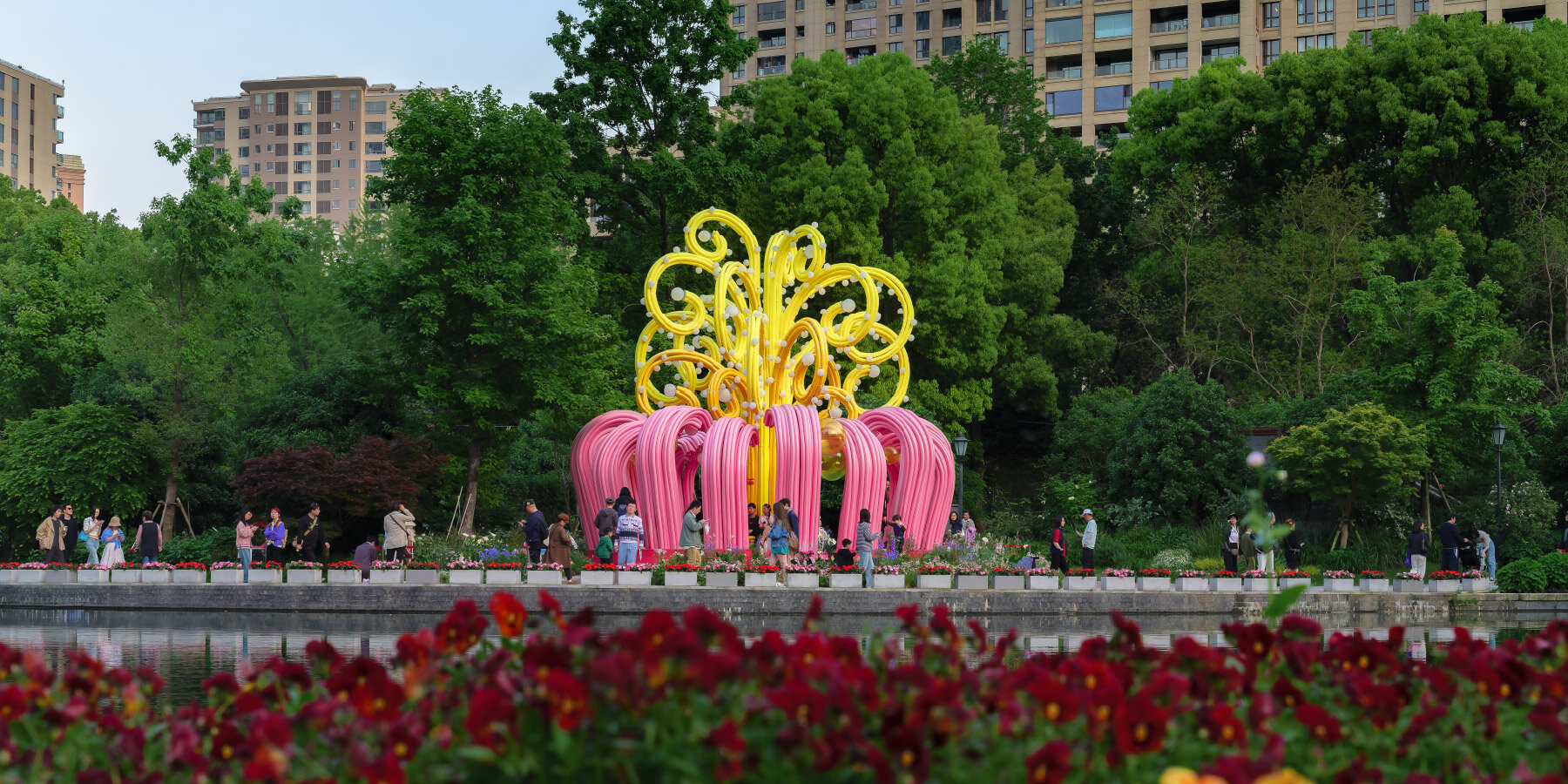
step inside pollinator machine, a giant tulip magnolia installation in shanghai
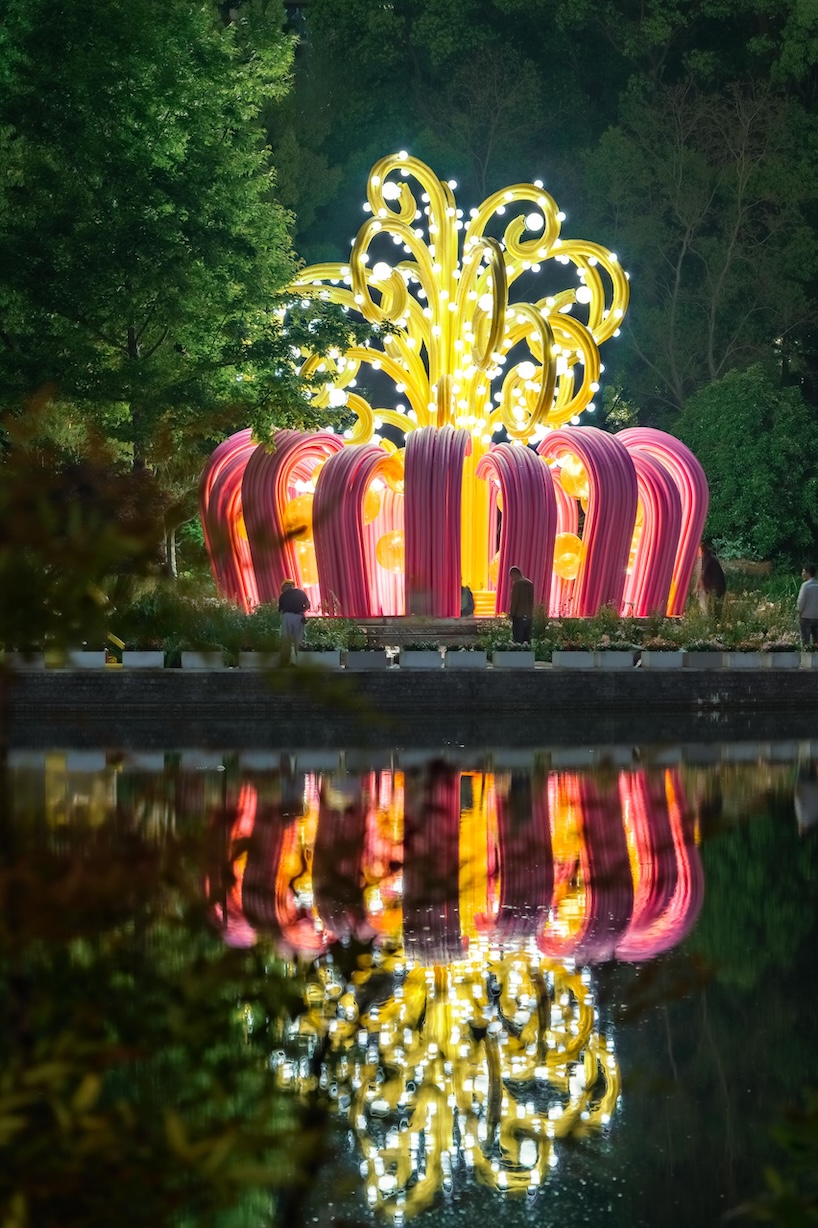
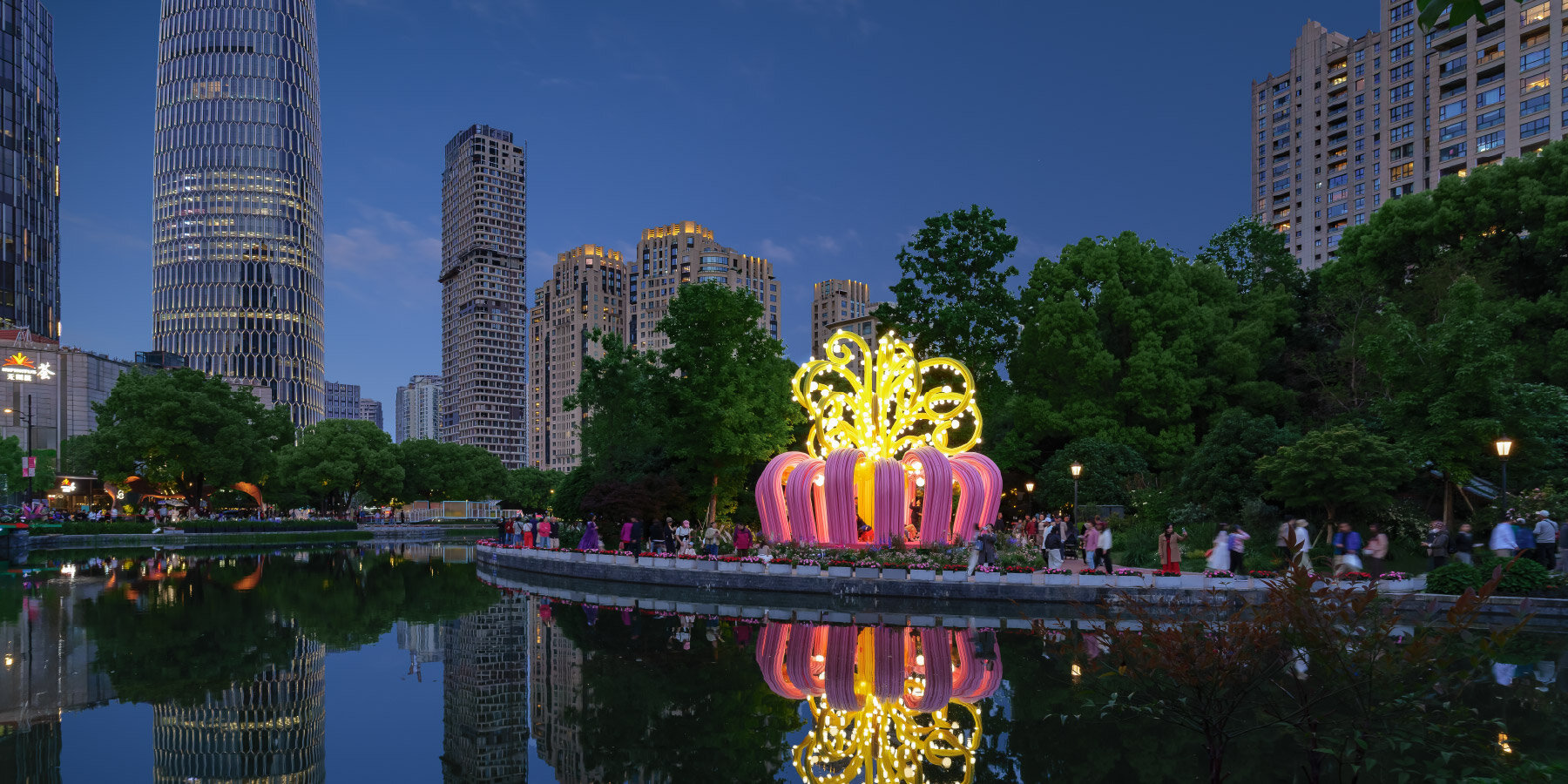
presented at shanghai international flower show, pollinator machine scales visitors down to the perspective of a beetle, inviting them to experience the environment through the eyes of a pollinator.
prefer designboom on google[FEATURED]
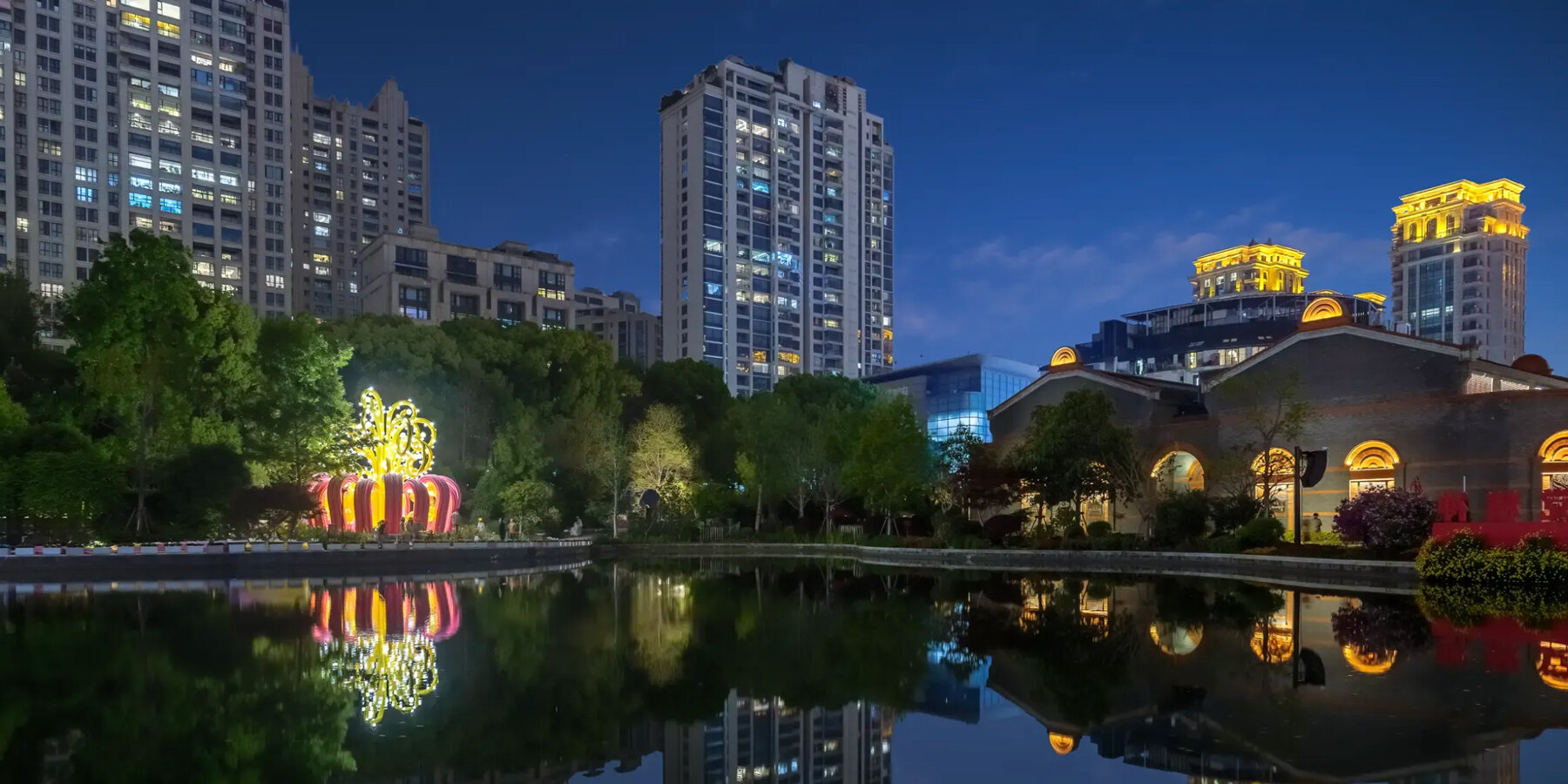
MSP turns a tulip magnolia into a walk-through pollinator space
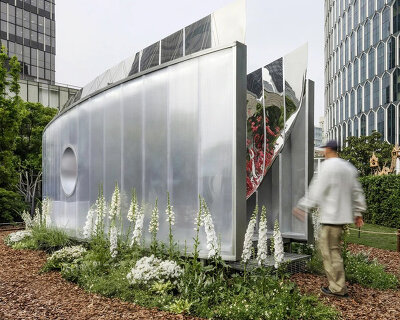
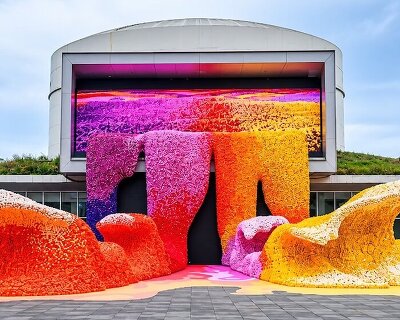
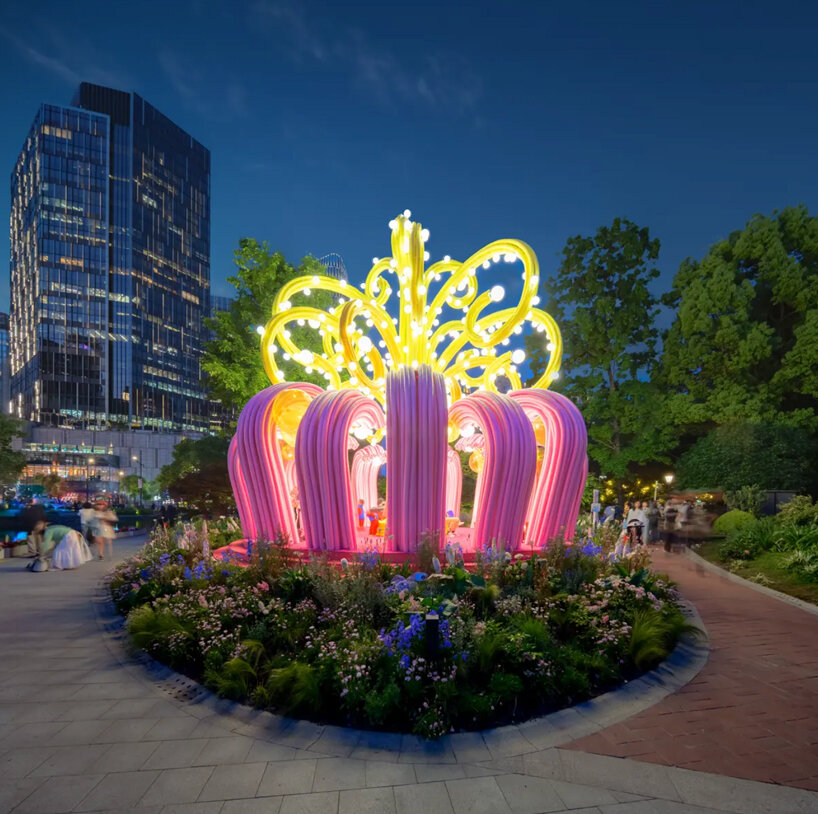
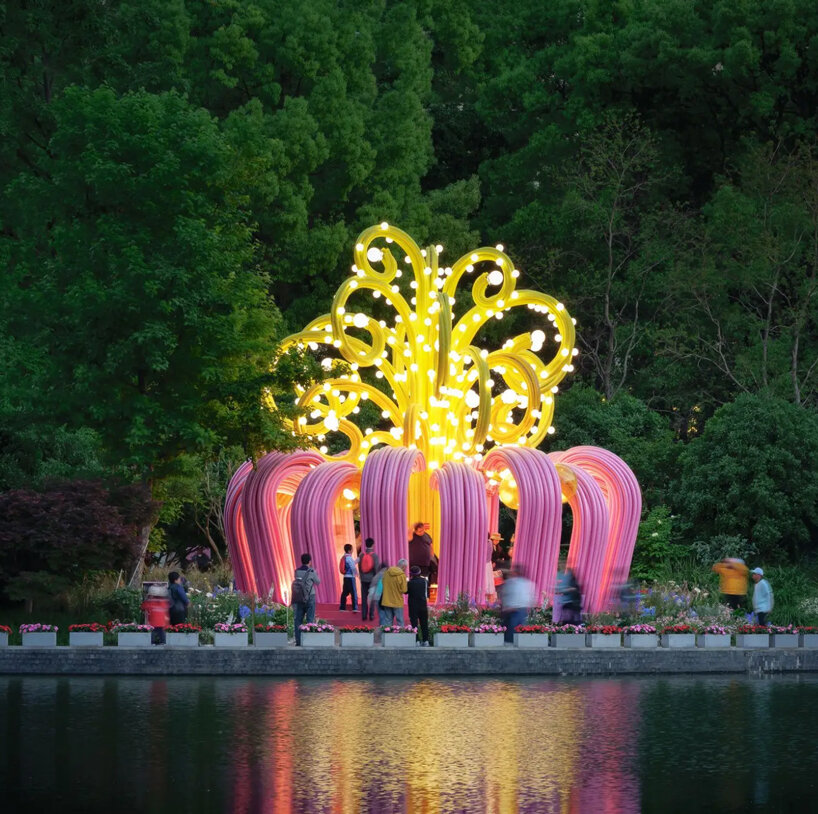
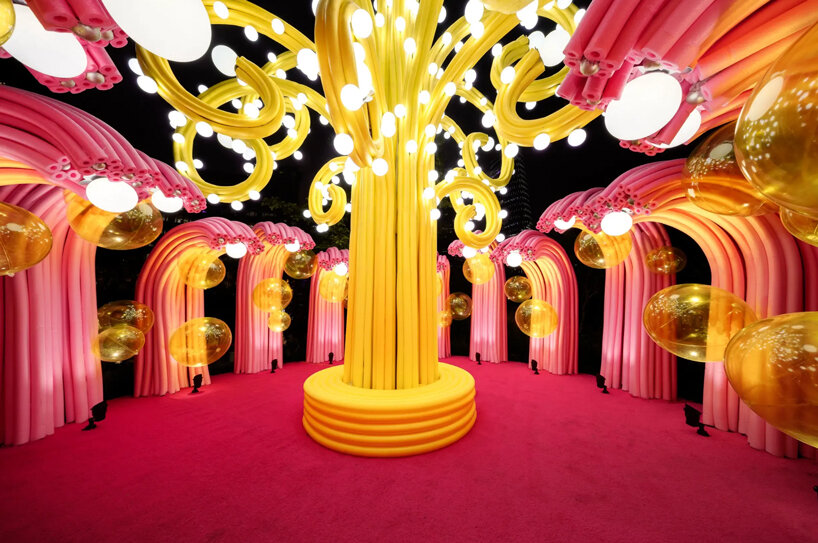
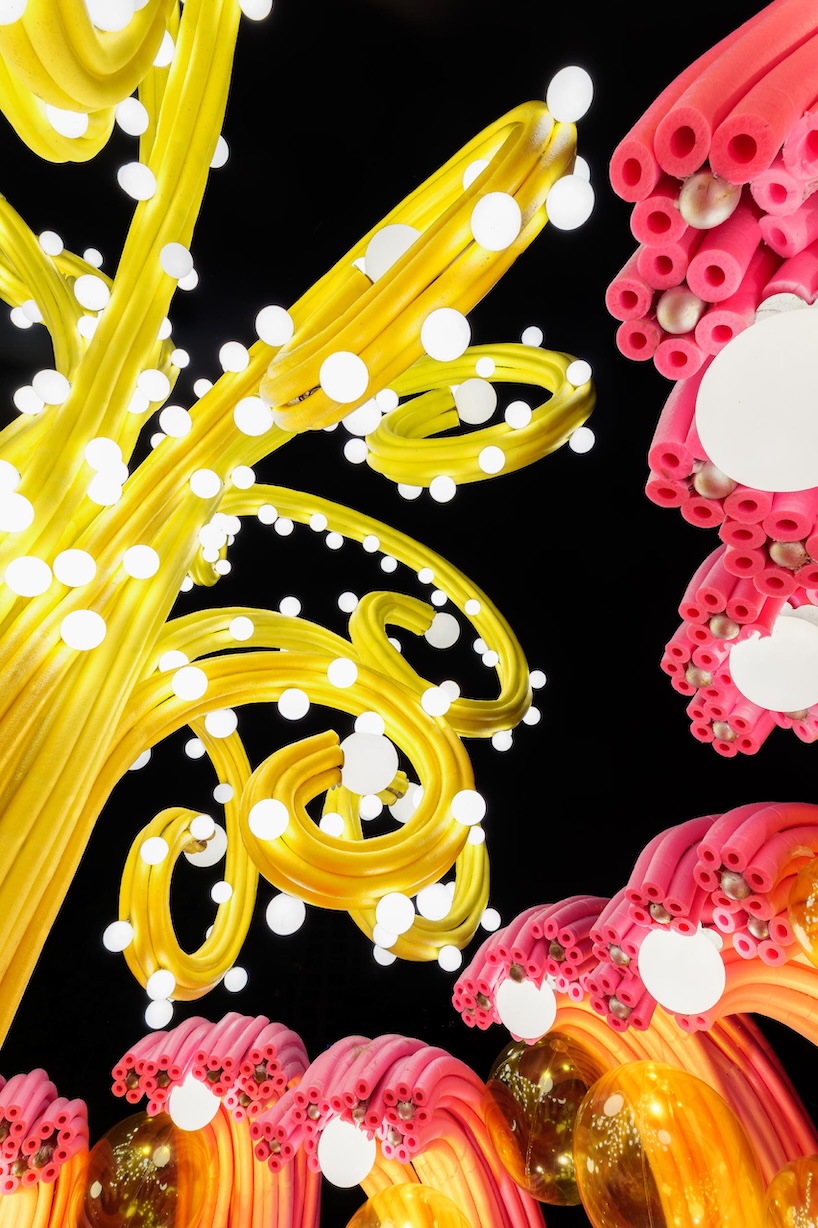
Pollinator Machine, designed by Martha Schwartz Partners (MSP), is an installation created for the 2026 Shanghai International Flower Show at Taipingqiao Park in Shanghai’s Xintiandi district. Conceived as a large-scale interpretation of the city’s emblematic tulip magnolia, the project examines the relationship between plants, pollinators, and humans through an immersive spatial experience. By enlarging the flower’s reproductive structures to nearly ten meters in height, the installation invites visitors to enter the interior of a magnolia and experience the environment from the perspective of a beetle.
The installation draws on the evolutionary history of the magnolia, a plant lineage often described as a ‘living fossil’ due to its survival through multiple mass extinction events over approximately 95 million years. Rather than representing the flower as a botanical object, the design transforms its reproductive anatomy into an inhabitable architectural space, using scale to communicate the mechanisms of pollination and the ecological relationships that sustain plant life.

Beetle pollination informs the installation’s immersive setting
The spatial concept is informed by the magnolia’s pollination strategy, which predates the emergence of bees and relies on beetles as primary pollinators. For the installation, the design team at Martha Schwartz Partners (MSP) references the sequential development of the flower’s reproductive organs, in which the female carpels mature before the male stamens to prevent self-pollination. Within the magnolia, beetles feed on pollen while remaining enclosed inside the flower for an extended period, allowing pollen carried from other blossoms to be transferred across the receptive carpels before the flower releases them to continue pollination elsewhere.
Through this enlarged botanical environment, Pollinator Machine connects visitors with ecological processes that normally occur beyond human perception. By shifting the scale of observation, the installation examines themes of biodiversity, pollination, and environmental adaptation while encouraging reflection on the relationship between human societies and the natural systems that support them. The project also references current scientific discussions surrounding biodiversity loss and mass extinction, positioning the magnolia’s long evolutionary history as a lens through which to consider resilience, adaptation, and coexistence with changing environments.

Do we want to survive, like the magnolia does? Can we live in harmony with our environment, like the magnolia does? Will we survive mass extinction, like the magnolia did? The magnolia learned the beetle’s ways and adapted special techniques to benefit from the beetle. Who is your beetle?
project info:
name: Pollinator Machine
designer: Martha Schwartz Partners (MSP) | @msp_marthaschwartzpartners
location: Xintiandi, Shanghai, China
client: Shanghai International Flower Show
designboom has received this project from our DIY submissions feature, where we welcome our readers to submit their own work for publication. see more project submissions from our readers here.

shop
your own online design shop — no sales commission collected