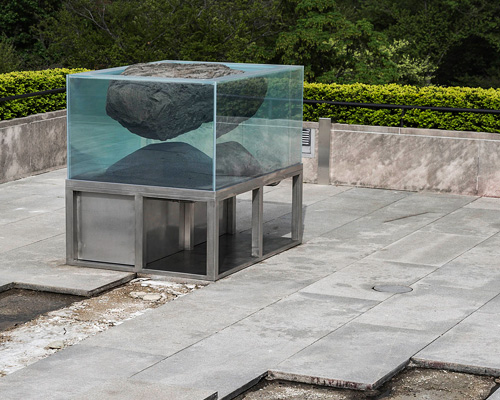
the met’s rooftop hosts animal and mineral landscape by pierre huyghe
the installation can be seen as a constantly evolving organism that interacts with the architecture of the building while sustaining itself independently.
[FEATURED]
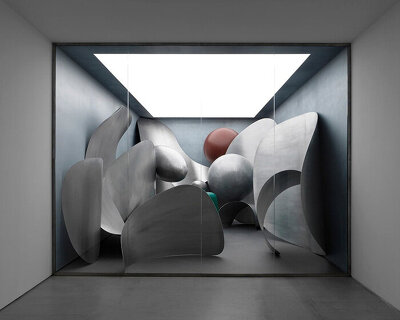
overlooking manhattan’s upper east side, french artist pierre huyghe has realized a site-specific installation on the vast iris and b. gerald cantor roof garden at the metropolitan museum of art. from now until november 1, 2015, visitors can experience a mineral landscape on the museum building top. amassed layers and fragments of material expose both cultural and natural resources through the complex arrangement of elements sourced from the surrounding environment.
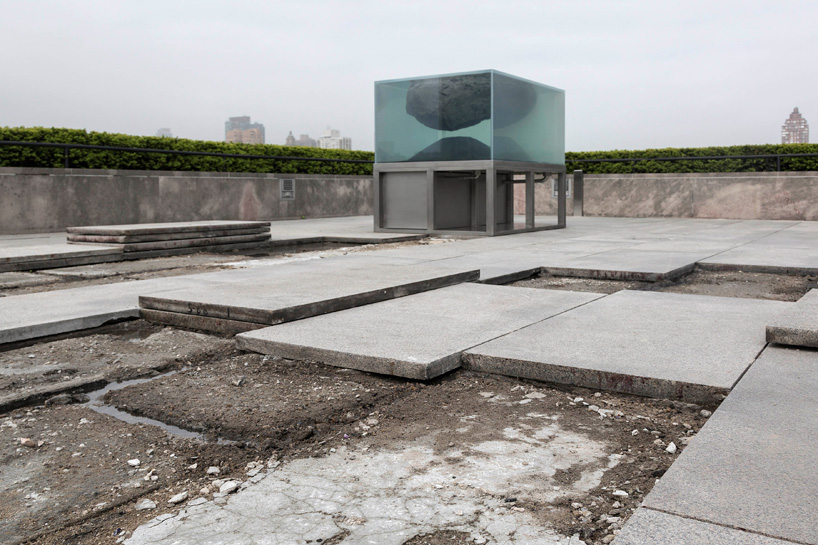
all images by hyla skopitz, the photograph studio, the metropolitan museum of art © 2015
the installation can be seen as a constantly evolving organism that interacts with the architecture of the building while sustaining itself independently. spread across the surface of the roof is a huge water aquarium, heavy stones and excavated tiles, dug up from their original site. the glass tank holds a single large rock within its chamber and accommodates a collection of living fossils and aquatic creatures that swim around the rounded stone. integrated around the site is a piece of natural history — a boulder — and carefully unearthed panels on the floor, revealing human history through the physical uncovering of the building beneath.
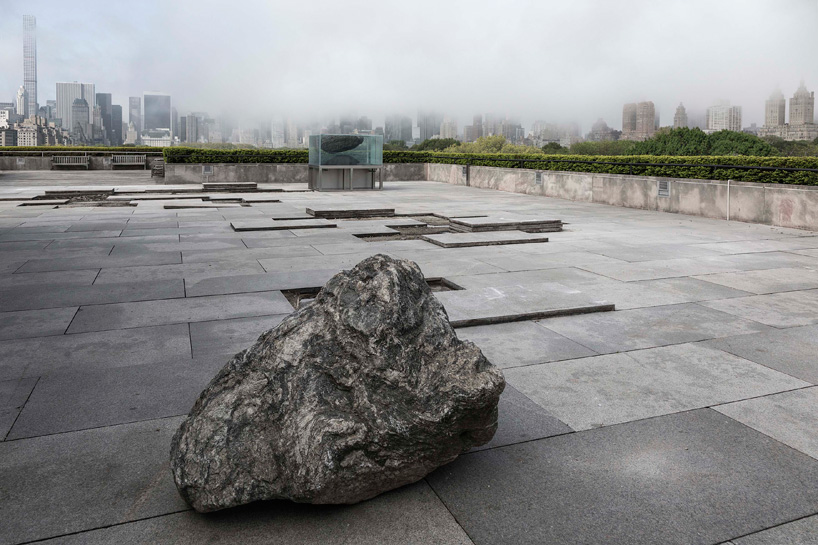
a piece of natural history — a huge boulder — is integrated into the installation
according to sheena wagstaff, the museum’s leonard a. lauder chairman of modern and contemporary art, huyghe has ‘approached the museum as if it were a mine by excavating the site and incorporating objects that are sourced within the museum’s collection, its architectural layers, and the geological history of central park. the resulting matrix of mutating organisms rewards close attention as they shift and manifest themselves over the course of the summer, providing a unique experience each time the roof garden is visited.’
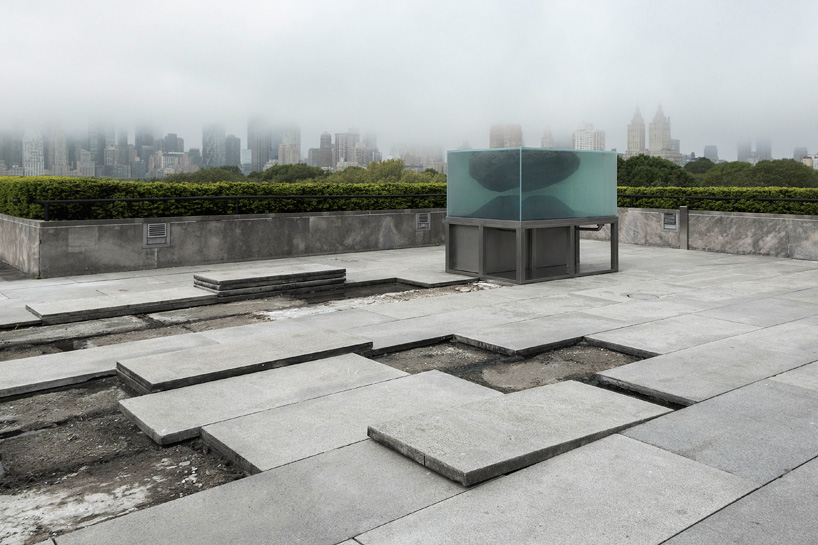
the environment overlooks the surrounding cityscape
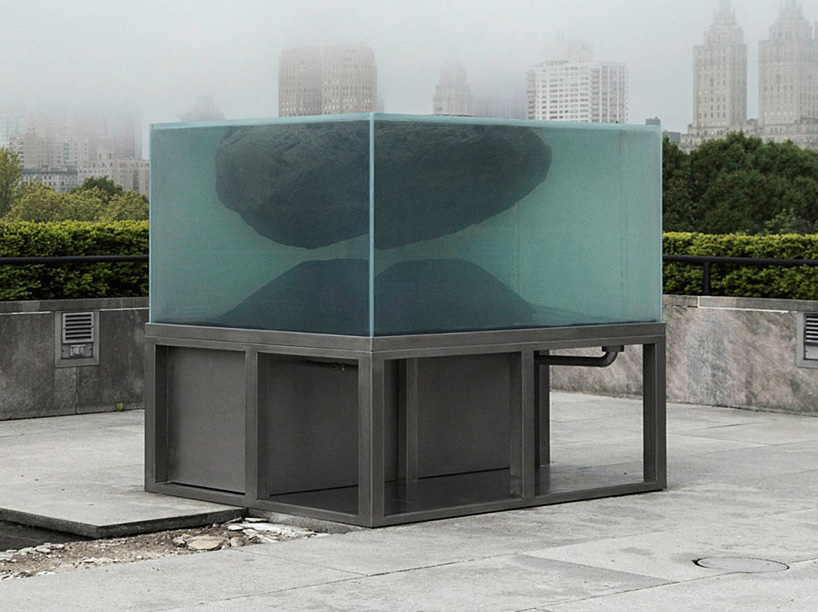
a huge tank of water accommodates a large stone in its capacity
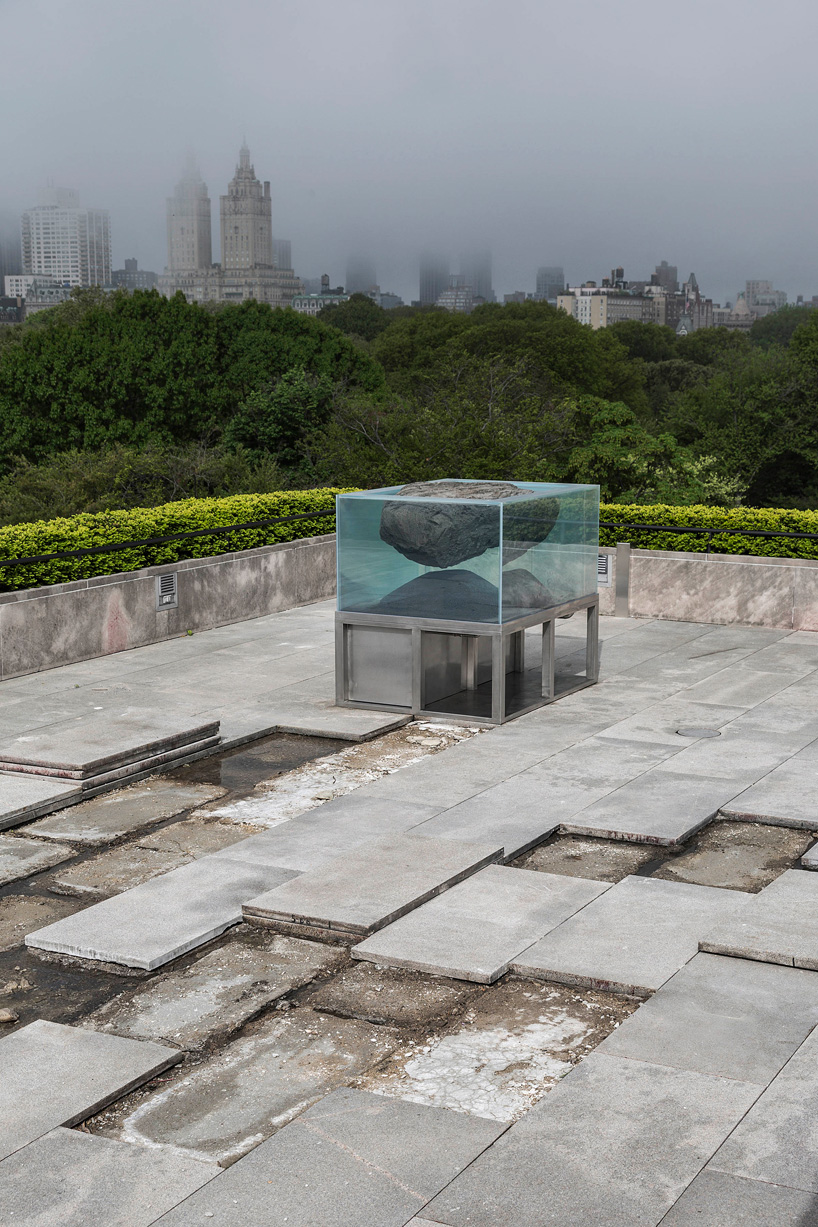
the installation is conceived as a constantly evolving organism
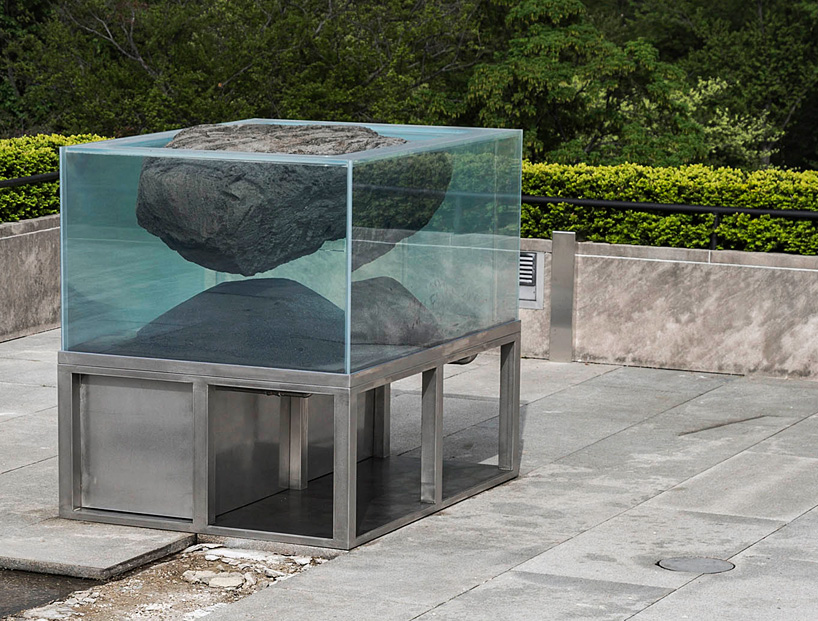
a variety of natural and material elements come together to create a new ecosystem
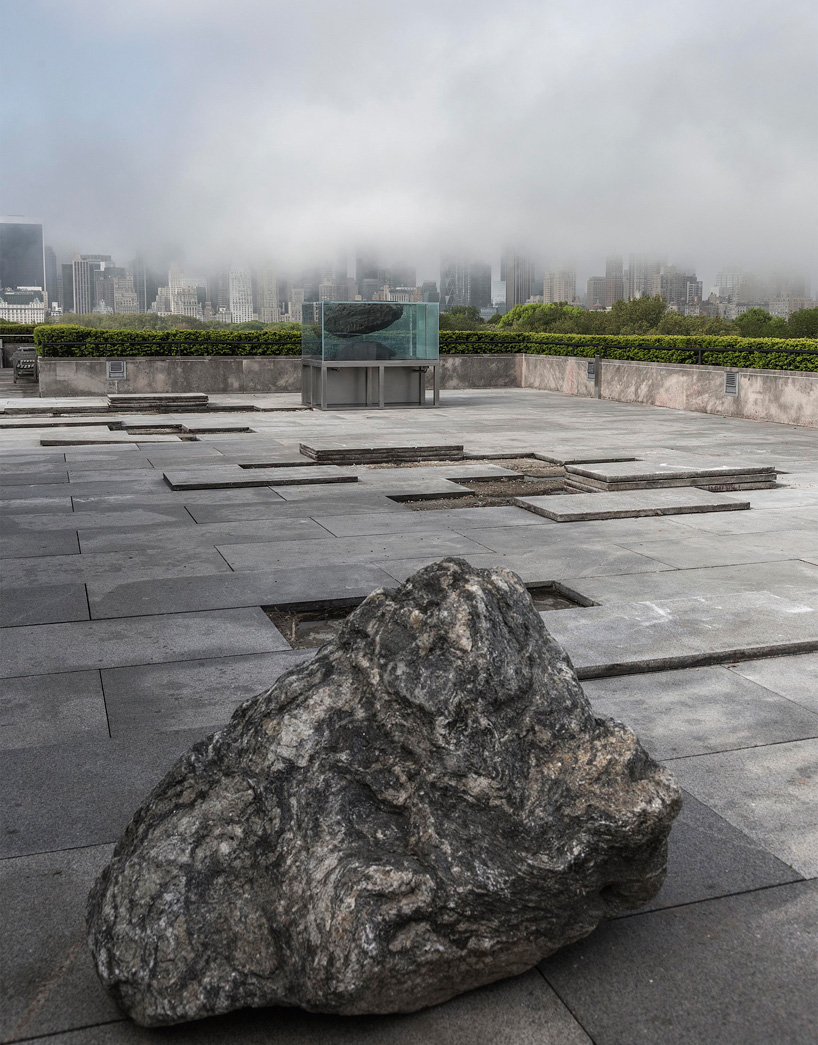
the rooftop hosts layers from both the architecture of the building and the natural world
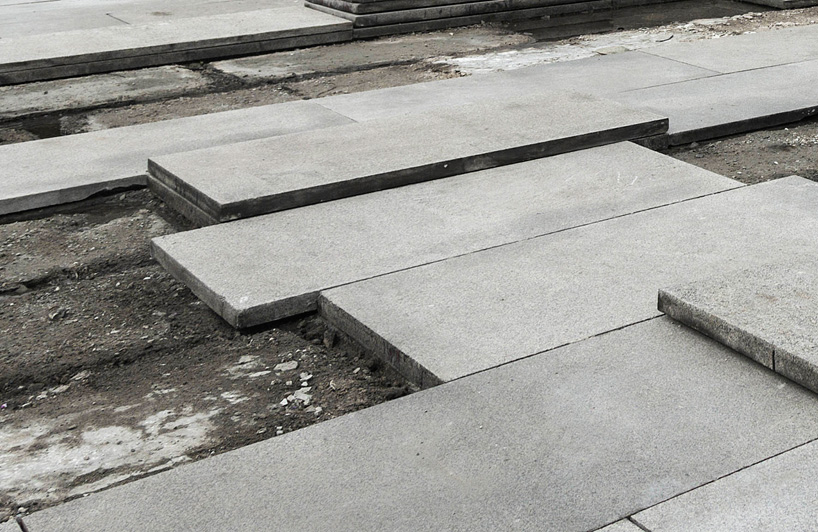
human history is uncovered through the excavation of floor tiles
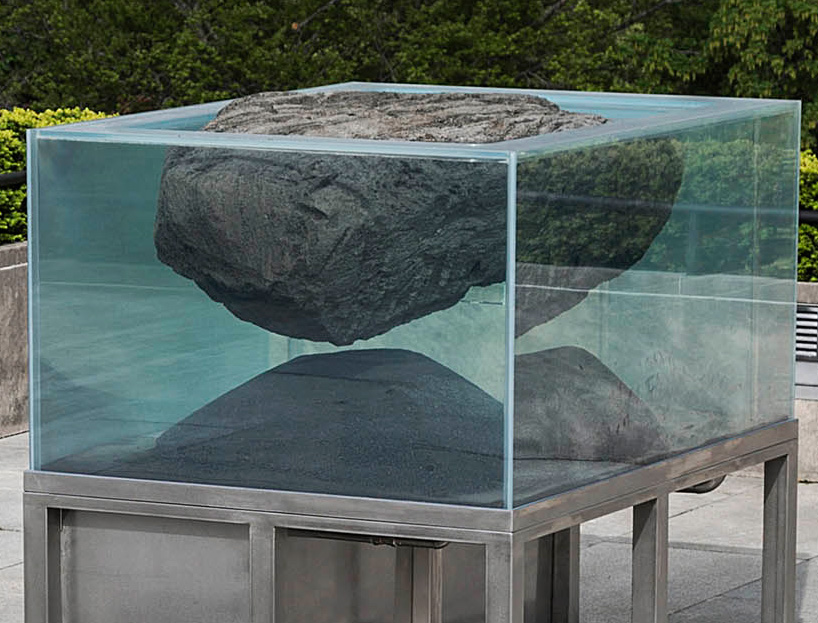
natural history is seen through the aquatic tank, which plays home to creatures and living fossils
shop
your own online design shop — no sales commission collected