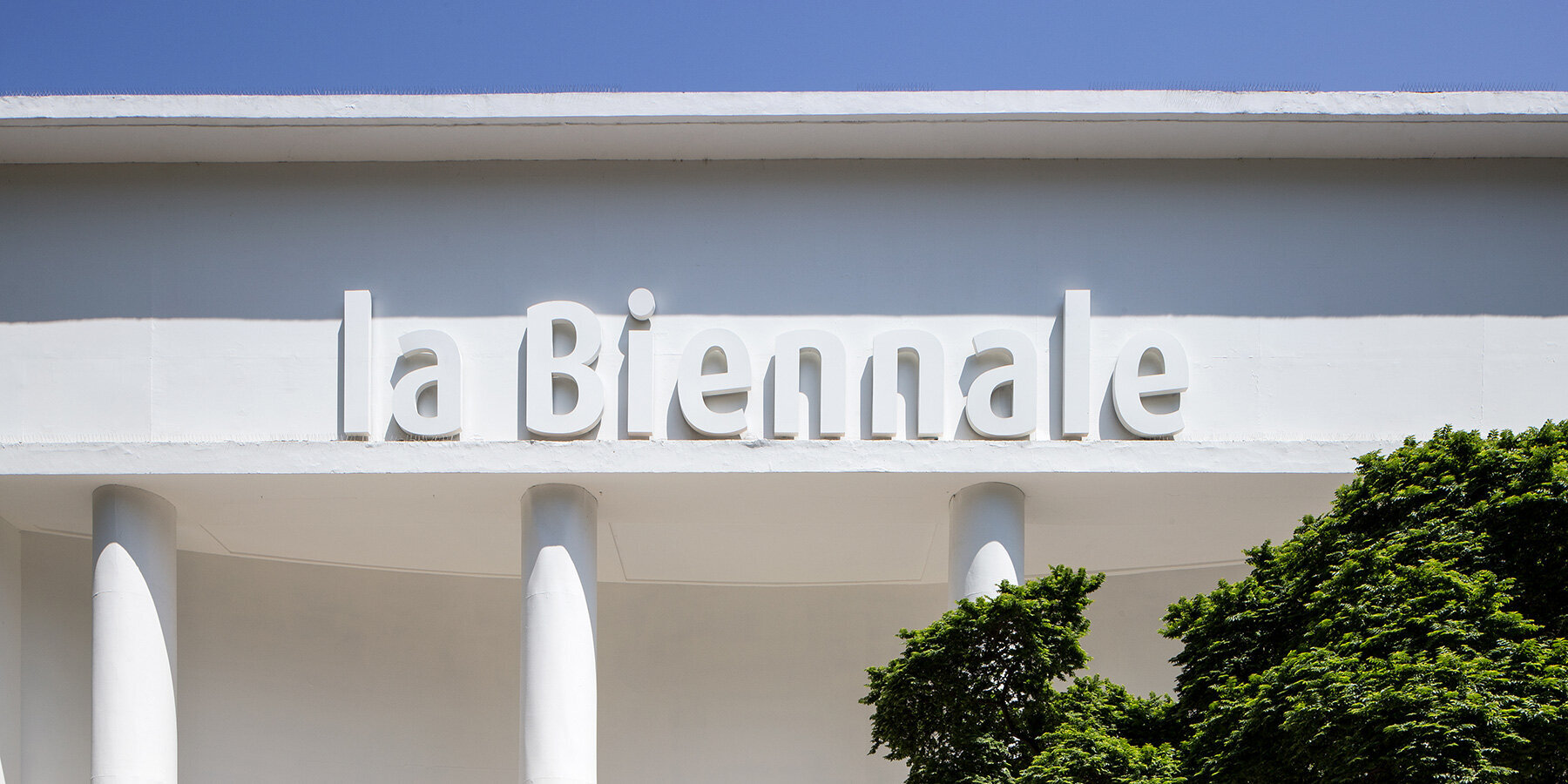
Venice Art Biennale presents Its 61st Edition
The 61st International Art Exhibition of La Biennale di Venezia is scheduled to run from Saturday, May 9th to Sunday, November 22nd, 2026, under the theme In Minor Keys. This edition carries an added weight after the sudden passing of curator Koyo Kouoh on May 10th, 2025. The Venice Biennale announced it would carry out her exhibition with the full support of her family, following the project exactly as she conceived and defined it. The institution frames this decision as a commitment to preserve, enhance, and widely disseminate Kouoh’s ideas and the work she pursued ‘to the very end.’
In Minor Keys frames the 61st Venice Art Biennale as an exploration of quieter, more intimate artistic frequencies, modes of expression that resist spectacle in favor of subtlety, vulnerability, and poetic persistence. The theme proposes art as a space of care, listening, and sensorial attunement, where artists work through fragments, whispers, and fugitive gestures to imagine alternative ways of being together.
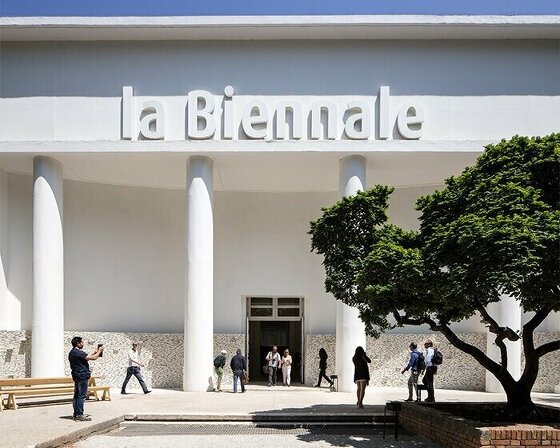
The show will unfold across the Biennale’s two main anchors, the Giardini and the Arsenale, while also extending into various locations around Venice, keeping the exhibition plugged into the everyday routes, thresholds, and detours of the city. National Participations will activate their own exhibitions in the pavilions at the Giardini and Arsenale and across Venice’s historic center, while a set of Collateral Events, proposed by international institutions and organizations, will add more exhibition sites and initiatives throughout the city. For the latest announcements and live coverage, make sure to follow our dedicated Venice Art Biennale Instagram account here.
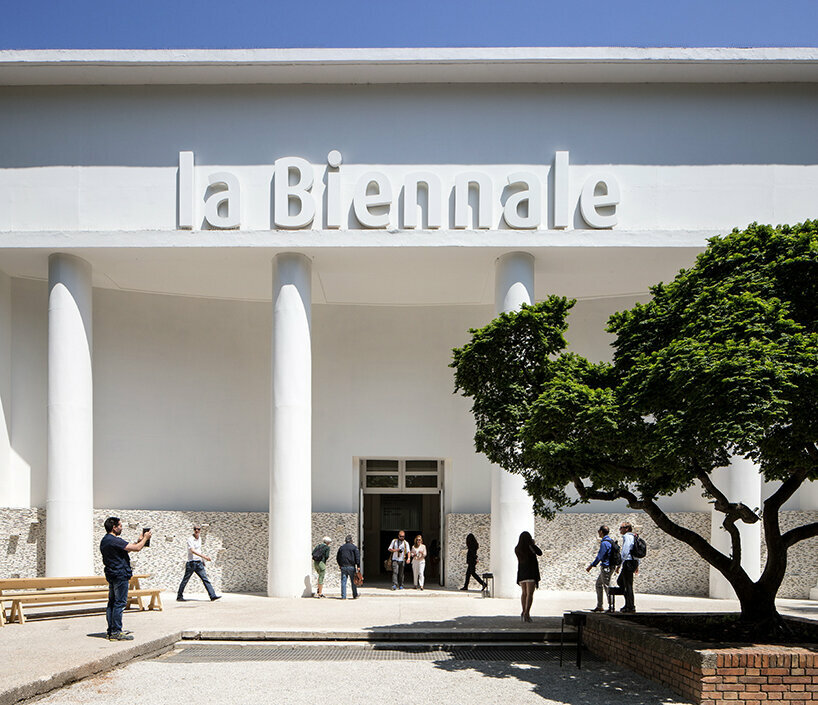
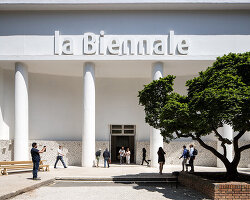
image by Francesco Galli, courtesy La Biennale di Venezia
In Minor Keys
In Minor Keys is the title chosen by Koyo Kouoh for Biennale Arte 2026. Kouoh’s role was announced publicly on December 3rd, 2024, at the close of the 60th edition. Between mid-October 2024 and early May 2025, she worked intensively on the project, defining the theoretical framework, selecting artists and artworks, setting the catalogue’s contributors, determining the graphic identity, shaping the exhibition architecture, and establishing dialogue with invited artists. In her own phrasing, the edition is envisioned as ‘a polyphonous assembly of art’, a Biennale tuned to resonance rather than volume.
Borrowing its logic from musical composition, In Minor Keys privileges mood over monumentality, improvisation over orchestration, and intimacy over dominance. Kouoh envisioned the exhibition as an archipelago of ‘oases’: gardens, courtyards, shelters, and affective micro-worlds where artists operate in lower frequencies – emotional, social, political – to counter the noise of crisis and acceleration. Drawing from jazz, Caribbean poetics, and the metaphor of the creole garden, the Biennale reframes artistic practice as a space where fragility becomes strength, slowness becomes resistance, and beauty persists as a necessary, collective force.
The 61st edition will be produced by La Biennale di Venezia with the professionals Kouoh selected and directly involved in her project: advisors Gabe Beckhurst Feijoo, Marie Helene Pereira, and Rasha Salti, editor-in-chief Siddhartha Mitter, and assistant Rory Tsapayi. La Biennale states that all details, including the list of invited artists, the exhibition design, the graphic identity, and the list of participating countries, will be shared at the customary presentation in Venice on Wednesday, February 25th, 2026.
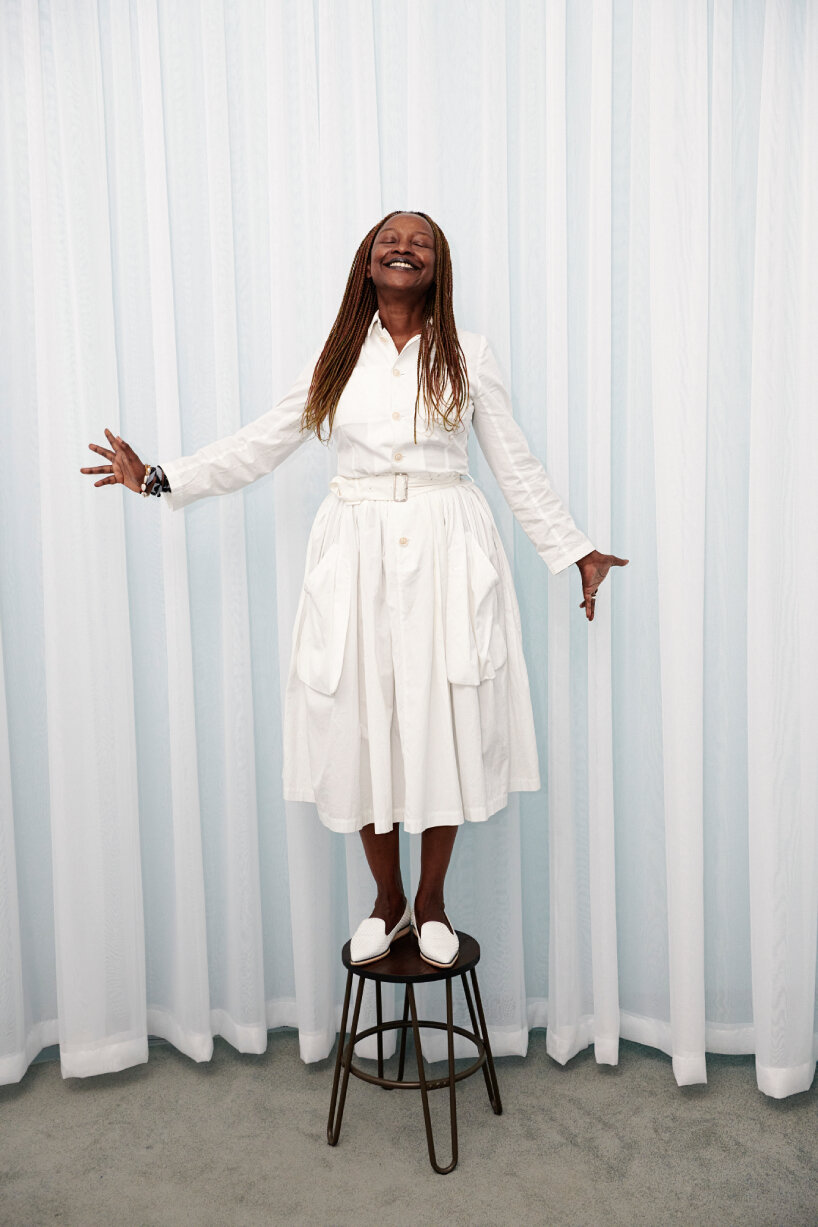
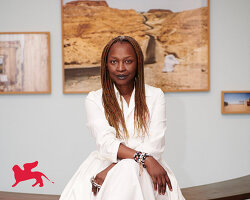
portrait of Koyo Kouoh | photo by Mirjam Kluka, courtesy of La Biennale di Venezia
National Pavilions
Across the Giardini, the Arsenale, and more sites woven into the urban fabric of Venice, national pavilions once again form a dispersed yet interconnected constellation of voices. For the 61st International Art Exhibition, these presentations unfold under the shared conceptual horizon of In Minor Keys, inviting artists and nations alike to operate in quieter, more attentive registers. Rather than asserting grand narratives, many pavilions turn toward intimacy, vulnerability, and sensory listening, exploring how subtle gestures, marginal histories, and fragile forms of resistance can offer new ways of imagining collective futures.
While each country articulates its own cultural, political, and material conditions, the pavilions function as micro-worlds within a broader polyphony, spaces where memory, identity, ecology, spirituality, and social bonds are rethought through poetic, affective, and often experimental languages, composing a shared score of minor tonalities. Read on to discover the national pavilions announced so far, each contributing its own frequency to this evolving global composition.
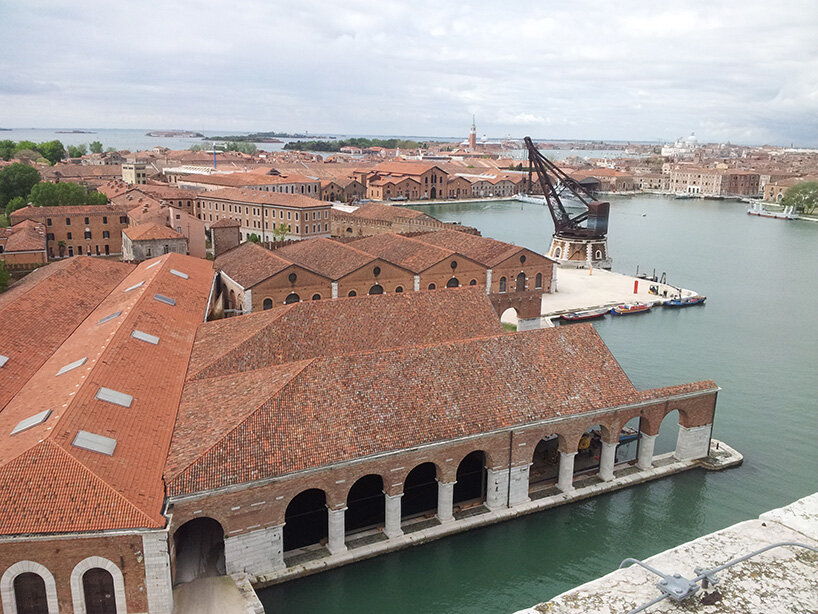
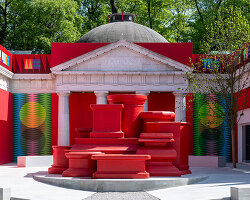
Overview Arsenale | image by Andrea Avezzu, courtesy La Biennale di Venezia
Albania – A Place in the Sun
Memory, myth, and ideology converge in A Place in the Sun, the project through which Genti Korini will represent Albania. Selected through an international open call and developed in collaboration with curator Małgorzata Ludwisiak, the proposal stood out for its layered conceptual framework and its precise, evocative visual language. Through archival research, folklore, and speculative imagination, Korini’s installation examines how collective memory shapes identity and spatial perception, tracing Albania’s past while situating it within a wider Eastern European cultural and political landscape. Operating between fiction and historical reality, abstraction and figuration, A Place in the Sun unfolds as a meditation on how ideology inhabits images, narratives, and forms.
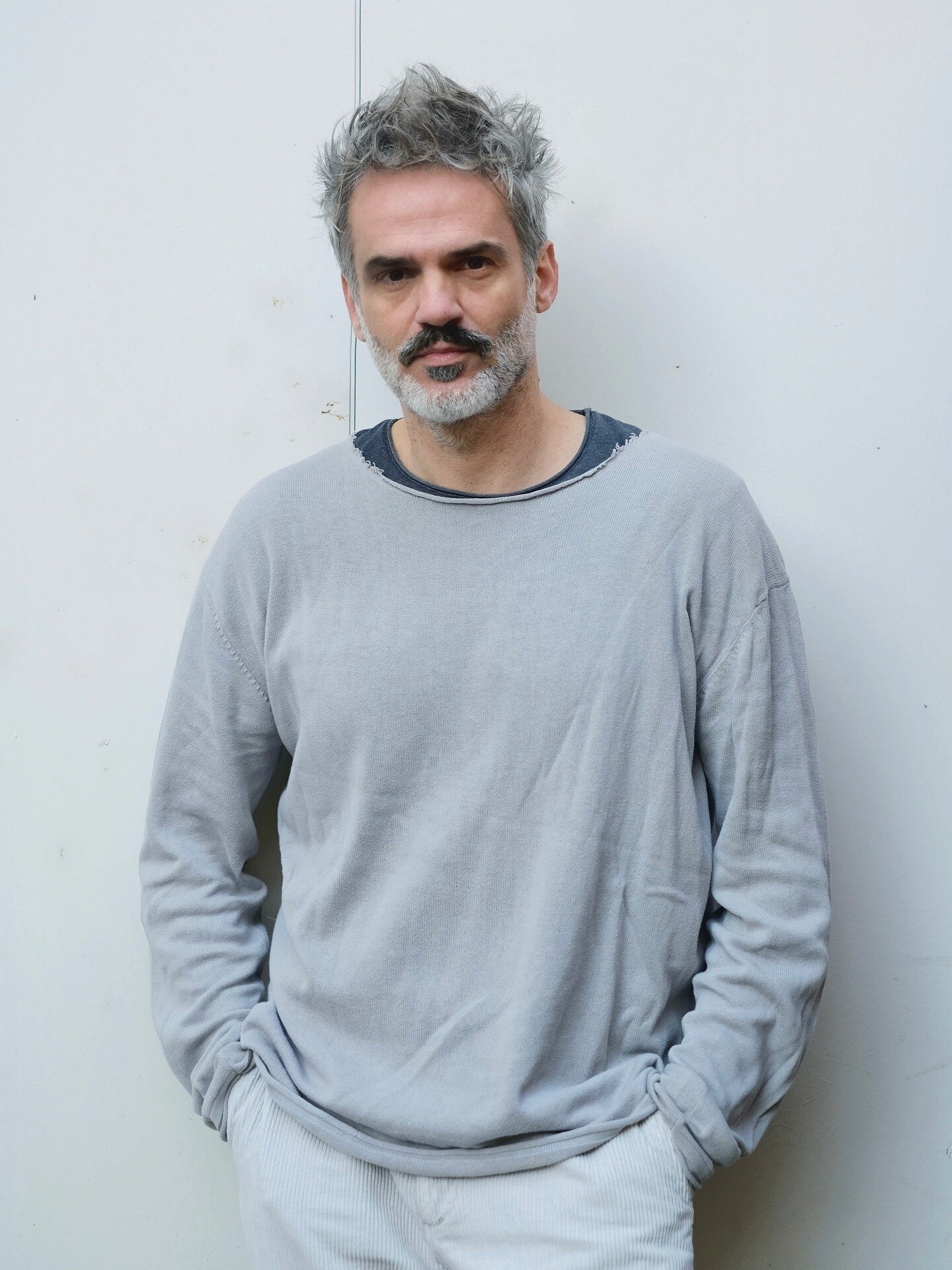
Genti Korini is the artist representing Albania at the 61st Venice Art Biennale | image via @albanianpavilion2026
Argentina – Monitor Yin Yang
Argentina arrives at the 61st International Art Exhibition of La Biennale di Venezia with Monitor Yin Yang, a new site-specific installation by Matías Duville, curated by Josefina Barcia. Occupying the entire floor of the Argentine Pavilion, the work features a monumental drawing made from salt and charcoal, materials chosen for their instability and capacity to register change. As visitors move through the space, the surface shifts and deteriorates, turning the act of circulation into an integral part of the artwork itself.
Conceived through Duville’s long-standing engagement with drawing as an expanded, physical practice, Monitor Yin Yang displaces the medium from its traditional support into a shared spatial experience. The installation balances experimentation with contemplation, using raw matter and scale to reflect on territory, erosion, and human presence.
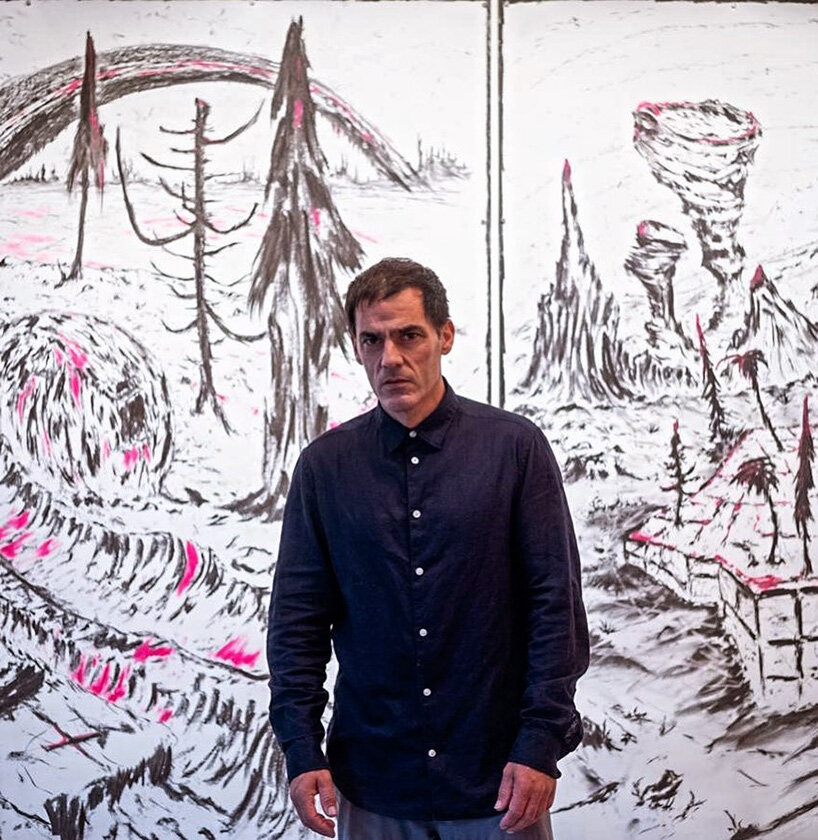
Matías Duville represents Argentina | image via @matiasduville
Armenia – Ode to Lord Byron
Armenia returns to the 61st International Art Exhibition of La Biennale di Venezia with Ode to Lord Byron by contemporary artist Zadik Zadikian. Selected through a national open call, the project represents Armenia’s official contribution to the 2026 edition, unfolding as a poetic gesture that draws on history, literary memory, and cultural transmission while remaining firmly grounded in contemporary visual language.
The Armenian Pavilion is curated by Tony Shafrazi and Tina Shakarian, bringing together international curatorial experience with a focused engagement in diasporic and Armenian narratives. Known for his bold material presence and expressive intensity, Zadikian continues his exploration of heritage and modernity, positioning the pavilion as a reflective space where historical figures and present-day identities subtly intersect.
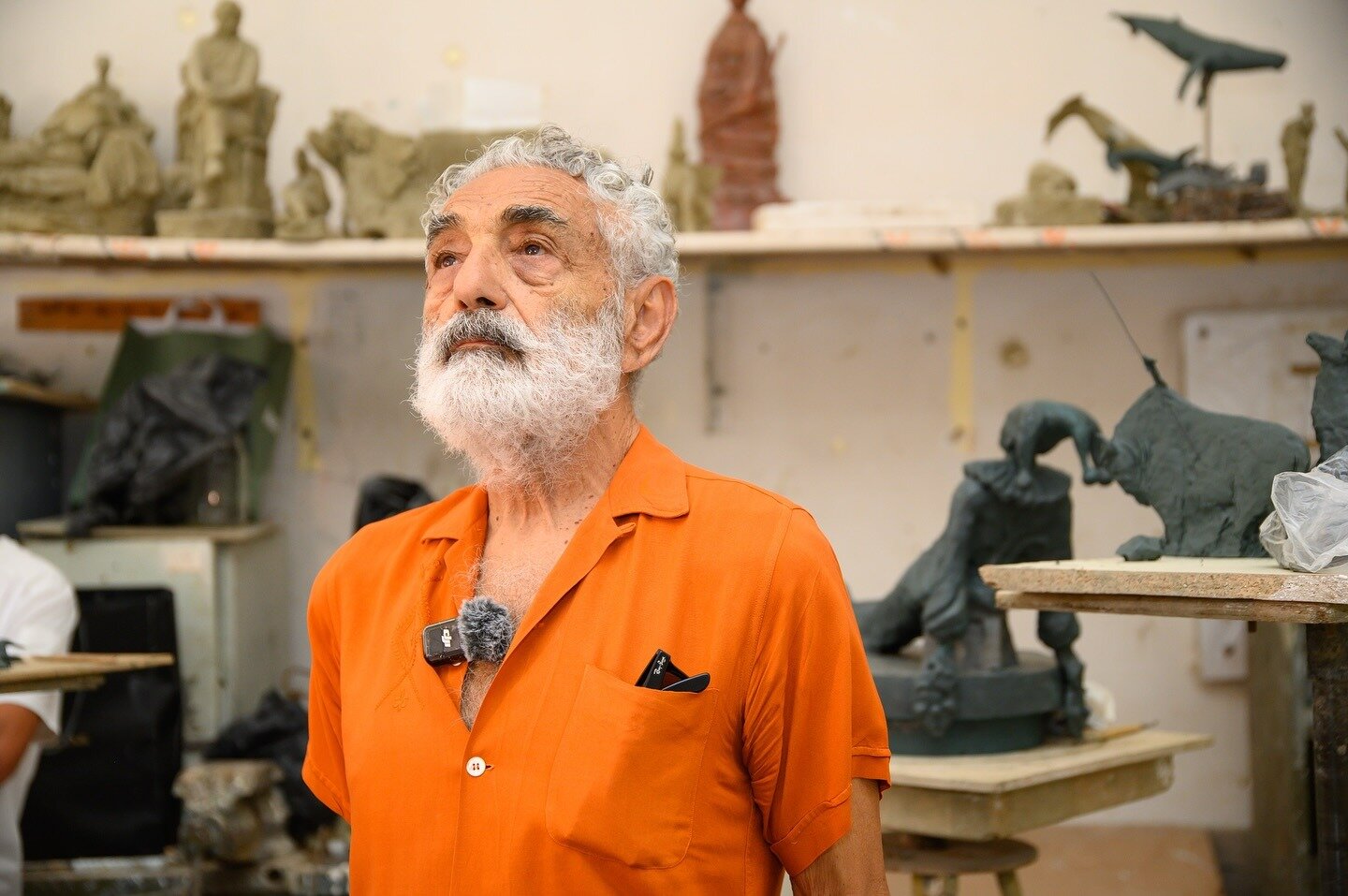
Zadik Zadikian | image via @terlemezyan_gallery
Australia
Australia’s pavilion becomes a space for reflection and encounter through a new project by Khaled Sabsabi, curated by Michael Dagostino. Recommissioned in July 2025, the duo builds on a long-standing creative partnership to develop a new work that responds to the fractures and fixed ideologies shaping the present moment, positioning art as a space for dialogue, encounter, and shared reflection. Working across mediums, geographies, and communities for more than three decades,
Sabsabi’s practice centers on collectivity, belief systems, and the politics of identity. For Venice, he and Dagostino frame the pavilion as a site for cultivating conversations rather than certainties, foregrounding admiration, exchange, and the possibility of coexistence. Produced and commissioned by Creative Australia, the project proposes art as an active, ethical gesture: not only reflecting the world, but gently insisting on alternative ways of being within it.
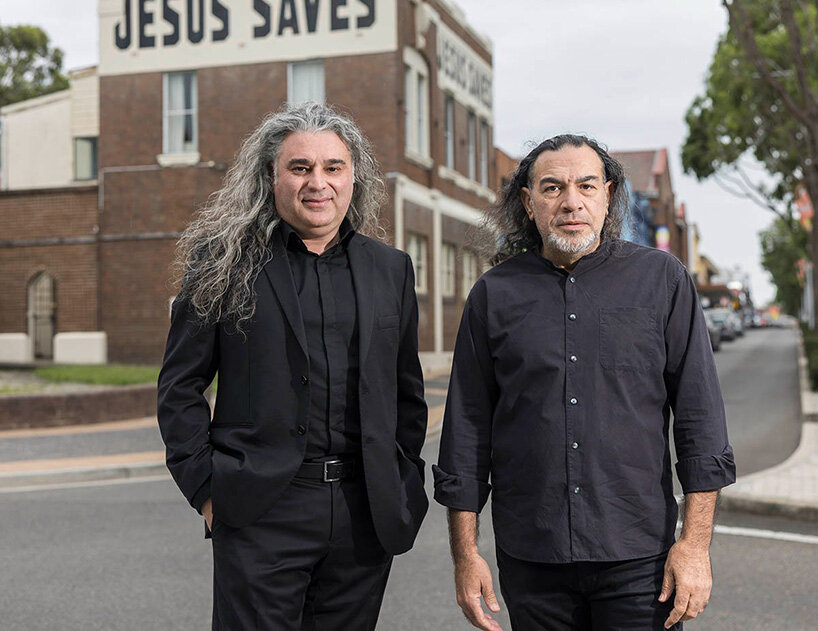
Khaled Sabsabi and Michael Dagostino in Granville | image by Anna Kucera
Austria – Seaworld Venice
Austria commissions internationally acclaimed performance artist Florentina Holzinger to shape its pavilion at the 61st Venice Art Biennale, marking her first full exhibition-scale project in this context. Working under the title Seaworld Venice, Holzinger collaborates with performance curator Nora-Swantje Almes alongside a multidisciplinary team of performers, musicians, and stunt coordinators, extending her practice beyond the stage into a hybrid spatial and performative environment.
Developed specifically for the Austrian Pavilion and the Venetian lagoon, the project expands Holzinger’s long-term research into water, feminist corporeality, and embodied risk. Drawing on mythological aquatic figures and speculative futures, the work unfolds across installations and live actions, inviting audiences into an immersive landscape where choreography, theater, and performance collide. Provocative, physical, and unapologetically visceral, Seaworld Venice situates the pavilion as a dynamic site of experience, one that connects contemporary performance with broader ecological, social, and bodily questions.
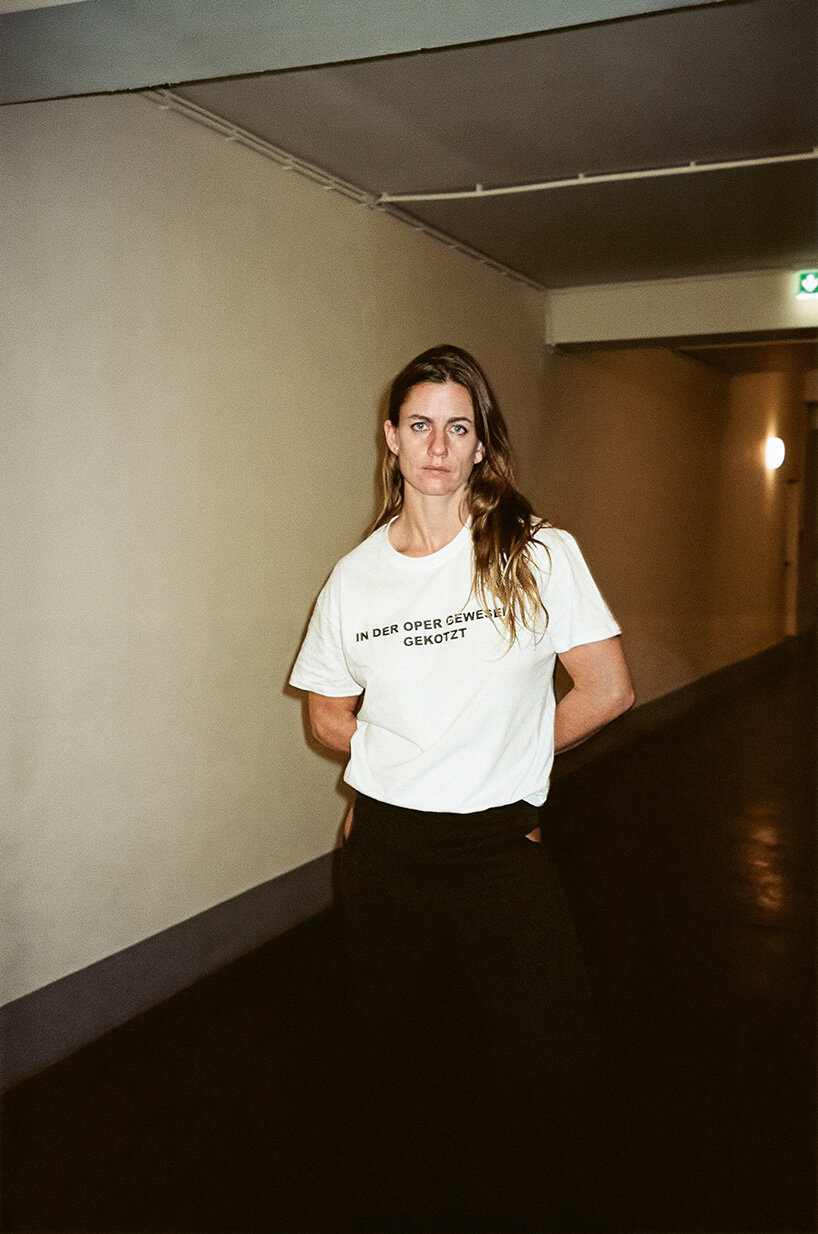
Florentina Holzinger by Elsa Okazaki | image via Wikimedia Commons licensed under the Creative Commons Attribution-Share Alike 4.0 International license
The Bahamas
For only the second time in its history, The Bahamas will participate in the 61st Venice Art Biennale, marking a significant moment for the nation’s cultural presence on the global stage. The Bahamian Pavilion is curated by art historian Krista Thompson, Mary Jane Crowe Professor of Art History at Northwestern University, whose vision brings together the work of the late John Beadle (1964–2024) and contemporary artist Lavar Munroe in a rare posthumous collaboration. Spanning generations, the pavilion stages a dialogue between Beadle’s legacy and Munroe’s critically engaged practice, weaving memory, identity, and cultural continuity into a shared visual language.
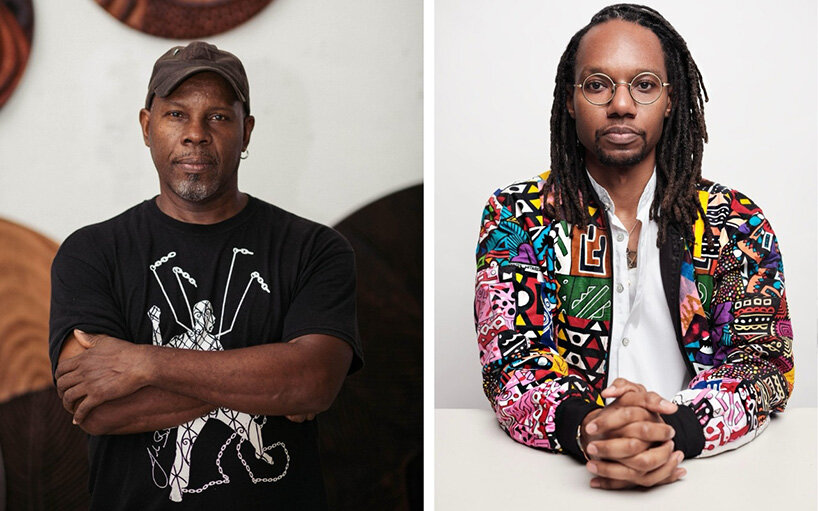
left to right: John Beadle, image courtesy of Blair J. Meadows; Lavar Munroe, image courtesy of Roy Cox
Belgium – IT NEVER SSST
Belgium heads to the 61st Venice Art Biennale with IT NEVER SSST, a performance-exhibition by Brussels-based artist Miet Warlop, curated by Caroline Dumalin. Conceived as a musical, living sculpture, the work is rebuilt daily inside the Belgian Pavilion, unfolding around acts of physical support, repetition, and collective effort in a world that never fully slows down.
Blending performance, sound, language, and animated matter, IT NEVER SSST draws performers and the Biennale’s international audience into a shared field of tension focused on human connection. Developed with music by DEEWEE and in partnership with MORPHO and KANAL-Centre Pompidou, the project transforms the pavilion into a charged, cheerleader-like environment where ritual, rhythm, and movement resist standstill.
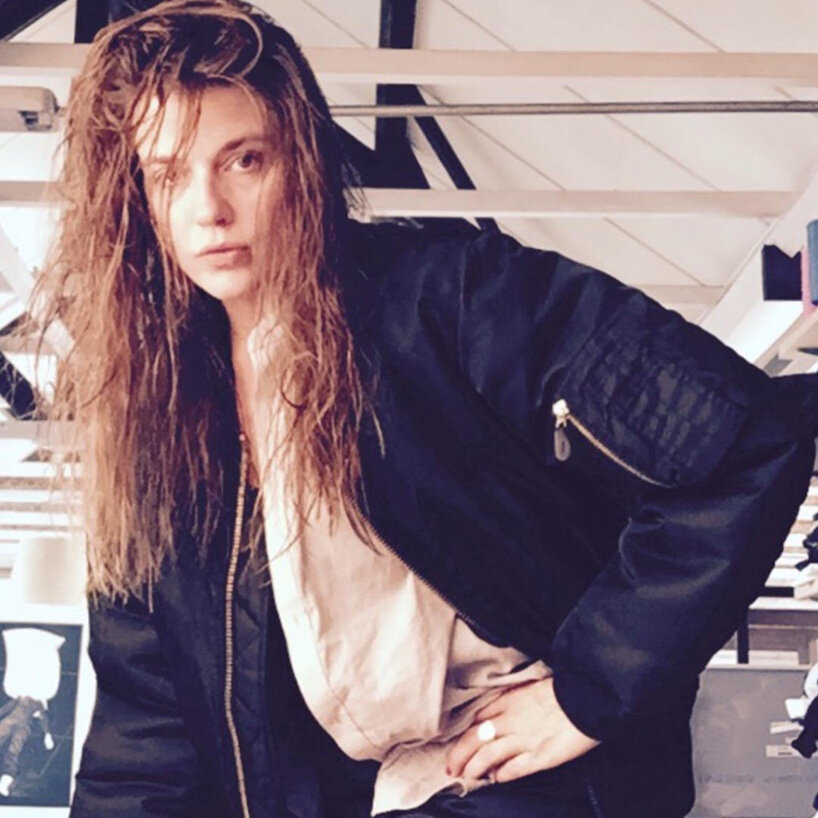
Brussels-based artist Miet Warlop to represent Belgium | image via @miet_warlop
Brazil – Comigo ninguém pode (Nobody can do anything to me)
Brazil presents Comigo ninguém pode, a pavilion curated by Diane Lima and featuring artists Rosana Paulino and Adriana Varejão. Taking its title from the Dieffenbachia plant, and a popular Brazilian saying that translates loosely as ‘nobody can handle me’, the exhibition uses this layered metaphor to explore protection, toxicity, resistance, and survival. Installed in the Brazilian Pavilion, the project unfolds through the dialogue between two distinct yet intersecting artistic trajectories.
Bringing together Paulino’s incisive examinations of silenced histories and Varejão’s long-standing investigations into colonial violence and cultural formation, Comigo ninguém pode frames the pavilion as a space of confrontation and transformation. Rather than offering closure, the exhibition emphasizes metamorphosis, reclaiming historical wounds as sites of imagination, strength, and poetic liberation.
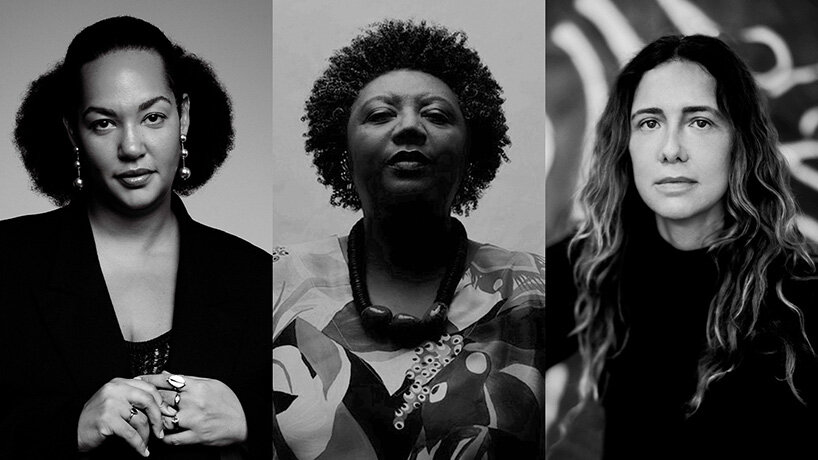
from left to right: Diane Lima, Rosana Paulino, and Adriana Varejão. – Credits: Wallace Domingues, Rodrigo Ladeira, and Tinko Czetwertynski.
Canada
Shaped by place, conflict, and the quiet politics of everyday landscapes, Abbas Akhavan will represent Canada at the 61st International Art Exhibition of La Biennale di Venezia. Born in Tehran and based between Montreal and Berlin, Akhavan works across installation, drawing, video, sculpture, and performance, developing projects that respond directly to the social, architectural, and geopolitical conditions of their sites. Central to his practice is the idea of the garden, not as a neutral space, but as a constructed environment shaped by power, memory, and belonging. From backyards and public parks to reconstructed cultural sites marked by conflict, Akhavan’s work traces how histories are inscribed onto land and how narratives are negotiated through space.
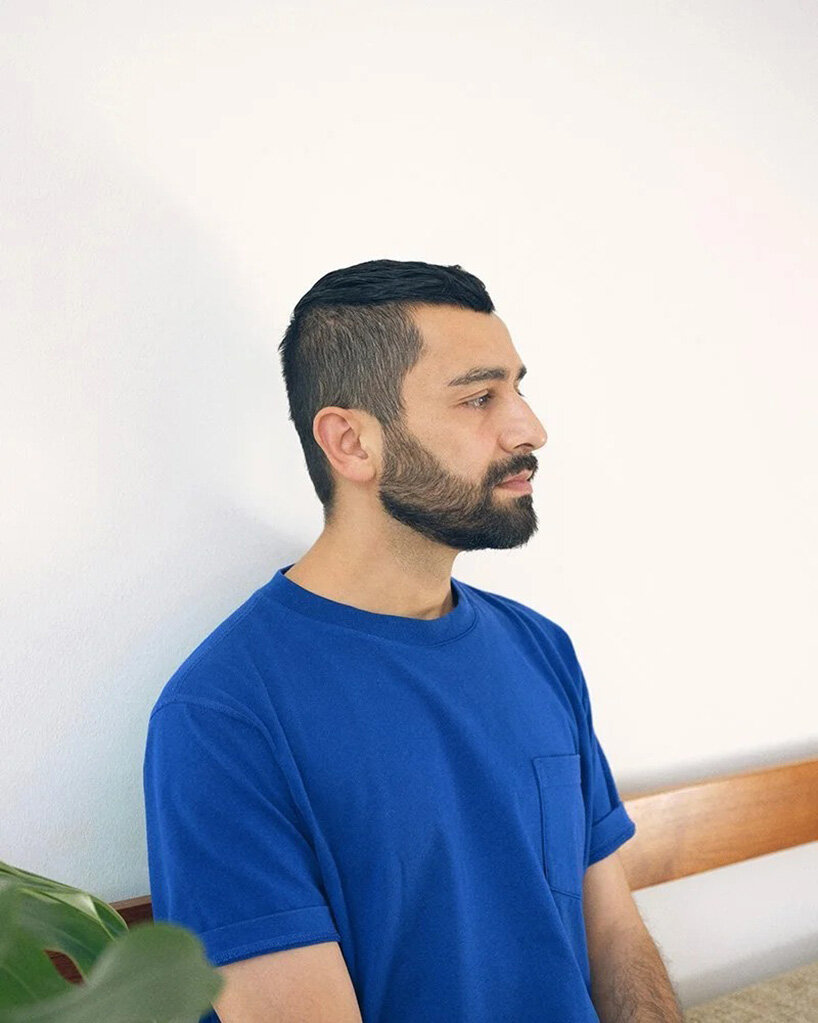
Abbas Akhavan | image by Alex de Brabant
Chile – Inter-Reality
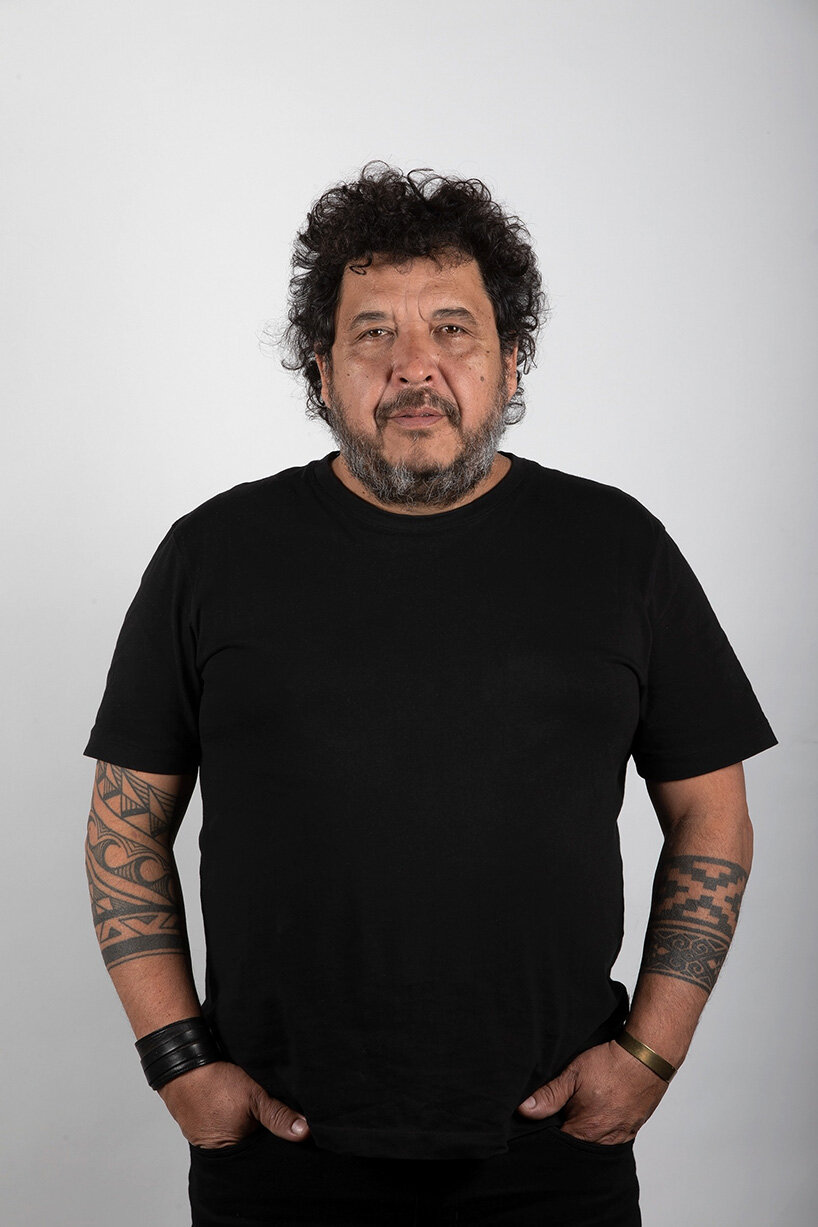
Inter-Reality, Chile’s national presentation at the 61st Venice Art Biennale, is conceived by Chilean artist Norton Maza. The project transforms the pavilion into a critical interface, one that reflects how local realities collide with global systems shaping ecology, geopolitics, and contemporary life.
Developed through a public open call, the exhibition is curated by Marisa Caichiolo and Dermis León, with management by Claudia Pertuzé and architectural advisory from Mathias Klotz. Rooted in a Latin American perspective yet outward-looking in scope, Inter-Reality positions Chile’s pavilion as a space of layered perception, where national artistic production becomes a lens for navigating shared planetary concerns.
Cyprus – it rests to the bones
Stripped back to its core, ‘It rests to the bones’ forms Cyprus’ presentation at the 61st Biennale di Venezia, bringing together sculpture, sound, and film by Marina Xenofontos, curated by Kyle Dancewicz. The project traces subtle cadences of social life, religious deviation, and cultural endurance, unfolding through works that feel both intimate and infrastructural in how they hold and transmit meaning.
Developed from Xenofontos’ long-standing notion of an ‘unconditional archive,’ the pavilion gathers fragments of political memory, material residue, and lived experience into a quiet but charged constellation. Drawing on anti-spectacular machines, motors, and automata, the works hover between accumulation and release, where data, debris, and memory momentarily shimmer, dissolve, and return in altered form. The result is a pavilion that resists monumentality, instead offering a porous space where history settles, shifts, and re-enters the present.
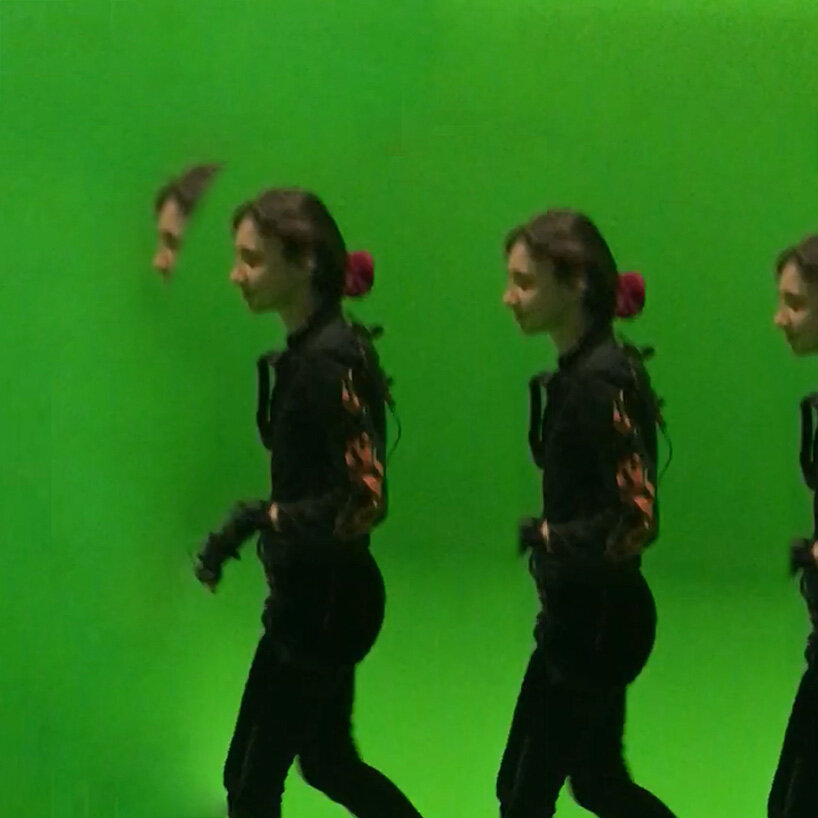
Marina Xenofontos | image by Stefanos Chrysanthou via Onassis Foundation
Czech & Slovak Republics – The Silence of the Mole
A shared history takes center stage at the Czechoslovak Pavilion as the Czech Republic and Slovakia present The Silence of the Mole at the 61st Venice Art Biennale. Developed by an authorial team comprising Jakub Jansa, Alex Selmeci, Tomáš Kocka Jusko, and Peter Sit, the project was selected from seventeen proposals to mark the 100th anniversary of the pavilion’s opening in Venice.
At its core stands Mr. K., an exhausted actor who has embodied the Mole for decades, once a symbol of childlike innocence, now burdened by nostalgia, cultural projection, and political neutrality. Through this figure, The Silence of the Mole reflects on Czech–Slovak coexistence, collective memory, and ecological and imaginative fatigue, asking what remains when imagination hardens into a public mask.
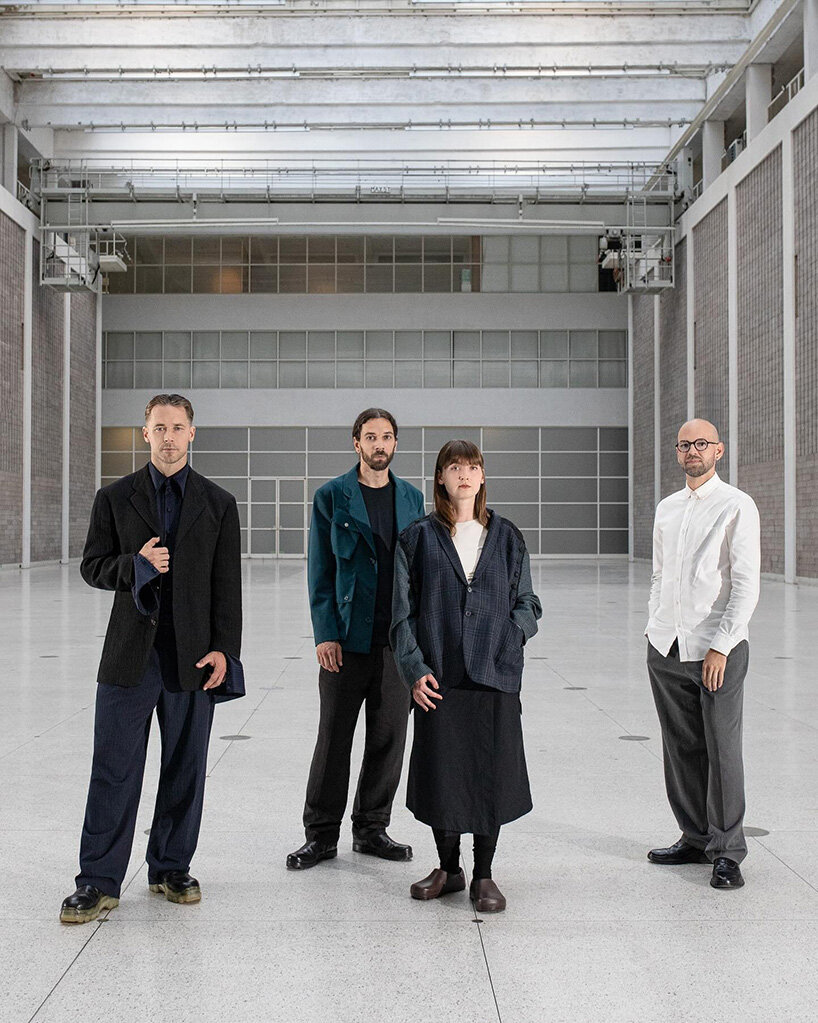
Jakub Jansa, Alex Selmeci, Tomáš Kocka Jusko, and Peter Sit | image by @shotby.us
Denmark – Completely Surreal
Seduction meets disruption as Denmark appoints Maja Malou Lyse to represent the country at the 61st International Art Exhibition of La Biennale di Venezia. Marking a generational shift, Lyse becomes the youngest artist ever selected for the Danish Pavilion, bringing a multidisciplinary practice that probes objectification, identity, and social norms through images that deliberately attract and unsettle.
Working across video, installation, performance, and text, Lyse draws on familiar visual formats, from television and tabloids to billboards and social media, to expose the mechanics of contemporary spectacle. Grounded in the body’s relationship to the image, her contribution positions the Danish Pavilion as a charged site where desire, power, and representation collide, injecting the Biennale with a sharp, self-aware intensity.
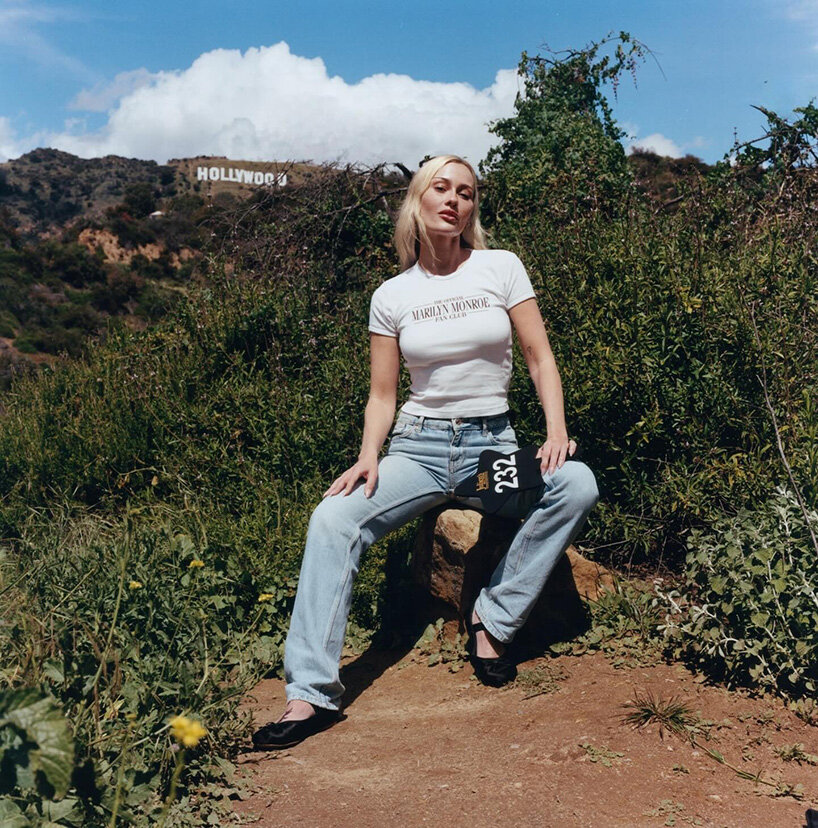
Maja Malou Lyse by @zo03e
Estonia – The House of Leaking Sky
The Estonian Pavilion presents The House of Leaking Sky, a new commission by Merike Estna, curated by Natalia Sielewicz. Throughout the Biennale, Estna will paint in public view, transforming the pavilion into a live studio where the act of painting unfolds daily as a durational performance. Beginning with a blank canvas activated by pouring paint directly onto the floor, the work gradually expands across twenty-two canvases, ultimately forming one large-scale composition that grows in dialogue with the architecture of the former church in Venice’s Castello district.
Estna approaches painting as a living system rather than a finished object. The exhibition foregrounds labour, repetition, and maintenance, inviting audiences to witness the slow accumulation of gesture and time. Studio elements remain visible, ceramic tiles painted by the artist extend the work across the floor, and garments designed in collaboration with Lilli Jahilo become part of the performative process.
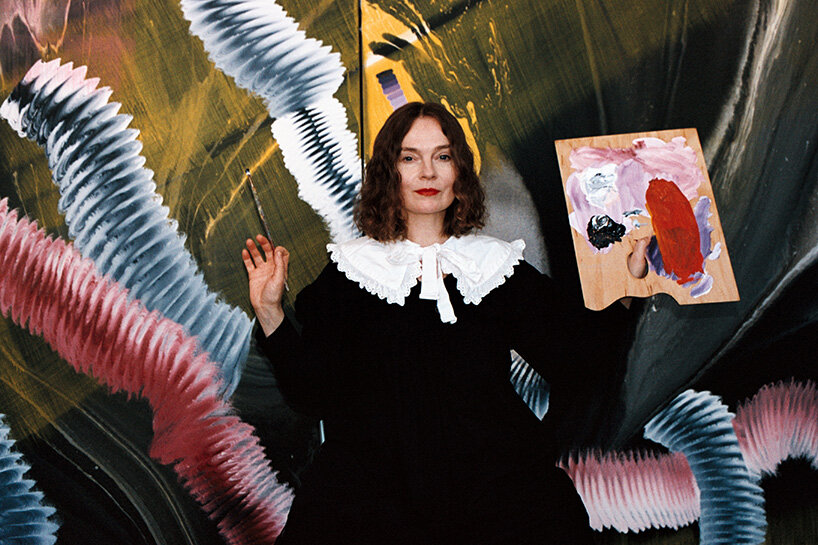
Merike Estna | image by Marta Vaarik
Finland
Blending biology with code, Jenna Sutela has been selected to represent Finland at the 61st International Art Exhibition of La Biennale di Venezia. Curated by Stefanie Hessler, Director of Swiss Institute in New York, the pavilion will present newly commissioned work that continues Sutela’s exploration of living systems, ranging from the human microbiome and planetary ecologies to language, algorithms, and artificial intelligence.
Chosen through an open call organized by Frame, the proposal stood out for its conceptual depth and the long-standing collaboration between artist and curator. Known for merging scientific research with speculative storytelling, Sutela creates immersive environments where biological and computational processes intertwine.
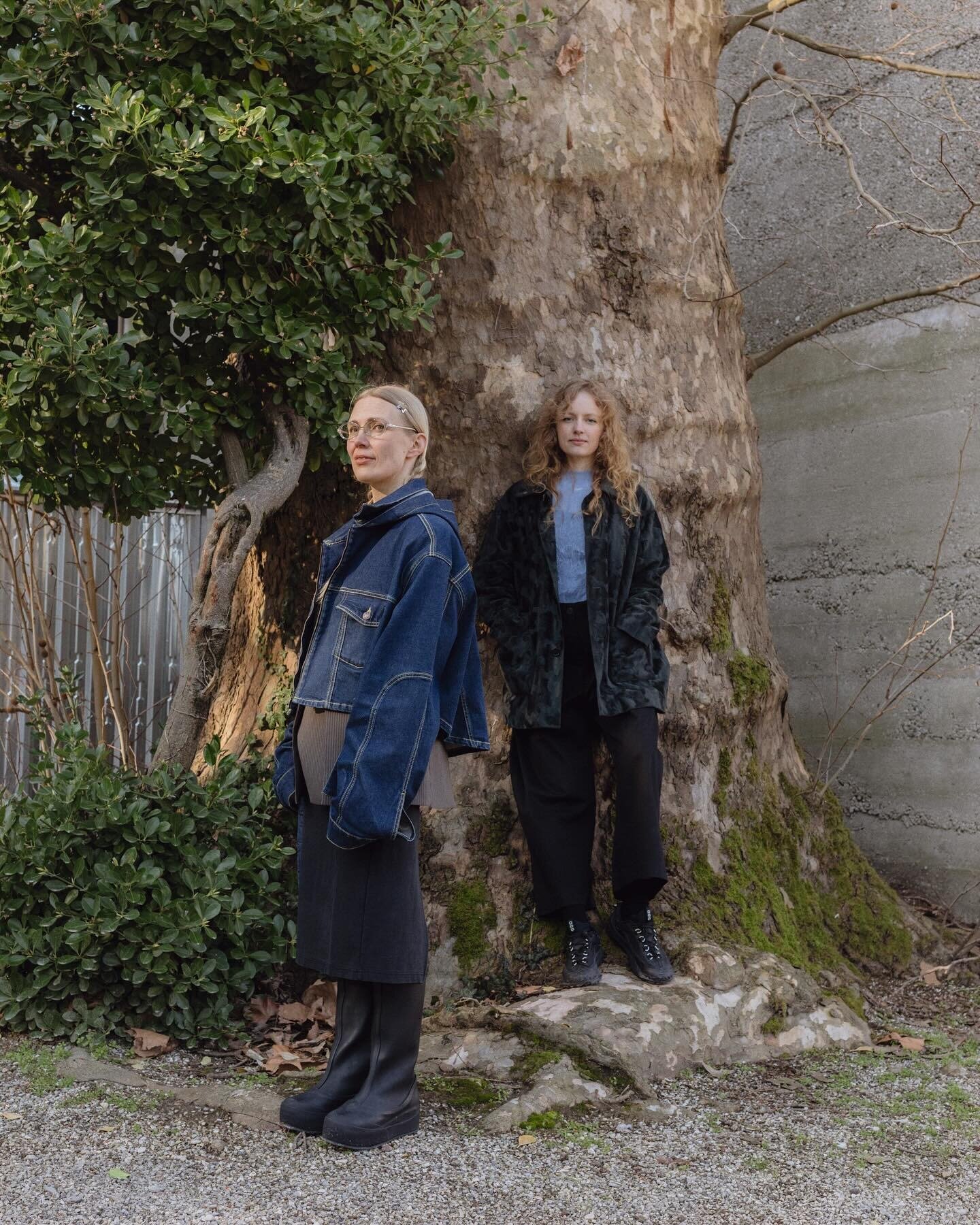
Jenna Sutela (left) and Stefanie Hessler | image by Matteo de Mayda for Frame Contemporary Art Finland
France
France appoints Yto Barrada to represent the country at the 61st International Art Exhibition of La Biennale di Venezia, with an exhibition curated by Myriam Ben Salah, director of the Renaissance Society in Chicago. Known for her expansive, research-driven practice, Barrada works across film, installation, photography, sculpture, textiles, and publishing, weaving together micro-histories, botanical politics, pedagogical experiments, and alternative modernisms into layered narrative worlds.
Described by the selection jury as an artist who reimagines ‘social sculpture’ through collective thinking and alternative knowledge systems, Barrada’s work centers on transmission, collaboration, and the circulation of forms across cultures. From Paris to Tangier and New York, her practice amplifies overlooked, fragile, or forgotten voices, reframing modernist legacies through feminist, ecological, and playful lenses.
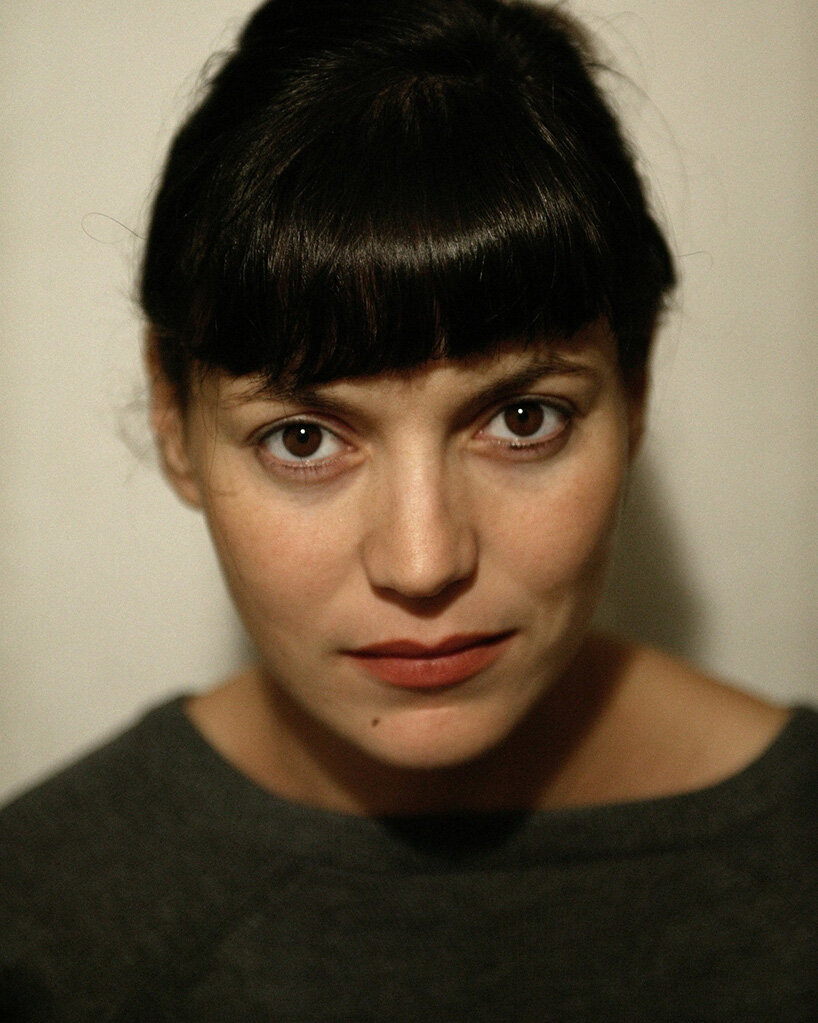
Yto Barrada | image © Benoît Peverelli
Germany
Two distinct yet intersecting practices shape Germany’s contribution to the 61st Venice Art Biennale, as Henrike Naumann and Sung Tieu were selected to jointly occupy the German Pavilion. Curated by Kathleen Reinhardt on behalf of ifa – Institut für Auslandsbeziehungen, the project brings together works that probe systems of order, social, political, and bureaucratic, while exposing the fractures that run between past, present, and future.
The presentation now takes on a different resonance following the passing of Henrike Naumann on February 14th, 2026, after a short and severe illness. Her death marks a profound loss for Germany’s artistic community, reframing the pavilion as one of her final major international projects.
Naumann approached political rupture through the language of interiors, taste, and everyday aesthetics, constructing immersive environments that reveal how ideology embeds itself in domestic space. Tieu, working across sculpture, sound, text, and archival materials, explores the afterlives of Cold War geopolitics, migration, and institutional control, creating installations where personal biography and global power structures intersect.
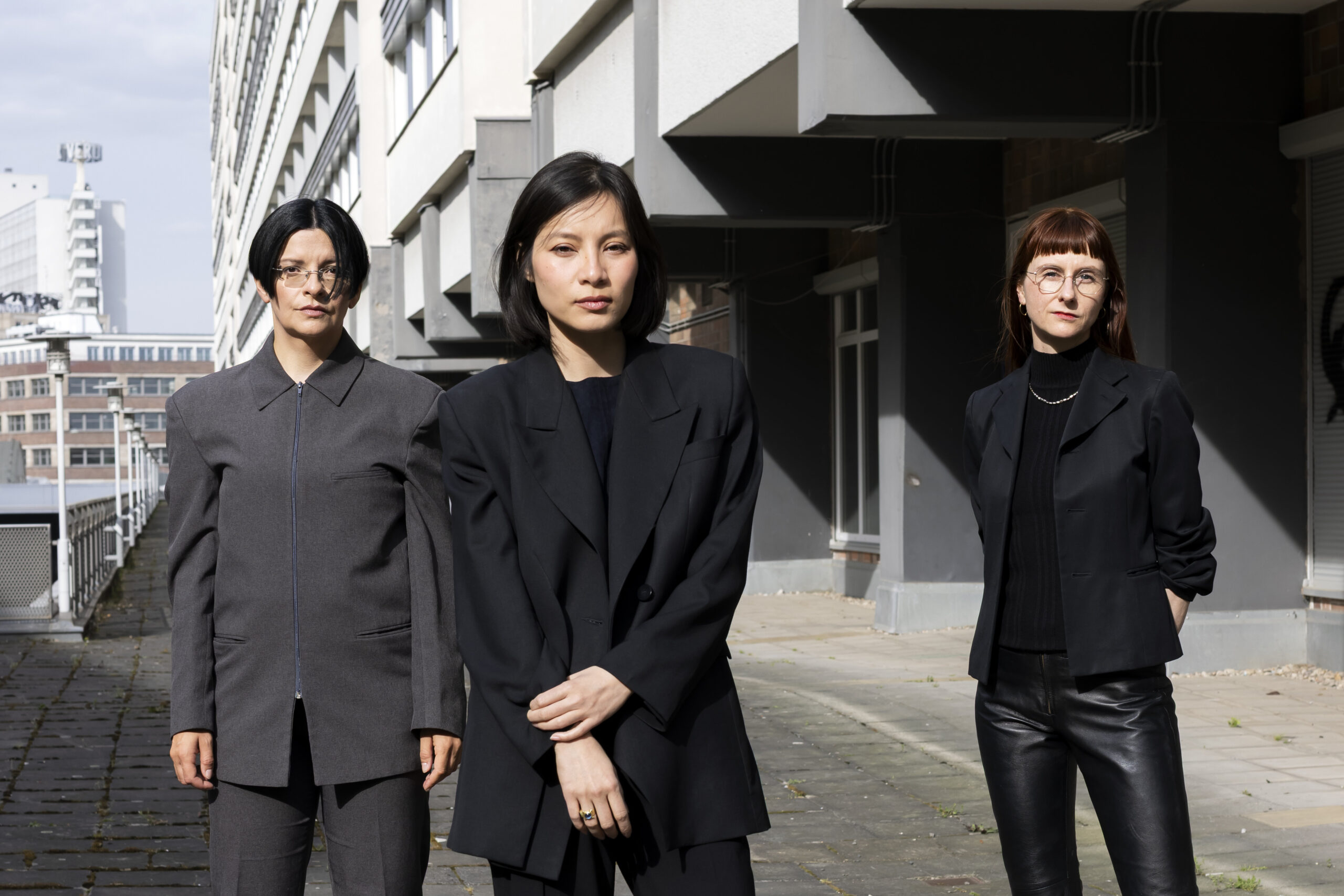
from left to right: Henrike Naumann, Sung Tieu and Kathleen Reinhardt | image by Victoria Tomaschko
Great Britain
Storytelling, historical revision, and radical optimism converge as Lubaina Himid is selected to represent Great Britain at the 61st International Art Exhibition of La Biennale di Venezia. The pioneering artist, one of the leading figures of the Black British Art Movement, will present a major solo exhibition of new work at the British Pavilion, expanding her long-standing engagement with race, feminism, cultural memory, and the politics of visibility.
Working across painting, sound, and sculptural installation, Himid is known for transforming historical research into vivid, spatial narratives that challenge Eurocentric canons and foreground overlooked Black presences in Western history.
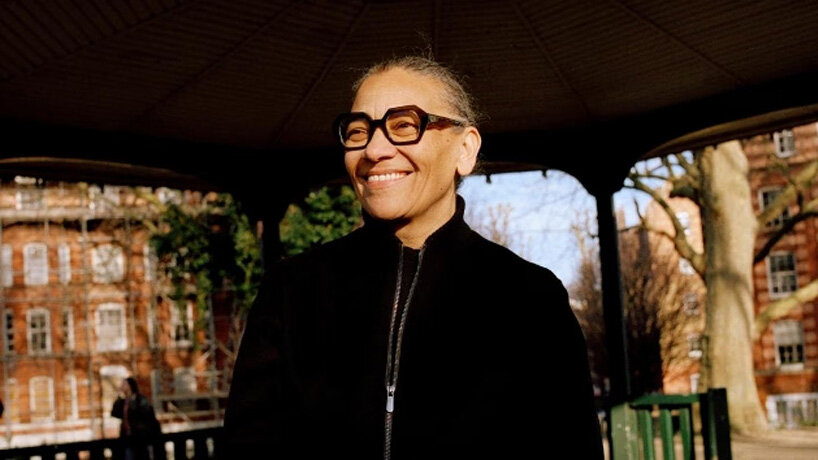
Lubaina Himid RA, CBE. © Adama Jalloh
Greece – Escape Room
Greece presents ESCAPE ROOM at the 61st International Art Exhibition of La Biennale di Venezia, a project by artist Andreas Angelidakis curated by Giorgos Bekiarakis. Developed as an immersive installation, the work draws on Angelidakis’ hybrid practice across architecture, performance, theory, and the digital realm, unfolding as a speculative environment where reality and simulation come together.
Referencing Plato’s cave through the logic of contemporary escape rooms, the pavilion becomes a space of self-confrontation rather than resolution. Images, feedback loops, and staged realities place the viewer at a critical distance from themselves, mirroring a condition shaped by post-truth, mediated experience, and cultural consumption. Escape Room exposes the mechanisms through which narratives, images, and ‘truths’ are produced.
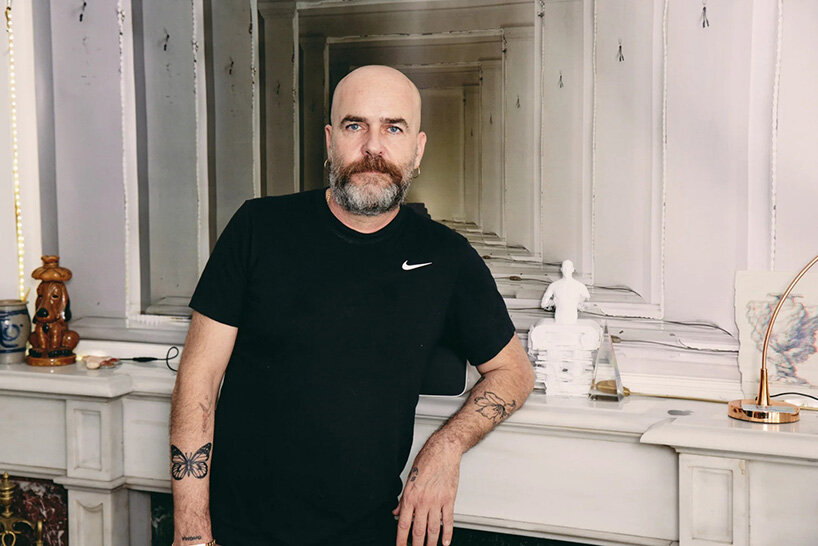
Andreas Angelidakis | image via Onassis Foundation
Hungary – Pneuma Cosmic
An invisible force takes shape at the Hungarian Pavilion as Koronczi Endre presents Pneuma Cosmic at the 61st Venice Art Biennale. Built around a fictional research project, the exhibition traces manifestations of a cosmic breath, an all-encompassing movement of air imagined as a vital, animating force that flows through matter, bodies, and landscapes. Scientific logic and poetic speculation coexist throughout the pavilion, gradually dissolving into an experience guided less by proof than by intuition.
Composed of conceptual, ephemeral works, Pneuma Cosmic invites attentive observation and sensorial drift. Koronczi’s long-standing investigation into airflows and immaterial phenomena positions wind as both physical presence and metaphysical connector, blurring boundaries between self and environment. Moving from the concrete toward the abstract, the installation aligns with contemporary discourses on environmental aesthetics and perception, proposing a renewed sense of responsibility and attunement to the invisible systems that quietly sustain life.
Iceland
Atmosphere, intuition, and language in flux shape Iceland’s presentation at the 61st Venice Art Biennale, led by Reykjavík-based artist Ásta Fanney Sigurðardóttir. Working across poetry, composition, film, drawing, sculpture, and live performance, Sigurðardóttir builds ephemeral worlds that resist fixed meaning, hovering between the mystical, the experimental, and the conceptual. Her practice privileges sensation over explanation, unfolding as a sequence of moods, gestures, and sonic fragments rather than linear narratives. Central to her work is the live transmission of words, treated as a quasi-spiritual act. where improvisation, humor, and spontaneous rewriting become tools for connection. Through dreamlike vocal structures and layered visual languages, Sigurðardóttir explores the porous boundary between the conscious and subconscious, proposing intuition as a form of knowledge in an increasingly technologized world.
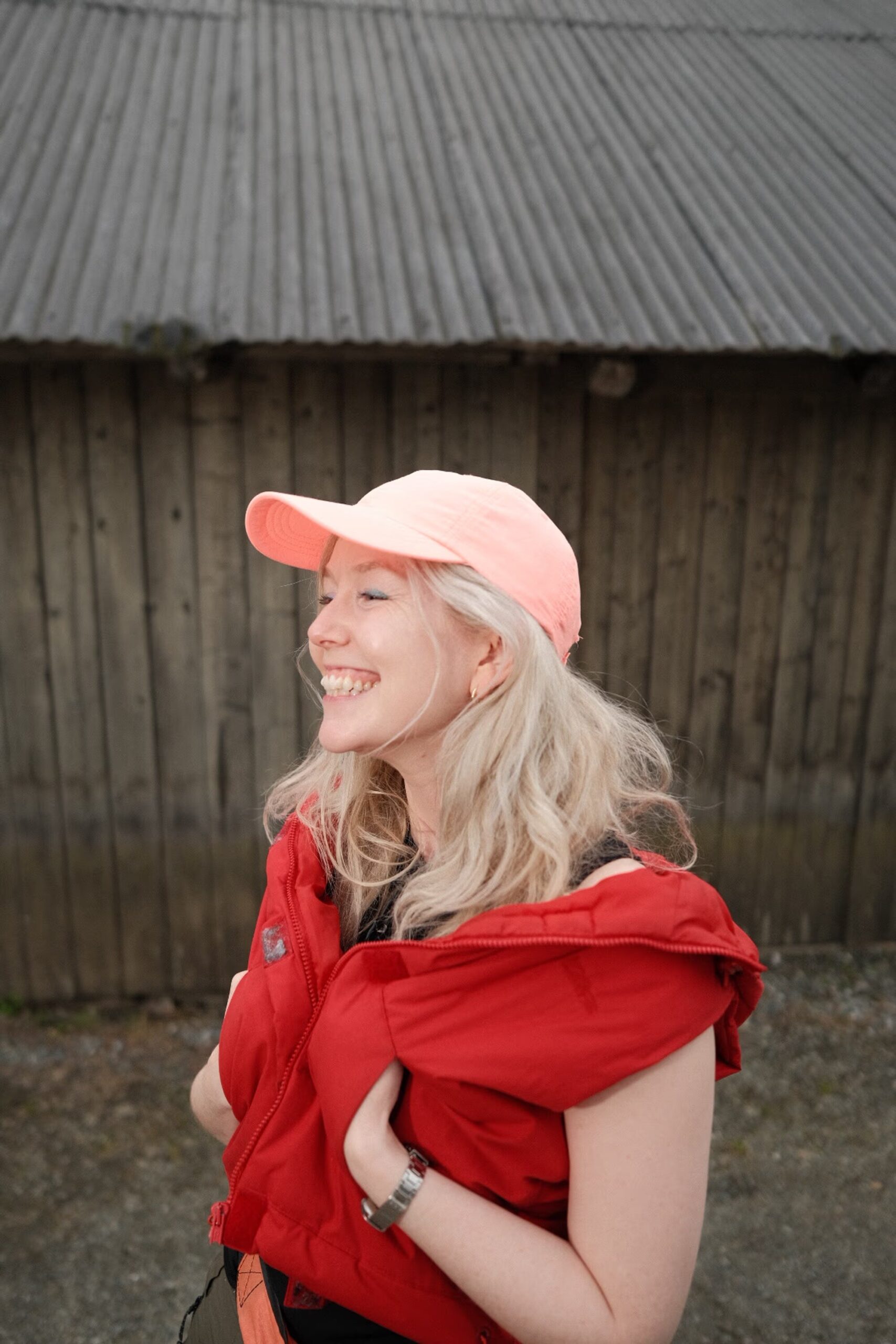
Ásta Fanney Sigurðardóttir | image by Hallvar Bugge Johnsen
india – Geographies of Distance: remembering home
Marking its return to Venice for the first time since 2019, the Pavilion of India presents Geographies of Distance: remembering home, a group exhibition curated by Dr. Amin Jaffer. Presented by the Ministry of Culture, Government of India, in partnership with the Nita Mukesh Ambani Cultural Centre and Serendipity Arts Foundation, the pavilion gathers works by Alwar Balasubramaniam (Bala), Sumakshi Singh, Ranjani Shettar, Asim Waqif, and Skarma Sonam Tashi, foregrounding material practices rooted in millennia-old traditions.
The exhibition approaches home as a mutable condition shaped by movement, memory, and transformation. Responding to In Minor Keys, the artists work with organic and locally embedded materials, including soil, thread, clay, and recycled matter, to reflect on distance, belonging, and the lived realities of a rapidly urbanising nation with a vast global diaspora.
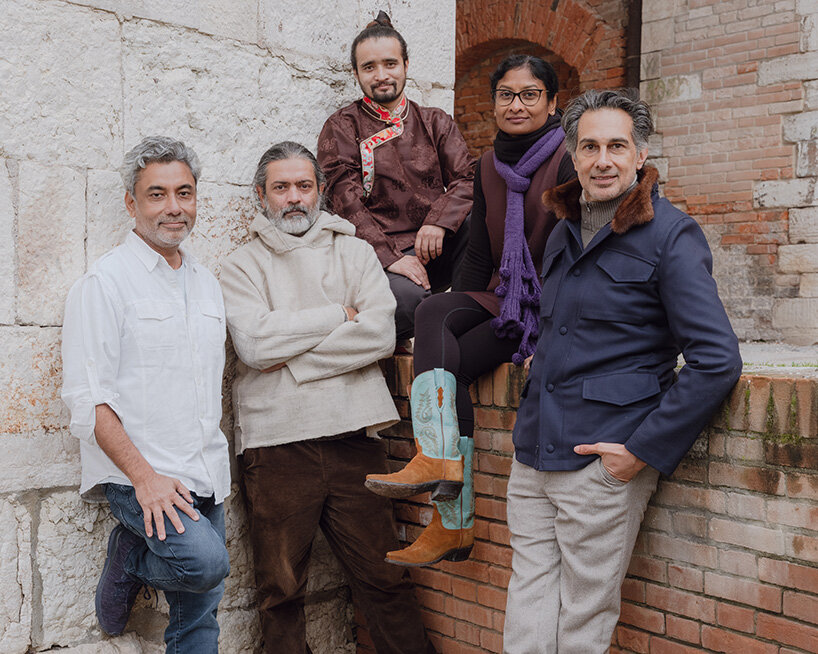
left to rignt: Alwar Balasubramaniam (Bala), Asim Waqif, Skarma Sonam Tashi, Ranjani Shettar, Dr. Amin Jaffer (Curator). Participating artist absent from image: Sumakshi Singh | image © Joe Habben
Ireland
Ireland appoints Isabel Nolan to represent the country at the 61st Venice Art Biennale, with Georgina Jackson and The Douglas Hyde Gallery of Contemporary Art shaping the pavilion’s curatorial vision. Selected through an international open call, Nolan brings to Venice a practice known for its poetic engagement with cosmology, deep time, mythology, mortality, and love, subjects she approaches not as abstractions, but as lived, felt experiences.
Working across sculpture, textiles, painting, drawing, photography, and writing, Nolan explores how humans give form to meaning, weaving emotional and philosophical inquiry into tactile, spatial encounters. Her work seeks connection rather than resolution, offering viewers ways to sit with complexity and even find affection for the fragile worlds we build.
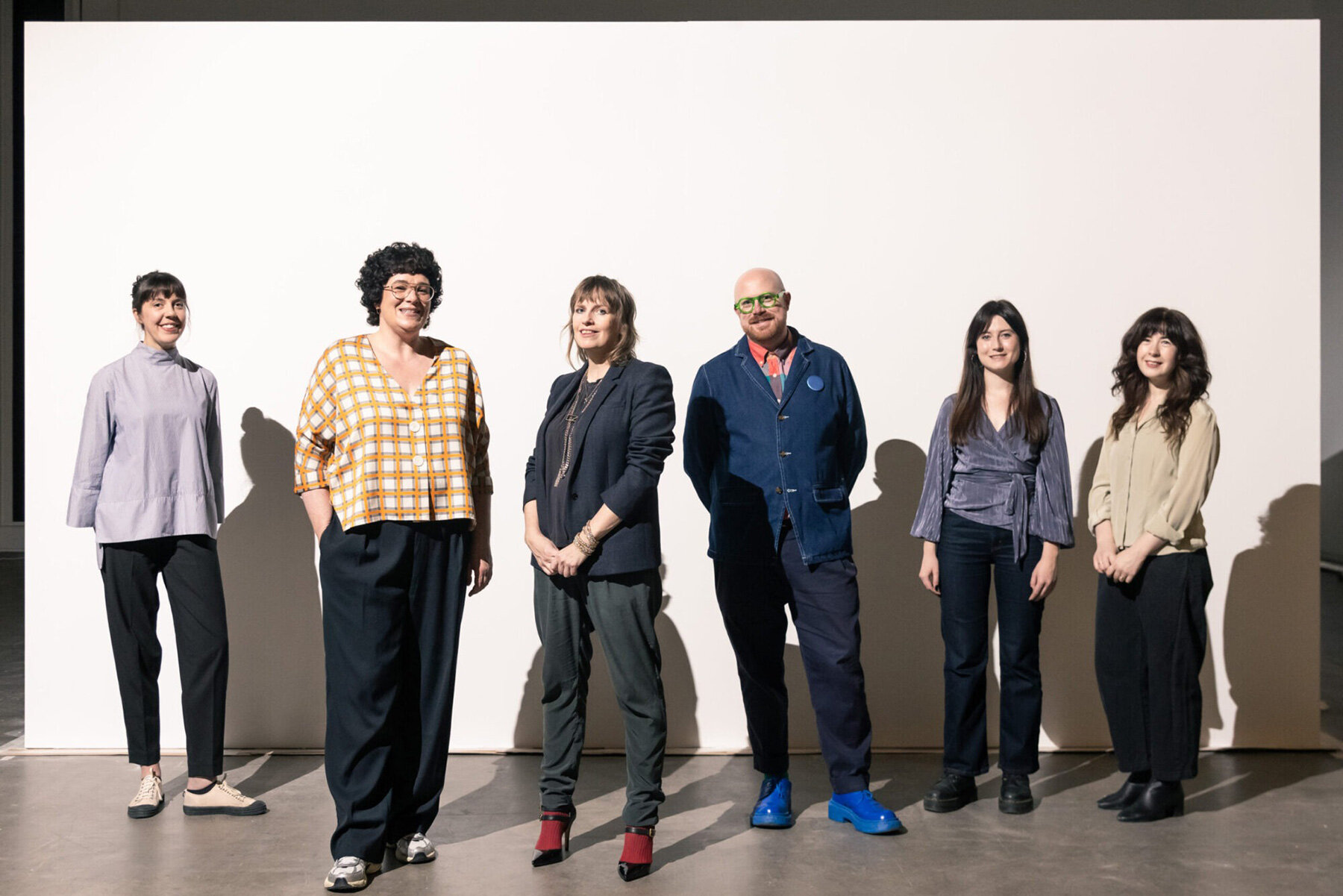
left to right: Emma Moore, curator Georgina Jackson, artist Isabel Nolan, producer Cian O’Brien, Niamh Darling and Rachel McIntyre at The Douglas Hyde Gallery of Contemporary Art, Dublin, 2024 | image by Ste Murray
Italy – Con te, con tutto
Italy selects Con te con tutto, a project by Chiara Camoni curated by Cecilia Canziani, to represent the country at the 61st International Art Exhibition of La Biennale di Venezia. Chosen by the Italian Minister of Culture following a two-stage public selection process, the proposal stood out for its poetic and conceptual depth, positioning material transformation, collaboration, and feminine genealogies at the heart of the Italian Pavilion. Described as a form of ‘magical materialism,’ the project treats nature as a living artistic laboratory,where myth, craft, and Mediterranean resonances intertwine. Rooted in shared making, friendship, and the circulation of knowledge, Con te con tutto dissolves traditional hierarchies between fine art and craft, foregrounding co-creation as both method and meaning. Camoni’s sculptural practice, long attentive to time, ritual, and collective gestures, unfolds here as a language of wonder, ecology, and relationality.
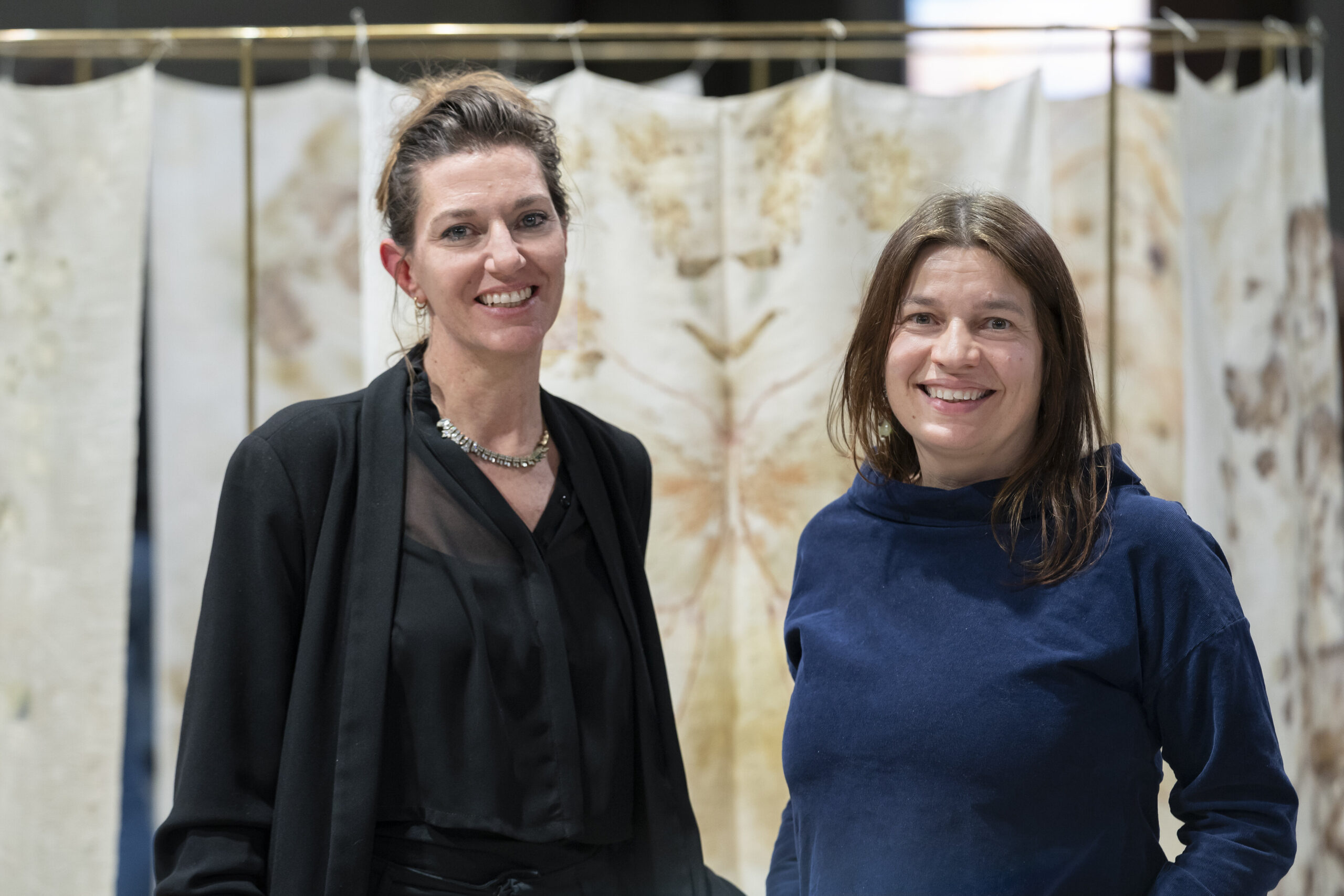
Cecilia Canziani and Chiara Camoni | image by Lorenzo Palmieri
Japan – Grass Babies, Moon Babies
More than 100 baby dolls will populate the Japan Pavilion in 2026 as Ei Arakawa-Nash unveils Grass Babies, Moon Babies, a new solo exhibition marking the pavilion’s 70th anniversary. Announced by the Japan Foundation, the project reflects Arakawa-Nash’s interest in circulation, care, and interdependence, drawing on the spatial relationship between the pavilion’s garden and architecture, an idea originally embedded in its design by YOSHIZAKA Takamasa.
Blending performance, sculpture, video, and participatory gestures, Grass Babies, Moon Babies weaves together personal biography, collective imagination, and experimental art histories, including a nod to the Sogetsu Art Center. Extending beyond the pavilion itself, the project introduces an expanded model of exhibition-making through artist-led crowdfunding, collaborations with fashion and literature, and community-based initiatives in Venice.
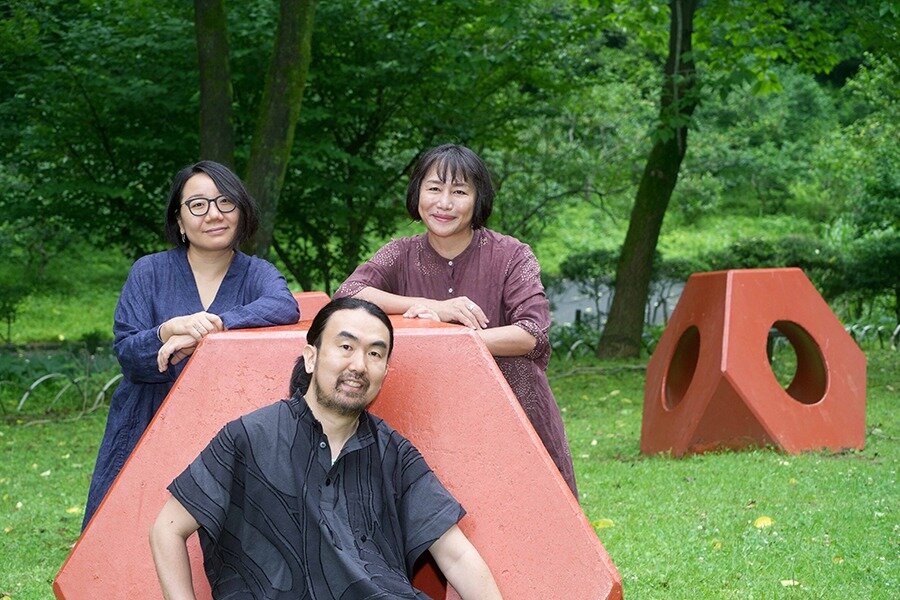
Horikawa Lisa, Ei Arakawa-nash, Takahashi Mizuki, with Isamu Noguchi’s octetra at Kodomonokuni (children’s land), Yokohama, Japan | image by Hako Hosokawa
Kosovo – Strong Teeth
Brilant Milazimi steps into the 61st International Art Exhibition with Strong Teeth, a moody, slow-burning universe of suspended figures and unresolved states that feel both intimately psychological and sharply geopolitical. Curated by José Esparza Chong Cuy for the Republic of Kosovo, the presentation unfolds as an immersive, near-hypnotic environment where Milazimi’s elongated bodies dwell in tension, waiting, enduring, enduring some more, hovering between contentment and unease. The work mirrors Kosovo’s own liminal status on the world stage, touching on partial recognition, bureaucratic inertia, and the emotional weather of contemporary displacement. Selected unanimously by a jury of leading curators, and commissioned by the National Gallery of Kosovo under Hana Halilaj, the pavilion signals a confident, painterly statement that radiates far beyond its national frame, speaking to global conditions of uncertainty with a disarming, deceptively simple visual language.
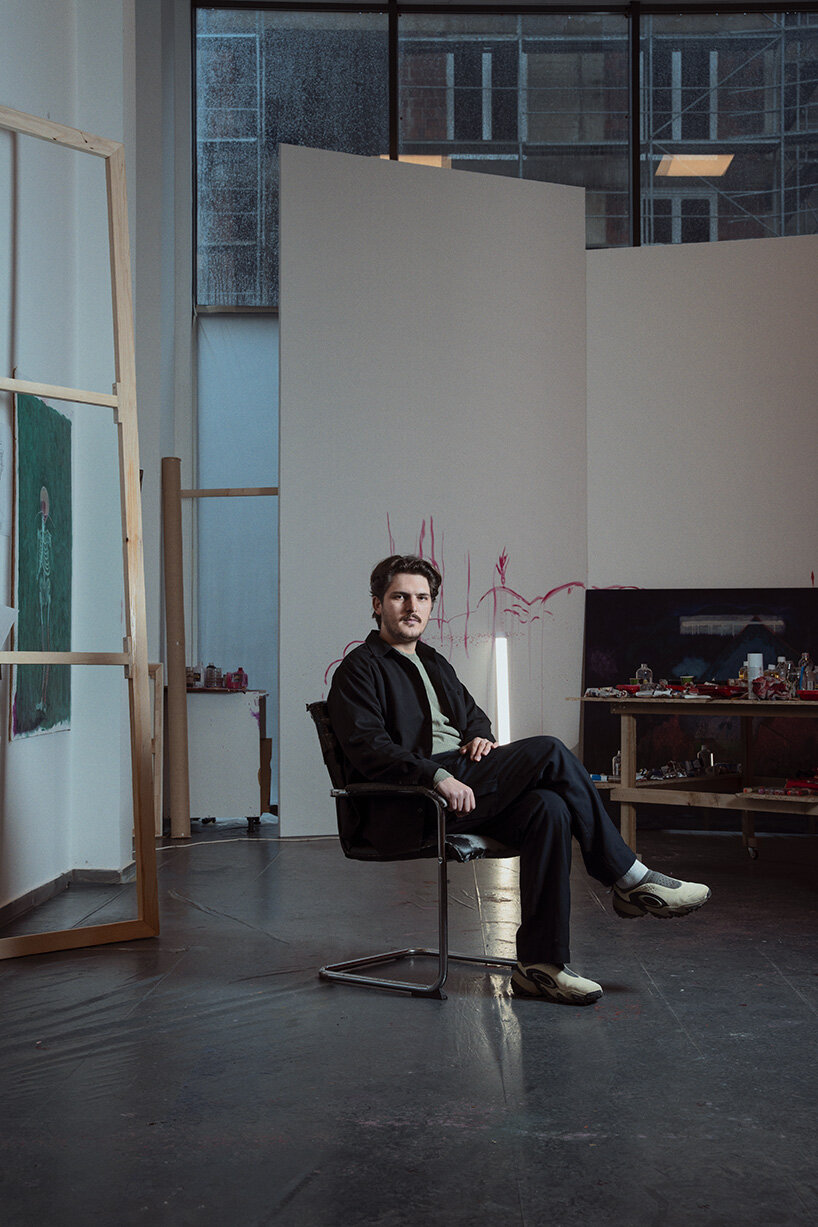
Brilant Milazimi image by Majlinda Hoxha
Latvia – Untamed Assembly: Backstage of Utopia
Latvia’s pavilion looks back to move forward with Untamed Assembly: Backstage of Utopia, an exhibition revisiting the radical legacy of the Untamed Fashion Assembly (UFA), a cult interdisciplinary platform active in Riga throughout the 1990s. Curated by Inga Lāce and Adomas Narkevičius, the project combines archival material with new scenographic interventions, centering on the work of UFA founder Bruno Birmanis alongside contemporary artist-designer duo MAREUNROL’S.
Emerging at a moment of political and cultural rupture, the Untamed Fashion Assemblies created a space where fashion, performance, drag, and visual art collided beyond both Soviet ideology and Western market logic. Framed as an unfinished, open-ended project, Untamed Assembly: Backstage of Utopia treats this history as a living resource, one that speaks directly to questions of gender self-performance, collective imagination, and artistic freedom today.
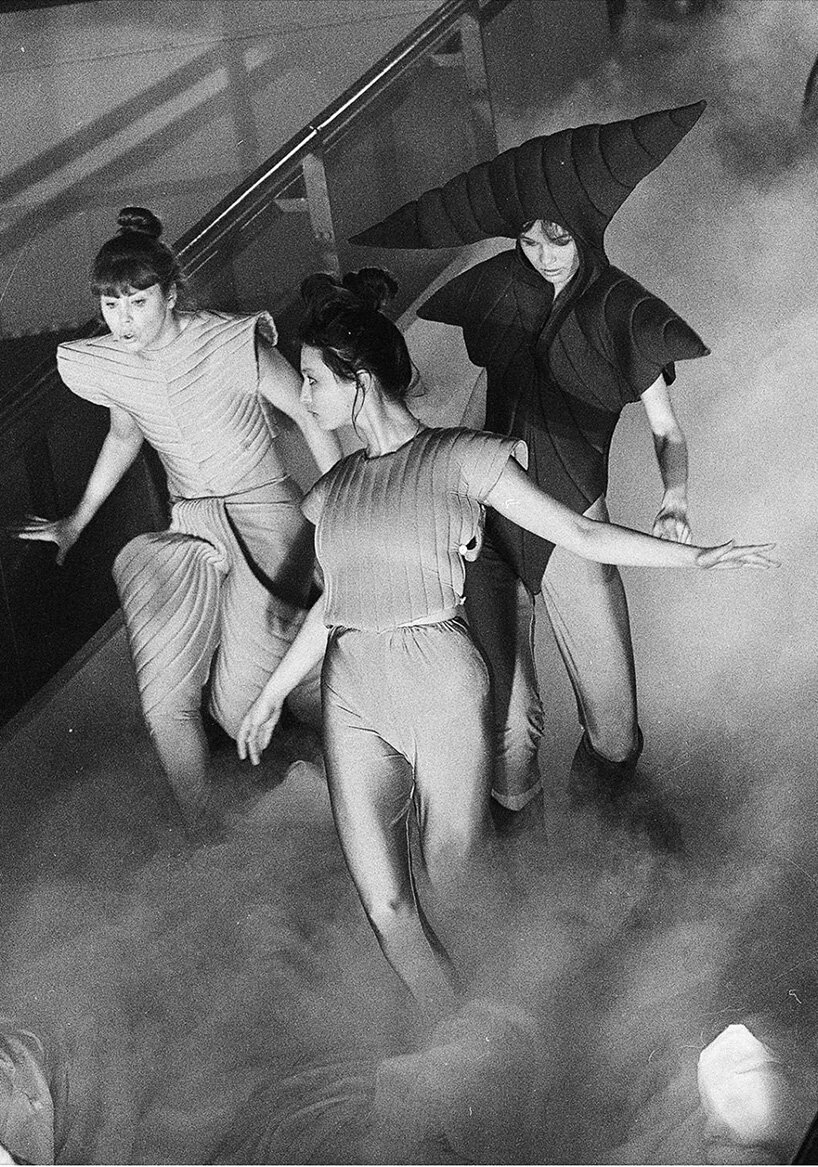
Untamed Fashion Assemblies 1994 opening performance at Riga Motor museum. Bruno Birmanis collection | image by Aivars Liepiņš
Lebanon
Cosmic geometries and meditative rhythms will shape Lebanon’s presence at the 61st Venice Art Biennale, as Nabil Nahas is selected to represent the country with a pavilion curated and commissioned by Nada Ghandour, in collaboration with the Lebanese Visual Art Association (LVAA). Installed at the Arsenale, the project draws on Nahas’ long-standing exploration of nature, mathematics, and the cosmos, unfolding through monumental works that hover between painting and sculpture.
Known for his use of fractal forms and layered, tactile surfaces, Nahas constructs immersive environments that navigate the tension between chaos and harmony, the spiritual and the material. His visual language merges scientific precision with poetic intuition, offering a sensorial experience that feels both intimate and infinite.
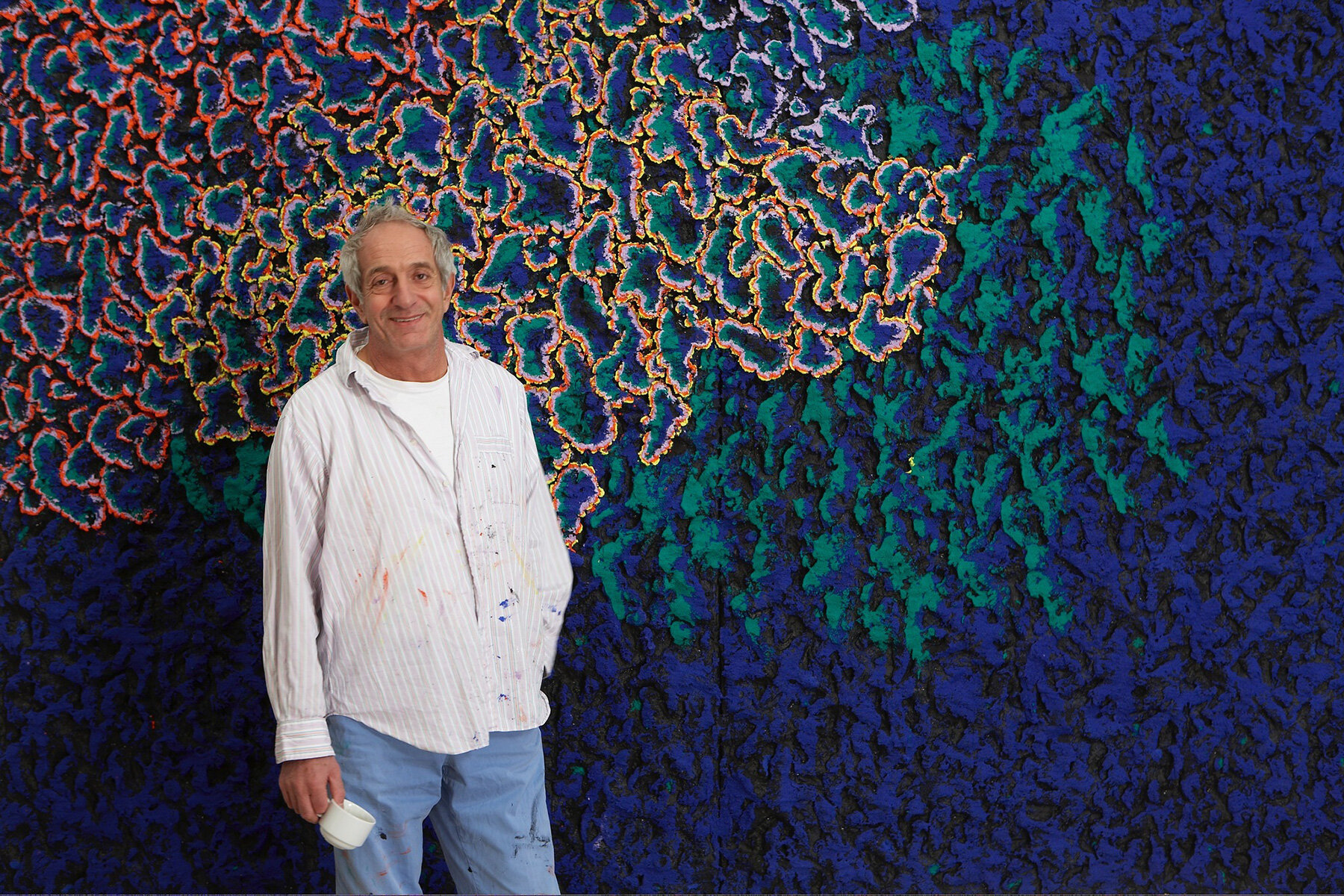
Nabil Nahas by Farzad Owrang | image courtesy of the artist
Lithuania – Warm Blooded and Earthbound
Lithuania presents a new multi-channel film and installation by Eglė Budvytytė, curated by Louise O’Kelly. Commissioned by the Lithuanian National Museum of Art, the project continues Budvytytė’s choreographic and cinematic explorations of collectivity, vulnerability, and embodied forms of resistance.
The pavilion is commissioned by Lolita Jablonskienė, Director of the National Gallery of Art in Vilnius, and will be architecturally conceived by Kārlis Bērziņš of ĒTER, known for co-designing the Baltic Pavilion at the Venice Architecture Biennale in 2016. His spatial approach is expected to amplify the sensorial and relational dimensions of Budvytytė’s work.
Produced in collaboration with KANAL–Centre Pompidou in Brussels, where the project will be presented in a new iteration in 2027, the pavilion positions Lithuania within a broader network of experimental exhibition-making that moves fluidly between film, performance, and installation.
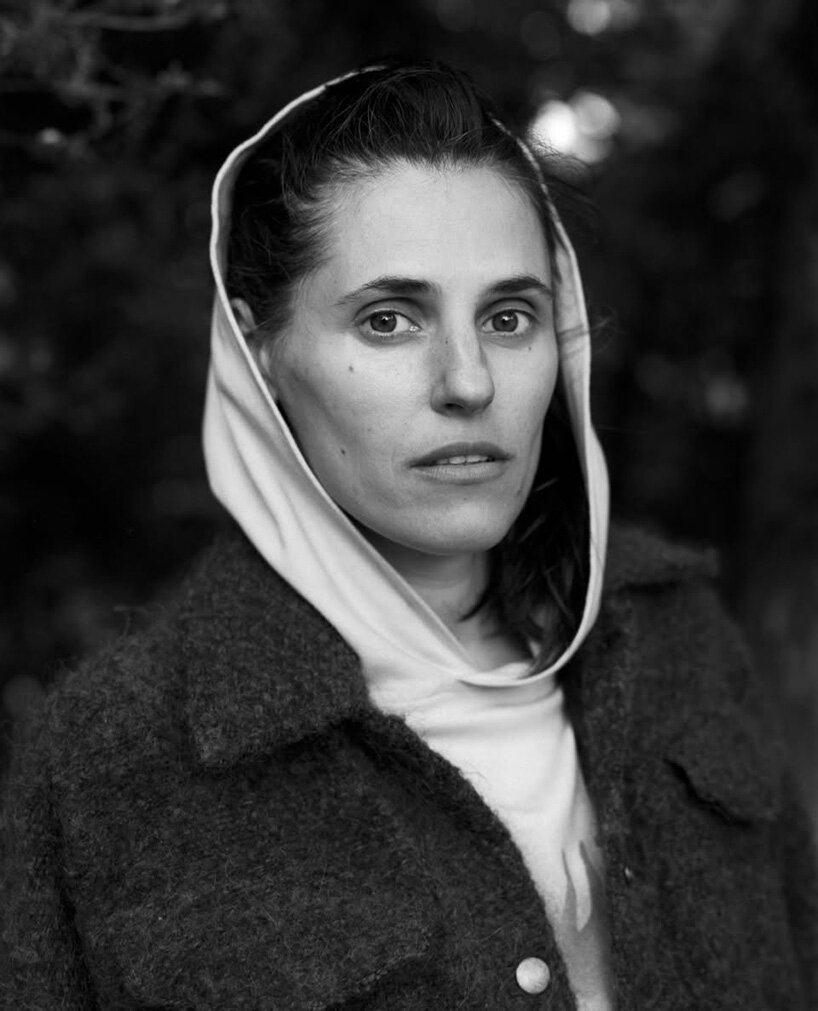
Eglė Budvytytė | image by Alexandre Guirkinger
Luxembourg
Luxembourg has selected Aline Bouvy to represent the country at the 61st Venice Art Biennale in 2026. The appointment was made by Kultur | lx – Arts Council Luxembourg, Commissioner of the national pavilions, in collaboration with Casino Luxembourg – Forum d’art contemporain, which will curate Luxembourg’s presentations at the Biennale in both 2026 and 2028.
The choice recognises Bouvy’s 25-year-long artistic trajectory, marked by formal rigor, conceptual boldness, and a persistent refusal to conform to expectations. Working across media and techniques, her practice unfolds as a dense, polymorphic body of work shaped by sustained research, international collaborations, residencies, and exhibitions. Rather than settling into a fixed language, Bouvy’s work remains in constant transformation, surprising, probing, and often deliberately unsettling.
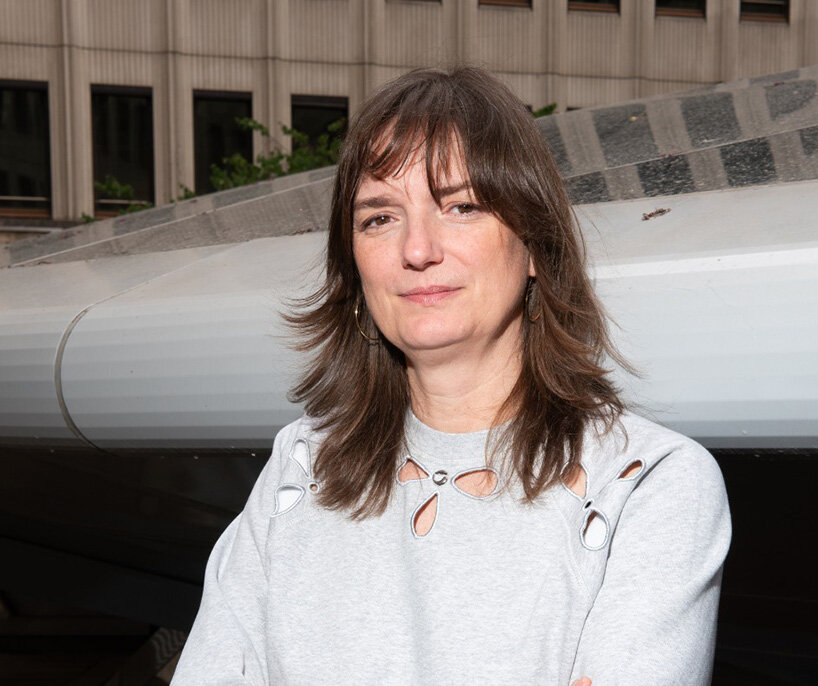
Aline Bouvy | image © Ernest Thiesmeier
Macao (China) – Jacone’s Polyphony
Anchored in historical resonance and contemporary dialogue, Jacone’s Polyphony represents Macao at the 61st International Art Exhibition of La Biennale di Venezia. Curated by Feng Yan and Ng Sio Ieng, and developed in collaboration with artists Fok Hoi Seng, O Chi Wai, and Lei Fung Ieng, the exhibition draws inspiration from the life and writings of Wu Li, also known as Jacone, a Qing Dynasty artist who studied theology in Macao.
Using ‘polyphony’ as both structure and metaphor, the pavilion unfolds as a layered conversation between past and present, East and West, faith and artistic practice. Through multiple voices and temporalities, Jacone’s Polyphony positions Macao as a porous cultural hinge, proposing a space where distinct identities coexist without dissolving, offering reflection on cultural movement, translation, and continuity in a globalised world.
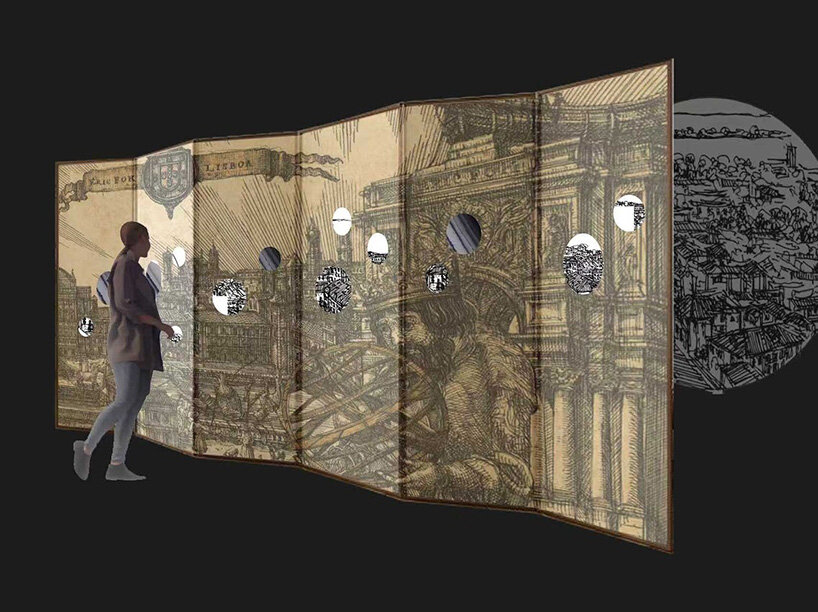
Sketch of the Jacone’s Polyphony: Eric Fok Silent Travelogue (Painting and Light Installation)
Malta – No Need to Sparkle
Malta will be represented by artists Adrian Abela, Charlie Cauchi, and Raphael Vella with No Need to Sparkle, a project that invites viewers to linger in uncertainty rather than resolve it. Rejecting dominant political and ideological certainties, the pavilion proposes doubt as a form of resistance, a way of navigating unstable times without relying on fixed truths.
Structured around three distinct yet interlinked works, No Need to Sparkle unfolds as a triangulation of belief systems in slow collapse. Fiction and reality blur, assumptions about good and evil, identity, and selfhood are quietly dismantled, and meaning slips out of reach.
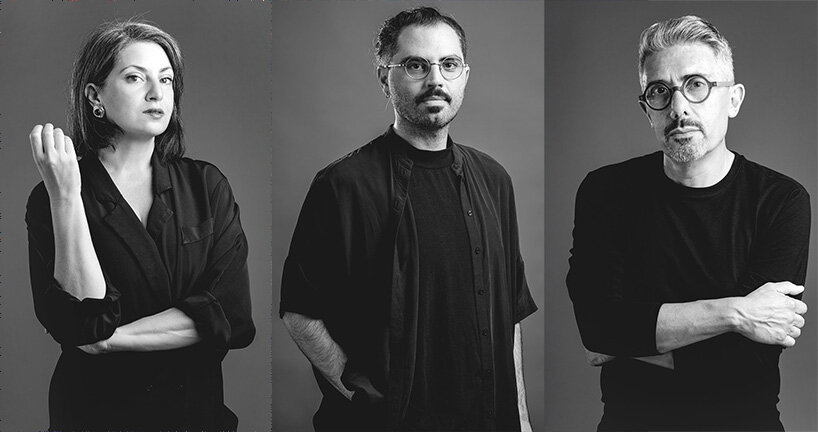
from left to right: Charlie Cauchi, Adrian Abela, and Raphael Vella | images via @maltapavilion2026
Morocco – Asǝṭṭa
Rooted in material knowledge and lived territory, Asǝṭṭa marks Morocco’s national presentation at the 61st International Art Exhibition of La Biennale di Venezia, and its first participation in the Arsenale. Developed by artist Amina Agueznay and curated by Meriem Berrada, the project foregrounds artisanal practices as living archives, carriers of memory, gesture, and collective narration that extend far beyond the object itself. Working with woven structures and hand-crafted elements produced in collaboration with artisans across Morocco, Agueznay transforms the vaulted industrial hall into a spatial threshold, drawing from the vernacular concept of the âatba as a passage between interior and exterior, private and collective, sacred and everyday.
Developed through a transdisciplinary, field-based methodology, the project builds on long-term exchanges with weavers, embroiderers, and other craftspeople, positioning them not as peripheral contributors but as co-authors of a shared visual language. Here, artisanal practice operates as a living archive, carrying embodied knowledge, gesture, and memory that extend beyond the finished form.
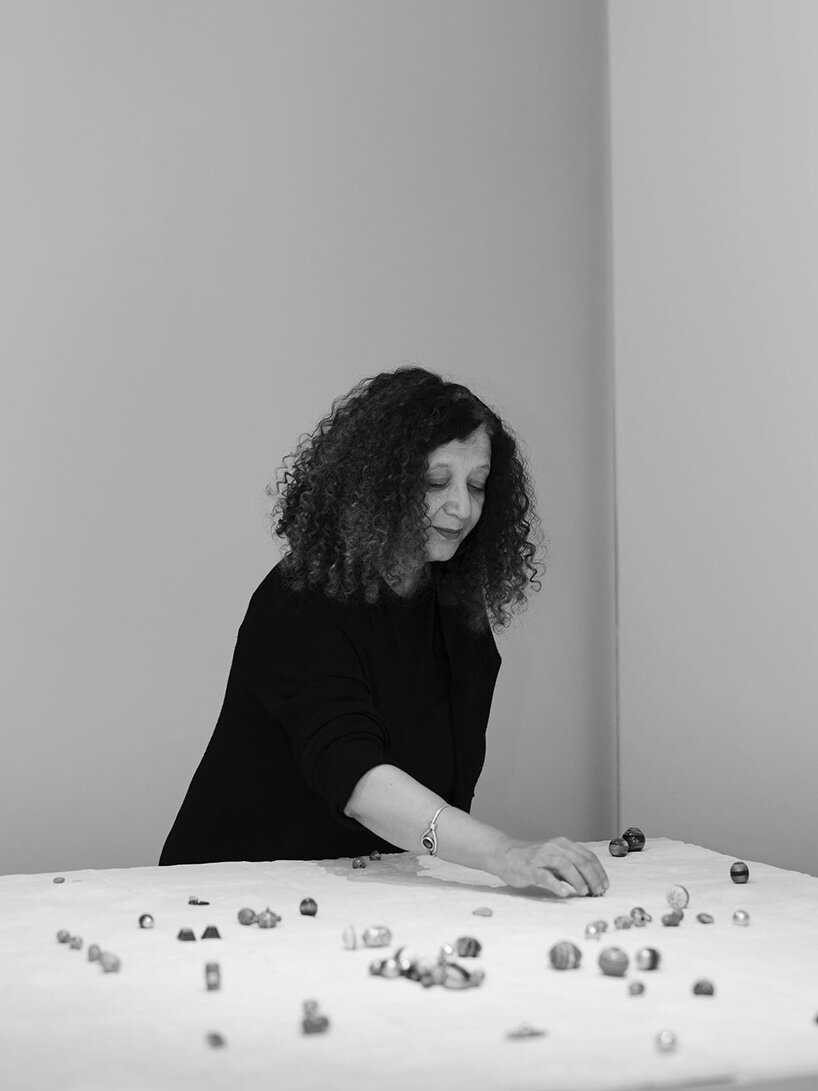
image via @loftartgallery
The Netherlands – Fortress
Artist Dries Verhoeven and curator Rieke Vos present The Fortress, a performance-based architectural intervention that will transform the Rietveld Pavilion into both stage and subject. Marking the first time performance enters the Dutch Pavilion, the project interrogates the human instinct for self-protection, the impulse to defend boundaries, peace of mind, and familiar ways of life amid growing uncertainty. Set within the modernist pavilion, a symbol of postwar optimism and internationalism, The Fortress exposes a tension between Western society’s enlightened self-image and its increasingly anxious outlook. Rather than offering answers, Verhoeven draws visitors into this contradiction, using the pavilion itself as a critical device. As the artist notes, the Biennale’s architecture reflects an old-world order, raising questions about whether these ideals of openness and progress still resonate today, or have quietly hardened into defensive postures.
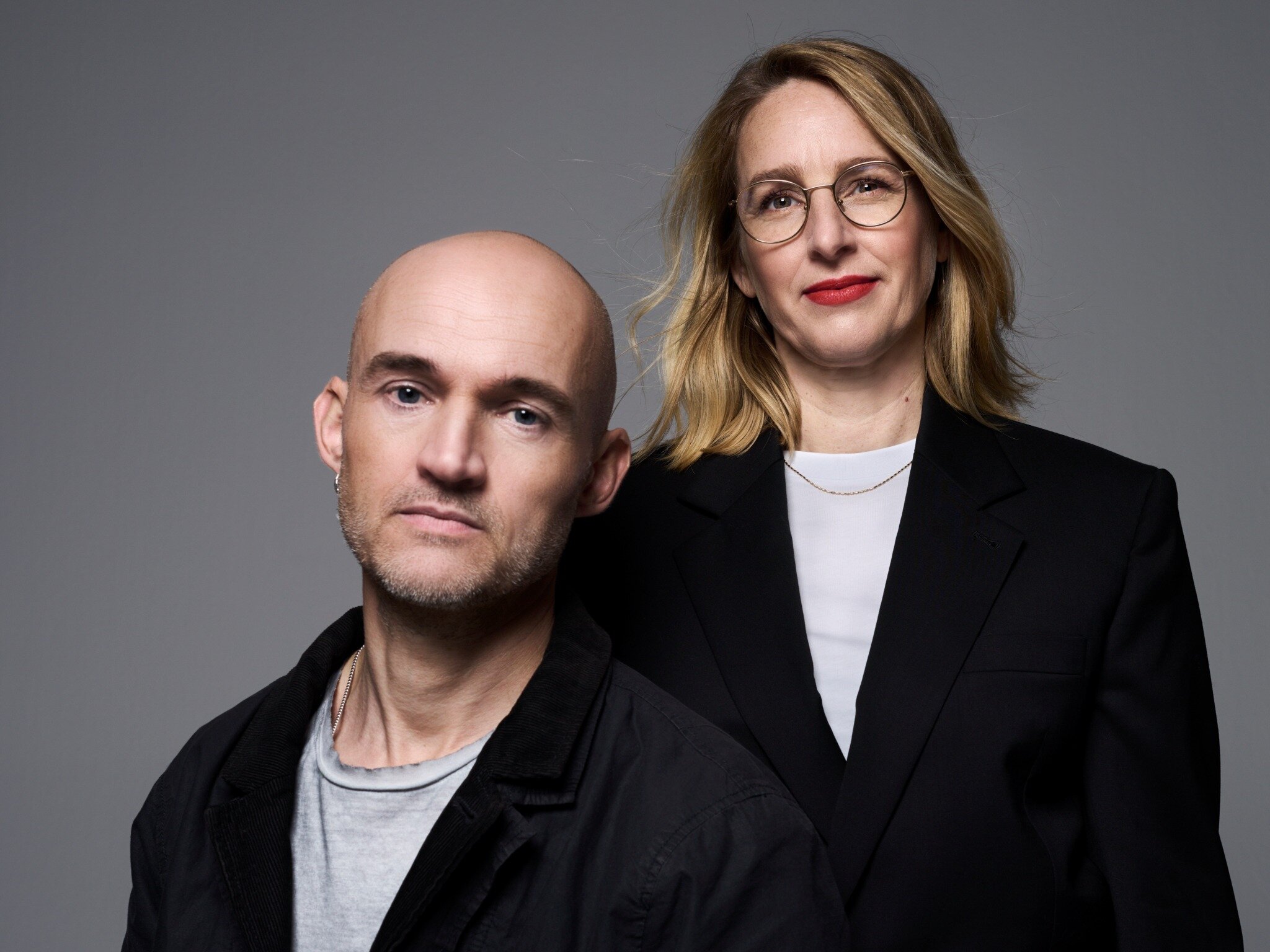
Dries Verhoeven & Rieke Vos | image by Robin de Puy
New Zealand – Taharaki Skyside
Renowned photographer Fiona Pardington will represent Aotearoa New Zealand at the 61st Venice Art Biennale, presented by the Arts Council of New Zealand Toi Aotearoa Creative New Zealand in partnership with Christchurch Art Gallery Te Puna o Waiwhetū. The pavilion is curated by Felicity Milburn and Chloe Cull, while Kent Gardner, Chair of the Arts Council of New Zealand Toi Aotearoa, serves as Commissioner. The 2026 presentation marks the 13th time Aotearoa New Zealand participates in Venice since 2001 and follows the international impact of Mataaho Collective’s Golden Lion in 2024.
On view at the Istituto Provinciale per l’Infanzia Santa Maria della Pietà in Castello, the pavilion centers on Taharaki Skyside, a new series of large-scale photographic portraits. Working with taxidermied birds drawn from museum collections across Aotearoa New Zealand and Australia, Pardington turns her lens toward specimens shaped by the intertwined histories of colonial collecting, scientific classification, and cultural loss. Focusing on species endemic to Aotearoa, including extinct and critically endangered manu such as the huia and whēkau, she situates the series within Dante’s poetic vision of the Southern Hemisphere as the site of Purgatory. The photographs honor the deep spiritual and cultural significance of birds within te ao Māori while confronting the museological frameworks that placed many of them behind glass rather than in the wild.
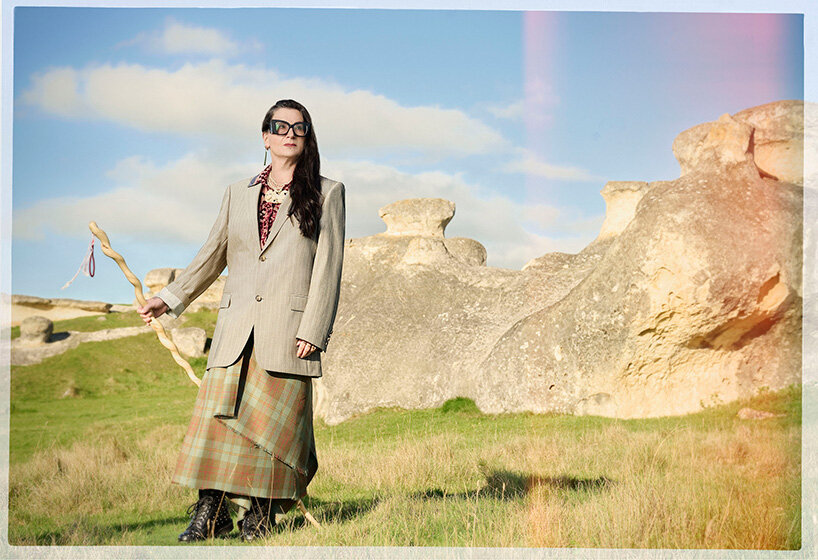
Fiona Pardington by Meek Zuiderwyk
Nordic Countries
The Nordic Countries Pavilion will bring together the work of Klara Kristalova, Benjamin Orlow, and Tori Wrånes for the 61st Venice Biennale, forming a multi-voiced exploration of transformation, resilience, and imagined realities. Curated by Anna Mustonen, the exhibition draws on Nordic mythologies while engaging with global questions of identity, survival, and gender, blurring the lines between fantasy and lived experience through sculpture, installation, and performance. Set within Sverre Fehn’s iconic modernist pavilion, the presentation stages a dialogue between art, architecture, and cultural memory. Kristalova’s psychologically charged ceramic figures, Orlow’s monumental investigations of space and narrative, and Wrånes’s immersive, performative environments will converge into a poetic landscape where vulnerability becomes a generative force, offering a sensorial, speculative counterpoint to dominant narratives of strength and stability.
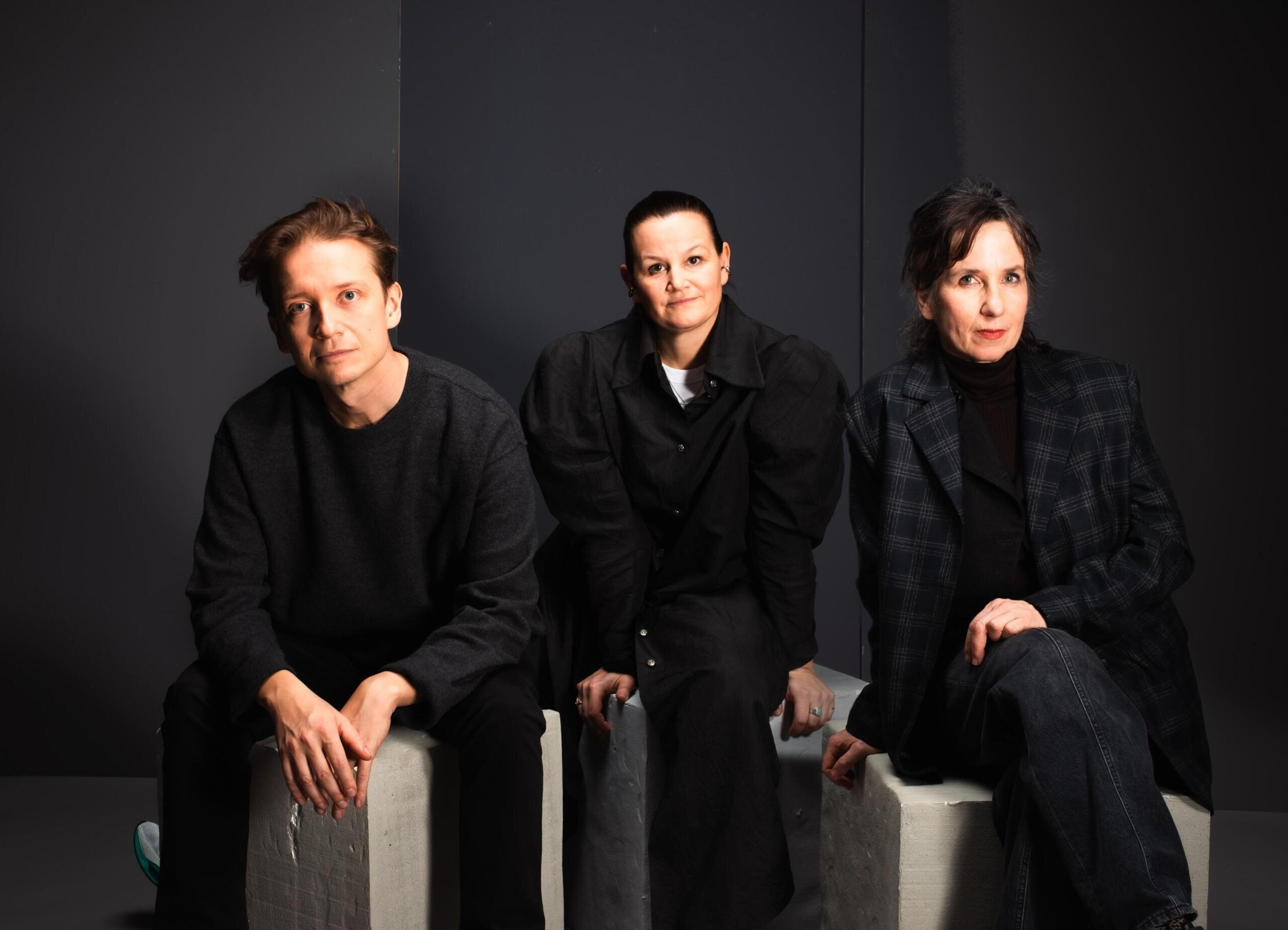
Benjamin Orlow, Tori Wrånes ja Klara Kristalova | image by Kansallisgalleria / Pirje Mykkänen
North Macedonia – Pieta in the Veils of Urgency
Reworking a canonical image of mourning through a contemporary lens, Pieta Under the Covers of Urgency will represent North Macedonia. Created by Skopje-based artist Velimir Zhernovski, the installation was selected for its conceptual clarity and visual force, standing out as an ‘original and compact’ proposal that moves beyond conventional modes of representation. Drawing inspiration from Michelangelo’s Pietà, Zhernovski’s work reframes the sculpture as a living, unsettled form, one that speaks to the present rather than the monumental past. Through reformulation and displacement, the installation reflects on urgency, vulnerability, and the politics of the body, engaging with themes of sexuality, identity, and visibility that have long shaped the artist’s practice.
pakistan – Punj•AB – A Sublime Terrain
With Punj•AB – A Sublime Terrain, Pakistan returns to the Venice Art Biennale for its second national participation, presenting a new body of work by Faiza Butt at Ex Farmacia Solveni in Dorsoduro. Commissioned by the Ministry of National Heritage and Culture of Pakistan, the pavilion is curated by Beatriz Cifuentes Feliciano, with Yaqoob Bangash serving as Commissioner.
Centered on the historic region of Punjab, split between India and Pakistan after the 1947 Partition, Butt’s work approaches the territory as a fractured yet enduring cultural terrain. Drawing on practices long relegated to the margins, including embroidery and textile-based processes, the artist reframes women’s labor and inherited forms of making as autonomous contemporary languages.
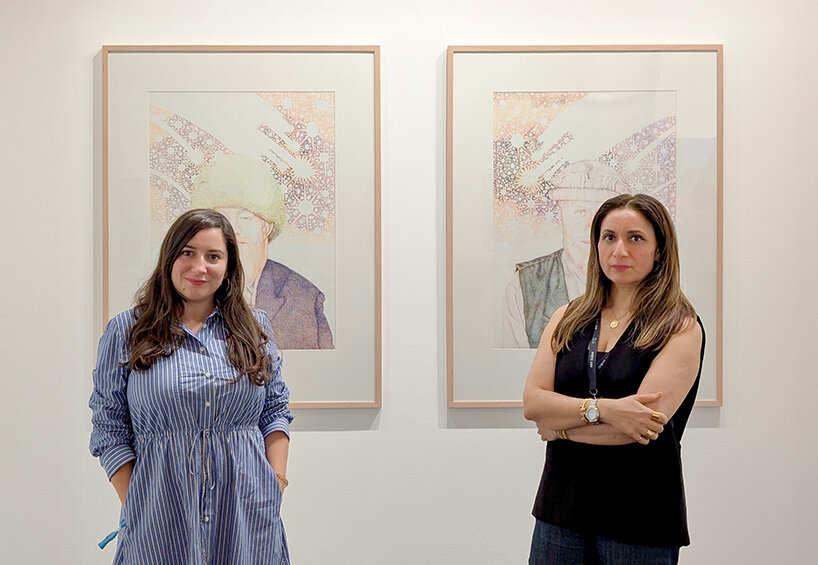
left to right: curator Beatriz Cifuentes Feliciano, artist Faiza Butt, 2025 | image by Mateusz Kozłowski
Peru – Sara Flores. De otros mundos (From other worlds)
Ancestral geometry meets contemporary presence as Peru’s National Pavilion at the 61st Venice Art Biennale will be represented by Sara Flores. Coordinated by the Patronato Cultural del Perú (PACUPE) and curated by Issela Ccoyllo and Matteo Norzi, with Armando Andrade de Lucio as Commissioner, the pavilion marks a historic first: the country’s inaugural presentation led by an Indigenous artist.
Flores will unveil new works that extend her lifelong exploration of Kené, the Shipibo-Konibo visual language passed down through matrilineal knowledge and made using vegetal pigments sourced from the forest. Rooted in reciprocity, ecological awareness, and cultural continuity, her practice transforms Kené into a living, evolving system, one that connects body, land, and cosmology.
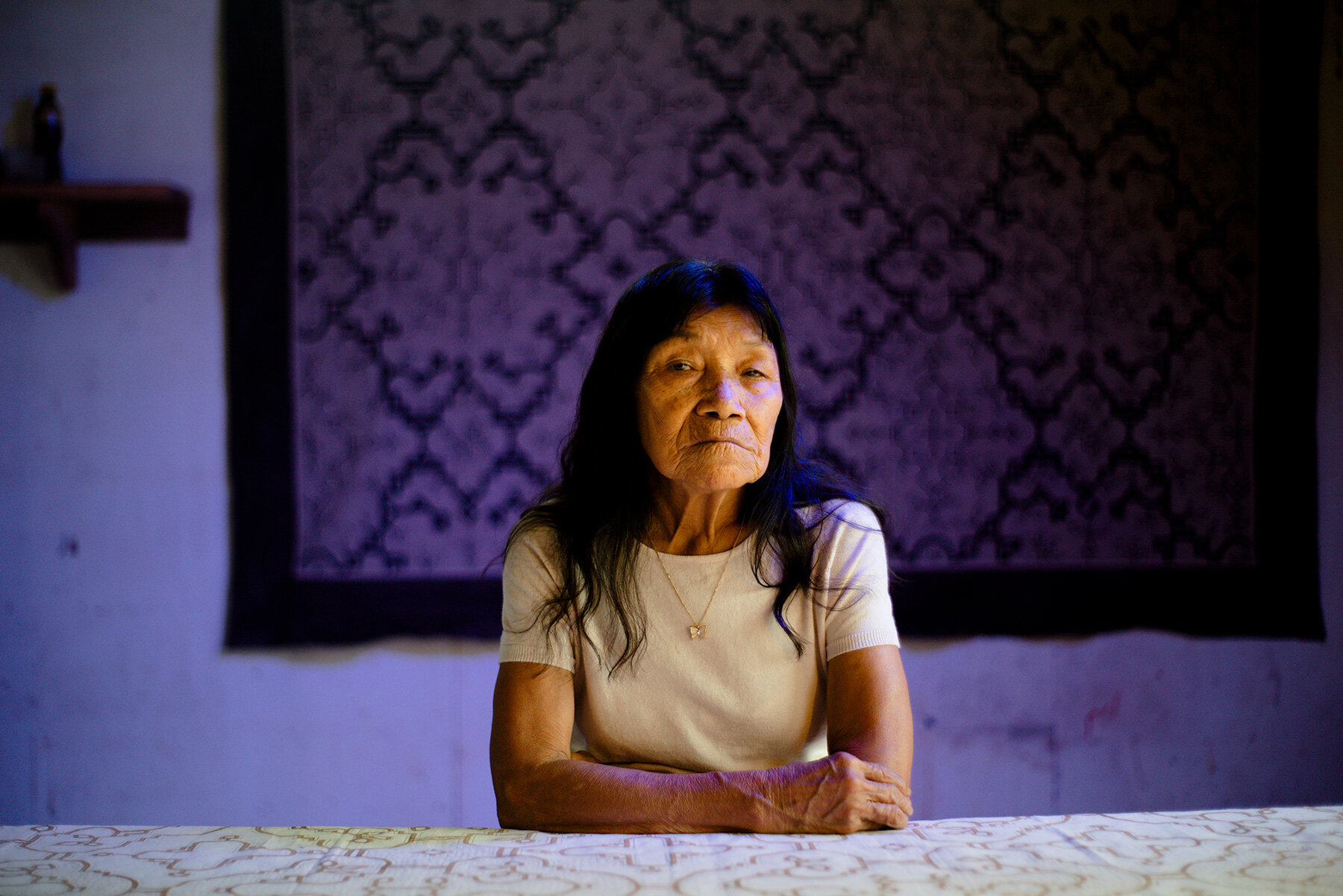
Sara Flores by Prin Rodriguez
Philippines – Sea of Love / Dagat ng Pag-ibig
For the Philippine Pavilion at the 61st International Art Exhibition of La Biennale di Venezia, Manila-based artist Jon Cuyson presents Sea of Love / Dagat ng Pag-ibig, curated by Mara Gladstone. The exhibition brings together painting, video, and sculptural works drawn from Cuyson’s three-decade practice, centering the lives of Filipino seafarers whose labor underpins global maritime economies.
Moving between the figures of ships, families, and mollusks, Sea of Love approaches the sea as a living archive shaped by memory, migration, and desire. Mussels emerge as both motif and metaphor, articulating kinship across land and water while foregrounding care, intimacy, and survival within the flows of globalization.
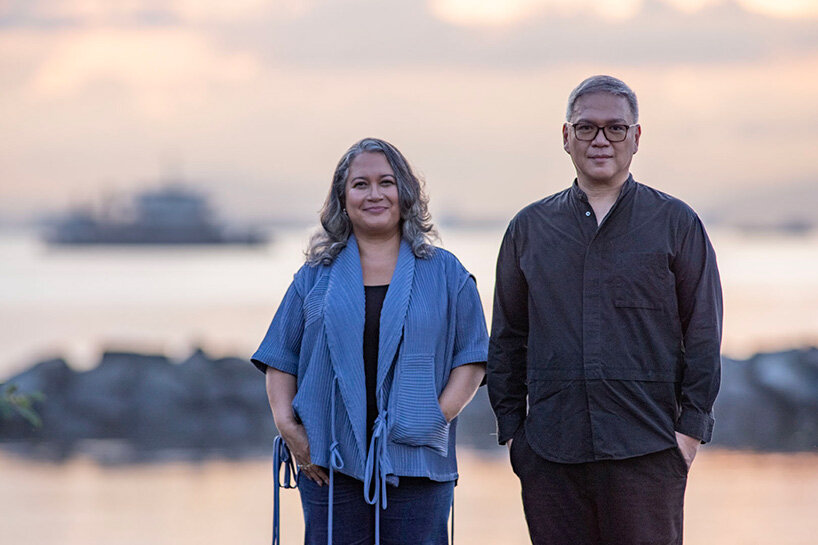
Mara Gladstone and Jon Cuyson | image by Ivan Sarenas
Poland – Liquid Tongues
Sound loosens its grip on language in Liquid Tongues, the project selected for the Polish Pavilion at the 61st Venice Art Biennale. Created by Bogna Burska and Daniel Kotowski, and curated by Ewa Chomicka and Jolanta Woszczenko, the installation proposes communication as a fluid, unstable field, one that extends beyond speech to encompass gesture, vibration, animal codes, and embodied listening.
Conceived as an immersive audio-video environment, Liquid Tongues brings together hearing and Deaf performers from Choir in Motion to interpret whale songs through spoken language and International Sign. Moving between underwater and terrestrial worlds, the work reframes deafness not as lack but as Deaf Gain: a distinct cultural and sensory system with its own poetic logic.
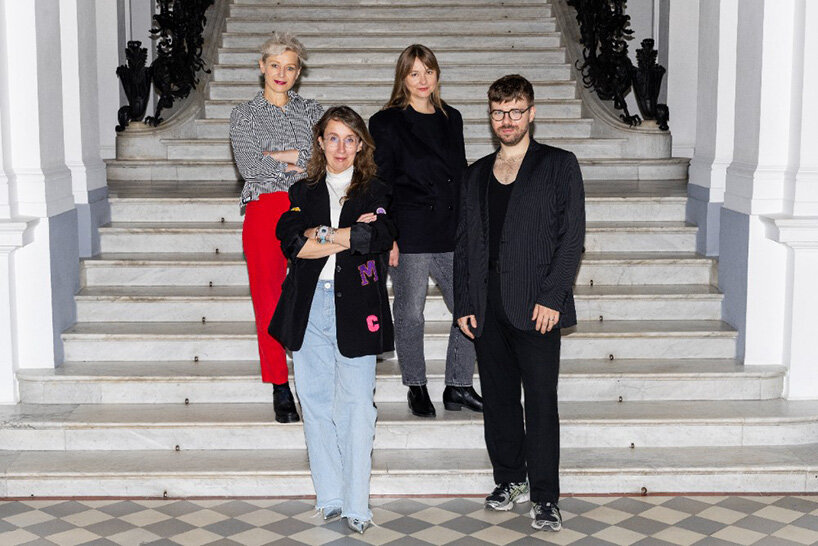
from left to right: Ewa Chomicka, Bogna Burska, Jolanta Woszczenko, Daniel Kotowski | image by Filip Preis / Zachęta Archive
portugal – RedSkyFalls
Turning seismic activity into image and sound, Alexandre Estrela’s RedSkyFalls reimagines the Portuguese Pavilion as a responsive, cybernetic organism. The project, curated by Ana Baliza and Ricardo Nicolau, operates in real time, translating global tectonic movements into audiovisual signals that ripple across the exhibition space. Drawing on natural anomalies, mythic creatures such as Japan’s prophetic Namazu catfish, and the philosophical aftershocks of the 1755 Lisbon earthquake, Estrela connects geological instability with shifting belief systems, from the rise of scientific reason to today’s uneasy faith in technology.
Rather than staging catastrophe, RedSkyFalls amplifies subtle vibrations, almost imperceptible signals, and minor disturbances, proposing what the artist describes as a ‘science of singularities.’sonant machine attuned to distant geophysical events.
San Marino – Sea of Sound
Sound becomes image in Sea of Sound, the project through which Northern Irish artist Mark Francis will represent the Republic of San Marino. Curated by Luca Tommasi, the pavilion presents a body of work that translates acoustic phenomena into painterly form, unfolding as a multisensory exploration of frequency, vibration, and emotional resonance. Hosted at the newly inaugurated Tana Art Space, between the Arsenale and the Giardini, the exhibition situates Francis’ long-standing interest in the relationships between art, sound, and science within a spatial, immersive environment.
Spanning two rooms, Sea of Sound moves between moving image and large-scale abstract painting, inviting visitors into a field of visual listening. A projection titled Listening Field introduces Francis’ world of synesthetic associations, while a selection of previously unseen oil paintings on canvas and aluminum deepens his inquiry into how sound can be perceived, filtered, and reimagined through color and form.
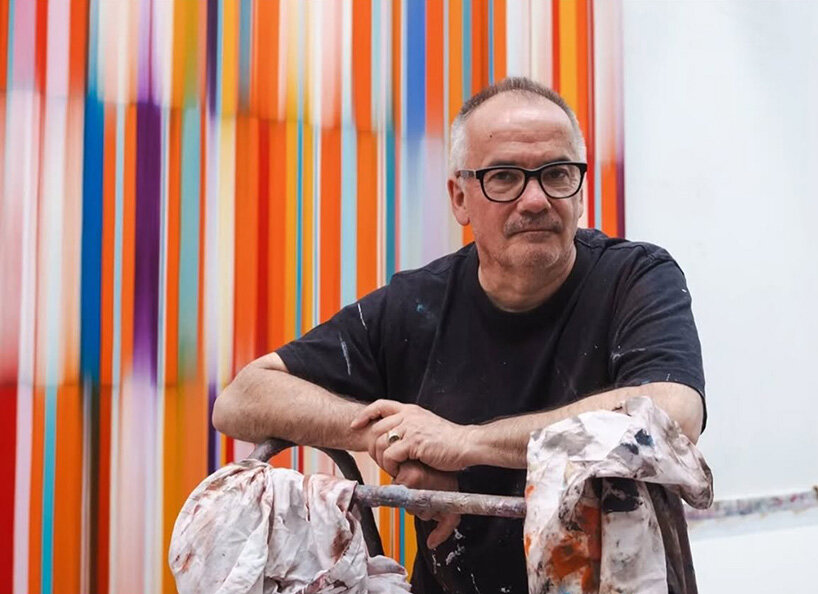
Mark Francis | image by Erin Francis via @biennalevenezia_sanmarino
Saudi Arabia
Artist Dana Awartani will represent Saudi Arabia with a commission curated by Antonia Carver, Director of Art Jameel, alongside assistant curator Hafsa Alkhudairi. Rooted in Islamic and Arab art-making traditions, Awartani’s practice merges material experimentation with historical continuity, often developed through close collaborations with master craftspeople whose knowledge spans generations and geographies. Her work foregrounds the fragile relationships between heritage, memory, and preservation, interrogating how cultural forms endure, adapt, or disappear.
For Venice 2026, Awartani will develop a major new work for the Saudi Pavilion that expands these concerns on an architectural and conceptual scale. Drawing on artisanal histories while employing contemporary strategies, the project explores the forces of care, erasure, and renewal embedded within cultural inheritance. While details of the exhibition remain under wraps, the presentation promises a meditative and materially rich environment that situates craft as an evolving language shaped by displacement, resilience, and collective memory.
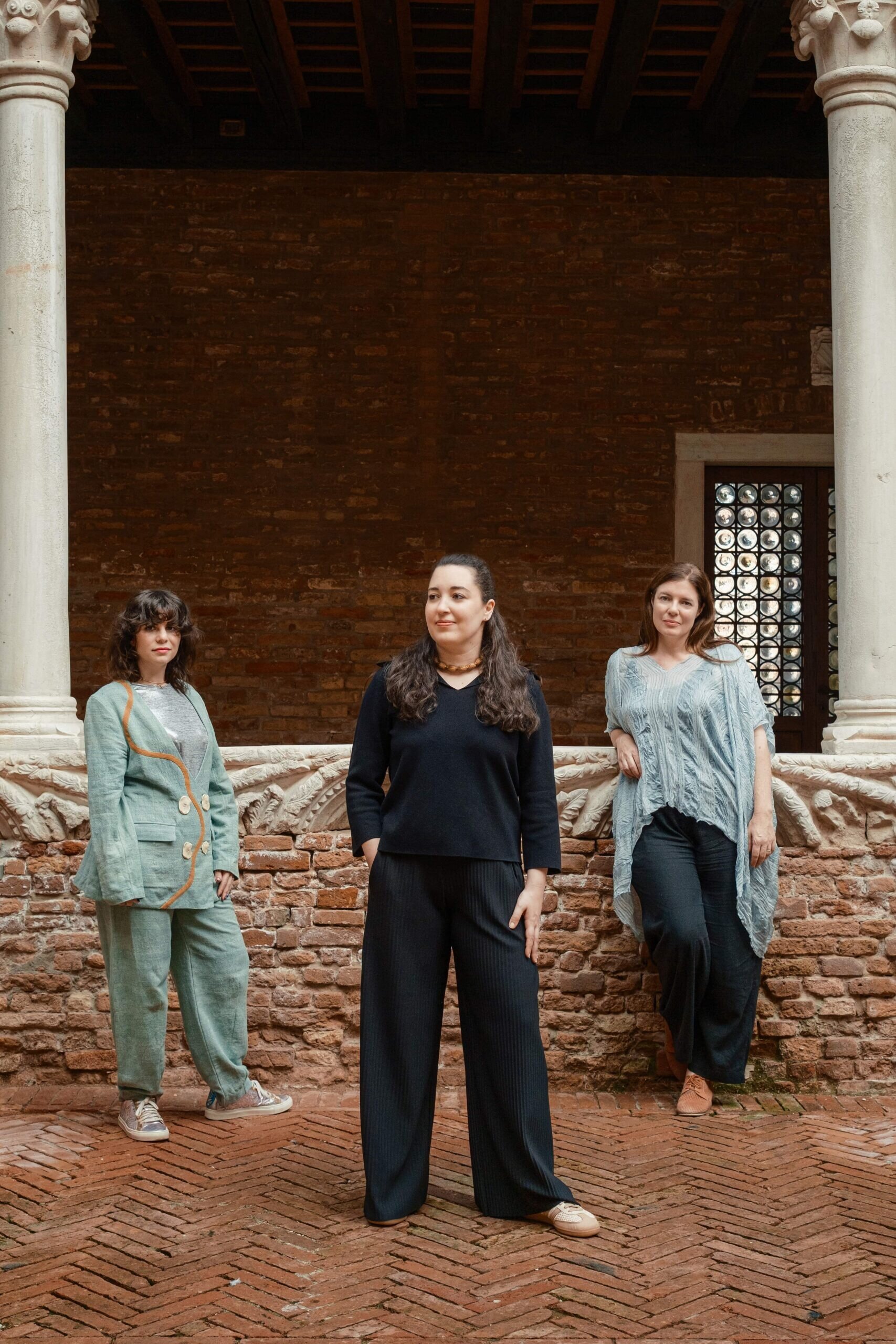
left to right: Hafsa Alkhudairi, Dana Awartani, Antonia Carver, Venice, 2025 Photo by Alvise Busetto Courtesy of Ministry of Culture
Scotland
Parade, performance, and protest converge in Scotland’s 2026 Venice presentation by Bugarin + Castle, a Glasgow-based duo known for their drag-inflected, research-driven installations. Curated by Mount Stuart Trust and commissioned by Scotland + Venice, the new project unfolds across sculpture, moving image, and live action, using the parade as a metaphor for how societies stage belonging, discipline emotion, and negotiate pride, shame, and visibility. Drawing from queer histories, Scottish archives, and Filipino cultural heritage, the artists examine how sound and costume operate as subtle technologies of control.
Rooted in cabaret culture and architectural thinking, Bugarin + Castle’s interdisciplinary practice blends spatial design with performance and film. Their Venice intervention will transform its venue into a layered, sensorial environment shaped by drag, choreography, and colonial echoes of sound regulation. After its debut, the project will return to Scotland for a series of presentations, including a major exhibition at Mount Stuart in 2027, extending the Biennale beyond spectacle into sustained, community-centered exchange.
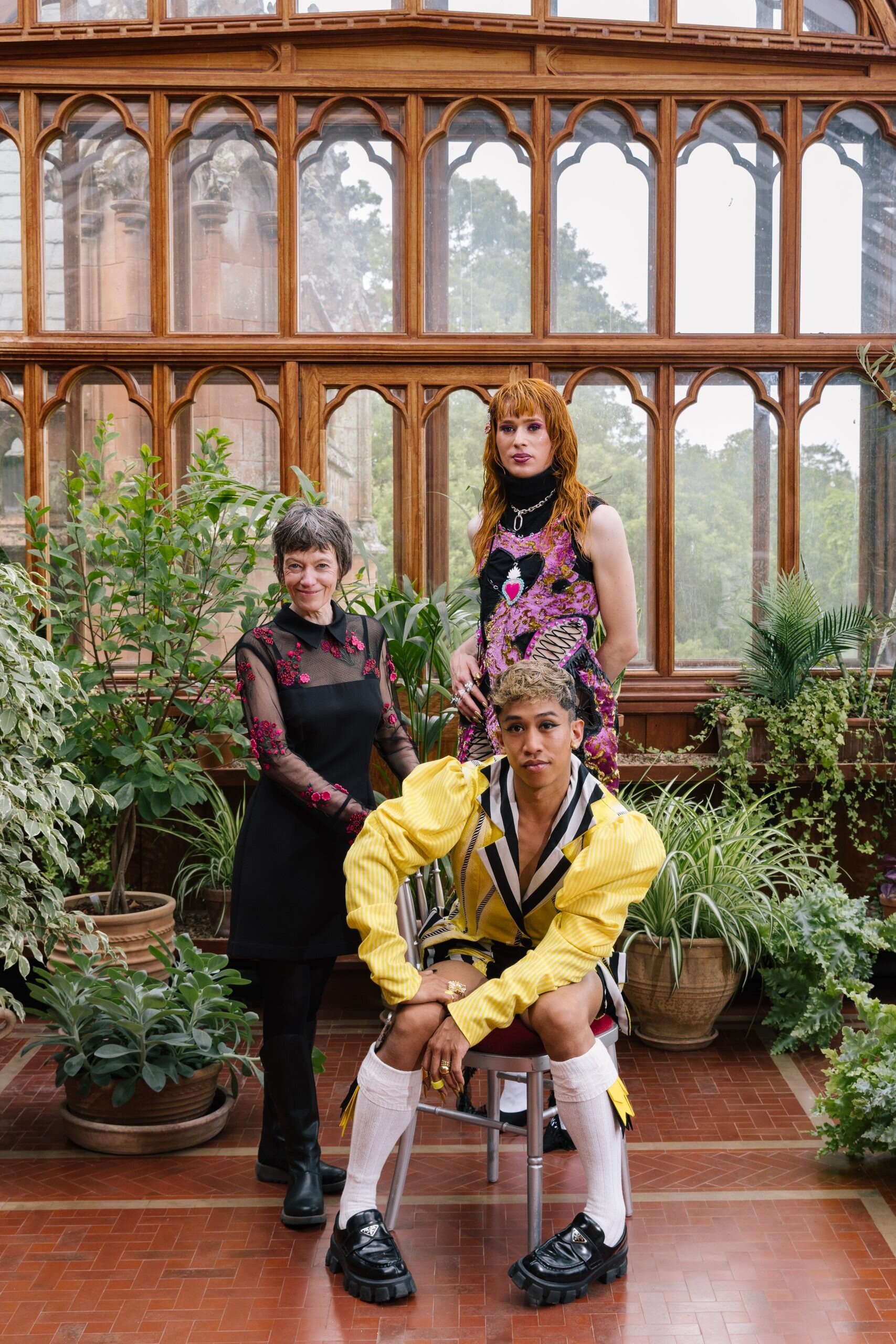
Davide Bugarin, Angel Cohn Castle and Morven Gregor at Mount Stuart. Photo by Charlotte Cullen, courtesy Scotland + Venice
Singapore
Rooted in gesture, memory, and the politics of care, the Singapore Pavilion at the 61st Venice Art Biennale will centre on a new presentation by pioneering interdisciplinary artist Amanda Heng, curated by Selene Yap. Drawing from decades of practice spanning performance, installation, and socially engaged actions, Heng approaches the body as a living archive, a site where personal histories, collective memory, and everyday rituals intersect.
The pavilion will foreground subtle encounters and embodied experiences, shaped by Yap’s dialogic curatorial approach. Together, the duo constructs an intimate yet politically resonant environment that reflects on how care circulates through bodies, spaces, and communities, proposing presence itself as a form of resistance and remembrance.
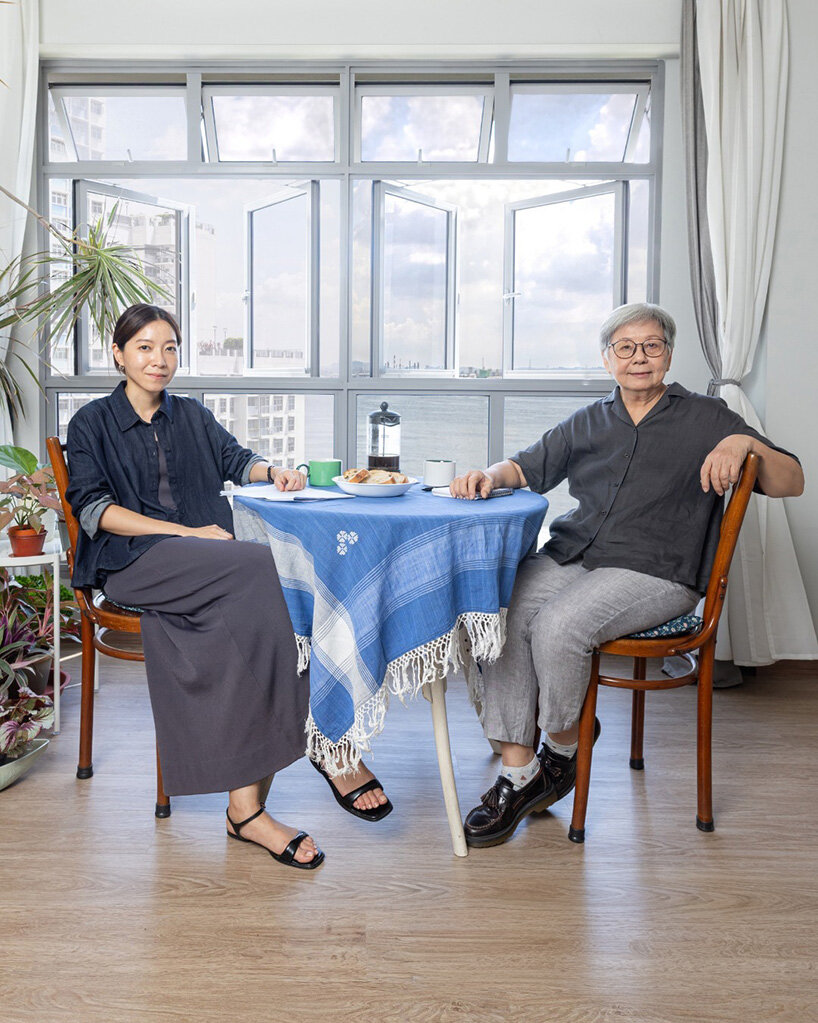
curator Selene Yap (L) and artist Amanda Heng (R), 2025 | image courtesy of Singapore Art Museum
Slovenia – Discomfort of Memorialisation
Rather than commemorating history through fixed symbols, Slovenia’s pavilion at the 61st Venice Art Biennale will confront the unease of remembrance itself. Titled Discomfort of Memorialisation (working title), the project by the Nonument Group, Neja Tomšič, Martin Bricelj Baraga, Nika Grabar, and Miloš Kosec, is curated by Nataša Petrešin-Bachelez and examines how architecture absorbs, distorts, and sometimes erases memory over time.
Centred on the ruins of the first mosque ever built on Slovenian territory, constructed during World War I in Log pod Mangartom, the pavilion treats this site as a ‘nonument’: a structure whose meaning has shifted due to political and social transformations. Through archival research, testimonies, and performative gestures, the group uncovers what has slipped into invisibility, opening broader reflections on religion, military infrastructures, imperial legacies, and repair.
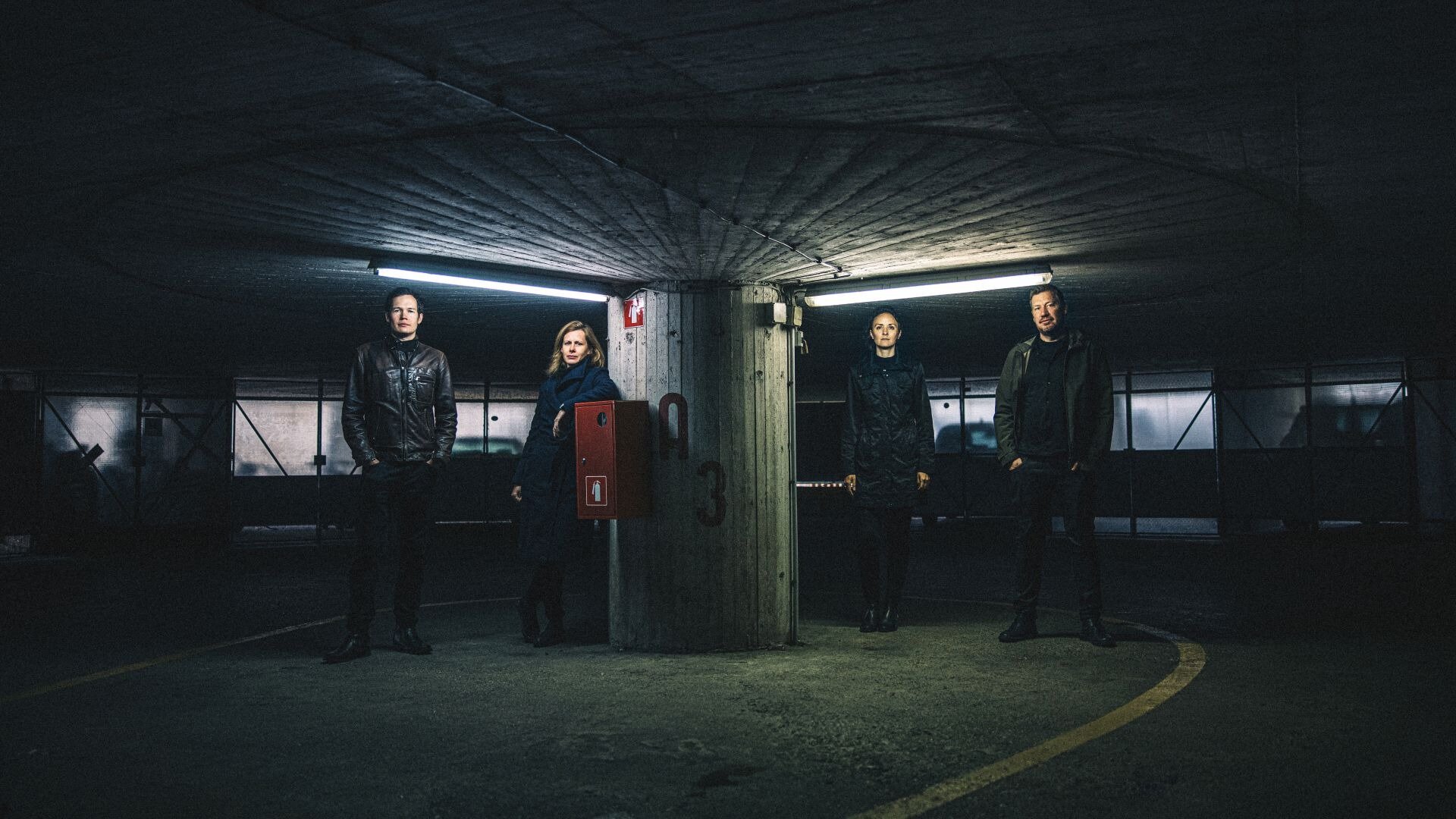
Collective Nonument Group, image by: Peter Giodani
Spain – Los restos (The remains)
Accumulated over two decades in flea markets and second-hand shops, thousands of postcards form the core of The Remains (Los restos), Oriol Vilanova’s project for the Spanish Pavilion at the 61st Venice Art Biennale, curated by Carles Guerra. These modest, often discarded fragments of personal correspondence become the raw material for a meditation on memory, fragility, and cultural endurance, the quiet afterlives of everyday objects.
Presented as an ‘anti-museum’ in constant evolution, the pavilion will transform Vilanova’s collection into a living archive shaped by small, sustained gestures of gathering. Rather than monumentalizing history, The Remains reflects on what survives through neglect, accumulation, and chance, questioning how value is produced and preserved.
Switzerland – The Unfinished Business of Living Together
Taking a 1978 episode of Swiss television program Telearena as its point of departure, the Swiss Pavilion at the 61st Venice Art Biennale looks to the archive as a living, unstable terrain. Titled The Unfinished Business of Living Together, the project is developed by a collective of cultural practitioners, Gianmaria Andreetta, Luca Beeler, Nina Wakeford, Miriam Laura Leonardi, Lithic Alliance, and Yul Tomatala, who explore contemporary forms of coexistence, social friction, and belonging through artistic research.
Selected via an open call for the first time in Switzerland’s Biennale history, the project examines how tolerance is negotiated, contested, and constructed over time. By revisiting moments of public debate around sexual orientation and social difference, the pavilion invites visitors to question the authority of archives and the shifting meanings of collective memory.
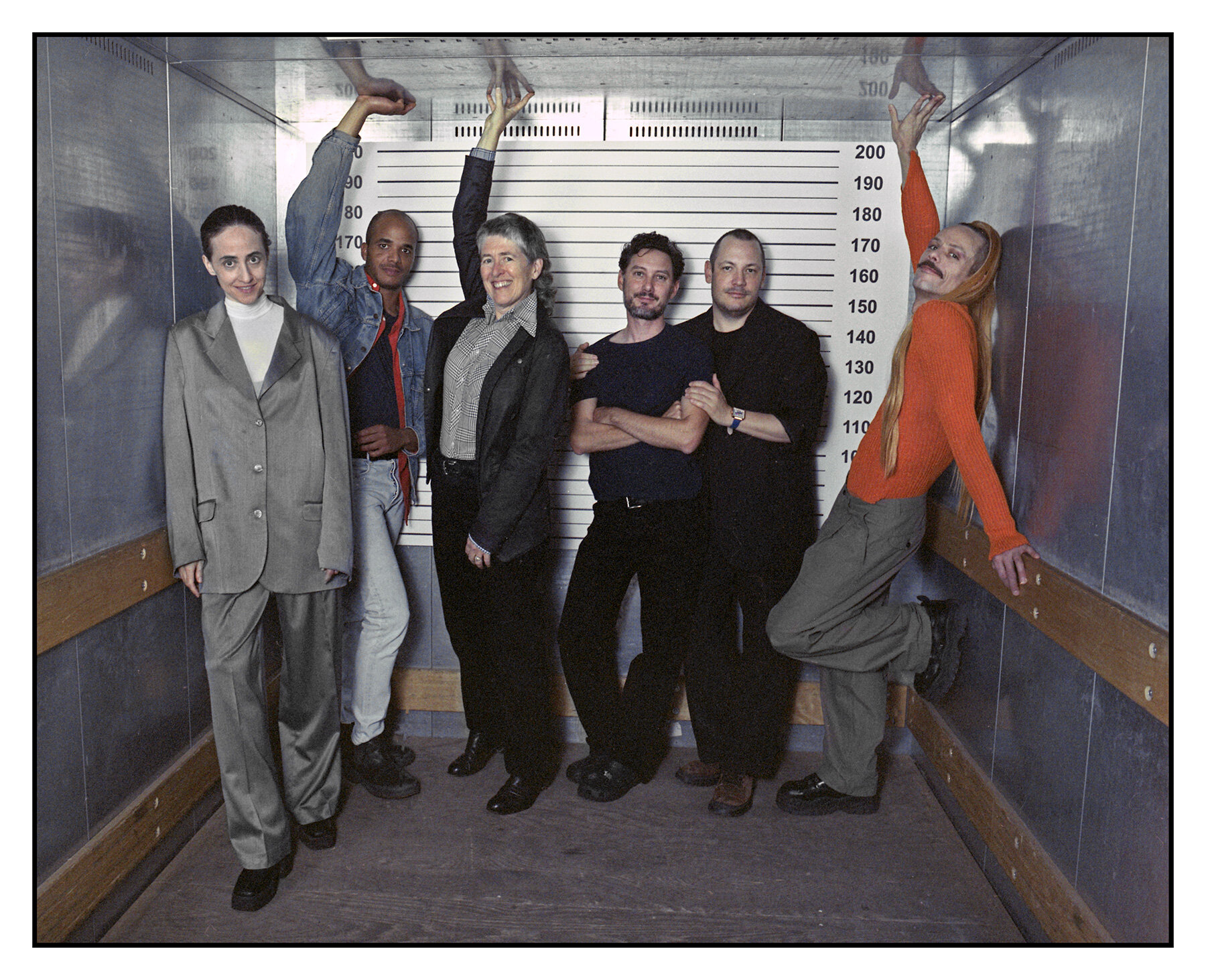
Pavilion of Switzerland at the Biennale Arte 2026 The Unfinished Business of Living Together, nominated team, from left to right: Miriam Laura Leonardi, Yul Tomatala, Nina Wakeford, Gianmaria Andreetta, Luca Beeler, Lithic Alliance | image by Del LaGrace Volcano
syria – The Tower Tomb of Palmyra
Sara Shamma has been selected to represent Syria with The Tower Tomb of Palmyra. Commissioned by the Syrian Ministry of Culture and curated by Yuko Hasegawa, the project signals a renewed moment of international cultural presence for Syria within the Biennale’s global framework.
Drawing on Palmyra’s ancient funerary architecture, Shamma’s proposal reflects on memory, loss, and continuity, reactivating the tower tomb as both symbol and structure. The work engages with layered histories while opening space for contemporary reflection.
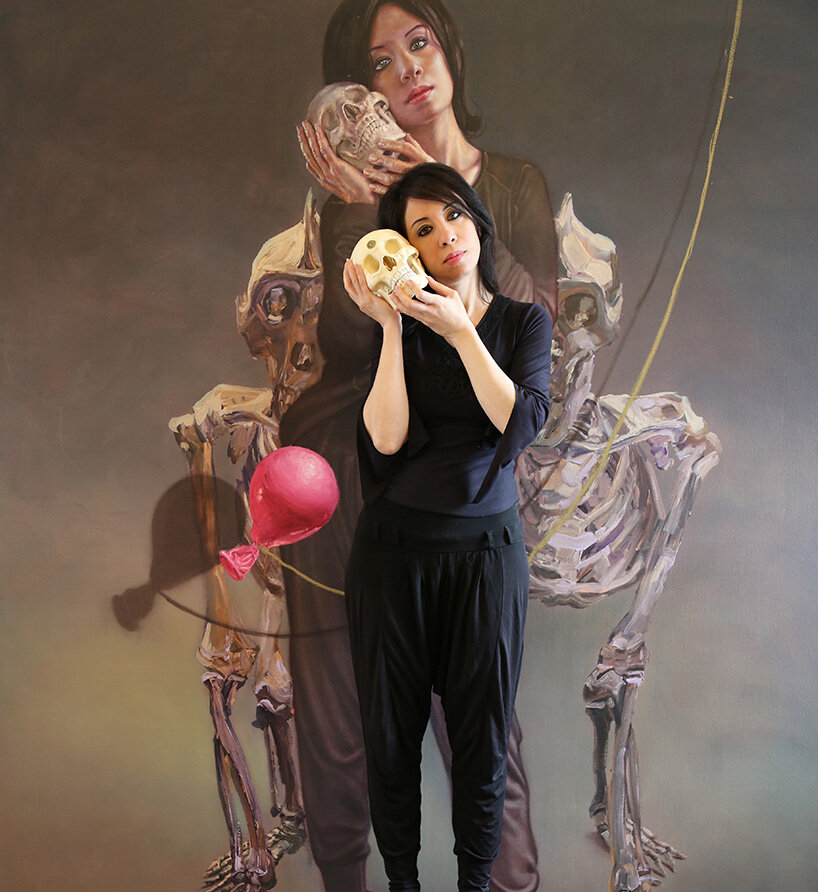
Sara Shamma
Türkiye
Poetry, wit, and political sensitivity converge in Nilbar Güreş’s upcoming presentation for the Türkiye Pavilion at the 61st Venice Art Biennale. Known for her multidisciplinary practice spanning photography, textiles, performance, sculpture, and film, Güreş engages cultural symbols and everyday gestures to expose social hierarchies, gendered norms, and invisible power structures. Curated by Başak Doğa Temür, the exhibition will unfold as a layered, visually charged environment that amplifies marginalised narratives while remaining deeply rooted in Türkiye’s complex social fabric.
Balancing intimacy with critique, Güreş’s work often begins from the personal before expanding into broader questions of belonging, injustice, and cultural memory. Her poetic language, infused with humor and tenderness, aligns closely with the Biennale’s theme In Minor Keys, embracing quieter registers of resistance that destabilize dominant perspectives.
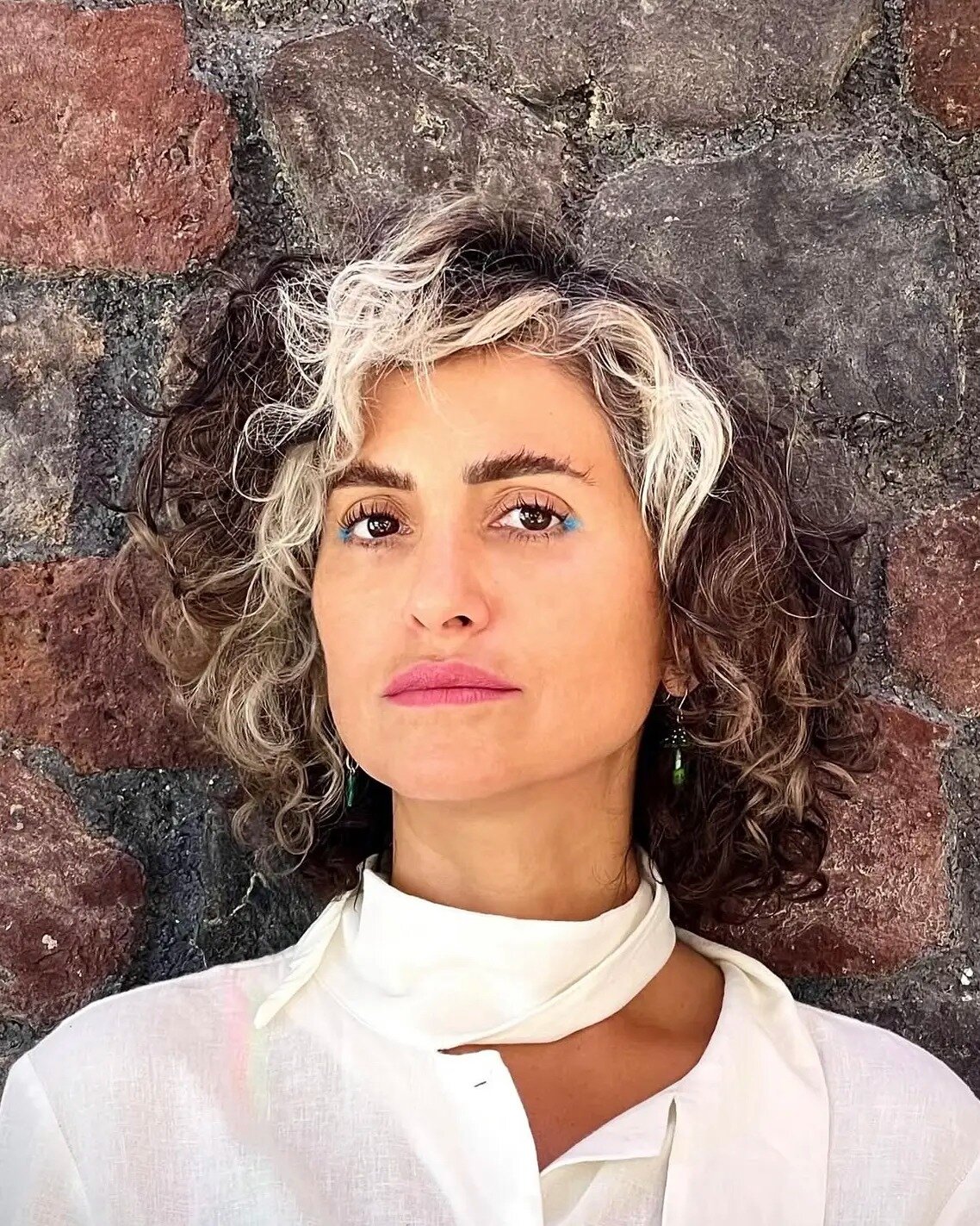
Nilbar Güreş | image via Istanbul Foundation for Culture and Arts
Ukraine – Security Guarantees
Material becomes memory in Zhanna Kadyrova’s upcoming presentation for the Ukraine Pavilion at the 61st Venice Art Biennale. Titled Security Guarantees, the project brings together the artist’s sculptural, site-specific, and object-based practice, which transforms everyday materials into charged carriers of political, social, and emotional meaning. Kadyrova is known for works that respond directly to conflict, displacement, and survival, using stone, concrete, ceramics, and found elements to reflect on public space, collective trauma, and cultural identity.
Curated by Kseniia Malykh and Leonid Marushchak, the pavilion will approach art as both testimony and civic gesture, shaped by their shared commitment to cultural infrastructure, archival practice, and grassroots engagement.
Uruguay -Antifrágil
Margaret Whyte’s Antifragil approaches textile, sculpture, and spatial practice as political tools, systems of interdependence where fragility becomes a source of strength. Drawing on Nassim Taleb’s concept of antifragility, the installation frames instability, vulnerability, and exposure not as weaknesses but as conditions for transformation. Through soft volumes, hybrid materials, and layered networks of reference, Whyte constructs environments where the human coexists with what it usually excludes, collapsing hierarchies between nature, technology, labor, and care.
Her work is rooted in a multi-naturalist and feminist perspective, where textile practices become carriers of memory, resistance, and social critique. By weaving together remnants of contemporary life, industrial debris, domestic gestures, and symbolic forms, Whyte strips materials of their conventional value and reactivates them within a speculative poetic regime.
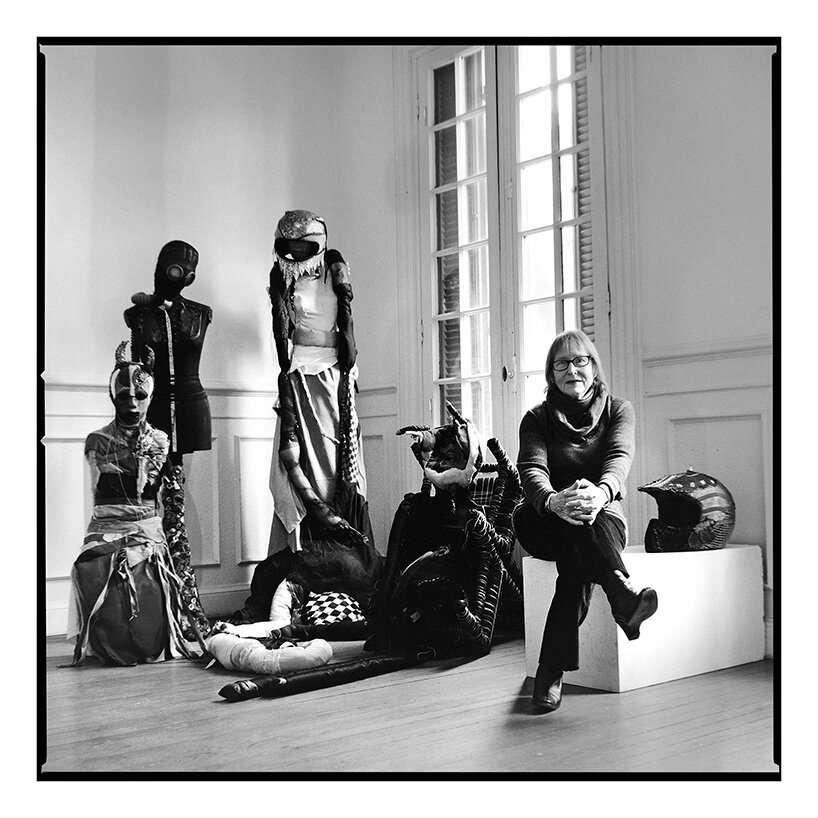
Margaret Whyte by Sabrina Srur
USA – Call Me the Breeze
For the U.S. Pavilion at the 61st Venice Art Biennale, sculptor Alma Allen will present Call Me the Breeze, a new body of site-responsive works exploring transformation, materiality, and the idea of ‘elevation’ as both a physical and symbolic condition. Known for his sensuous, hand-worked forms, Allen approaches sculpture as an alchemical process, allowing raw matter to evolve through touch, time, and intuition. Several new works will be produced specifically for Venice, including a large-scale sculpture for the pavilion’s outdoor forecourt. Curated by Jeffrey Uslip and commissioned by Jenni Parido of the American Arts Conservancy, the exhibition frames Allen’s practice as a meditation on collective optimism, inner growth, and the emotional resonance of form. Through fluid contours and elemental presence, Call Me the Breeze positions sculpture as a quiet but powerful force, one that moves between weight and lightness, introspection and public space.
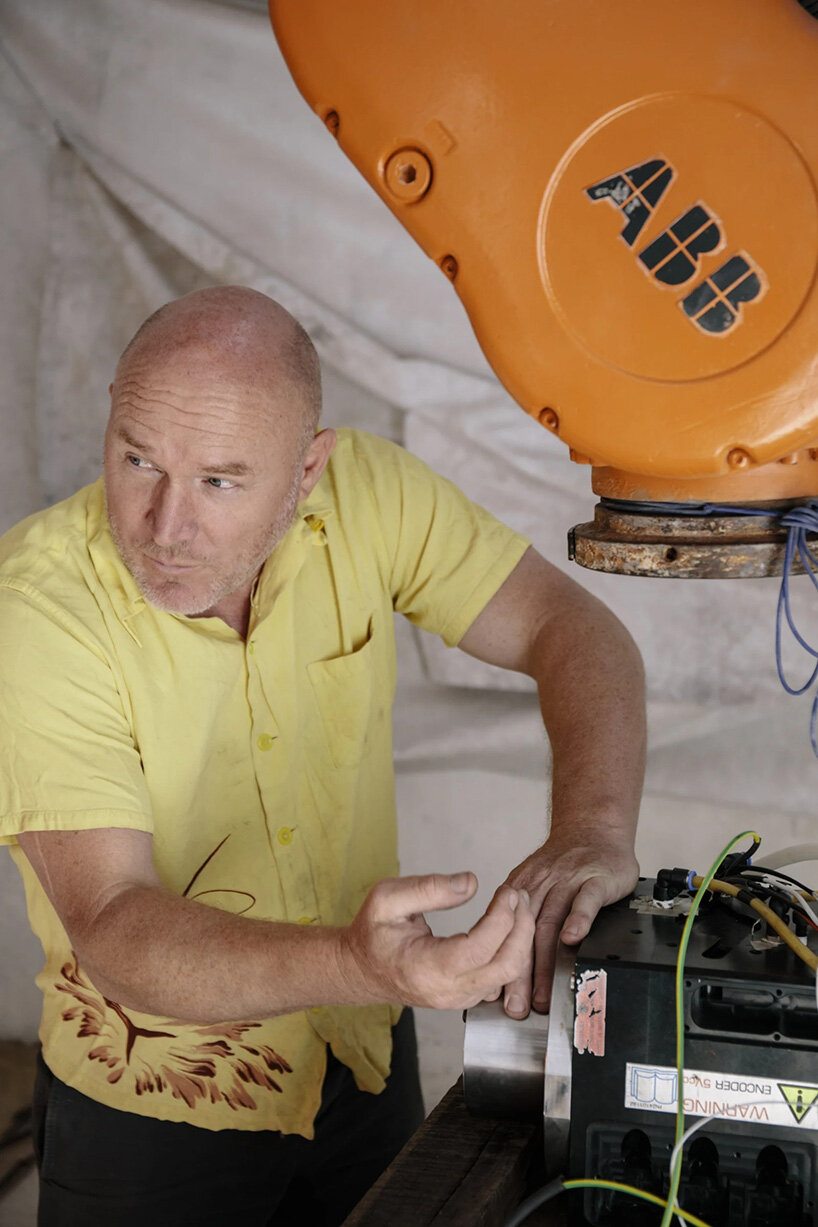
Alma Allen by Diego Flores
Uzbekistan – The Aural Sea
Jahongir Bobokulov, Zi Kakhramonova, Aygul Sarsen, Zulfiya Spowart, Xin Liu, A.A.Murakami, and Nguyen Phuong Linh come together for Uzbekistan’s National Pavilion with The Aural Sea, a multi-layered exhibition that approaches the Aral Sea as a site of imagination, knowledge, and future-making. Commissioned by Gayane Umerova, chairperson of the Uzbekistan Art and Culture Development Foundation, and curated by the inaugural cohort of the Bukhara Biennial Curatorial School, the show unfolds in the Arsenale as a collective meditation on environmental transformation.
Through installation, painting, textile, interactive work, and scientific modelling, the participating artists engage the Aral Sea’s complex history, once one of the world’s largest inland lakes, now largely desert, as a terrain of memory and myth. Drawing inspiration from Karakalpak writer Allayar Darmenov, who began fictionalising the sea back to life, the pavilion treats storytelling as a tool of agency.
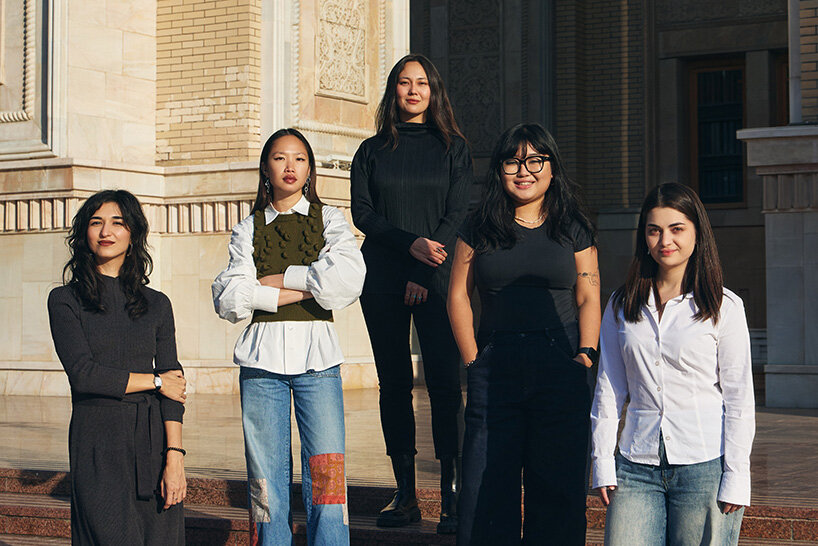
from left to right: Nico Sun, Thái Hà, Kamila Mukhitdinova, Sophie Mayuko Arni, and Aziza Izamova | image courtesy ACDF
project info:
name: Venice Art Biennale 2026 | @labiennale
curator: Koyo Kouoh | @madamekoyo (appointed December 2024, passed away May 2025)
president: Pietrangelo Buttafuoco
dates: May 9th – November 22nd, 2026
follow our dedicated Venice Art Biennale Instagram account here for the latest announcements and live coverage.
designboom guides (20)
 Nov 30, 2025
 Oct 18, 2025
 Jun 27, 2025
 Jun 16, 2025
 May 22, 2025
venice art biennale 2026 (5)
 Jul 24, 2025
 May 27, 2025
 May 06, 2025
 Dec 03, 2024
 Feb 05, 2026
 Jan 22, 2026
 Jan 01, 2026
 Nov 27, 2025