wim delvoye intertwines historic museum artifacts with his whimsical sculptures in geneva
marble circuits, playful yet destructive, intersect neoclassical-inspired marble sculptures and warhol prints to question the order of things.
prefer designboom on google[FEATURED]
wim delvoye questions ‘the order of things’
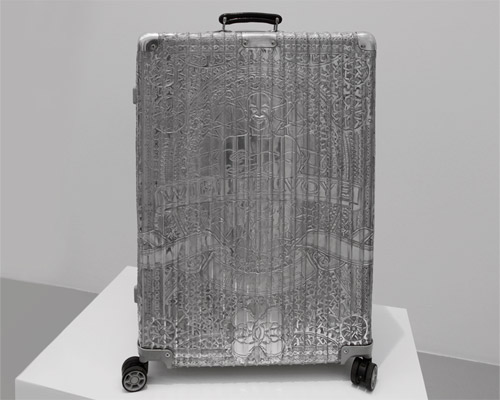
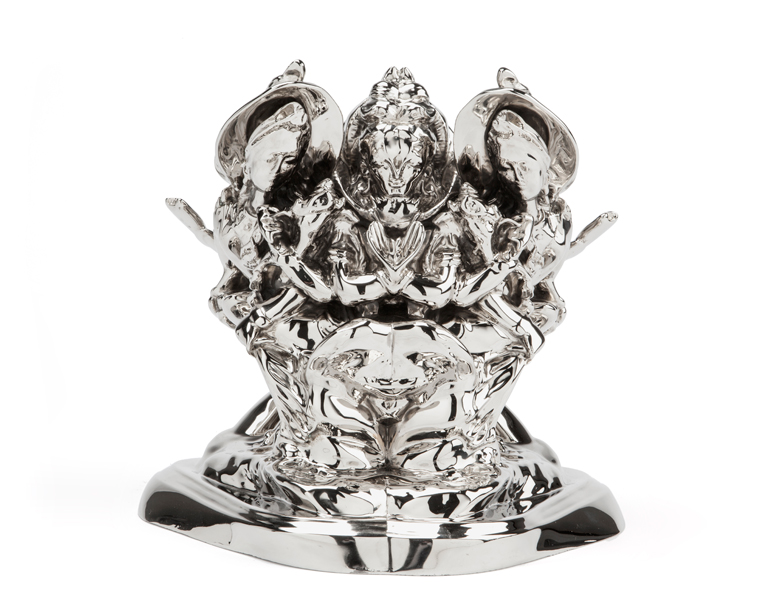
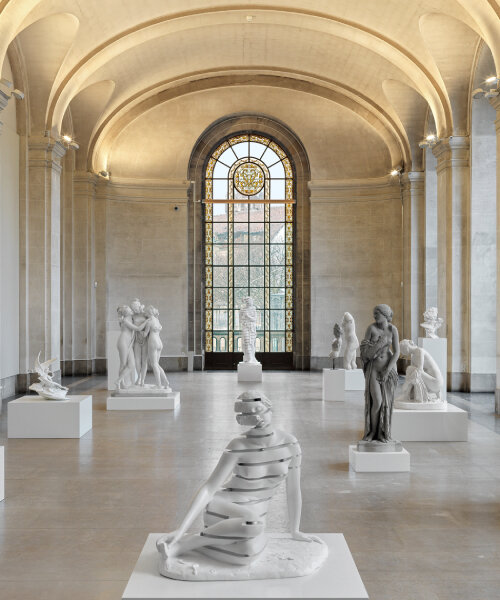
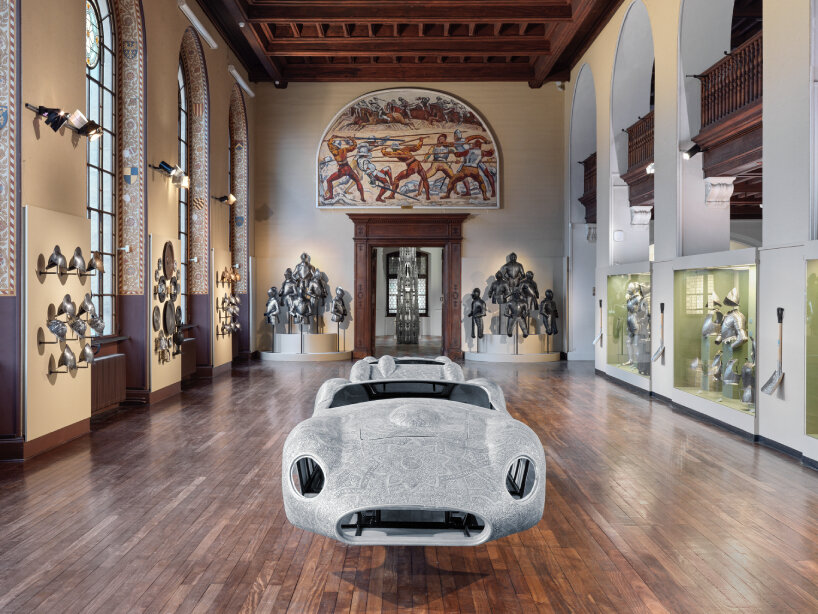
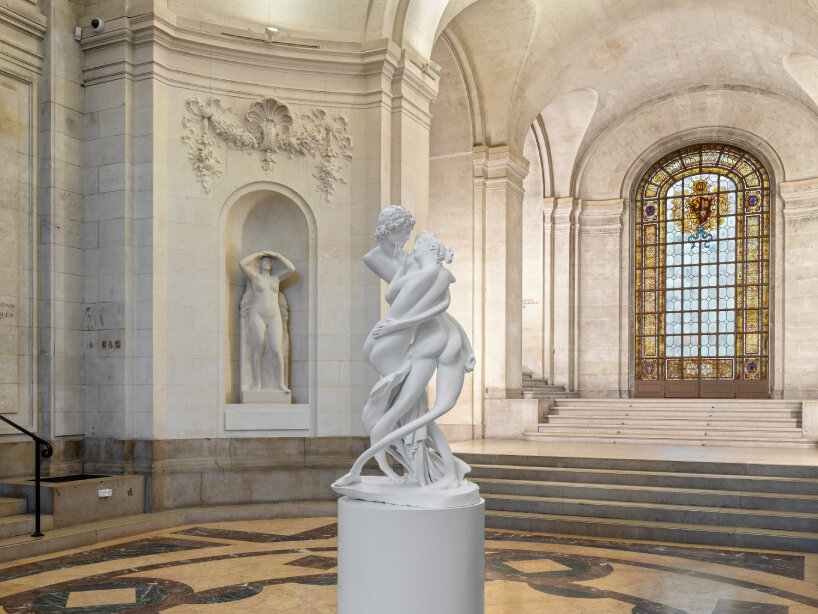
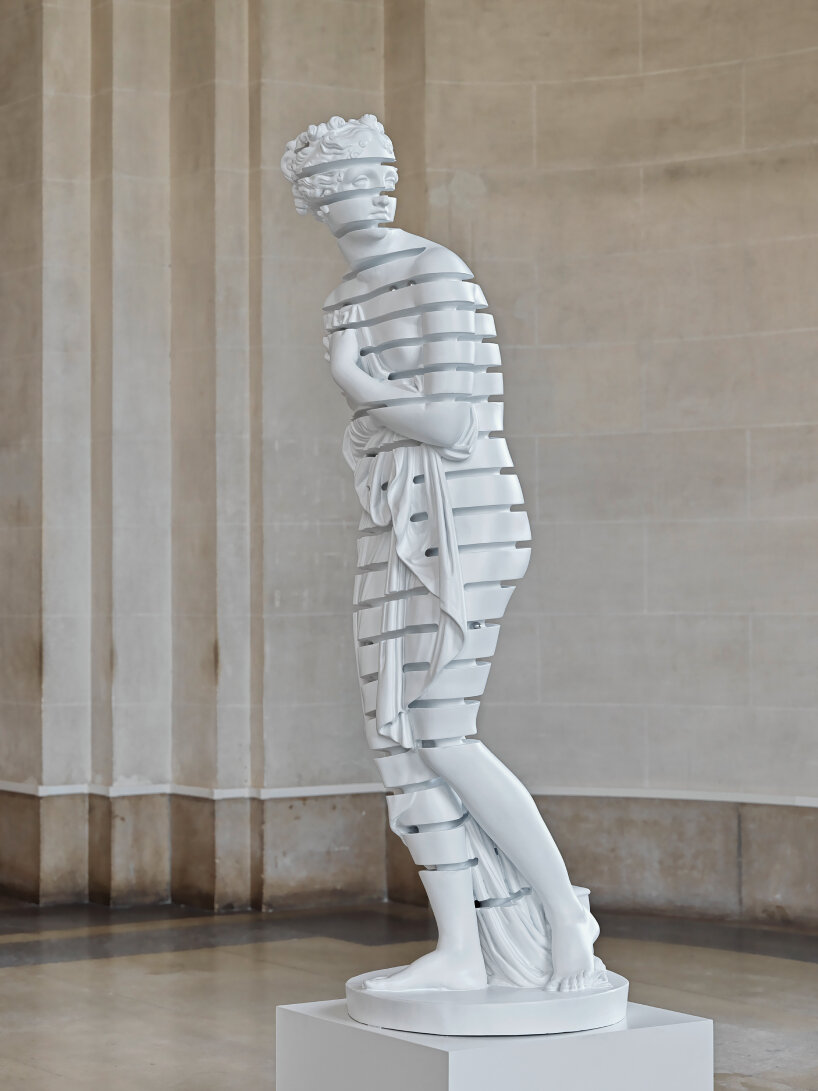
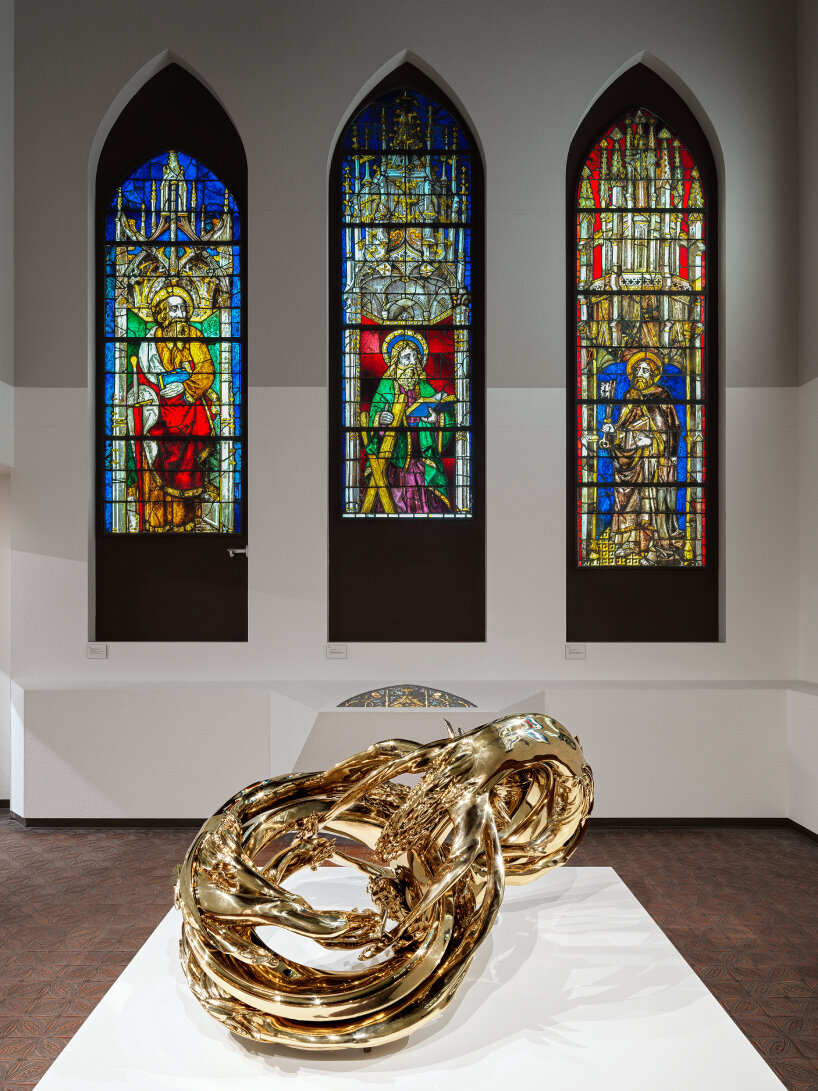
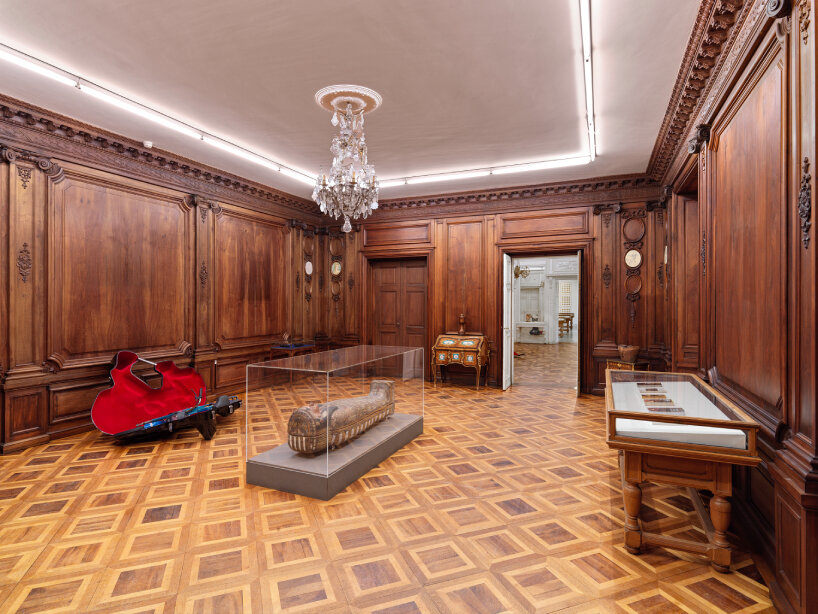
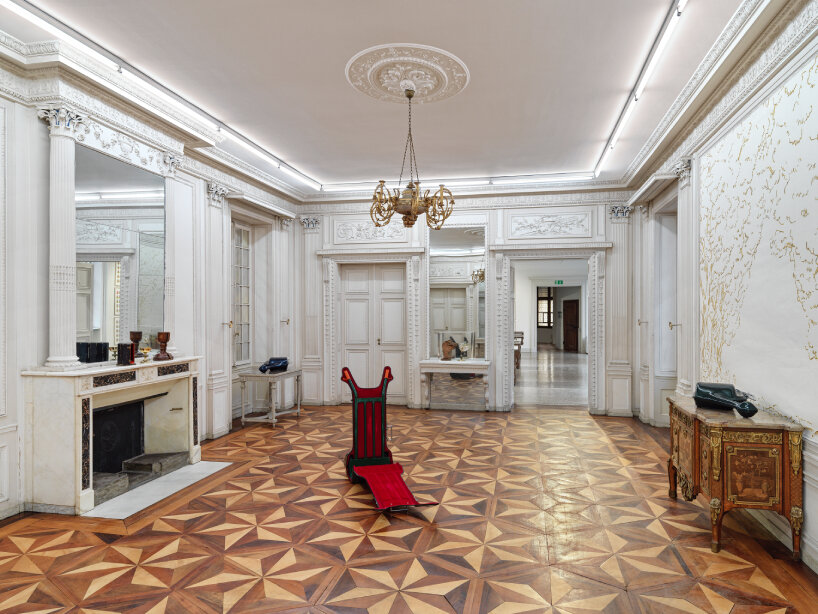
Wim Delvoye’s whimsical sculptures find a new home with new perceptions within the storied walls of Geneva’s Museum of Art and History, inviting an eclectic play of reflections and contrasts. The museum’s fourth carte blanche XL exhibition, The Order of Things, proposes a playful catalog of objects, references, and interventions that cast new light on the familiar, uncovering nuances and hierarchies of representation and understanding. A sculpture of Venus, inspired by the carvings of Canova, is traversed by a circuit of marbles as it sits among a hall of neoclassical sculptures, while a polished bronze casting of intertwined, Christ-like bodies is illuminated by the gentle hues of fifteenth-century stained-glass windows
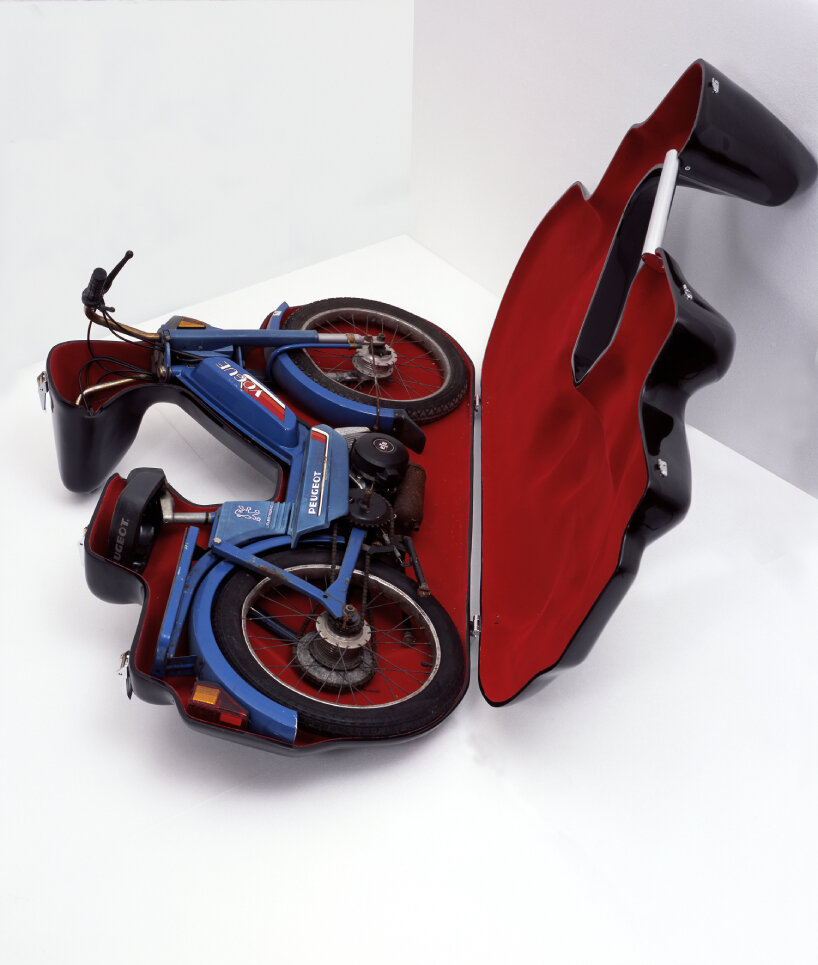
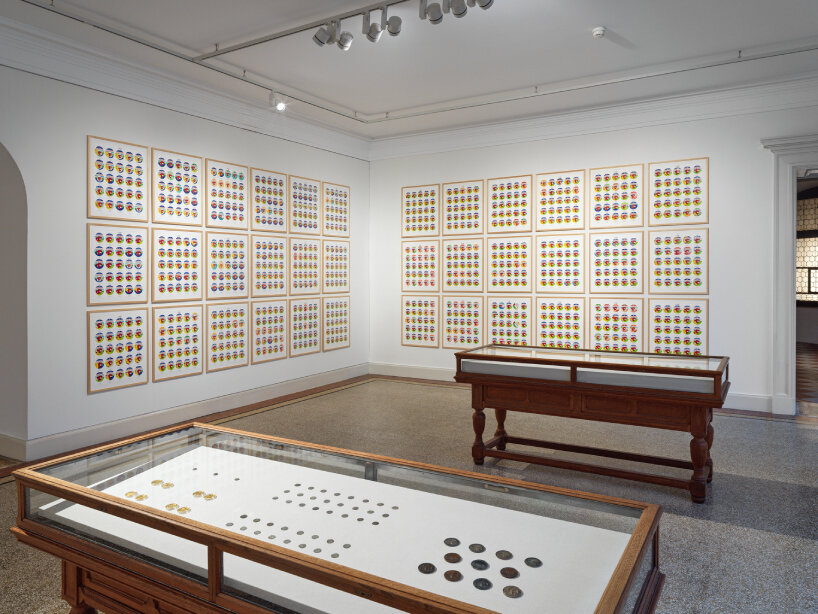
The Belgian artist thus reorchestrates the museum’s collection, positioning sculptural works from his personal collection alongside ancient artifacts and works by iconic artists such as Picasso, Warhol, and Lucas Cranach. An act of ‘elegant vandalism’, as Delvoye puts it, the exhibition questions the very order of things, urging us to consider how our attachment to objects are formed and how they shape our perceptions and identities.
contemporary intersections of classical symbols
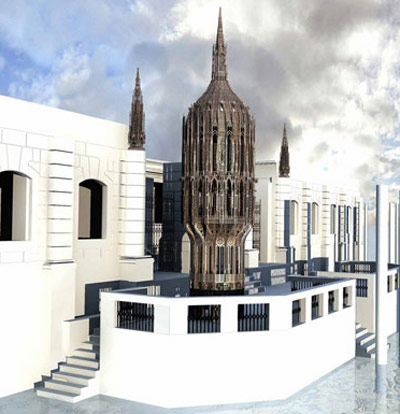
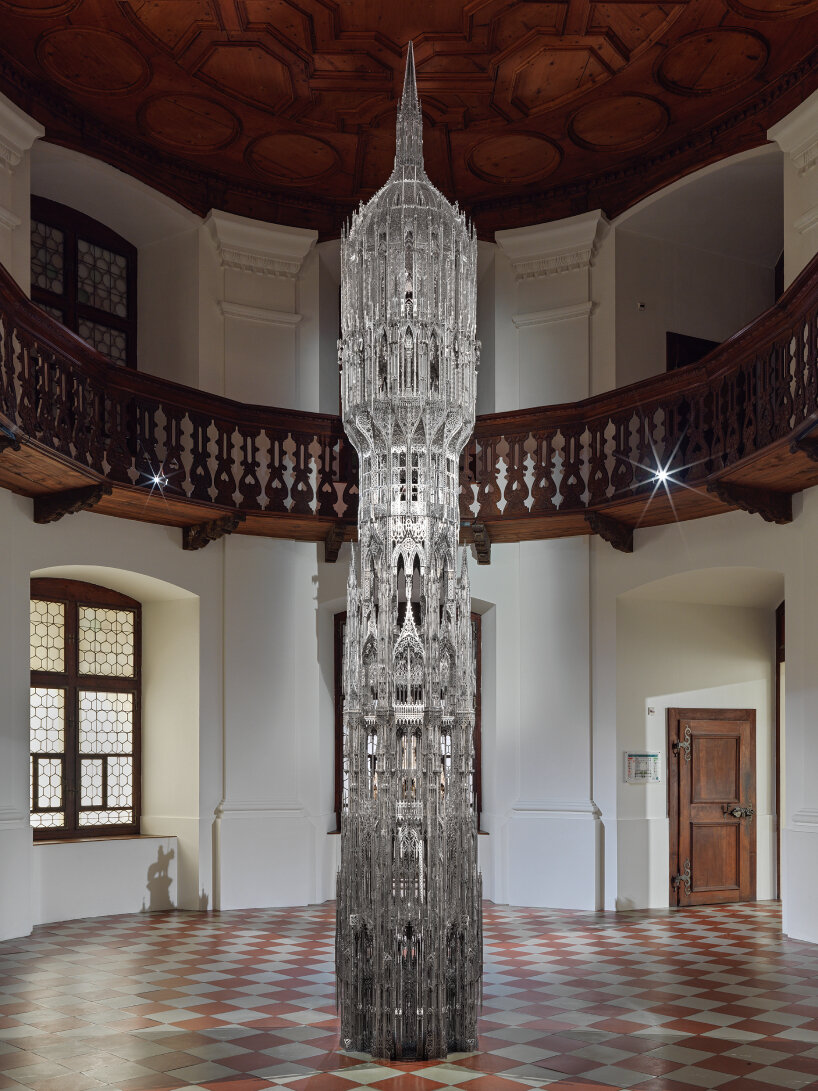
Most notable and a recurring thread across The Order of Things is Wim Delvoye’s reinvention of classical sculptures as he cast a playful, contemporary lens on Antonio Canova’s Venus and Adonis. The liminal work sits within the entrance hall, contorting the mythological couple’s bodies in a swirling embrace to urge audiences to encircle its form, distorting their points of reference and prompting a re-evaluation of neoclassical aesthetics. Beyond, delving into aesthetics of Gothic architecture, a replica of the tower of Brussels in laser-cut stainless steel questions notions of verticality, the dynamic of ascension, and the religious hope of reaching immortality.
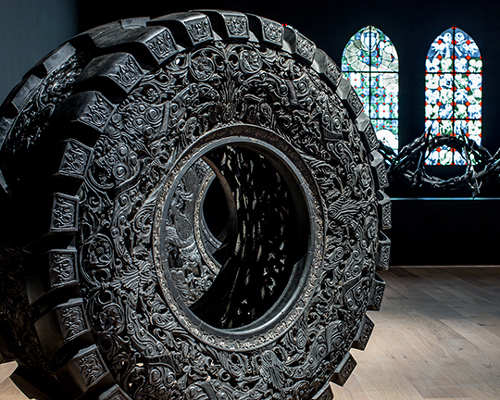
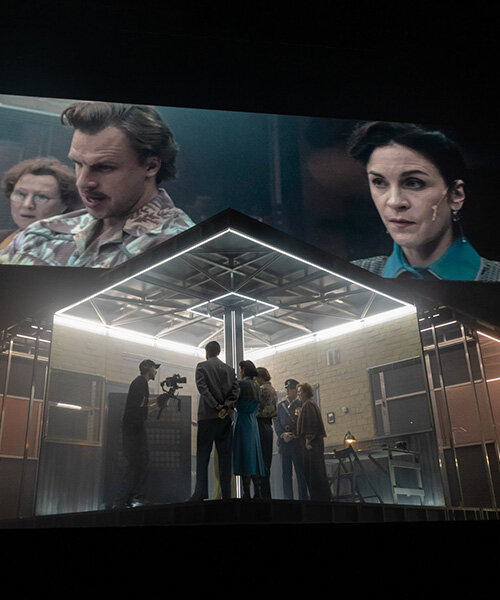
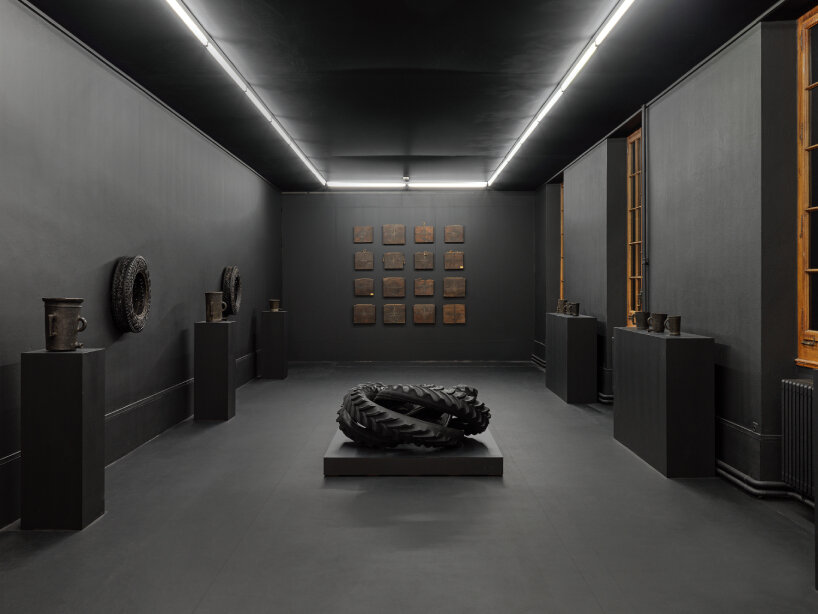
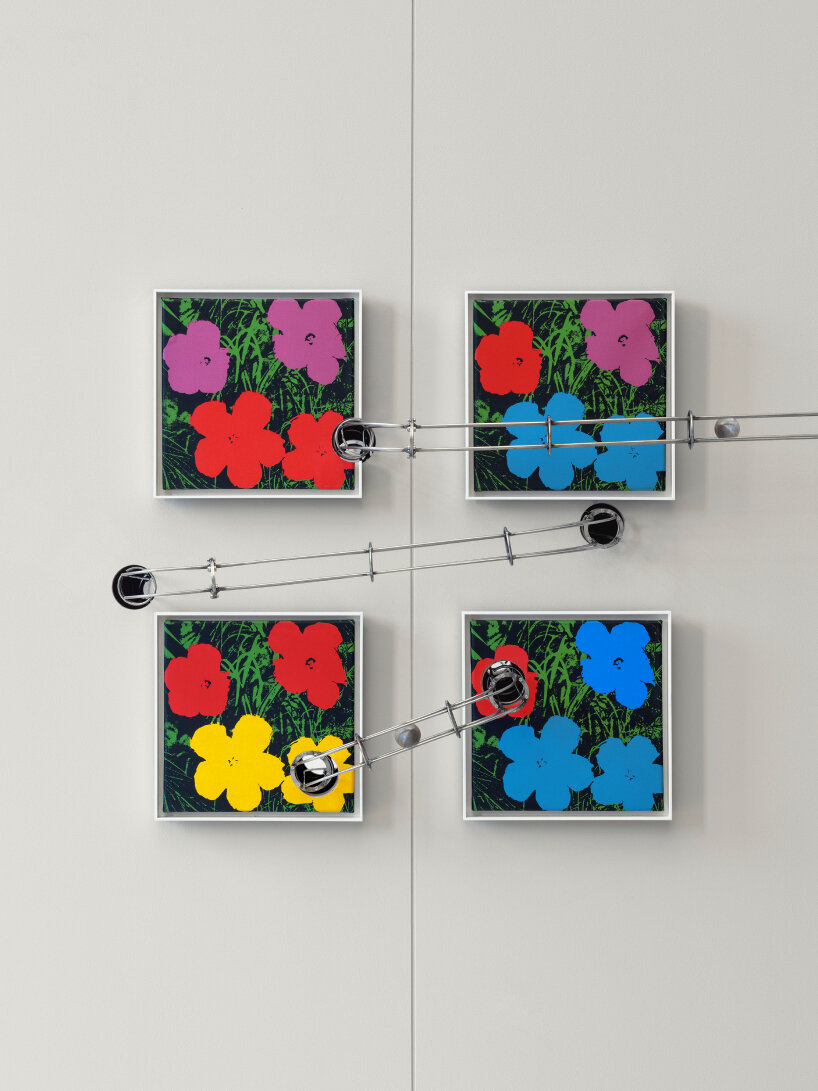
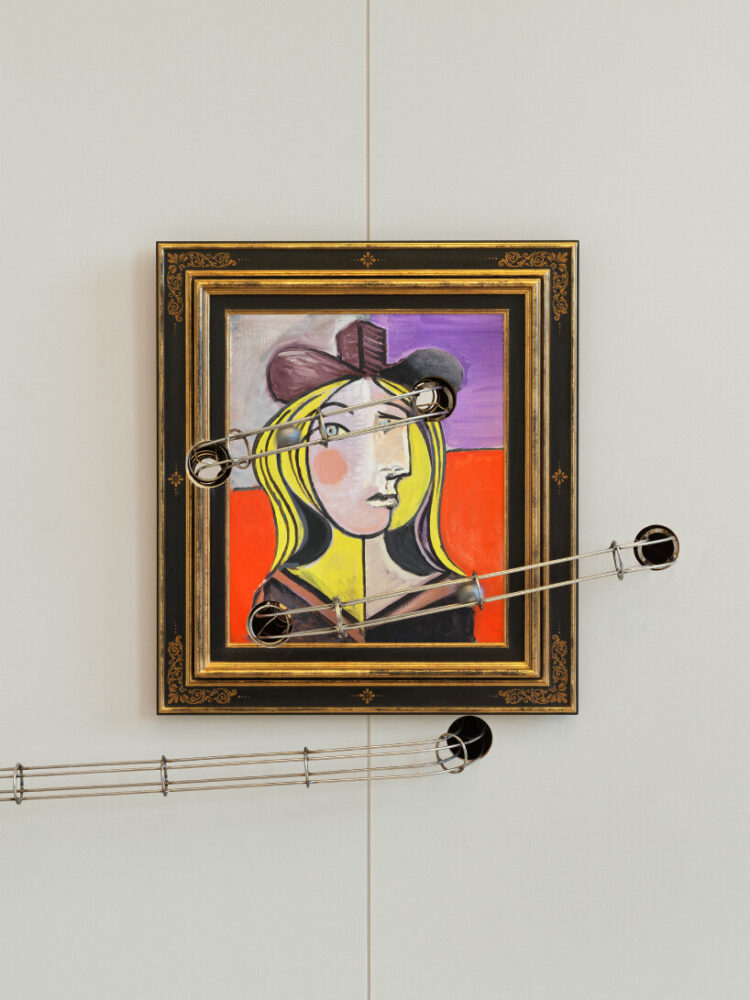
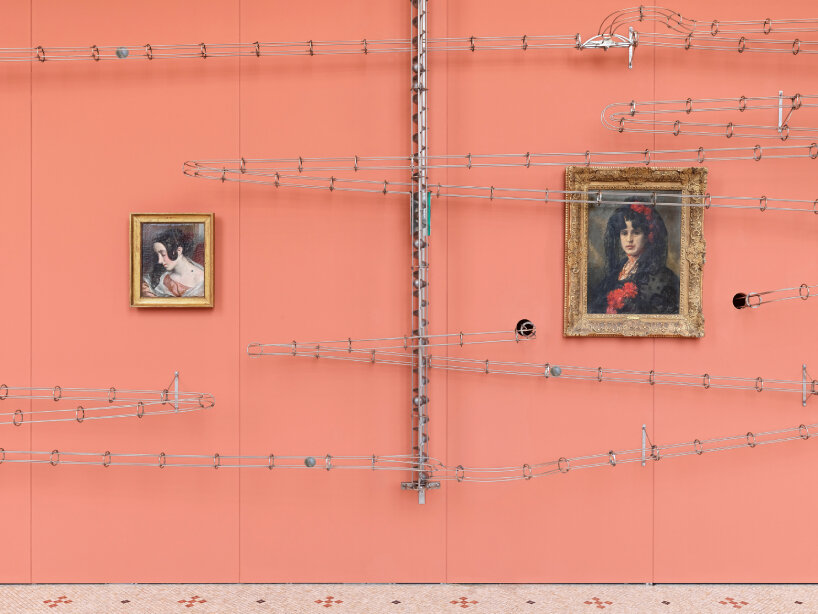
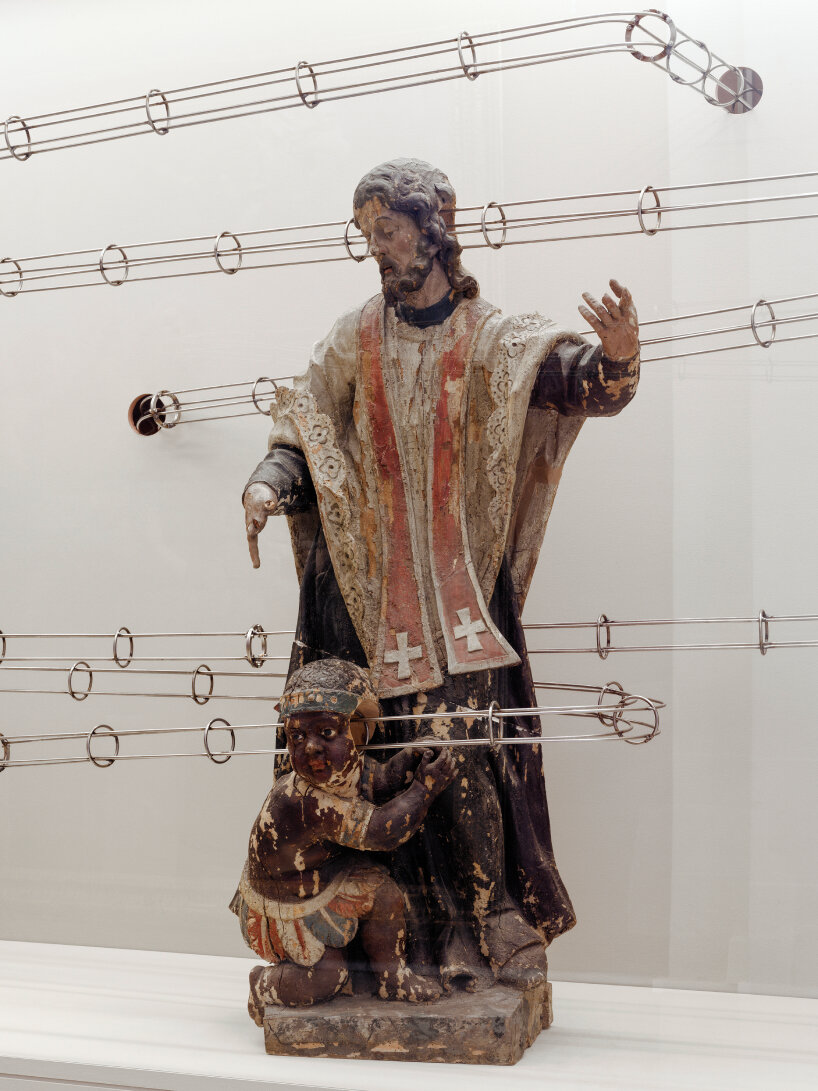
The artist additionally intersects several of his artworks and halls with marble circuits — curious, and in motion. Maze-like, they encourage a dynamic exploration of art history. As the marbles navigate the space, punctuating certain works with playful disruptions, viewers are invited to reconsider their understanding of art and its place within the museum setting. Perhaps the most distinct, the Fait à la main is immersed in darkness, its gray walls hosting detonators designed to blow open doors during a military siege alongside their madrier planks and hand-carved tires. Here, Delvoye plays with museographic codes reserved for contemporary and conceptual art in this historic setting.
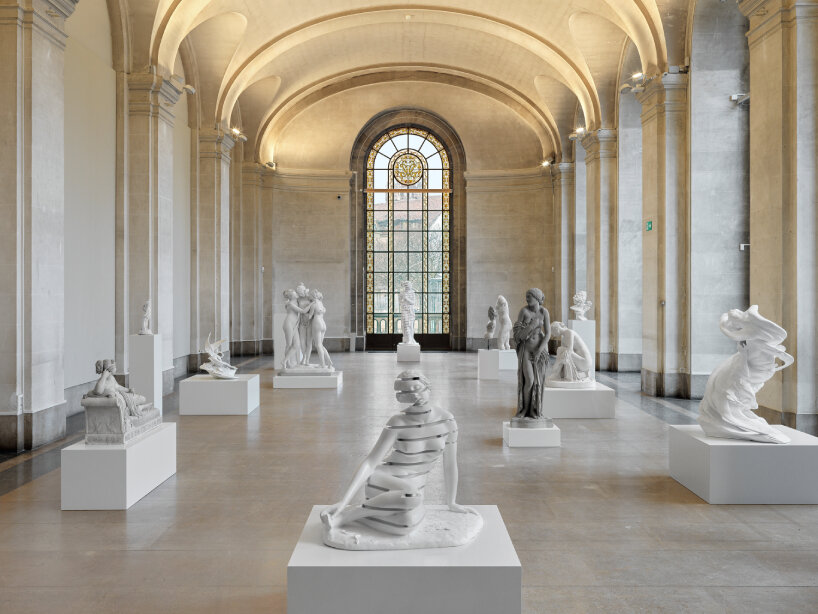
the fourth xl exhibition at Museum of Art and History, geneva
The Order of Things centers around investigating The Museum of Art and History’s connection to its collections and institutions, while sparking a contemplation on the relationship between humanity and artifacts. Reevaluating the museum’s archives, as all preceding curators of the Open Invitation XL exhibitions have done, Wim Delvoye has particularly honed in on pieces not yet noticed, focusing on a diverse array of unexpected objects and transforming what might have been considered to be a scrap of art history or craft.
In the room ‘Le juste retour des choses’, his vision unites Renaissance masters and pioneers of Pop Art. One of the first installations presents Piranesi’s famous series, Carceri, depicting fantastic imaginary prisons. The architectural masses renew the dialectic between solid and void with vanishing points in the infinite staircases and stone blocks. Meanwhile, Damien Hirst’s What Goes Up Must Come Down combining a hairdryer and a ping pong ball explores the vertical movement of a spherical object as a prisoner of its position because of the other physical forces in effect. Further ahead, old paintings from Delvoye’s own collection are brought together with works from iconic artists such as Raphael, Picasso, and Warhol, invoking a breadth of the questions. A vast marble circuit traverses the room, even cutting through some of the exhibited artifacts, its playfulness verging on the destructive.


1/5
project info:
name: The Order of Things
artist and curator: Wim Delvoye
location: Museum of Art and History, Geneva
shop
your own online design shop — no sales commission collected