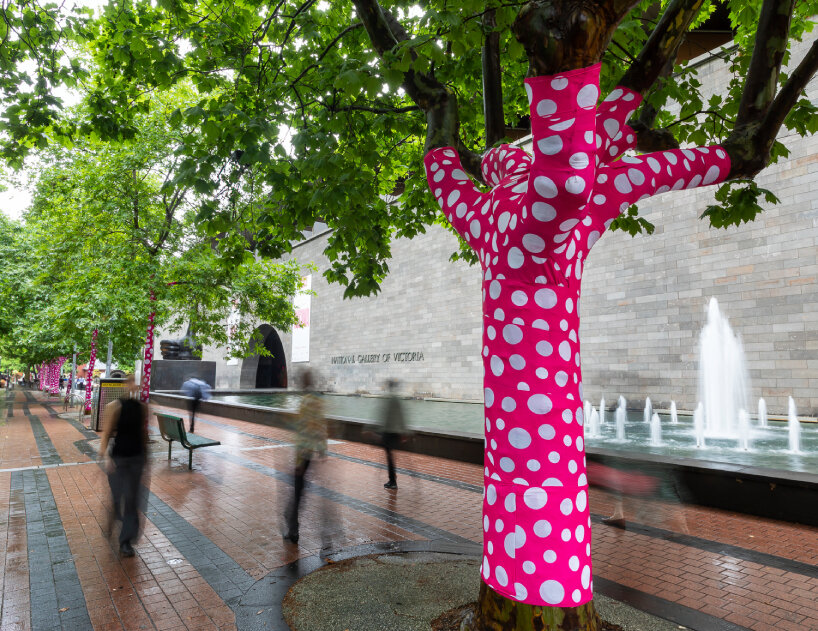
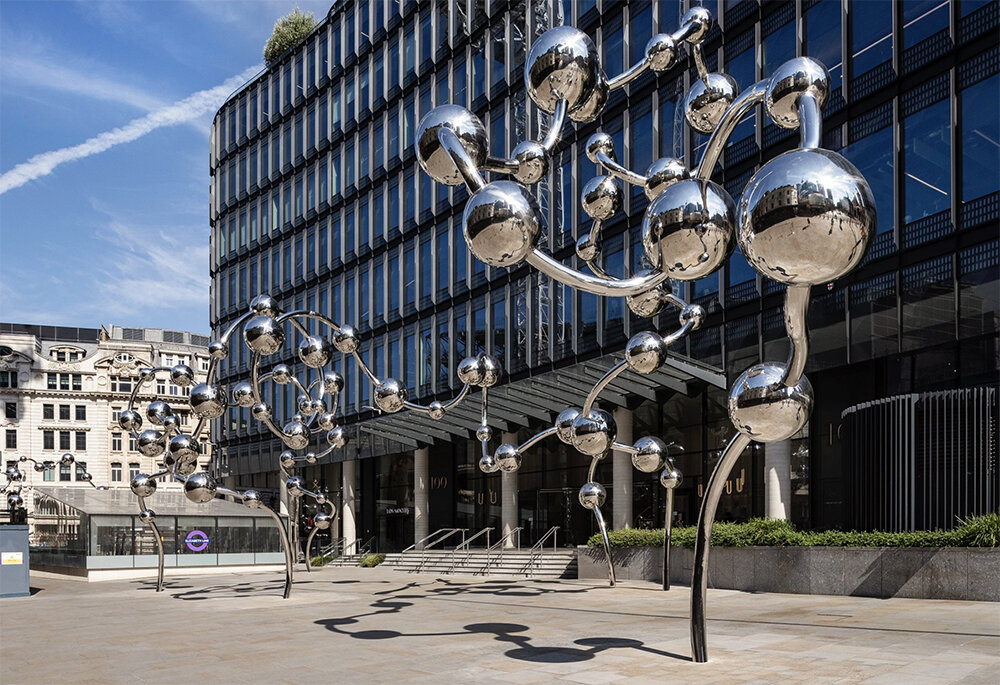

the artist leaves behind a seven-decade career spanning painting, sculpture, installation, performance, fiction, and poetry.
prefer designboom on google[FEATURED]
Yayoi Kusama, the Japanese artist who spent more than seven decades making art about dots, repetition and infinity, has died at 97 at a hospital in Tokyo on August 14th, 2026, according to an announcement from Yayoi Kusama Inc. and Yayoi Kusama Studio Inc. She continued to paint until her final days.
Over a career that took her from postwar Japan to New York and eventually to museums and galleries around the world, Kusama developed a visual language that was immediately recognizable but never limited to one medium. Her work moved between painting, sculpture, installation, performance, fiction and poetry, returning again and again to ideas of infinity, self-obliteration and the space between the individual and the world around them.
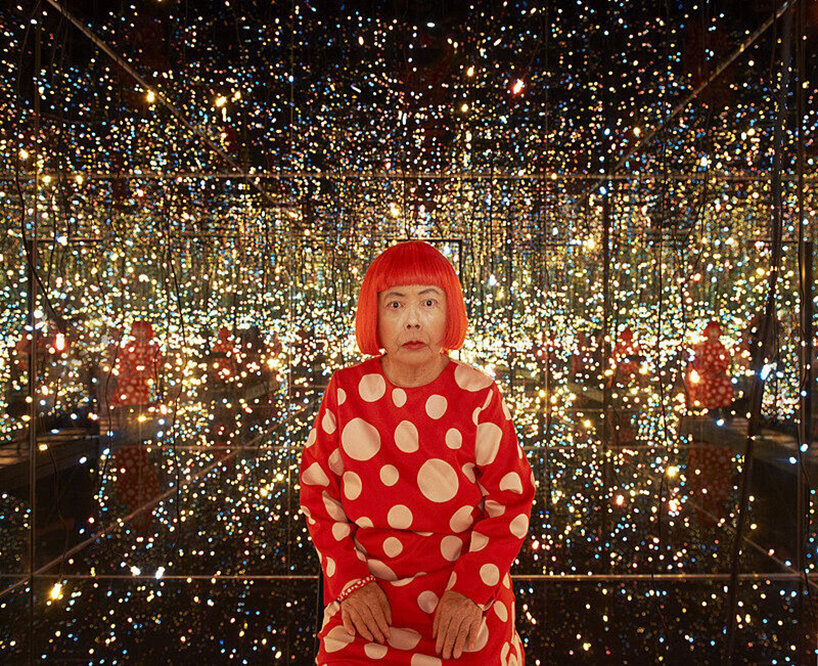
Born in Matsumoto, Japan, in 1929, Kusama began making art at an early age. She moved to New York in 1957, where she became part of the experimental art scene of the city and began developing the Infinity Net paintings that would become central to her practice. Covered with thousands of small repeated marks, the paintings seem to continue beyond the edges of the canvas.
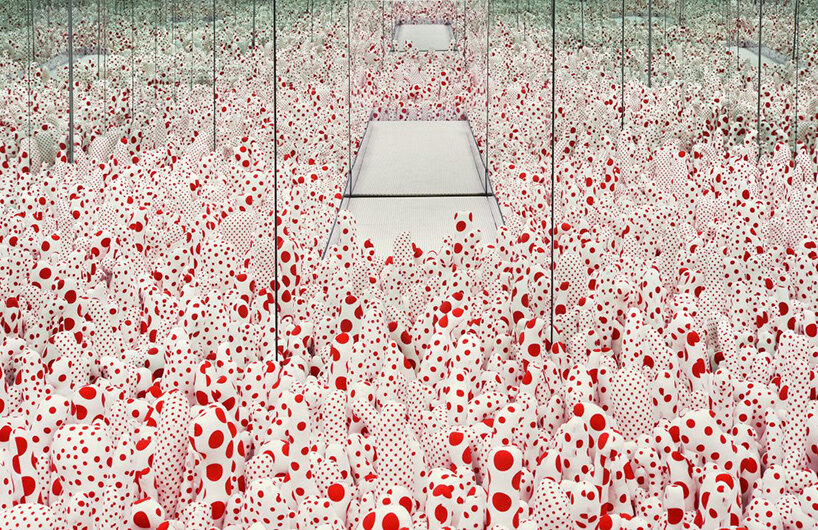
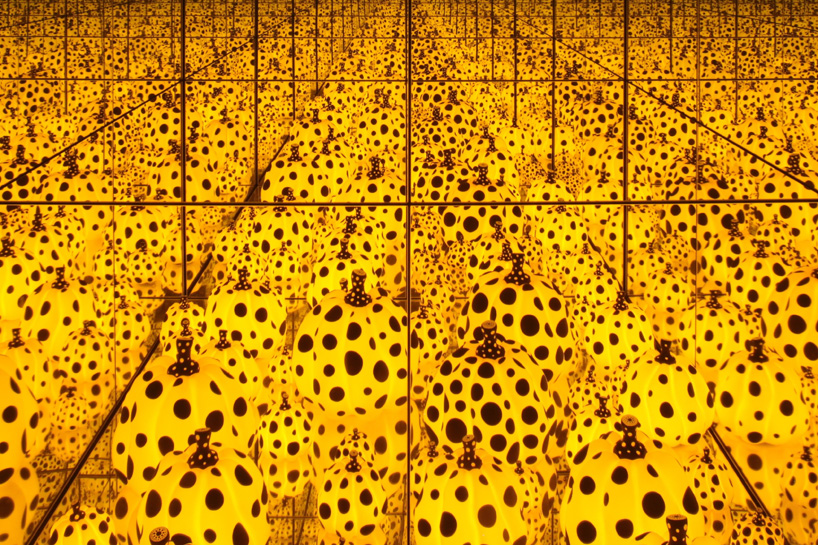
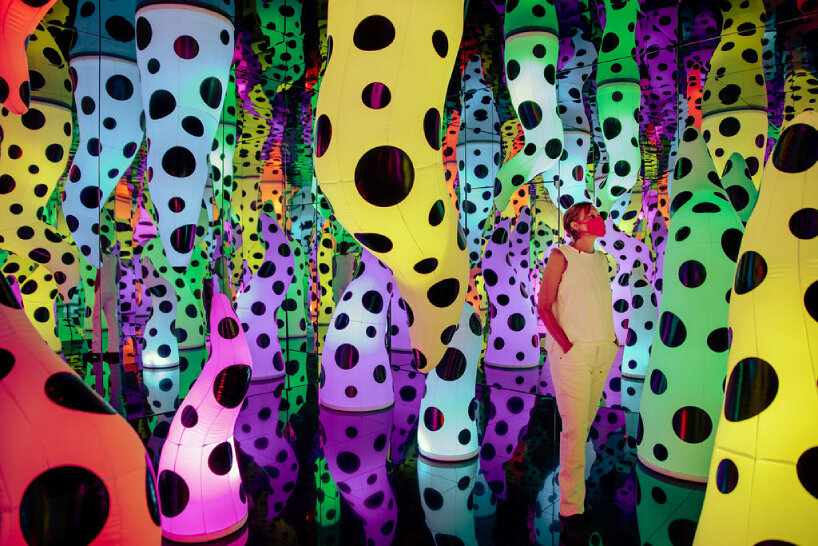
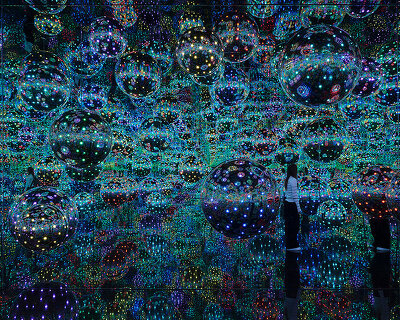
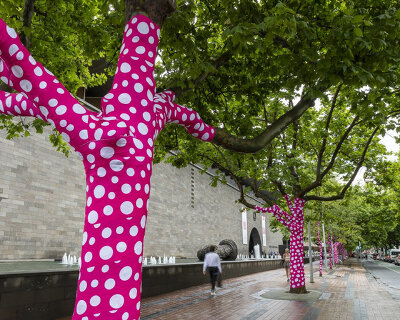
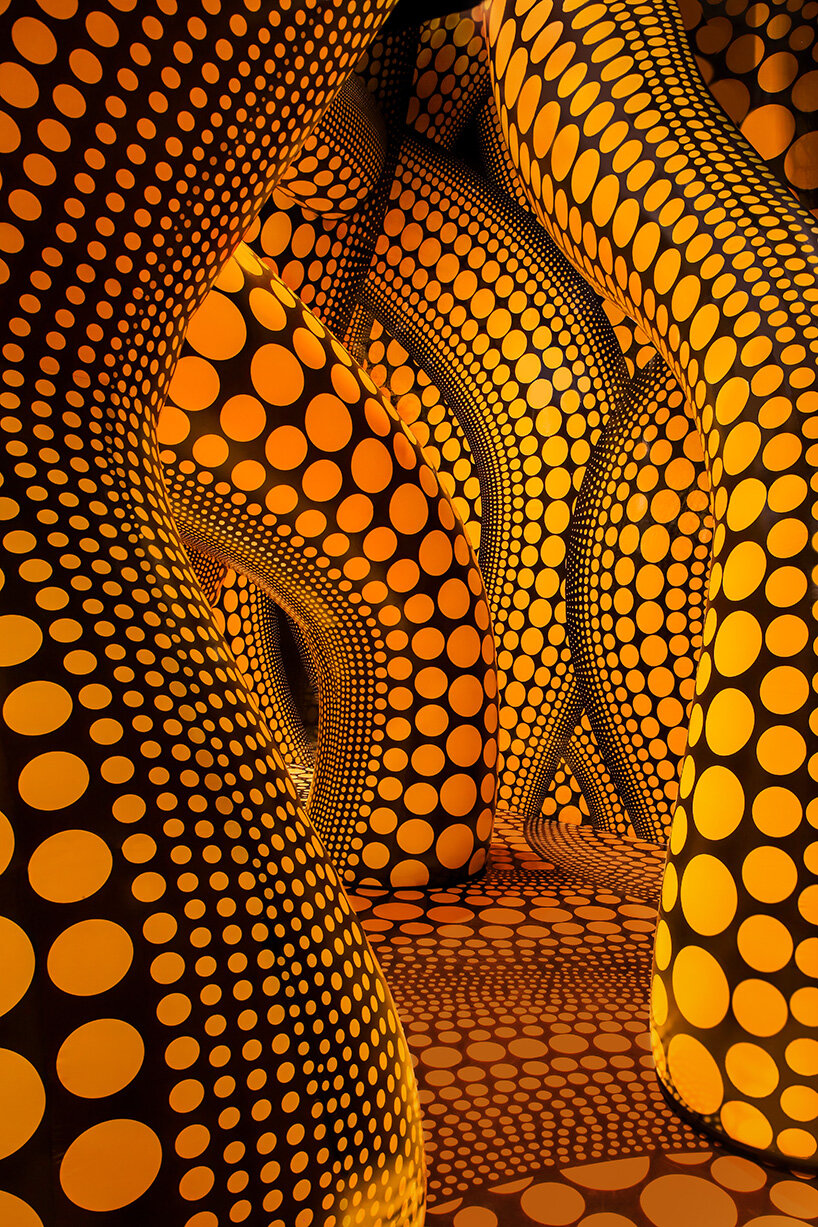
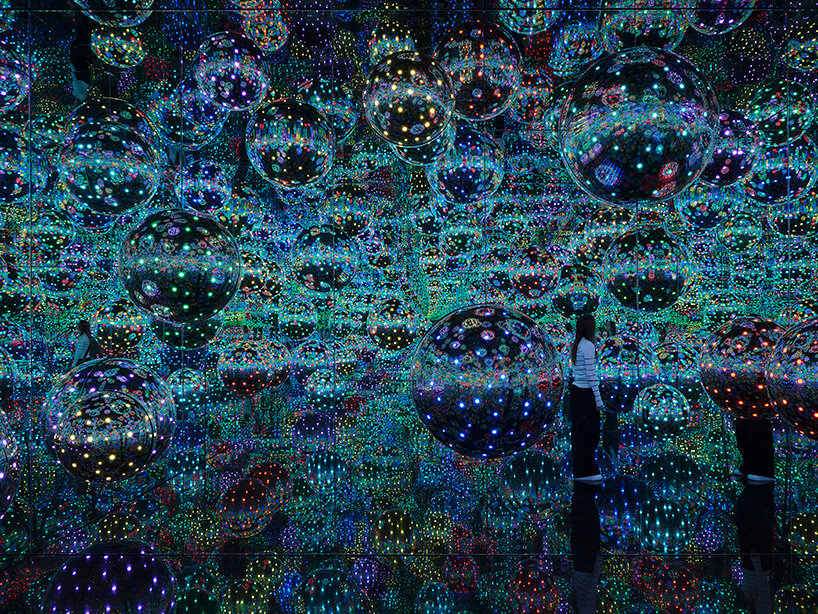
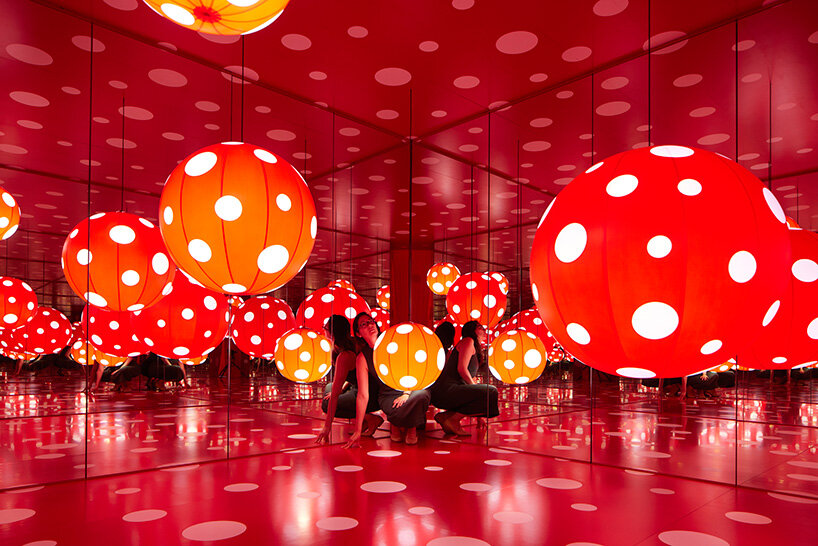
Kusama gradually took this idea off the canvas. She covered everyday objects with repeated forms, made soft sculptures and began creating installations in which entire rooms became part of the work. Her Infinity Mirror Rooms pushed the idea further, using mirrors, lights and repeated objects to create spaces that appear to have no clear beginning or end.
Inside these rooms, the viewer becomes part of the work. Reflections multiply and the sense of one’s own body begins to disappear into the surrounding space. Kusama described this idea as ‘self-obliteration,’ a recurring concern in her work.

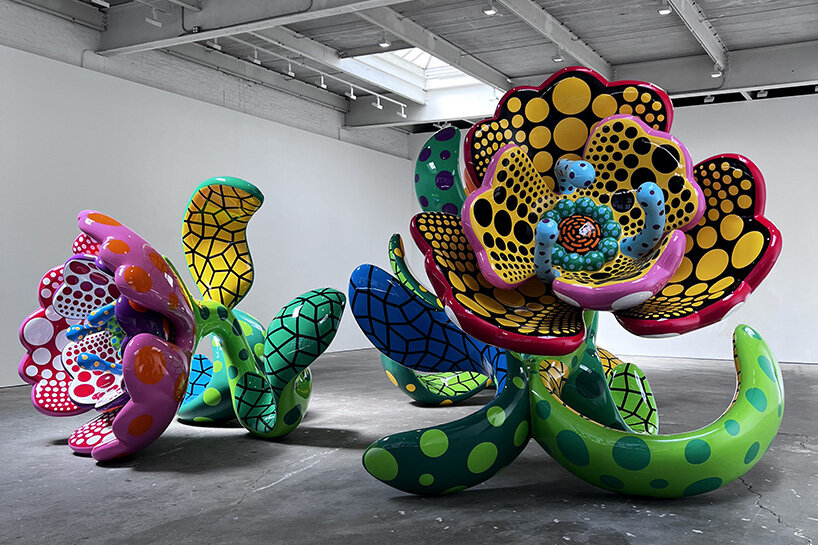
Kusama also worked with sculpture, performance, film, fiction and poetry, often returning to the same ideas through different forms. Her work could be intimate and personal while also becoming physically overwhelming.
She was open about the hallucinations and psychological experiences that had shaped her relationship with art since childhood, experiences that became an important part of the story around her work. For decades, she kept testing what could happen when a simple form was repeated until it took over an object, a canvas or an entire environment.
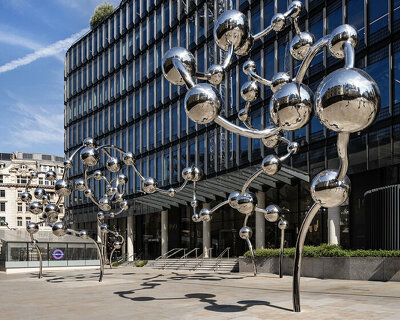
That persistence also helped her work reach audiences far beyond the museum and gallery world. Her installations became destinations in their own right, while her familiar motifs appeared in public art, fashion and popular culture. The accessibility of the images did not diminish the complexity of the ideas behind them.
Kusama continued working throughout her later life. According to the announcement from Yayoi Kusama Inc. and Yayoi Kusama Studio Inc., she never set aside her brush and continued her exploration of ‘forever love and eternal soul.’ The statement also says that her wishes will be carried forward through art, with the hope of bringing strength and hope for the future to people around the world.