
3D printed ceramic shingles turn clay into a light-responsive facade skin
the parametric ceramic shingles combine curvature, perforation, and layered textures.
robotically printed ceramic shingles form a cladding system
Studio WE presents CeraShingle, a modular ceramic facade system developed through robotic 3D printing and computational design. Led by designer Yutao Chen, the project investigates how additive manufacturing can expand the architectural and material possibilities of ceramic cladding systems.
The project reconsiders ceramics as an active building envelope rather than a flat or repetitive surface treatment. Each shingle is robotically printed in clay and designed as part of a larger modular system. Measuring approximately 400 by 130 millimeters and weighing just over one kilogram, the units are developed for durability, handling efficiency, and replacement within scalable facade assemblies.
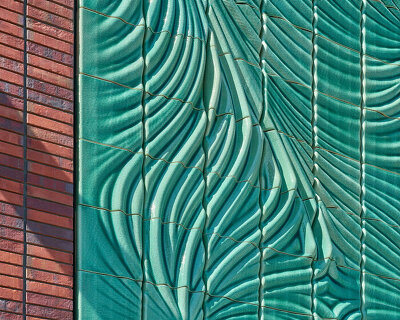
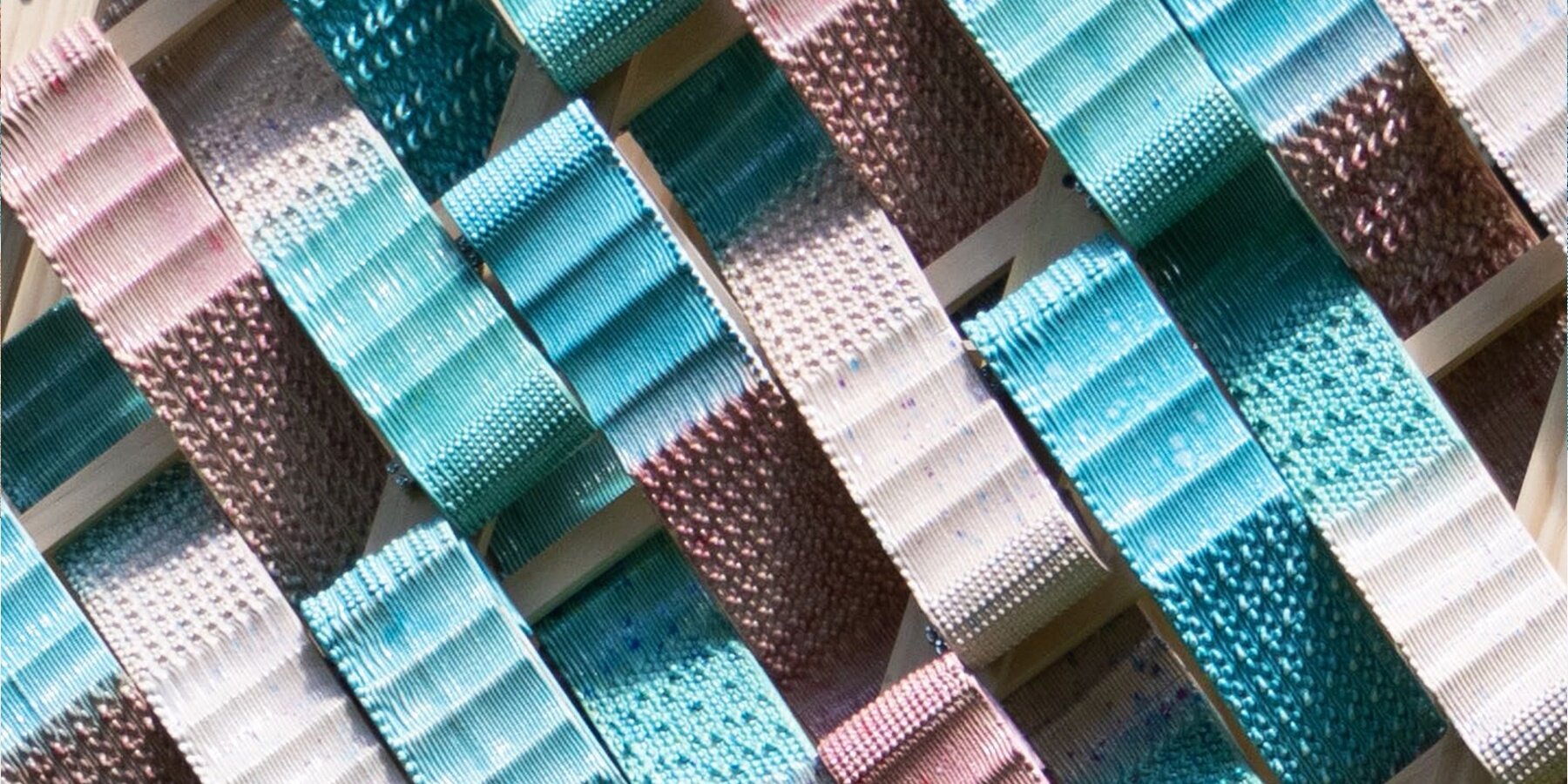
Installed with calibrated overlap, the shingles form a layered architectural surface that responds to changing daylight conditions. Ridges, perforations, glaze transitions, and geometric variations produce shifting effects of shadow, reflection, and texture across the facade. Rather than operating as a static cladding layer, the system introduces a surface condition that changes visually according to viewing angle and solar exposure.

robotically printed ceramic shingles form a layered facade surface | all images courtesy of Yutao Chen and Yiwen Gu
CeraShingle bridges ceramic materiality and digital fabrication
The project by designers Yutao Chen and Yiwen Gu combines ceramic craft with robotic fabrication processes. Instead of replacing traditional material practices, the robotic workflow is used to extend qualities associated with clay, including tactility, thickness variation, surface irregularity, and sensitivity to light. Through parametric modeling, the design team controls geometry, curvature, perforation patterns, surface density, and wall thickness across each component while maintaining compatibility between modules.
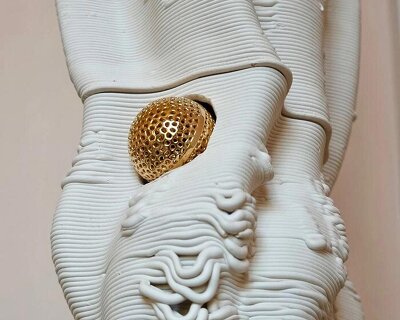
Robotic arms deposit clay layer by layer, generating micro-ridges, curved transitions, and textured surfaces directly through the printing process. These fabrication methods allow surface articulation that would be difficult to achieve through conventional mold-based ceramic production. The resulting components maintain the visual and tactile qualities of fired clay while incorporating digitally controlled variation.
CeraShingle positions itself between industrial facade systems and traditional ceramic cladding. While informed by computational design and robotic manufacturing, the project remains grounded in the material language of clay, glaze, and kiln firing. This approach establishes continuity between digital precision and ceramic materiality without relying on repetitive industrial standardization.

glaze variation and surface texture allow each shingle to catch light differently
modular clay shingles structure adaptable architectural skins
The system is developed as a flexible architectural envelope adaptable to different scales and site conditions. Because each shingle functions as an independent module, facade configurations can be adjusted across installations, interior applications, pavilions, or larger building surfaces. Individual damaged units can also be replaced independently, simplifying maintenance and extending the lifespan of the cladding system.
Material efficiency is integrated into the fabrication logic through additive manufacturing, which deposits clay only where required. The project also investigates the use of locally sourced clay and low-temperature glazes to reduce transportation demands and firing energy while maintaining surface variation and material expression.
For Studio WE, CeraShingle forms part of a broader investigation into the relationship between computational design, robotic fabrication, and architectural material systems. The project explores how ceramic building envelopes can operate simultaneously as modular infrastructure, tactile surface, and light-responsive architectural skin.

CeraShingle modules are installed as overlapping ceramic units on a timber support frame

the ceramic shingles create depth, shadow, and movement across the facade surface

textured clay modules transform ceramic cladding into a tactile architectural skin
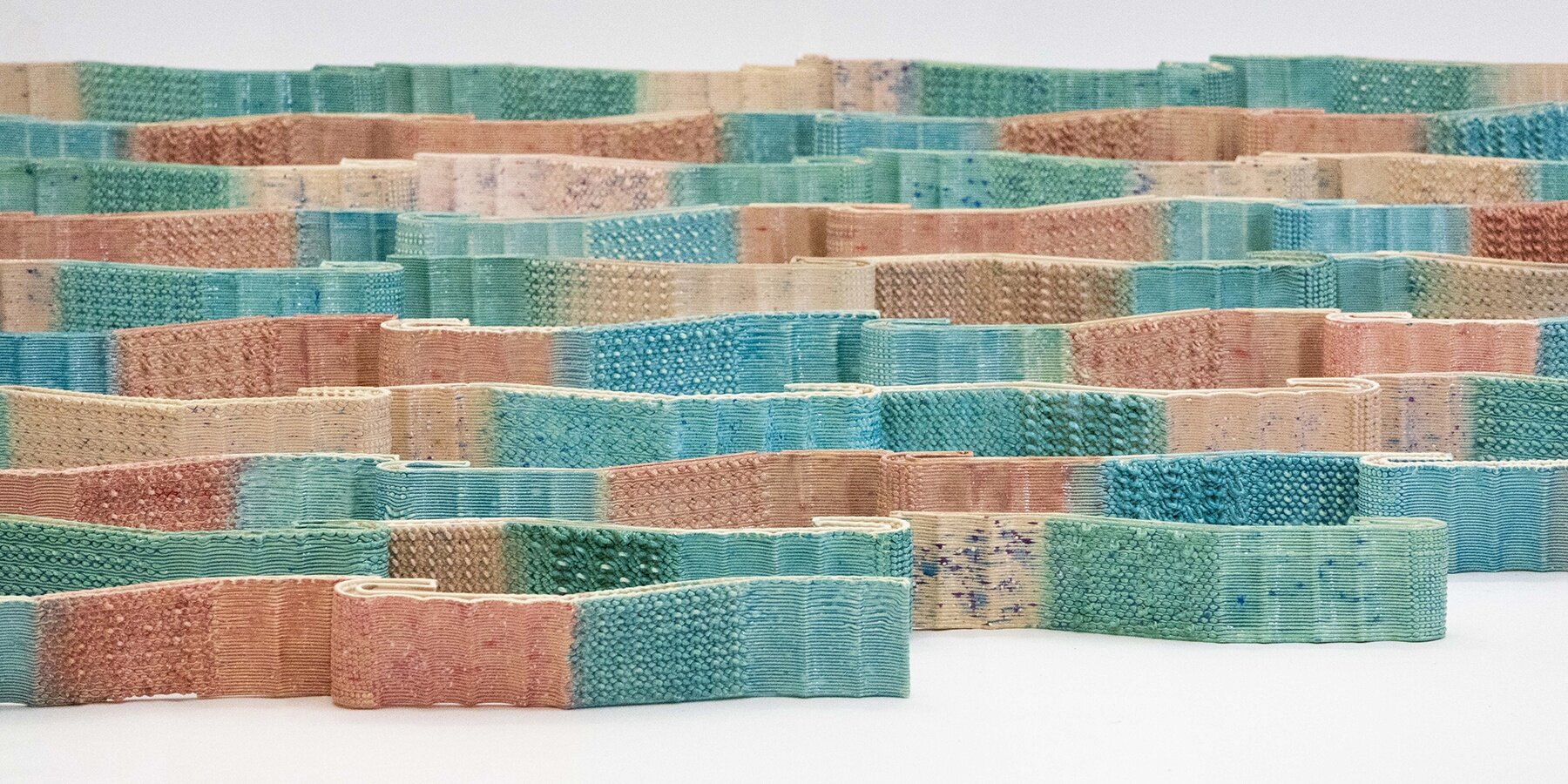

layered ceramic shingles shift in color and shadow as sunlight moves across the surface

the modular system can be adapted to installations, pavilions, and larger buildings

CeraShingle explores ceramic craft through robotic printing and architectural assembly

close-up of the glazed ceramic shingles, showing ridges, texture, and material variation


1/2
project info:
name: CeraShingle
architect: Studio WE
designers: Yutao Chen | @yutaoch, Yiwen Gu
designboom has received this project from our DIY submissions feature, where we welcome our readers to submit their own work for publication. see more project submissions from our readers here.
shop
your own online design shop — no sales commission collected