designboom has received this project from our DIY submissions feature, where we welcome our readers to submit their own work for publication. see more project submissions from our readers here.
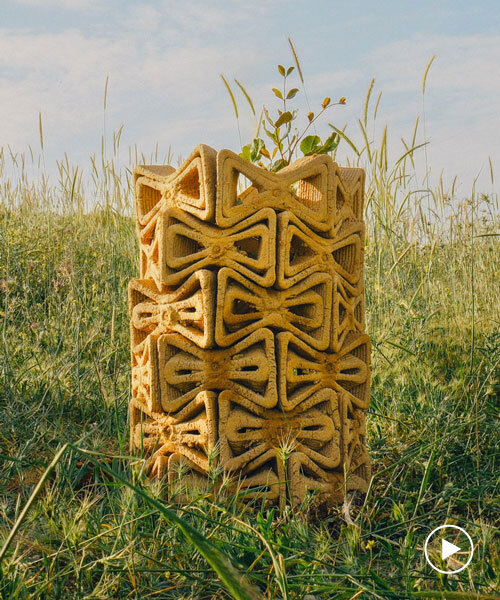
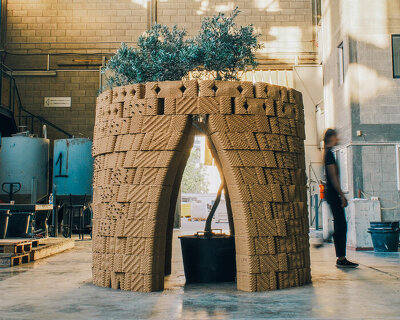
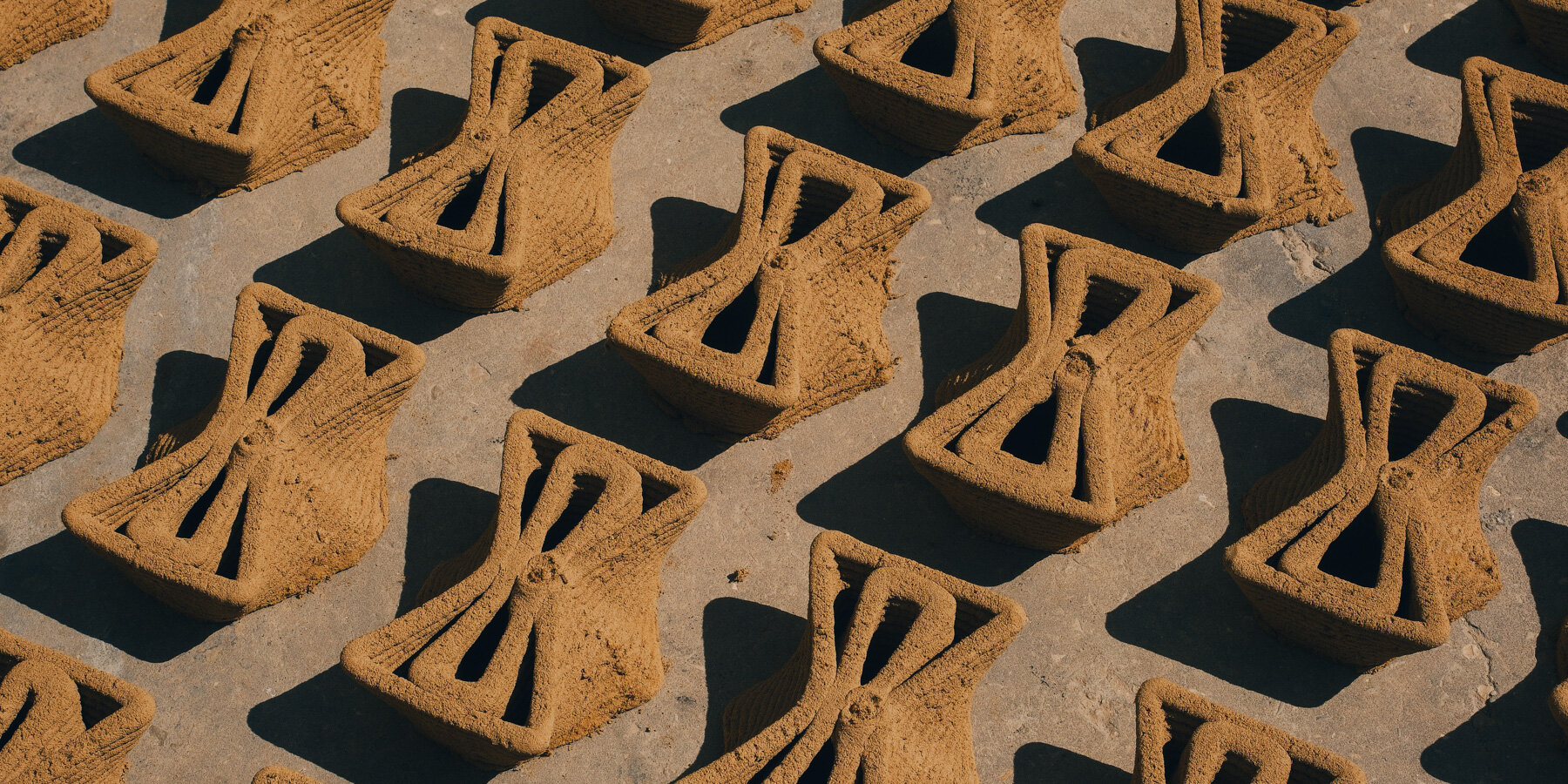
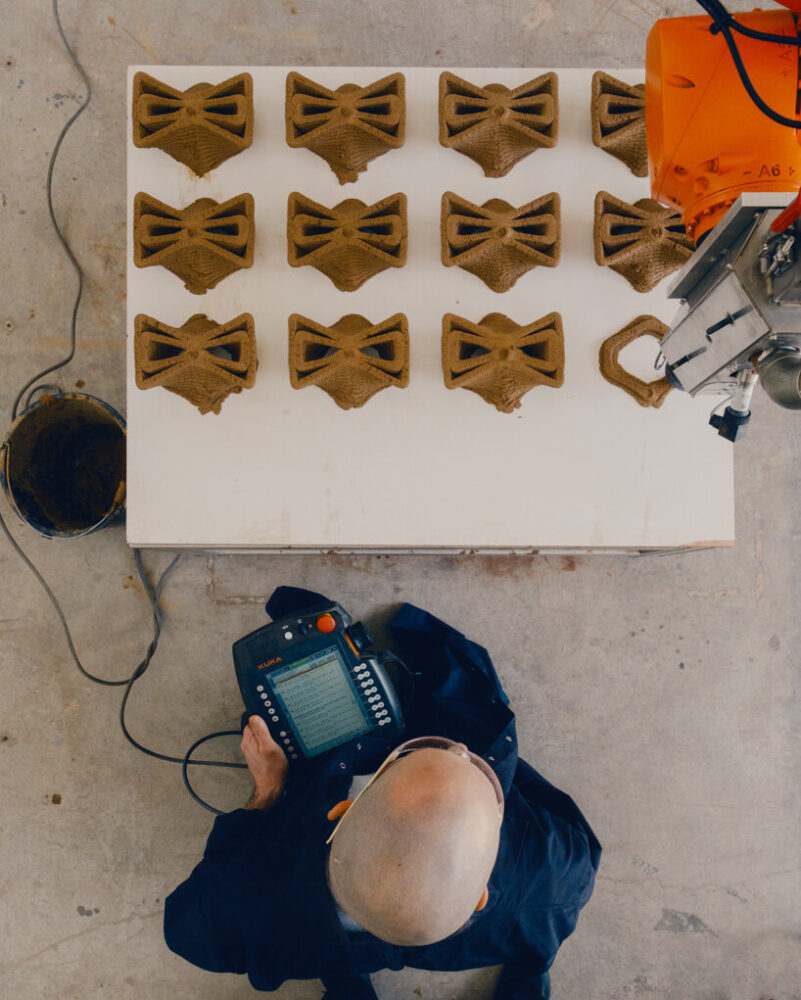
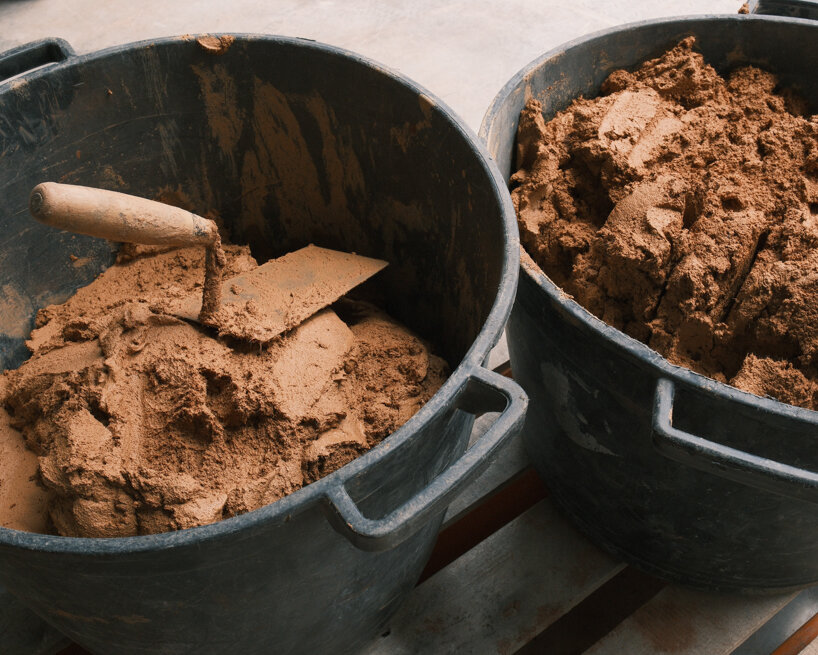
TreeSoil system utilizes locally sourced soil mixed with sand, clay, and natural binders for fabrication.
prefer designboom on google[FEATURED]
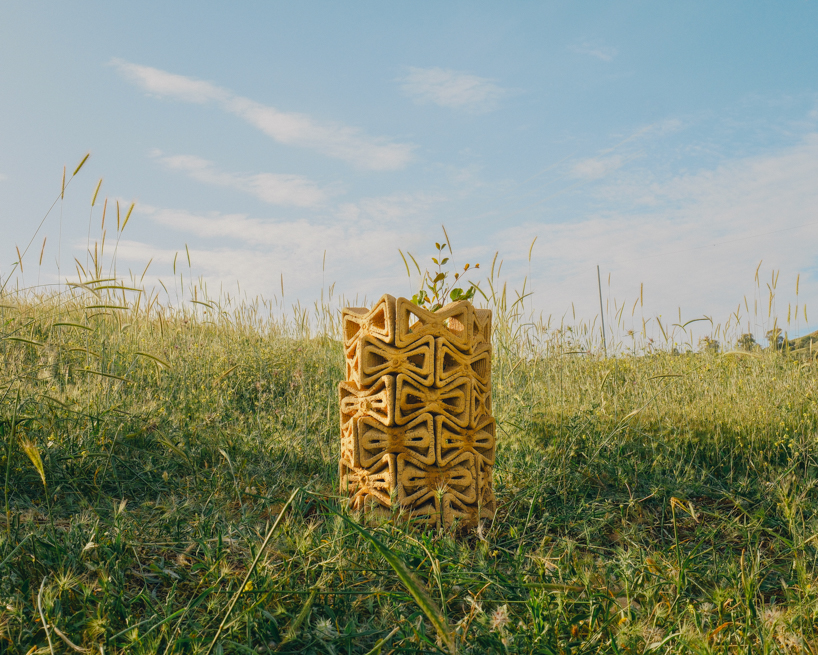
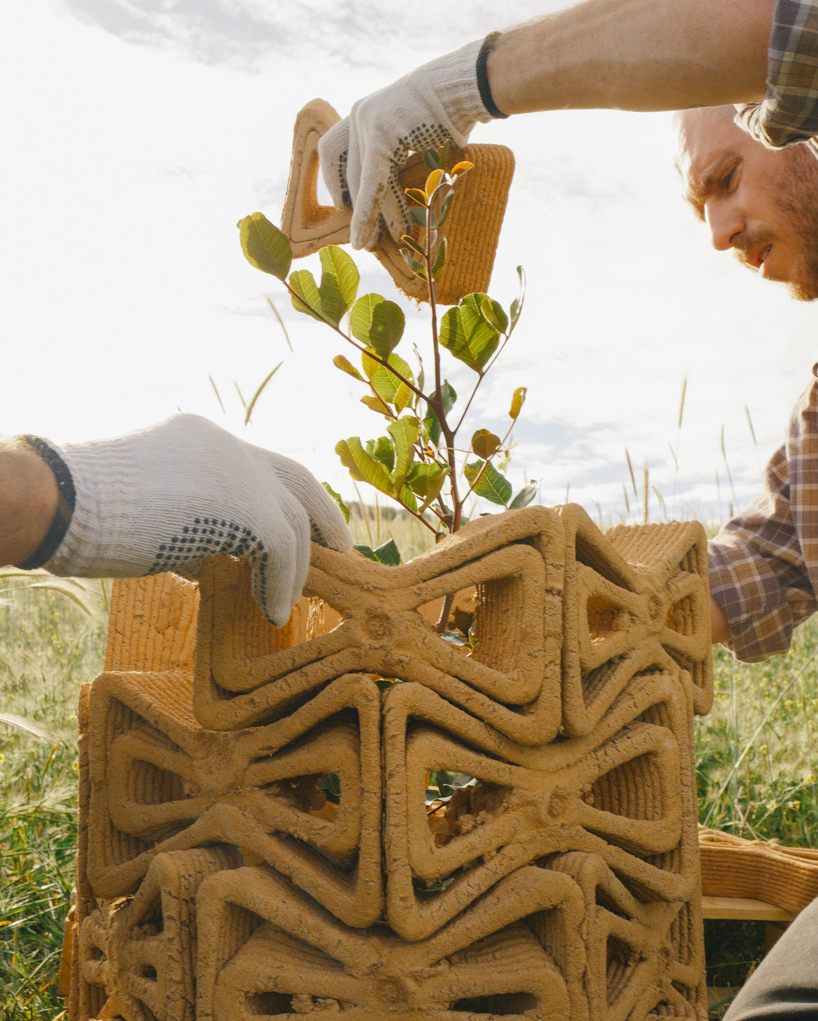
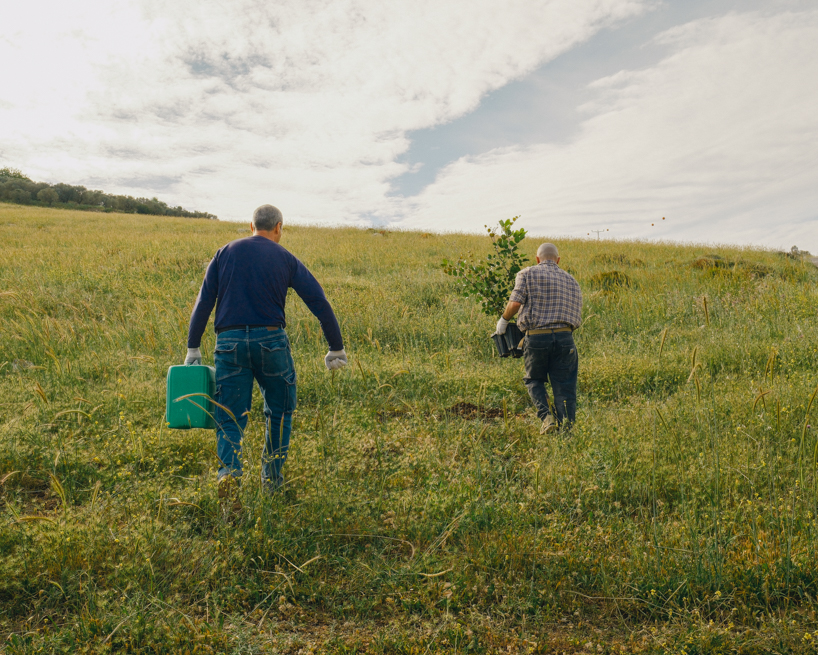
TreeSoil is a robotic 3D printed earthen shelter designed to create microclimates that support the early growth of young trees. Developed at the Technion’s Material Topology Research Lab (MTRL) in collaboration with the Tree Lab at the Weizmann Institute of Science, the project integrates architecture, material science, and plant biology to explore how design can actively assist ecological regeneration.
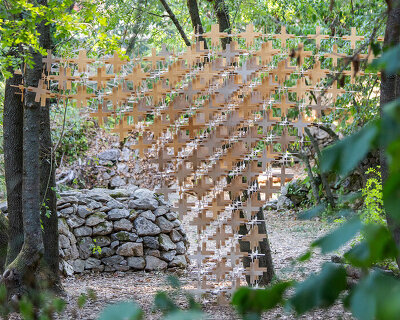
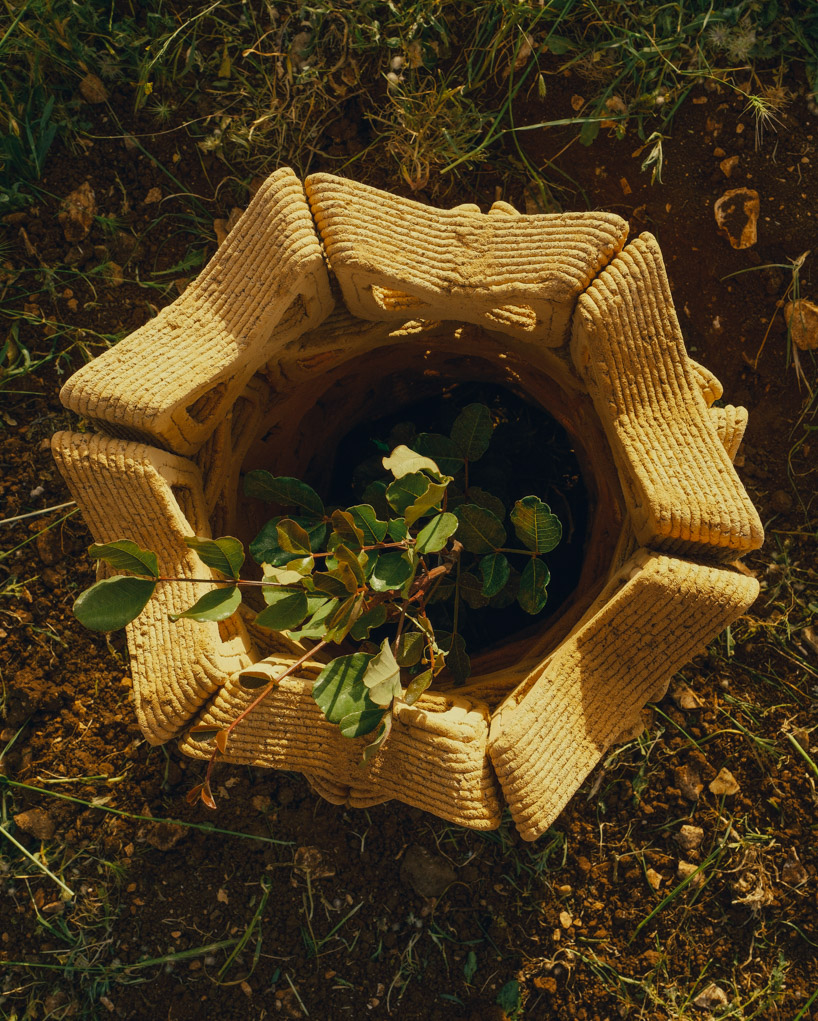
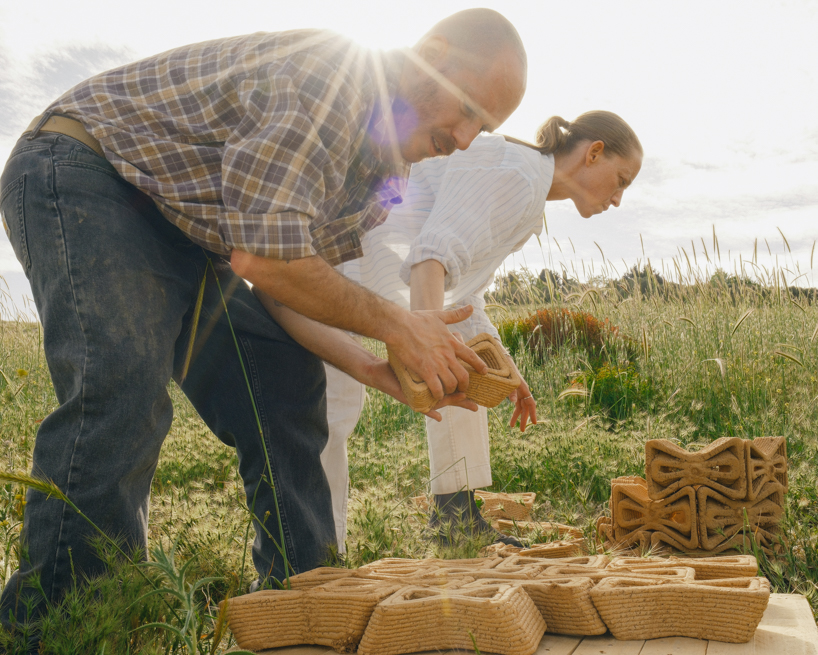
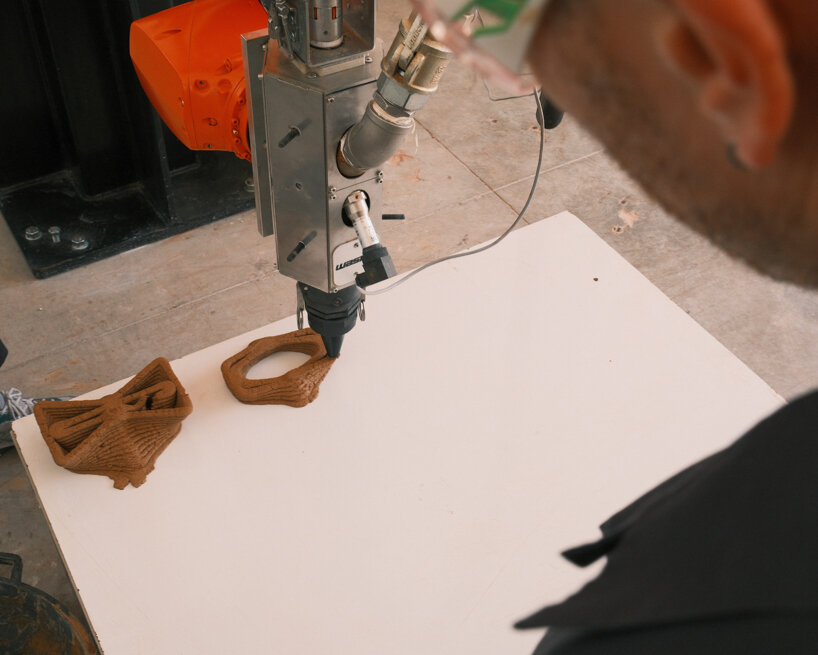
The project draws on ancient agricultural techniques used in arid landscapes, where stone or earthen enclosures shield crops and saplings from wind, sun, and evaporation. TreeSoil reinterprets these methods through computational design and robotic fabrication, transforming soil into a modular, interlocking system that mediates between technology and ecology. Each structure is composed of modular bricks produced through large-scale robotic extrusion. The design uses local climatic data, including solar radiation, wind patterns, and humidity, to optimize conditions for the sapling at its center. Its porous geometry enables airflow and shading, while the thermal mass of the earthen material helps regulate temperature and moisture, supporting root establishment and early growth.
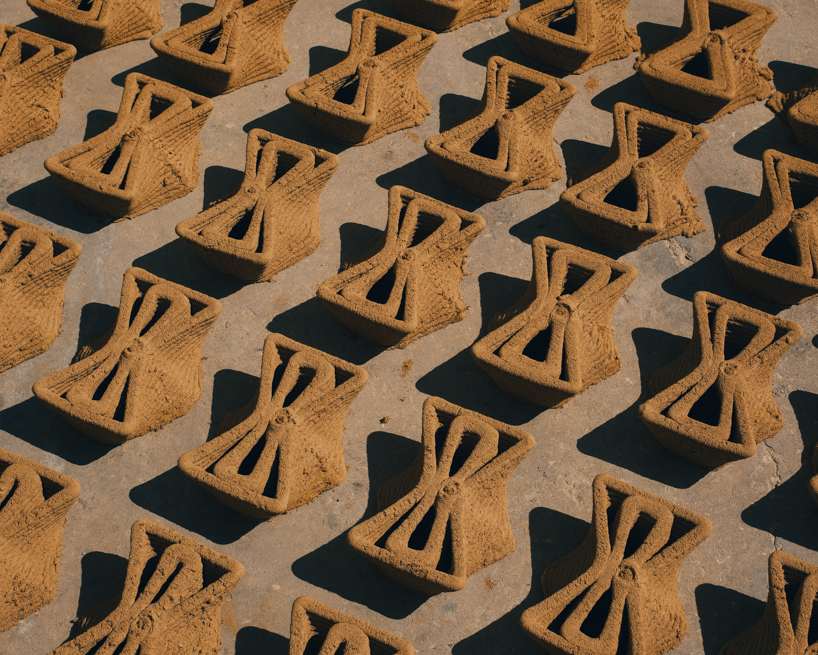
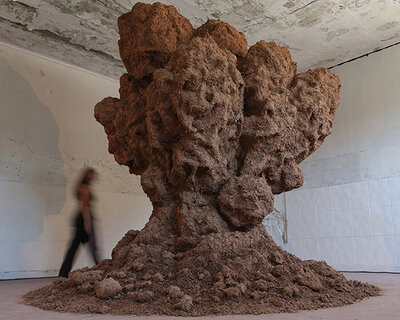
The material system combines locally sourced soil with sand, clay, and bio-based binders derived from cellulose and organic fibers. In some prototypes, biochar and other waste-derived nutrients are added to enhance soil stability and structural integrity. The mixture is tested for rheological, mechanical, and erosion properties to ensure printability and environmental compatibility. Components are fabricated using a KUKA KR50 robotic arm and a WASP LDM XXXL extrusion system, built layer by layer, naturally dried, and assembled on-site without adhesives. The resulting structure is fully biodegradable and gradually disintegrates as the tree matures, returning nutrients to the soil.
TreeSoil positions architecture as a temporary, adaptive, and regenerative infrastructure rather than a permanent form. Its design emphasizes the relationship between vegetation and the land, creating a controlled microclimate while integrating technology, soil, and plant life into a responsive ecological system. The design team at Material Topology Research Lab names the project TreeSoil to reflect the fundamental relationship between vegetation and the land it emerges from.


project info:
name: TreeSoil
designer: Material Topology Research Lab | @mtrlab, Faculty of Architecture and Town Planning, Technion Israel Institute of Technology, Haifa Research
design team: Ofer Asaf, Aaron Sprecher
research & design lead: Ofer Asaf
academic advisors: Profs. Aaron Sprecher, Arnon Bentur, Tamir Klein
research assistants: Tair Shekel, Aviv Shabo
video & stills, direction, cinematography & edit: Tamir Faingold
still photography: Edo Asoulin
creative direction: Dana Zelig
designboom has received this project from our DIY submissions feature, where we welcome our readers to submit their own work for publication. see more project submissions from our readers here.
your own online design shop — no sales commission collected