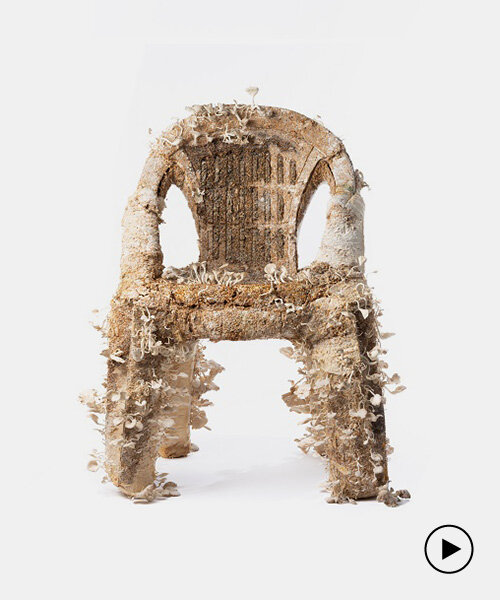
agricultural waste-grown mycelium by NONGZAO takes over everyday plastic objects
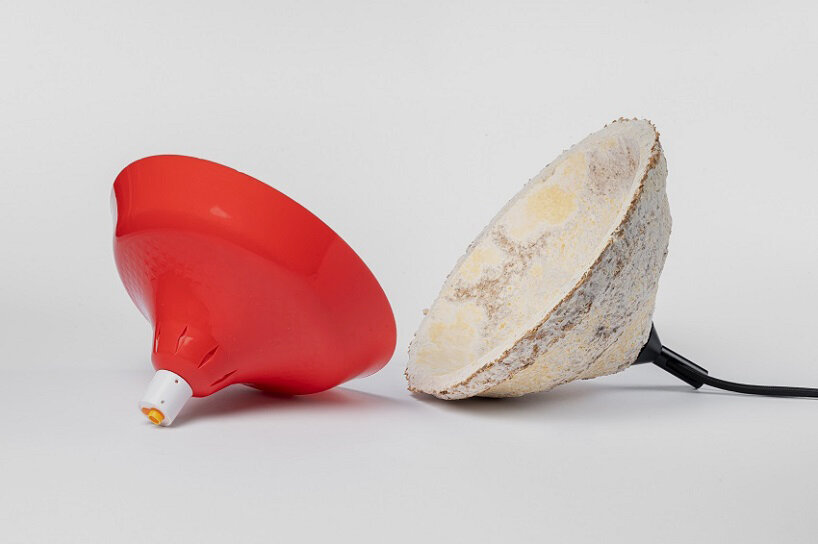
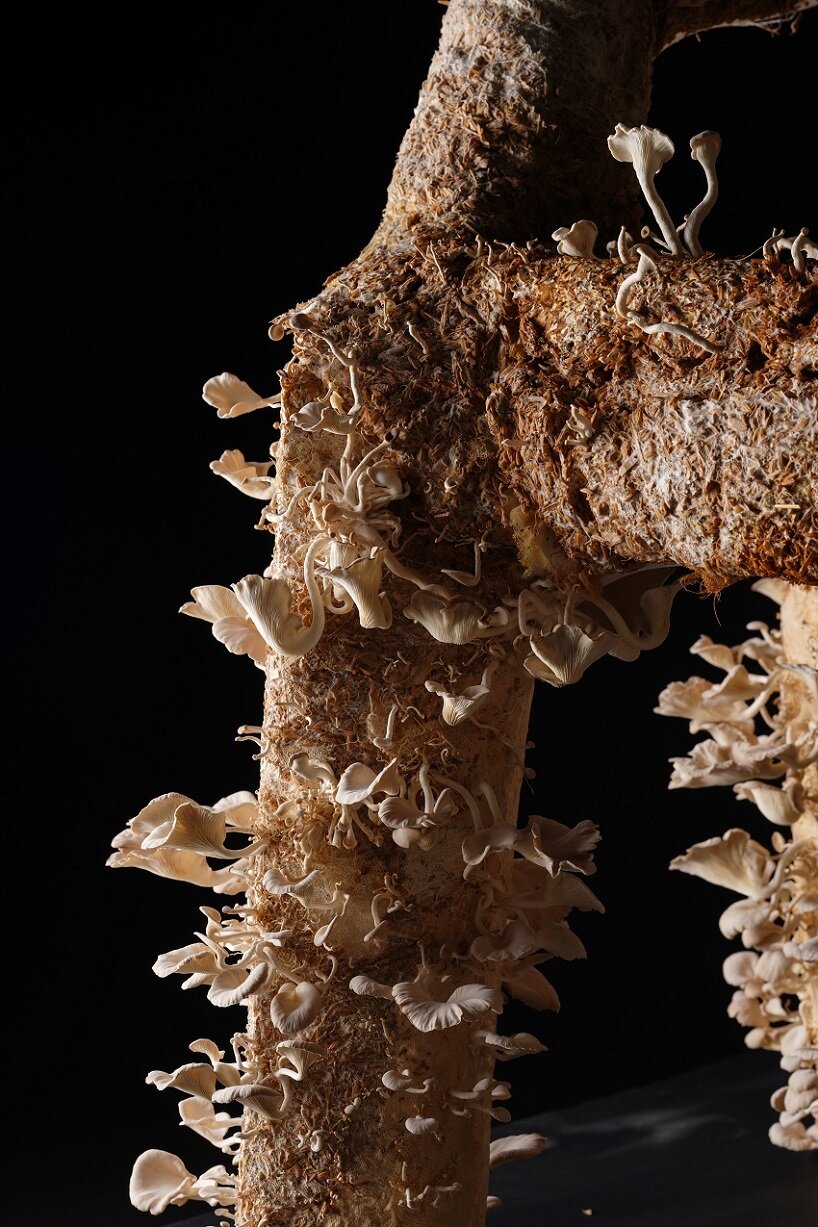
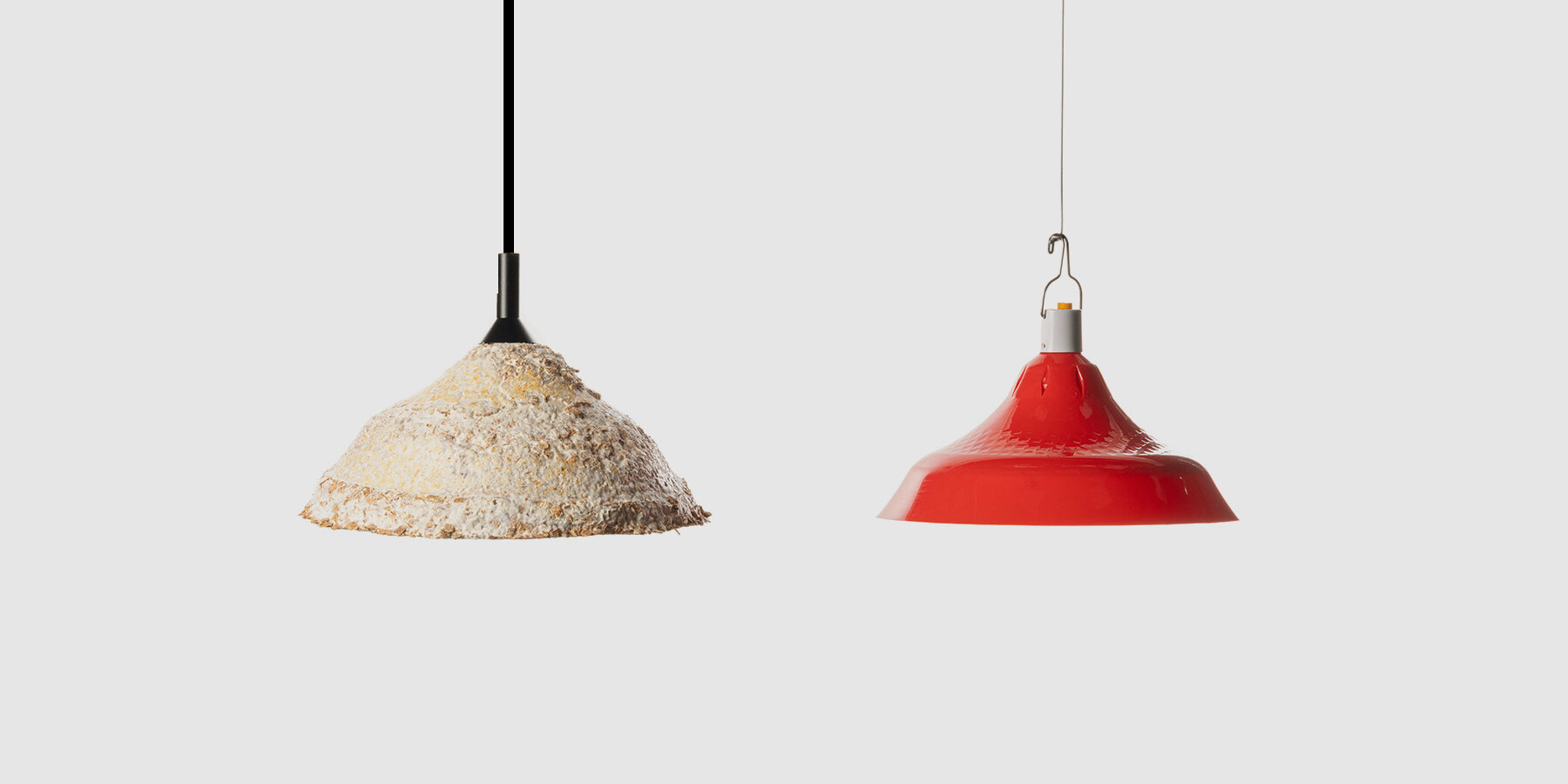
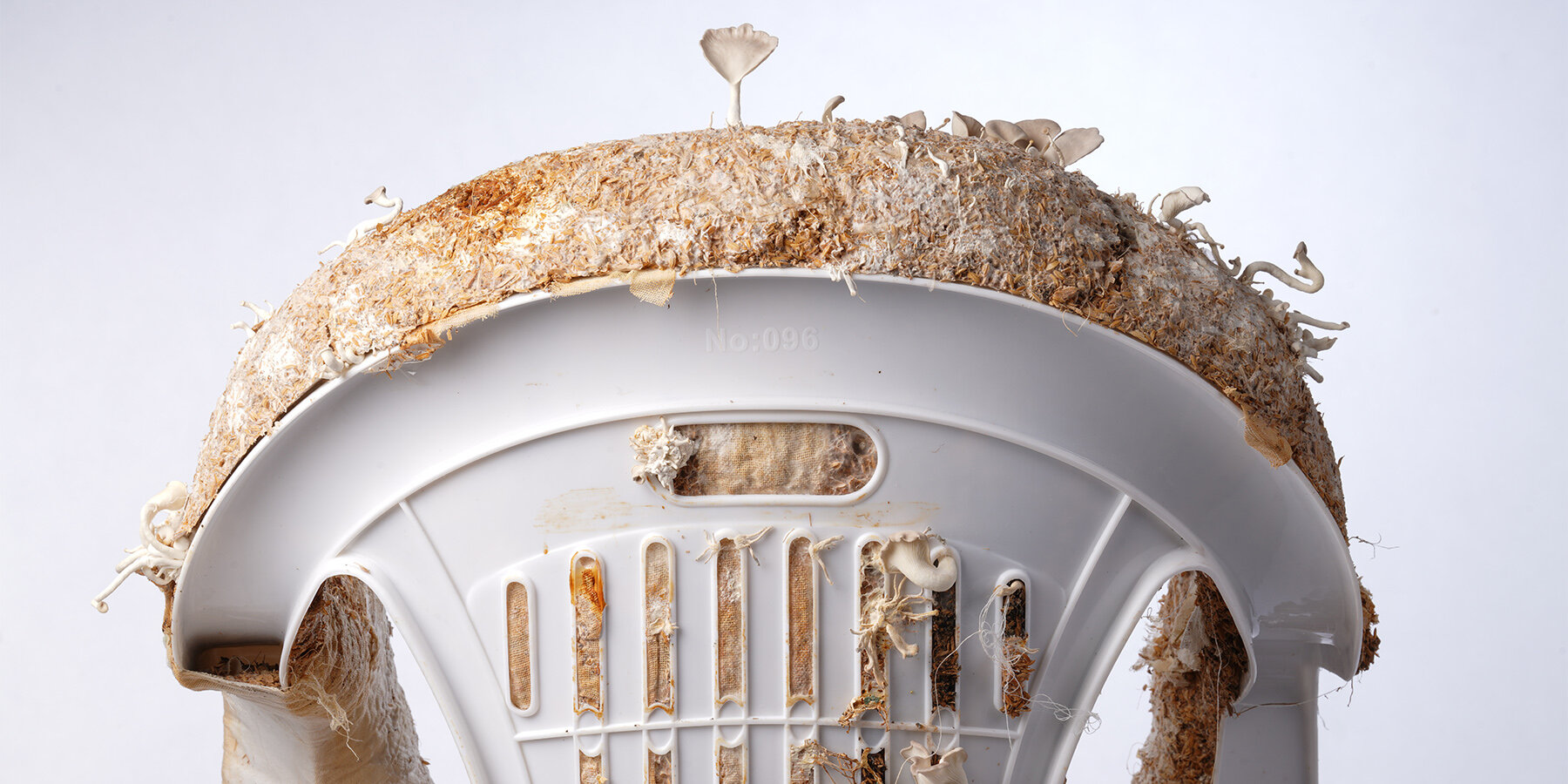
challenging industrial homogenization, mycelium mushroom grows on monobloc chairs, plastic stools, and lighting fixtures.
prefer designboom on google[FEATURED]
NONGZAO transforms ordinary plastic items into mycelium molds
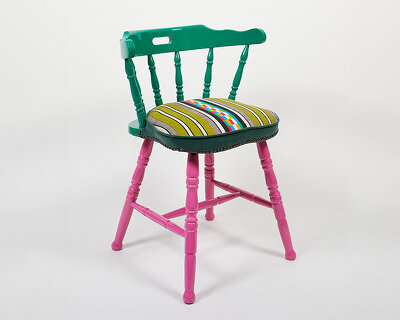
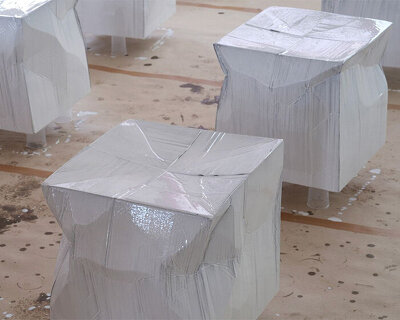
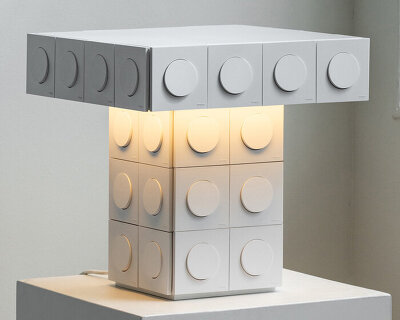
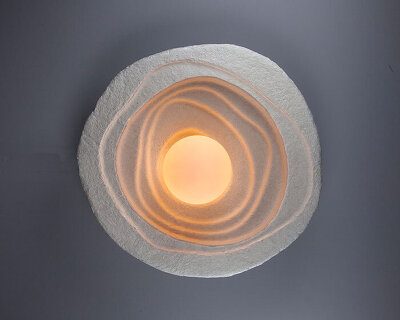
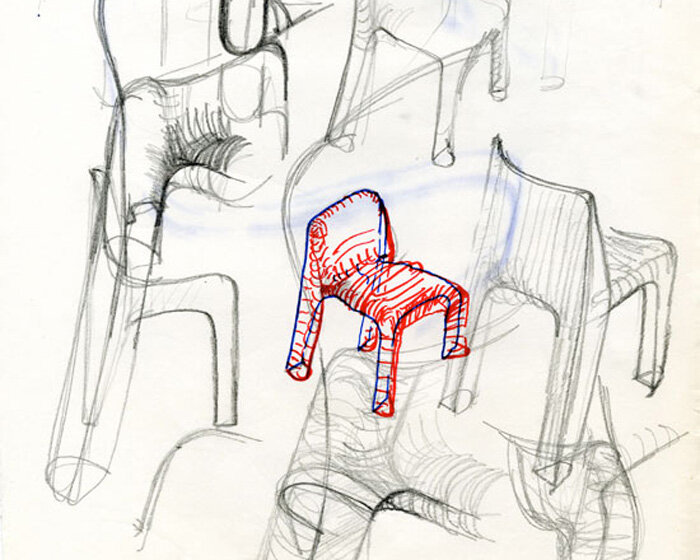
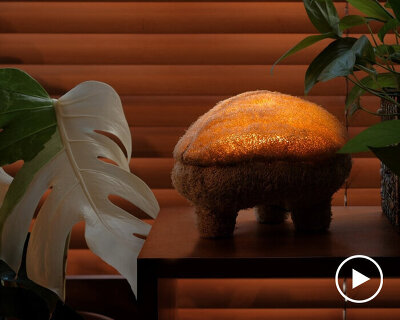
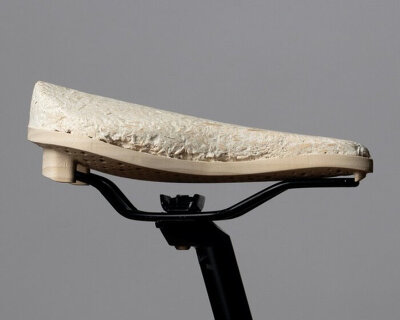
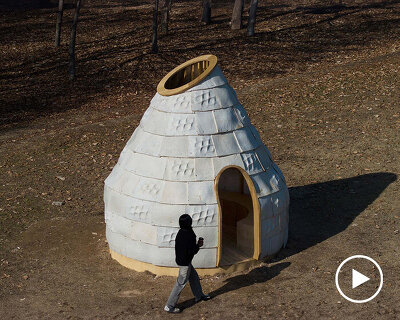
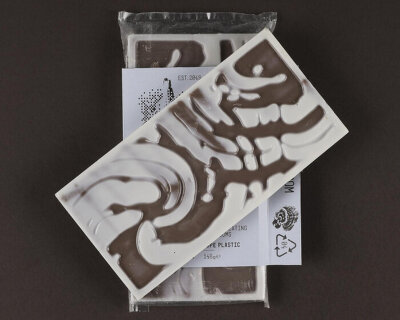
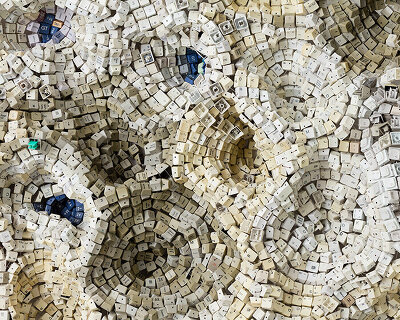
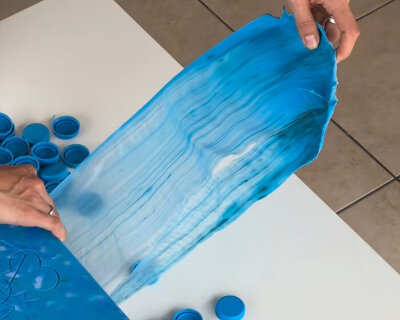
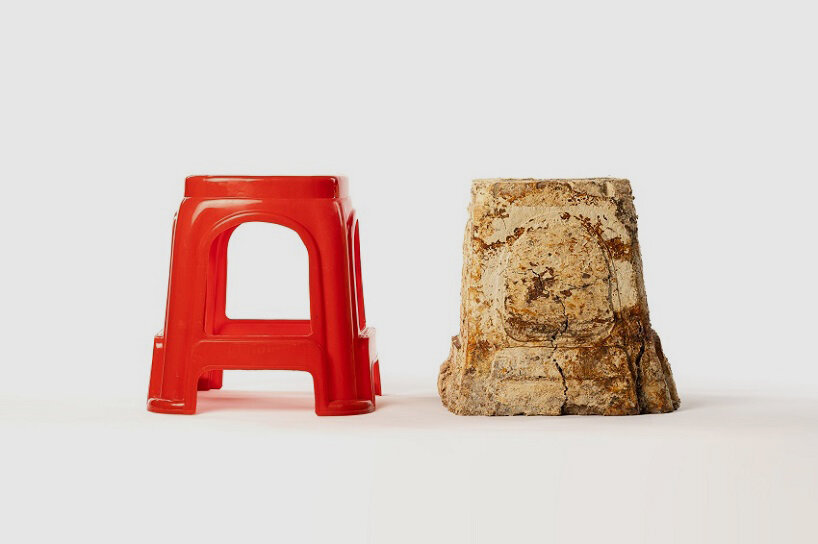
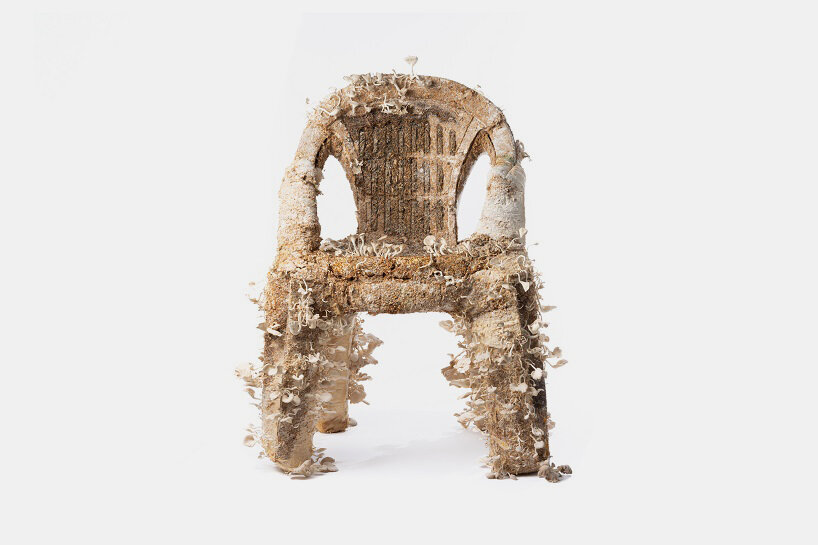
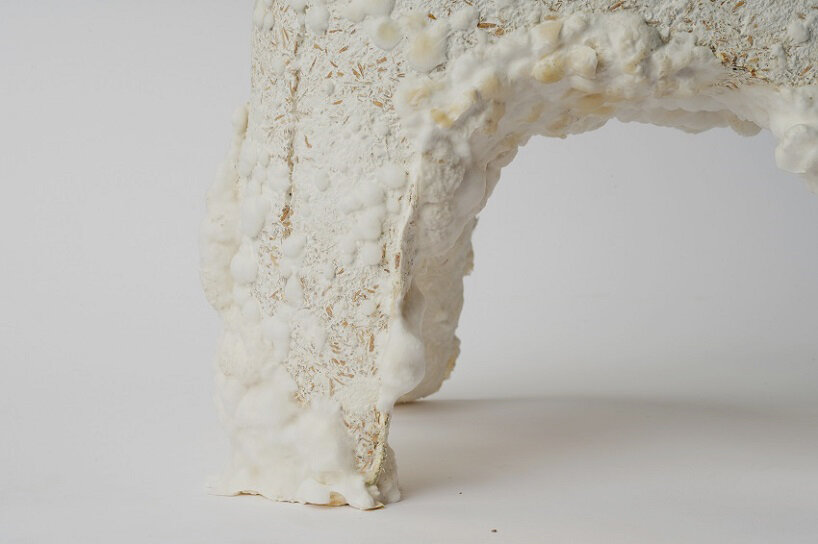
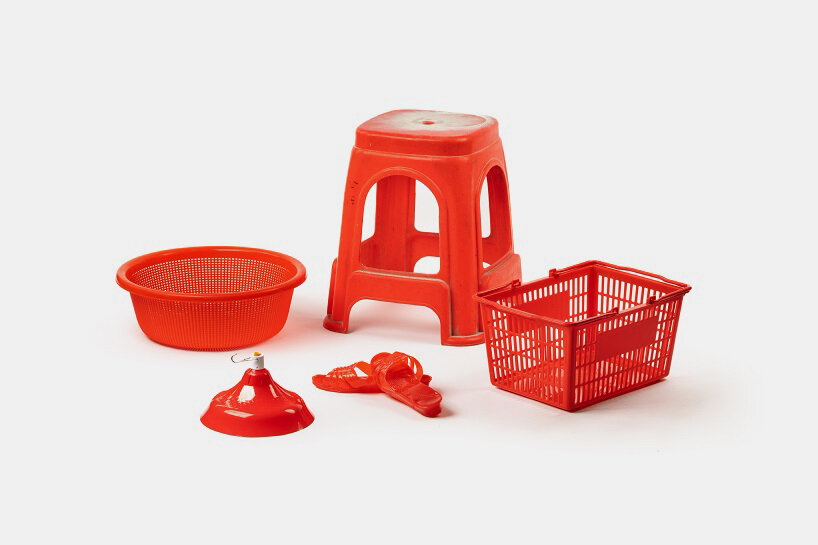
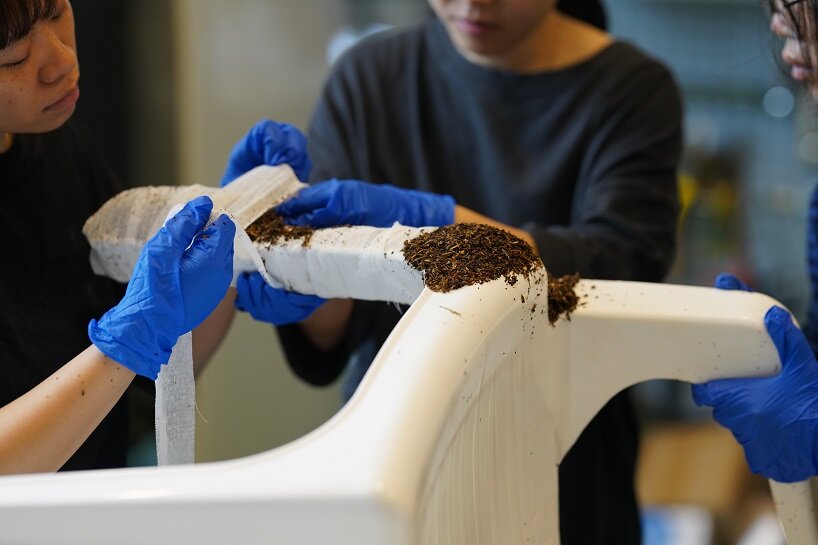
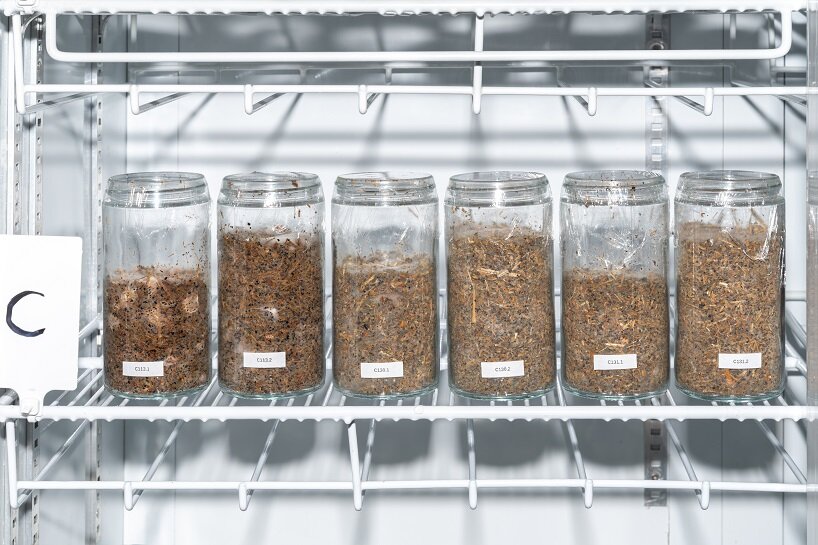
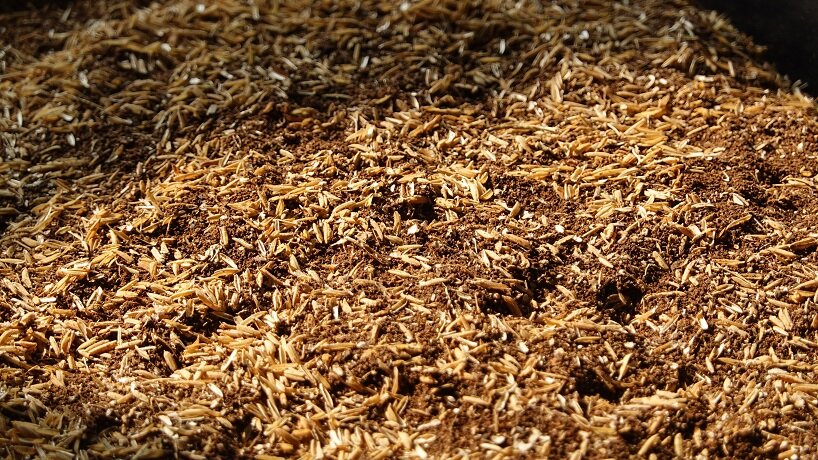
CONSUMER, Coffee Grounds Mycelium Practice by NONGZAO transforms ordinary plastic objects into eco-friendly items by using them as molds for mycelium grown on agricultural waste, such as coffee grounds and rice husks. Mycelium mushroom grows on monobloc chairs, plastic stools, and lighting fixtures, challenging industrial homogenization, and identifying unique characteristics for each product. By leveraging the natural growth process of mycelium, the project breaks the visual monotony of mass-produced plastic items, offering a diverse alternative.
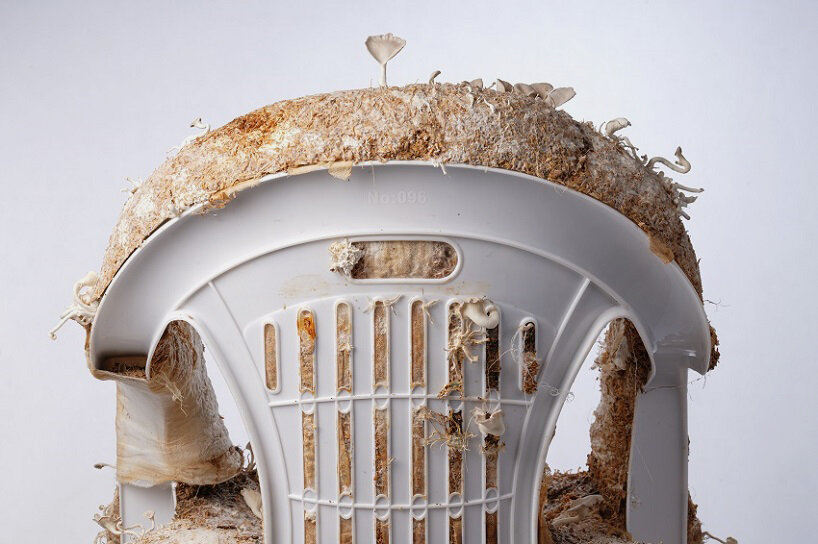
CONSUMER uses agricultural waste to cultivate mycelium
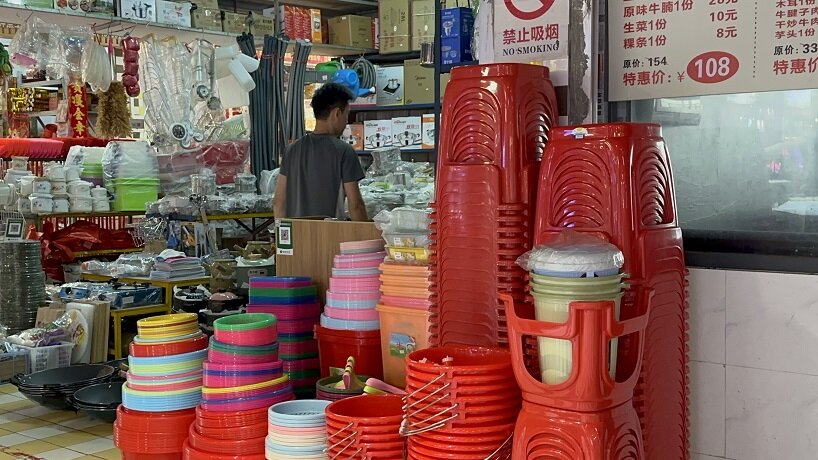
The widespread use of plastic, while advantageous due to its lightweight, cost-effectiveness, and durability, has led to significant ecological issues. Plastic’s environmental impact is profound, with over 430 million tons produced annually, two-thirds of which are short-term use items that rapidly become waste. In regions like Guangdong, China, ubiquitous red plastic furniture symbolizes the industrial era, reflecting societal transformation and aesthetic habits. However, this prevalence has resulted in visual monotony and a decline in aesthetic diversity. NONGZAO uses mycelium in the CONSUMER project, a biodegradable biological material, as a potential solution to replace plastic. Using agricultural waste as a growth substrate, mycelium can completely decompose in soil, thus adhering to closed-loop ecosystem principles. The Chinese studio utilizes coffee grounds, rich in nutrients like cellulose and lignin, as a catalyst for mycelium growth, promoting resource recycling and offering a sustainable solution for agricultural waste. Additionally, mycelium absorbs and stores carbon during its growth, reducing atmospheric carbon dioxide levels.
1/3
project info:
name: CONSUMER ——Coffee grounds mycelium practice
designer: NONGZAO | @nongzao.official
design team: Gang Xv, Yatu Tan, Lili Liang, Zixin He
designboom has received this project from our DIY submissions feature, where we welcome our readers to submit their own work for publication. see more project submissions from our readers here.
shop
your own online design shop — no sales commission collected