anaïde gregory studio’s made in china diary explores local manufacturing
the design report demonstrates mono-localization impacts of know-how at the global scale.
prefer designboom on google
anaïde gregory studio’s made in china diary explores local manufacturing
(above) shunde, the world’s largest furniture producer, factories covering 10km of highway
all images courtesy of anaïde gregory studio
a five-month journey through china led the swiss designers of anaïde gregory studio to create a travel log titled the ‘made in china diary‘. ‘adopting a witty and curious approach, they gaze upon the chinese economic miracle. anaïde and gregory give us a new look at local manufacturing processes, ranging from modest family operations to factory-cities resulting from success stories unlike anything seen in our region of the world,’ says pascal marmier, CEO of swissnex shanghai. ‘but they also grasp the dark side of this miracle, the unbridled urbanization, the negligible value of human life in the global production chain. the textile market is delocalizing and automated high-tech facilities are now replacing a labor force that is no longer cheap enough!’ as such, this exploration of the traditional methods used to produce parts of everyday life provides a deeper meaning and contrast to the technological innovations of tomorrow. the following excerpts are but a glimpse into their findings.
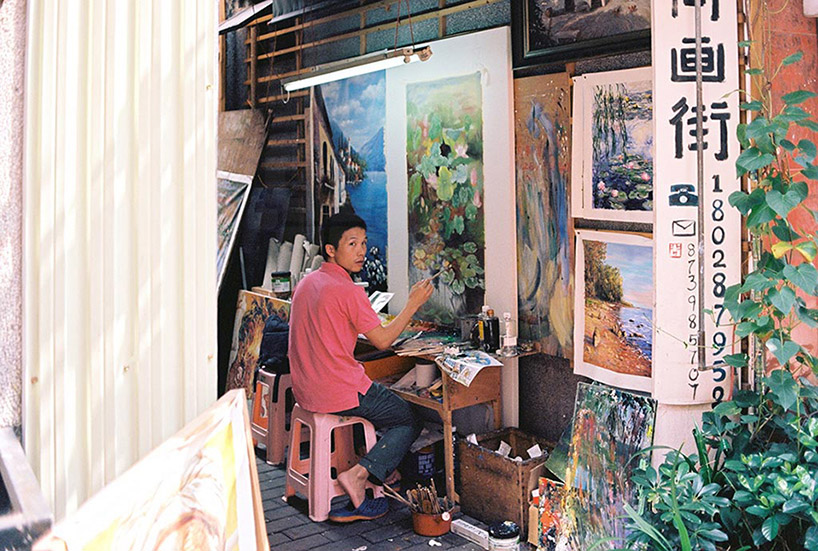
in 1989, a rich hong kong man decided to setup a painting reproduction workshop in dafen. twenty years later, the village now has the largest concentration of painters in the world.
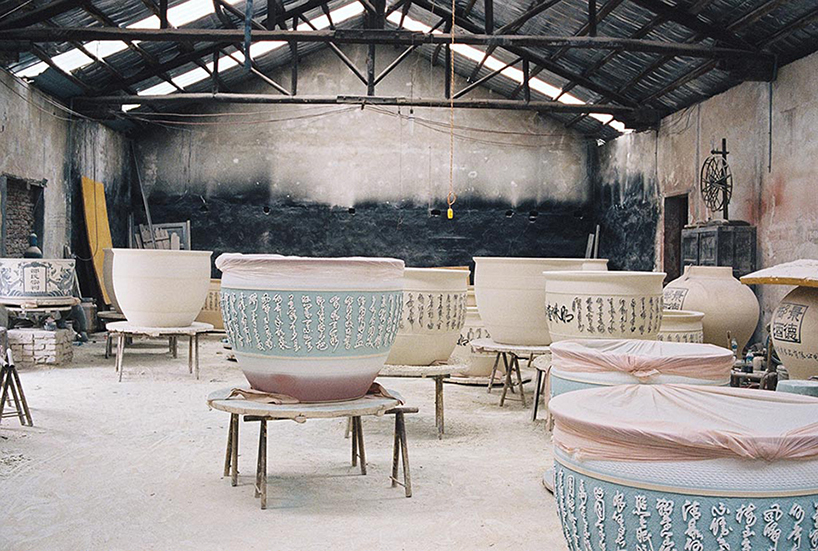
called the porcelain capital, jingdezhen survives today on the remnants of an industry that did not take the technological turn in the 1990’s.
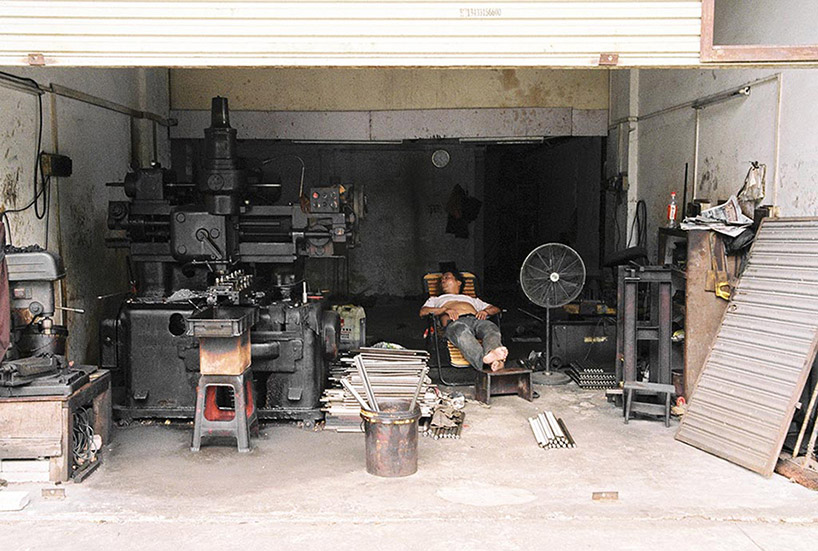
in foshan, small productions are spontaneously setup in garages along streets, so that while walking around the outskirts of towns, you might stumble upon families polishing stainless steel casts used to mass produce injected plastic products. independent craftspeople chain-produce parts in industrial quantities using secondhand machines often purchased from european factories.
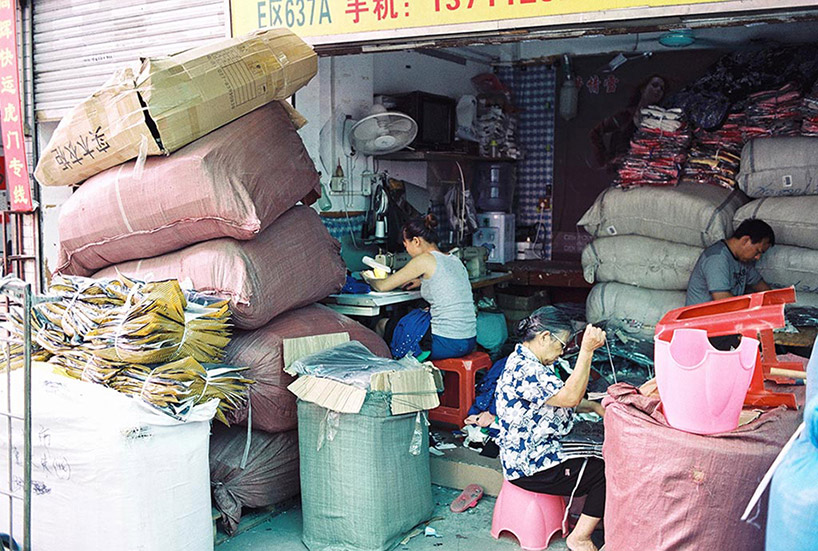
in guangzhou, people stitch, pack and sell 24 hours a day, 7 days a week minus the xiu xiu.
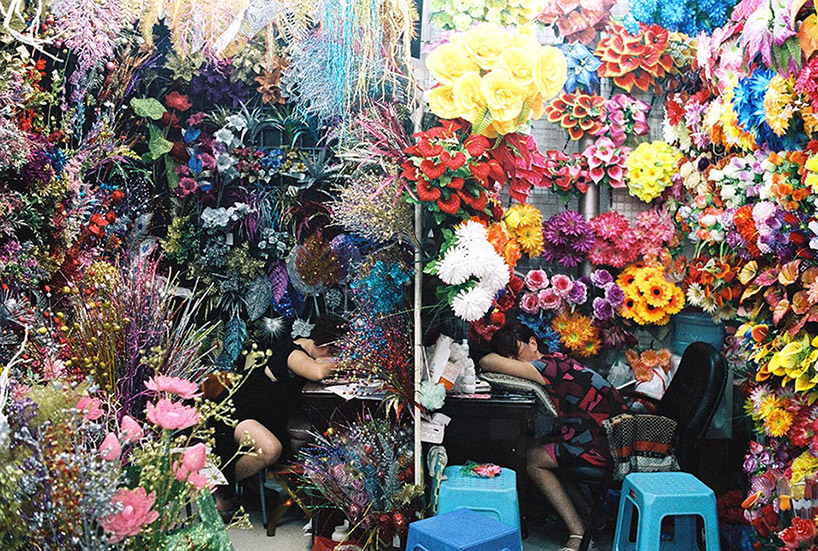
yiwu is home to the largest wholesale market in china. over 70,000 companies display their wares in tiny booths overloaded with inexpensive goods bought and sold by the container-full. divided into product-line districts, the market is an impressive city within a city.
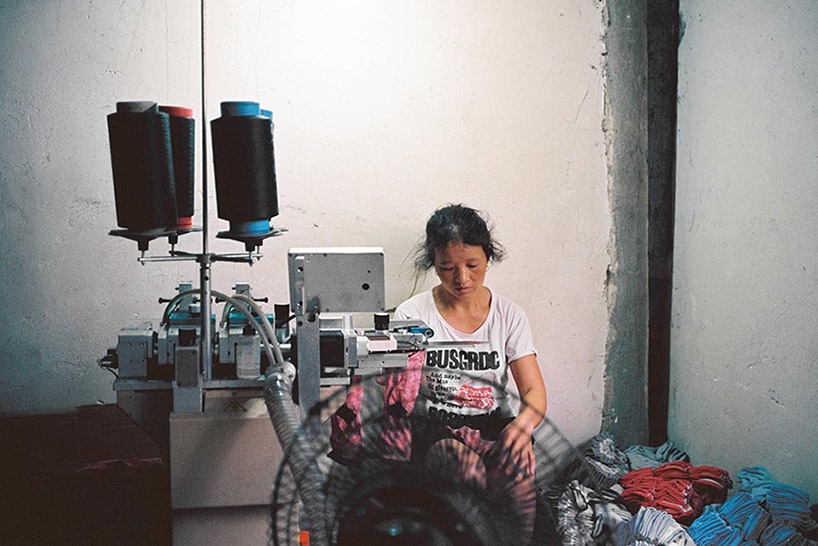
everyone in datang lives off the sock industry, the machines run 24/7 in the courtyards and cellars of people’s houses. datang is a city of 200,000 where everything revolves around sock manufacturing: the supply chain is located at the outskirts, with thread, machine producers, logistics, and distribution companies, allowing the metropolis and surrounding areas to churn out over one billion pairs annually.
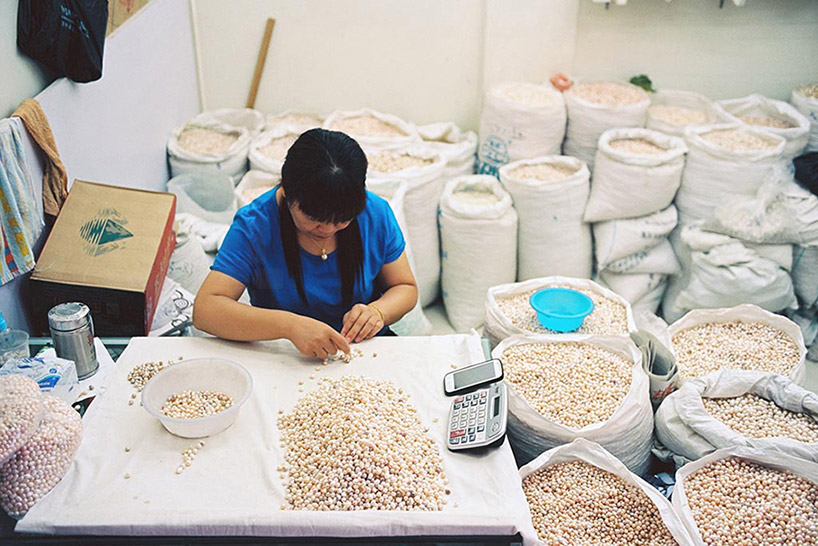
freshwater pearl farmers in zhuji produce 73% of current world production.
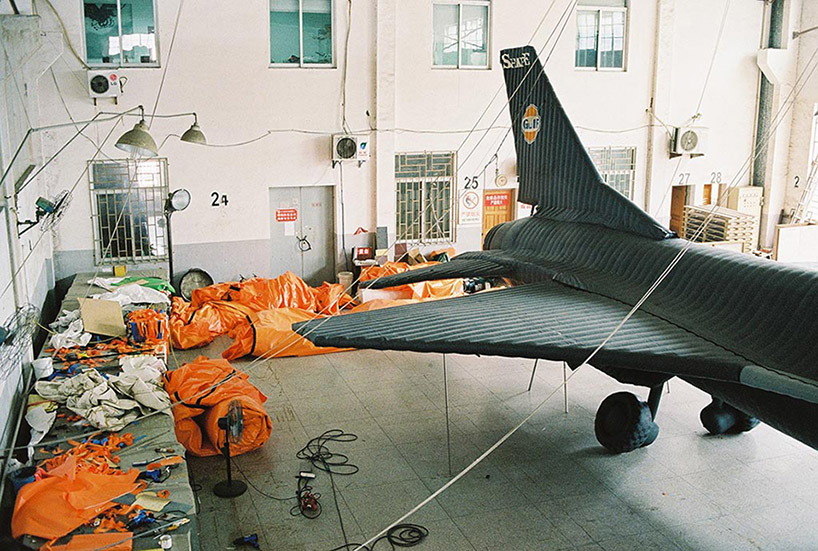
in wuxi, a company makes life-size inflatable machine guns, tanks, and fighter jets for armies around the globe. a thousand times cheaper than a real one, a fake F-16 also attracts those seeking the real one.
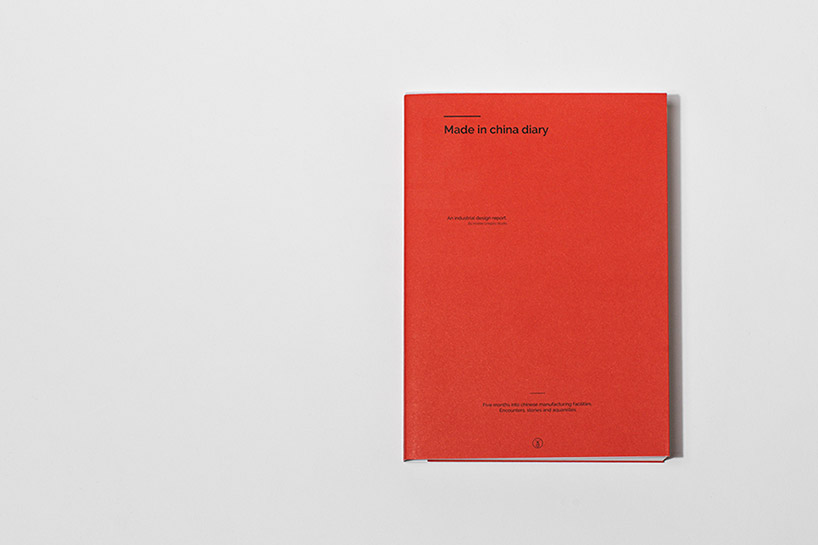
the book
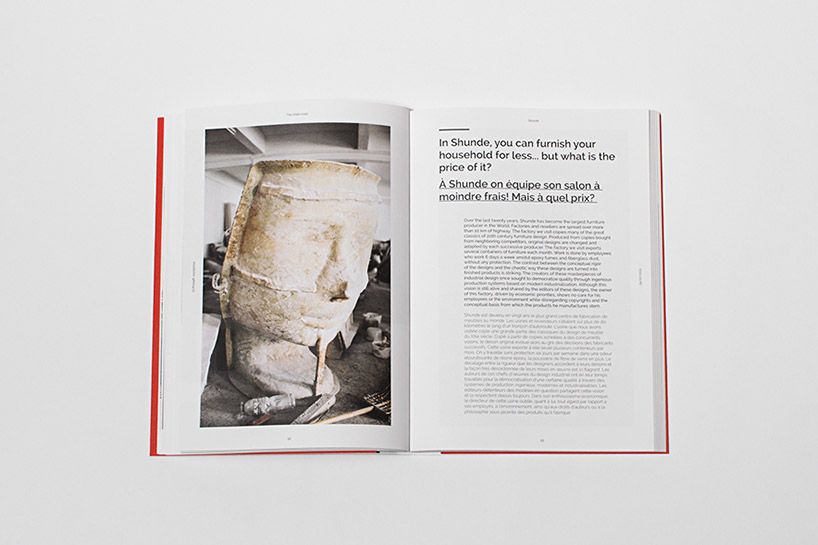
the chairs road in shunde
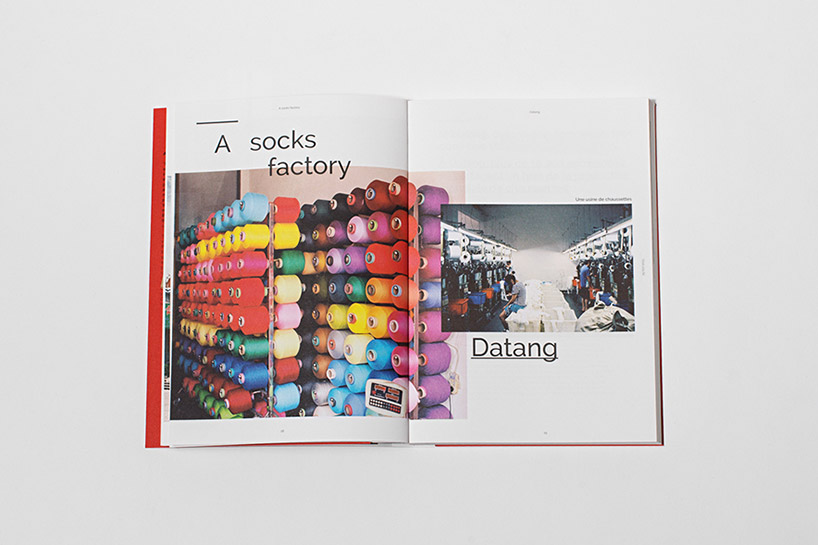
an exposé on datang in the book
designboom has received this project from our ‘DIY submissions‘ feature, where we welcome our readers to submit their own work for publication. see more project submissions from our readers here.
shop
your own online design shop — no sales commission collected