bentu experiments with furniture made of everyday ceramic waste from the world’s largest factory
the studio repurposes daily-use ceramic waste from chaozhou, china, in an effort to reveal the disintegration of culture in the ancient city.
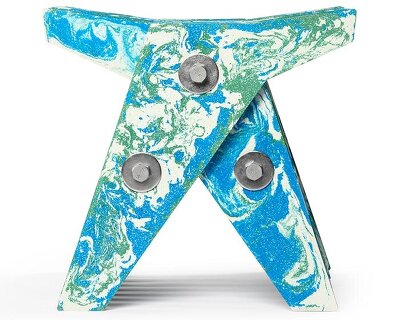
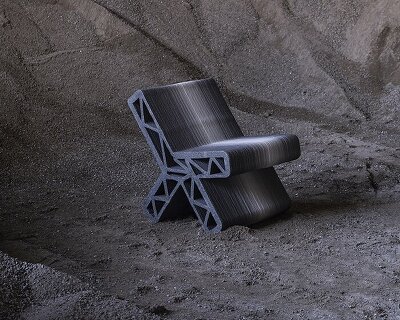
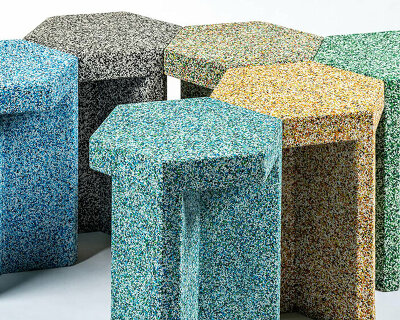
as part of the shenzhen design week, bentu curated an experimental exhibition using daily-use ceramic waste from chaozhou, china, in an effort to reveal the disintegration of culture in the ancient city. in ‘wreck’, furniture and installations reshape both the material and the customs developed around it, changing the way porcelain is placed as an aggregate to improve the utilization of waste and production speed, as well as develop artistic and practical pieces of furniture.

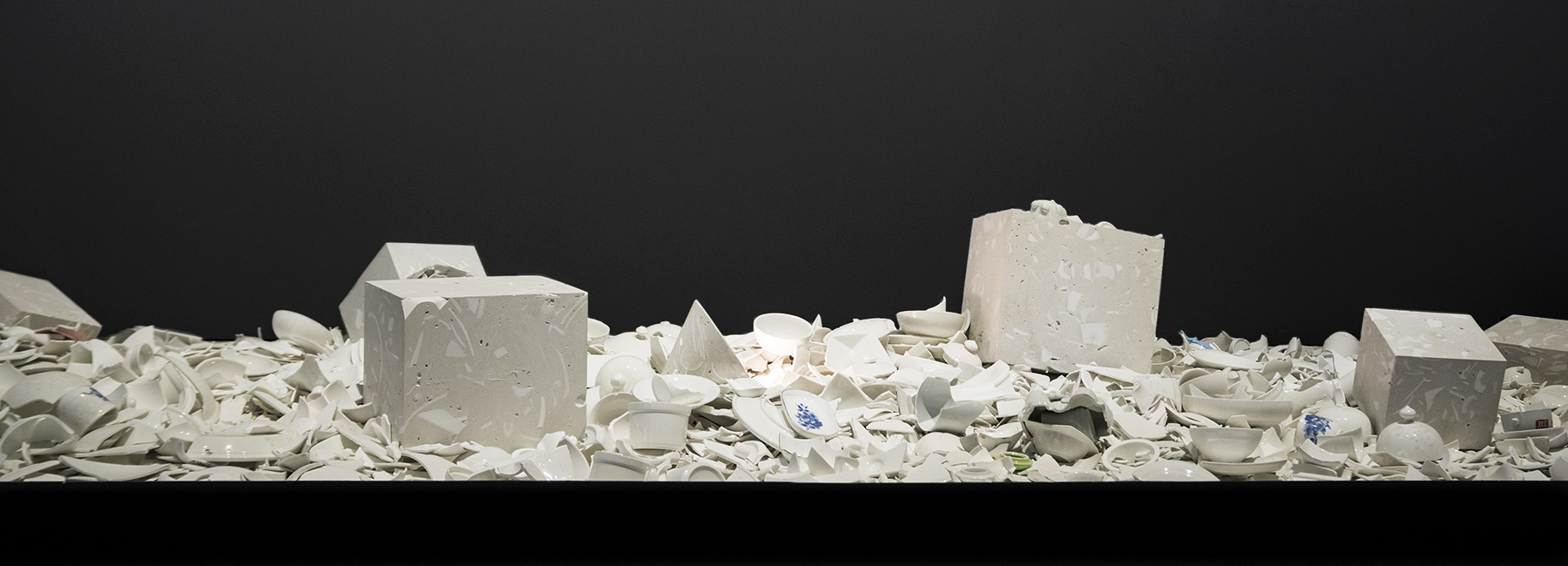
exhibition site: seven-meter-long artistic installation stacked with ceramic waste
with the support of the shenzhen municipal people’s government, bentu presented an exhibition with both the experimental furniture and a seven-meter-long installation with stacked ceramic waste collected from chaozhou factories. a video introduces audiences to the world’s largest industry base, which supplies 70% of the total everyday ceramics globally.
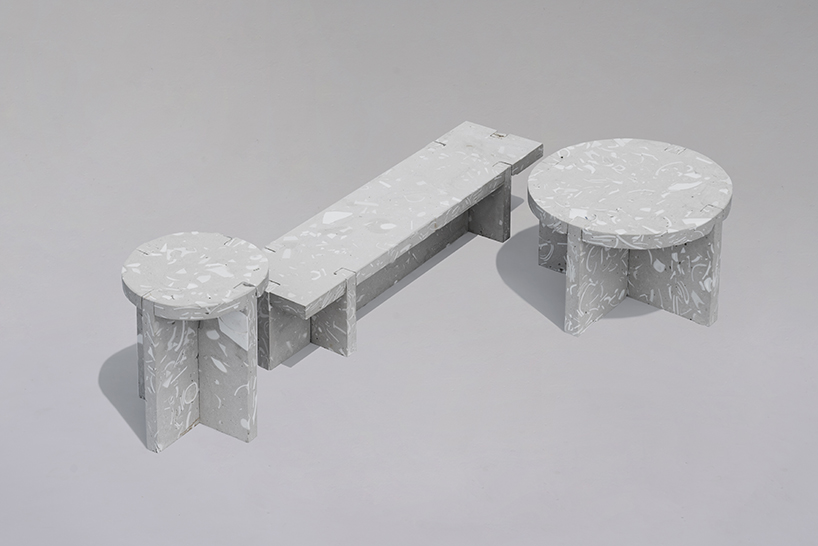
assembled furniture
‘under the stimulation of globalization, the traditional ceramic industry is abnormally expanding,’ mentions the studio, ‘on the one hand, as demand stimulates enormous production, ceramic enterprises are springing up, occupying a large number of local workers and attracting a large number of migrant rural people to come for work; on the other hand, ceramic enterprises keep repeating the traditional production mode, with high waste rate. along with economic globalization, the manufacturing industry moves in the area with lower labor cost, and so chaozhou becomes the OEM (original equipment manufacturer) for numerous western enterprises, which exacerbates the increase of waste products.’ activity in the area reflects the uneven global economic development where both ceramics and other types of waste, both from the country and abroad, are being dumped on this land.
‘behind the huge output and commercial value of the industry are severe problems of dumping price, excess capacity, dust pollution, irresponsibly disposal, affecting the local industry status quo and living environment,’ the chinese studio explains, ‘however, the traditional concept of ceramic recycling only means to smash the waste and put it back as raw material for porcelain production – limited by the viscosity pottery clay requires, the porcelain waste powder that can be utilized is very little.’

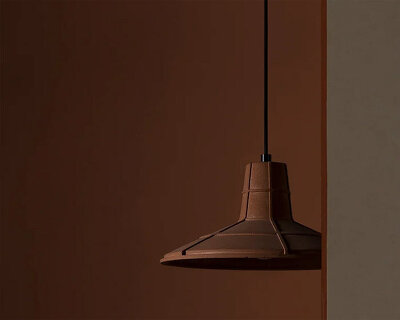
lighting
in wreck, bentu brought together visitors from various walks of life, including elite, school students and the general public, in an experiment to question the ongoing activity of the area. ‘the moment people touched the ceramic pieces, or slightly adjusted the exhibits, thoughts and emotions were flowing among them, and we believe that these tiny thoughts and emotions will eventually converge and be powerful enough to affect the social reality,’ concudes the studio.
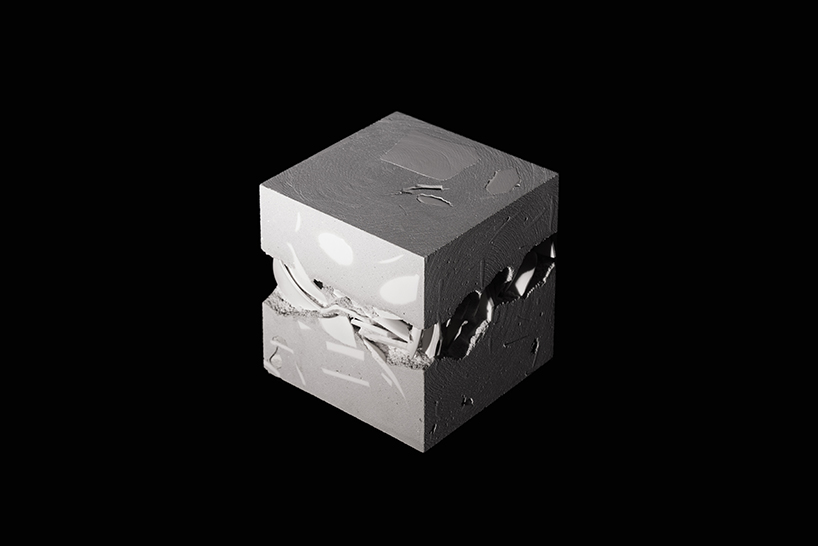
exhibition object

sculptural piece composed of various ceramic pieces

visitors interacting with the ceramics

experiment process
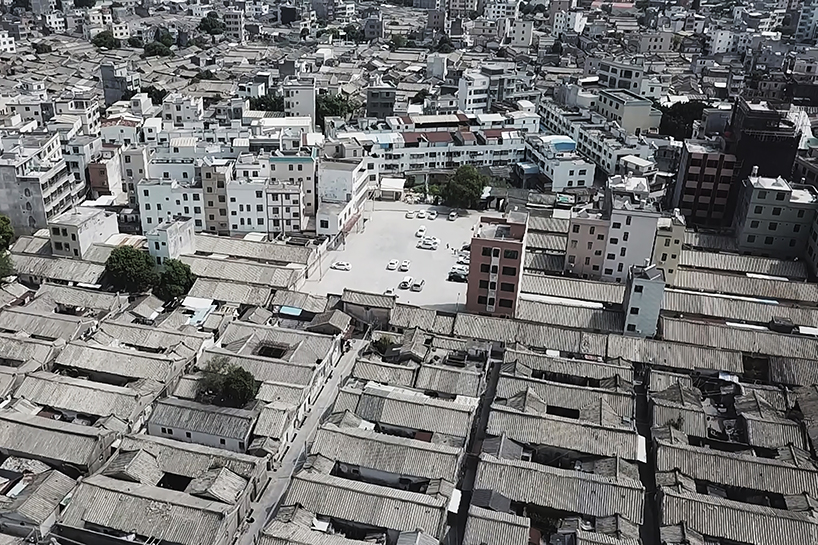
under the sweeping wave of globalization, the neat and orderly-planed old towns rapidly disappear, as well as the traditional rural culture that rooted in consanguinity
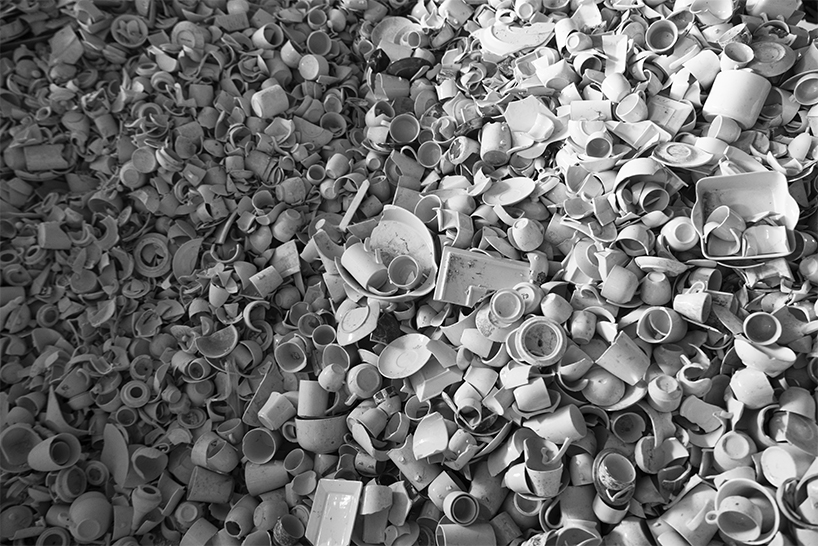
waste of everyday ceramics
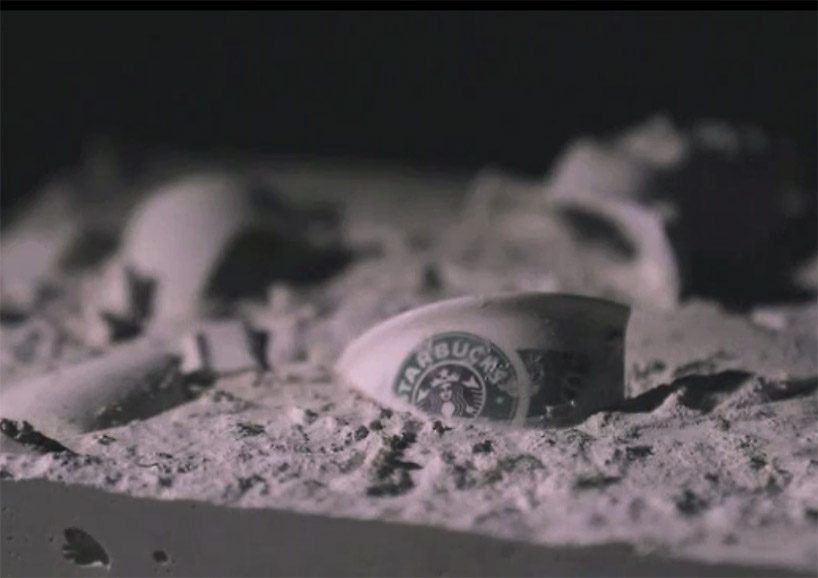
ceramic cup waste
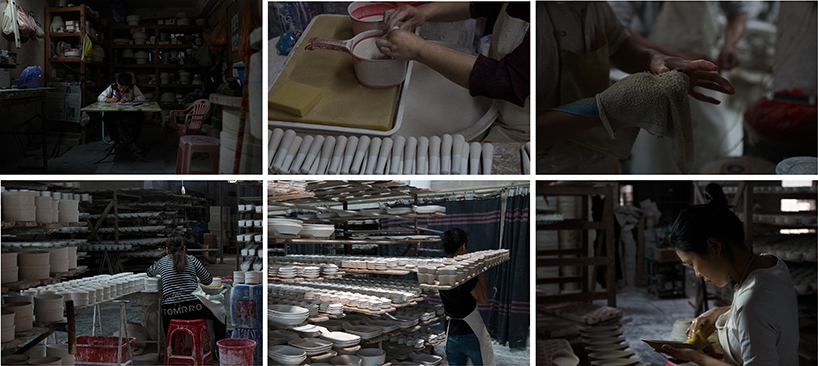
48300 workers in the fengxi ceramic industrial zone
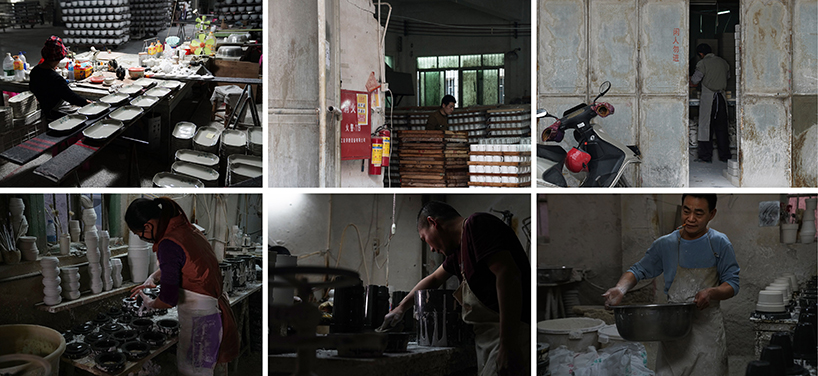
each of them is a an independent existence

exhibition posters
designboom has received this project from our ‘DIY submissions‘ feature, where we welcome our readers to submit their own work for publication. see more project submissions from our readers here.
shop
your own online design shop — no sales commission collected