
ceramsite panels by bentu transform aquaculture waste into circular building material
pond sludge is transformed into unfired ceramsite panels through geopolymer technology.
BENTU turns Aquaculture Waste into circular Building Material
BENTU Design develops unfired ceramsite panels from fish pond sludge through alkali-activated geopolymer technology, transforming aquaculture waste from the Pearl River Delta into a circular architectural material system. The project, titled The Metamorphosis of Mud: From the Collapse of Mulberry-Fish Pond Systems to the Redemption of Circular Materials, examines how traditional ecological knowledge can be reinterpreted through material research, environmental remediation, and contemporary construction methods.
Historically, the Pearl River Delta’s mulberry-fish pond system operated as a closed-loop agricultural ecology in which mulberry cultivation, silkworm farming, fish ponds, and nutrient-rich pond mud functioned as interconnected cycles. Industrialized aquaculture disrupted this relationship, replacing regenerative systems with intensive monoculture fish farming dependent on artificial feed. As a result, pond sediment accumulated excess nitrogen, phosphorus, heavy metals, and pathogens, transforming what was once a productive ecological resource into a significant environmental burden.
Beginning in 2022 in Shunde, Guangdong, BENTU Design initiated research into converting contaminated pond sludge into unfired ceramic-based construction panels. The process uses alkali-activated geopolymer technology, which eliminates the need for high-temperature kiln firing typically required in conventional ceramsite production. Rich in amorphous silica and alumina, the pond sludge functions as a geopolymer precursor, forming a stable three-dimensional inorganic network when combined with slag, fly ash, and alkaline activators.

Geopolymer Panels Reframe Pond Sludge as a Low-Carbon Surface
The fabrication process operates at ambient or low-temperature curing conditions, significantly reducing energy consumption and carbon emissions compared to traditional ceramic firing methods exceeding 1000 degrees Celsius. According to the project research, the process reduces carbon dioxide emissions by approximately 300 kilograms per ton of material produced while maintaining structural performance suitable for architectural applications, including wall systems, partitions, paving, and interior surfaces.
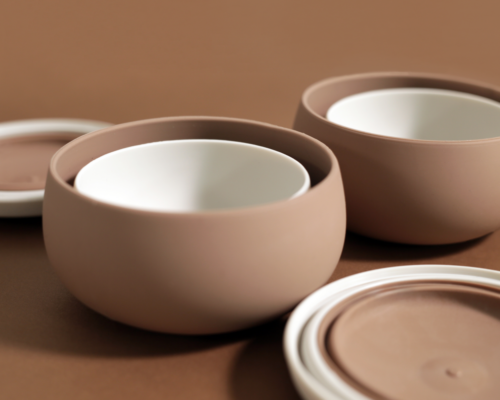
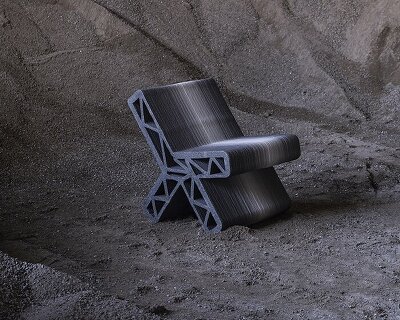
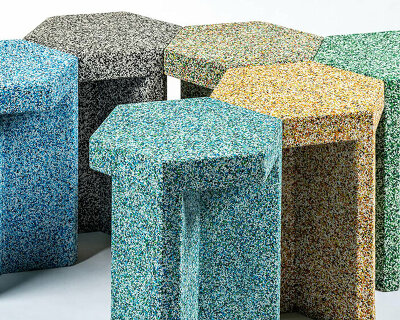
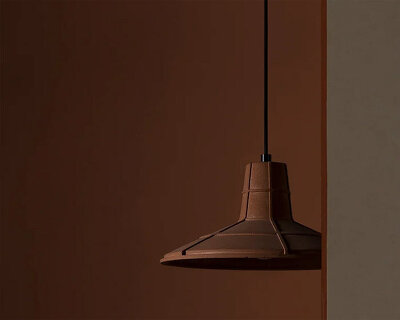
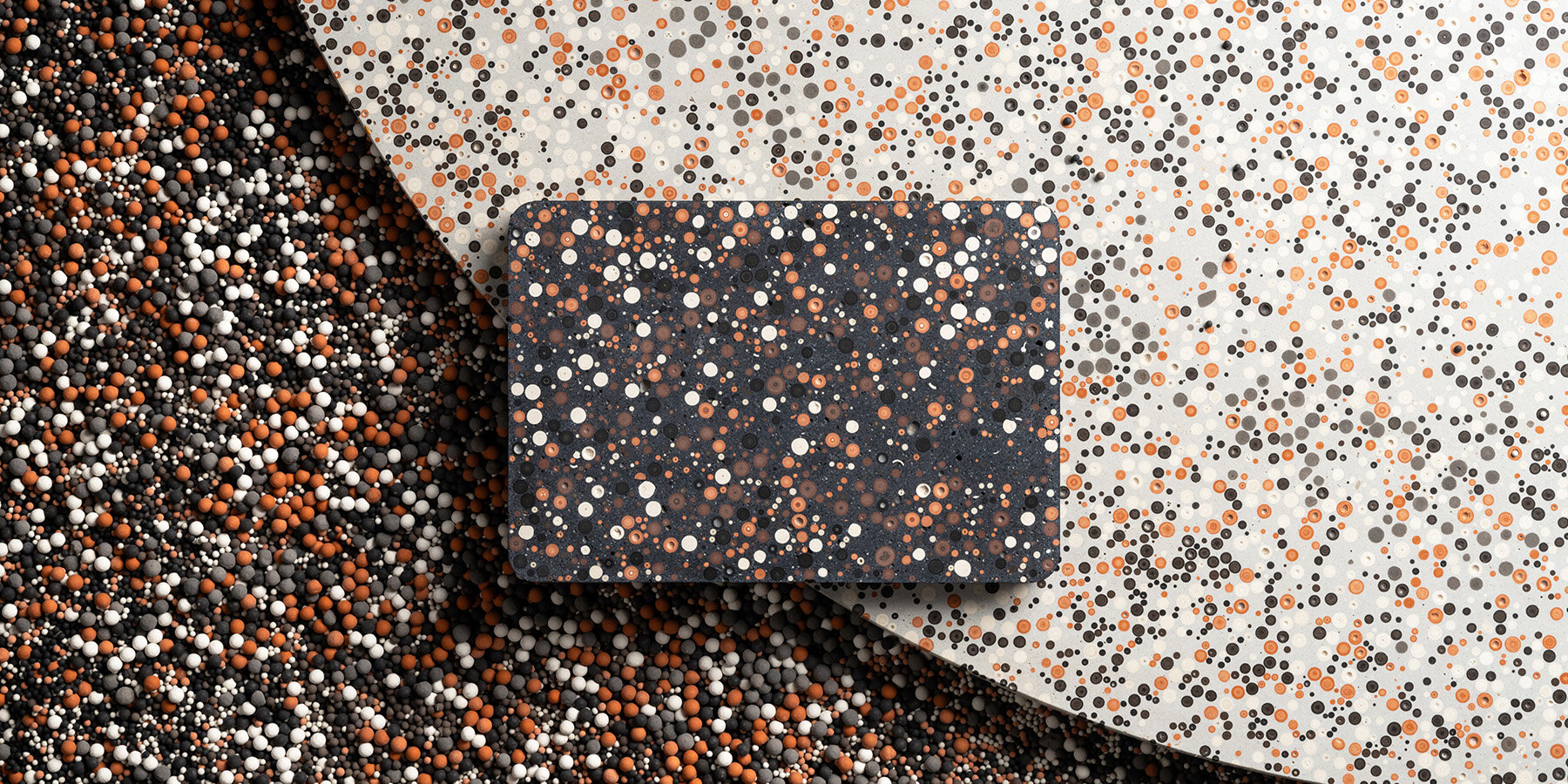
Material development extends beyond technical performance into questions of texture, surface expression, and regional identity. The resulting panels retain visible traces of the pond sediment through granular textures, porous surfaces, and earth-toned coloration ranging from charcoal grey to ochre and warm brown. Surface variations are controlled through aggregate gradation, mold treatments, pigment additions, and polishing techniques, allowing the material to maintain tactile and visual continuity with its geographic origin.
Rather than concealing the material’s source, the project positions pond sludge as a visible carrier of environmental memory and local ecological history. Through this transformation, waste sediment becomes an architectural surface that connects urban construction to regional agricultural systems and material cycles. The project also reconsiders the relationship between circular economy principles and vernacular ecological knowledge. BENTU Design Studio frames the mulberry-fish pond system as an early model of regenerative design, incorporating principles of reuse, recycling, recovery, and closed-loop resource management long before the emergence of contemporary sustainability discourse.

By translating aquaculture waste into modular architectural material, the project proposes a new role for regional byproducts within construction systems while reducing landfill dependency and greenhouse gas emissions. The resulting ceramsite panels operate simultaneously as environmental remediation strategy, material research, and architectural surface condition, linking ecological repair with contemporary building production.




1/4
project info:
name: The Metamorphosis of Mud: From the Collapse of Mulberry-Fish Pond Systems to the Redemption of Circular Materials
designer: BENTU Design | @bentudesign
lead designer: Xu Gang
material: Recycling Pond Silt
designboom has received this project from our DIY submissions feature, where we welcome our readers to submit their own work for publication. see more project submissions from our readers here.
shop
your own online design shop — no sales commission collected