cho jae-weon, an urban and environmental engineering professor at the ulsan national institute of science and technology (UNIST), has developed an effective waste recovery system. he designed beevi, an eco-friendly toilet linked to a laboratory that uses excrement to produce biogas and manure.
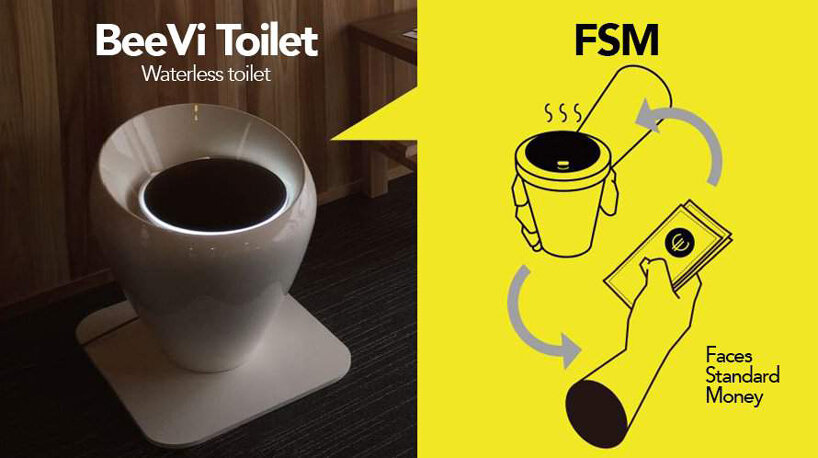
image courtesy of ulsan national institute of science and technology / cho jae-weon
the beevi toilet by professor cho jae-weon – a hybrid of the words bee and vision – uses a vacuum pump to send feces into an underground tank, reducing water use. there, microorganisms break down the waste to methane, which becomes a source of energy. so, with each passage to the toilet, the defections of the students provide power for the university, running a gas stove, hot-water boiler, and solid oxide fuel cell.
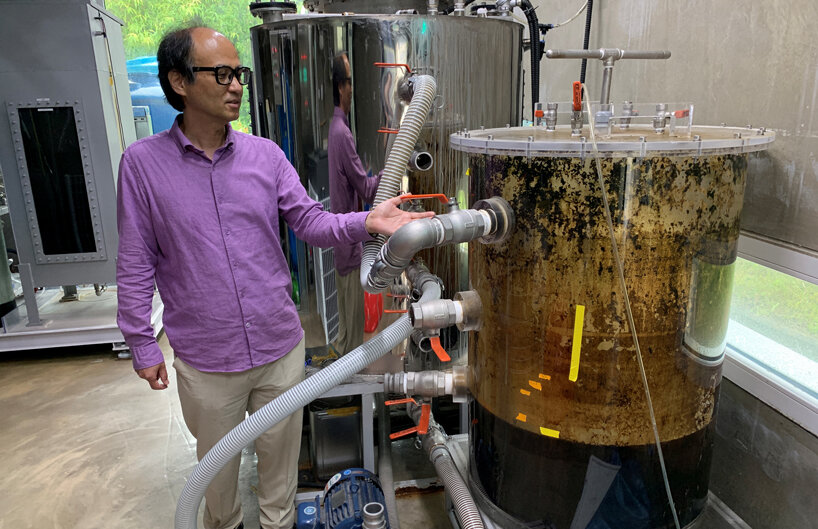
‘if we think out of the box, feces has precious value to make energy and manure. I have put this value into ecological circulation,’ professor cho said. an average person defecates about 500g a day, which can be converted to 50 liters of methane gas, the environmental engineer said. this gas can generate 0.5kwh of electricity or be used to drive a car for about 1.2km (0.75 miles).
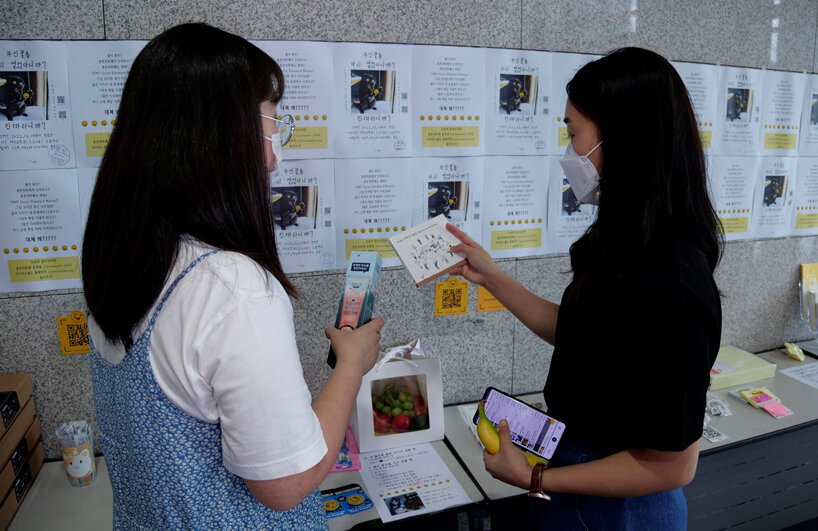
professor cho created these revolutionary toilets with a counterpart for the students. he came up with a virtual currency called ggool, which means honey in korean. each person using the eco-friendly toilet earns 10 ggool a day. students can use the currency to buy goods on campus, from coffee to instant cup noodles, fruits and books. the students can pick up the goods they want at a shop and scan a QR code to pay with ggool.
project info:
name: beevi toilet
designer: cho jae-weon
cryptocurrency (22)
 Jun 03, 2024
 Dec 15, 2023
 Jul 25, 2023
 Dec 08, 2022
 Nov 23, 2022
 Mar 10, 2026
 Mar 08, 2026
 Mar 04, 2026
 Feb 24, 2026