cometabolism studio’s industrial furniture series explores the public-private boundary
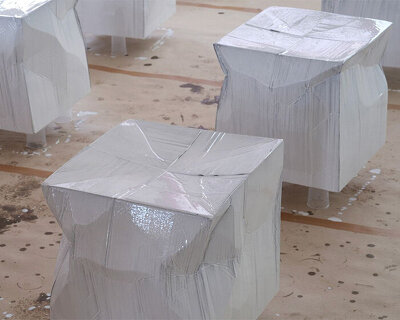
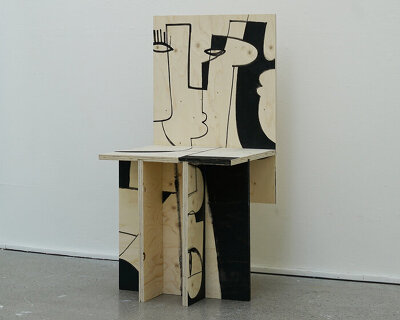
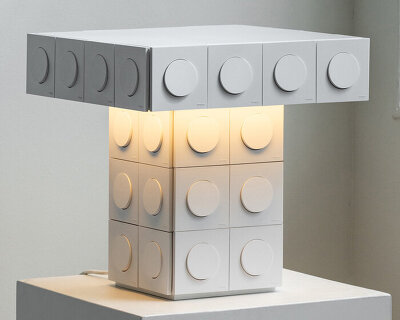
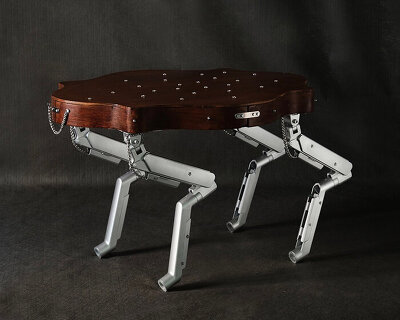
the cometabolism studio creates a series of furniture installations to explore the boundary between public space and private space.
[ADVERTISEMENT]
cometabolism studio repurposes hard-to-break-down objects
China-based Cometabolism Studio has created a series of furniture installations that explore the boundary between public and private spaces. Established by designer Zhang Ning and artist Yang Yafei, the studio’s works lie at the intersection of furniture, installation, video, and interactive new media.
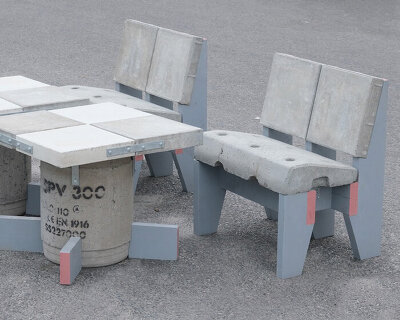
According to both founders, the word ‘co-metabolism‘ nods to the processing of objects that are hard to ‘break down’ — giving them a second life in new environments through upcycling, artistic compositions, and much more. They refer to this transformation as the ‘reuse of (industrial) metabolites‘.
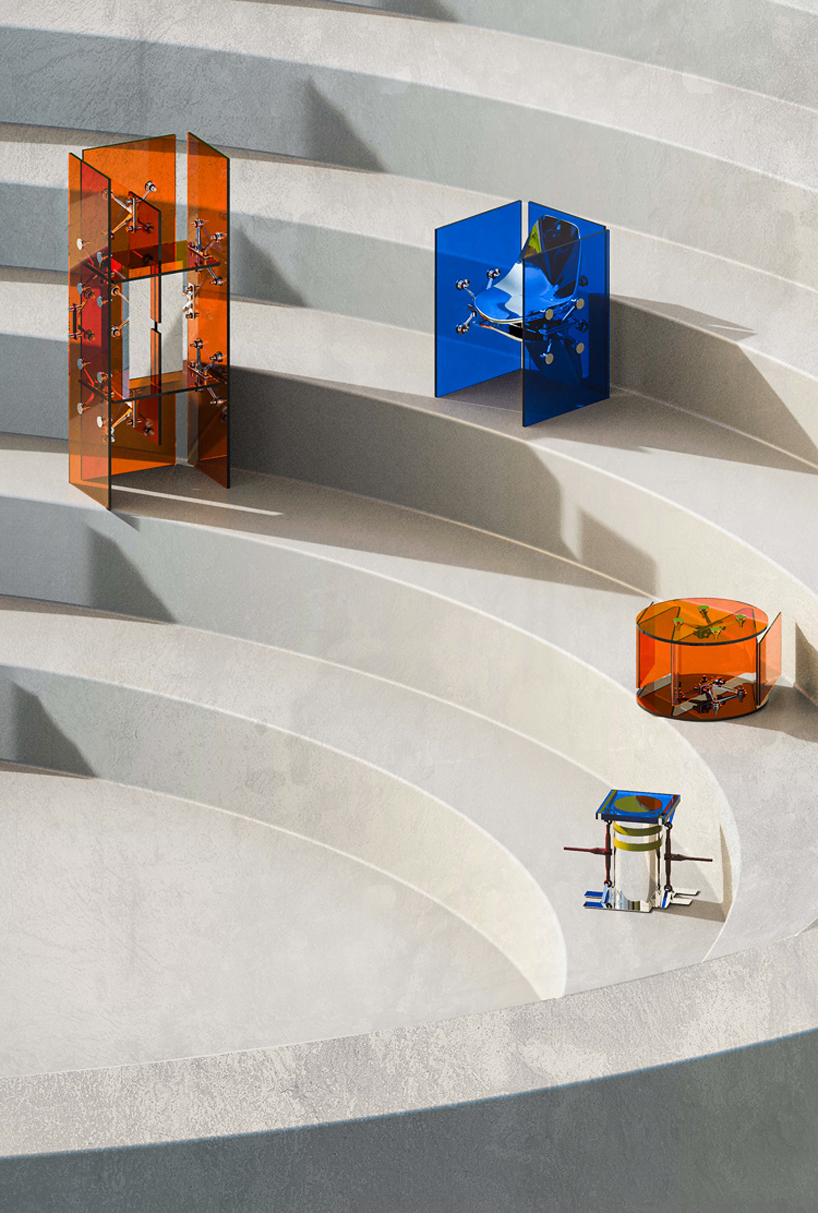
a series of furniture installations exploring the boundary between public and private spaces
‘Mixed public-private boundary’: reconciling opposites
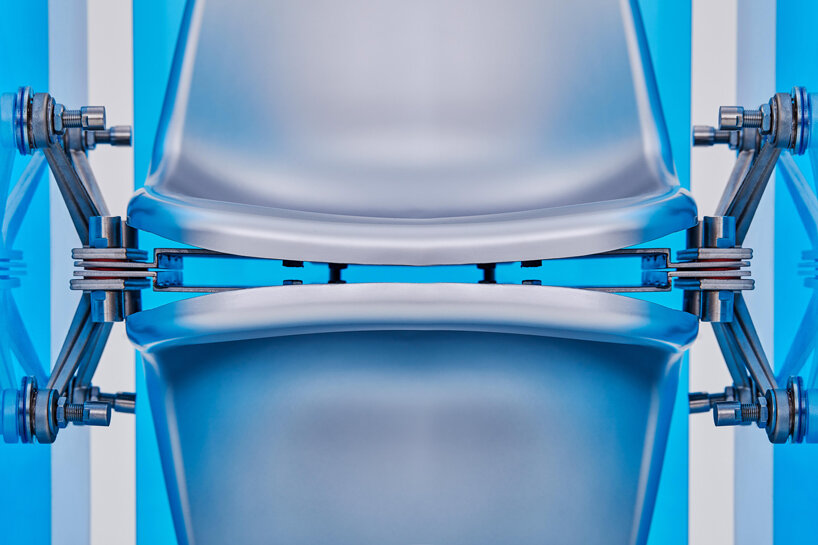
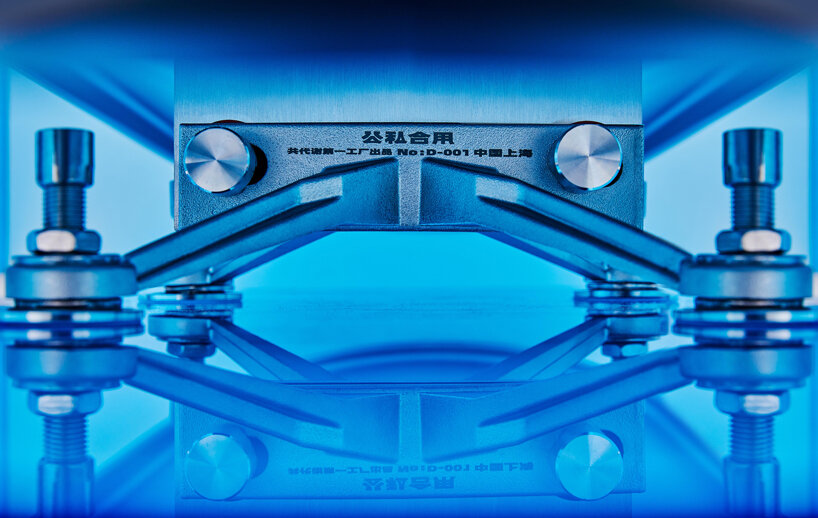
For this project, Cometabolism Studio (see more here) has repurposed industrial products that would have otherwise gone to waste, transforming them into a set of furniture objects for both private and public use. ‘The purpose is to let such objects enter new scenes through unusual design combinations that blur usability. It’s about reconciling the streets with the indoors, the industrial with the daily,’ explains the team
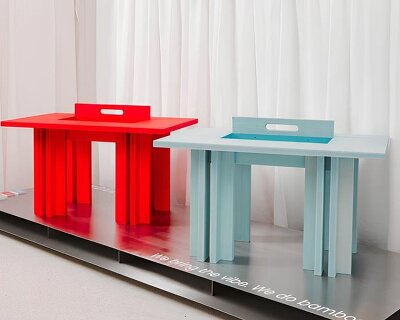
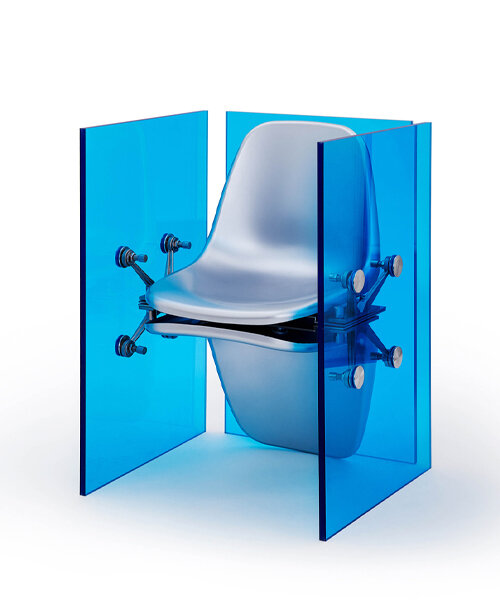
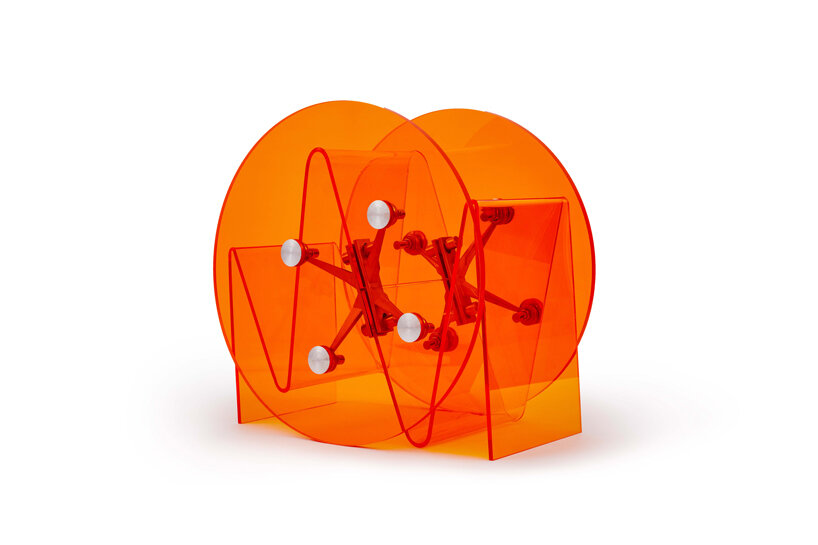
Titled ‘Mixed public-private boundary’, the collection features saturated blue and orange tones often used for street signs, warning tapes, and building nets in public spaces. By incorporating these colors, the duo hopes to encourage users to ‘notice everyday objects and industrial objects that we ignore in our daily life.’
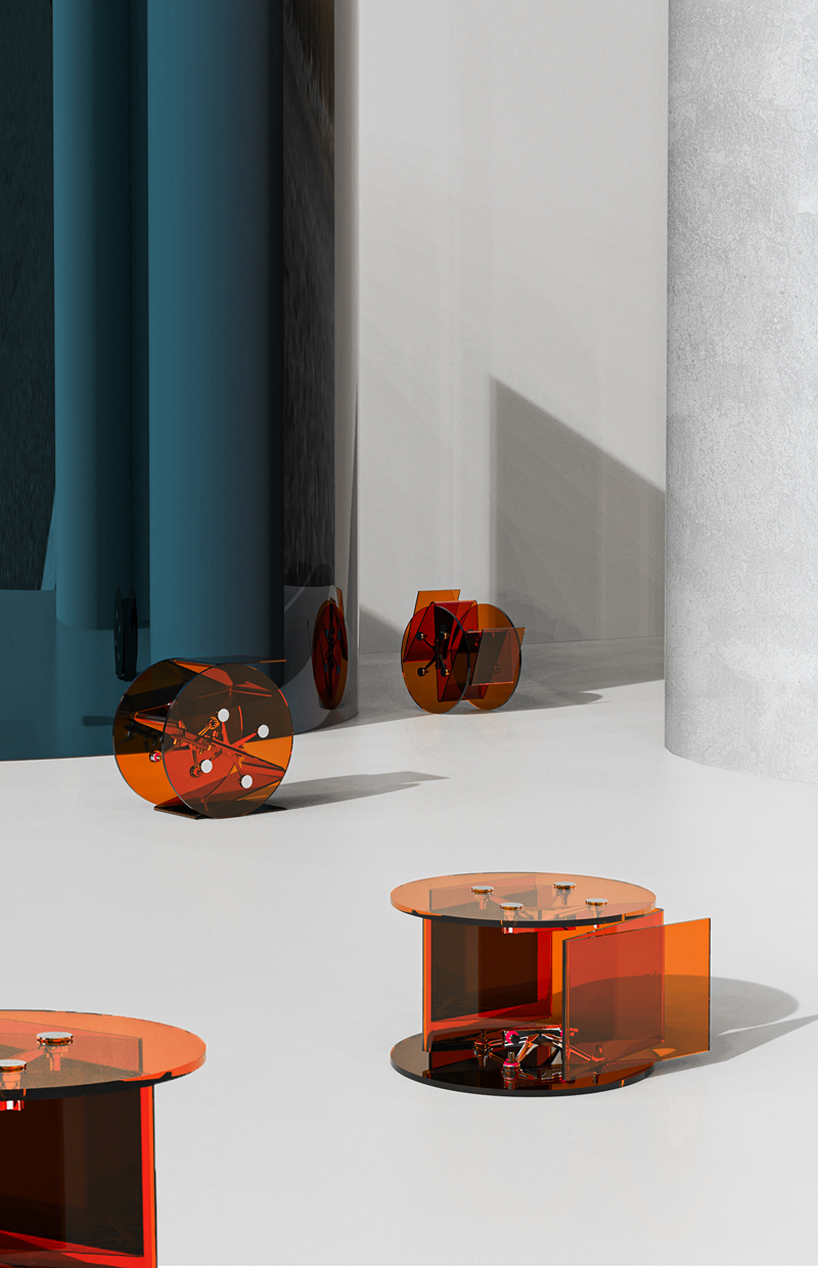
the collection features saturated blue and orange tones
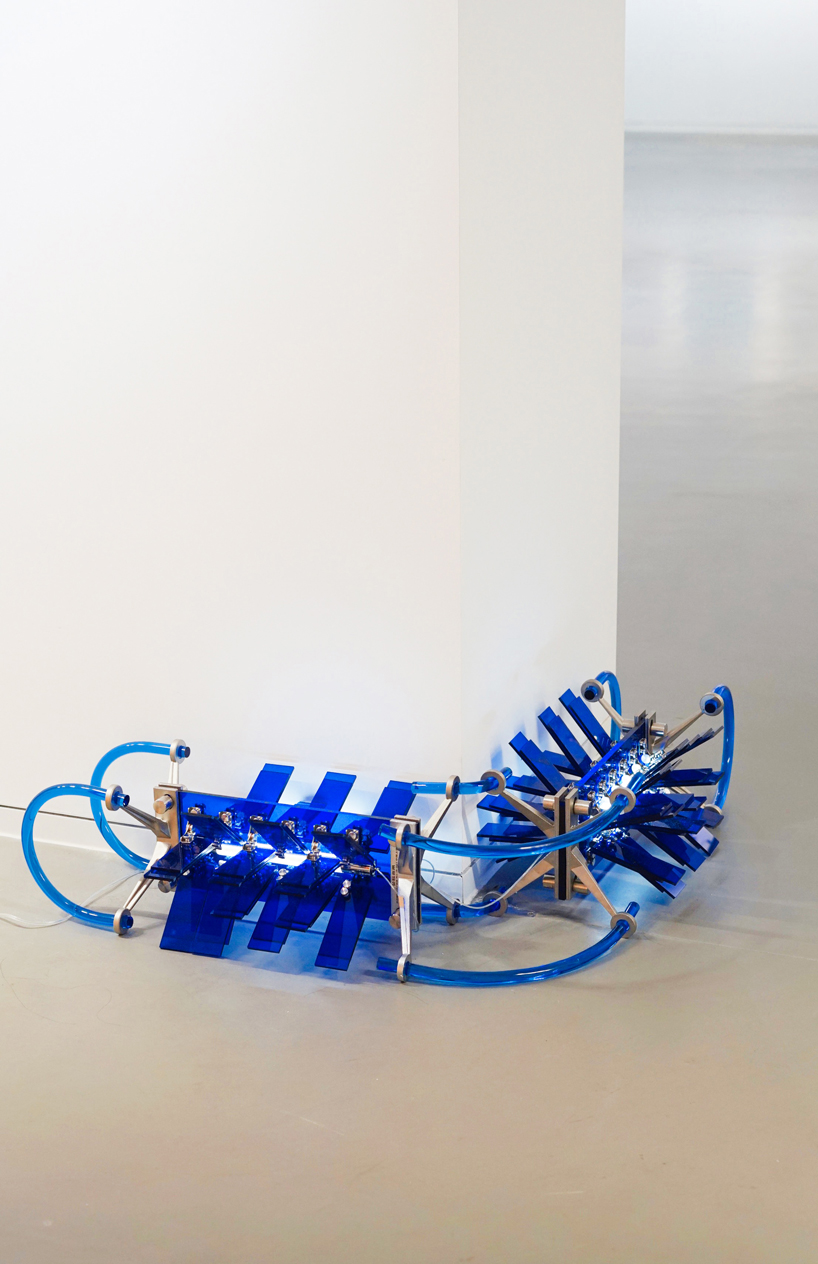
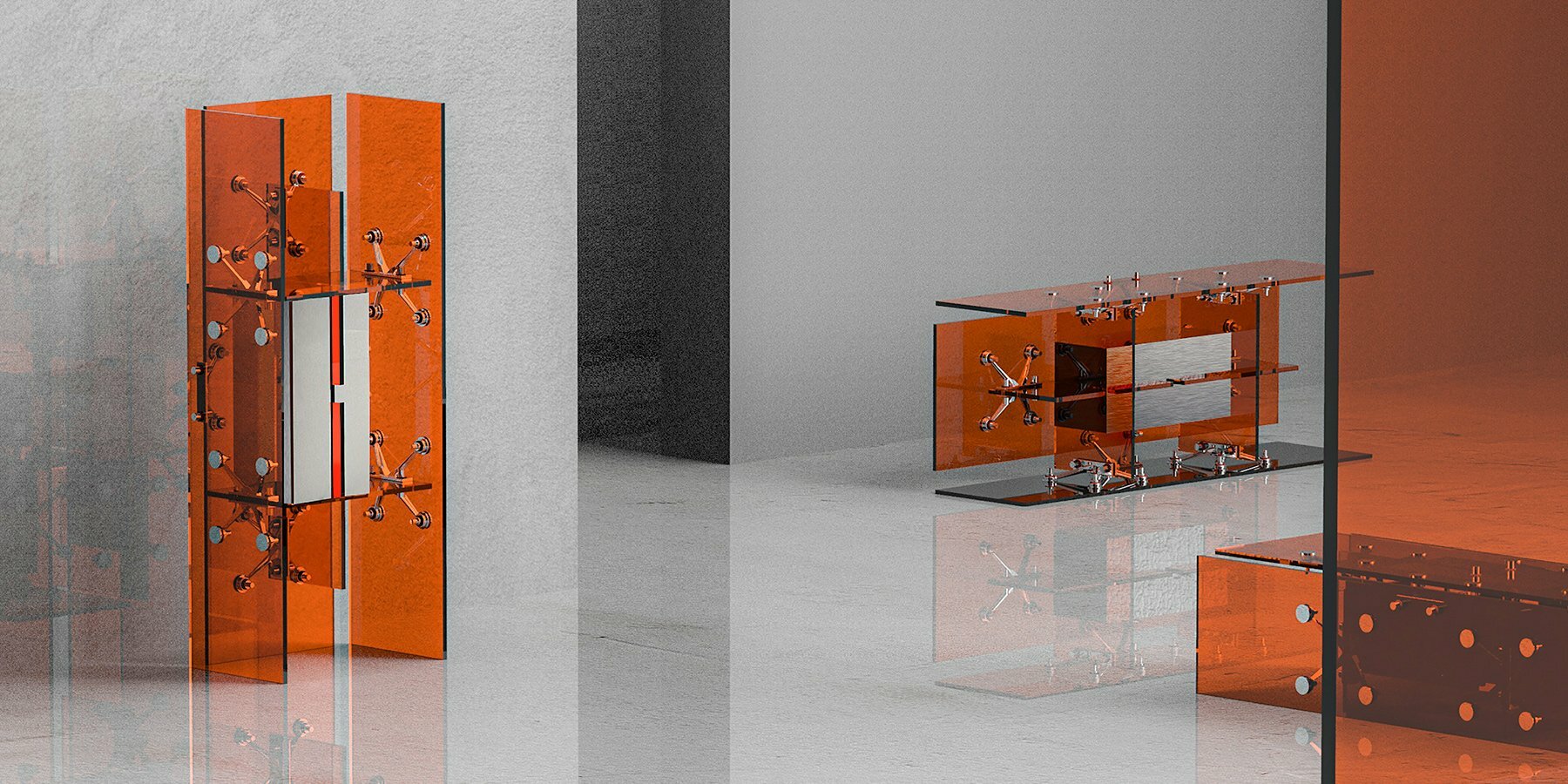
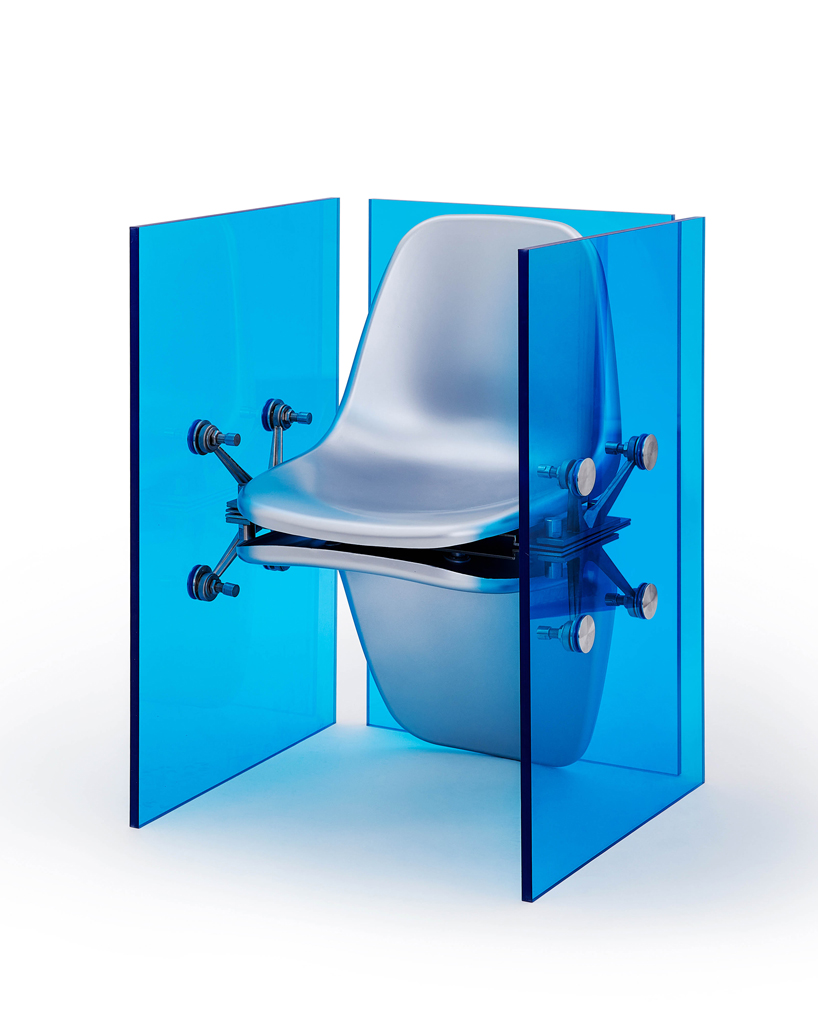
‘reconciling the streets with the indoors, the industrial with the daily’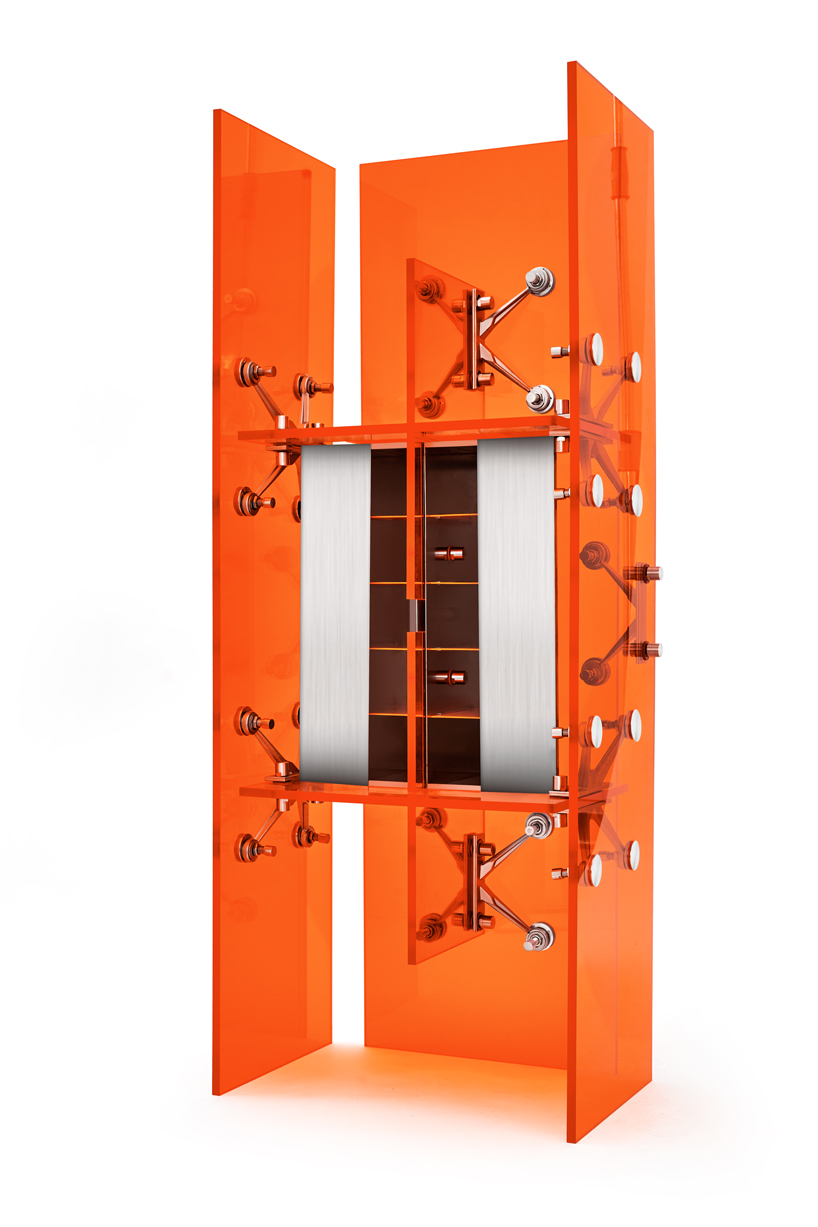
1/3
project info:
name: Mixed public-private boundary
design: Cometabolism Studio
designboom has received this project from our DIY submissions feature, where we welcome our readers to submit their own work for publication. see more project submissions from our readers here.