dark wood and deep green turn alfa romeo’s iconic design into caffè fortuna in taipei
the iconic quadrifoglio model translates into a precise interplay of geometry and mass, evoking mid-century milanese modernism on a taipei street corner.
prefer designboom on googleQuadrifoglio by Alfa Romeo informs café’s interior details
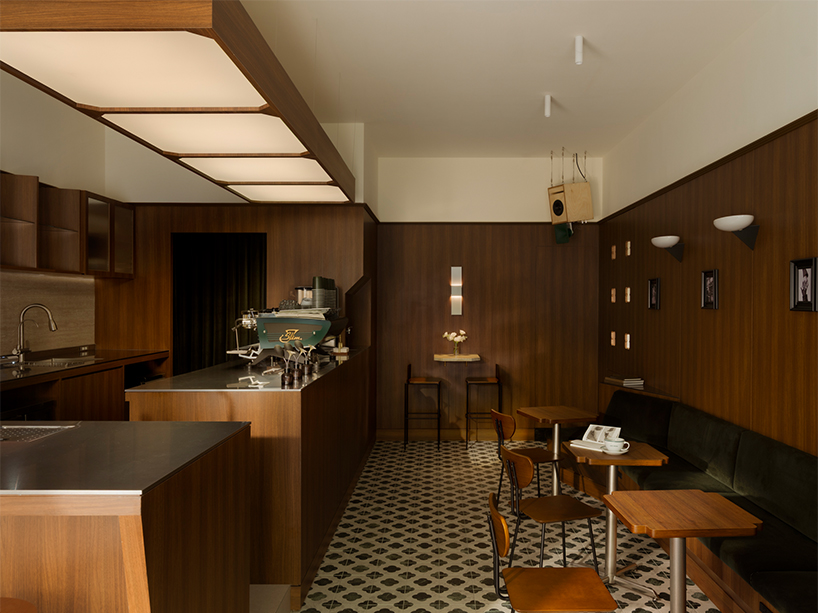
Caffè Fortuna, meaning ‘good fortune’ in Italian, draws on Alfa Romeo, a brand from the client’s private collection and the Milan-based automobile manufacturer founded in the early 20th century. The design by RLWW Studio translates the Quadrifoglio, the four-leaf clover associated with Alfa Romeo, into a geometric language that shapes the interior and facade of the café in Dazhi, Taipei.
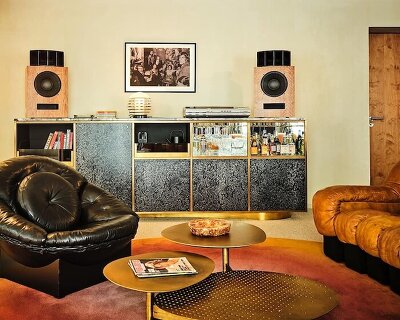
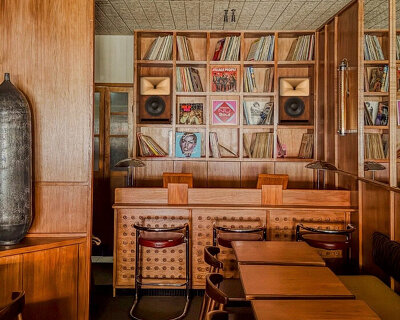
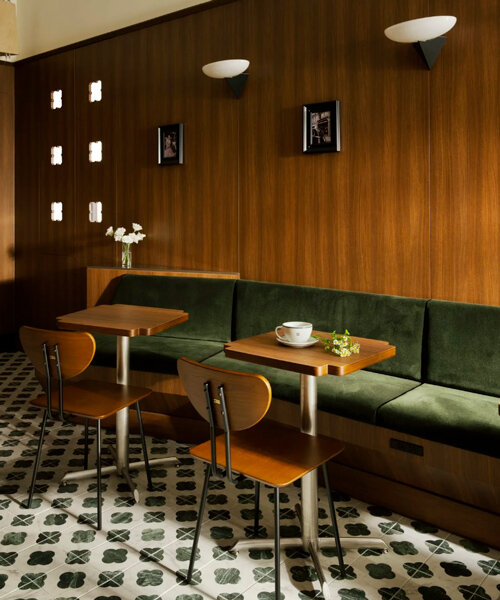
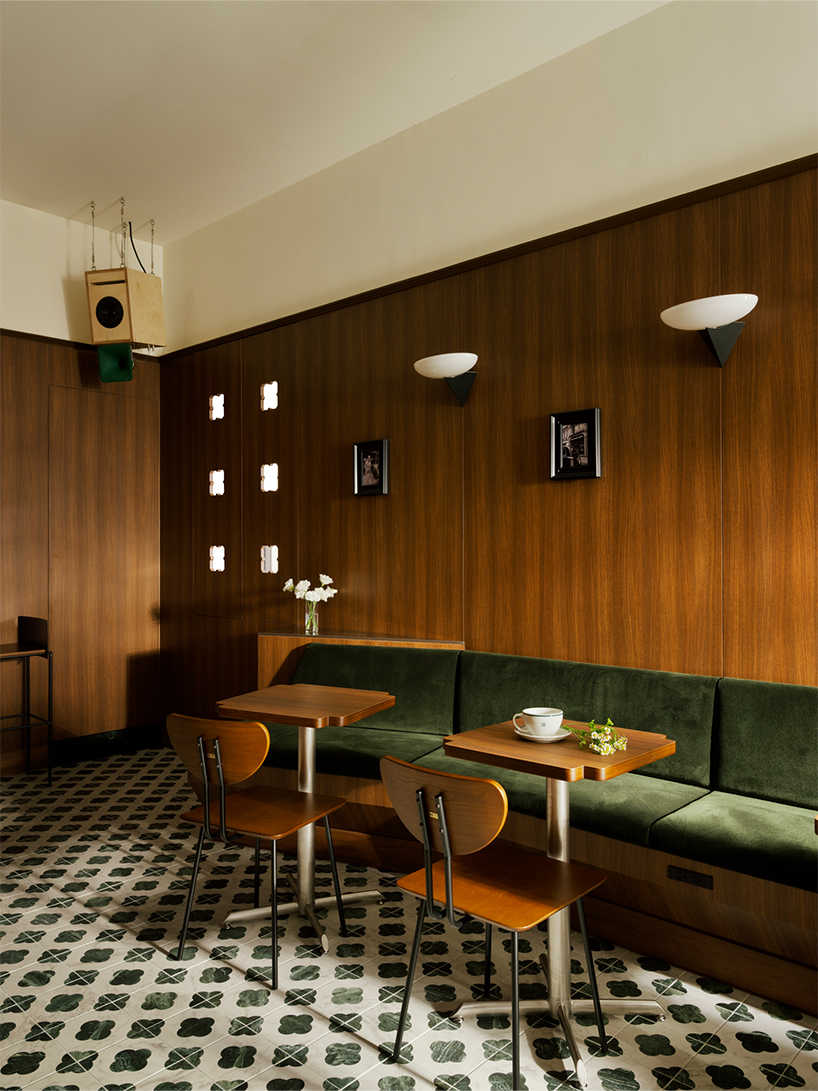
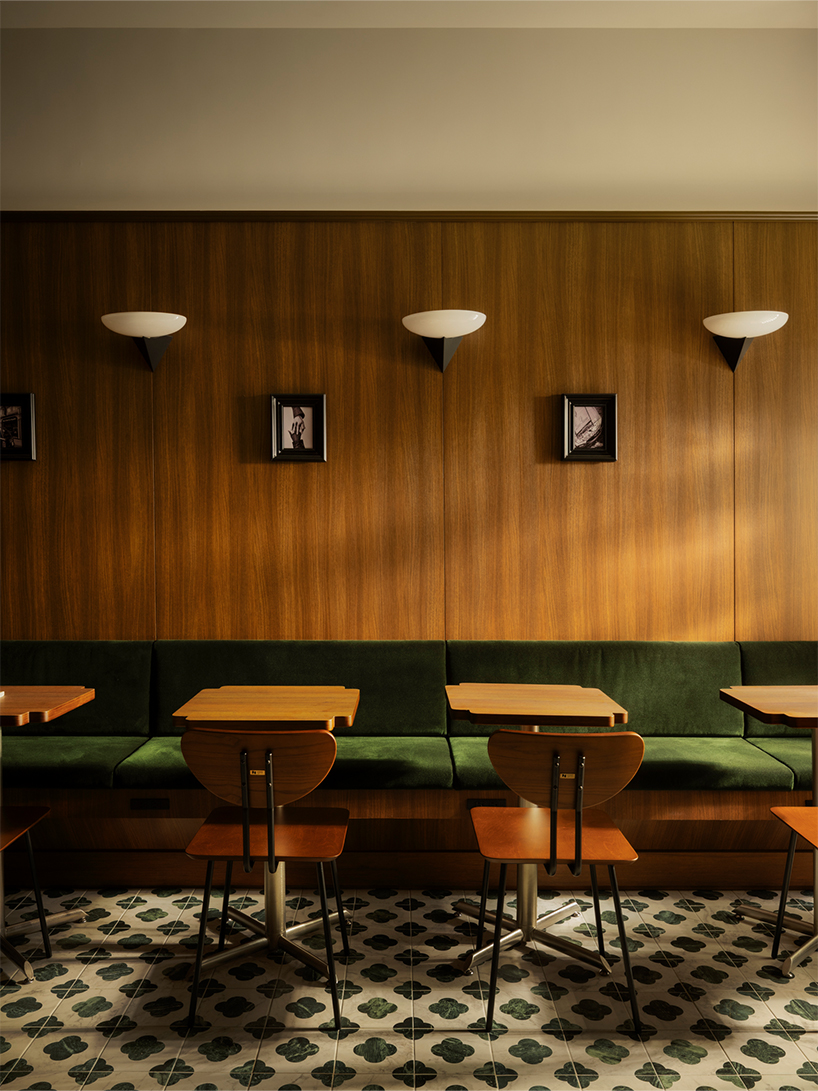
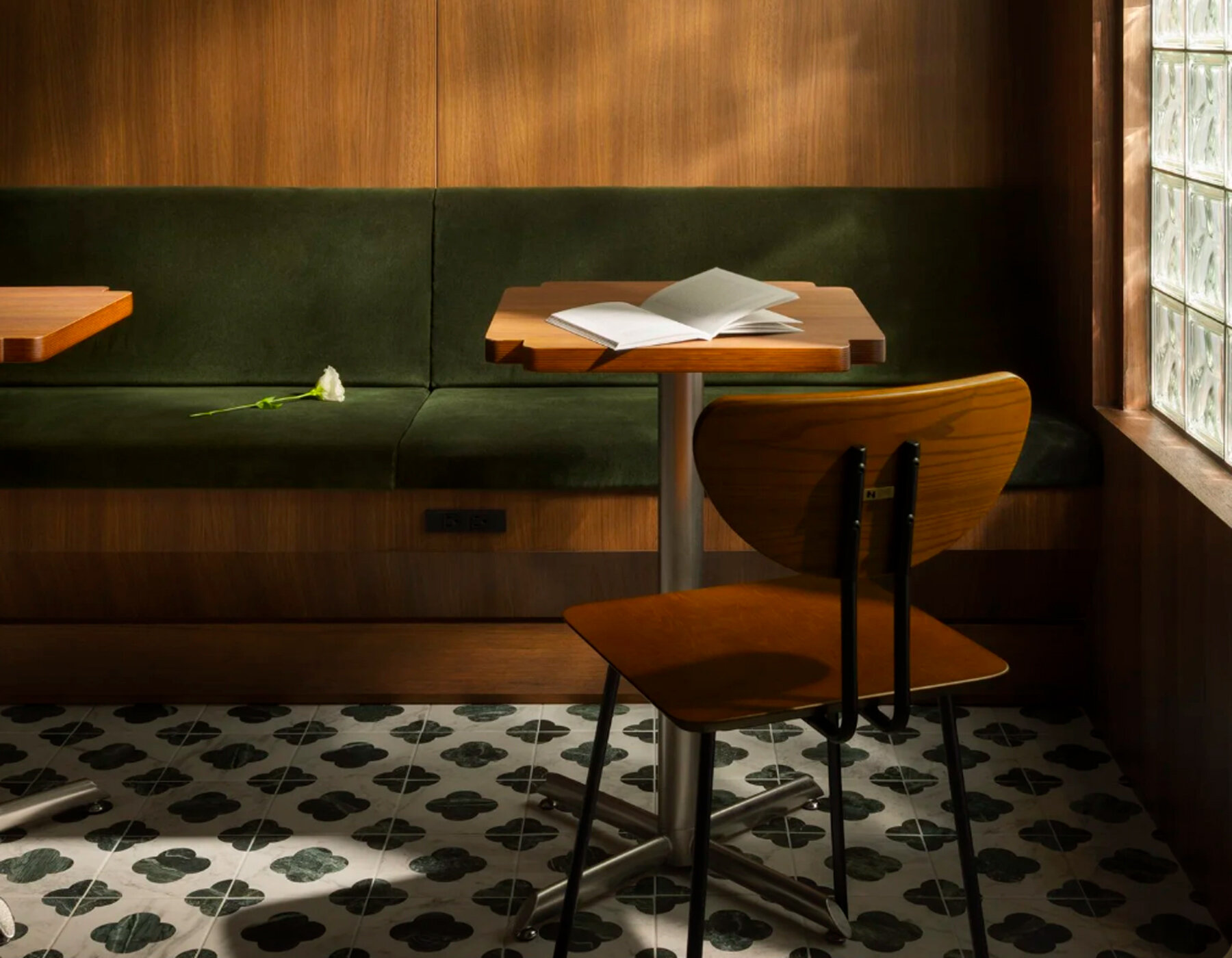
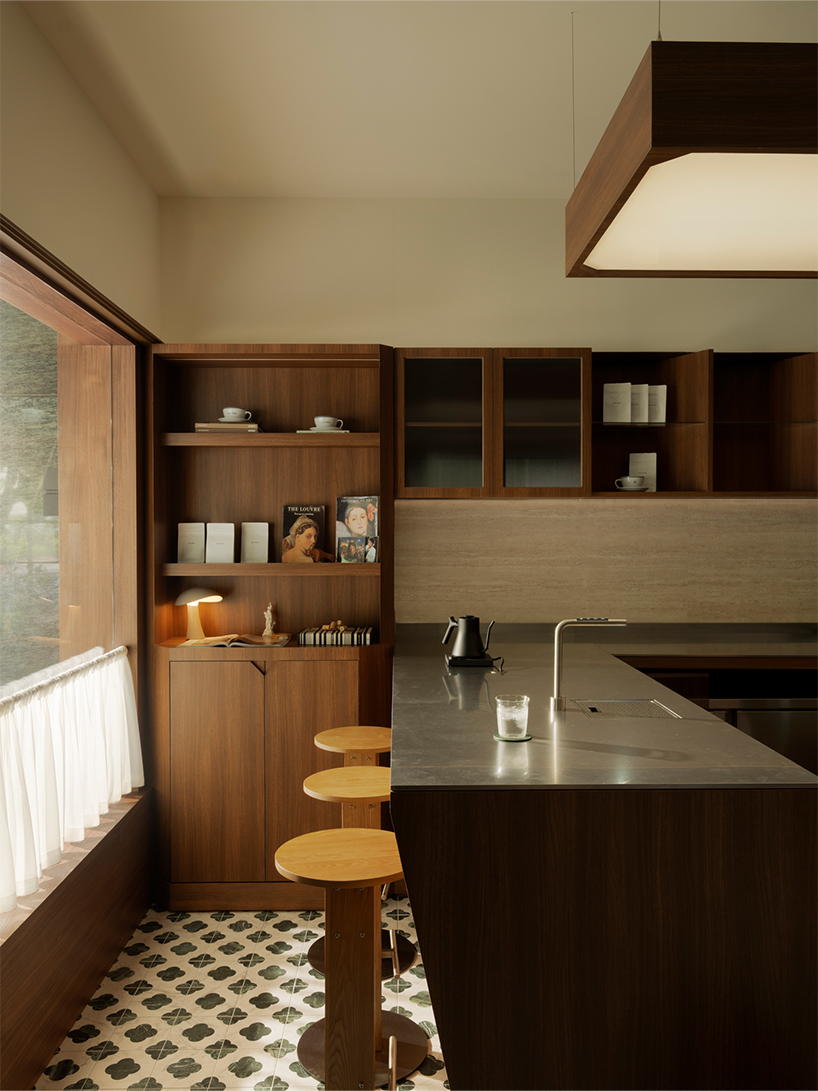
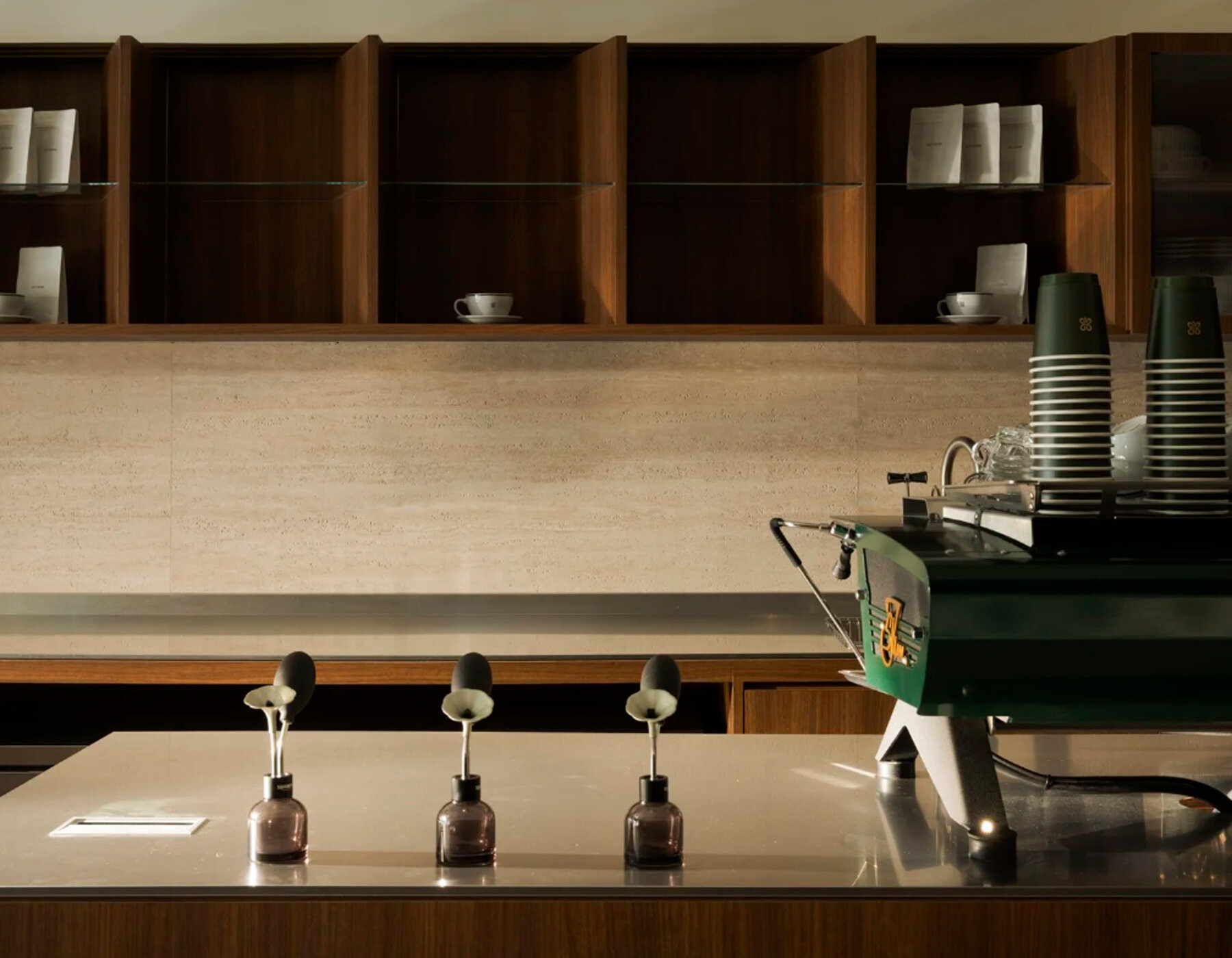
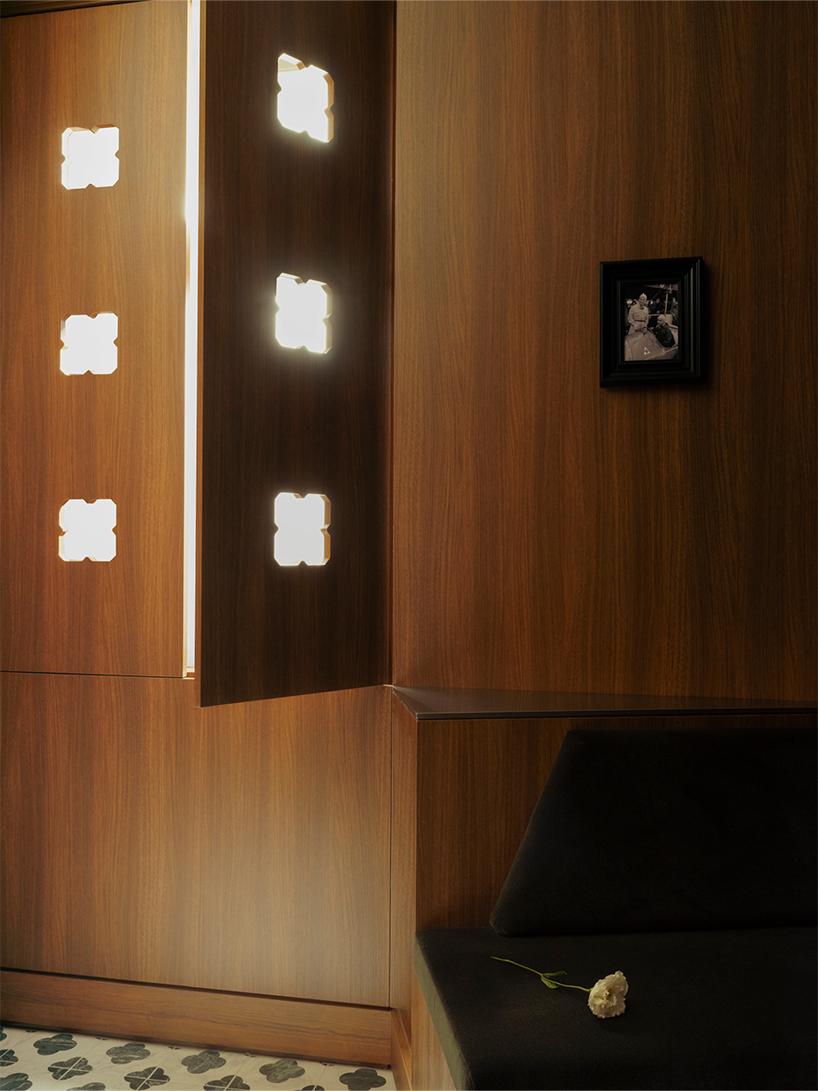
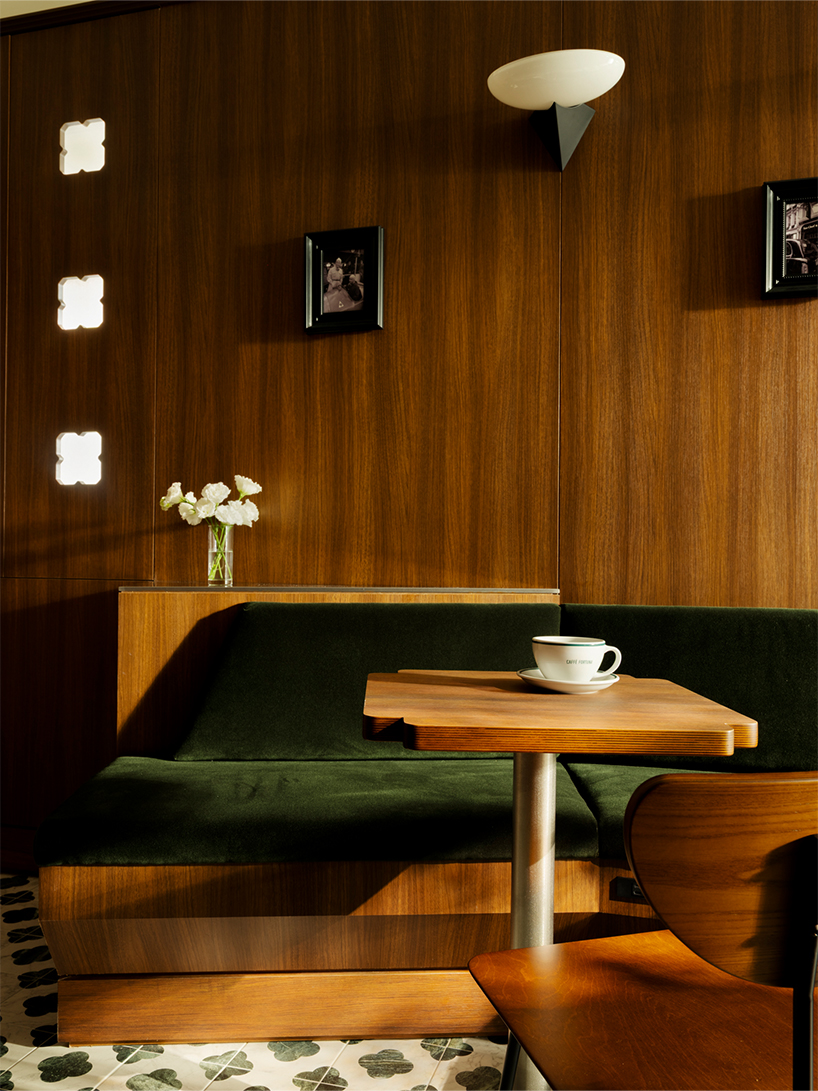
The interior combines deep green and rich wood tones with stone and iron details, referencing the restrained atmosphere of mid-century Milanese Modernism. The Quadrifoglio is deconstructed into rational geometric forms and beveled profiles that appear across door handles, patterned tiles, and custom woodwork.
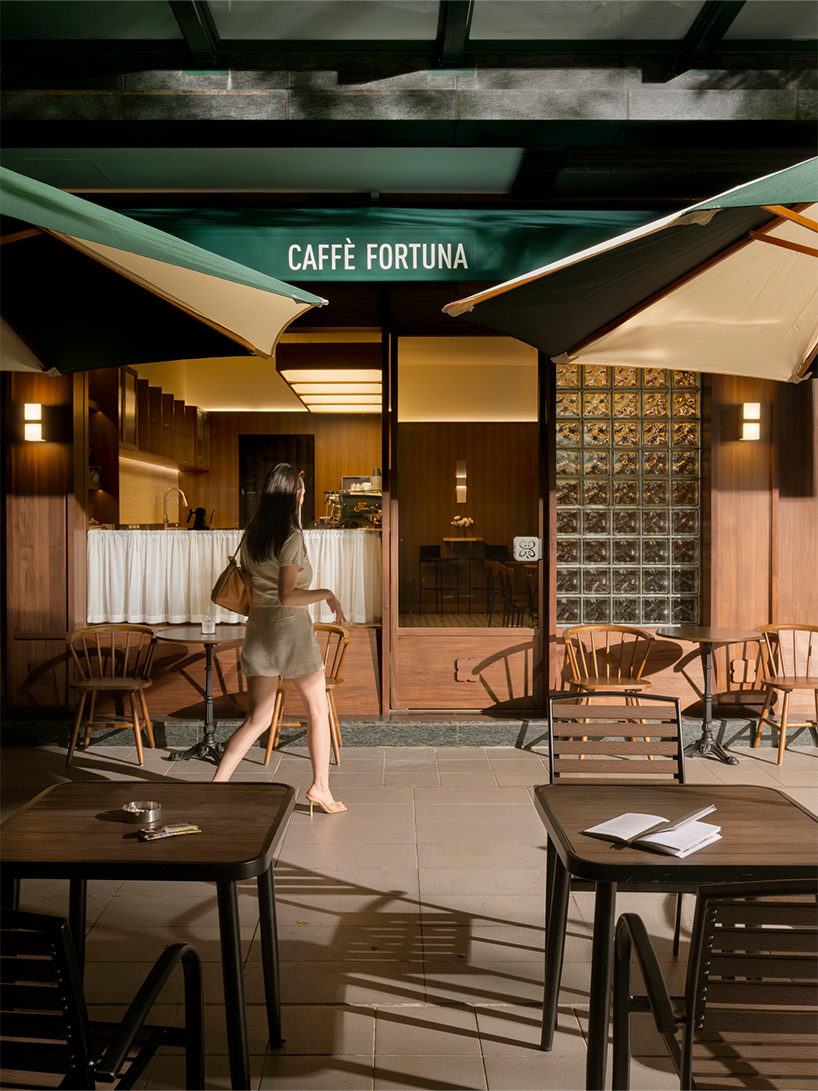
Dark wood and geometric apertures shape Caffè Fortuna
The existing window frames are integrated into dark wood cladding through operable panels. Six geometric apertures cut through the cladding, admitting natural light while limiting views toward the surrounding street. Volumes carved from the interior walls are echoed on the facade, creating a composition of recessed voids and projecting masses.
The design by RLWW Studio also incorporates the existing corner traffic signal into the café’s material and spatial palette. Through the combination of geometric detailing, wood, stone, iron, and carefully integrated existing elements, Caffè Fortuna translates the Quadrifoglio into a cohesive architectural language while connecting the Taipei site to its Italian references.
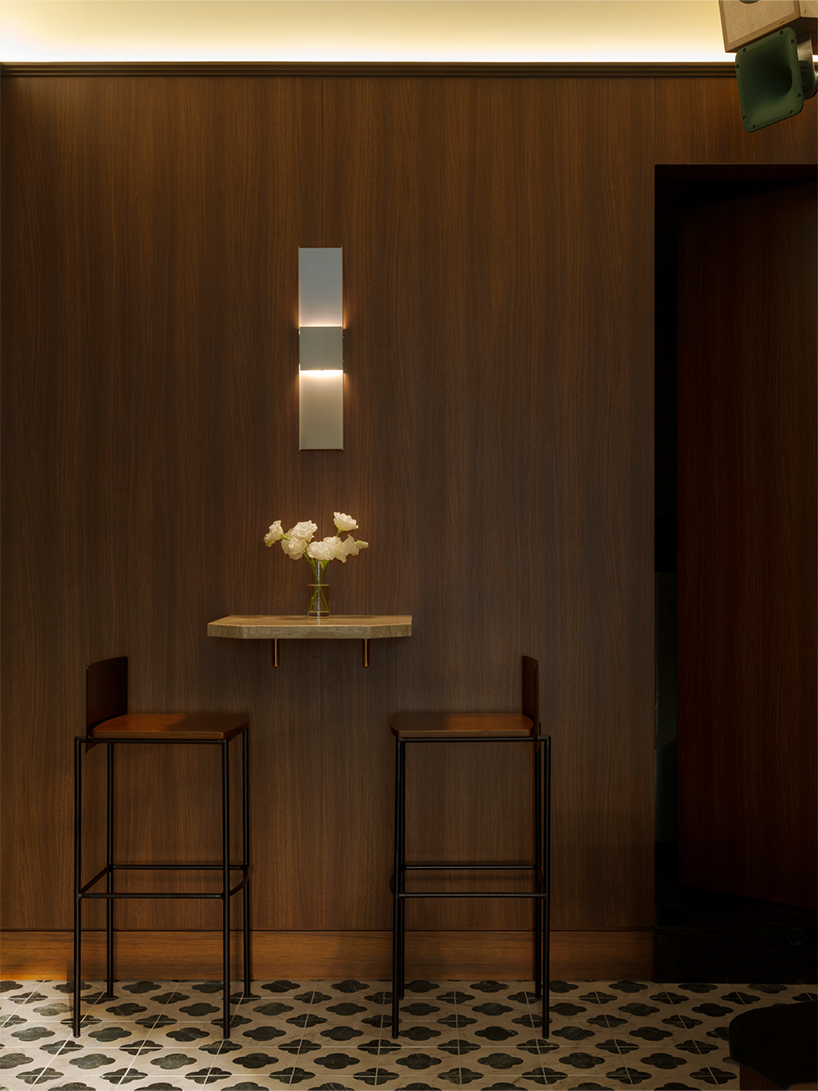
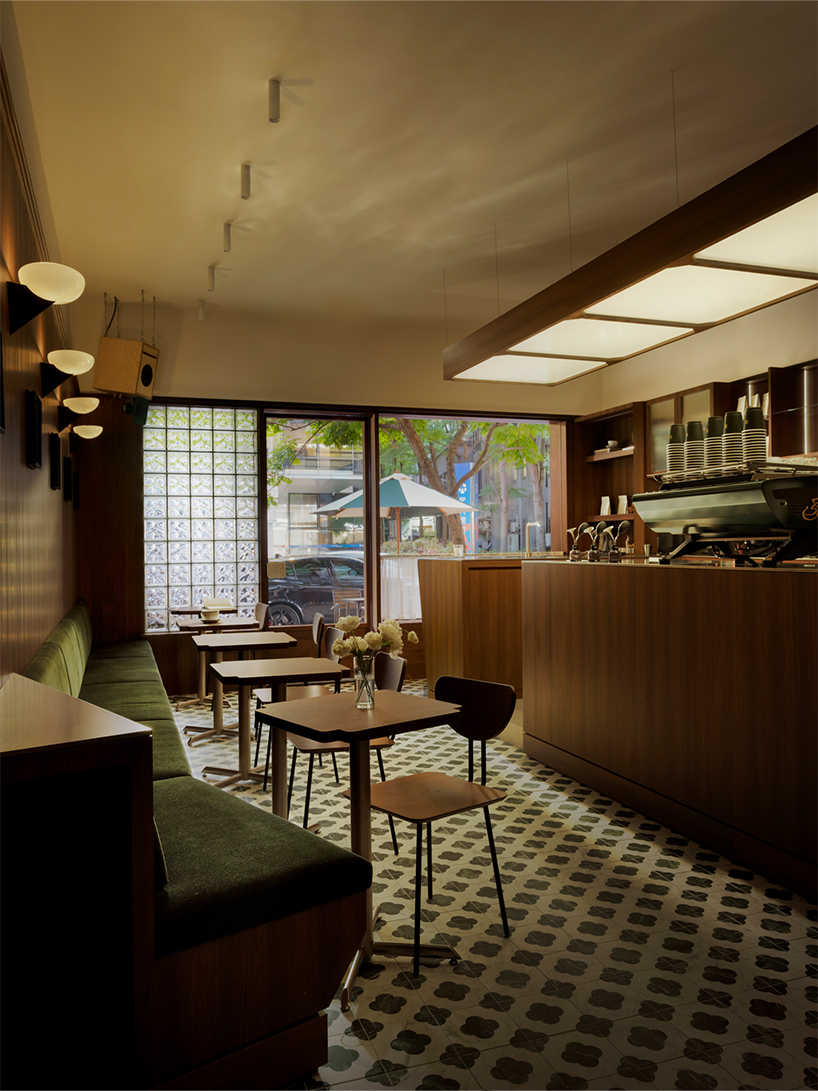
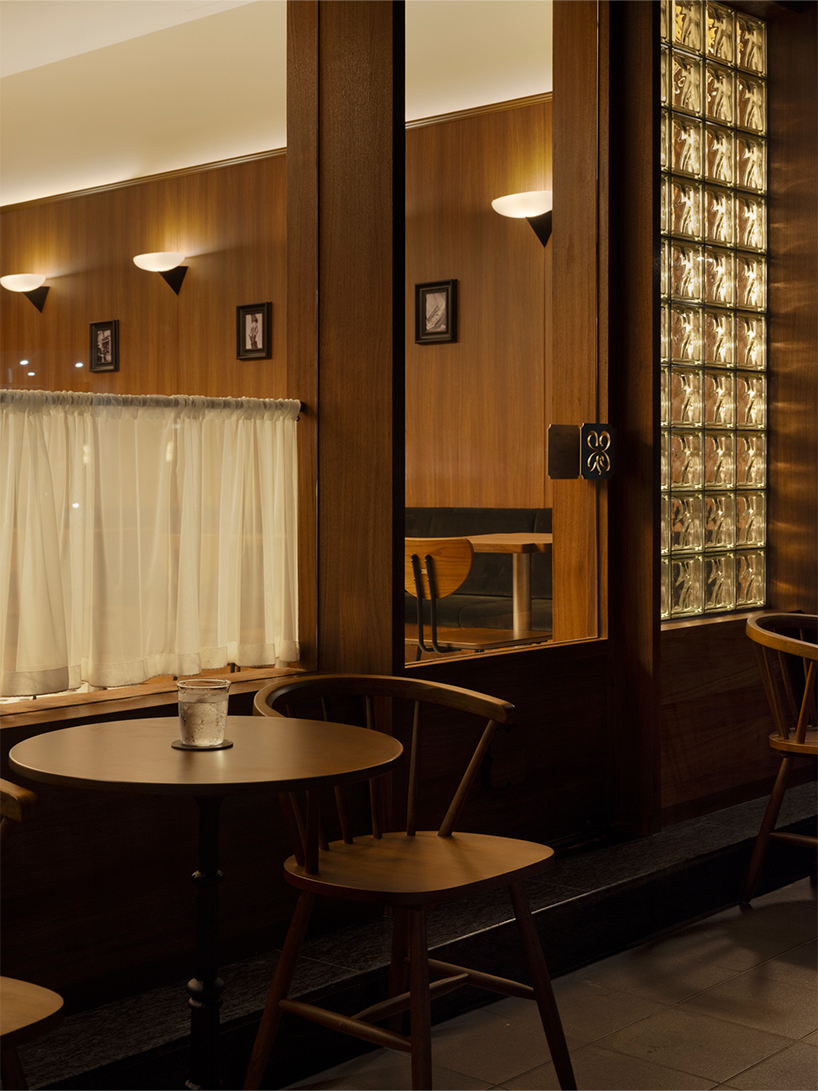
project info:
name: Caffè Fortuna
architect: RLWW Studio | @rlww.studio
design team: Ray Liang, Gary Tsai
location: Dazhi, Taipei, Taiwan
photographer: WGH Photo | @wgh_photo
designboom has received this project from our DIY submissions feature, where we welcome our readers to submit their own work for publication. See more project submissions from our readers here.
shop
your own online design shop — no sales commission collected