datecrete turns date pits into design to win special prize at seoul design award 2026
the UAE studio transforms discarded date pits into a cement-free material for surfaces, furniture and design objects.
prefer designboom on google[FEATURED]
Datecrete’s holistic approach to sustainability
In a world marked by overconsumption and the waste it generates, Datecrete, winner of the designboom Special Prize at the Seoul Design Award 2026, offers a radical proposition. Its approach moves in the opposite direction: recovering an abundant local waste material and transforming it into an environmentally friendly raw material for design.
Throughout its development, the project has demonstrated an ability to think outside the box, combining sustainability, local relevance, aesthetic ambition and functionality. To top it off, the proposal is presented as scalable and transferable to other locations without losing its cultural specificity.
Why date pits can be a raw material
John Maeda said that design is a solution to a problem. Datecrete has introduced a proposal that addresses two: the mass generation of waste in the food industry and the use of environmentally harmful materials, such as cement, resins and petrochemical systems, in construction and furniture production.
Between 100,000 and 180,000 metric tons of dates are consumed in the United Arab Emirates each year, according to figures from the International Nut & Dried Fruit Council compiled by Statista. The widespread use of this ingredient, central to Arab cuisine, generates a steady stream of discarded pits: a small, hard biological material that, as the figures suggest, is abundant.
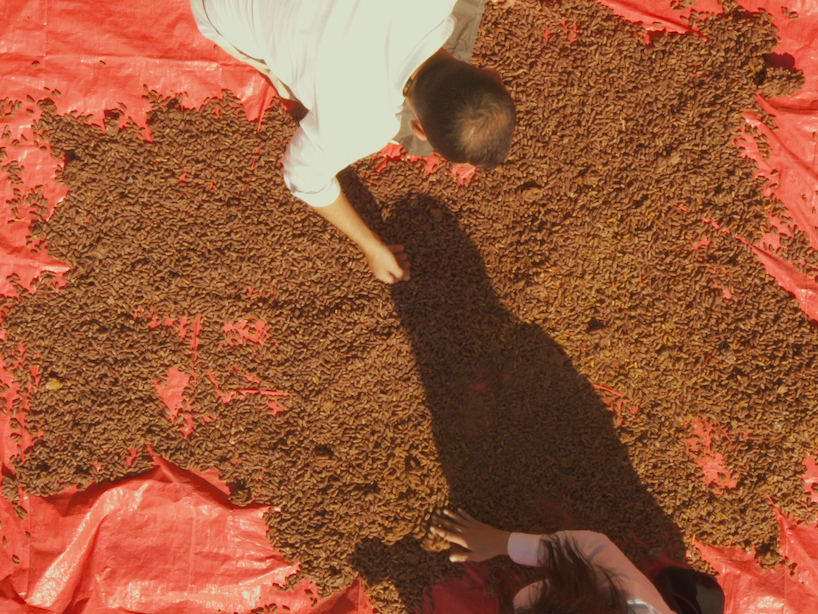
agricultural byproduct with untapped material potential
How to turn date pits into design material
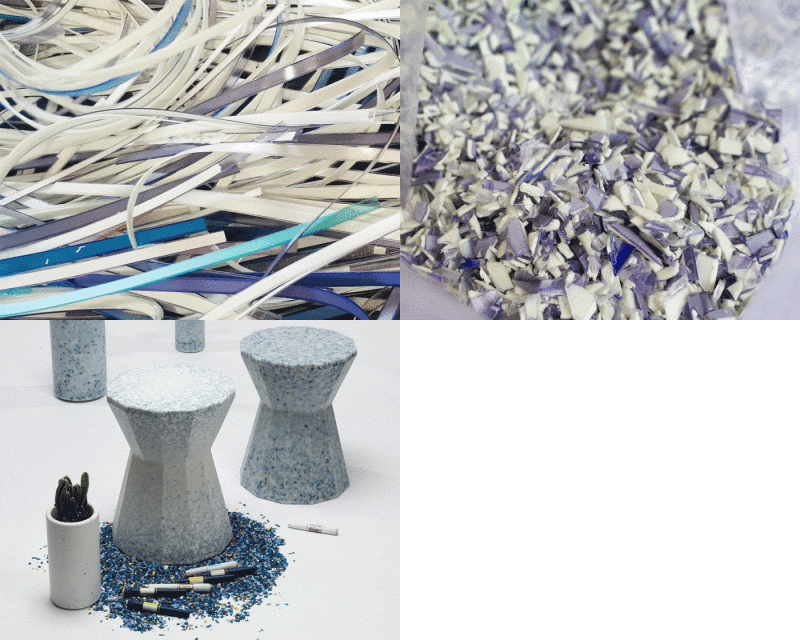
Datecrete recognized the potential of this discarded material. Rather than viewing date pits as low-value biomass, the team developed a system that turns them into an active ingredient in architectural and interior design. Through collection, cleaning, dehydration, grading and processing, followed by combination with a patent-pending natural binder system, the company creates a cement-, resin- and petrochemical-free material that can be cast into molds. This system draws on regional building knowledge that predates the spread of Portland cement and combines it with contemporary materials research.
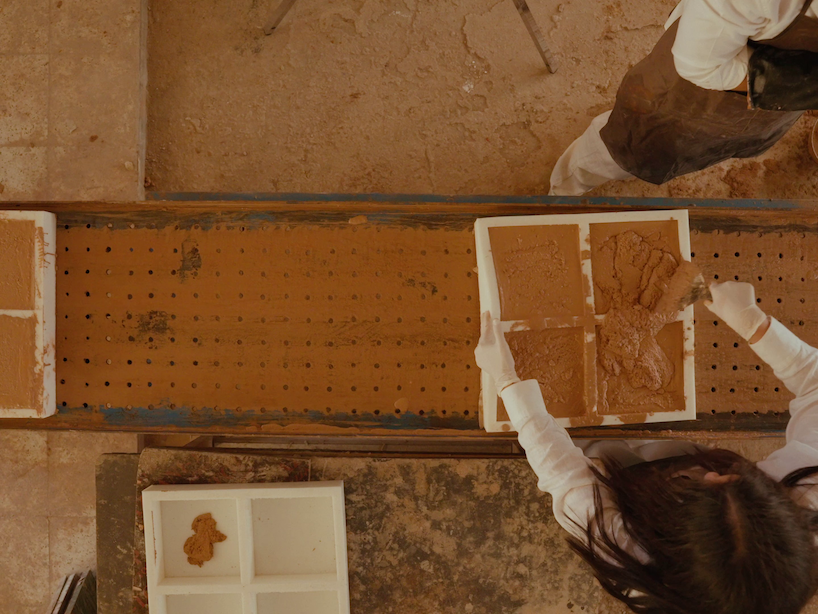
petrochemical-based materials with high environmental costs.
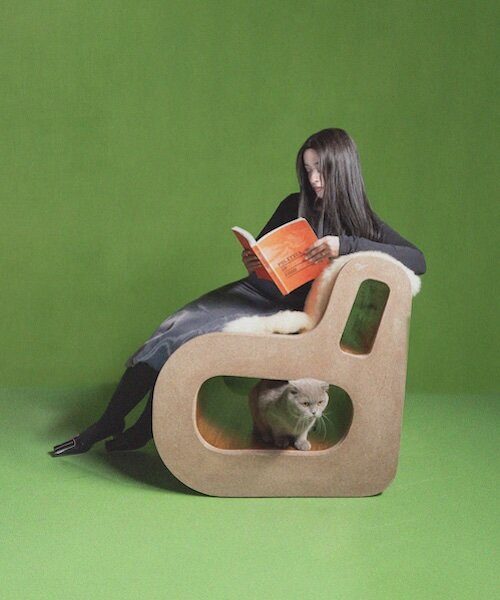
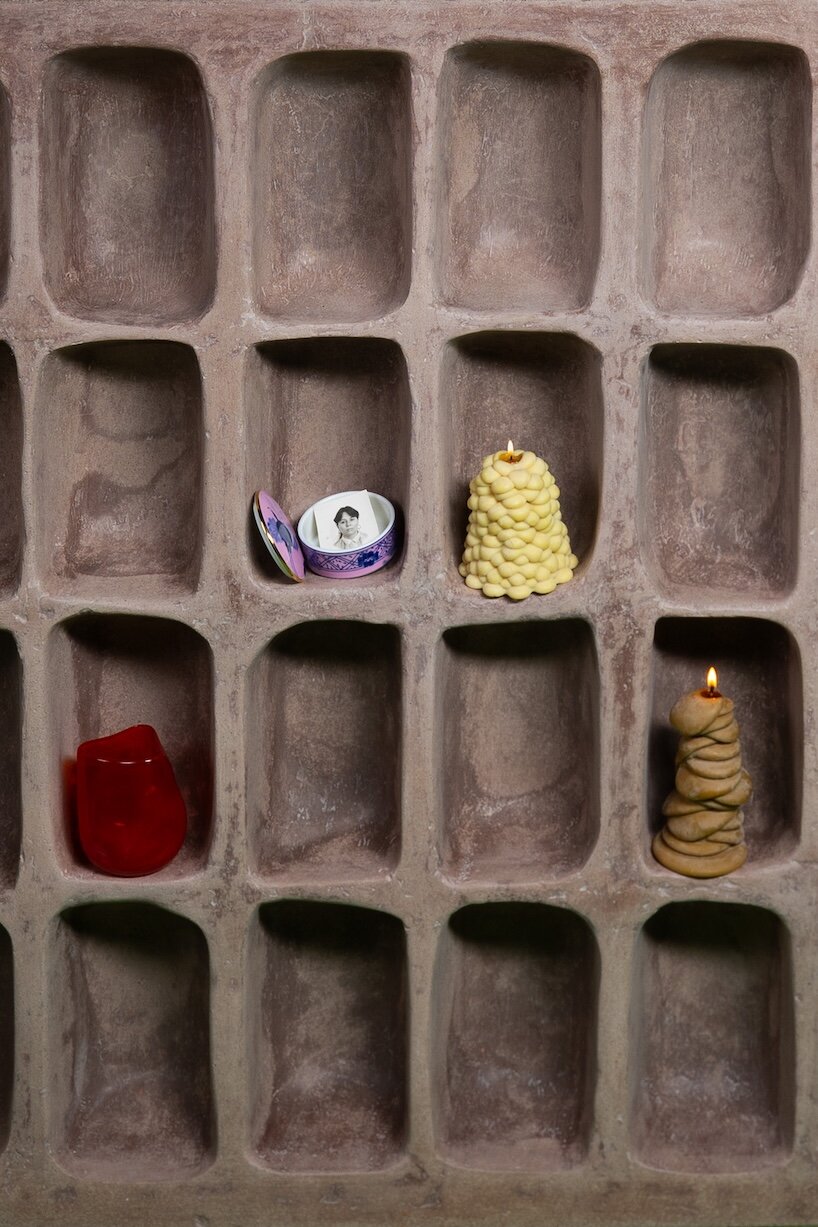
After curing, the pieces are sanded, polished and given a finish that varies according to their intended use. Datecrete’s aim is not to create a single product, but a raw material from which thousands of designs can emerge: tiles, cladding, furniture, lighting and decorative objects are its main proposals. Many more could follow.
The designs introduced so far reconnect with their history in both substance and form. Their organic, contemporary silhouettes create a harmonious bridge between history and modernity: on one side, a material derived from a century-old tree deeply rooted in the region’s history; on the other, an innovative system and decorative objects for today.
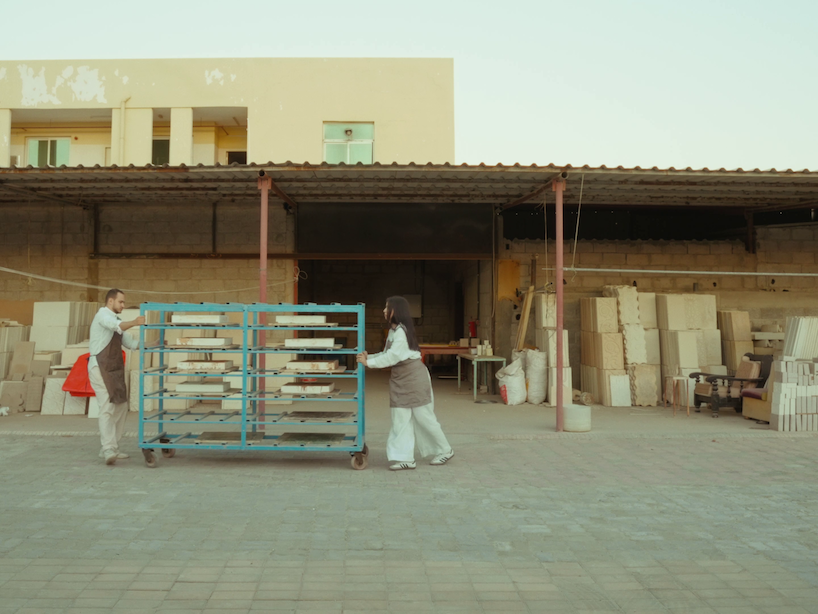
house prototyping and application studies
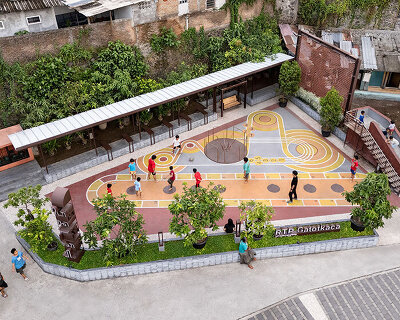
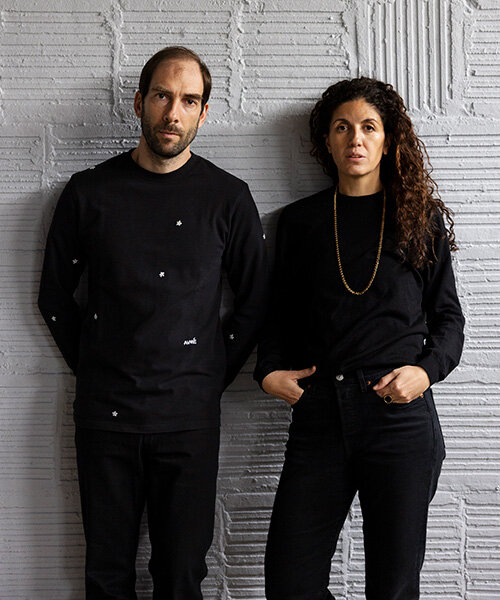
In 2021, Datecrete co-founders Sara Farha and Khaled Shalkha began researching date pits. After just four years of testing prototypes and developing the product, the material was applied at scale in 2025, with 35 metric tons of paving installed in the landscape surrounding the UAE Pavilion at Expo 2025 Osaka.
The material in its current form has developed through collaboration between the co-founders and materials researchers, makers, architects, clients and production partners. Datecrete’s products maintain a visual and tactile connection to the material’s origins, while lessons from each application feed back into the system. This helps refine formulation, casting, finishing, installation and performance, optimizing the process for the next use.
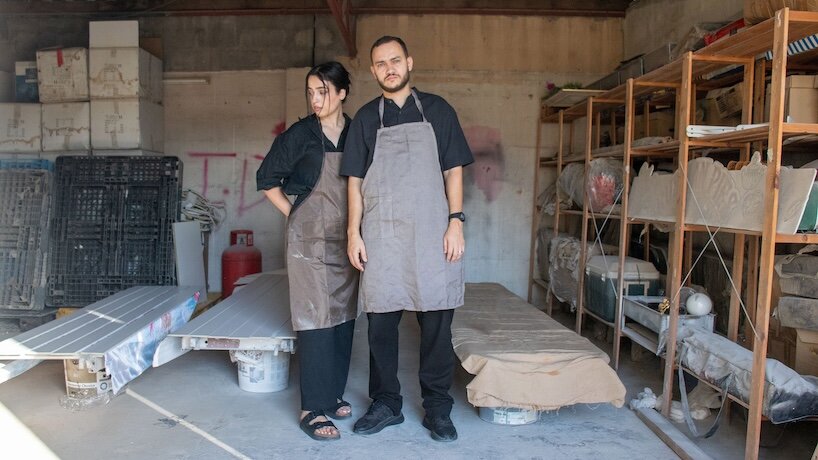
Datecrete’s founders say their long-term vision is to move from bespoke applications, the current focus of their work, toward large-scale architectural projects, particularly tiles, cladding and modular systems.
The system is not limited to regions where dates are consumed daily. This approach could be adapted to any region with lignocellulosic agricultural byproducts. By adapting the system to another raw material, it could be possible to create new architectural resources.
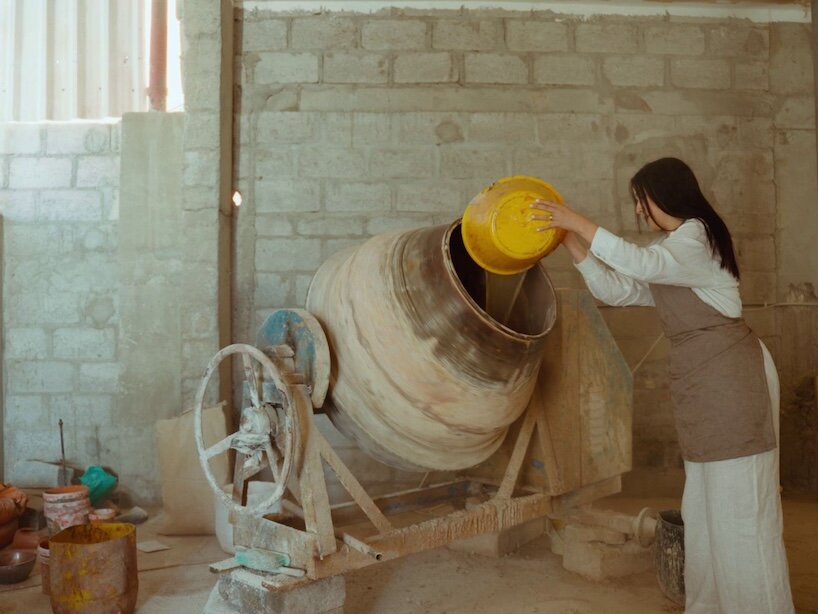
integrated into the Datecrete patent-pending binder material system
Datecrete, winner of the designboom Special Prize at the Seoul Design Award 2026
Datecrete’s proposal connects with the three values of the designboom Special Prize: Intentionally Curious, through its investigation into the potential of an undervalued local waste material; Disrupt Playfully, by transforming it into surfaces, furniture and objects that invite us to see it differently; and Fearlessly Meaningful, by proposing an alternative without cement or petrochemical resins that connects material innovation with the region’s resources and building knowledge.
Explore the breathtaking details of Datecrete and learn more about the visionary minds behind the Seoul Design Award 2026.
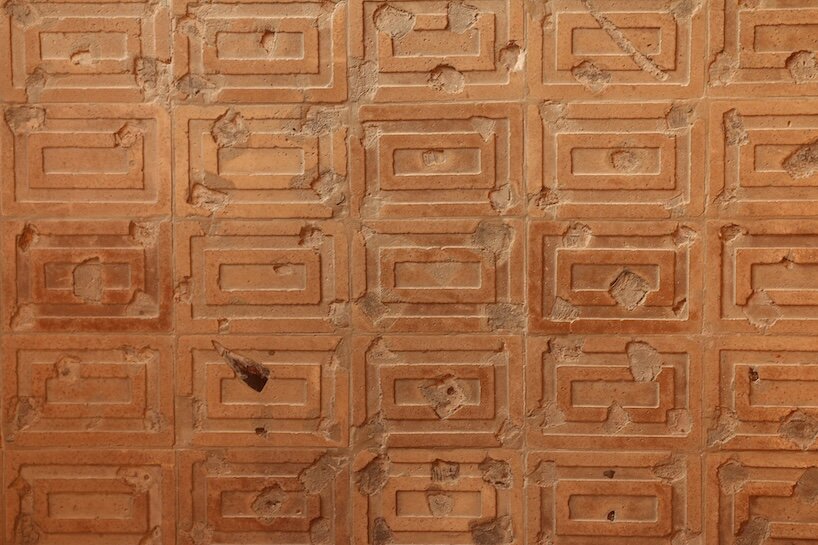
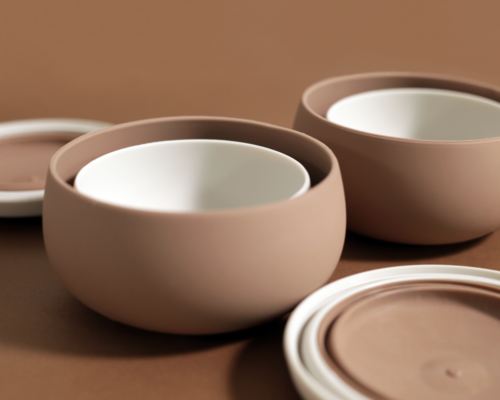
durable, tactile finish
project info:
project: datecrete | @datecrete
award: designboom Special Prize in Seoul Design Award 2026
shop
your own online design shop — no sales commission collected