domenico orefice’s latest furniture collection rediscovers the history of milan
the 'man de milan' project by domenico orefice explores local processes, combining them with new technologies and materials.
[FEATURED]
‘man de milan’ (‘hands of milan’) is a furniture collection created in collaboration with artisans from milan and lombardy, that explores the materials, history and icons belonging to the city’s identity. domenico orefice’s project rediscovers local processes and combines them with new technologies and materials to create a series of contemporary objects.
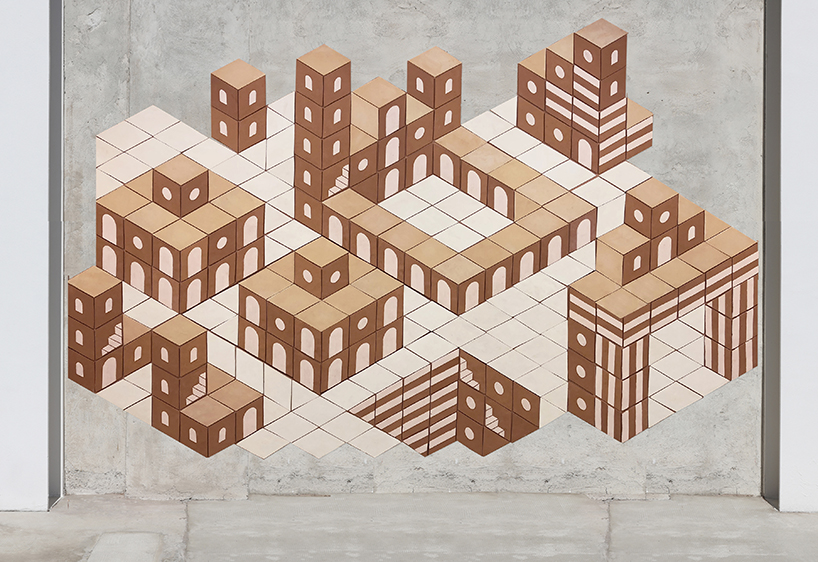
all images by paolo belletti
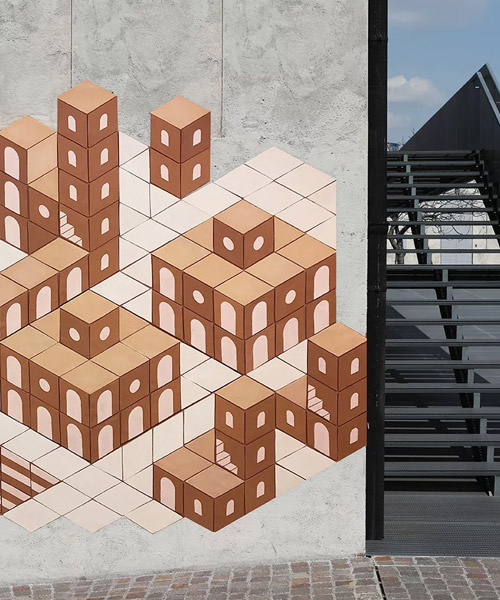
the furnace, curti of milan, is a historic site in the lombardy area where the history and noble traditions of the sforza family are still alive today. it is in this context that the collection ‘man de milan’ was born. the project ‘curti’ by domenico orefice is a series of tiles, characterized by a modular design with a rhombus shape, that when combined create the image of a city.
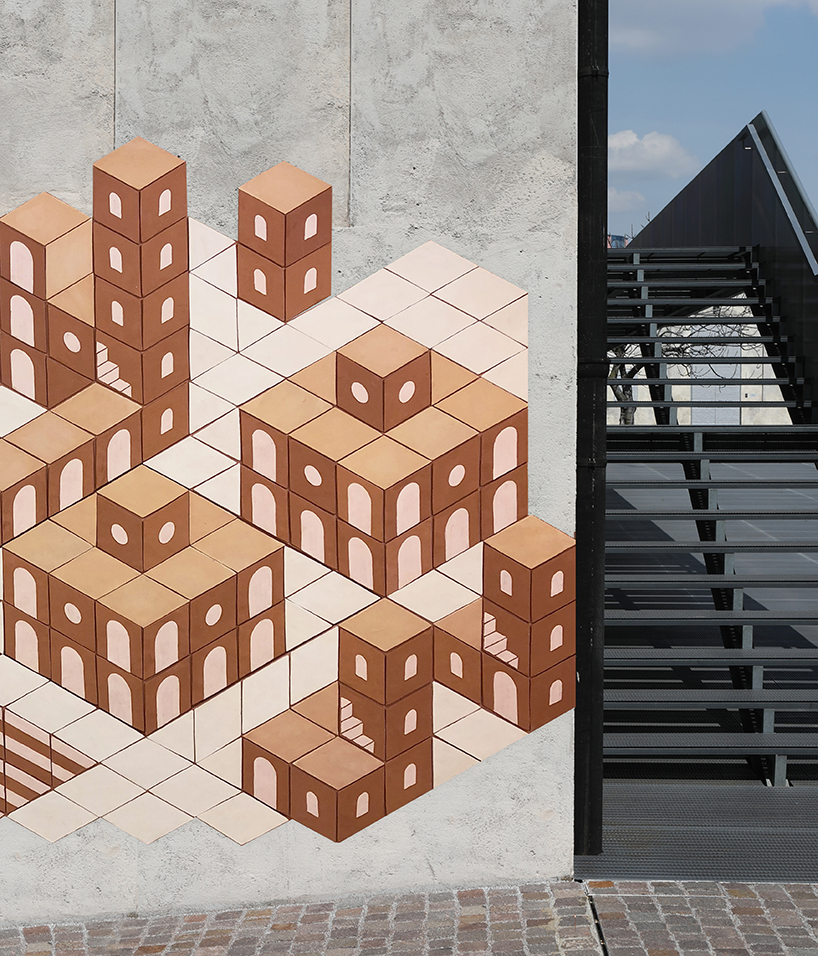
curti tiles made by fornace curti
the project ‘salvadanè’ is inspired by the historic model of a piggy-bank. the collaboration with the carpentry d3 wood, that uses no-miles wood, locally sourced or reclaimed, gave birth to the bookshelf ‘mulino’, and to ‘ringhiera’, a cabinet inspired by the popular lombard houses with interior courtyard. in addition to these elements there is ‘zafferano’, a side table created from resin colored with saffron and the ‘nebbia’ carpet, in the pattern of which one can observe the change of an atmospheric element, the fog, through the years.
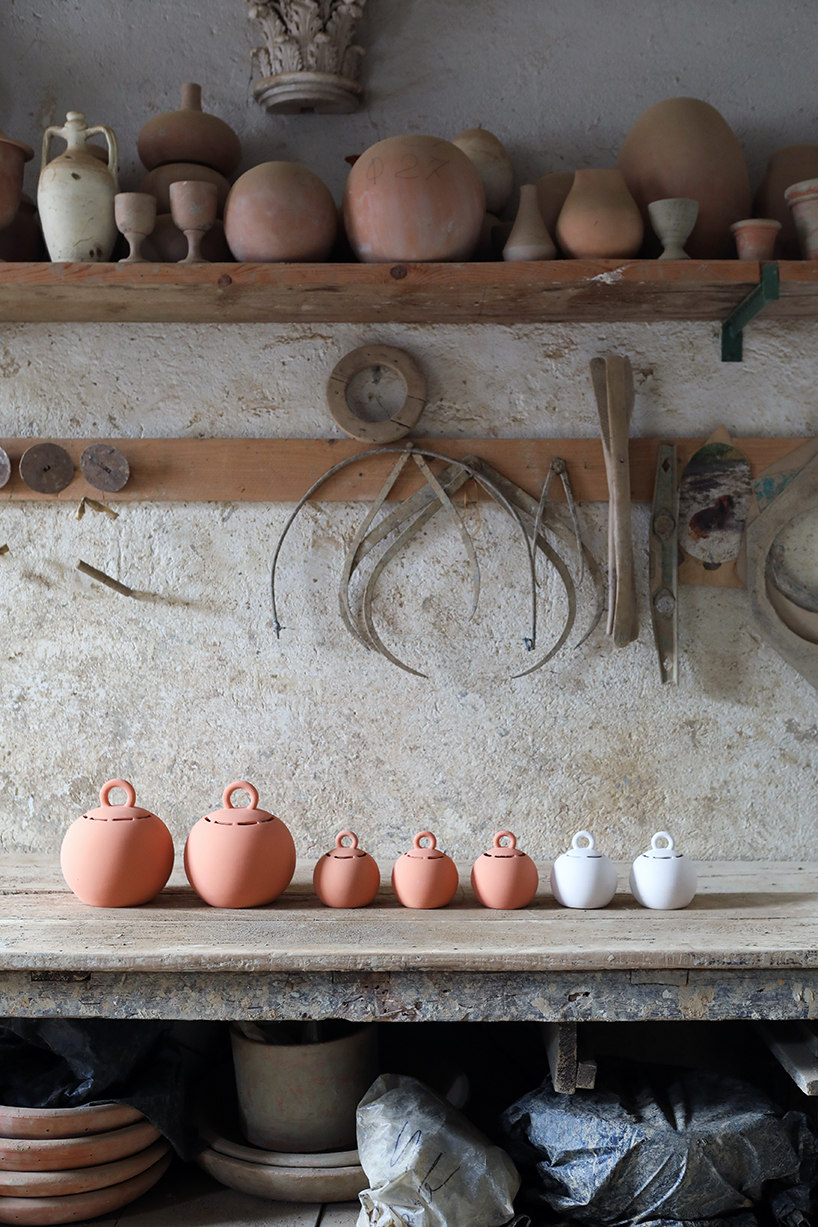
the salvadané piggy-bank is designed in the historic curti furnace of milan, where the classic spherical piggy-bank archetype was born
taking inspiration from all of this collective imagination, the ‘man de milan’ project aims to tell the story of the visual archetypes, materials and skills that have shaped milan. the project acts both as a tribute to the artisanal origins of the city and provides an identity for today’s milan through contemporary objects.
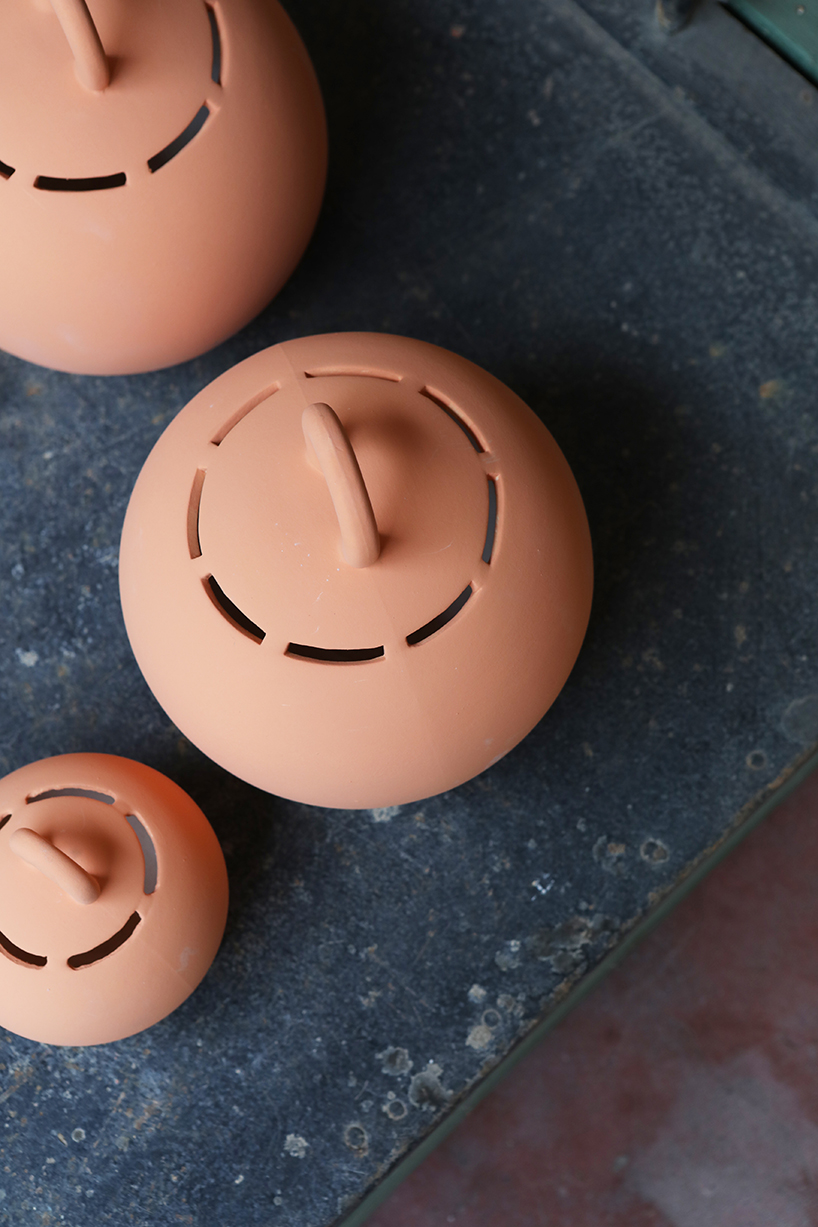
the salvadané piggy-bank
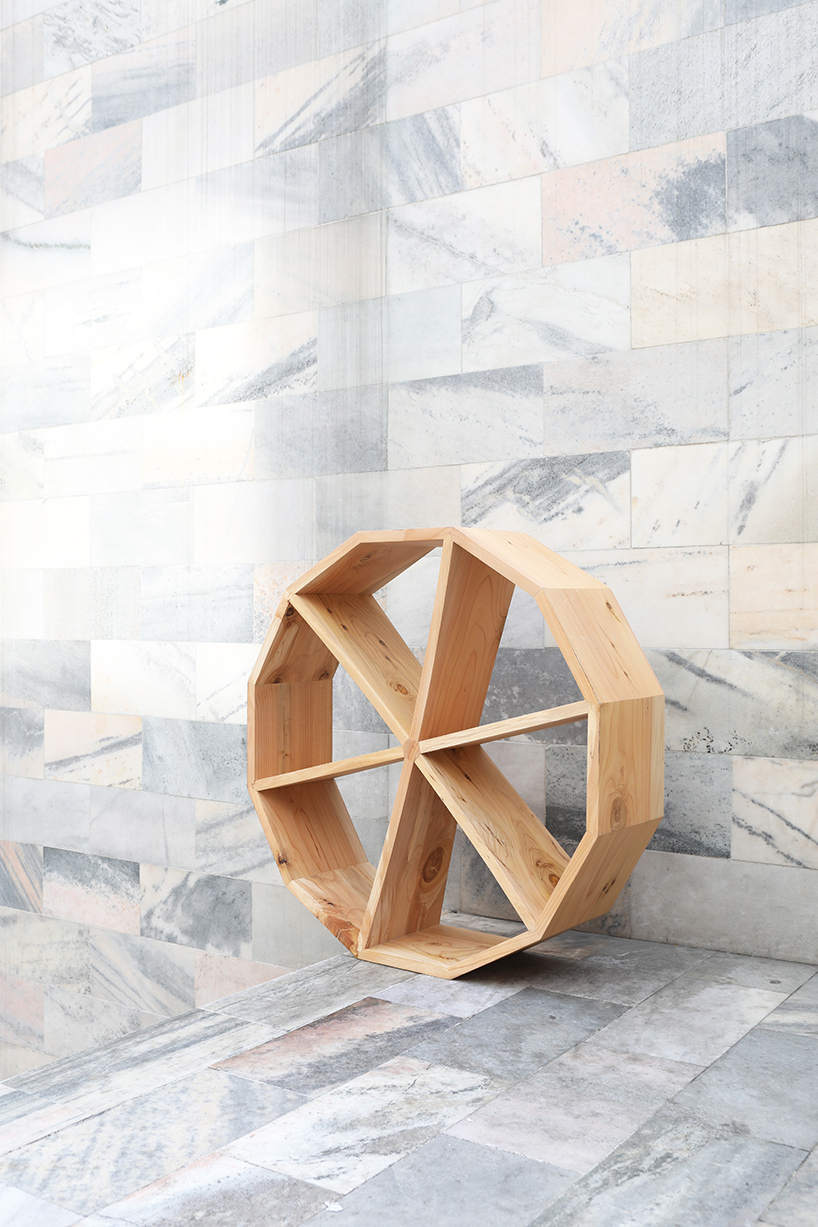
the mulino bookshelf was inspired by the machines, designed by leonardo da vinci in the sforza era, as well as the symbolism of the windmill as an energy-producing element
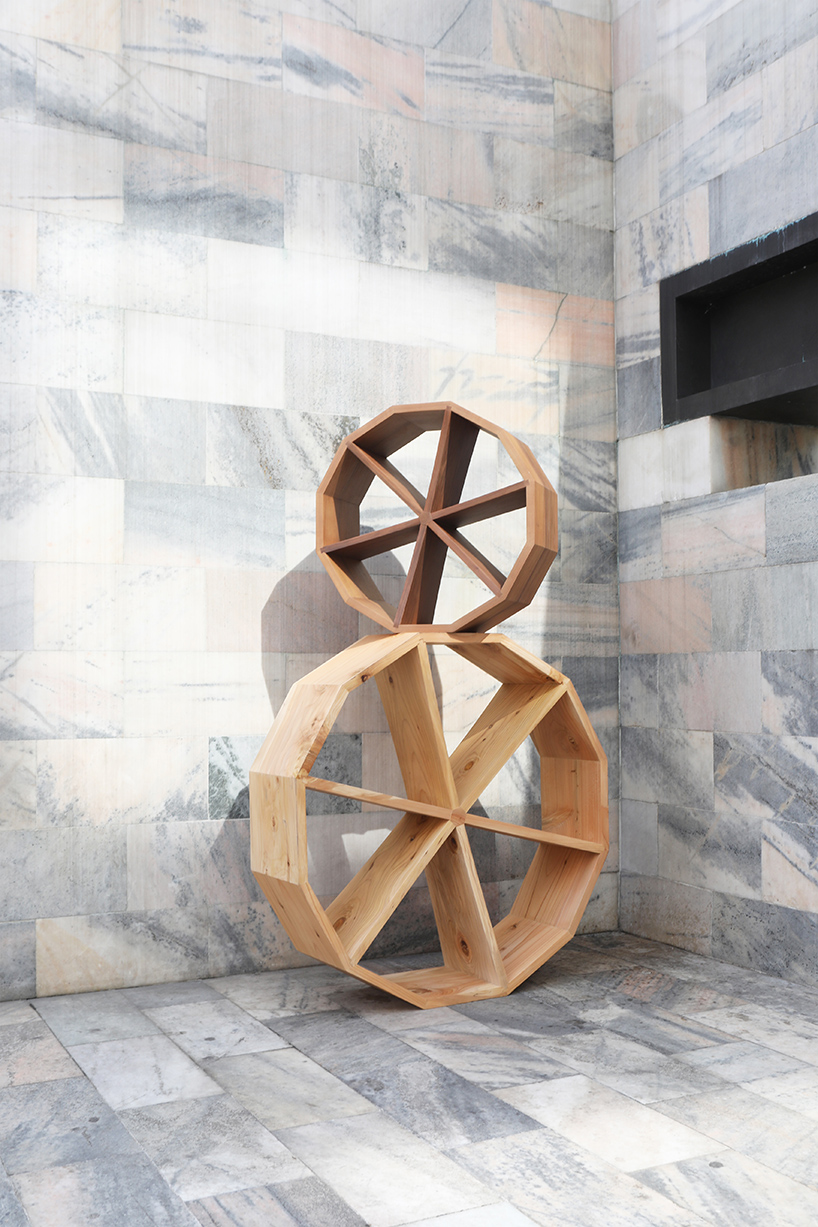
the mulino bookshelf
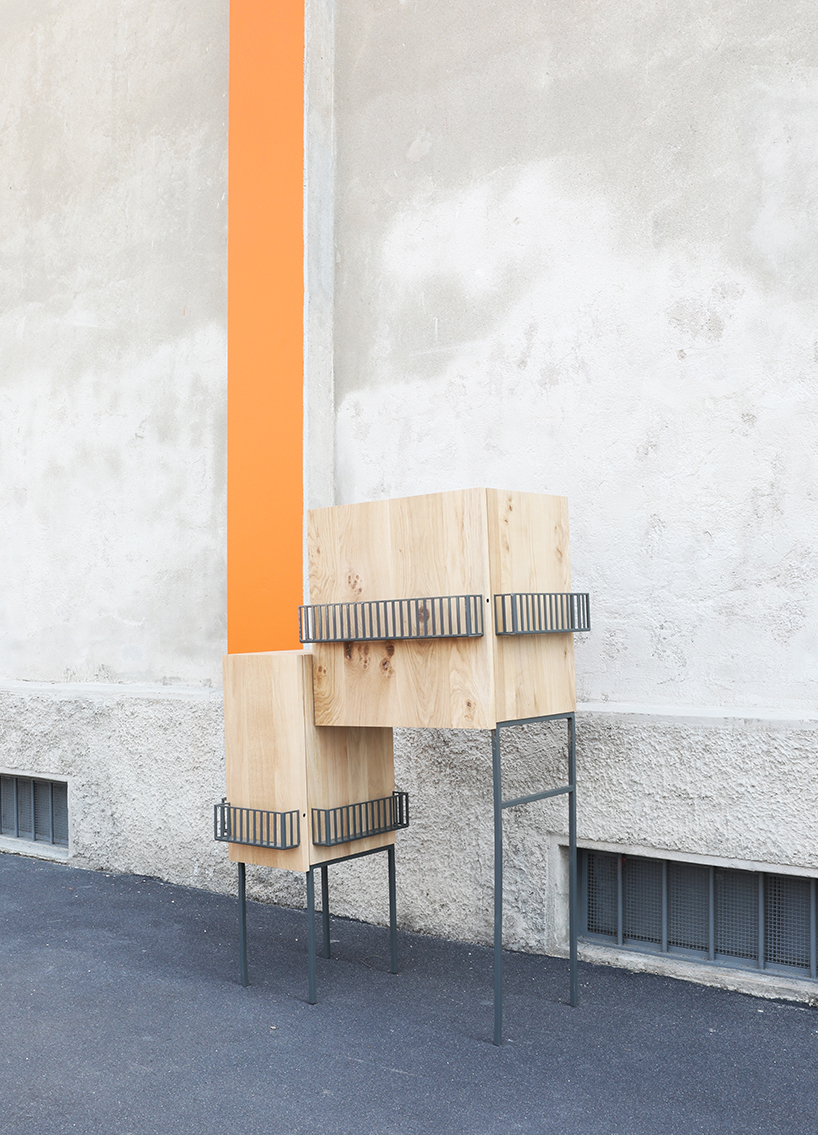
the ringhiera project is inspired by the agricultural lombard building known as ‘case di ringhiera’ with interior courtyard
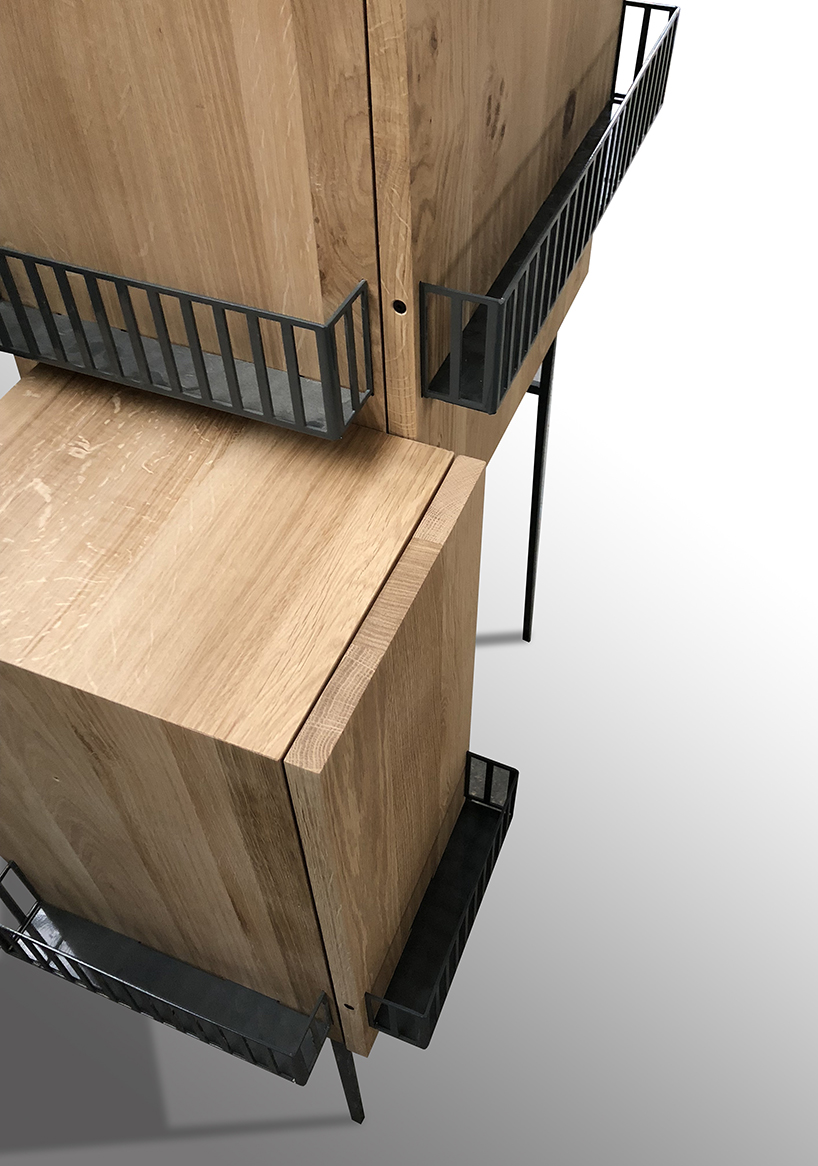
the ringhiera cabinet
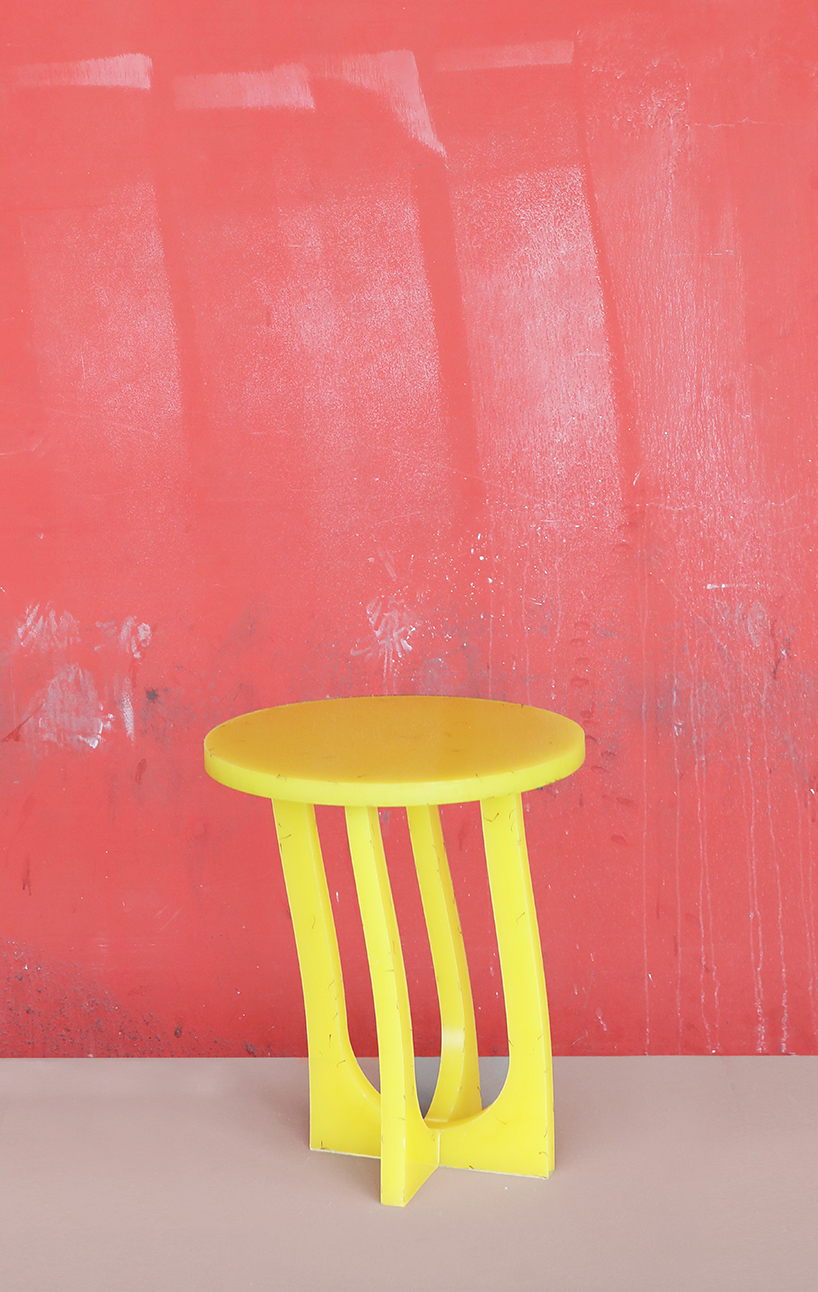
the zafferano side table was born from the research of saffron usage as a natural pigment, combined with a new material like resin
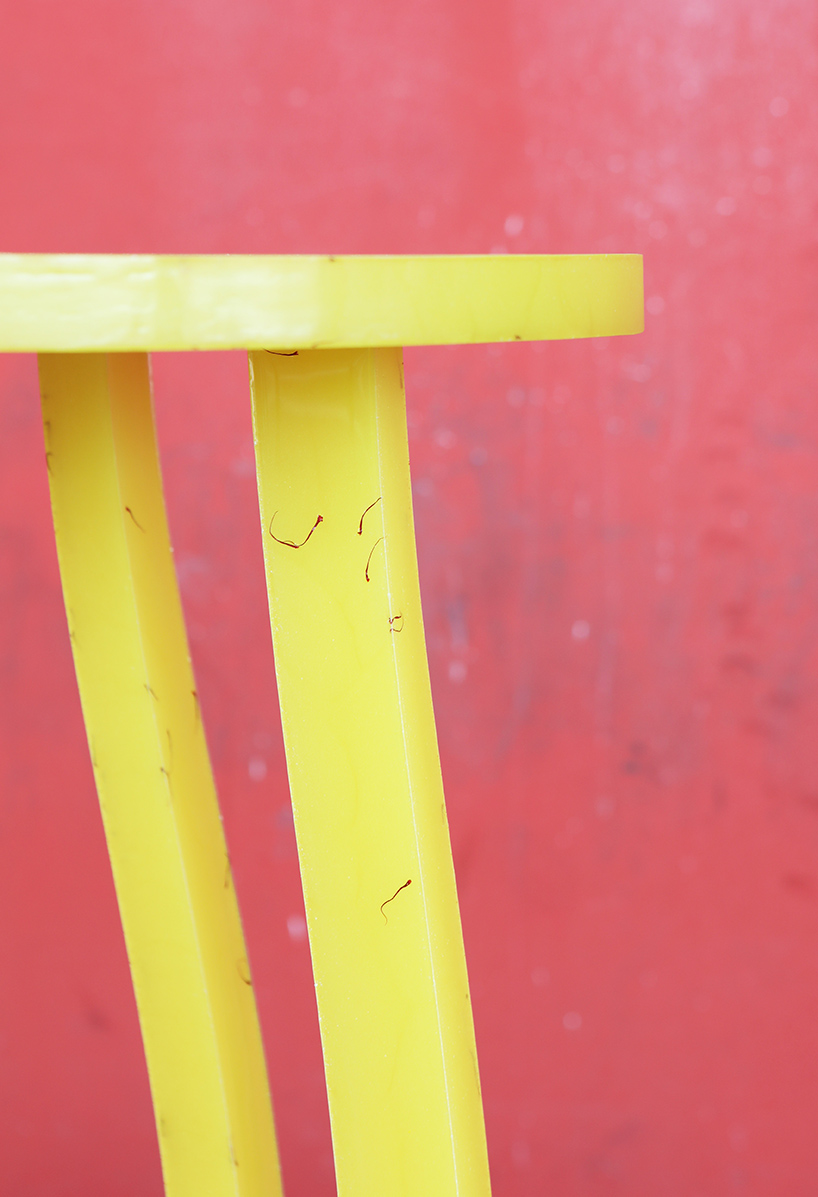
the zafferano table is inspired by the legend of the birth of the milanese yellow risotto and it is a reference to the lombard creativity
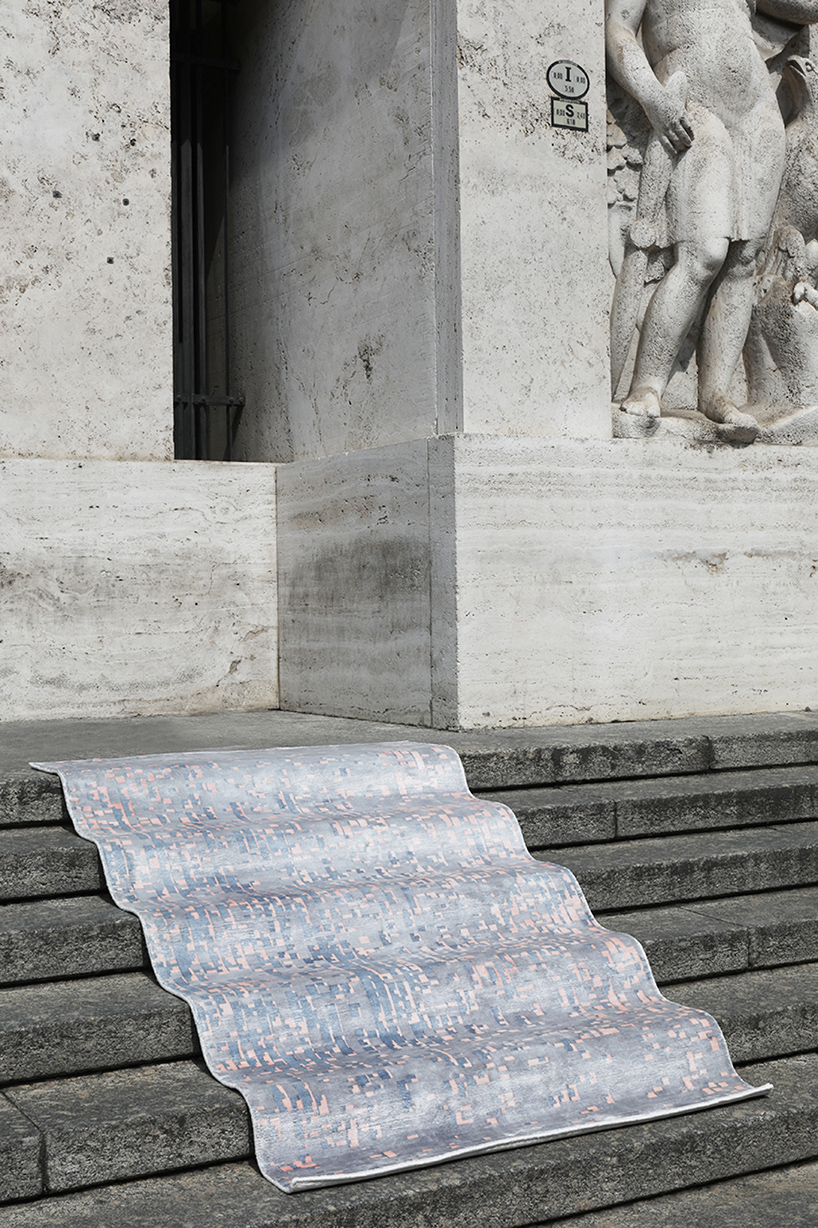
the nebbia carpet
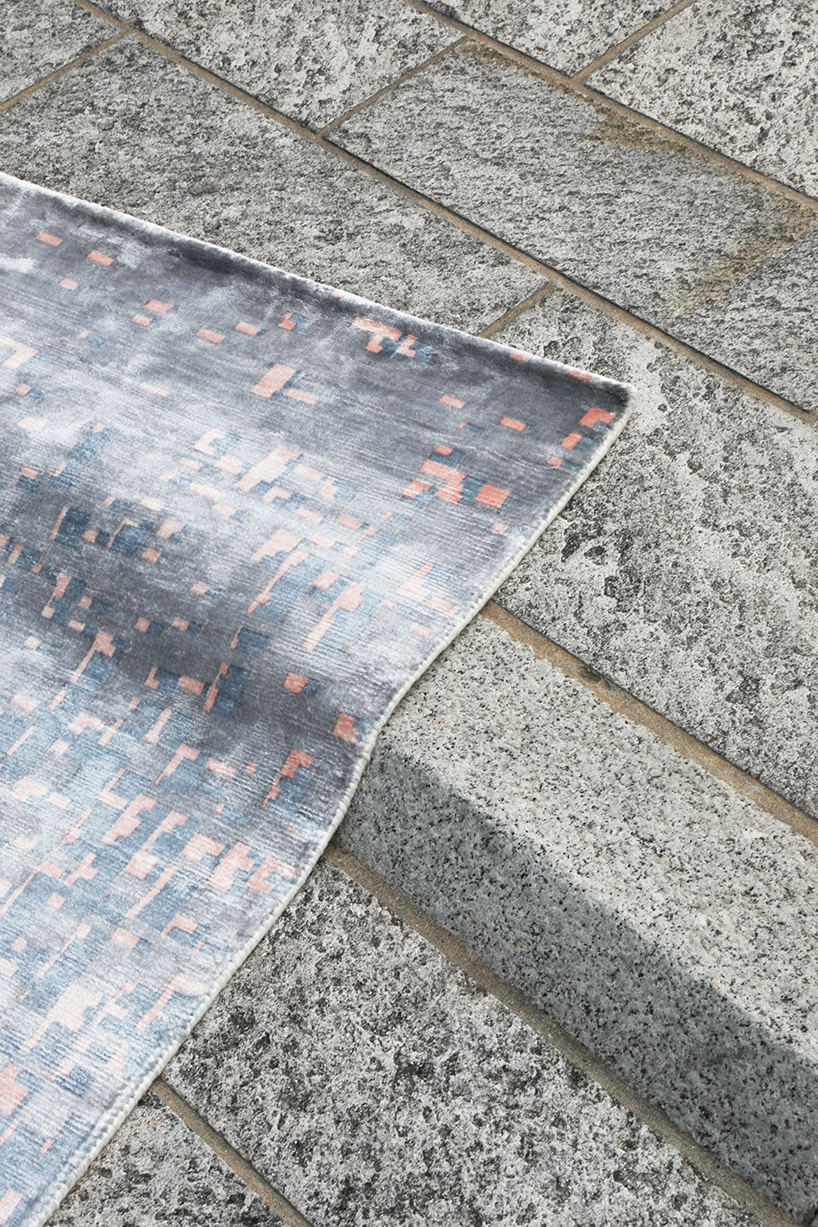
the pattern of ‘nebbia’ (meaning fog) visualizes the change of the atmospheric element through the years
designboom has received this project from our ‘DIY submissions‘ feature, where we welcome our readers to submit their own work for publication. see more project submissions from our readers here.
shop
your own online design shop — no sales commission collected