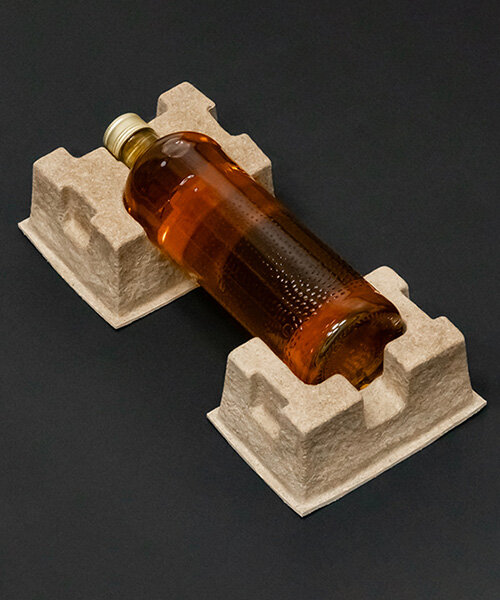
eco-friendly packaging by bioregion institute repurposes barley waste and seaweed
bioregion institute researchers pair land and marine biomass to create a shock-absorbing packaging material.
Bioregion Institute researchers develop packaging made of draff
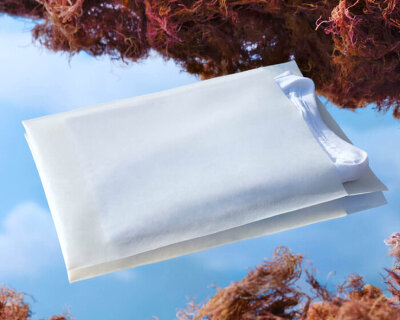
Lab director Alexandre Bau, industrial biochemist Lars Haugen Aardal, and industrial designer Alvise Rizzo from the Bioregion Institute present Feddie Packaging, an eco-friendly packaging solution crafted from whiskey distillation byproducts and locally sourced seaweed. This project results in a low-cost, low-carbon alternative to pulped cellulose, marking a step forward in sustainable packaging design.
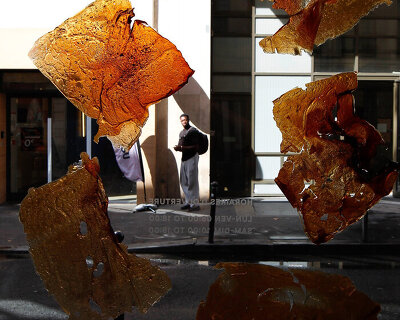
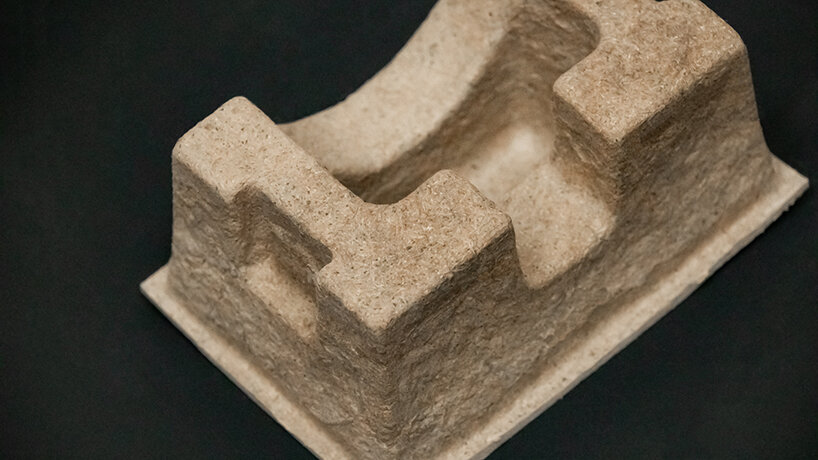
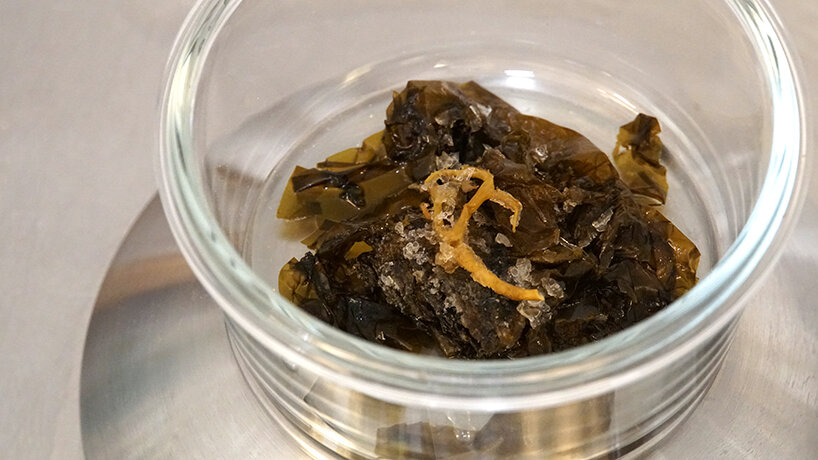
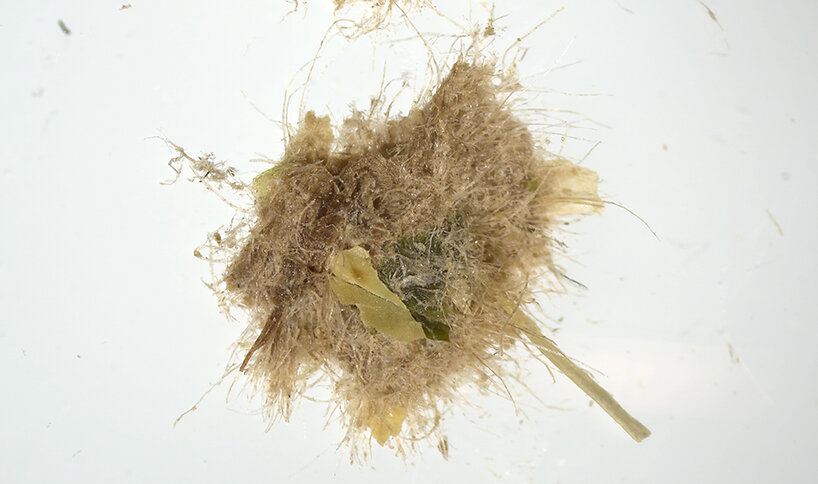
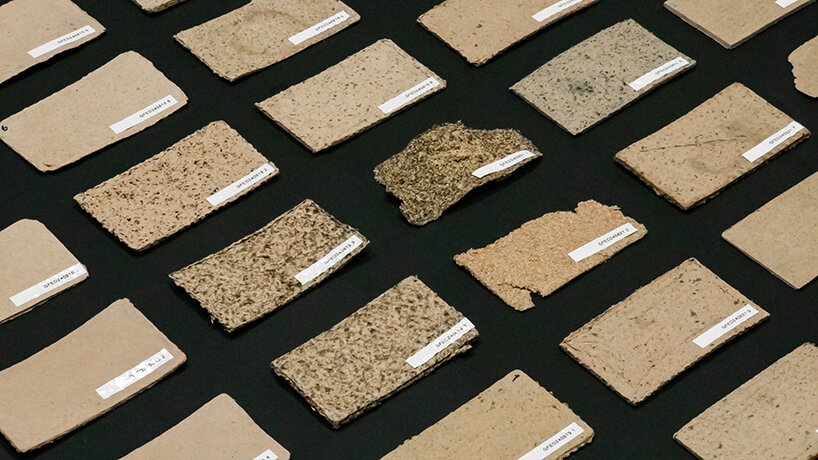
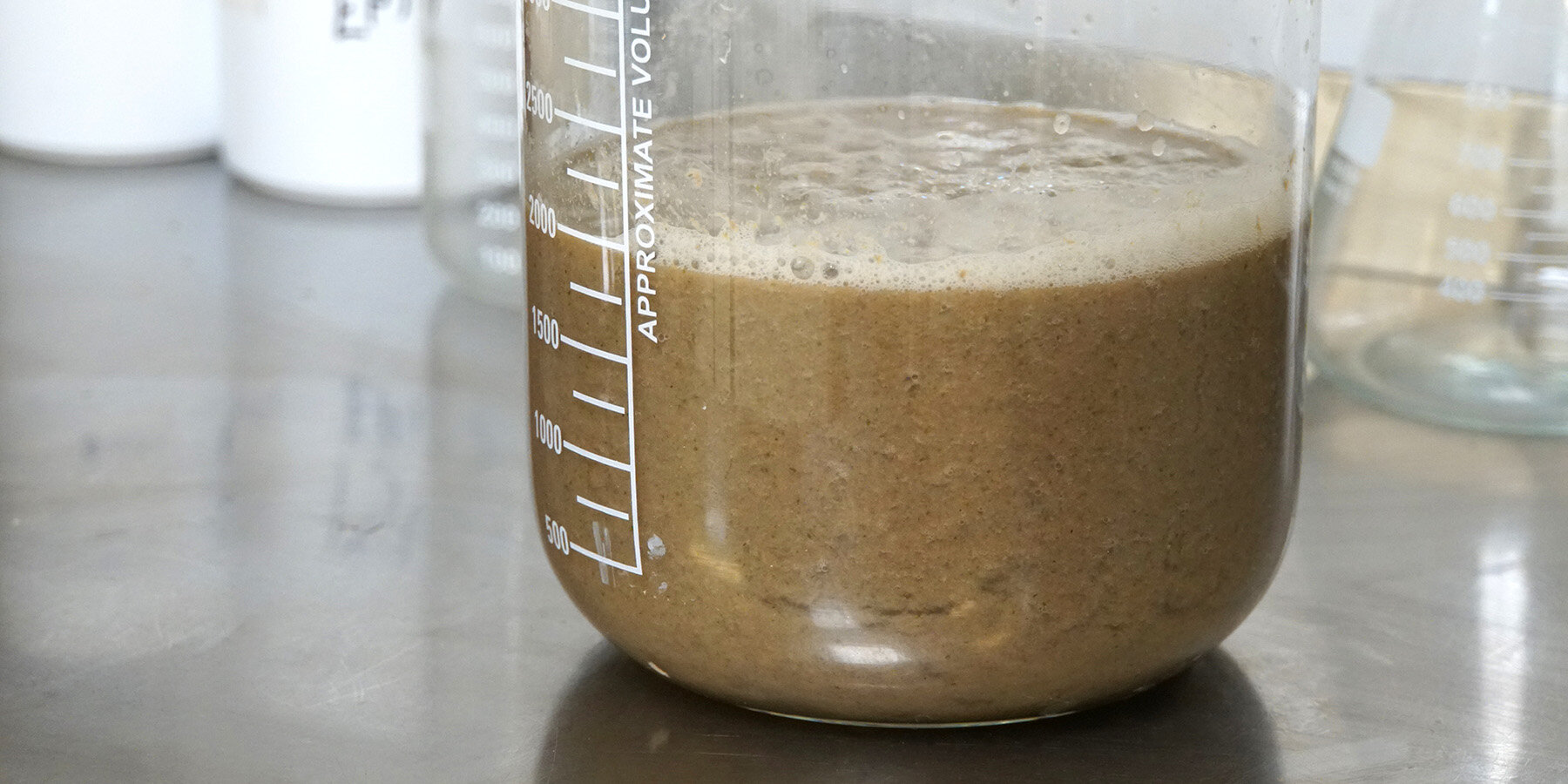
The biomaterial repurposes draff—the spent malted barley grains left over from whiskey production—as a raw material rich in starch, proteins, and fibers. While traditionally discarded as animal feed or compost, the natural properties of draff make it an ideal base for molded pulp packaging. The team enhanced its functionality by blending it with sugar kelp, a seaweed cultivated along Norway’s coast. This pairing of land and marine biomass leverages the adhesive qualities of alginate, a natural polysaccharide found in kelp, to create a robust, shock-absorbing packaging material. ‘By converting this waste biomass into a useful product without compromising biodegradability, we extend its life cycle and offer a cheap alternative resource to the molded pulp packaging industry,’ affirms the team. ‘We leverage the residual starch in draff as a natural binder, a key component that provides strength and elasticity to the material.’
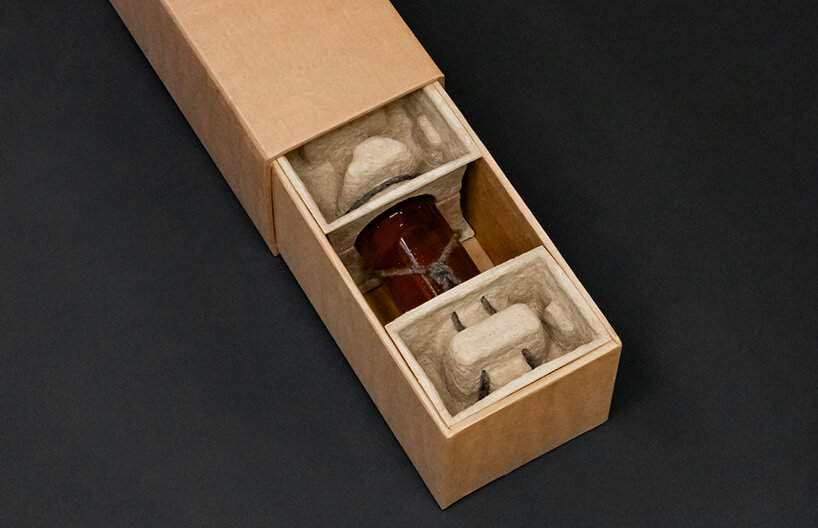
Feddie packaging’s Innovative Applications and Market Potential
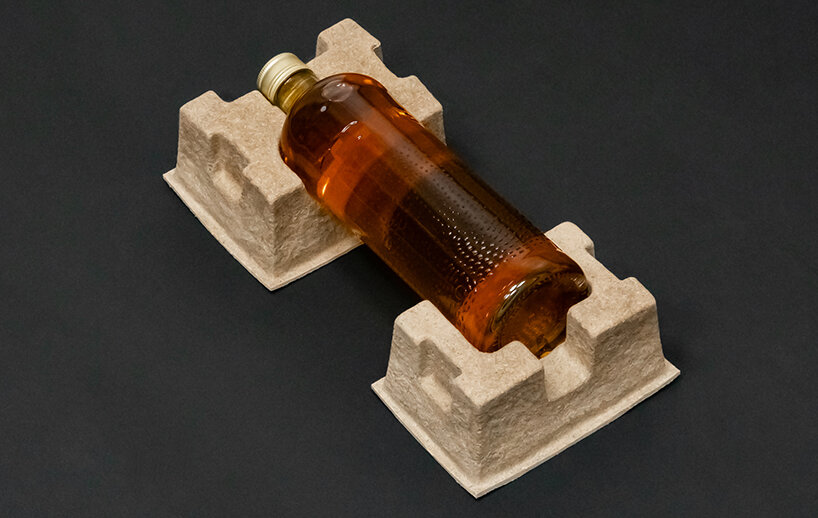
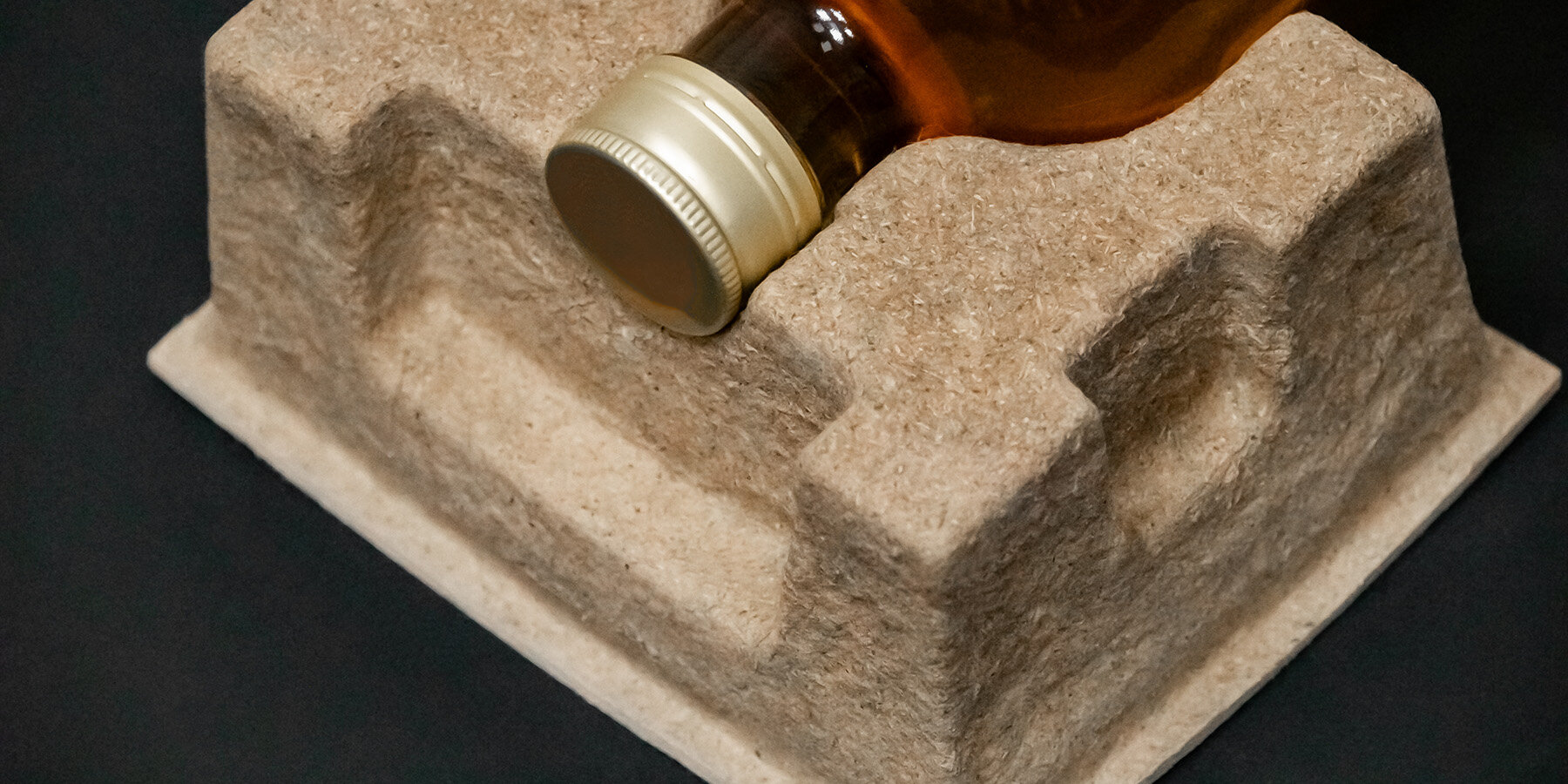
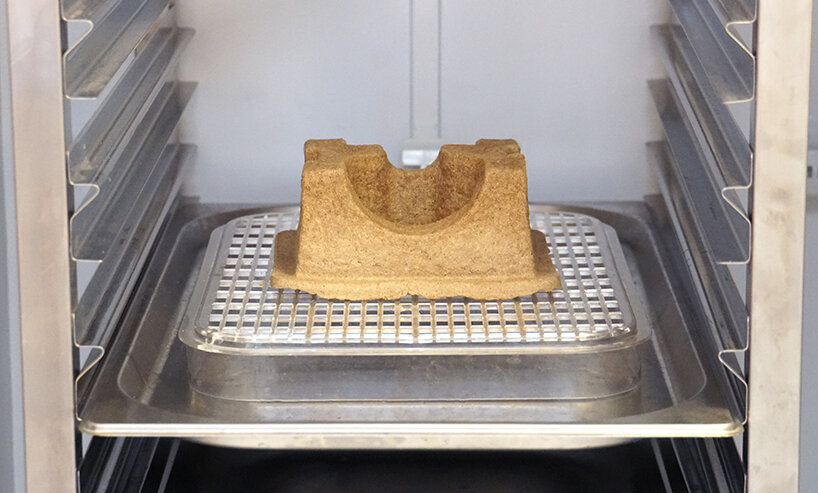
Developed in collaboration with Feddie Ocean Distillery and seaweed cultivators Lerøy Ocean Forest, Feddie Packaging’s first use case is a set of protective inserts for whiskey shipping boxes, demonstrating the adaptability of the material by Norwegian team at Bioregion Institute to intricate, three-dimensional shapes through in-solution vacuum forming. The inserts, dried and finished in an oven after molding, offer a practical application of the strength, flexibility, and biodegradability the material embodies. By employing existing molded fiber technology, the biomaterial can be scaled for mass production, offering a sustainable alternative to virgin cellulose and fossil-based plastics.
The initiative reflects a broader mission to map and repurpose regional waste streams into valuable resources, inspired by circular design leaders like Atelier Luma. With packaging accounting for 40% of global plastic waste annually, the need for sustainable alternatives is urgent. Currently in talks with manufacturers to validate the material at an industrial scale, the team aims to establish a circular supply chain rooted in local resources.
project info:
name: Feddie Packaging
designer: Bioregion Institute | @bioregion_institute
design team: Alexandre Bau, Alvise Rizzo, Lars Haugen Aardal
collaborators: Feddie Ocean Distillery, Lerøy Ocean Forest
designboom has received this project from our DIY submissions feature, where we welcome our readers to submit their own work for publication. see more project submissions from our readers here.