EWE studio’s sculptural table combines hand-carved green marble with cast aluminum
the exhuma dining table draws on ancestral purépecha casting techniques.
[FEATURED]
EWE Studio Reinterprets Purépecha sand-casting techniques
The Exhuma Dining Table is a three-meter sculptural piece by EWE Studio that combines hand-carved green marble with cast aluminum, drawing on ancestral Purépecha sand-casting techniques to explore the relationship between material, craftsmanship, and contemporary design.
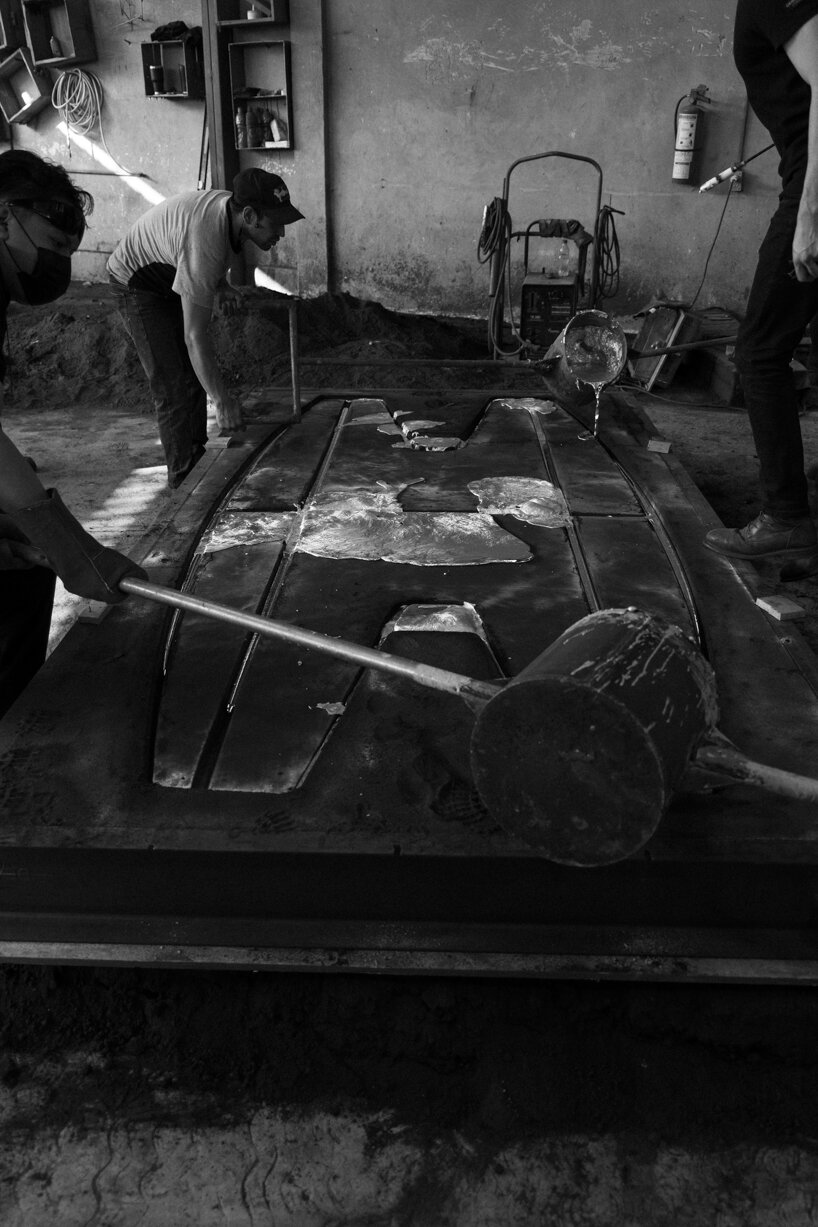
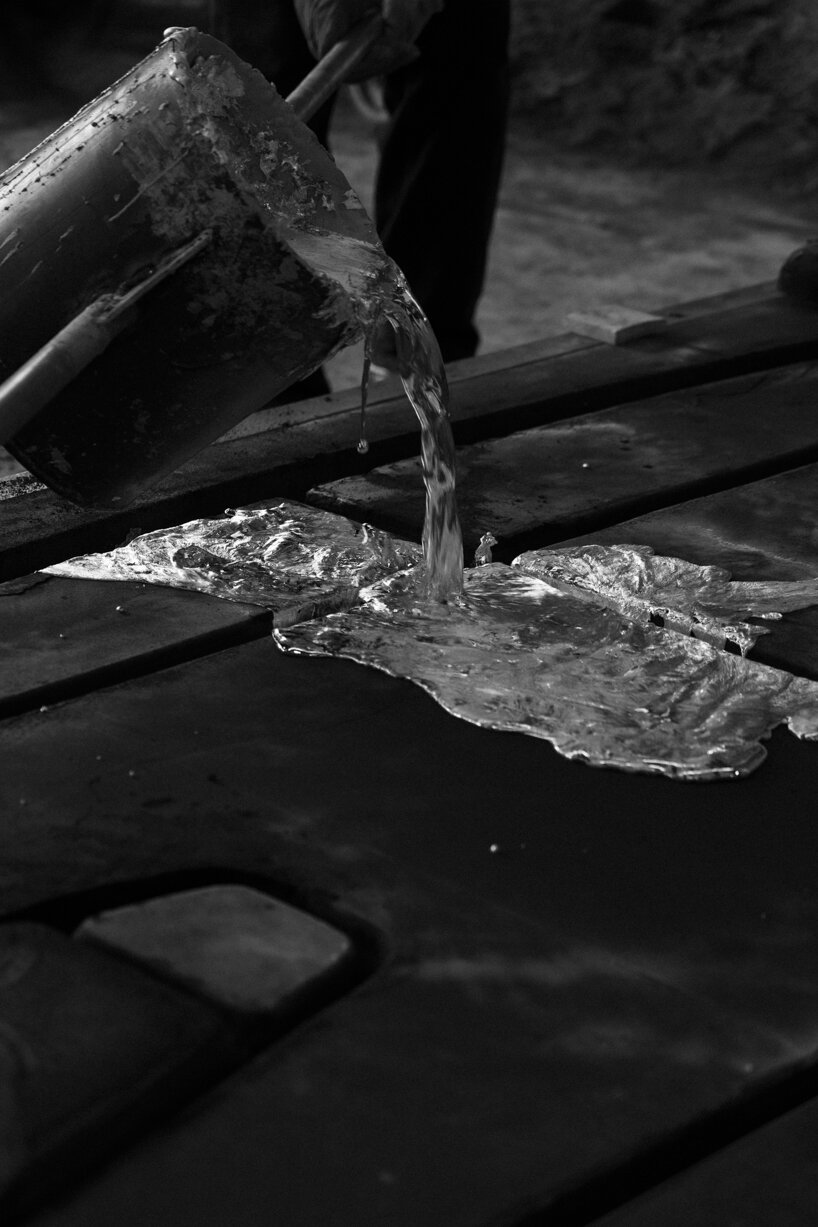
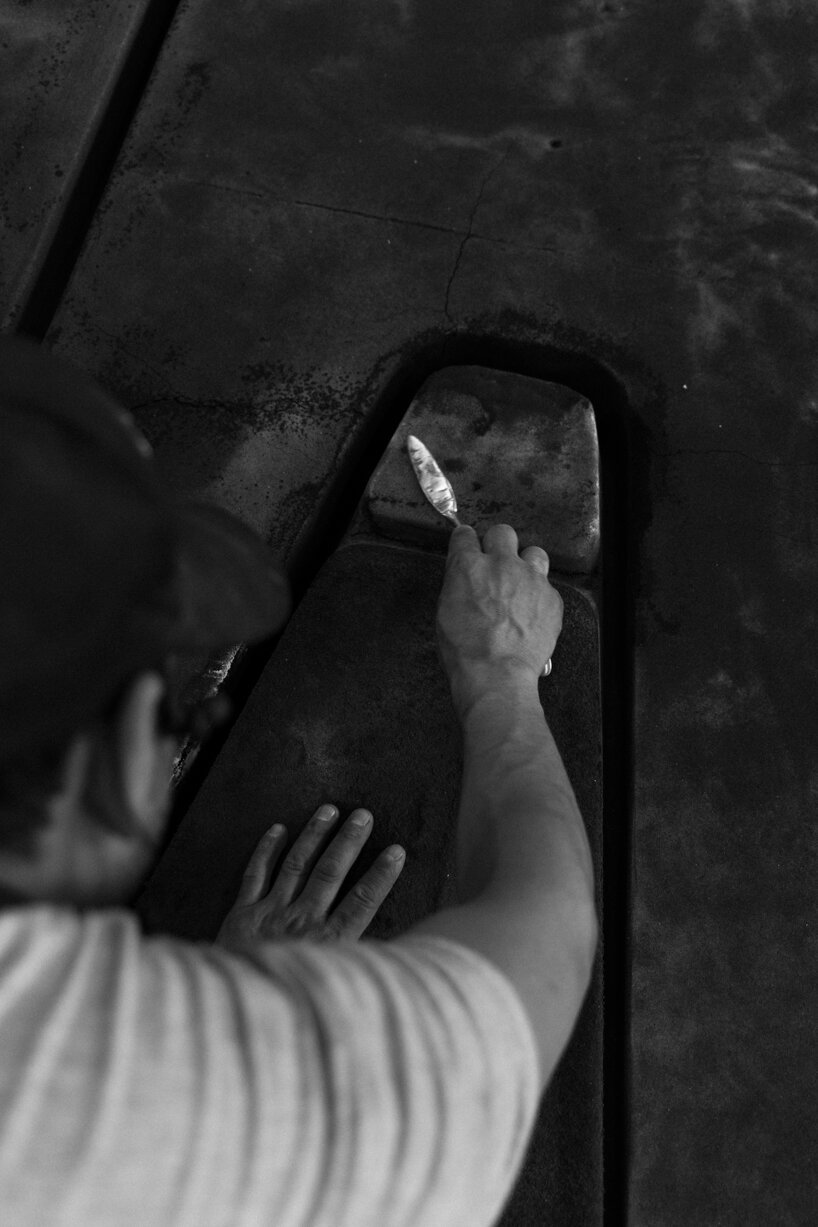
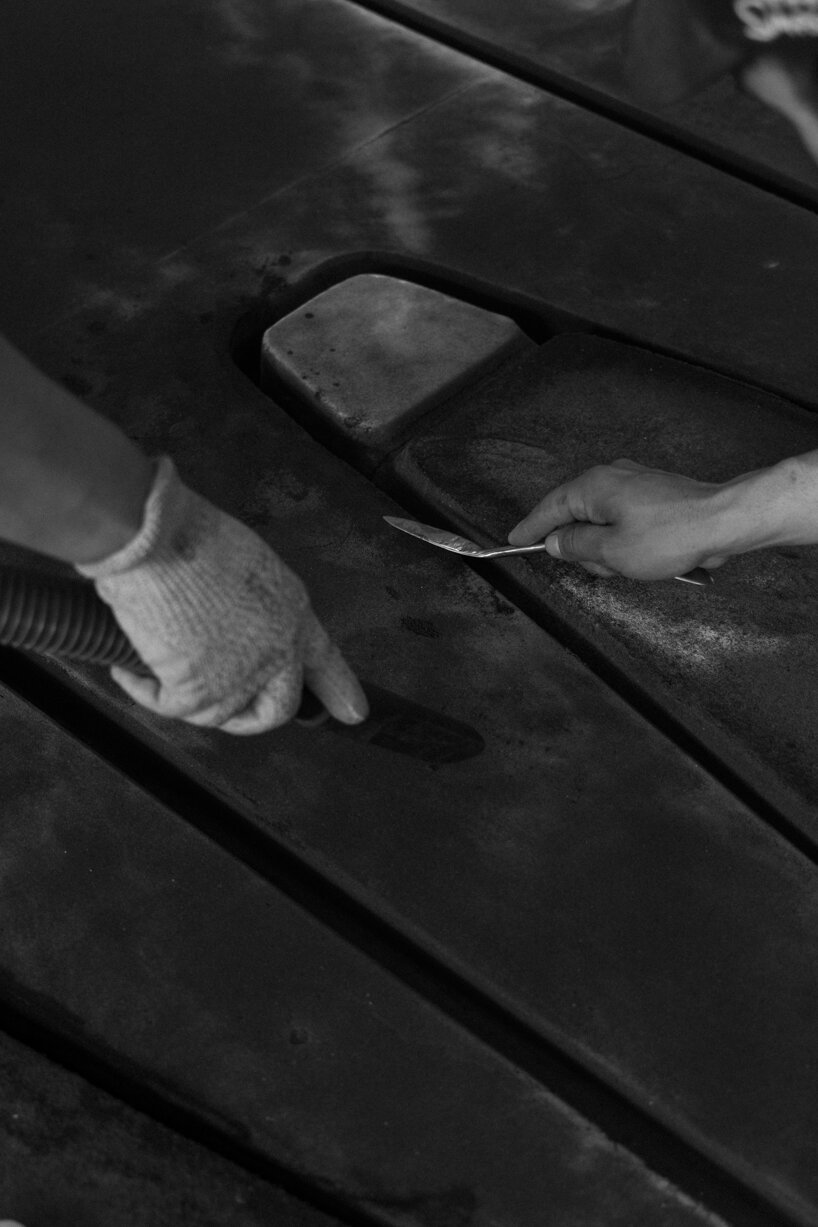
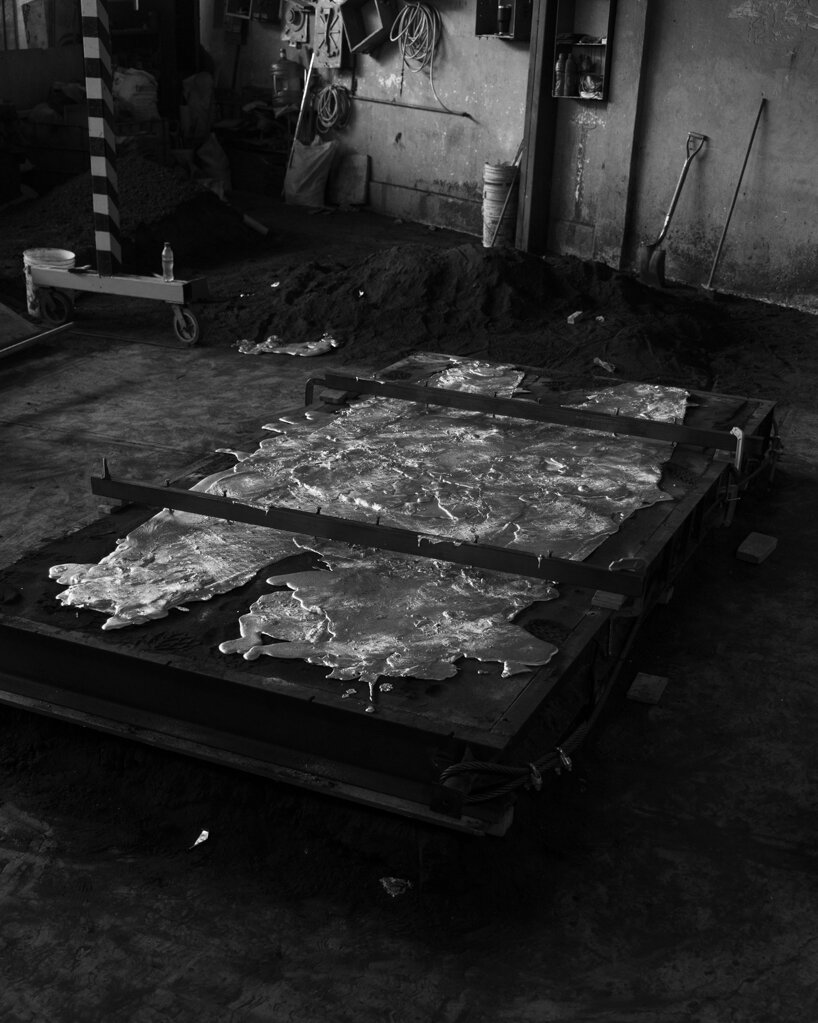
The table is the latest addition to EWE Studio’s Exhuma Collection, which references pre-Hispanic techniques and Purépecha metallurgy. The collection examines ancestral knowledge and material practices passed down through generations, adapting historical casting methods into a contemporary language of collectible design. The technique behind Exhuma is an adaptation of casting methods used by the Purépechas around 1450 AD. Metal was melted and poured in liquid form into molds made from materials including clay, sand, charcoal, or stone. Once the metal had solidified, the mold was broken to release the object, which was then polished using stones.
For the Exhuma Collection, EWE Studio reinterprets this process through contemporary materials and craftsmanship, retaining the variations and traces associated with the casting process. The approach places emphasis on the physical properties of the materials and the marks created during fabrication.

Hand-Carved Marble and Molten Aluminum form Exhuma Table
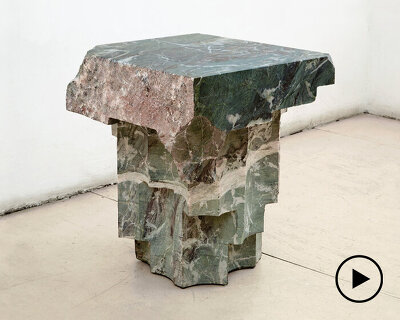
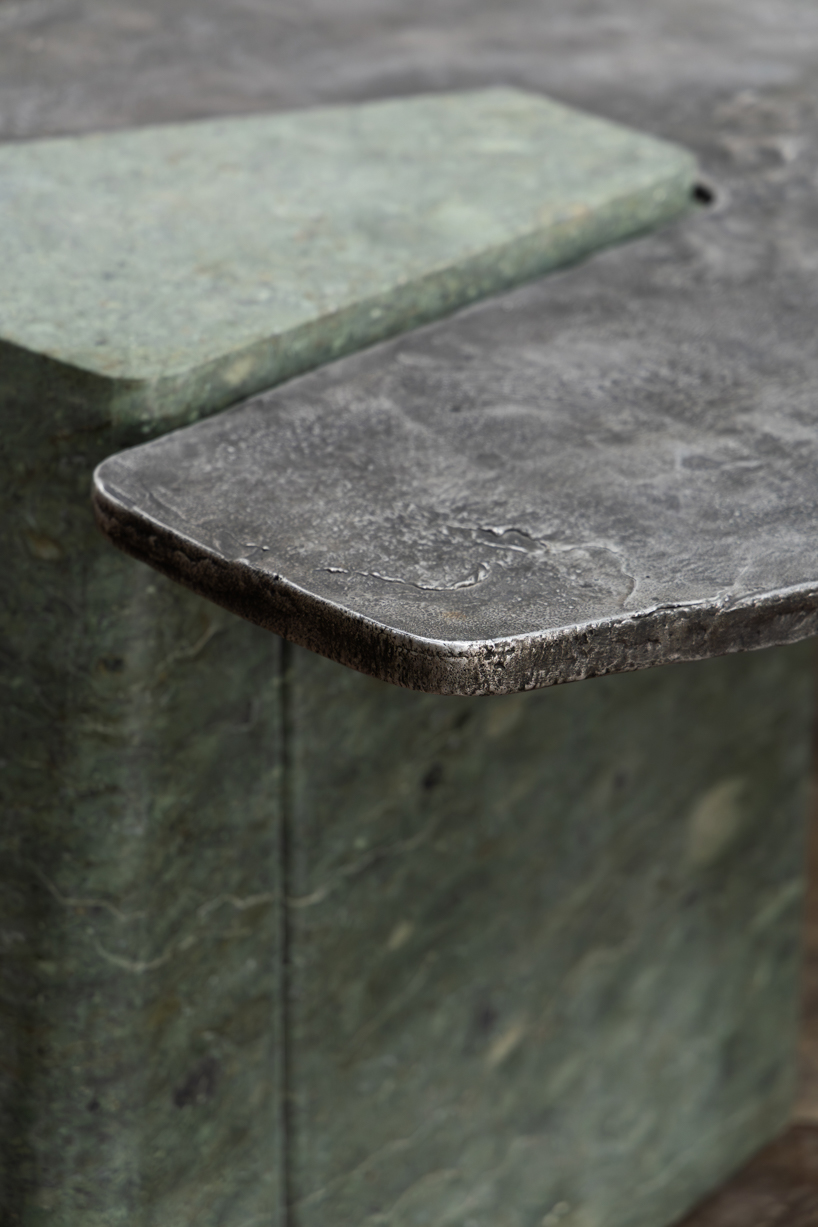
For the Exhuma Dining Table, the Mexico City-based Studio pairs a three-meter-long green marble surface with a cast aluminum base. The aluminum is formed using a hand-defined sand mold into which molten metal is poured. After casting, the surface is carefully polished while preserving the natural form created during the pouring process, allowing subtle irregularities and traces of fabrication to remain visible.
Measuring 308 × 135 × 77.5 cm, the table combines the solidity of hand-carved stone with the fluid qualities of cast metal. The contrast between the two materials establishes the table’s formal and tactile character while highlighting the different processes involved in shaping each component.
The piece continues the Exhuma Collection’s exploration of metalwork within Purépecha culture, where metal objects, including tajaderos, ornaments, and jewelry, held social, economic, political, and sacred significance. By translating these ancestral techniques into a contemporary furniture object, the Exhuma Dining Table by EWE Studio examines how material knowledge and craftsmanship continue to influence perceptions of value and design.




1/5
project info:
name: Exhuma Dining Table
designer: EWE Studio | @ewestudio
photographer: Rosa Peralta | @rosaaperalta
designboom has received this project from our DIY submissions feature, where we welcome our readers to submit their own work for publication. See more project submissions from our readers here.
shop
your own online design shop — no sales commission collected