exhibition brings biomaterials and mexican ancestral design together at museo franz mayer
from oaxacan clay to bacterial cellulose, biodiseño mx: territorios vivos explores design with living systems.
prefer designboom on googleBiodiseño MX: Living Territories explores Mexican biodesign
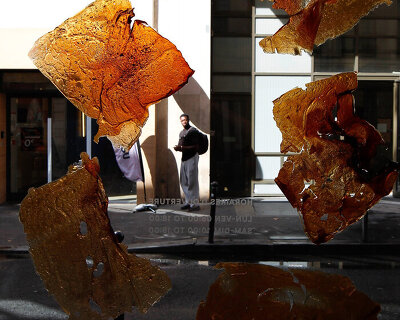
Curated by Taina Campos, Biodiseño MX: Territorios Vivos brings together more than 74 works by over 60 creatives, including Fernando Laposse, Resting Reef, Emiliano Godoy, Edith Medina, and Javier Senosiain, alongside emerging designers and interdisciplinary collectives. Hosted at Mexico City’s Museo Franz Mayer, the exhibition is organized into five thematic sections, Flora, Fauna, Microbia, Funga, and Bioinspiration, examining how living systems can participate in creative processes and prompting a reconsideration of the relationship between design and ecosystems.
At its core, Biodiseño MX: Territorios Vivos proposes a design approach based on collaboration, reciprocity, and interdependence, challenging the anthropocentric and extractive models that have contributed to ecological degradation. The exhibition draws on ancestral knowledge rooted in Mexico’s Indigenous cultures, bringing these traditions into dialogue with contemporary design, science, technology, craftsmanship, and cultural memory. Across the works on display, biodesign is presented as a practice that engages with ecological, social, and cultural challenges through relationships with living systems.

five exhibition sections examine different areas of biodesign
Curator Taina Campos explains, ‘these living territories inspire us to abandon extractive logics and embrace a future where the memory of the territory expresses itself through us.’ This sentiment resonates throughout the exhibition, which draws from ancestral knowledge deeply rooted in Mexico’s indigenous cultures. By combining these traditions with contemporary design, the works on display create a dialogue between science, technology, craftsmanship, and cultural memory, positioning biodesign as a vital practice for addressing today’s ecological, social, and cultural challenges.
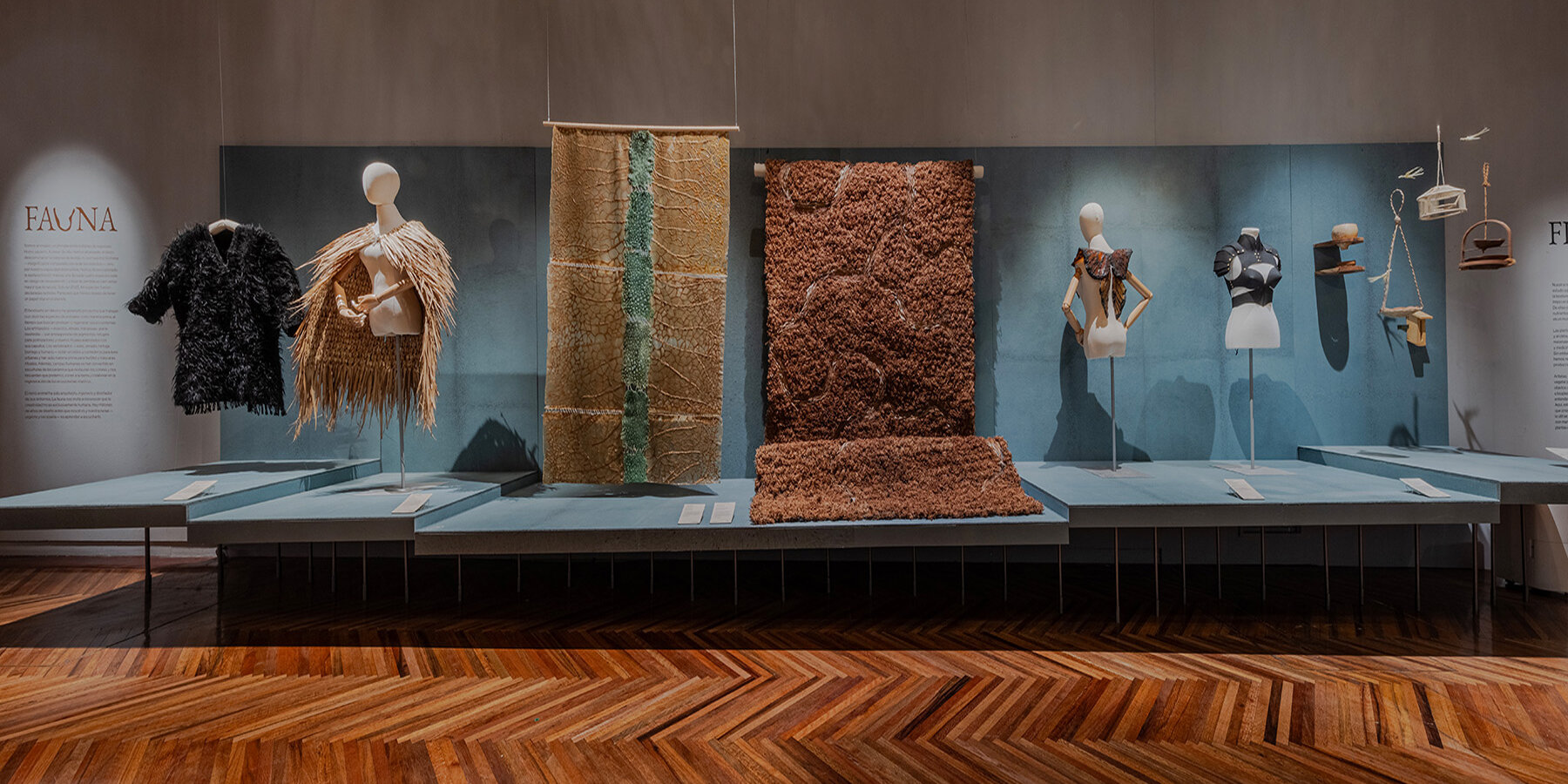
The five sections examine different areas of biodesign and the ways in which biological processes can inform material and spatial practices. Flora focuses on plants as collaborators rather than solely as resources, presenting bioplastics and textiles derived from plant fibers alongside traditional crafts that reflect longstanding relationships between humans and plant life. Fauna explores interactions between humans and animals through projects including pollinator refuges, natural pigments derived from insects, and bioceramic sculptures made from human ashes that contribute to coral reef restoration.
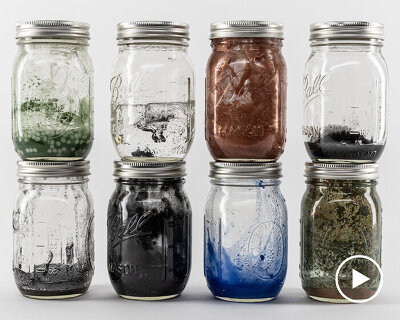
Microbia examines the potential of microscopic organisms, presenting projects that use bacteria, fungi, and algae to develop materials and objects, including bacterial cellulose textiles and bioluminescent designs. Funga focuses on the diversity of fungi and their role in sustainable material practices, from mycelium-based materials to traditional applications in medicine and ritual. The final section, Bioinspiration, considers how design can draw from the collaborative and regenerative processes found in nature to propose alternative approaches to sustainable living.

Museo Franz Mayer transforms into a mountainous landscape
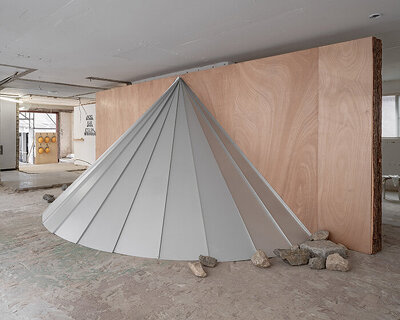
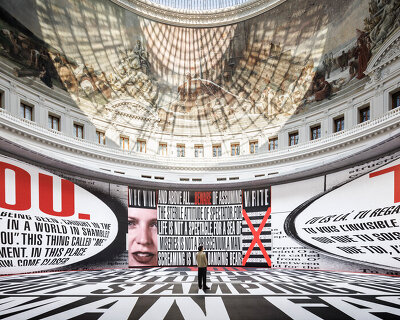
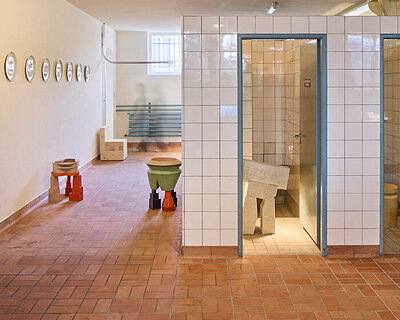
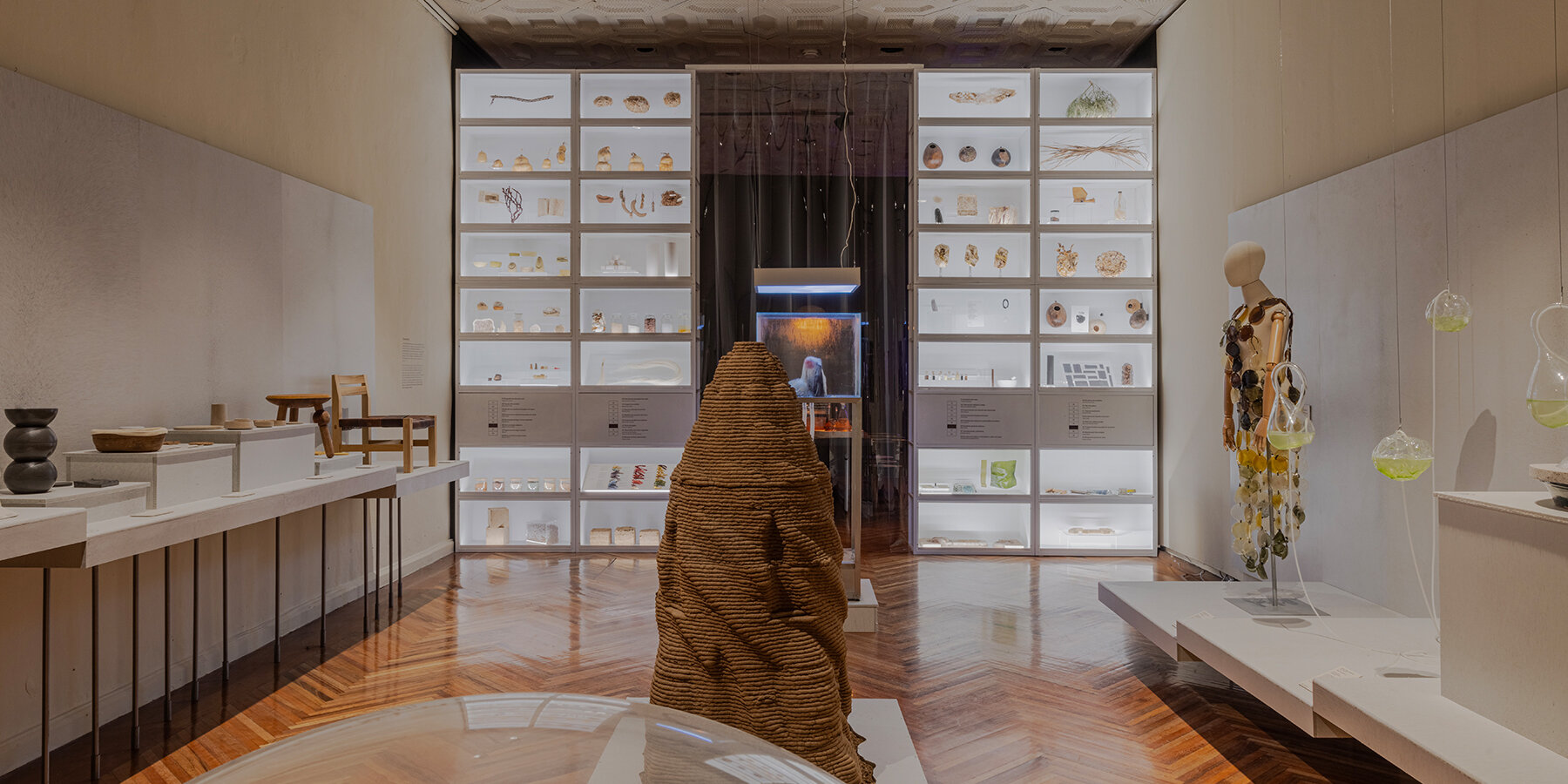
The exhibition’s museography, designed by Manuel Díaz Tufinio, transforms the interior of Museo Franz Mayer into a mountainous landscape referencing Mexico’s varied topography. Rather than following a conventional linear exhibition layout, the spatial arrangement reflects the experimental and regenerative principles explored through the works. The exhibition design also incorporates materials selected for their environmental and material properties.
Walls are finished with Mixterra’s clay-based coatings made from Oaxacan soils, which help regulate temperature and humidity while referencing traditional Mexican construction techniques. Display modules are produced from New Fibers panels made from 100 percent recycled and recyclable LDPE, sourced from post-industrial laminated cardboard waste, including beverage cartons and food packaging. Recyclable and recycled materials such as Polyroca by New Fibers are also used to construct the exhibition’s mountainous forms, integrating the museography with the exhibition’s broader focus on ecological responsibility.
Through its combination of biological materials, ancestral knowledge, contemporary technologies, and experimental design practices, Biodiseño MX: Territorios Vivos presents biodesign as a framework for reconsidering the relationship between human activity and the ecosystems in which it operates. The exhibition positions living systems not only as sources of material or inspiration, but as active participants in the design process.






project info:
name: Biodiseño MX: Territorios Vivos
curator: Taina Campos | @tainacampos.design
exhibition design: Manuel Díaz Tufinio
graphic identity: Maria Fernanda Puig
curatorial assistants: Mariana Espinos Velasco, Eunice Arizmendi, Amador Mariscal
museographic production: Construcciones Re Lo Ruíz, Lolalab, NEW FIBERS, Mixterra, SEED, RECOS
venue: Museo Franz Mayer | @museofranzmayer
location: Mexico City, Mexico
dates: May 27th – October 11th, 2026
photographer: Alejandro Ramirez Orozco
designboom has received this project from our DIY submissions feature, where we welcome our readers to submit their own work for publication. See more project submissions from our readers here.
shop
your own online design shop — no sales commission collected