
experimental book turns speech patterns into expressive, music-like visual language
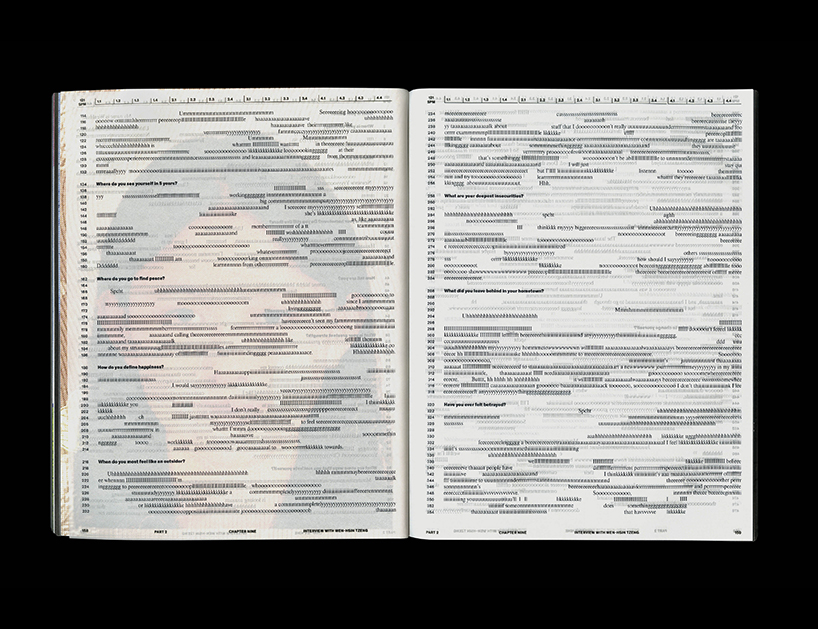
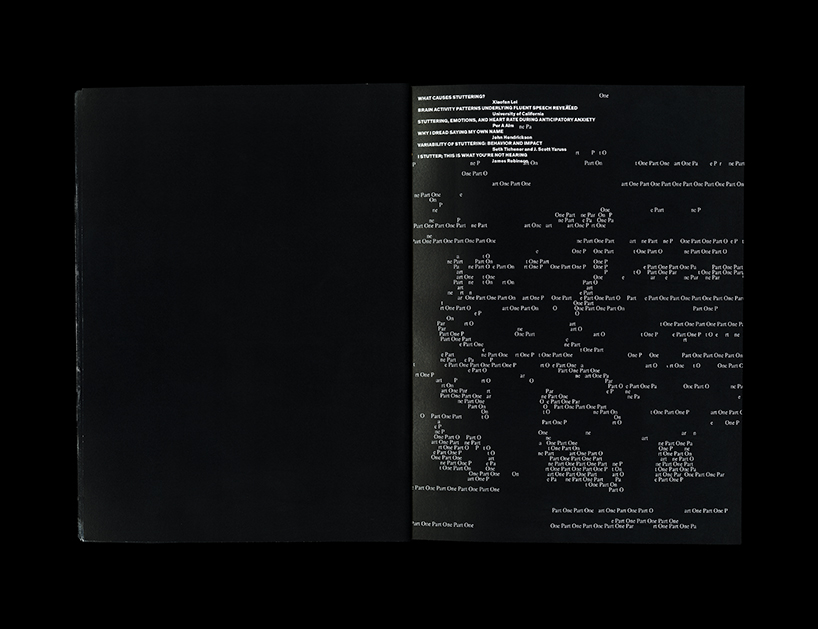
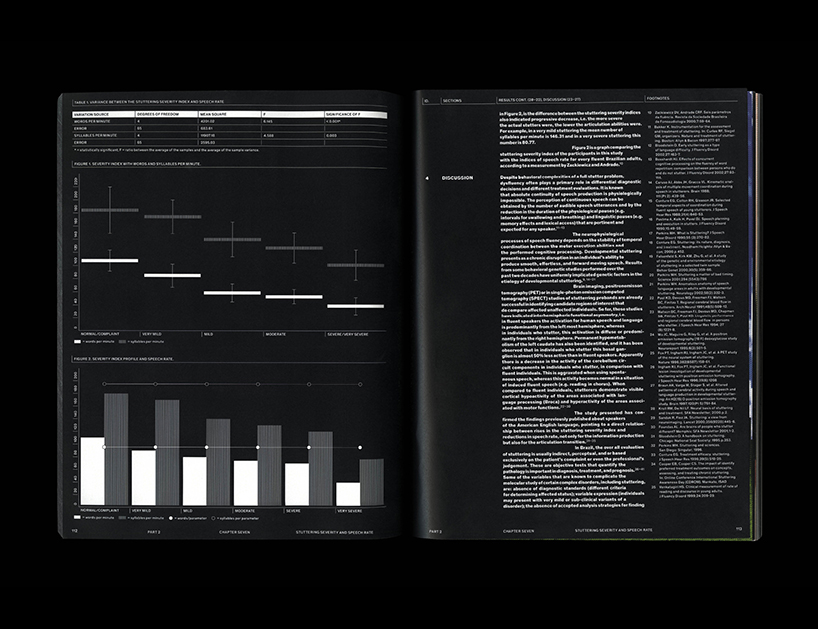
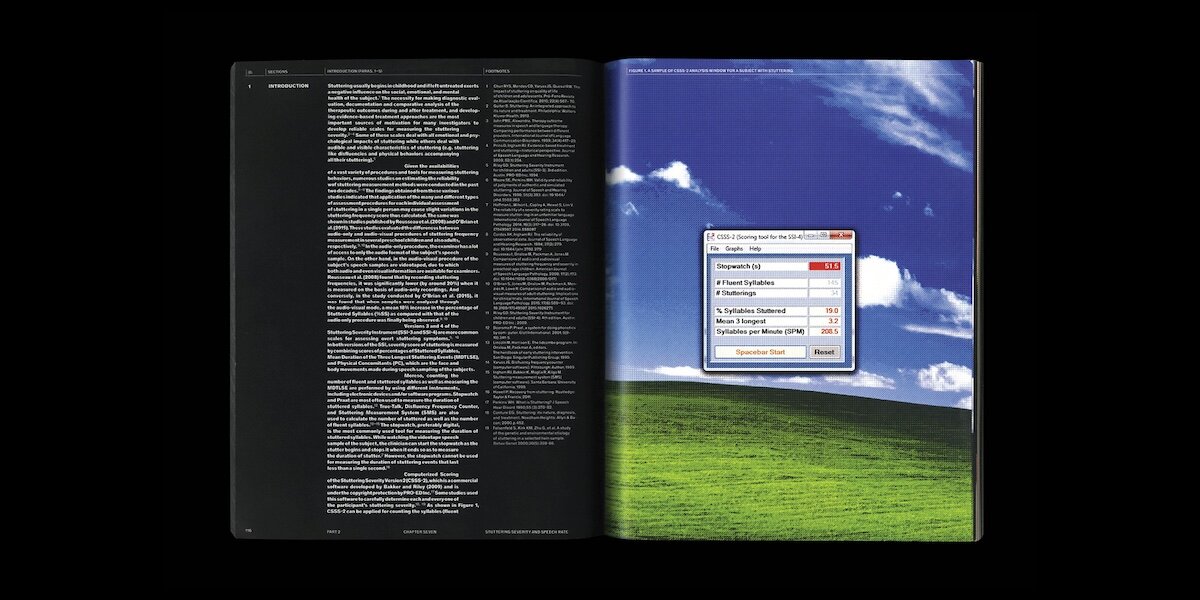
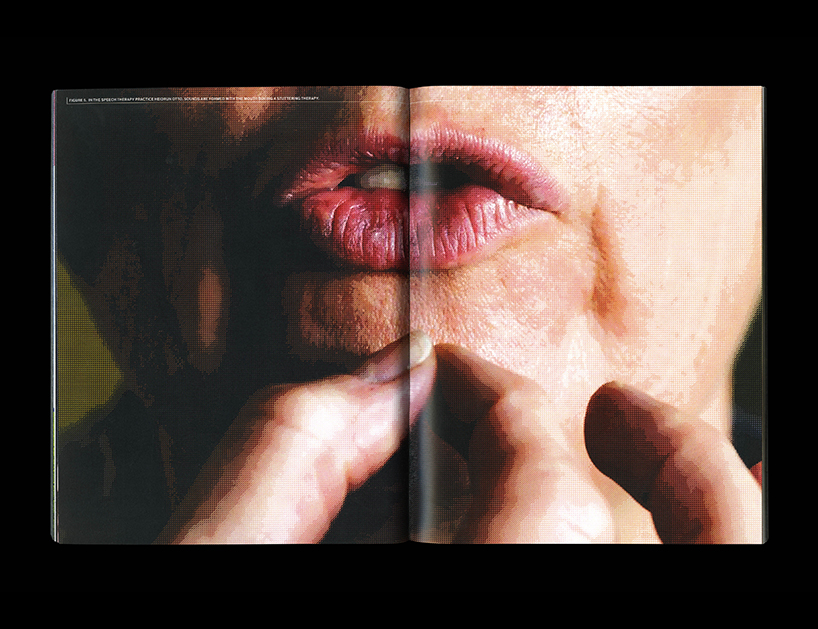
Voice Print is a book about disfluencies and the way we speak. It attempts to show the hidden complexities of fluent speech through typographic scores, showing that fluency exists on a spectrum rather than a simple binary. Alongside the scores are essays that provide context and guide the reader through the book. These essay spreads are white on black, and printed on glossy, opaque paper stock. It's design is intentionally rigid and mechanical, but still mimicking the fluidity of the scores.
‘voice print’ transforms speech patterns into typographic scores
Voice Print by designer Isabelle Tan is a book that explores how we speak, focusing on disfluencies such as repetition, hesitation, and prolongation as meaningful parts of identity. The project translates spoken language into a visual system, where each transcription functions as a musical score that maps sound and time through typography. Using a limited set of formal rules, the design reveals patterns within speech that often go unnoticed. These mappings draw connections between stuttering and melismatic singing, showing how variations in rhythm and repetition shape individual linguistic expression. Tan’s project was the winner of a GD USA Award (Graphic Design USA).
isabelle tan reveals rhythm, time, and expression in language
The book’s essays extend this approach through layouts that mirror the fluidity of the notation system. Typography moves across the page with a sense of rhythm, allowing readers to follow the ‘harmonic sequence’ of a sentence and better understand how meaning emerges through timing and variation. By visualizing speech in this way, Isabelle Tan shifts attention from correctness to expression, highlighting how irregularities contribute to communication rather than disrupt it.

inspired by jjjjerome ellis, project reframes disfluency as identity
The project draws inspiration from artist and musician JJJJerome Ellis, whose work examines stuttering as a site of meaning and identity. Voice Print builds on this perspective, treating disfluency not as a limitation but as a source of structure, rhythm, and individuality. Through this approach, the book proposes a new way of reading speech, where typography, sound, and identity intersect to form a shared visual and linguistic experience.
project info:
name: Voice Print
designer: Isabelle Tan
designboom has received this project from our DIY submissions feature, where we welcome our readers to submit their own work for publication. see more project submissions from our readers here.