ferreira de sá’s além tejo collection weaves portuguese heritage with modern design
ferreira de sá's hand-crafted rugs are tactile memories of the landscape, hand-knotting techniques, and culture of portugal's alentejo region.
prefer designboom on google[FEATURED]
Ferreira de Sá debuts ALÉM TEJO collection
In a world increasingly dominated by digital processes and rapid manufacturing, the relevance of age-old artisanal craft remains a powerful testament to enduring design. This ongoing narrative — where tradition is not simply preserved but actively evolved for modern living — is exemplified by Ferreira de Sá’s new ALÉM TEJO collection. It adapts handwoven and hand-knotting techniques from ancient Alentejo, Portugal to realize artisanal, material-rich rugs fit for the modern day.
all images courtesy of Ferreira de Sá
Ancient Alentejo Shapes Three New rug designs
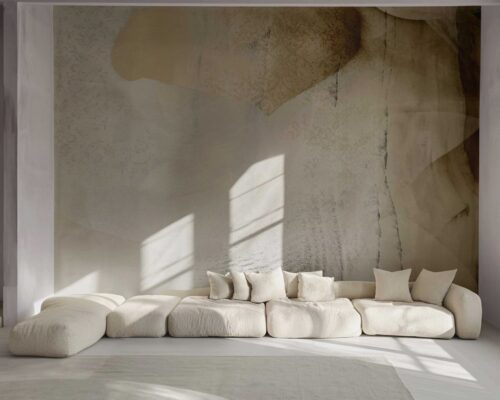
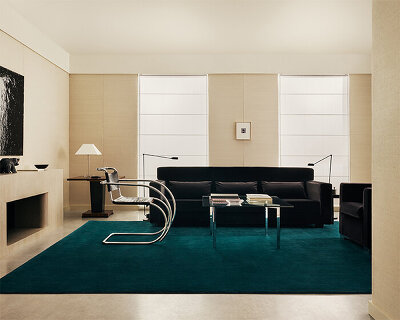
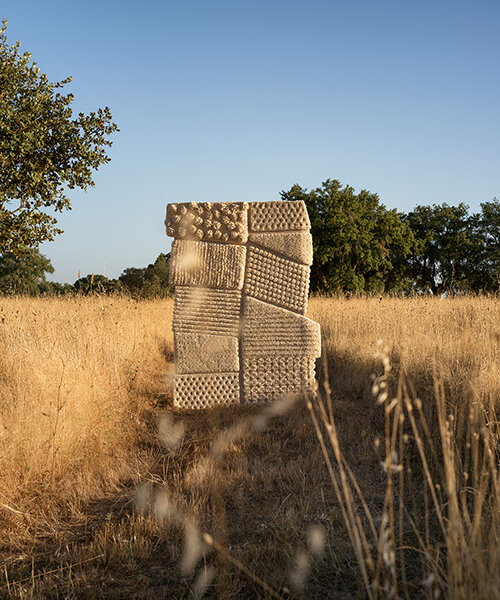
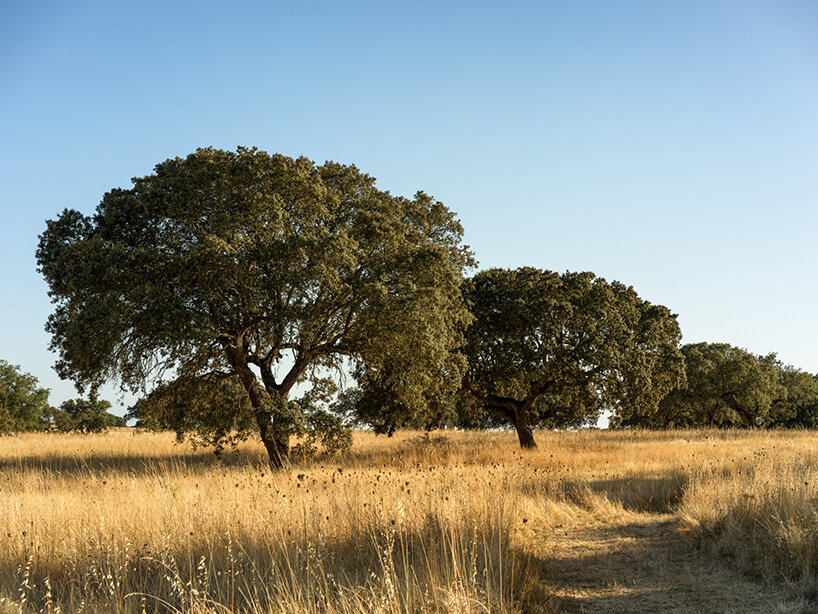
Ferreira de Sá, one of Europe’s biggest rug manufacturers, continues to bridge heritage techniques and the modern day with three new handmade rugs within its ALÉM TEJO collection: Solo, Planura, and Talha. This collective body of work is an homage to the Alentejo region in southern Portugal — a landscape characterized by expansive plains, sun-bleached architecture, cork oak forests, and a deliberate, rural pace of life. Rather than overtly decorative motifs, the rugs absorb the region’s culture, translating its gestures, silence, and architectural language into meticulously crafted surfaces. The collection’s essence is forged through raw materials and age-old methods, such as hand-knotting and hand-weaving on traditional wooden looms, showcasing the manufacturer’s commitment to permanence and presence in design.
Texture and Time Through Hand-Knotting and Weaving
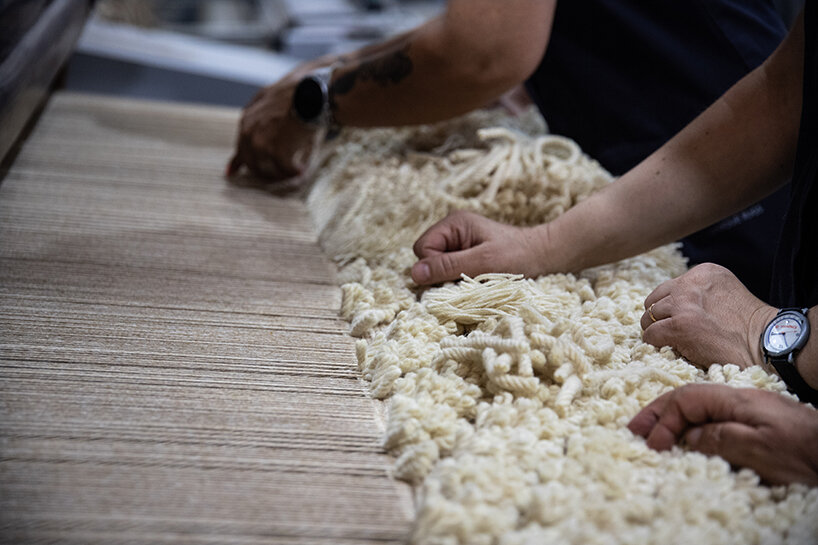
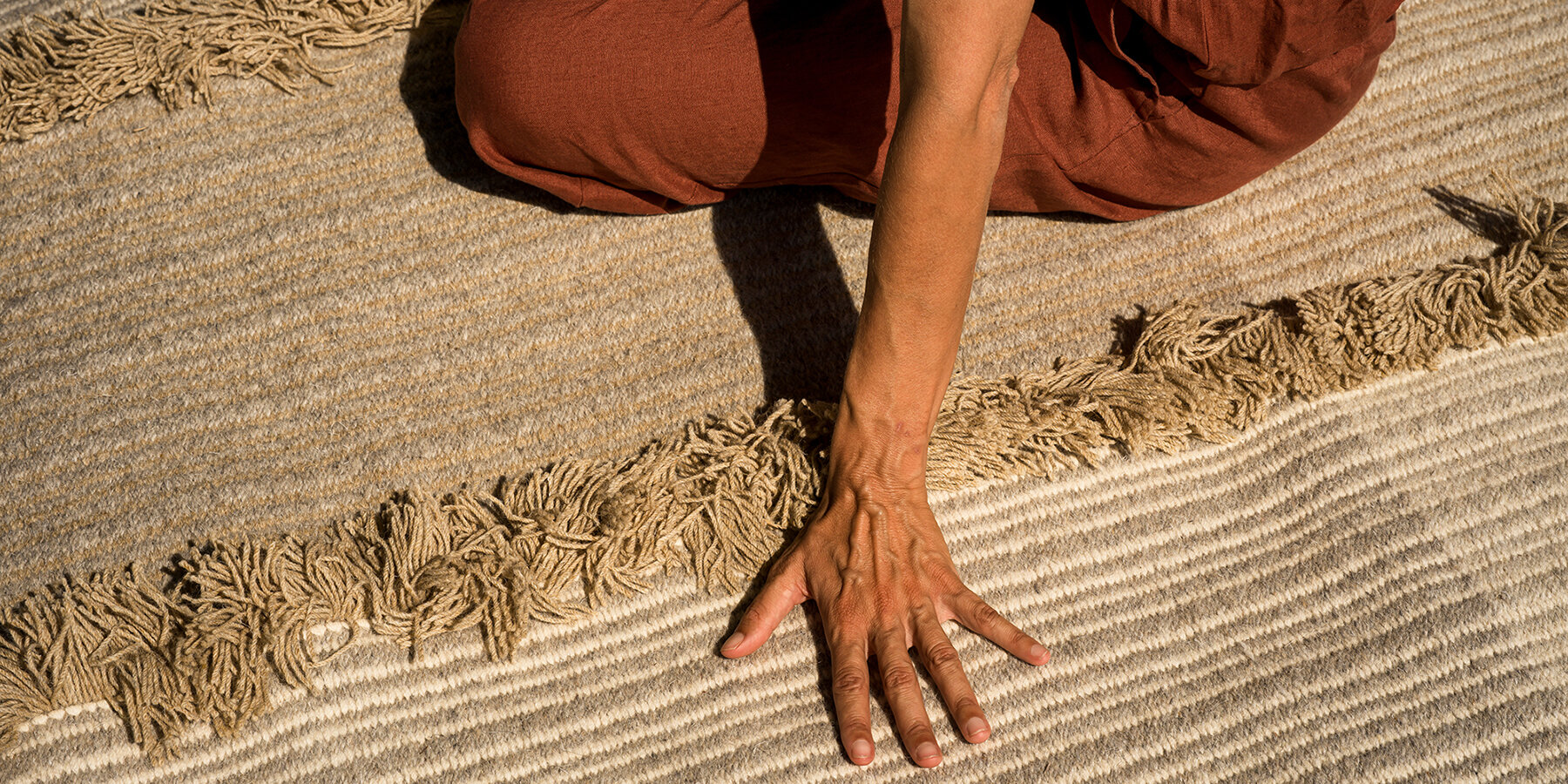
The ALÉM TEJO collection explores the contrast and synergy between two essential manual techniques. Hand-knotting, the most time-intensive method, builds density and lasting relief knot by knot, inscribing every decision about tension and direction onto the surface for ultimate permanence. Conversely, hand-weaving, performed on manual looms with wooden shuttles, creates rhythm and subtle irregularity line by line. This process results in surfaces defined by order and clarity, offering both visual engagement and a tactile presence that speaks of the maker’s hand.
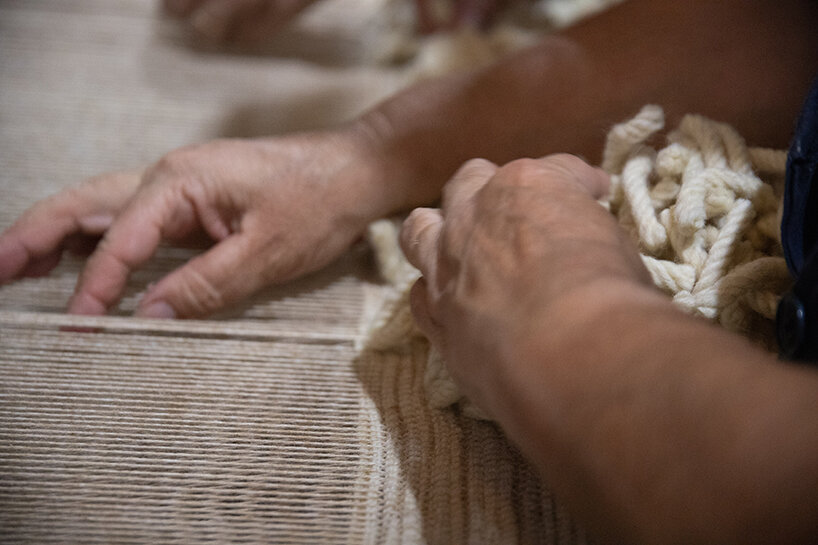
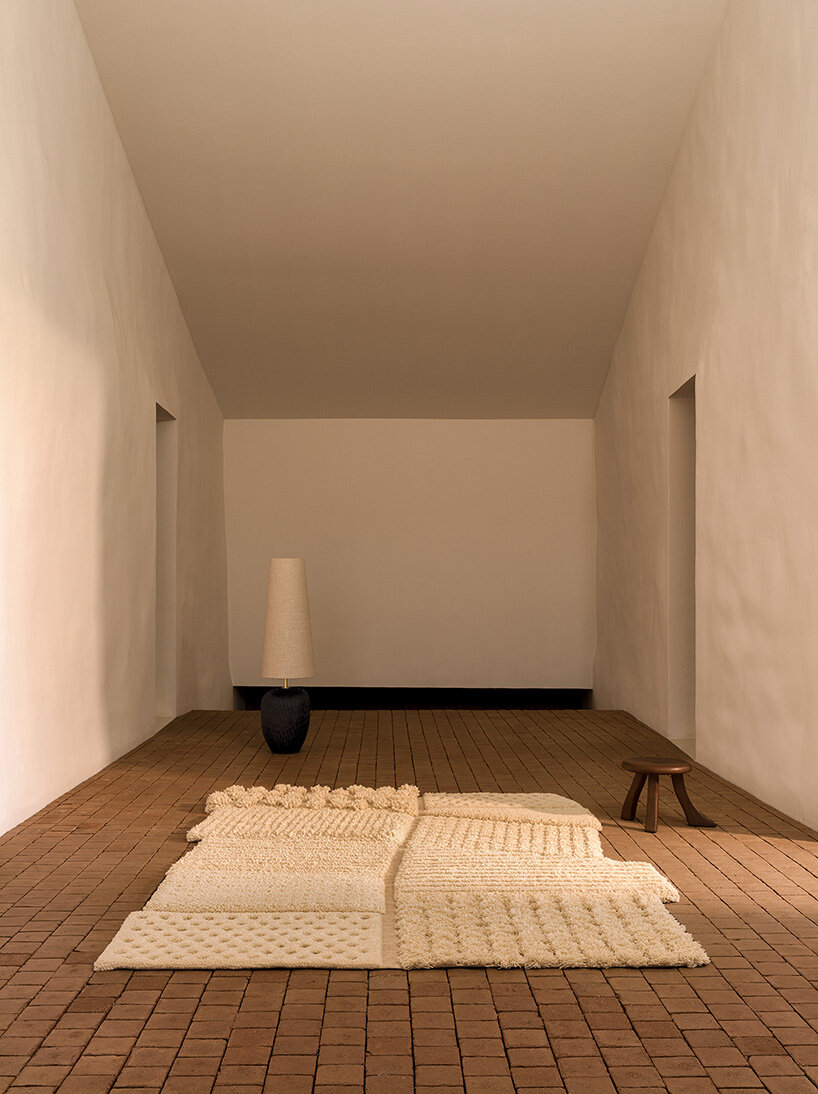
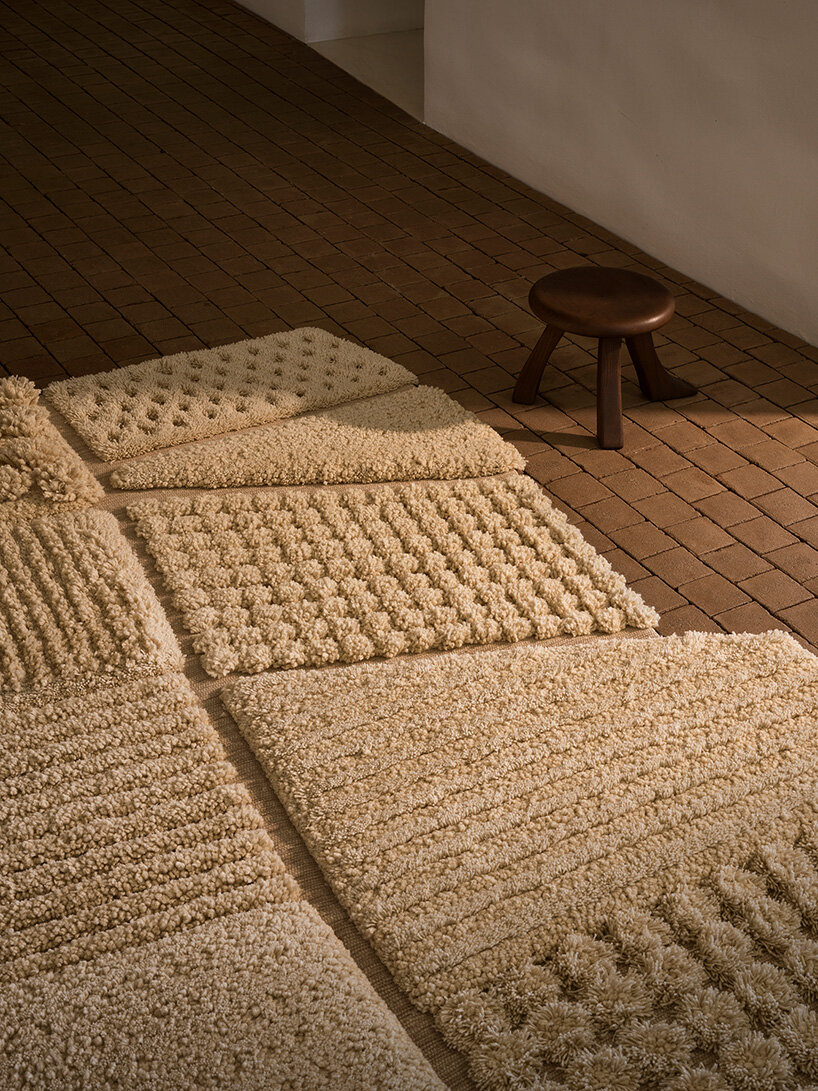
The first rug of the collection, Solo, serves as the legacy piece, constructed entirely by the laborious hand-knotting technique. It is built from a blend of undyed wool and natural jute, resulting in a surface articulated by irregular fields and subtle variations in pile height and density. This variation recalls the mosaic of rural boundaries — the dry stone walls, cultivated fields, and almost invisible human interventions in the vast Alentejo landscape. Inspired by this agricultural terrain, Solo is a tactile memory, making the passage of time visible as it captures the solitude, soil, and gestures that shape the land.
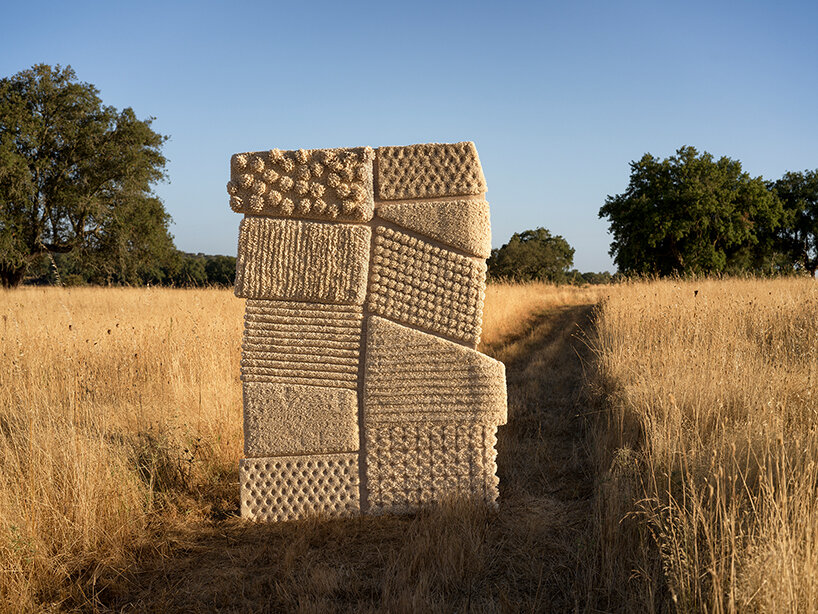
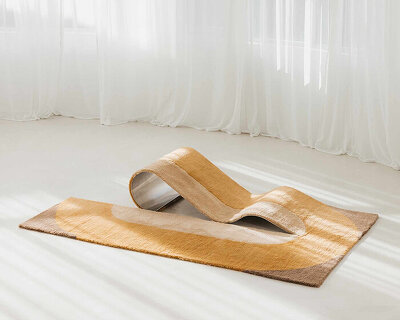
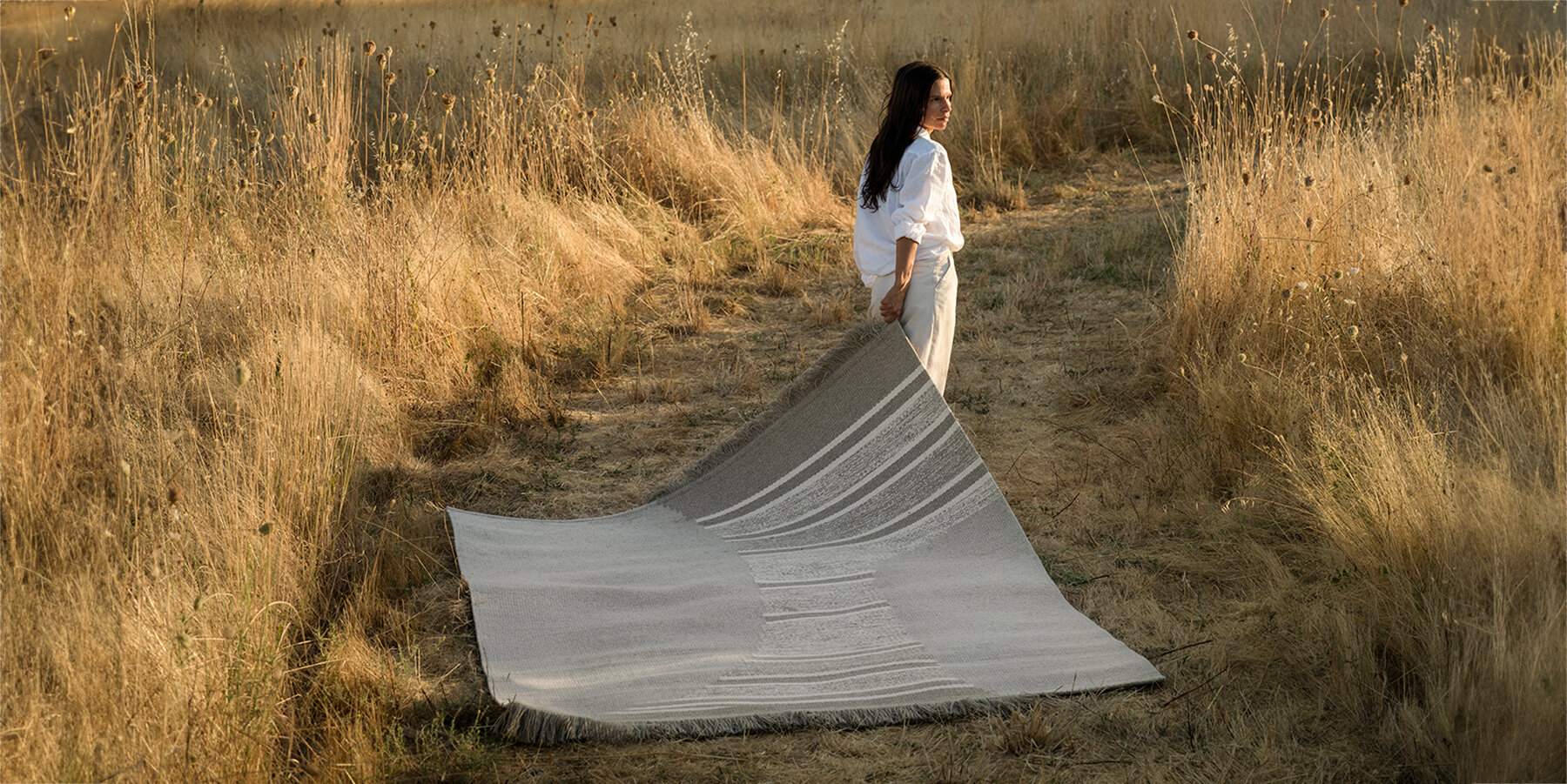
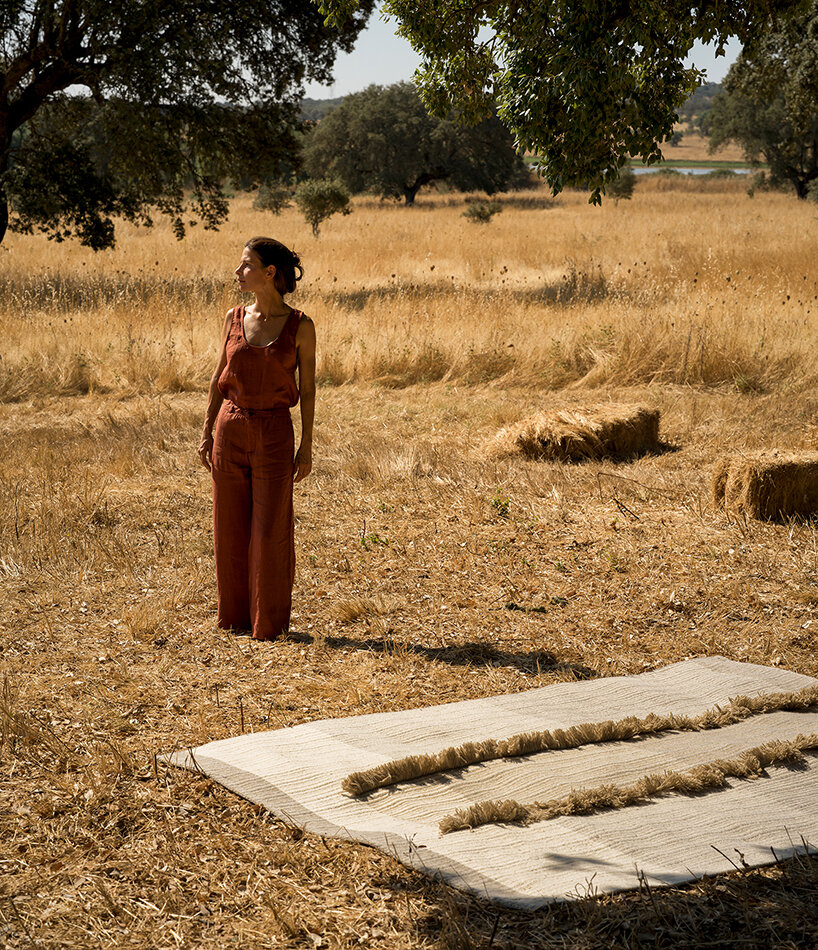
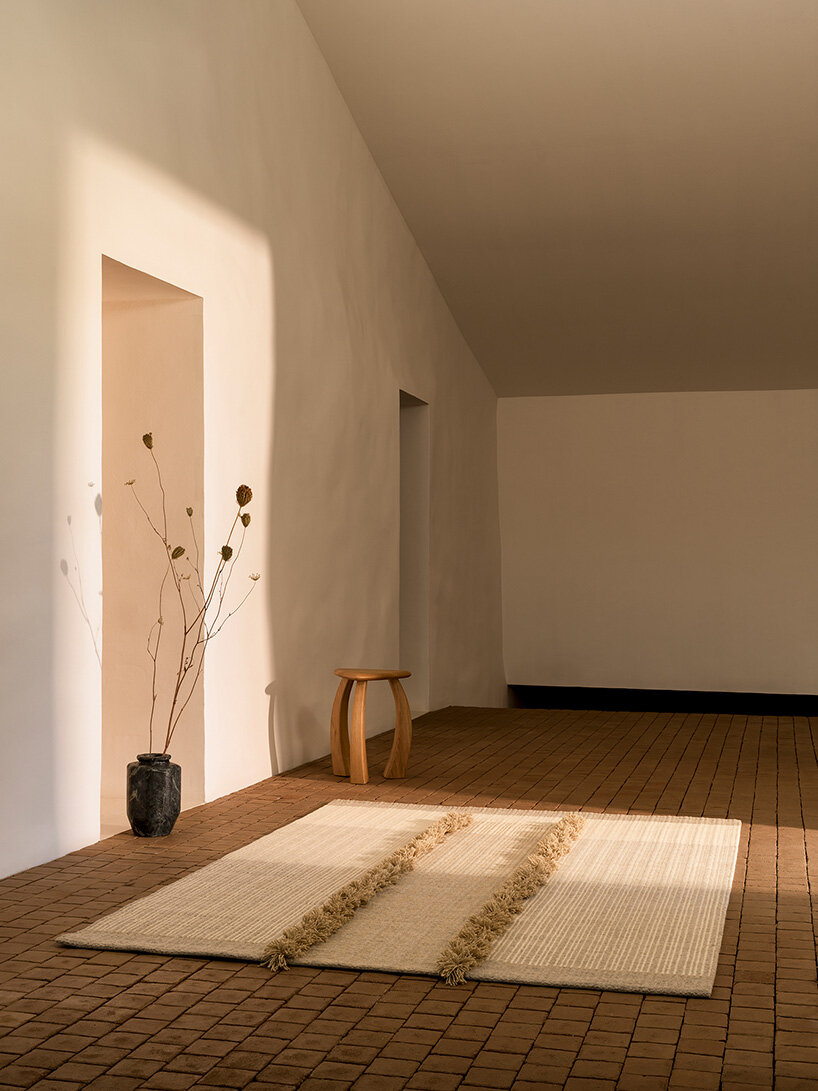
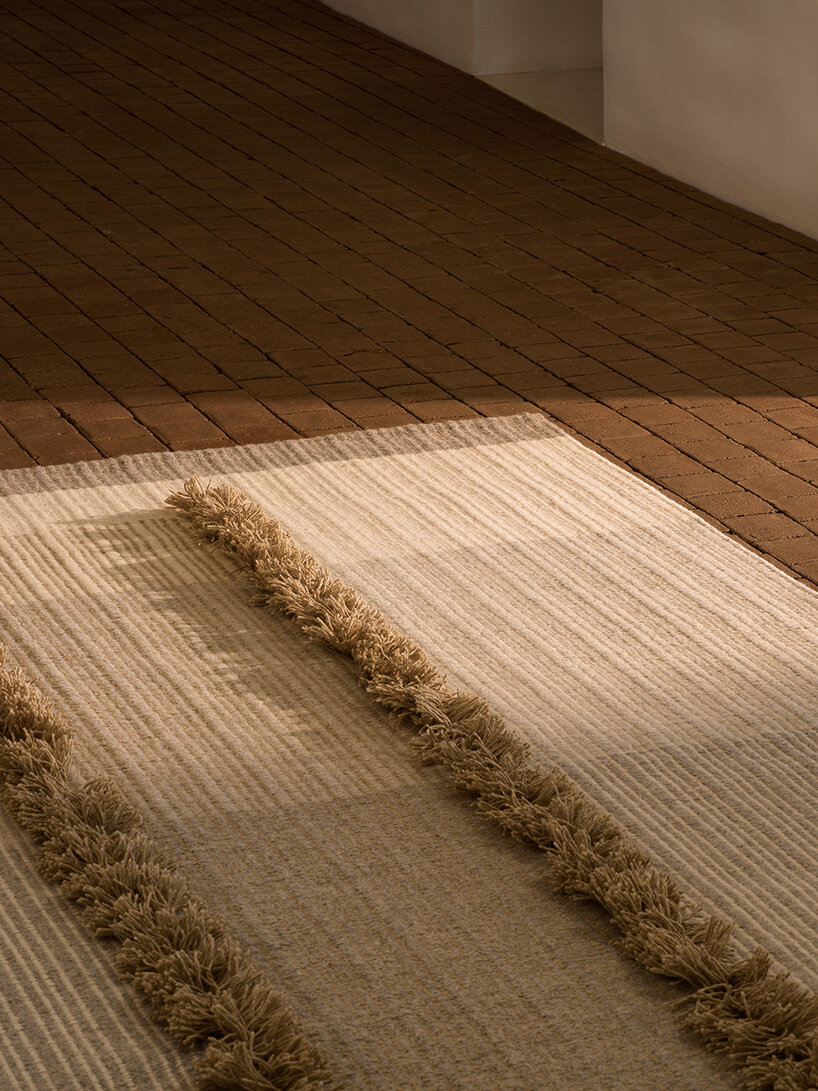
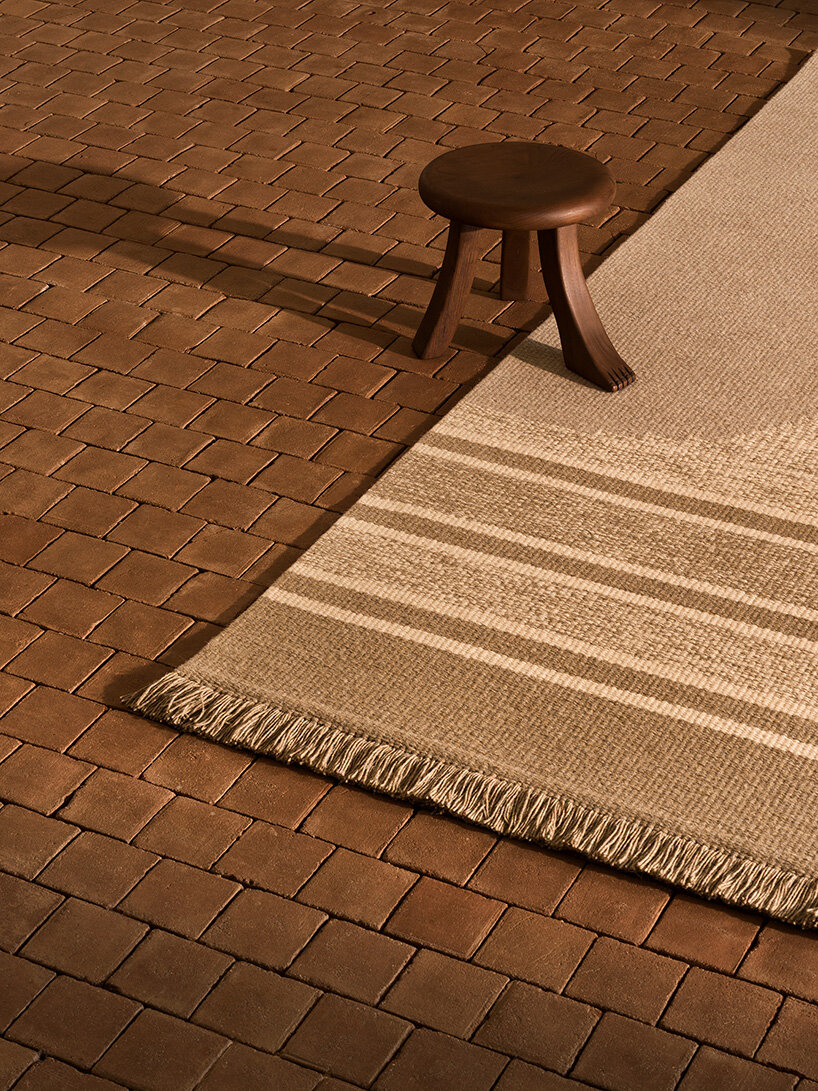
Planura is a testament to the quiet, horizontal expanse of the plains after which it is named. Hand-woven on wooden looms, the rug is continuous, contained, and methodical in pattern. It alternates fields of tight weaving with a vertical fringe that cuts across the surface, mirroring the boundary lines marked into the land. Crafted entirely from undyed wool, the design’s repetition echoes the limitless horizons and silence of agricultural expanses, embodying a sensation of stillness and enduring cadence.
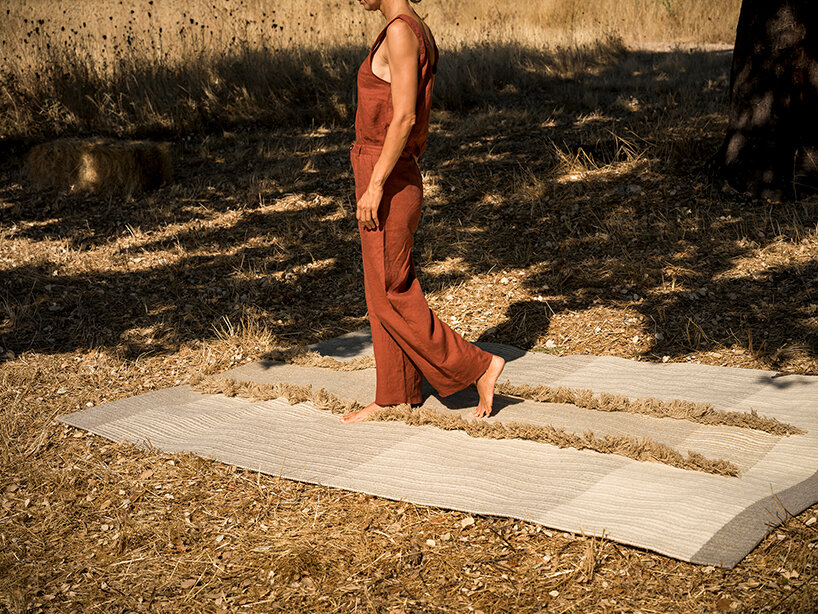
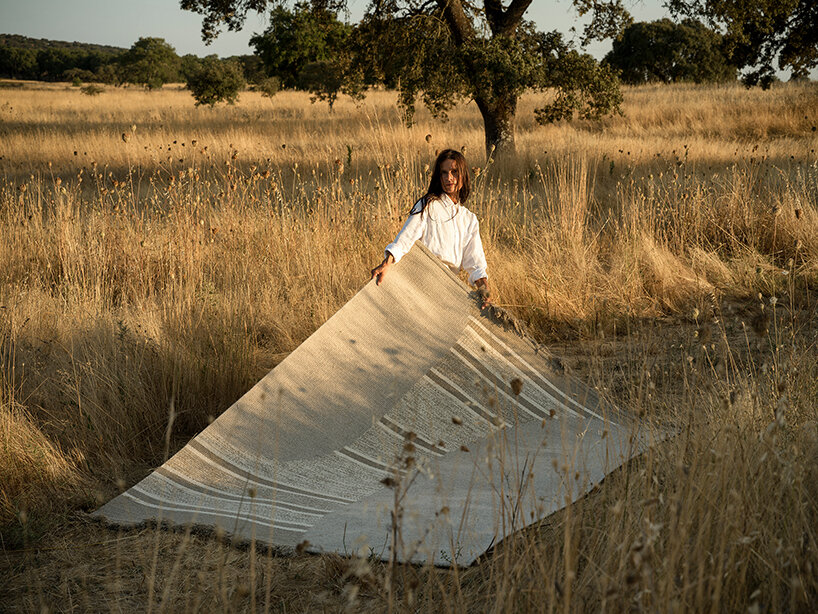
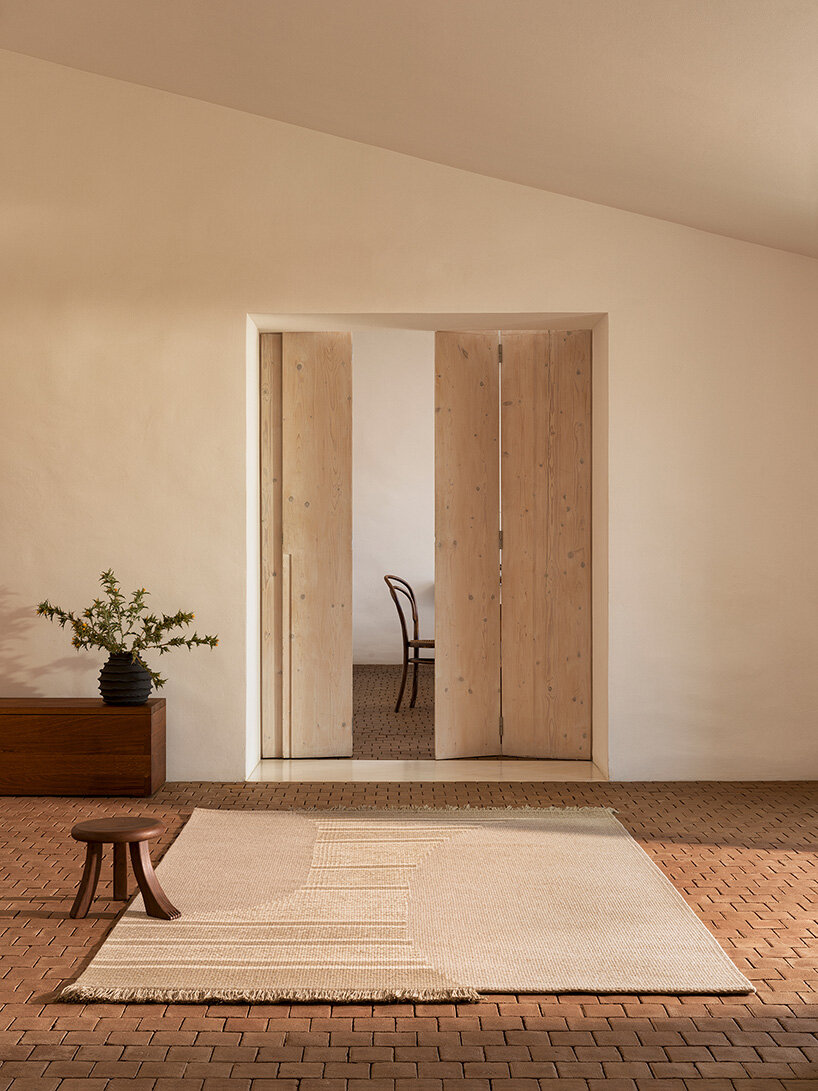
The third rug, Talha, finds its inspiration from the wool garments traditionally worn by cante alentejano singers and the distinct clay amphorae used locally. Hand-woven on wooden looms, its composition is characterized by a firm, symmetrical rhythm that evokes verticality, repetition, and the choral cadence of the singers. Made exclusively from undyed wool, Talha reflects the material and tonal purity of raw fiber. Light and shadow activate its surface, lending the rug a quiet strength and deep cultural resonance rooted in the history of the materials and the region.
1/6
project info:
brand: Ferreira de Sá
manufacturer: Ferreira de Sá
head designer: Carlota Verde, from Ferreira de Sá
collection: ALÉM TEJO
pieces: Solo, Planura, and Talha
artistic director: Jessy Van Durme
photographer: Piet-Albert Goethals
shop
your own online design shop — no sales commission collected