front traces the manifold history of the mirror at galerie kreo in paris
'seven stories about mirrors' explores how a single object fractures into multiple narratives.
prefer designboom on google[FEATURED]
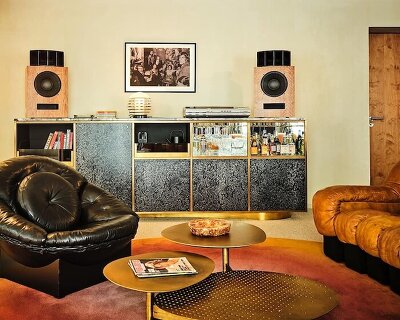
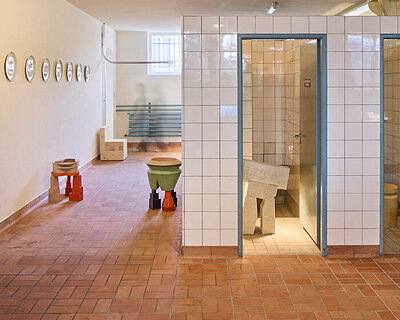
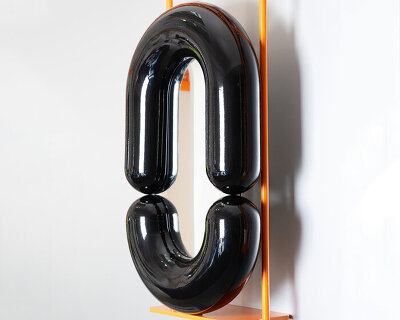
sofia lagerkvist and anna lindgren of swedish studio front present seven reflective objects that trace the manifold history of the mirror. exhibited at galerie kreo in paris, ‘seven stories about mirrors’ takes form as a collection where each piece investigates how the value, significance, cultural meaning, and technical aspect of a specific object is constantly evolving with time. in the exhibition, some mirrors serve also as a vase or a coffee table, extending their reflection capacity.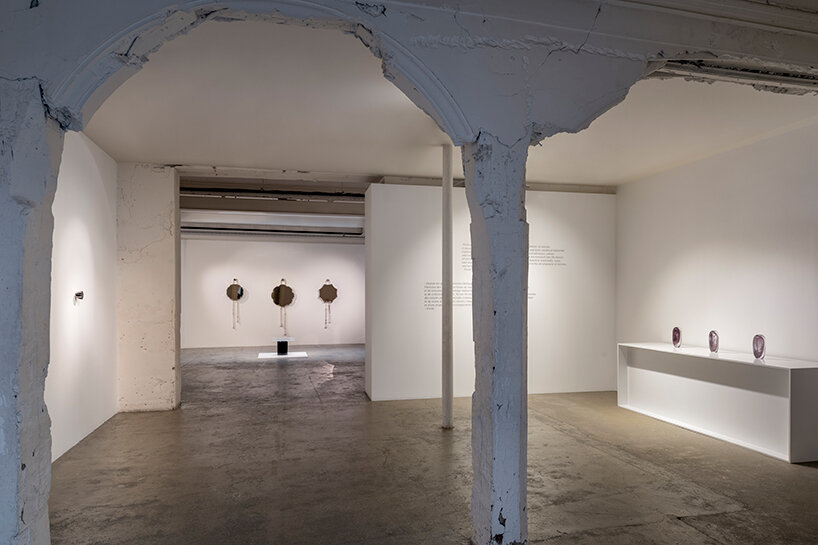 all images courtesy of alexandra de cossette
a new set of ‘mirrors’ conceived from intertwined cultural and historical references
on view from may 20 to july 24, 2021, at galerie kreo, the collection is the result of extensive research, responding to the question ‘what’s in a mirror?’. by following various material and symbolic metamorphosis of mirrors through history, front expresses the importance of material knowledge, both technical and cultural, in order to create informed design pieces. the challenge was to understand how an object changes its function, value, and status over the years; the mirror has been transformed from a very exclusive object into a constant presence in human’s daily life.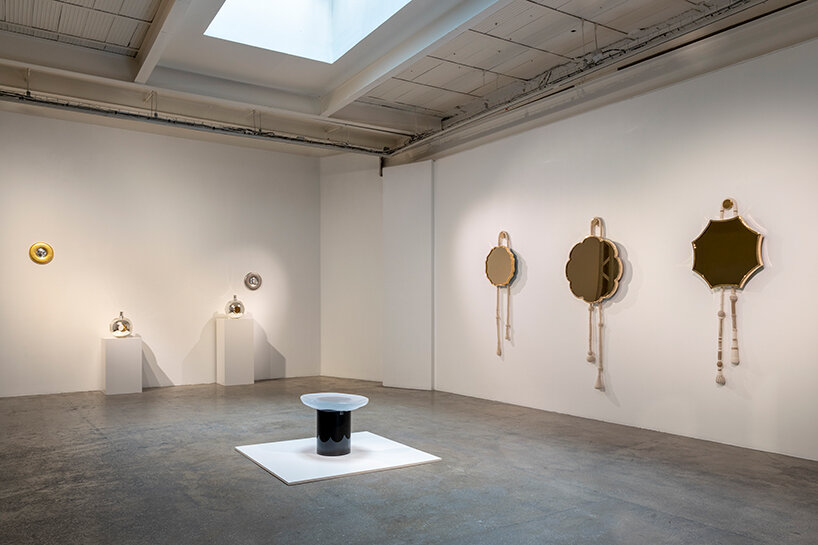 ‘seven stories about mirrors’ explores how one can study the evolution of humanity through the prism of the mirror and how a single object fractures into multiple narratives
since the first stone mirror, made 8,000 years ago, people have attempted to improve its reflection as much as possible, utilizing various materials and craft techniques. in these pieces, the designers sought to see viewers’ strong desire to discover the perfect reflection of themselves. the history of mirrors is bound to a variety of content such as magic, illusions, religious power, art, and self-consciousness. each of the pieces in the collection represents a key step in the evolution of the mirror.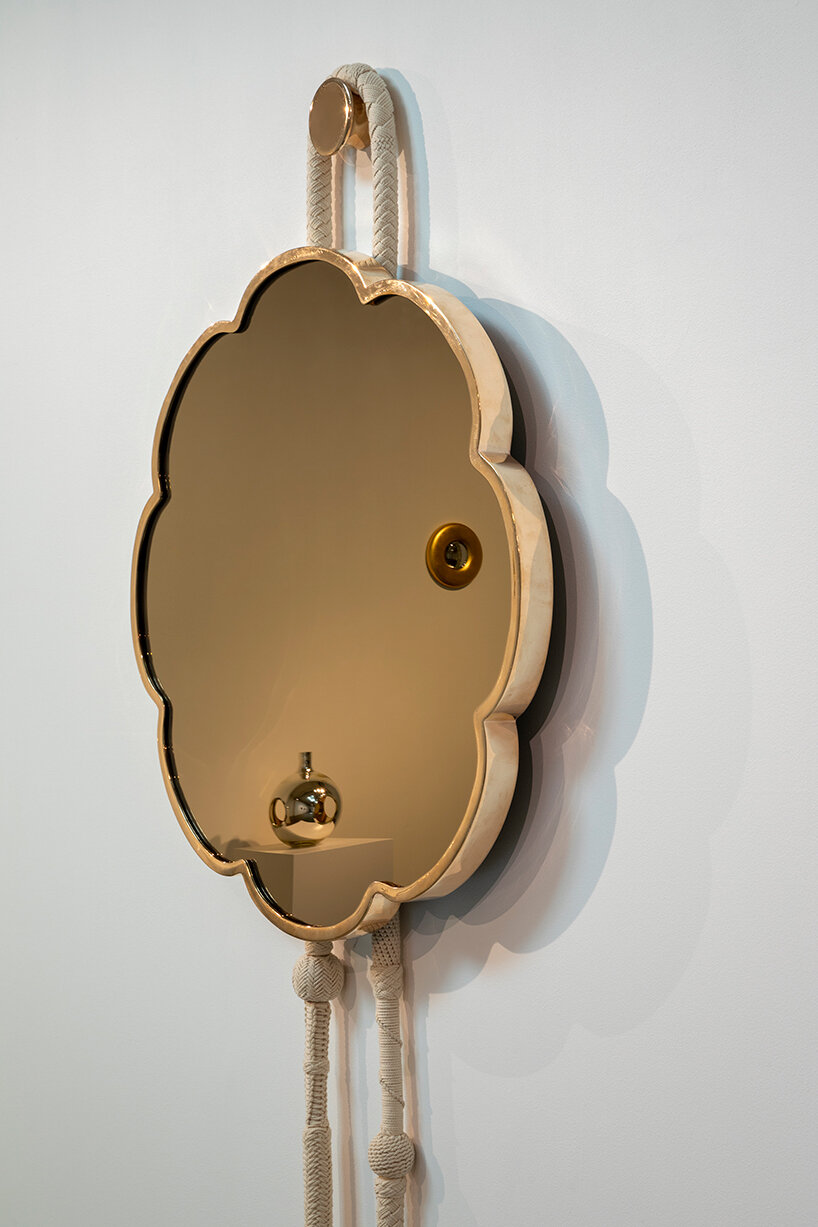 ‘bronze mirror’: the bronze-tinted glass resembles the warm tone of the metal surface but without the scratches, unevenness and corrugation of the ancient mirror, whose reflected surface needed to be polished every day
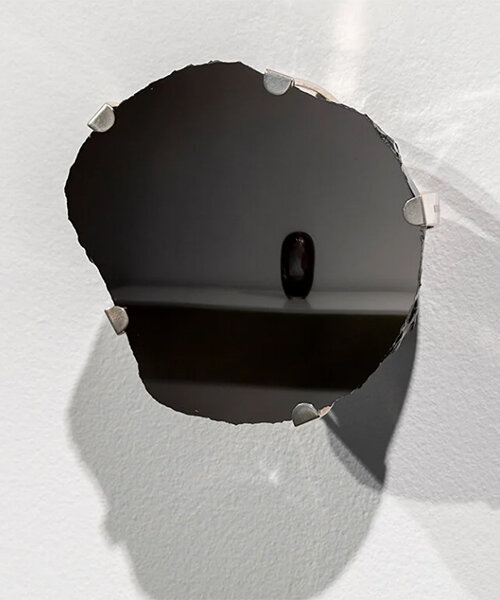
wandering from one piece to another, guests can successively experience different narratives through a variety of materials and techniques: how the first humans were reflected by the trembling water (water reflection side table); or how they gazed at themselves through the first mirrors, made out of polished stone (obsidian mirror). they can also appreciate some of the oldest mirror-making craftsmanship (bronze mirror, convex mirror vase, and cut mirror vase) or think and dream about how technical skilfulness has always had deep political, cultural, and psychological implications (the secret mirror, reflection vases).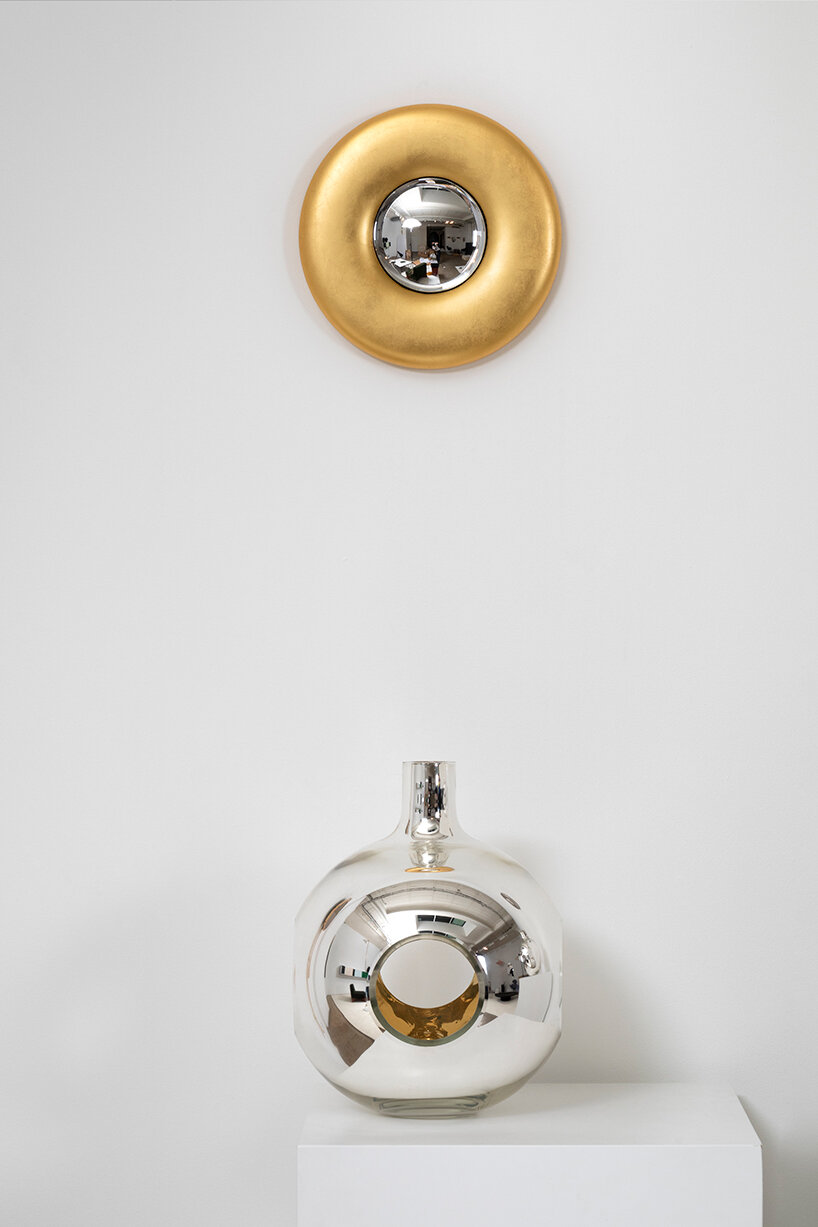 ‘convex mirror vase’: in ancient rome a round lens-shaped piece was cut out of the surface of a blown glass globe. this disc was coated with a lead on its reverse, creating a convex mirror. the reflection was distorted but fairly bright in appearance
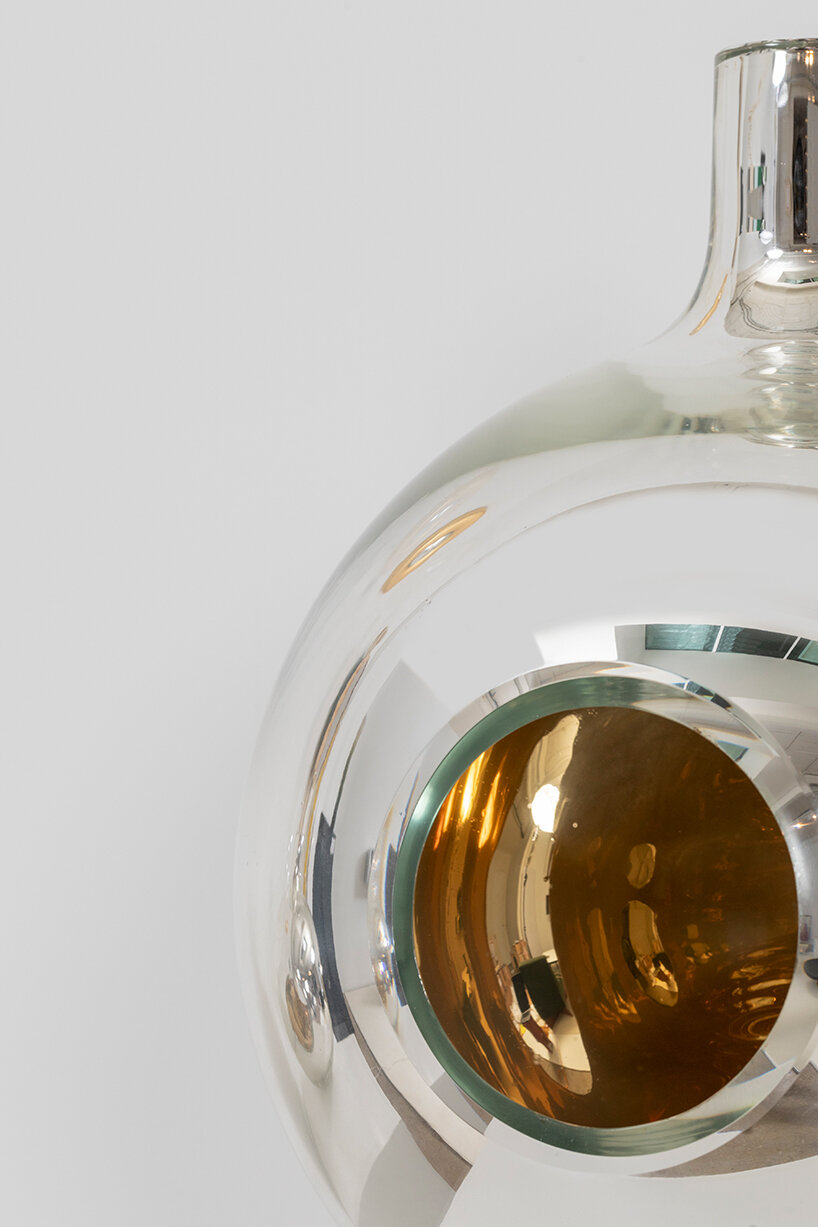 this production technique was used for many hundreds of years. the convex mirror vase narrates the production technique of the first glass mirrors. the vase was created from what remains after the disc for the mirror was removed and placed in the frame on the wall above it
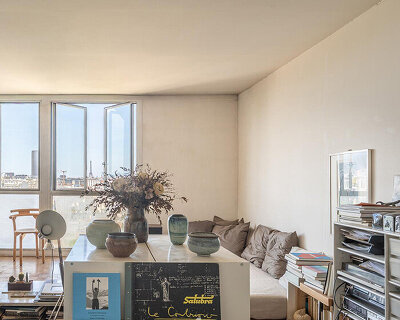
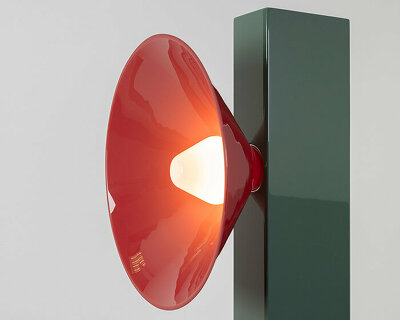
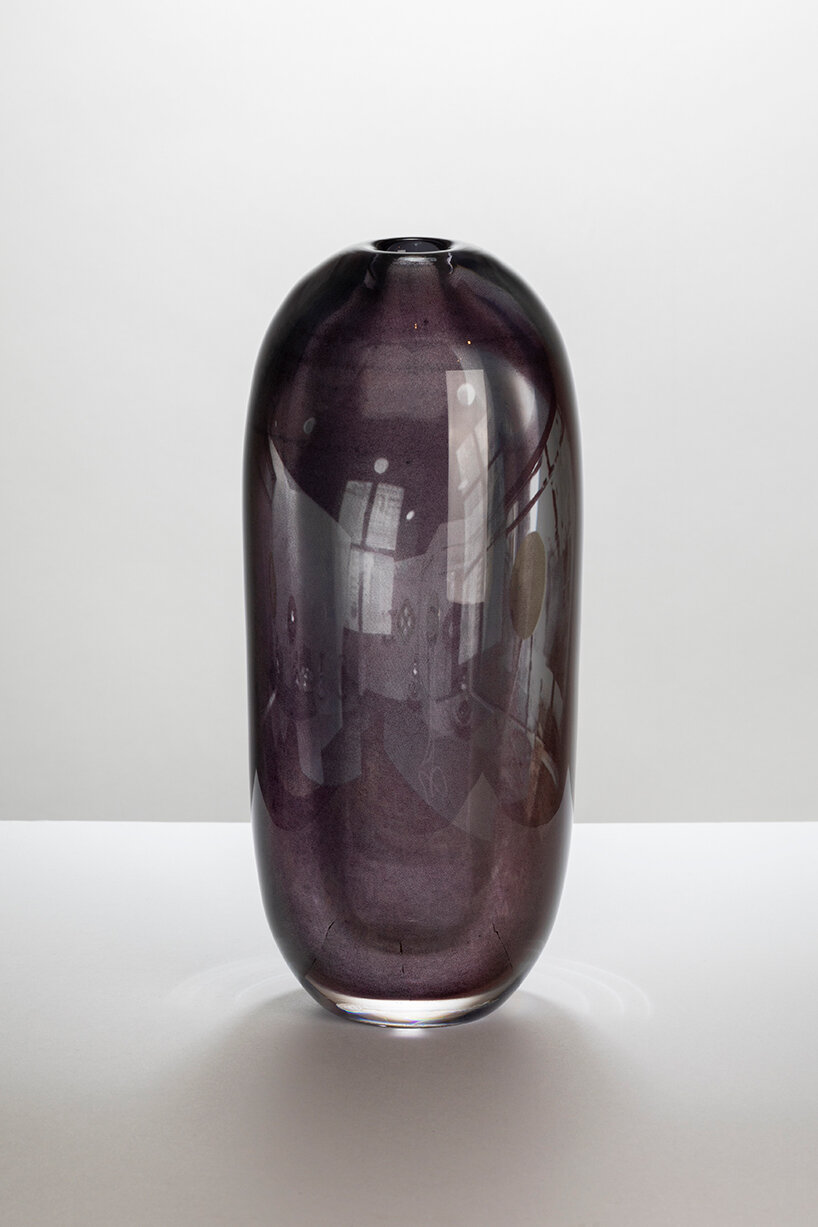 ‘reflection vases’: today mirrors are ubiquitous, but reflections still play an important role in science and culture
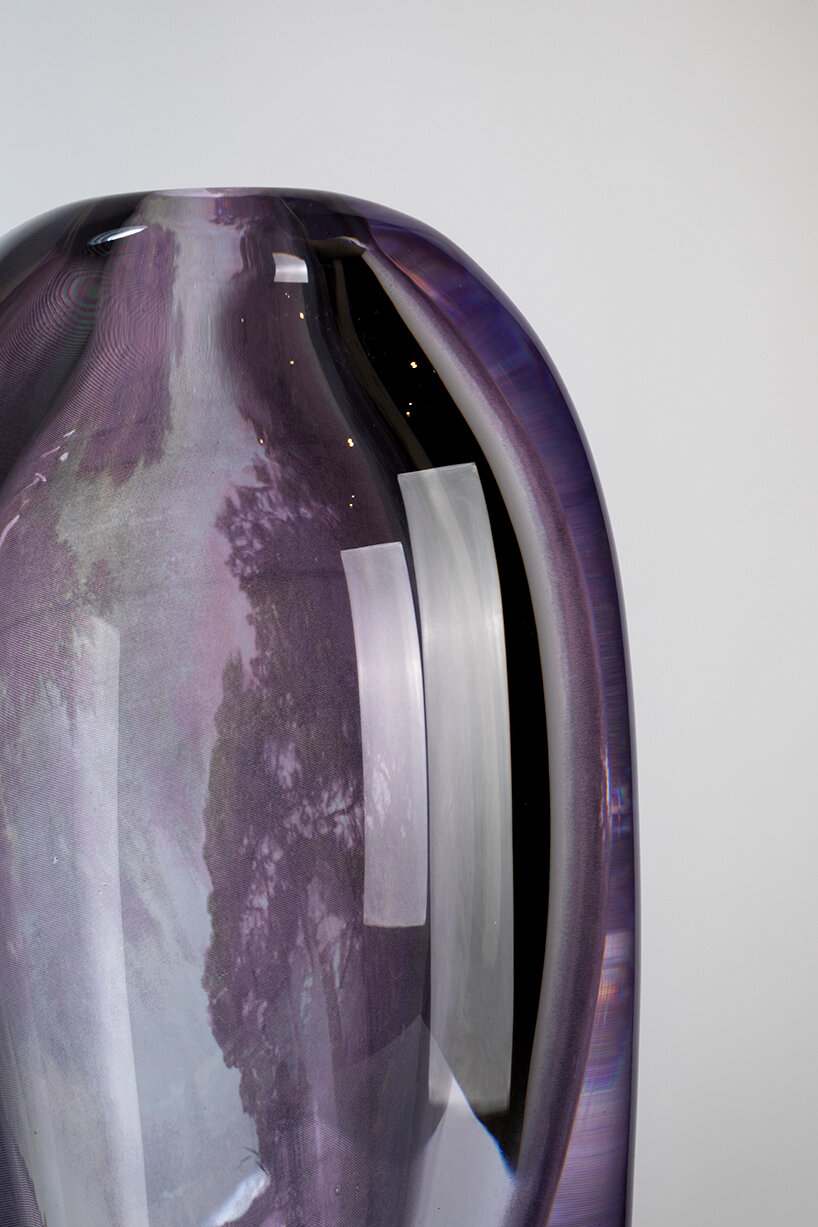 the reflection vases are about how an object changes with its surroundings, literally reflecting the room it is placed within, and metaphorically the values of their eras
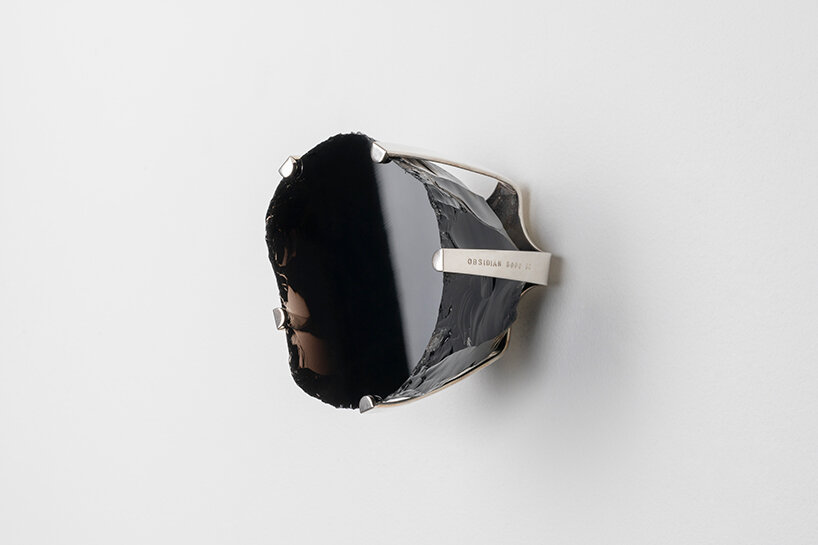 ‘obsidian mirror’: the earliest known man-made mirror was made around 8,000 years ago out of polished obsidian, a volcanic stone
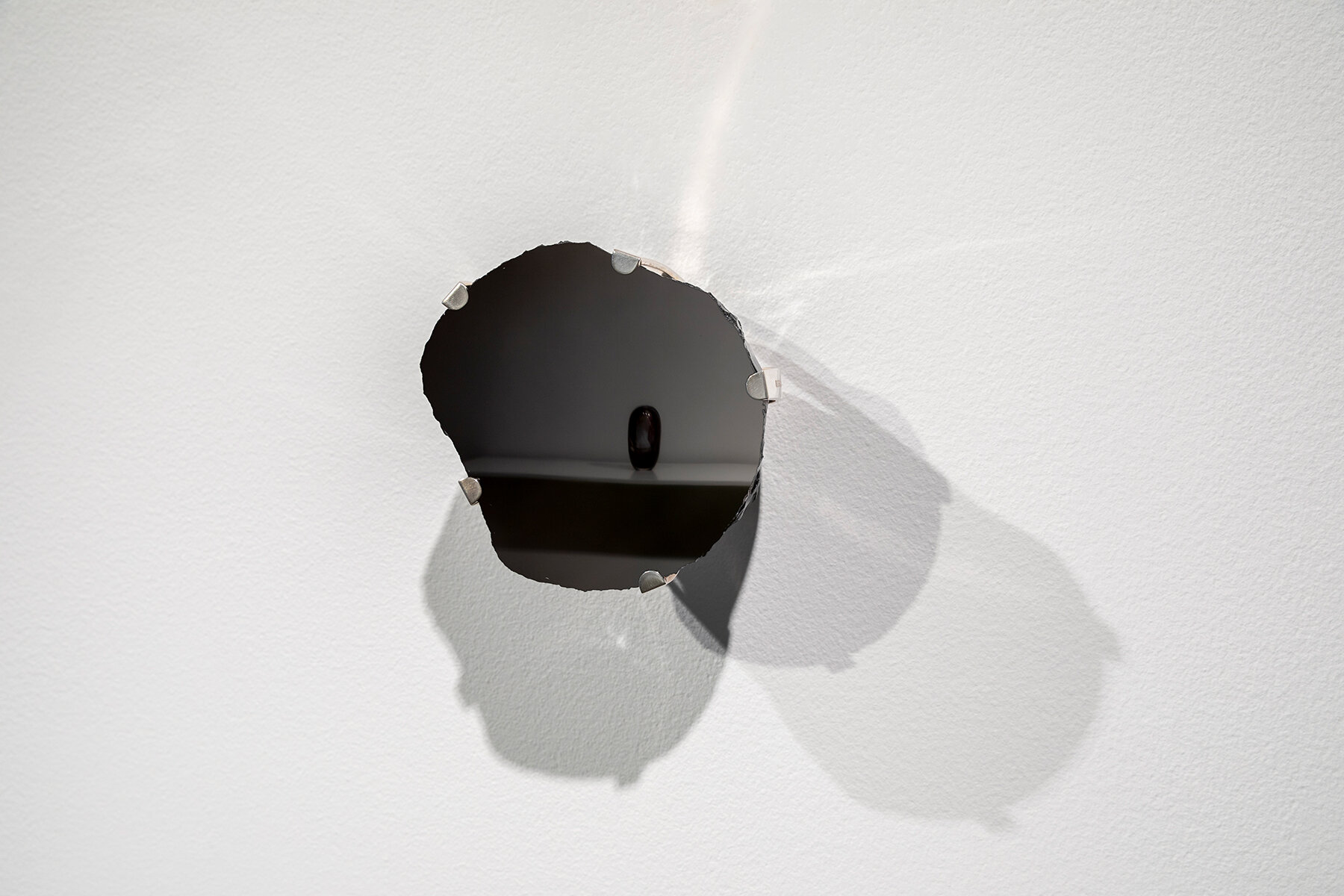
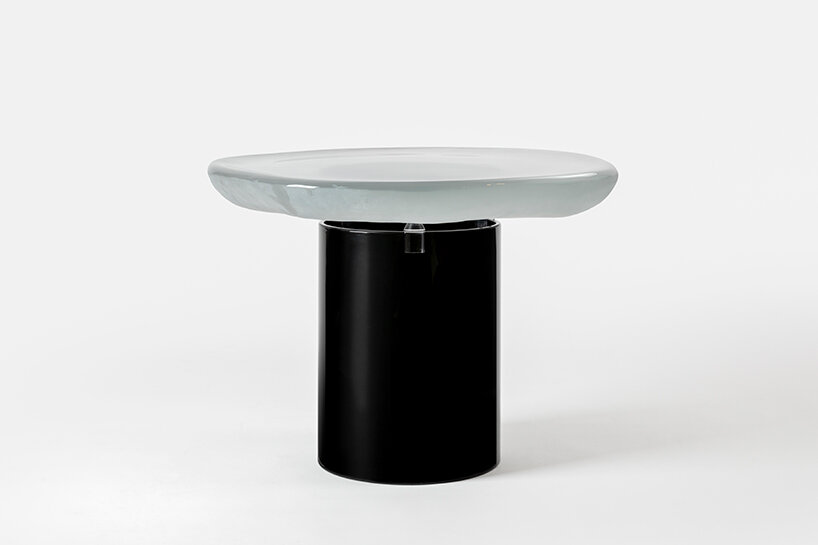 ‘water reflection table’: vessels filled with water have been used since prehistoric times as reflective surfaces, for mirroring and by early astronomers to follow the movement of the stars in the sky. the glass’ surface tension creates faint ripples that resemble the reflections of a still pool of water
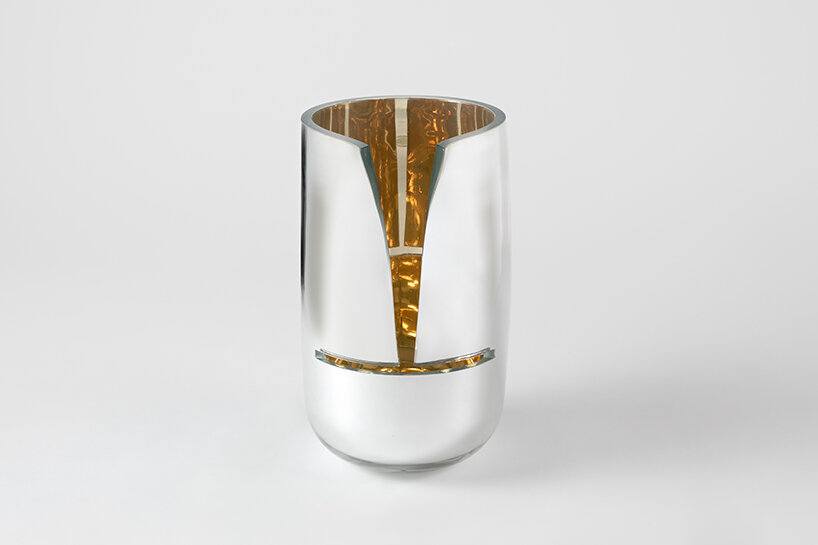 ‘cut mirror vase’: in the 13th century the first flat glass was made by blowing a cylinder of glass, cutting and unrolling it into a fairly even plate of glass. inspired by this process, front made a vase that seems to be in the process of opening and unrolling into a flat mirror
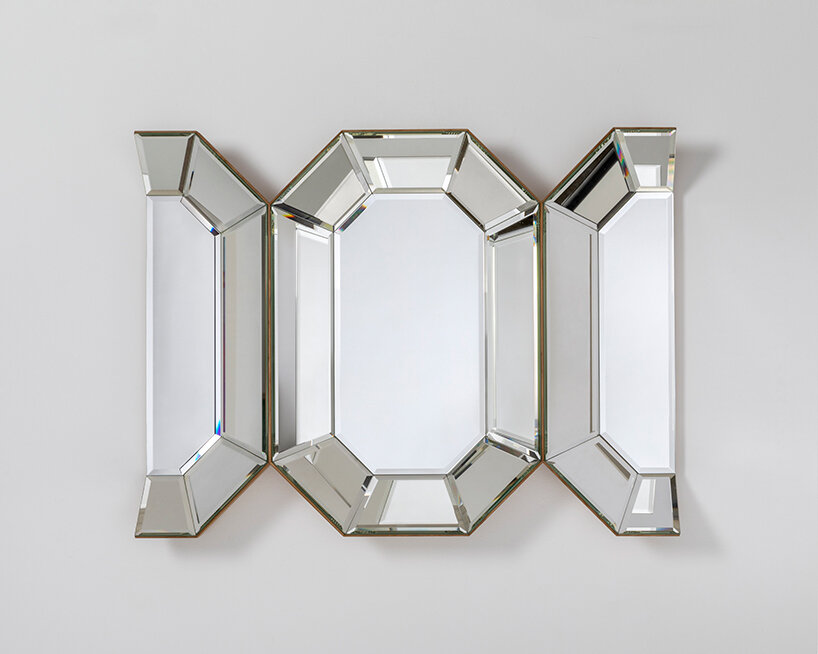 ‘the secret mirror’: in the 15th century, workshops in venice perfected the technique of making plate glass
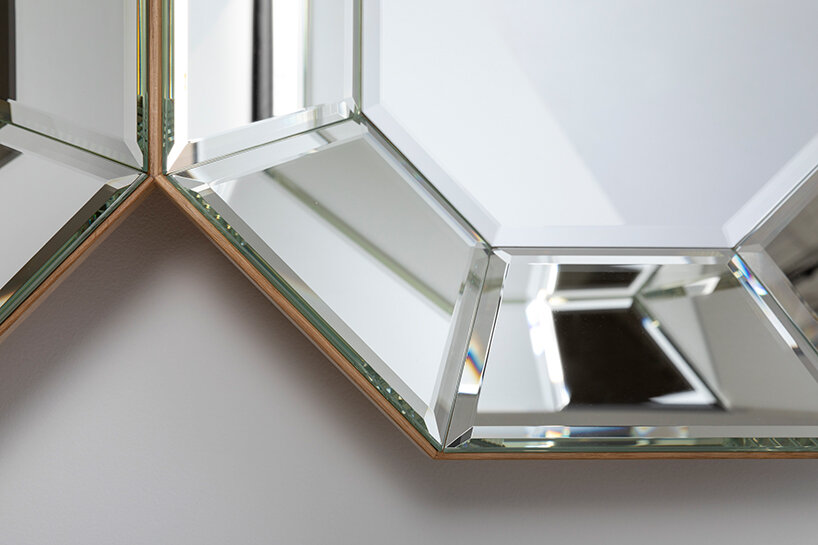 the craftspeople were moved to the island of murano to keep the secret of their craft away from foreign spies. the guildsmen were sworn to uphold trade secrets on penalty of death


1/10
project info:
name: seven stories about mirrors
designers: front
design team: sofia lagerkvist, anna lindgren
location: galerie kreo, paris
dates: may 20–july 24, 2021
shop
your own online design shop — no sales commission collected