The 79th organ digests microplastics found in human bodies
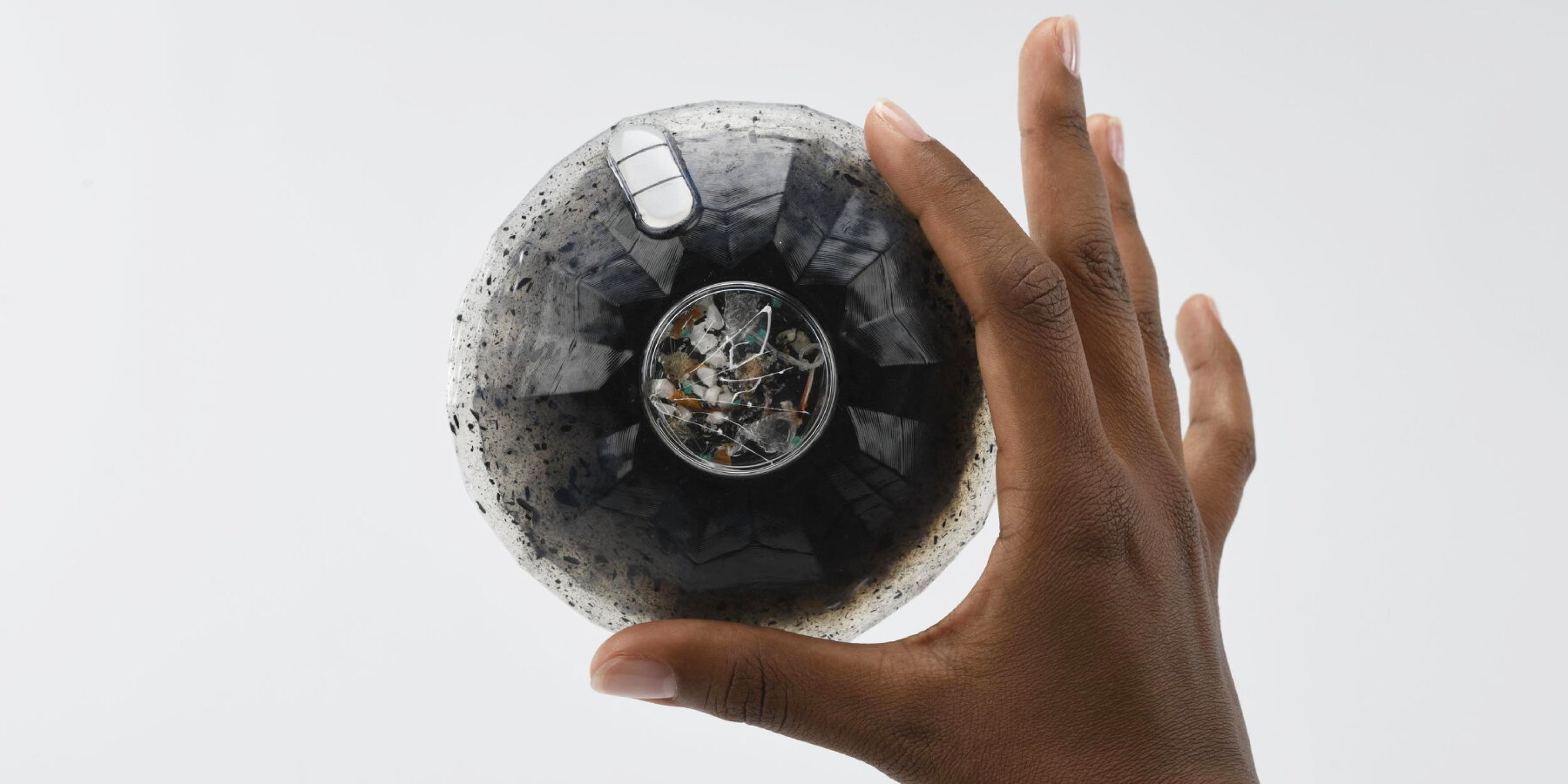
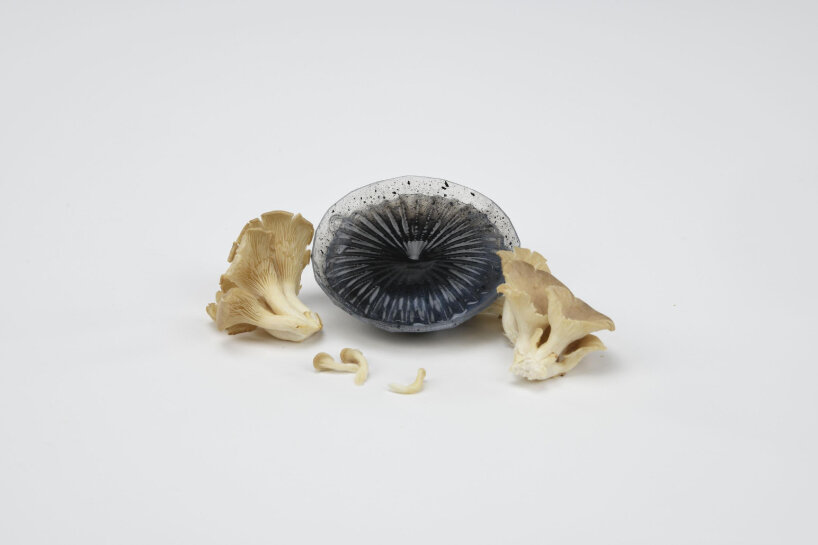
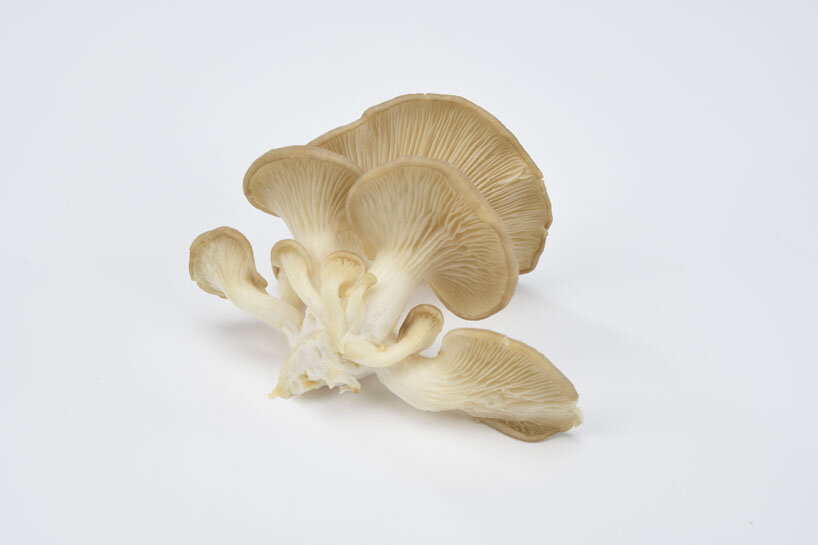
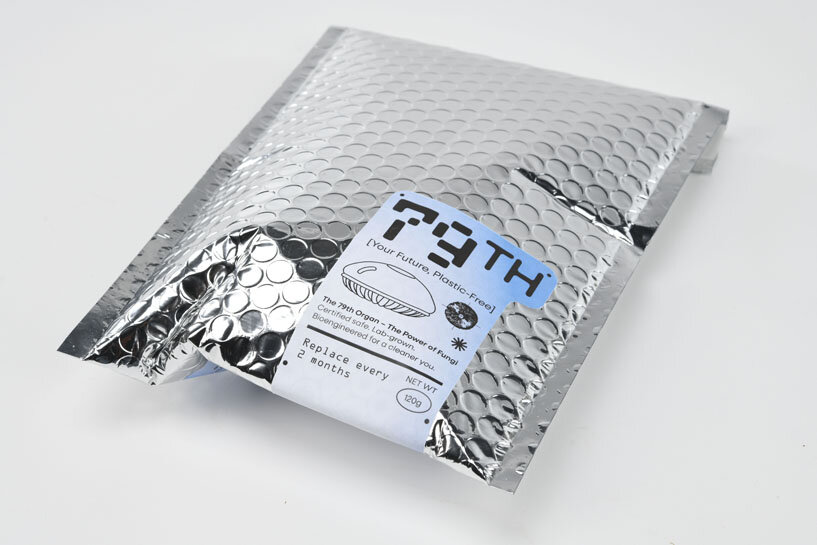
Fungi-made prosthetic device named 79th Organ filters, extracts, and breaks down microplastics inside the human body. The project takes its name from the assumption that the human body has 78 organs today, but in the future, a 79th will be necessary. Designer Odette Dierkx refers to research from 2011 that uncovered plastic-eating mushrooms and imagines their potential use in a future prosthetic organ designed to help humans survive in a plastic-polluted world by 2110. Enters the 79th Organ, which is made from fungi such as the Pleurotus ostreatus (the humble oyster mushroom), bioengineered to make it capable of digesting certain plastics.
The core of the organ is a fungal mycelium structure, which releases enzymes. They’re able to degrade plastics through a process known as bioremediation, where microorganisms digest harmful organic or inorganic materials safely. The fungi-made prosthetic organ works by extracting microplastics from the bloodstream. Once the plastics enter the organ, they are passed through a filter lined with the bioengineered fungal mycelium, and the enzymes break down the plastics into harmless components. This turns the organ into a living detox system, processing material that the body cannot remove on its own.
all images courtesy of Odette Dierkx
fungi-made prosthetic organ with round magnifying glass
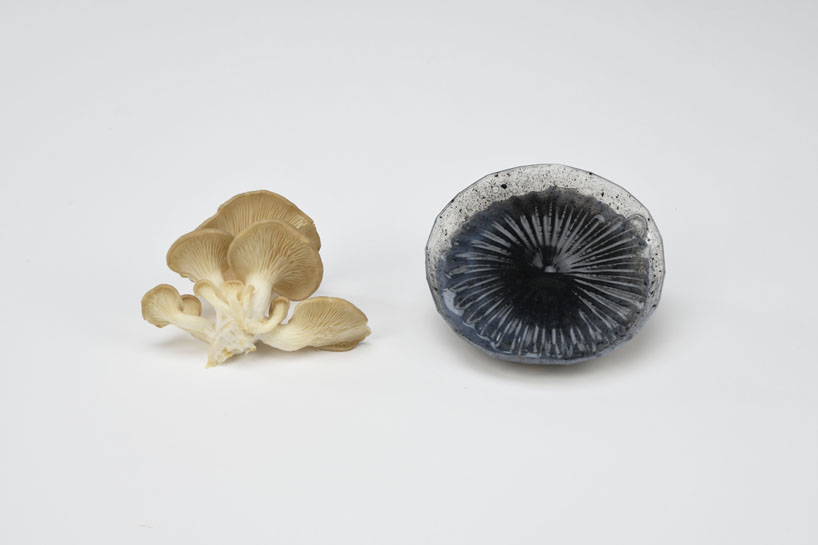
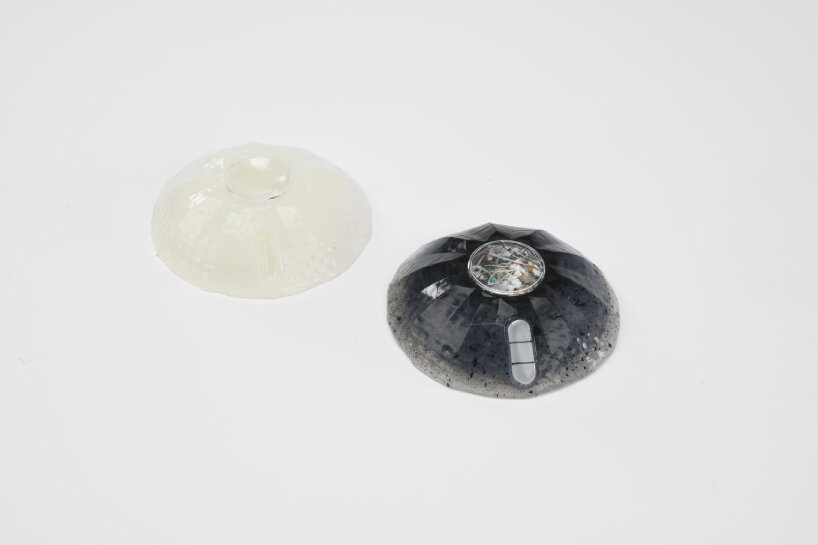
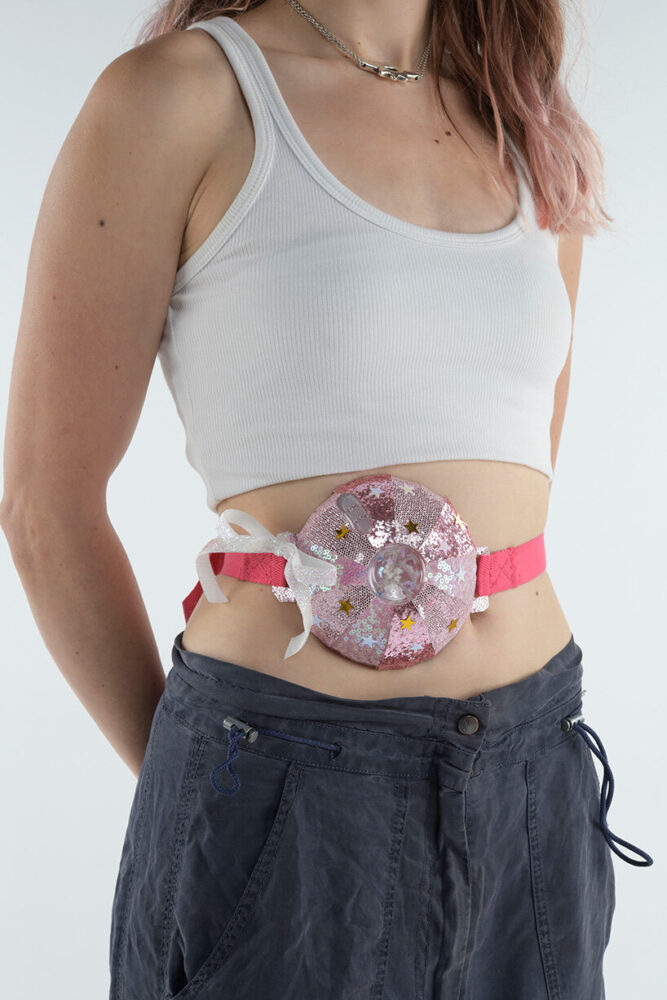
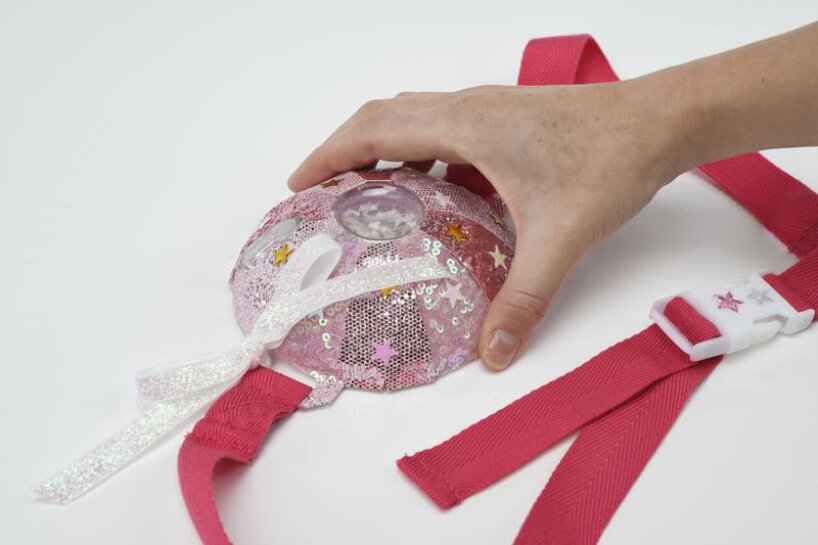
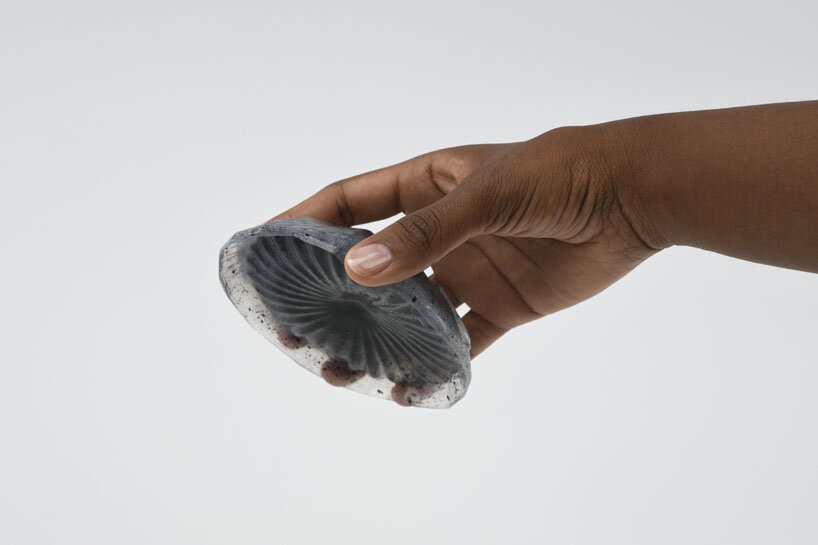
The physical design of the 79th Organ is shaped like a domed capsule with internal gills similar to those of a mushroom. The device attaches to the lower abdomen with suction. At the top, there is a round magnifying glass that allows the user to see the filtered microplastics being processed. On the side of the fungi-made prosthetic organ, a dial displays danger levels to show the users the amount of contamination visible. There are three versions of the organ presented to represent different social groups in this imagined plastic-filled future, and designer Odette Dierkx lists specific examples.
The first is a clear factory model, designed to show the internal mechanisms, thought of as being worn by a Japanese fisherman whose work depends on catching fish contaminated with plastic. The second is a black, cracked version worn by a waste picker in Kenya, representing overexposure to plastic waste, dust, and toxic chemicals. The third is a pink customized organ worn by a young German girl who was born with microplastics in her body. The 79th Organ then responds to the global microplastic crisis, whose health consequences are severe and include birth defects, reduced fertility, cancer, and weakened immune systems. At the present time, the fungi-made prosthetic organ is a speculative design by Odette Dierkx.
fungi-made prosthetic device named 79th Organ extracts microplastics inside the human bodies
the 79th Organ is made from bioengineered fungi capable of digesting certain plastics
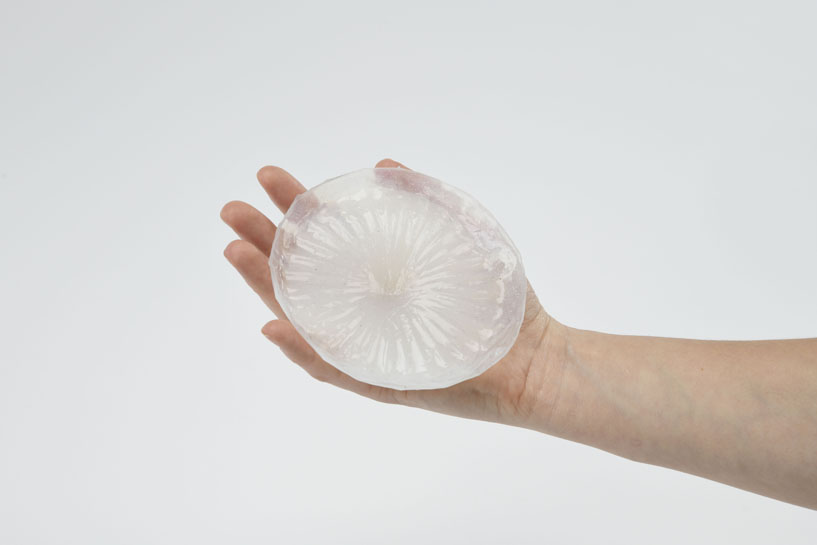
the core of the organ is a fungal mycelium structure, which releases enzymes
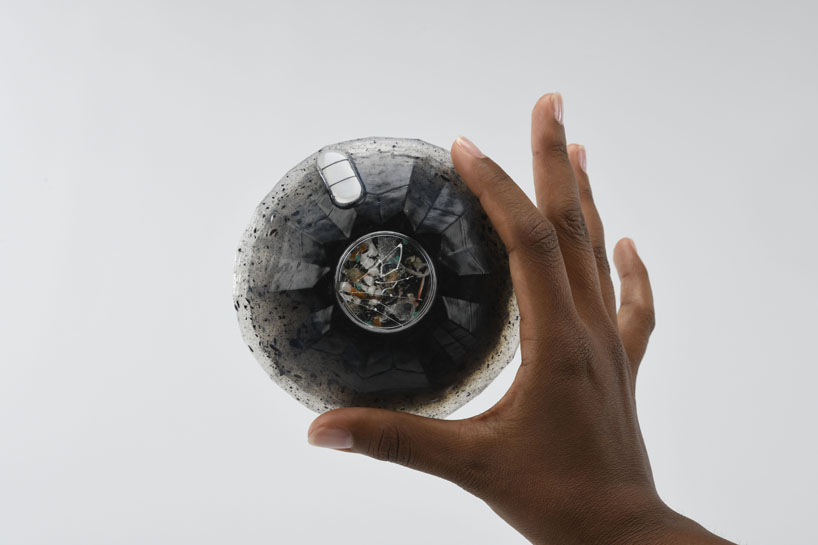
there is a round magnifying glass that allows the user to see the filtered microplastics being processed
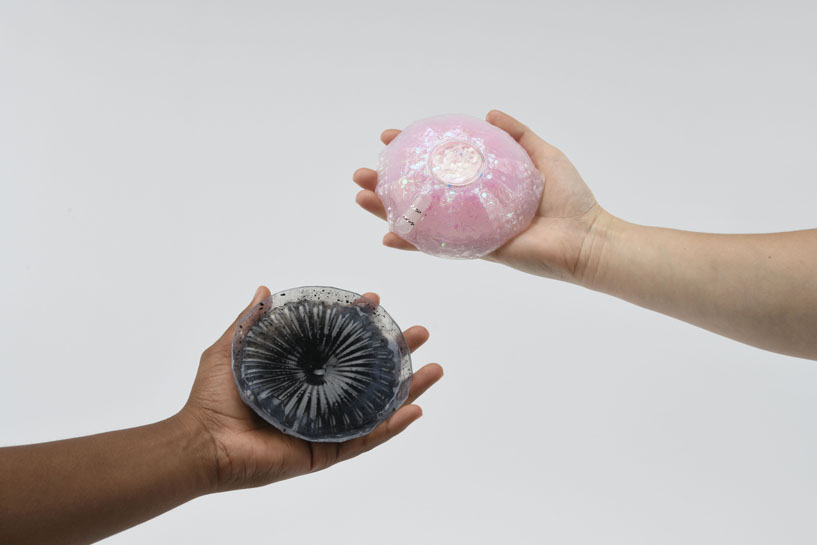
on the side of the device, a dial displays danger levels to show the users the amount of contamination visible
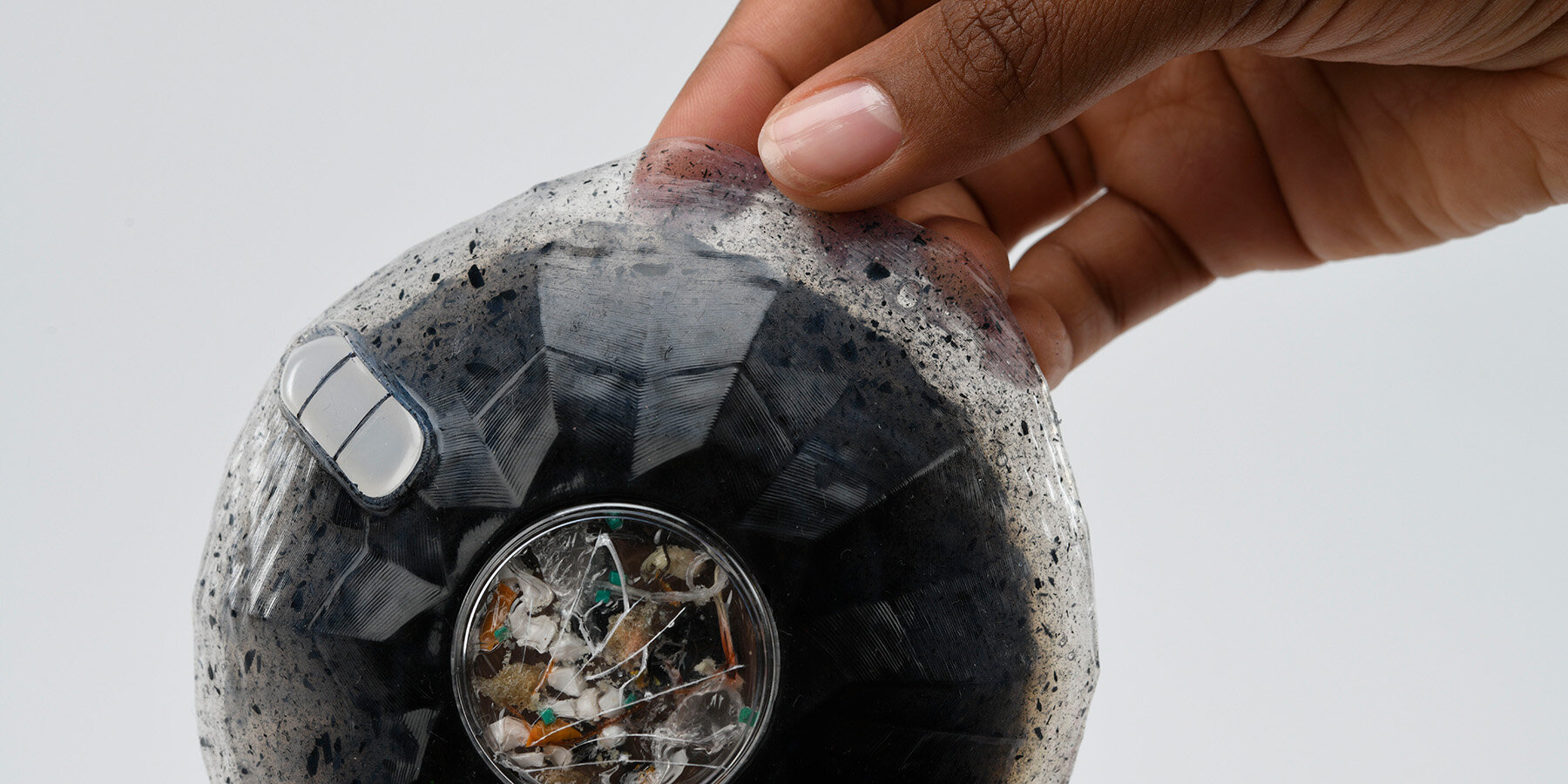
the 79th Organ is made from fungi such as the humble oyster mushroom
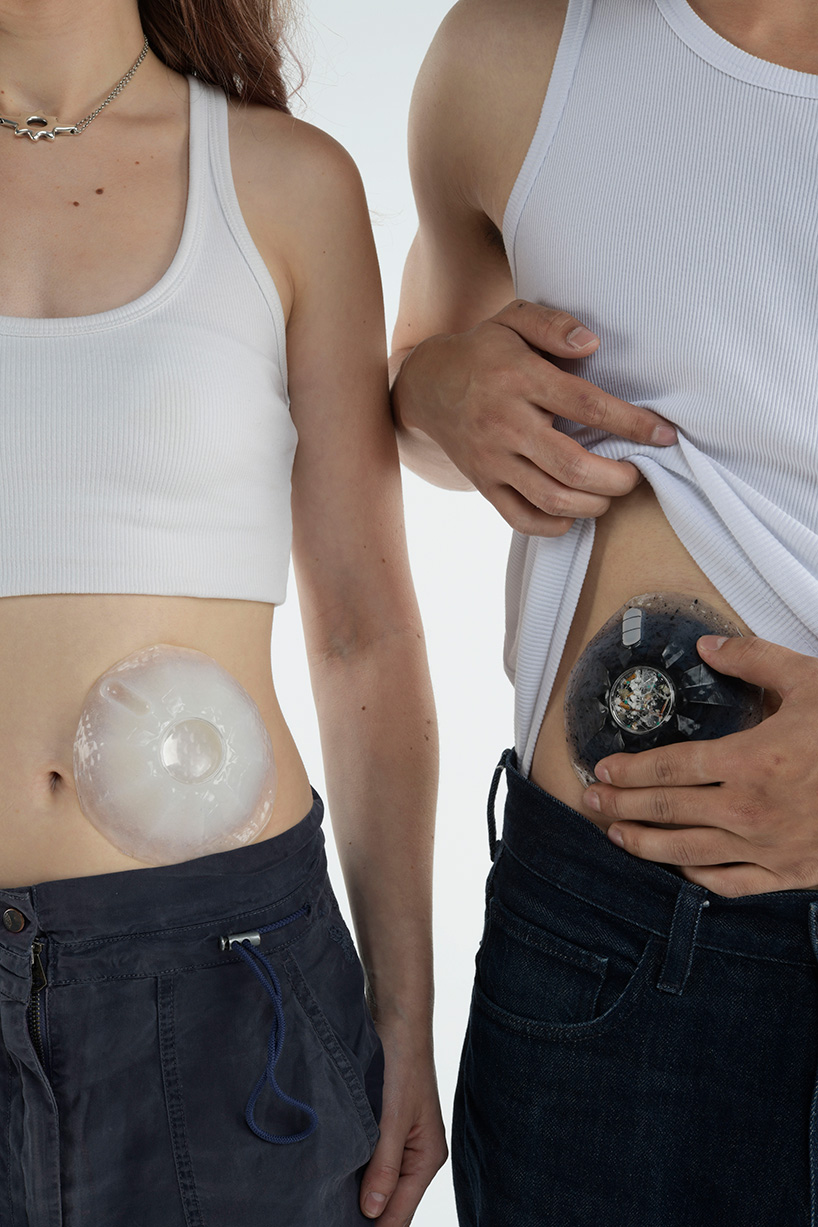
the device attaches to the lower abdomen with suction
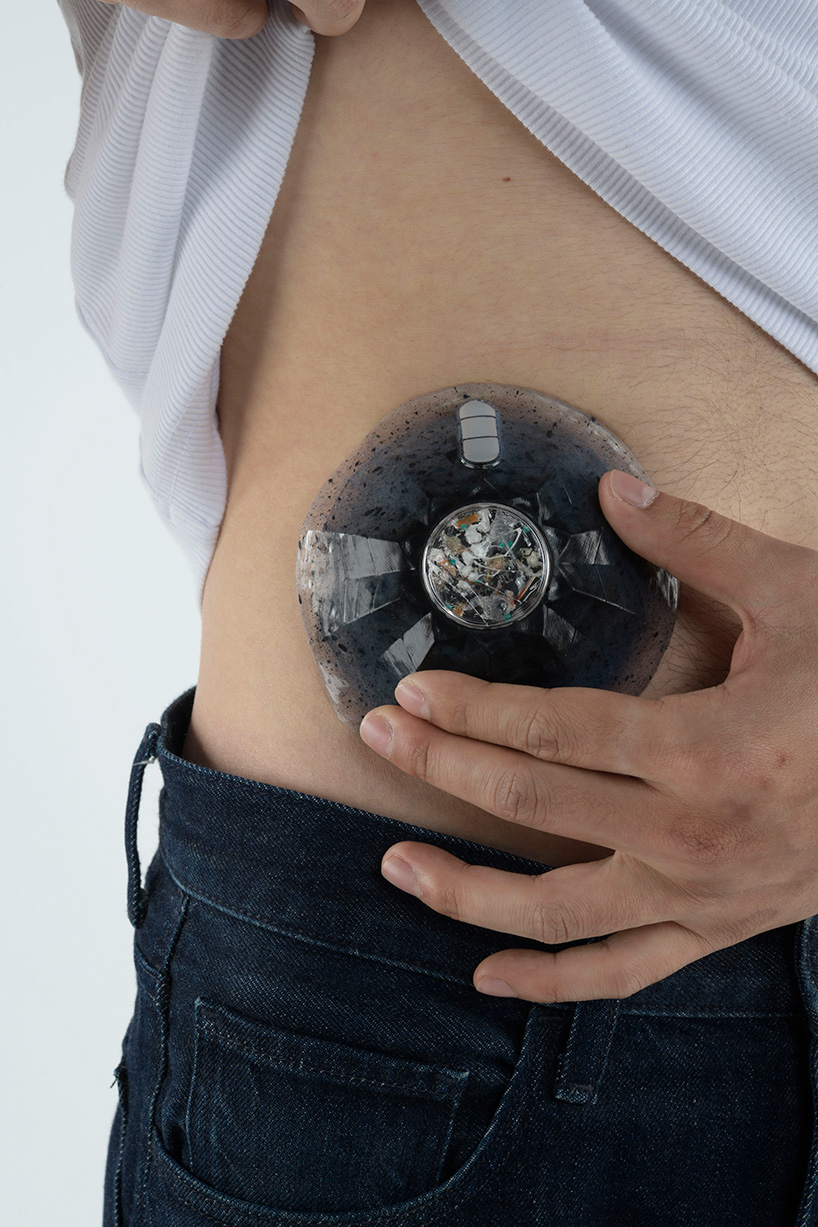
detailed view of the device
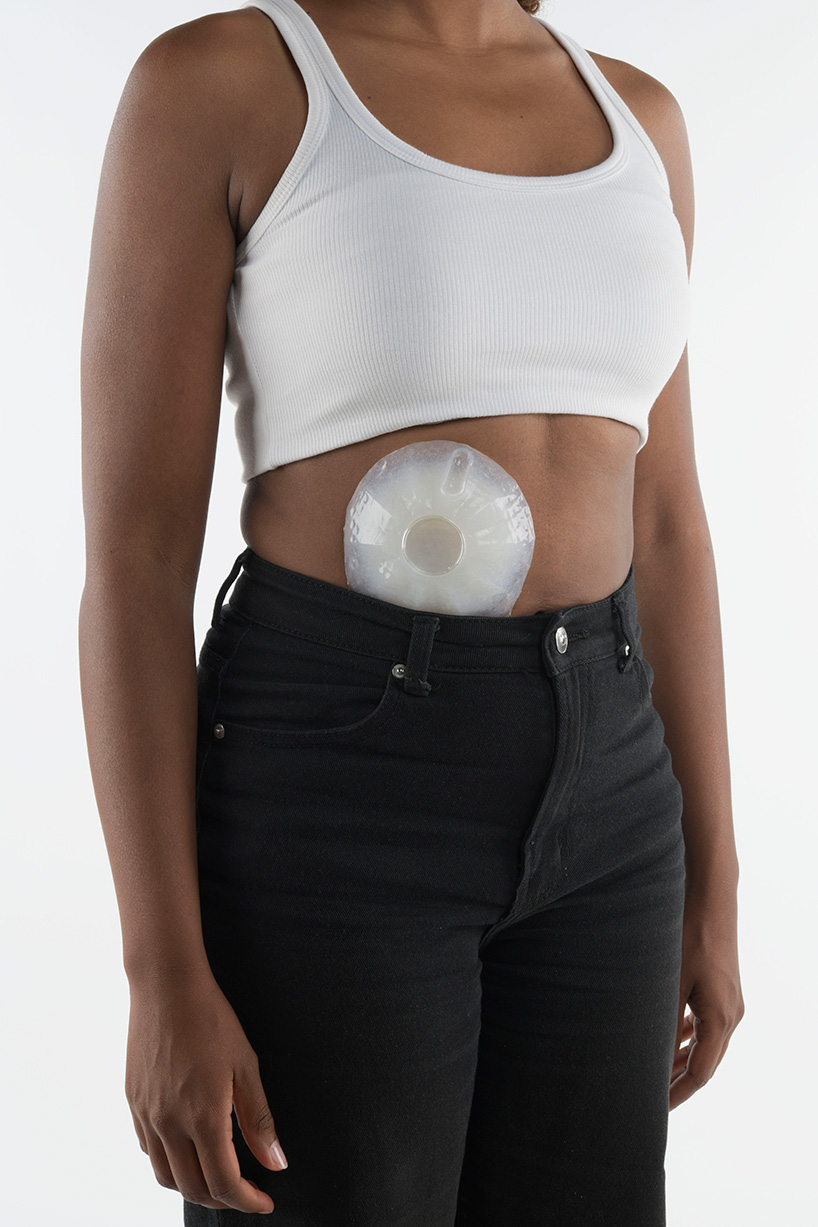
the organ is viewed as a living detox system
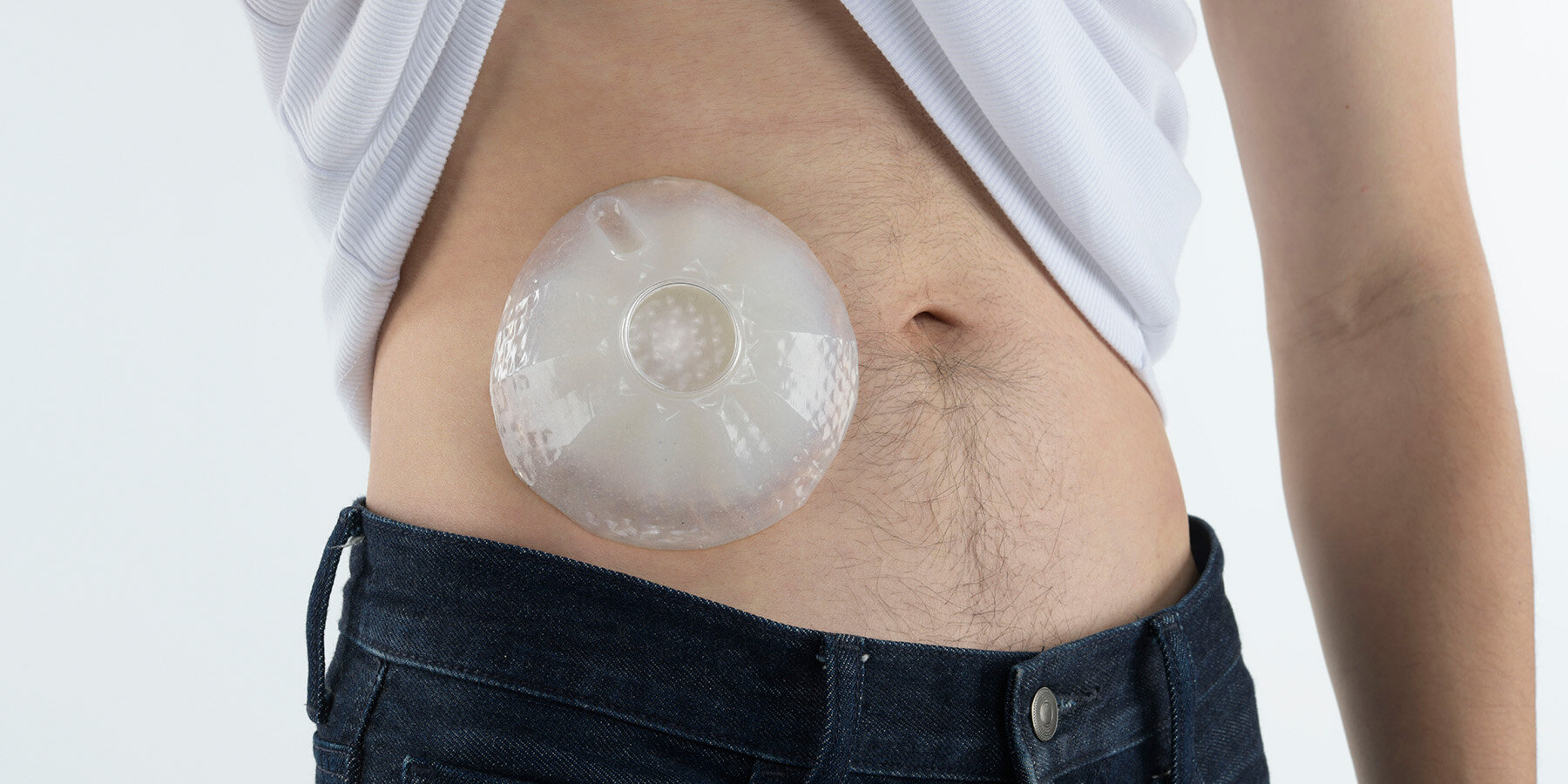
so far, the device is a speculative design
project info:
name: The 79th Organ
design: Odette Dierkx | @oddddesigns
designboom has received this project from our DIY submissions feature, where we welcome our readers to submit their own work for publication. see more project submissions from our readers here.
edited by: Matthew Burgos | designboom
assistive devices (61)
 Feb 04, 2026
 Jan 27, 2026
 Jan 27, 2026
 Jan 26, 2026
 Jan 21, 2026
biomaterials (42)
 Feb 17, 2026
 Feb 09, 2026
 Feb 05, 2026
 Feb 05, 2026
 Feb 04, 2026
mushroom mycelium (53)
 Dec 06, 2025
 Nov 05, 2025
 Oct 10, 2025
 Aug 23, 2025
 Aug 01, 2025
personal technology (195)
 Feb 21, 2026
 Feb 18, 2026
 Feb 14, 2026
 Feb 09, 2026
 Jan 28, 2026
wearable technology (319)
Jan 21, 2026 Jan 21, 2026
 Dec 30, 2025
 Nov 28, 2025
 Nov 26, 2025
 Feb 18, 2026
 Jan 28, 2026
 Jan 02, 2026
 Dec 28, 2025